


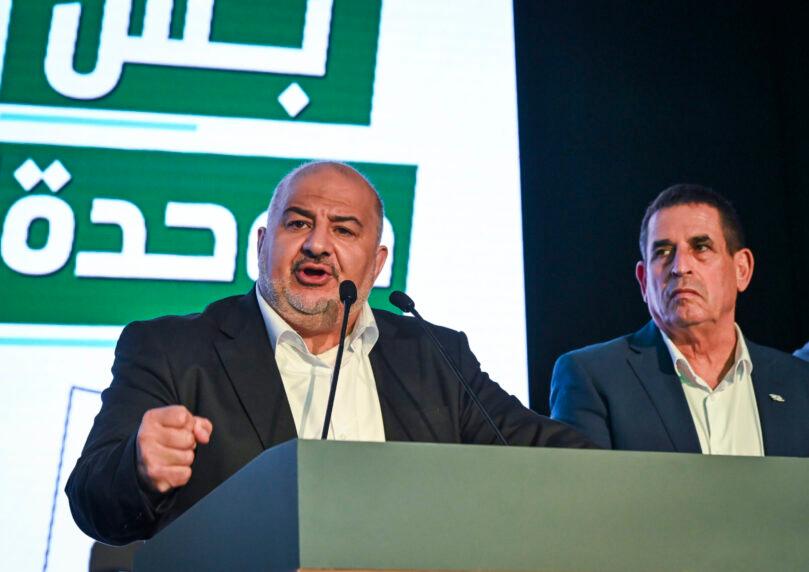

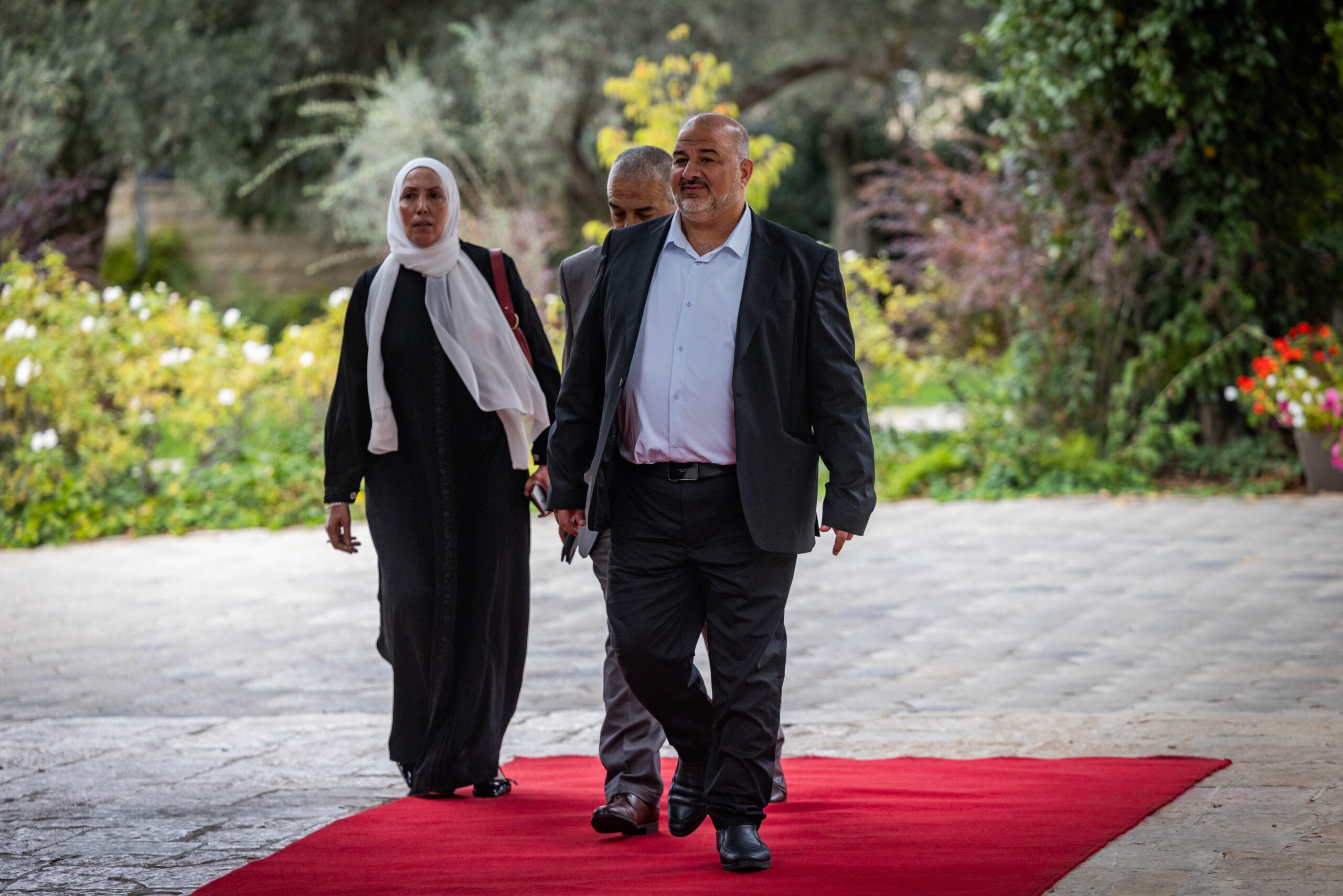
Ra’am Chairman Mansour Abbas revealed for the first time that condemning Hamas could cost him his life. The admission illustrates the terror organization’s power and the threat it poses even to those who dare oppose it—and raises fundamental questions about the possibility of including Abbas in an Israeli government when even condemning Hamas could endanger his life. Despite the clear intention of left-wing party leaders to form a government with Arab factions including Ra’am, party chairman Mansour Abbas refuses to take the minimal step needed to refute accusations that he won’t recognize Hamas as a terrorist organization. While the blind rush toward him continues with claims that he represents Israel’s legitimate Arab public, Abbas is sticking to the same line today.

 1+
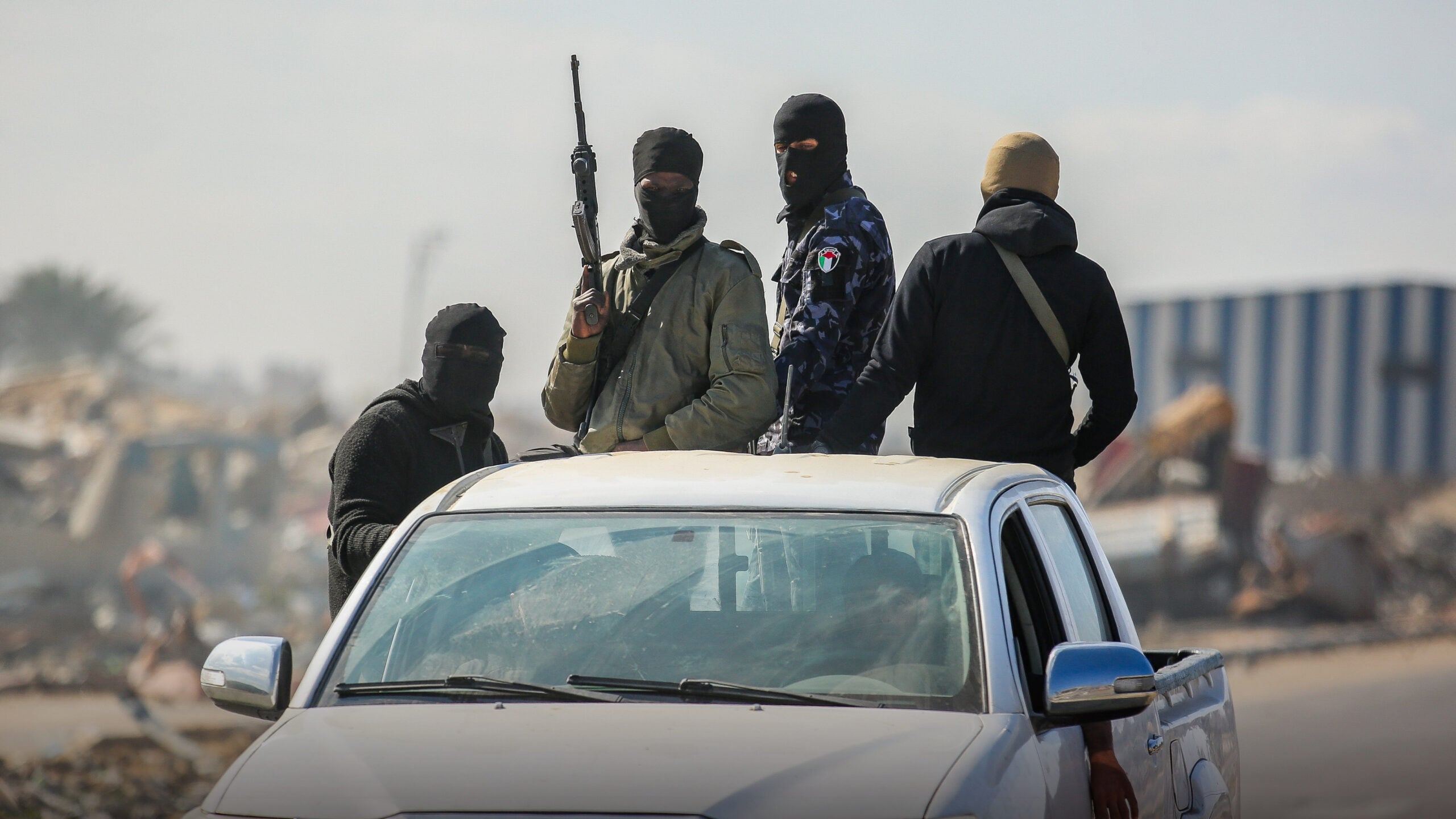
When asked again why he won’t call Hamas a terrorist organization, Abbas responded: “Leave me some room to protect myself and protect my family.” His words suggest he’s deeply afraid of Hamas and its offshoots in Judea and Samaria and within Israel—casting a heavy shadow over the ability of a government in which he’s a partner to continue the mission of dismantling Hamas in Gaza. This operation began under the previous government.
The comments came against the backdrop of advancing talks to form a new government in which Ra’am is expected to be a significant partner. Left-wing party leaders have emphasized in recent days that Abbas is a legitimate partner and that his party’s support is essential to secure a majority. But his consistent refusal to recognize Hamas as a terrorist organization continues to raise tough questions about his positions.
 1+
Political sources note this is the most basic requirement, unrelated to any particular political position. Recognizing Hamas as a terrorist organization is an accepted stance in Israel and many countries worldwide, and avoiding it is seen as a problematic message—especially when it comes from a candidate for coalition partnership.
Sources involved in the talks say Abbas’s refusal isn’t accidental. According to them, he wants to preserve room to maneuver vis-à-vis hostile elements and avoid getting entangled in a frontal confrontation with them. But this fear worries many: if Abbas is afraid to say the most obvious things, how can he be a partner in a government that will need to make tough decisions regarding Hamas?
At this stage, left-wing party leaders haven’t publicly addressed Abbas’s repeated refusal and continue efforts to finalize the emerging coalition.