


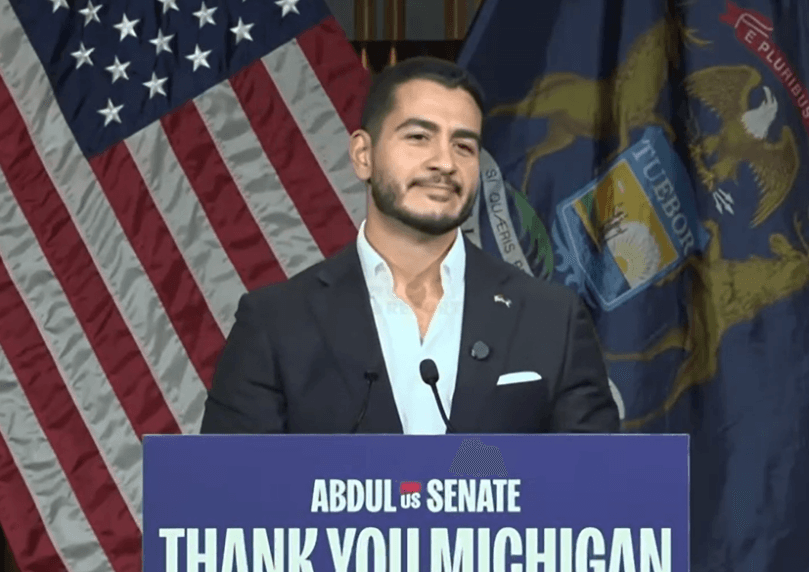

The results of the U.S. elections point to a major Democratic victory. But behind them lies an even more troubling phenomenon: the growing strength of an ideological alliance between the radical socialist left and elements associated with political Islam. The Red Green Alliance shares several common denominators, chief among them a deep hostility toward Israel.

 3+
Alongside moderate Democratic candidates, the elections saw a strong showing by candidates from the radical left, some of whom have made opposition to Israel central to their political identity. They are calling for an arms embargo and an end to security assistance, while advancing anti-Zionist positions. In some cases, criticism of Israel is also accompanied by antisemitic expressions. They do not attempt to conceal their views. Quite the opposite. They wear them proudly and win votes at the ballot box. The greatest danger lies in the normalization of this trend: hostility toward Israel is no longer a political liability, but an electoral asset.
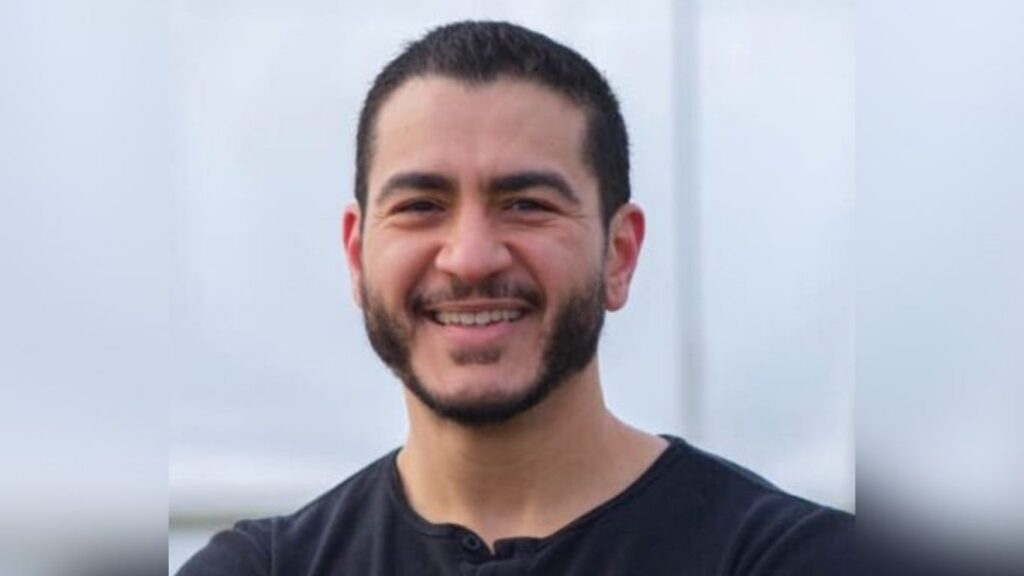
The election of Zohran Mamdani as mayor of New York City was an early warning sign. Now, additional candidates identified with similar positions have been elected. In New York, for example, socialist candidate Daryleiza Avila Chevalier was elected to Congress. Following her victory, she appeared wearing a keffiyeh and called for an arms embargo on Israel and the Palestinian right of return. In Michigan, Abdul El-Sayed won his Senate race following a campaign that included harsh criticism of Israel and American aid to the country.
 3+
Israel has become part of America’s socioeconomic debate. Gas prices, the rising cost of living, the gap between rich and poor, and the war with Iran are all being woven into a new narrative: the American taxpayer is paying the price for Middle Eastern wars and for the alliance with Israel.
A shift is also taking place on the American right. Vice President J.D. Vance linked the Republican defeat to the war with Iran and to the sentiments of voters who want to change the nature of the relationship with Israel. These are not the words of a radical leftist, but of one of the leading figures in the conservative camp. The implications are clear: the traditional bipartisan support for Israel can no longer be taken for granted.
 3+
One of the election results that, in my view, best illustrates the bizarre nature of America’s new political landscape comes from conservative Arkansas. Mindy McAlindon, a Republican state representative and a Christian who loves Israel and the Bible, led a delegation of American lawmakers with us at AFJS on visits to Judea and Samaria, the Temple Mount, and the Gaza border communities.
Her opponent was Jacob Allen, a Democratic candidate who chose to walk the streets dressed in an armadillo costume. Allen won by just 197 votes. The costume says nothing about his abilities, but it does symbolize the shift taking place: candidates with established records of public service are being defeated by TikTok trends and political curiosities.

This shift did not happen in a vacuum. For years, a battle has been underway in the United States over the hearts and minds of the younger generation, on college campuses and across social media, alongside the flow of billions of dollars from Qatar to American academic institutions.
According to data from the U.S. Department of Education, more than $1.1 billion in gifts and contracts from Qatari sources to American universities was reported in 2025. America is undergoing a process of growing progressive left-wing influence and distancing itself from traditional values, while the age of social media and AI is accelerating this process at an enormous pace.
 3+
The United States has been and remains Israel’s most important ally, and tens of millions of Americans stand with us. We must not give up on this alliance. However, Israel must prepare for the possibility that a hostile administration could one day take power in Washington and impose sanctions or restrict arms supplies. We must strengthen our defense independence, expand our ammunition industries, and reduce our dependence on other countries. Our survival cannot depend on election results in another nation.
At the same time, we must invest far more in the battle for public opinion. This is where organizations like AFJS have an advantage. We present values that connect millions of Christians and Jews: the Bible, tradition, family, and the Jewish people’s return to their homeland. When an American visits ancient Shiloh, Hebron, or the hills of Samaria, they discover a story entirely different from the one presented to them on college campuses, and come to understand that Israel is not a “foreign colonial enterprise.”
We must expand these efforts. Reach young people, college campuses, communities, and lawmakers. Build relationships with Christians and Jews, Republicans and Democrats, and proudly present Israel’s historical and moral story.
The results of the U.S. elections are a wake-up call. Israel must be strong enough to stand on its own, and wise enough to continue building the alliances that will make sure it does not have to.