


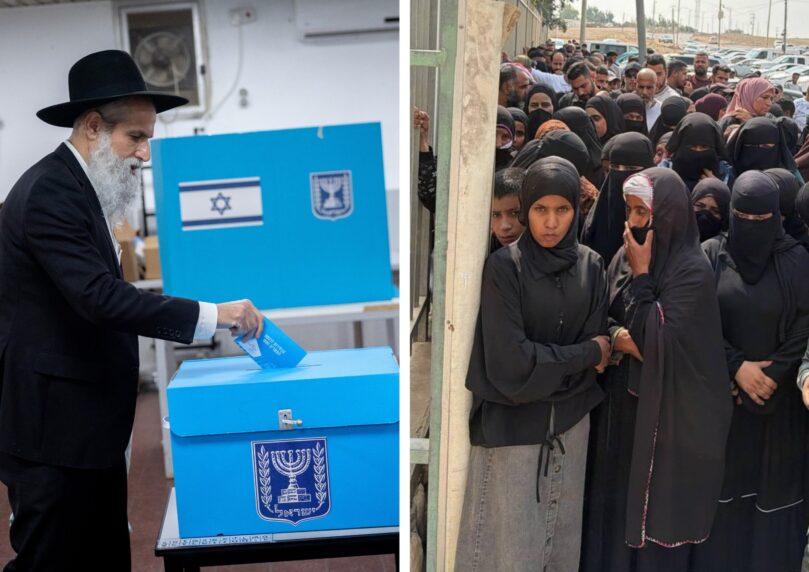

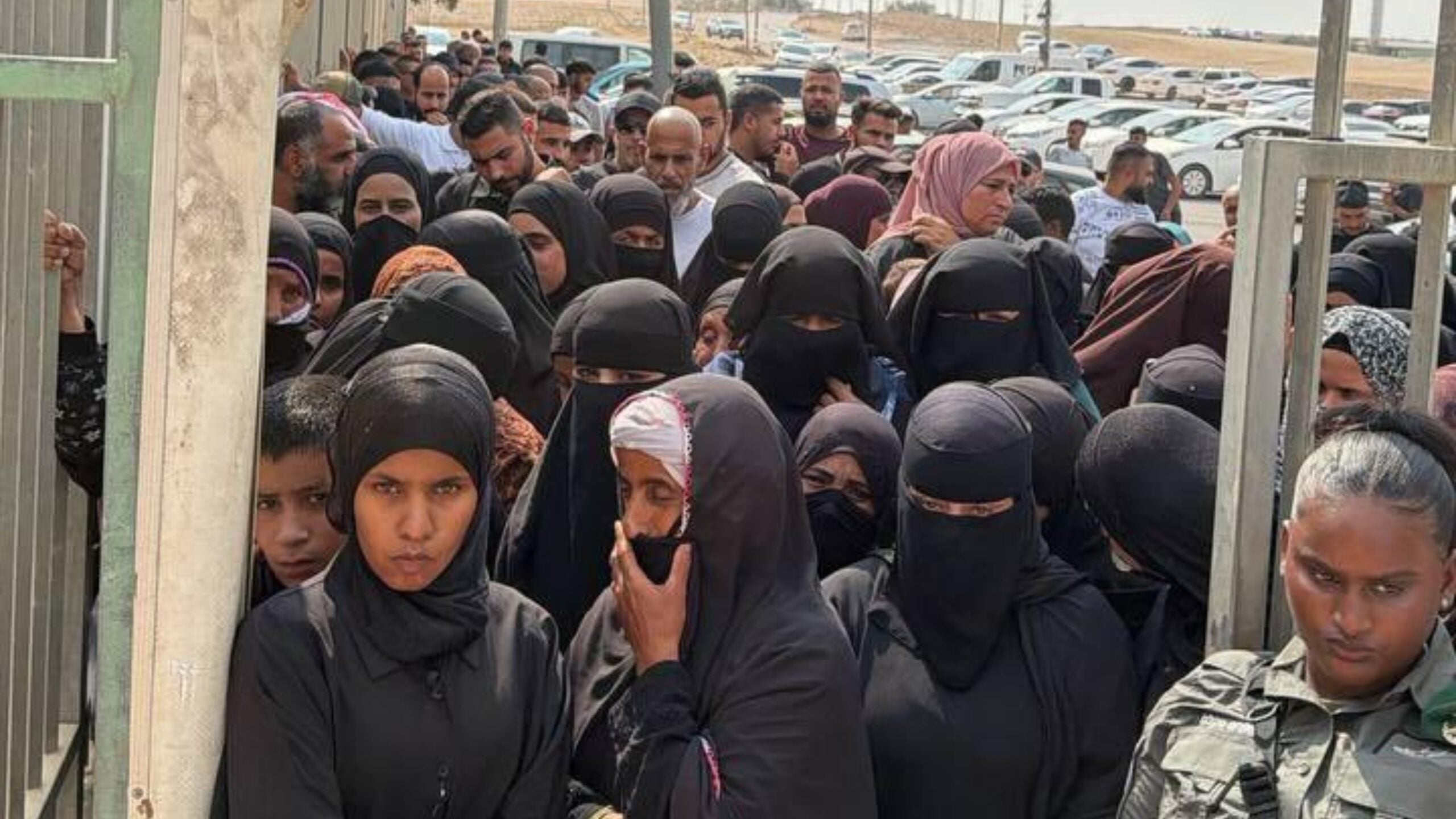
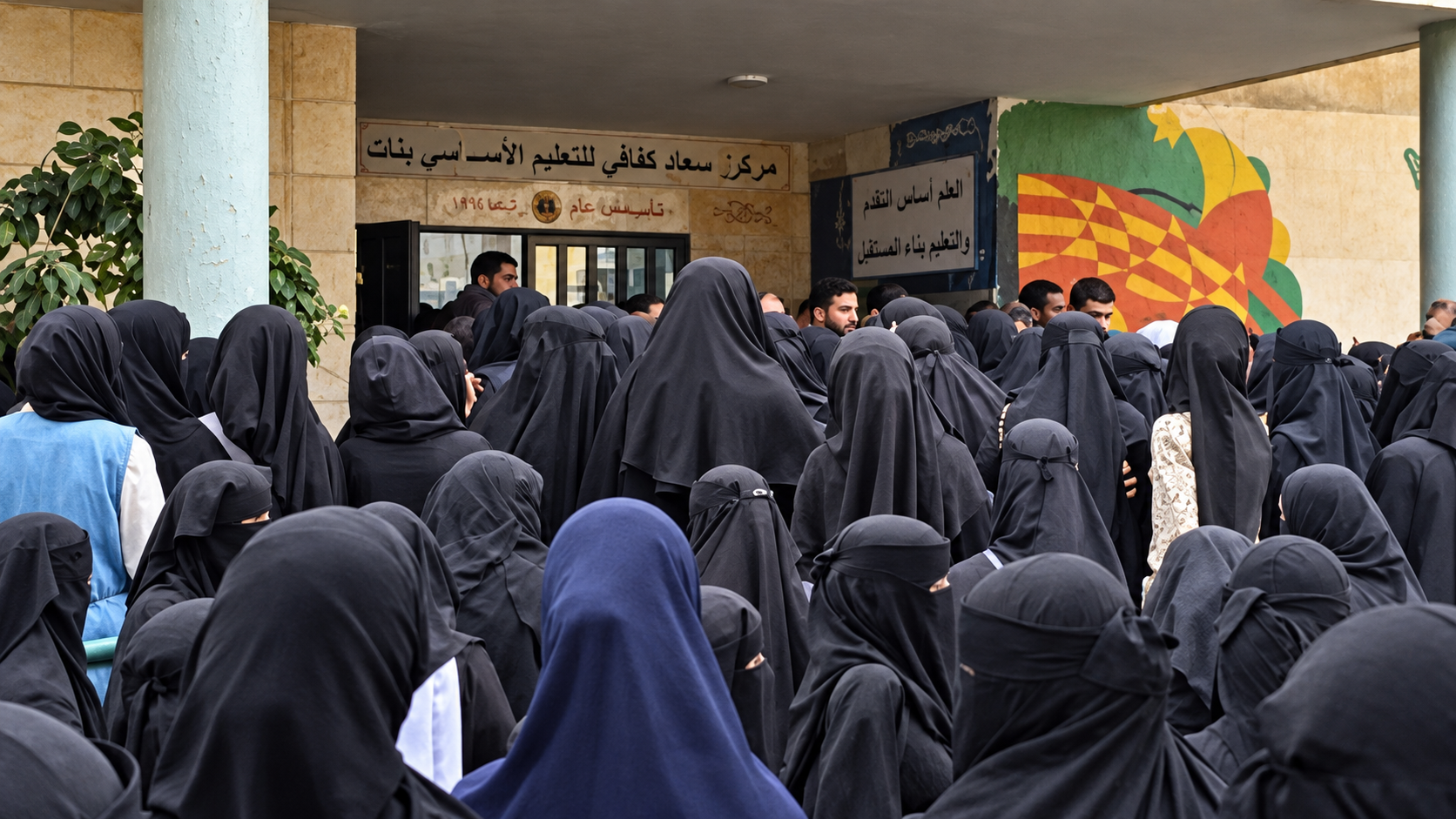
While reports show unusually high turnout in Arab communities—prompting a phone call between Prime Minister Benjamin Netanyahu and Finance Minister Bezalel Smotrich—the opposite trend is emerging in the ultra-Orthodox sector.
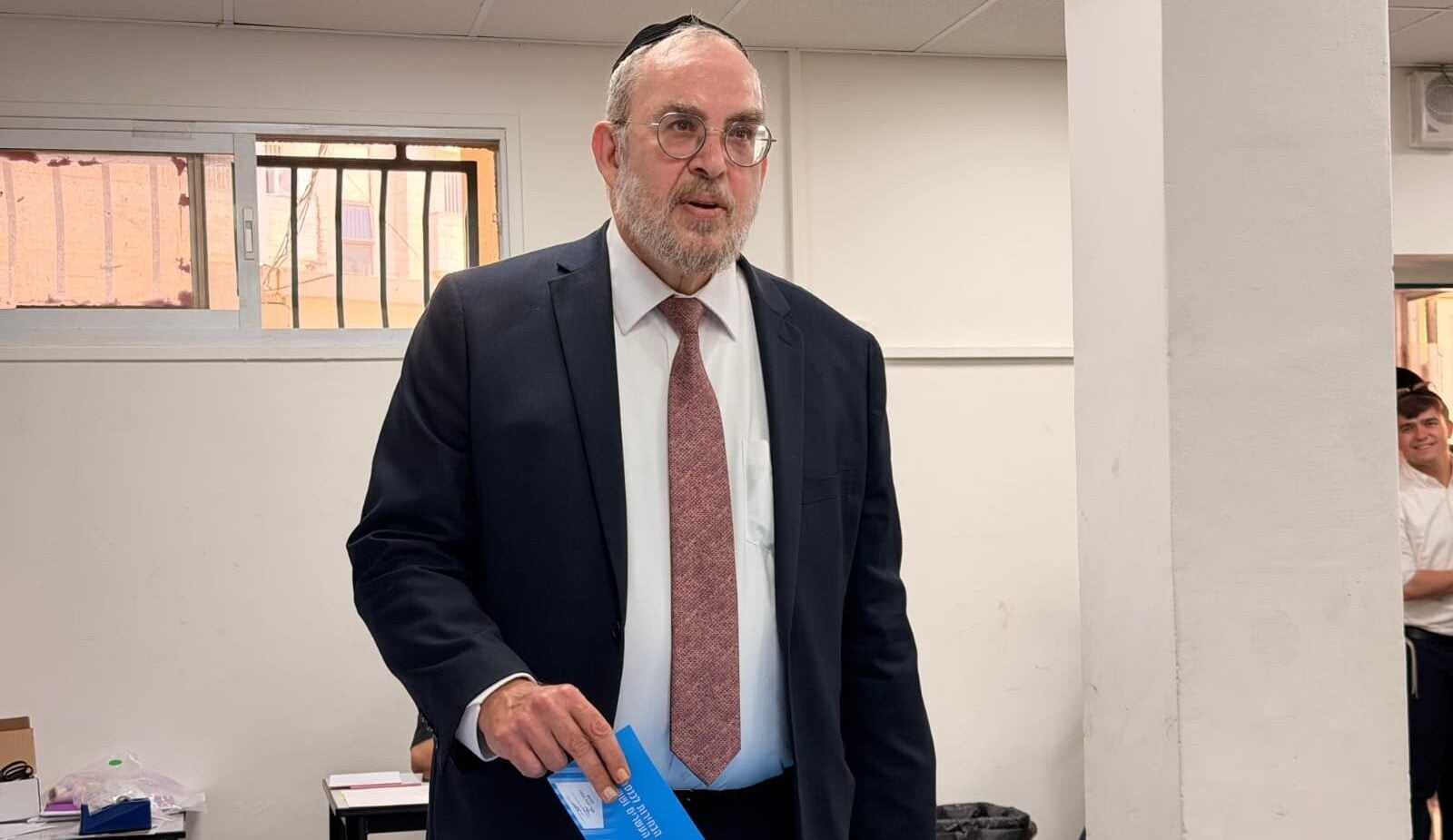
Early data from polling stations in haredi population centers—Bnei Brak, Elad, Beitar Illit, Modi’in Illit, and Jerusalem—show declining participation compared to previous elections at the same hour.
Officials at Shas and United Torah Judaism are expressing concern over the numbers. The main assessment is that the drop stems from deep disappointment among parts of the haredi public with how Knesset members performed in the outgoing parliament.

 2+
Two issues dominate the criticism. The first is the draft question. Despite repeated promises, no solution has been found to regulate the status of yeshiva students, and fear of continued arrests of yeshiva students who didn’t report to draft offices weighs heavily on the community.
The second issue is the arrests themselves that occurred in recent months. Among haredi communities, especially in the Lithuanian and Sephardic sectors, there’s a feeling that representatives in the Knesset failed to stop the moves and didn’t provide adequate protection for yeshiva students.
 2+
Another factor affecting the picture is vote distribution within the sector itself. New haredi parties formed in recent months, identified with different factions in the haredi public and presenting an alternative to the veteran parties, are eating into votes and splitting the camp.
Concern in the haredi parties is sharpening in light of exceptional national voting data. According to the Central Elections Committee, by 2:00 PM about 3.29 million Israelis had voted, representing 44.9% of eligible voters—the highest participation rate recorded at this hour since 1973. The implication is that high turnout in the general population could affect the relative strength of haredi parties, as long as participation rates among their voters remain lower.
 2+
The IDF is also seeing unusually active participation. According to IDF Spokesperson data, by 1:00 PM 48% of soldiers had voted, compared to 44.4% at the same hour in the previous election. About 850 military polling stations were deployed for this purpose, some mobile, allowing even fighters in operational sectors to vote. The data illustrates the scope of participation on election day, while haredi headquarters anxiously monitor reports from the field.
Demographic gaps between sectors also factor into the equation. According to Central Bureau of Statistics data, the haredi public represents about 10.5% of eligible voters residing in Israel, compared to about 18% in Arab society. Amid reports about awakening turnout in the Arab sector, haredi parties fear that relatively low participation among their voters, alongside vote-splitting between different lists, will affect mandate distribution. Still, only the actual results will determine whether the concern materialized.