


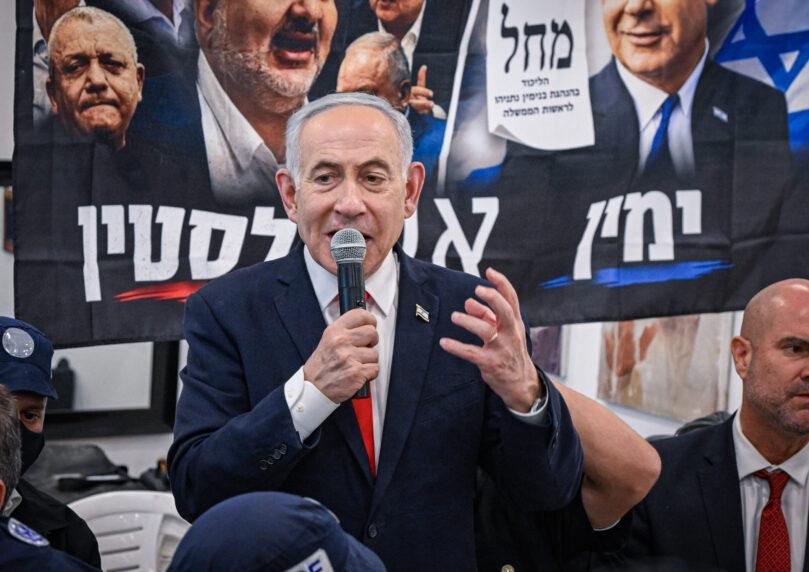

The Likud party announced today (Tuesday)—just hours before the polls close for the 26th Knesset elections—that it has submitted a request to extend voting hours. A brief statement from the party’s spokesperson’s office noted: “Likud has submitted a request to extend voting hours.” At this stage, it has not yet been disclosed whether the request has been approved, nor by how many hours the party is seeking to extend the voting period.
This request comes against the backdrop of unusually high voter turnout recorded throughout the day. According to official data released by the Central Elections Committee, 55.7% of eligible voters—amounting to 4,085,075 citizens—had cast their ballots by 4:00 PM. This represents a surge of 8.2 percentage points compared to the same time during the 25th Knesset elections in 2022, when turnout stood at 47.5%. The official figure for 5:00 PM has not yet been verified.
Meanwhile, as reported by News 14, exceptionally high voter turnout rates have been recorded in several Arab localities. According to data released earlier today, turnout reached 64.1% in Atawneh, 47.9% in Qasr al-Sir, and 47.8% in al-Qabu’a. These figures come alongside reports of long lines at polling stations in Arab localities in the north and the “Triangle” region, as well as heavy congestion at polling stations in Tel Aviv.
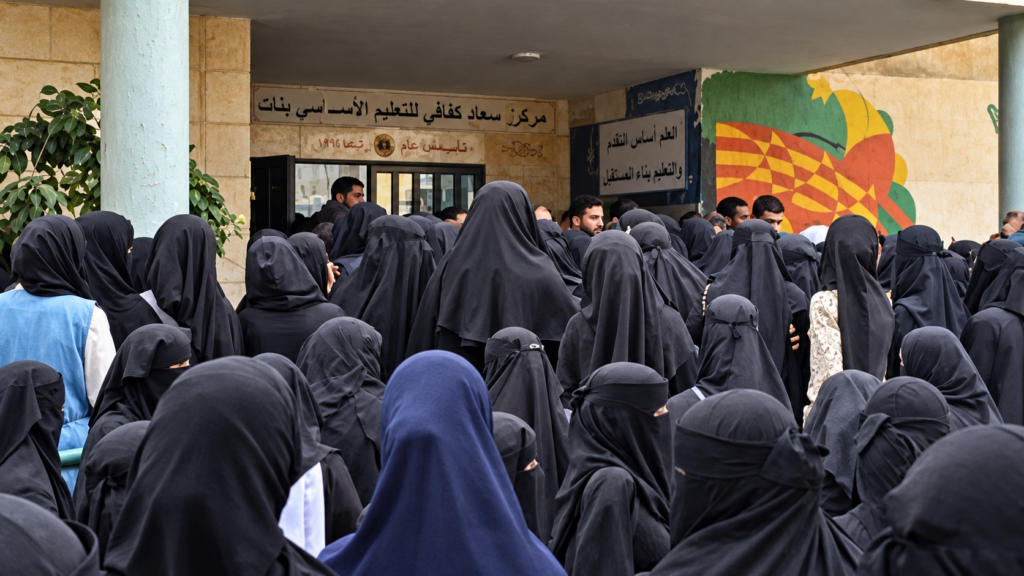

Earlier today, Prime Minister Benjamin Netanyahu issued an urgent appeal to Likud voters, prompted by reports of high turnout within the Arab community. Netanyahu claimed that voter turnout among the Arab population in the south is significantly higher than among the Jewish population, and urged his supporters to head to the polls. These remarks were made as part of the party’s efforts to boost turnout among its own base during the final hours of voting.
According to the official schedule, most polling stations are set to close at 10:00 PM, while some stations operating on a shortened schedule will close at 8:00 PM. Voters who join a line before the closing time will still be permitted to cast their ballots. Meanwhile, the Likud party is awaiting a ruling on a request it has filed, as high turnout rates and disparities between different voting locations remain a central focus of election day.