


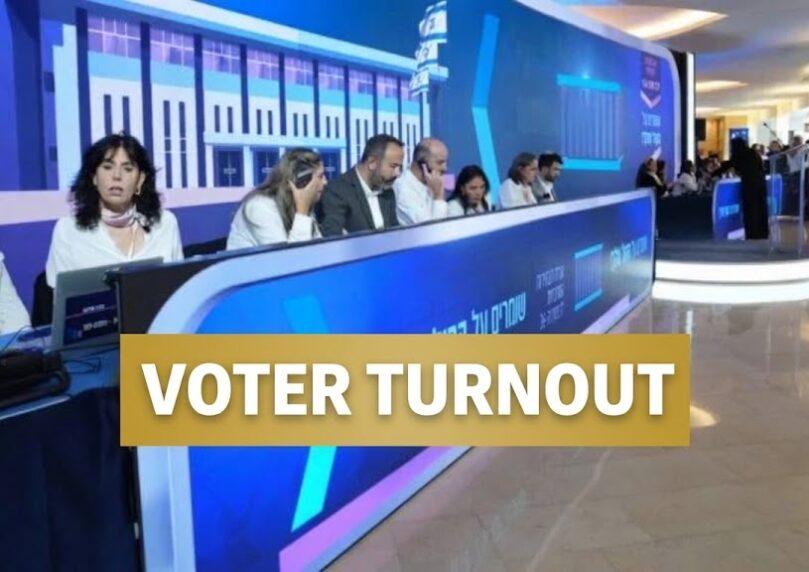

Voter turnout in Israel’s 26th Knesset elections reached 55.7% as of 4 p.m. Tuesday, according to the Central Elections Committee—an 8.2 percentage point jump from two hours earlier. The final hours before polls close at 10 p.m. are expected to be decisive.
The numbers reflect a steady climb throughout the day: turnout stood at 16.68% at 10 a.m., hit 31.5% by noon, and jumped to 44.9% by 2 p.m.—compared to 38.9% at the same time in the previous election. But behind the national figures lies a far more dramatic question: who exactly is rushing to the polls, and which strongholds are seeing lower participation?
Arabs and the Left Are Voting—What’s Happening in Right-Wing Strongholds?
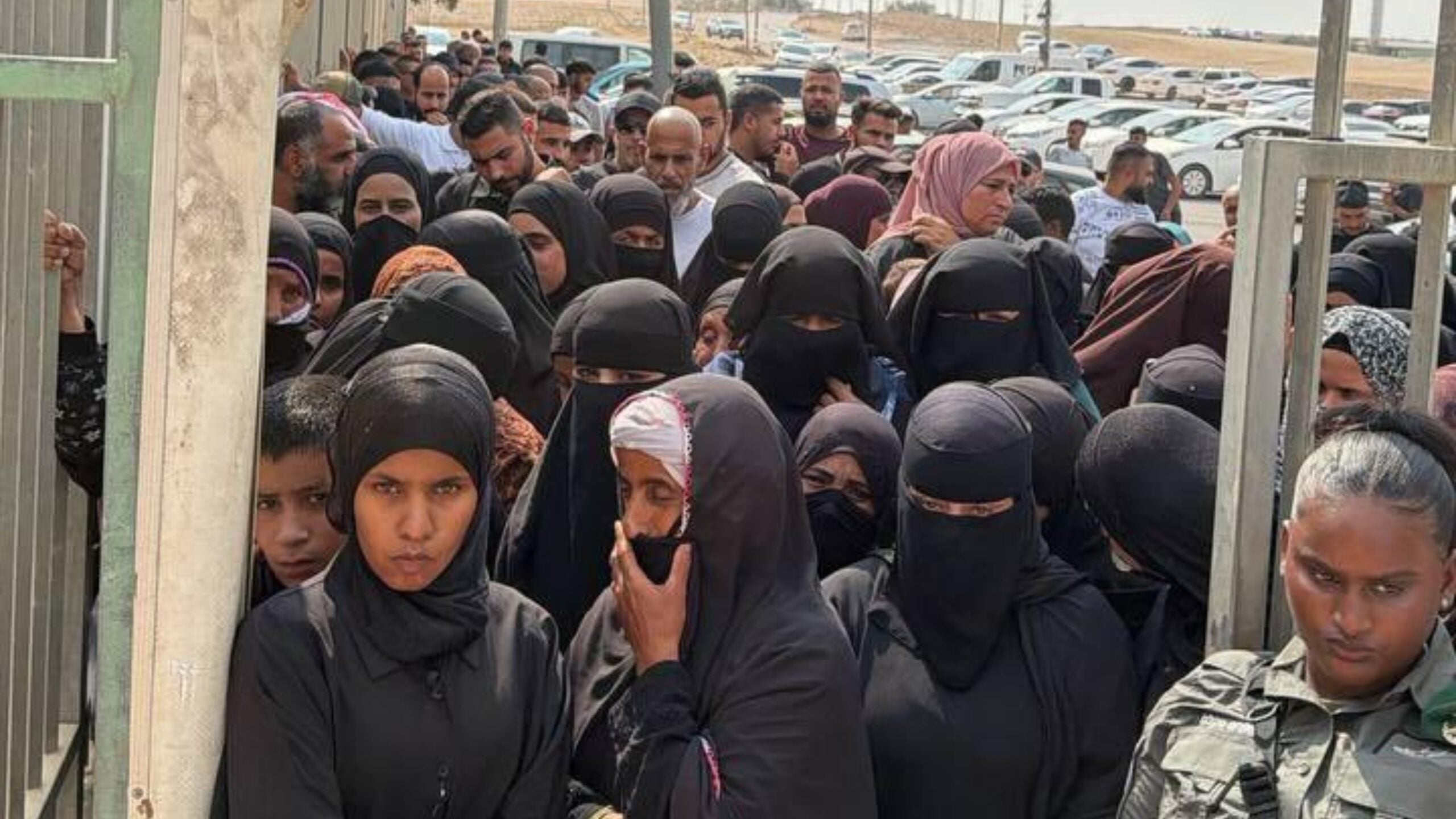
Alongside the national turnout data, right-wing parties are tracking reports of unusually high participation in Arab communities and left-wing strongholds with growing concern, while numbers indicate lower turnout in some ultra-Orthodox concentrations and right-wing bastions.

 2+
The worry centers on ultra-Orthodox hubs including Bnei Brak, Elad, Beitar Illit, and Modiin Illit, along with other polling stations identified with the right-wing bloc. Reports throughout the day pointed to declining participation rates in some of these areas compared to previous election cycles. At the same time, reports of significant mobilization in Arab society are raising alarm among coalition parties, which want to prevent a scenario where unbalanced turnout rates affect the distribution of Knesset seats.
Finance Minister Bezalel Smotrich addressed the trend earlier today, claiming the high turnout figures stem from exceptional participation in the Arab sector and left-wing strongholds. “The high turnout number is a result of exceptional voting percentages in the Arab sector and left-wing strongholds,” he said, calling on voters not to waste their votes on parties he said are unlikely to cross the electoral threshold.
The Battle for Every Vote: The Final Hours Could Decide It
One of the key variables that could affect election results is the electoral threshold, which stands at 3.25% of all valid votes. The more voters turn out, the higher the number of votes parties need to enter the Knesset. This means high participation rates in certain sectors, alongside low participation in others, could shift the balance of power—even without significant changes in the public’s political preferences.
 2+
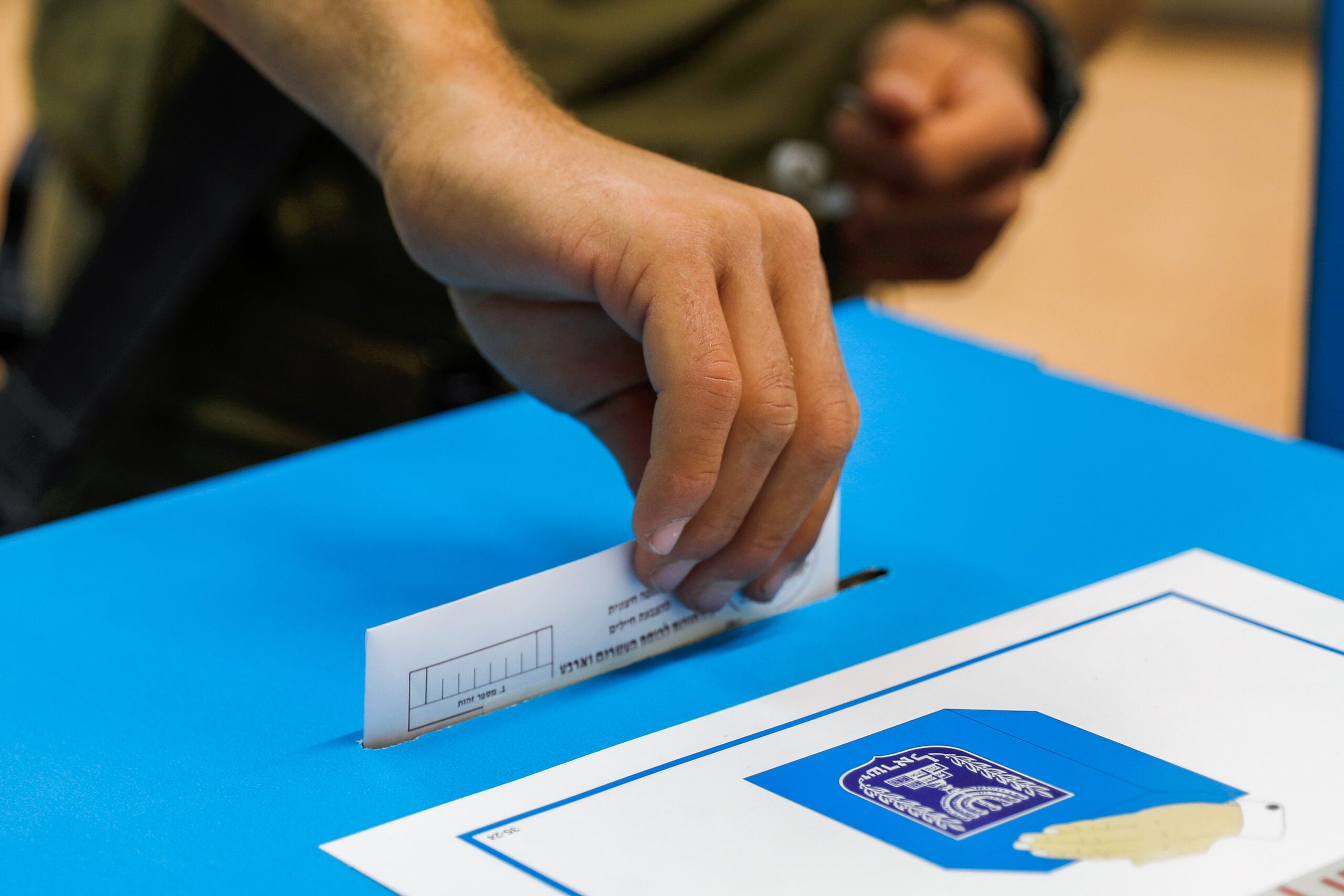
Meanwhile, turnout among IDF soldiers stood at 48% as of 1 p.m., compared to 44.4% at the same time in the previous election—a 3.6 percentage point increase. Across the country, 12,018 regular polling stations are operating, alongside special ballot boxes in hospitals, prisons, and other facilities designed to enable populations with special needs to exercise their right to vote.
Now, with just hours remaining until most polls close, the battle over turnout rates is entering the home stretch. If reports of voting gaps between right-wing strongholds and Arab society and left-wing bastions prove to be a nationwide trend, it could turn out to be one of the decisive factors in the election. Still, only complete turnout data and vote-counting results will determine how votes were actually distributed.
How Late Can You Vote—and What Should You Know Before Heading to the Polls?
Most polling stations nationwide will remain open until 10 p.m., while in small communities and some special polling stations, voting will end at 8 p.m. Any Israeli citizen who turned 18 by election day and whose name appears on the voter registry is eligible to vote, upon presenting appropriate identification. Voters who arrive at the polling station before closing time and wait in line will be able to exercise their right even afterward.
 2+
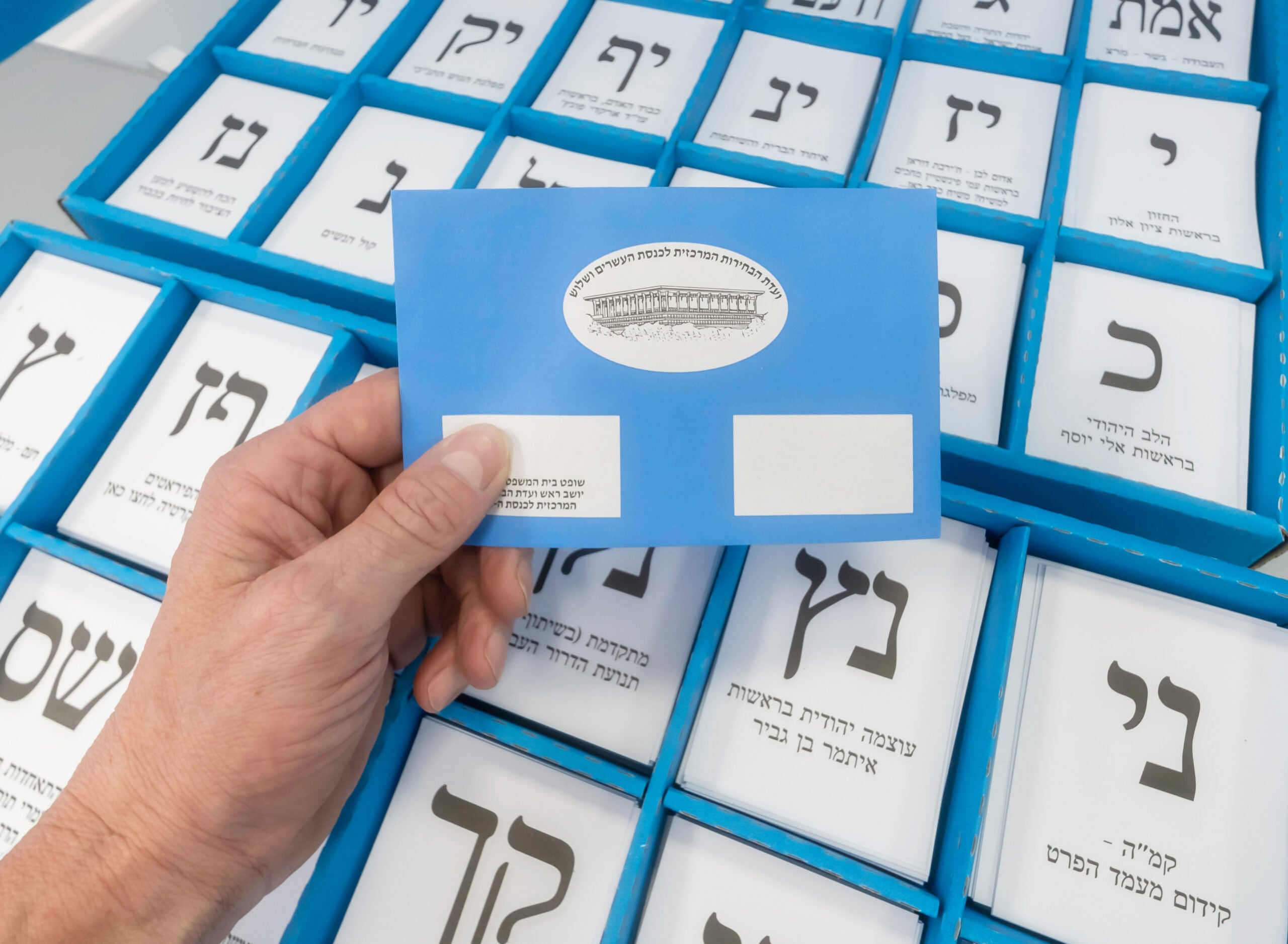
The Elections Committee emphasizes the importance of using valid ballots, without inscriptions, drawings, or additional marks that could lead to vote disqualification. If the ballot slip for the desired list is missing, voters can approach the polling station secretary and use a blank slip on which the list’s letters are written in blue pen, according to instructions. Once polls close, vote counting will begin, and preliminary results are expected to be released overnight.