


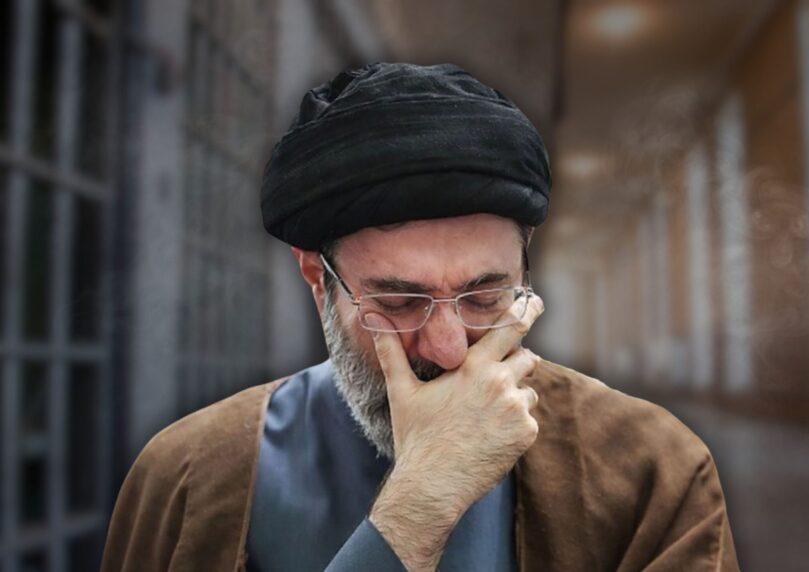

Desperation: Iran’s Revolutionary Guards—the regime’s arm of repression and terror that denies its own citizens free elections—published a 26-page open letter yesterday (Tuesday) addressed directly to the American people, weaponizing the democratic tools of the West. Just five weeks before the November 3 midterm elections, Tehran is calling on U.S. voters to use their democratic power at the ballot box to topple President Donald Trump’s allies, halt support for Israel, and curb American military involvement in the Middle East.
In the lengthy and extraordinary document, published simultaneously in English and Farsi, the Revolutionary Guards deploy distinctly democratic rhetoric and urge Americans to replace their leadership: “Remove from power the bad, lying, and violent politicians responsible for America’s current state,” the letter reads. The Guards call on Americans to ensure their elected officials understand that “the world has changed,” portraying the United States as a declining superpower while urging the public to pump the brakes at the ballot box and cease all aid to Israel.
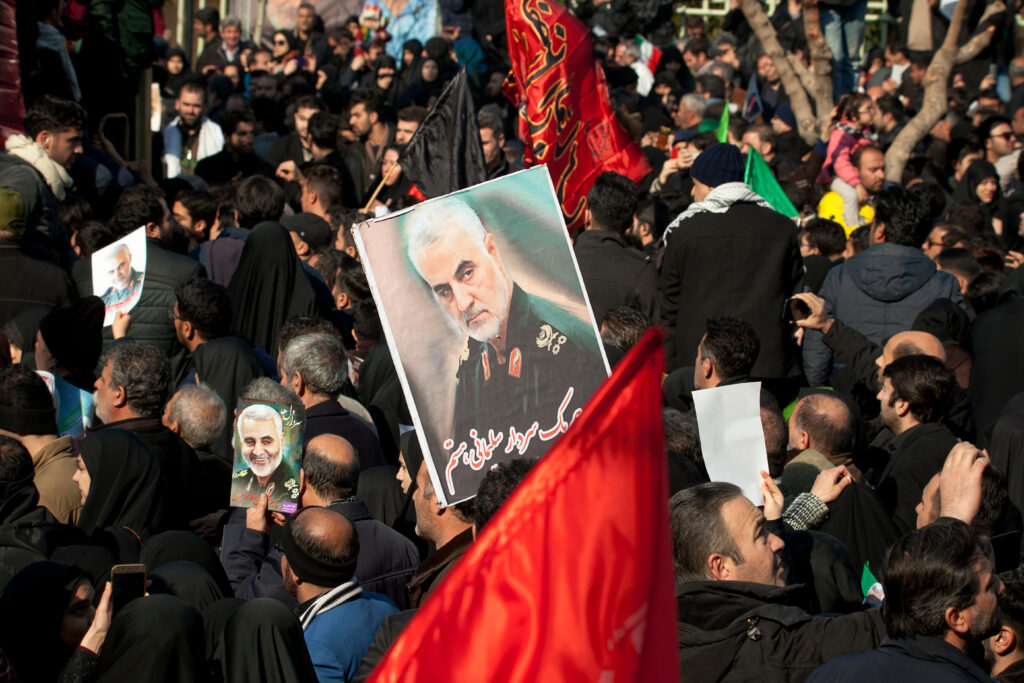
The Iranian appeal targets the exact pressure points of Washington’s political arena. Trump was elected in 2024 on promises to curb wars and bring down inflation, but the campaign that opened last February alongside Israel has expanded across the region and driven energy prices higher.
A recent Reuters/Ipsos poll showed only 17% of Americans are satisfied with Trump’s handling of the cost of living, and just 34% support military operations against Iran. Understanding that American democracy is sensitive to public sentiment and the voter’s wallet—tools that don’t exist at all in Iran—Tehran is trying to fracture U.S. public opinion to ease the military pressure being applied against it.

At the same time, Tehran is exploiting the timing of the completion of the U.S. troop withdrawal from its last bases in Iraq—a move agreed upon during the Biden administration in 2024 that closes 23 years of military presence since the fall of Saddam Hussein—and presenting it as a historic victory for the “axis of resistance.” Still, experts are increasingly concerned that the vacuum created will allow pro-Iranian militias and ISIS remnants to operate with far greater freedom.
Despite the propaganda show, the situation on the ground points to severe Iranian erosion: the domestic economy is taking heavy blows, the Iranian rial has plunged to an unprecedented low against the dollar, and its conventional forces have weakened significantly. President Trump rejected an Iranian proposal over the weekend to open the Strait of Hormuz in exchange for a ceasefire, and made clear with full confidence that military pressure will prevail: “I don’t know if they’re going to give up yet, but they will give up,” the president said, adding: “They’re in very bad shape.”

The extraordinary Iranian appeal to the Western public comes as the direct war between Washington and Jerusalem against Tehran enters its eighth month. The military confrontation has long since crossed Iran’s borders: its proxies in Yemen, Lebanon, and Iraq have joined the campaign, including a strike on a major Saudi oil pipeline on September 10 and continued disruption of oil tankers in the Strait of Hormuz—an artery through which some 20% of the world’s oil and gas once flowed.
Amid Iranian distress, Qatar is working intensively as a mediator in an attempt to forge an arrangement that would bring a halt to the fighting and reopen shipping lanes, with the issue of dismantling Iran’s nuclear capabilities standing as an insurmountable obstacle in the talks. While Trump insists on stripping away all nuclear capability and weakening the regime, Iran understands that its political and economic future depends on the results of the November midterm elections—and, in an ironic and unprecedented move, is trying to manipulate the free American democracy that it itself suppresses at home with an iron fist.