



Iran unveiled a new underground missile launcher on Saturday, at least three tankers were hit near the Strait of Hormuz, and the Revolutionary Guards claimed strikes on U.S. aircraft. Amid rising tensions between Tehran and Washington, Iranian state television broadcast footage of a new launch system capable, the regime claims, of firing two liquid-fueled missiles simultaneously. Meanwhile, British maritime security authorities reported strikes on tankers off the coast of Oman, while Iran claimed it downed U.S. drones and damaged an F-16 fighter jet. U.S. Central Command rejected the claim about the fighter jet and confirmed all American warplanes in the region are safe.
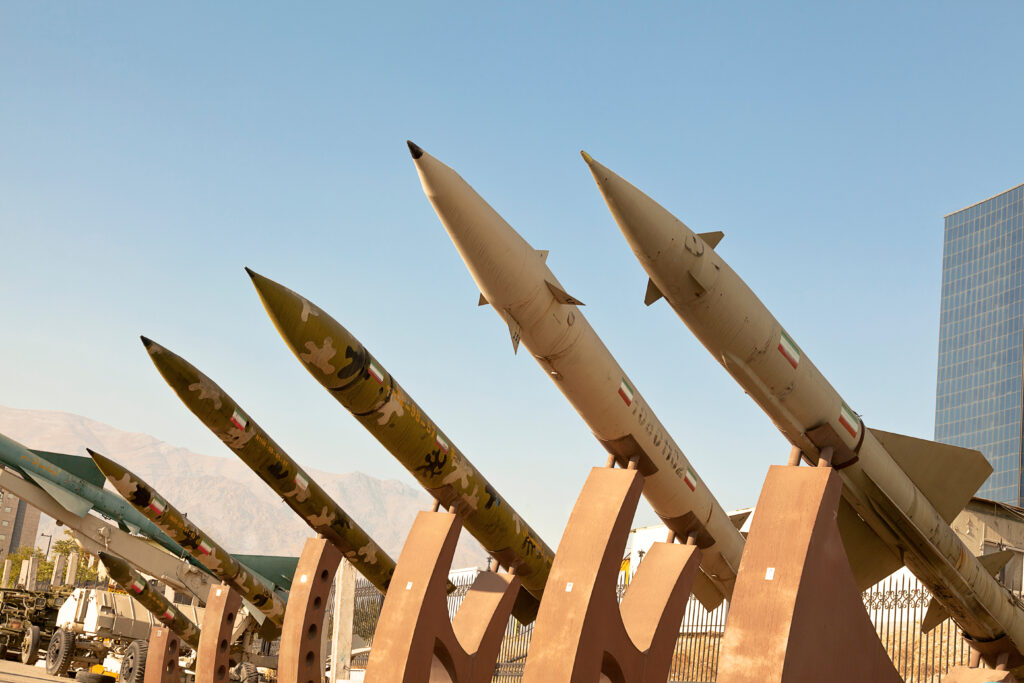
Iranian state television released footage today from an underground Revolutionary Guards missile facility, showcasing a new launcher capable, according to Iranian claims, of firing two liquid-fueled missiles. The development is one Iran wants to present as proof of its ability to preserve and improve its missile arsenal, despite the strikes it absorbed during the war with Israel and the United States. Tehran has previously displayed dual launchers for solid-fueled missiles, while the new system is designed for a different type of missile.
The facility’s location was not disclosed, and no independent data has been released that would allow determination of the system’s operational deployment scale. The commander of the Revolutionary Guards’ Aerospace Force, Brigadier General Seyyed Majid Mousavi, claimed during the system’s unveiling that Iran’s military capabilities have expanded significantly.

 3+
According to him, Iran’s combat array now includes new means designed to surprise its adversaries. The launcher’s unveiling comes amid reports that Israel is concerned about the speed with which Iran is rehabilitating its ballistic missile production infrastructure, as well as the transfer of military and nuclear facilities underground, aimed at making them harder to strike in the future.
Tankers Hit in Strait of Hormuz: Reports of Strikes and Naval Mines
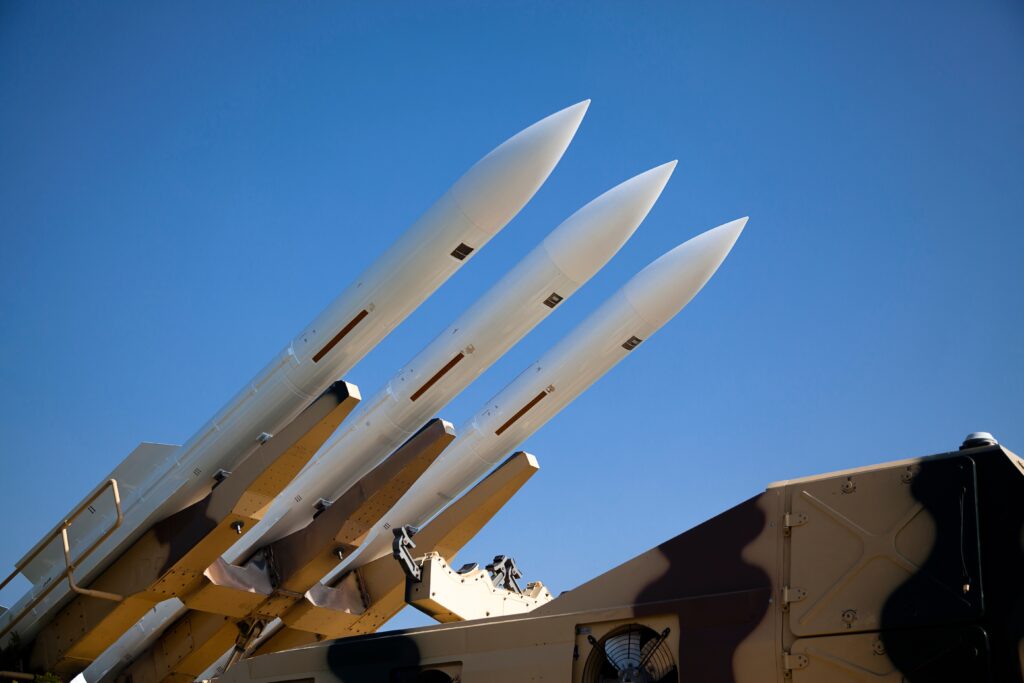
Parallel to the missile system unveiling, another escalation occurred in the Strait of Hormuz. The British maritime security center reported two incidents in which tankers were struck off the coast of Oman. In the first incident, a tanker was hit in its rear section by an unidentified projectile, about 11 nautical miles north of Khasab port. In another incident, a tanker’s engine room was reportedly struck about 17 nautical miles east of the port. According to initial reports, no casualties were reported in either incident, and the extent of environmental damage remains unclear. Reuters noted it could not immediately determine whether the two reports referred to two different tankers.
 3+
Meanwhile, the Revolutionary Guards claimed that tankers attempting to pass through the Strait of Hormuz on routes not approved by Iran were hit by naval mines and caught fire. An Iranian statement claimed that U.S. forces provided air cover for the vessels’ movement, and that the activity was conducted without coordination with Iranian authorities. Tehran also warned it would act against vessels attempting to cross the strait on routes it does not approve.
Iran Claims: Two U.S. Drones Downed Over Strait of Hormuz
Alongside the tanker strikes, the Revolutionary Guards announced that Iranian air defense systems downed two unmanned U.S. military aircraft. According to the first announcement, a new air defense system detected and intercepted a U.S. MQ-9 Reaper drone over the Strait of Hormuz. The Iranians claimed this was the 58th aircraft of this type they have downed since the war began. Later in the day, the Revolutionary Guards announced they also downed a U.S. MQ-1 drone over Qeshm Island, located on the northern side of the Strait of Hormuz. According to them, this was the 19th aircraft of this type intercepted during the conflict.
 3+
The reports were published in media outlets affiliated with the Iranian regime. As of publication, no official U.S. military response confirming the loss of the drones has been received, and the circumstances of their downing could not be independently verified. The Iranian claims join Tehran’s effort to demonstrate capability to strike U.S. air activity in the Gulf region. MQ-9 aircraft are used for intelligence, surveillance, and strike missions, and their activity in the Strait of Hormuz area allows U.S. forces to monitor maritime movements and Iranian military activity.
Iran Claims It Hit F-16 Fighter Jet – U.S. Military Denies
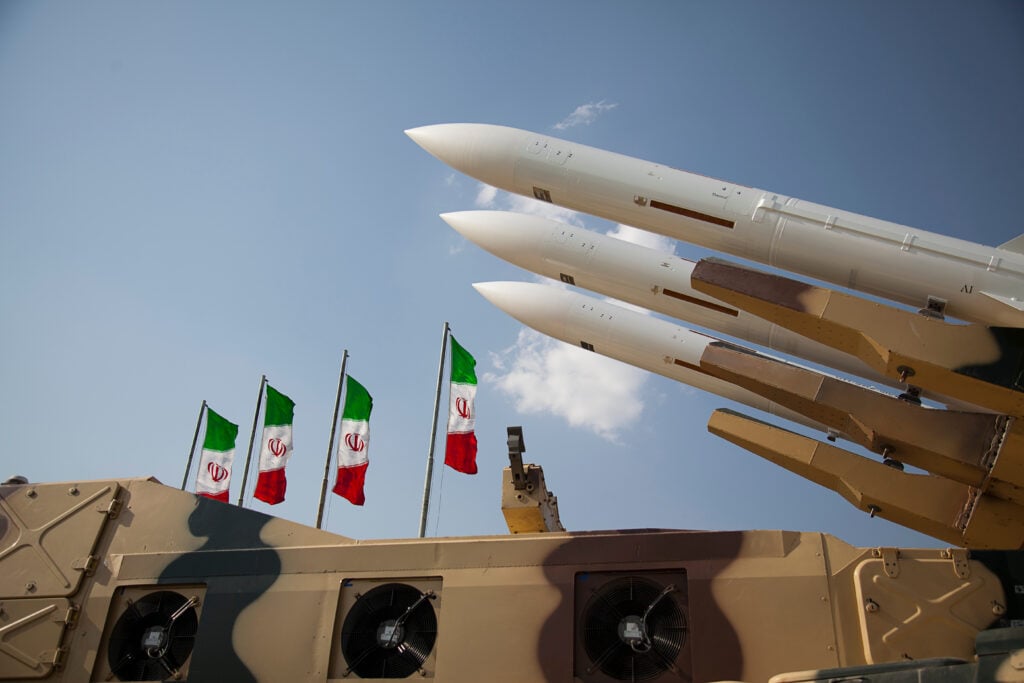
Another clash of narratives developed today between Tehran and Washington, after the Iranian military claimed it successfully struck a U.S. F-16 fighter jet over the Persian Gulf. According to the Iranian announcement, air defense systems fired a missile on Friday at the American aircraft. Tehran claimed the missile exploded near the aircraft, damaged it, and forced the pilot to abort his mission and make an emergency landing at a nearby airfield. Iranian state media even released a video purportedly documenting the incident. However, no independent proof was presented that the fighter jet was actually hit.
 3+
U.S. Central Command rejected the Iranian claims and clarified that no U.S. F-16 aircraft was struck. In its statement, the command said all American fighter jets operating in the Middle East are safe and their locations are known. The American denial comes against the backdrop of a series of Iranian announcements during the war about strikes on U.S. aircraft. In some cases, Tehran published claims about downing aircraft or causing damage, while the U.S. military rejected the reports.
Behind the Developments: Diplomatic Contacts Hit a Dead End
The military developments in the Strait of Hormuz are occurring parallel to a stalemate in efforts to bring an end to the war between the United States and Iran. Iranian Foreign Minister Abbas Araghchi clarified on Friday that Tehran demands fulfillment of the seven conditions it set as prerequisites for reopening the Strait of Hormuz. Among the demands he presented are ending the war, lifting sanctions, and canceling the U.S. naval blockade on Iranian ports. Araghchi emphasized that Iran is not willing to transfer its enriched uranium stockpile outside the country, but claimed there are proposals from mediators that could be examined within the framework of negotiations.
Meanwhile, U.S. President Donald Trump said on Friday that the Iranians want a deal, but the conditions they are proposing are not acceptable to him. Thus, while Washington and Tehran continue exchanging messages through mediators, the confrontation on the ground focuses on two main fronts: Iran’s missile and air defense capabilities, and control over maritime traffic in the Strait of Hormuz. The unveiling of the new launcher, the tanker strikes, and the claims about downing U.S. aircraft illustrate how the Revolutionary Guards seek to demonstrate the continuation of their military capabilities, even under sustained American pressure.