


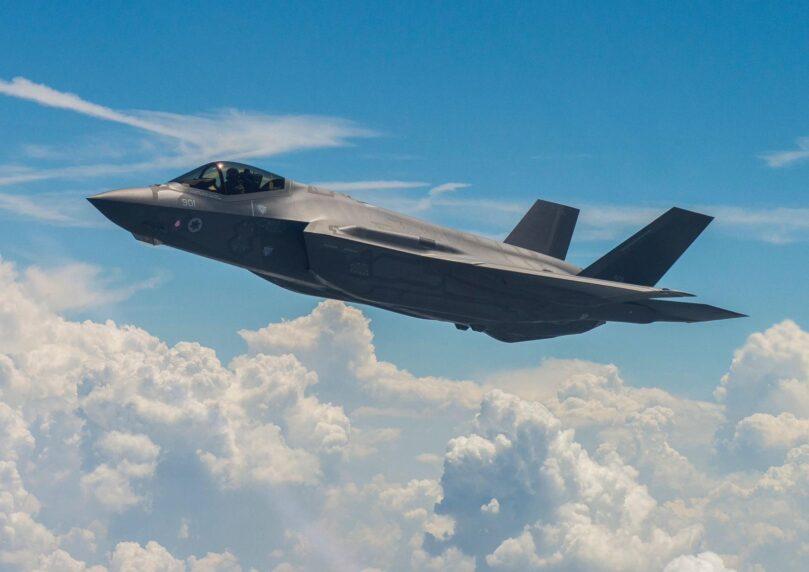

A bizarre breakdown in the F-35’s international supply chain has triggered security concerns in Washington after components from the advanced stealth fighter, shipped from Australia to the United States for repairs, were unexpectedly diverted to Hong Kong. Australian Defense Minister Richard Marles confirmed Tuesday that Canberra is assisting the United States and Lockheed Martin in investigating what happened to the shipment.


 2+
2+The Pentagon’s F-35 Joint Program Office has acknowledged a shipment problem involving unserviceable components and said authorities and industry partners are working to retrieve them and strengthen safeguards. The shipment reportedly included an F-35 cockpit canopy. The canopy incorporates technology associated with the aircraft’s low-observable design, including a radar-absorbent coating that helps reduce its radar signature. The unexpected diversion has therefore raised concerns that China could potentially gain access to information about one of America’s most closely guarded military aircraft. There is currently no public evidence that Chinese authorities obtained, opened or examined the components.
 2+
2+Marles sought to downplay the security implications, saying his understanding was that officials were confident the shipment did not contain sensitive equipment or components. He said Australia was examining everything that occurred on its end while the United States and Lockheed Martin manage the broader investigation.
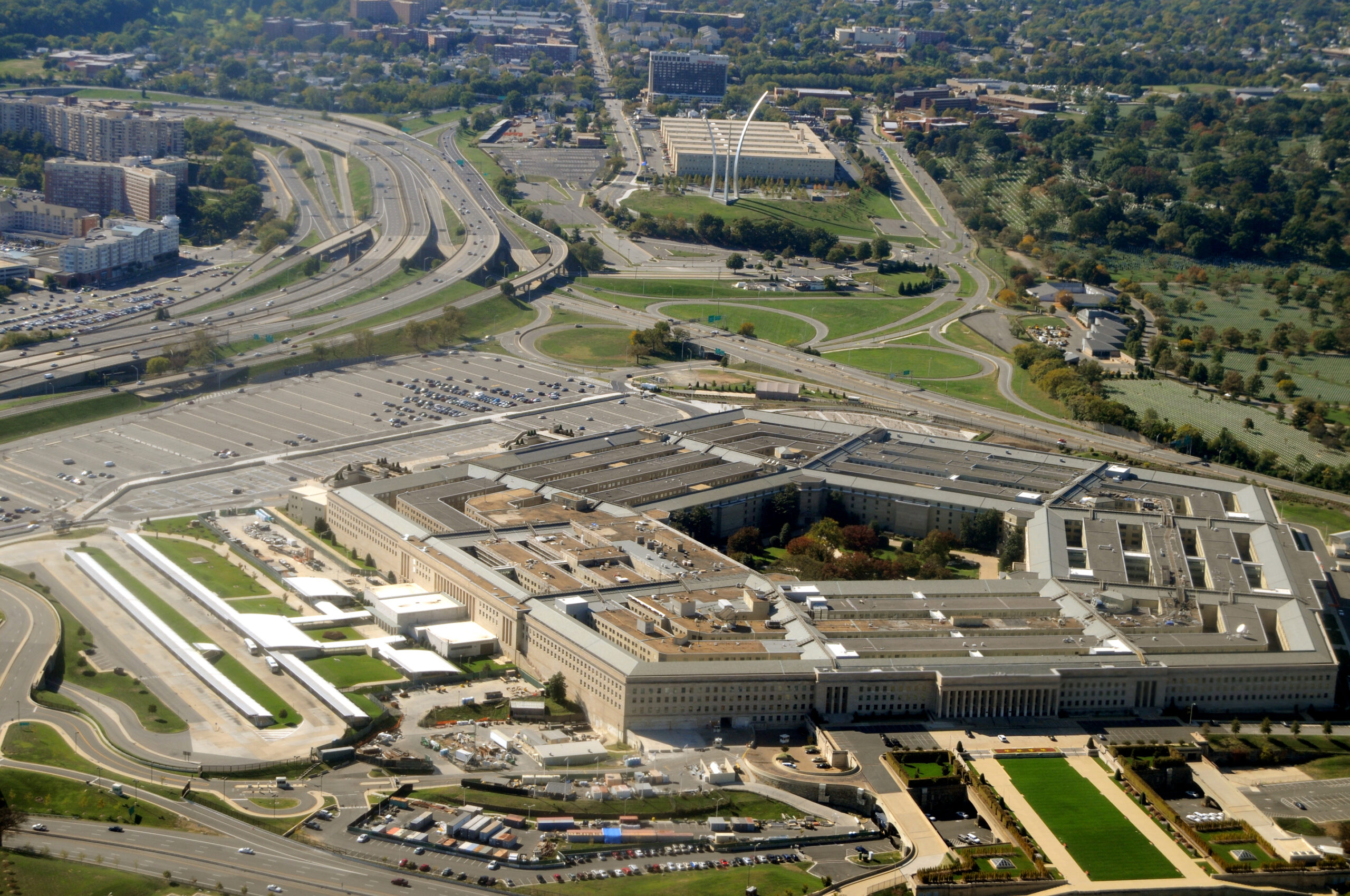
The components were reportedly being transported by an intermediary on behalf of Lockheed Martin when they were rerouted during their journey across the Pacific. It remains unclear why the diversion occurred or who currently possesses the equipment. The incident has also drawn scrutiny in Washington. U.S. lawmakers have been briefed on the matter as officials investigate how components belonging to one of the world’s most sophisticated weapons programs could have been diverted into Hong Kong.
 2+
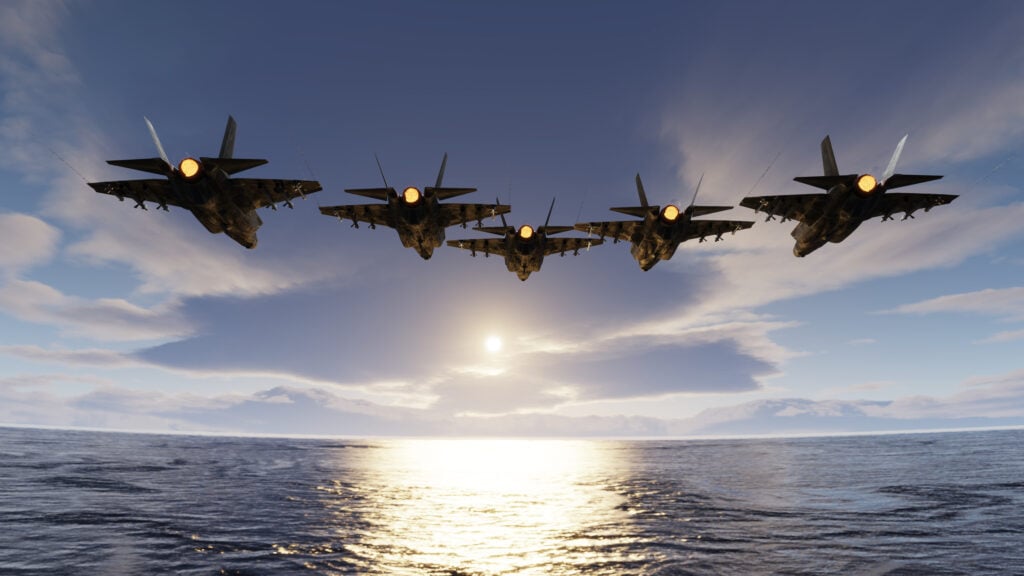
2+The F-35 Lightning II is considered the crown jewel of Western combat aviation, and the United States invests enormous intelligence and security resources to prevent rival powers—chief among them China and Russia—from copying its technology or developing countermeasures against the stealth systems, coatings and electronics installed on the aircraft. The F-35 program relies on a decentralized international supply chain, with spare parts continuously transported between allied countries around the world.