



U.S. pressure on Iran has not completely shut down the regime’s financial routes, but it has narrowed them to a point that is beginning to pose a strategic problem for Tehran. Iran is still managing to bring in money through banks, currency exchangers, cryptocurrency and other channels—but simply not enough to save the regime.

 1+
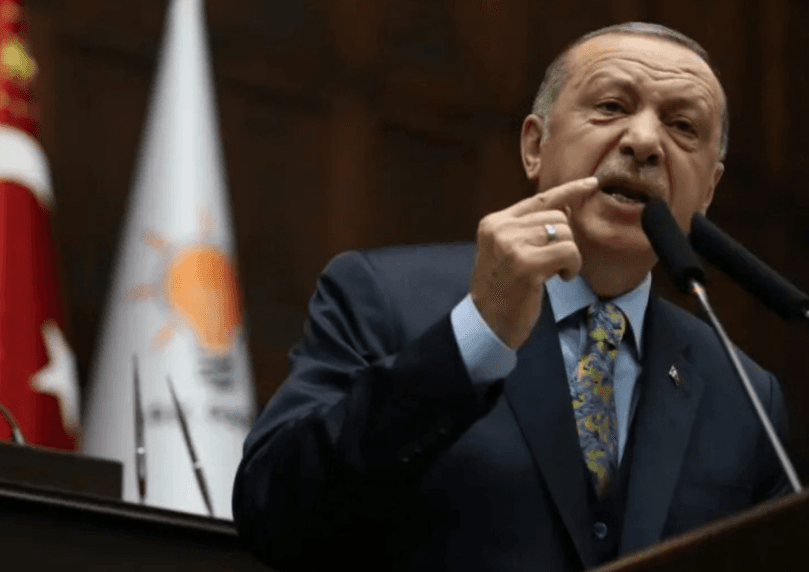
1+According to an assessment by Western intelligence officials obtained by C14, Turkey has become the primary pipeline through which money is flowing into Iran. But Tehran is not using the Turkish route only to bring money into the country. According to our sources, the IRGC’s Quds Force has recently attempted to get Hamas back on its feet, transferring large sums estimated at tens of millions of dollars through Turkey to Hamas operatives there. This comes against the backdrop of actions by U.S. President Donald Trump’s administration, which has intensified economic pressure on Iran and warned that countries, banks and companies that continue doing business with Tehran could also find themselves targeted by U.S. sanctions.
 1+
1+Meanwhile, U.S. Treasury Secretary Scott Bessent last month announced the opening of an “economic offensive” against Iran’s global financial network, which the administration described as an “economic doomsday.” Bessent made clear that entities would be given only a limited window to adjust their activities and warned of how rapidly the campaign would move: “They need to know this is going to move very quickly and that we are serious.”
Alongside those declarations and the sweeping sanctions imposed by the U.S. Treasury Department on dozens of Iran-linked entities and vessels, the central question is how Turkey will respond to the pressure. Trade between Turkey and Iran totaled approximately $5.5 billion in 2025, while Iran remains a significant supplier of natural gas to Turkey, providing around 7.6 billion cubic meters annually—roughly 13% of Turkey’s total gas imports. Disrupting that trade could place significant pressure on the Turkish economy and raise its energy costs, helping explain the complexity surrounding the financial pipeline through which money is now flowing to Hamas.