


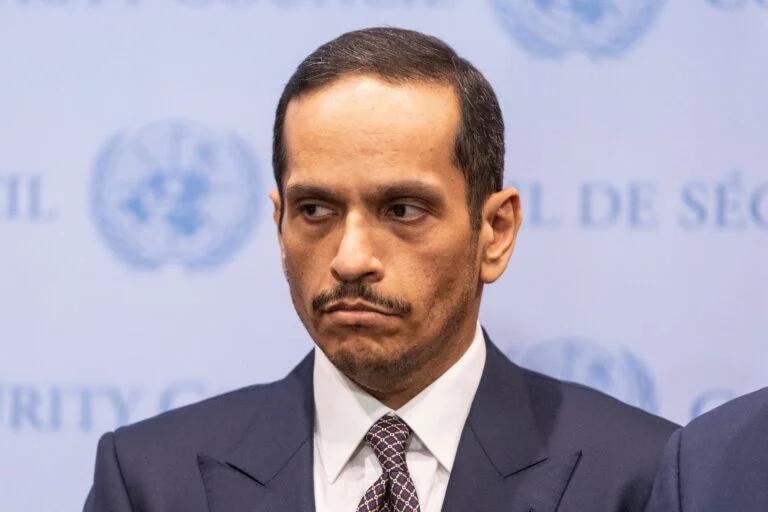

A report published by the Financial Times over the weekend claimed that Qatar had cut budgets across government ministries and agencies by as much as 30%. The newspaper cited three people familiar with the matter who said the reductions were part of Doha’s efforts to cope with a sharp decline in liquefied natural gas revenues following the blockade of the Strait of Hormuz. The precise extent of the cuts across government departments remains unclear.

 1+
1+A spokesman for Qatar’s Foreign Ministry disputed the report, saying the figures published were “inaccurate and taken out of context.” The spokesman said the proposed 30% reduction “was part of precautionary measures taken at the beginning of the crisis, as is customary in any country dealing with a war in the region.” He stressed that the measures applied exclusively to operational expenditures—not salaries or national projects.
Qatar’s approved budget for the current year calls for total spending of approximately 221 billion Qatari riyals ($60.7 billion). The country’s Finance Ministry announced in May that its budget deficit had increased more than twentyfold during the first quarter of the year, reaching 10.3 billion riyals ($2.8 billion) as a result of the war that began on February 28.
 1+
1+Despite restarting some production facilities at Ras Laffan at reduced levels, Doha—the world’s second-largest producer of liquefied natural gas—has suspended efforts to accelerate its return to full production following an attack on one of its tankers in the Strait of Hormuz in July, according to Bloomberg.