


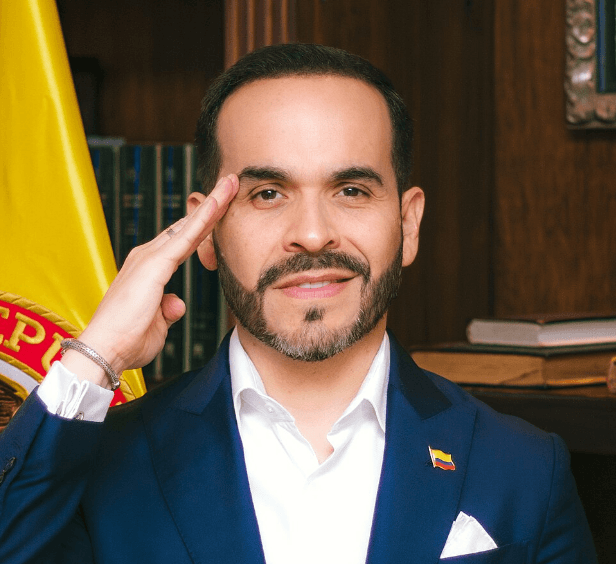

The Colombian government has formally severed diplomatic relations with the Islamic Republic of Iran, citing national security concerns, Tehran’s alleged ties to international terrorist and narcoterrorism groups, human-rights violations and obstruction of international oversight of its nuclear program. Colombia’s Foreign Ministry announced the decision on Thursday, saying the rupture officially took effect on September 19.


 2+
2+The government of President Abelardo De La Espriella said the decision was rooted in the principles guiding Colombia’s foreign policy on national and hemispheric security and the fight against transnational crime. Among the reasons cited by Bogotá were Iran’s alleged links to international terrorist organizations and other narcoterrorism groups that Colombia says threaten the country’s security.
The Foreign Ministry also pointed to documented human-rights violations committed by the Iranian government inside Iran, as well as attacks against countries not participating in the ongoing conflict in the Middle East. Bogotá additionally cited Iran’s blockade of the Strait of Hormuz and what it described as obstruction by Iranian authorities of the International Atomic Energy Agency’s efforts to verify the scope of Tehran’s nuclear program.
 2+
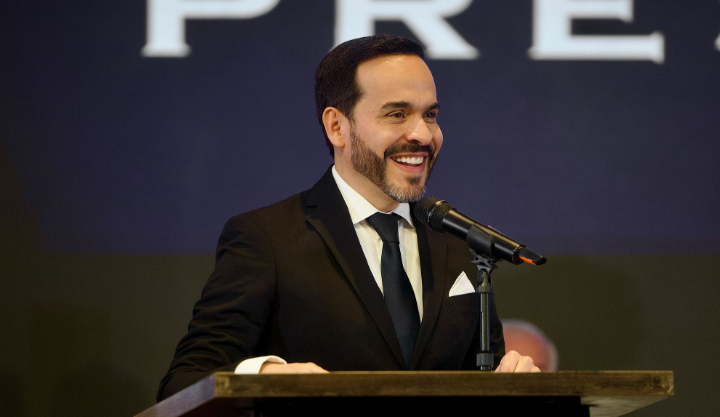
2+According to the Foreign Ministry, those developments had eroded Colombia’s trust in the Iranian government and ultimately led Bogotá to sever diplomatic relations. The move does not, however, amount to a complete termination of relations between the two countries. Colombia stressed that consular relations with Iran will remain in place under the relevant provisions of the Vienna Conventions on diplomatic and consular relations. “The defense of national sovereignty constitutes an unwavering pillar of Colombian foreign policy,” the Foreign Ministry said, adding that the country’s diplomacy would work to protect its borders, reject foreign interference and defend Colombian citizens and national interests internationally.
 2+
2+The decision comes amid a broader shift in Colombian foreign policy under De La Espriella, who took office in August. His government has moved to deepen Colombia’s strategic relationship with the United States and rebuild relations with Israel after the severe deterioration in ties under former president Gustavo Petro. De La Espriella had pledged before taking office to restore Colombia’s relationship with Israel, and Israeli Foreign Minister Gideon Sa’ar attended his inauguration in August. The new Colombian president has also pledged to move his country’s embassy in Israel to Jerusalem.
Colombia and Iran established diplomatic relations in 1975. Their formal diplomatic relationship has now ended after more than five decades.