




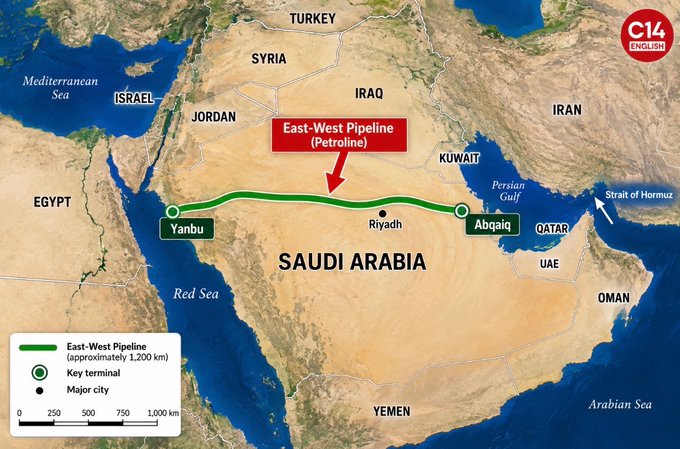
Saudi Arabia restarted operations on its strategic East-West oil pipeline on Tuesday, reopening one of the kingdom’s most important alternatives to the Strait of Hormuz after drone attacks forced the route offline on Sept. 13. The pipeline is initially operating at a reduced rate, with Saudi Arabia working to restore flows toward roughly 4 million barrels per day. Crude shipments from the Red Sea port of Yanbu are also expected to resume, including a cargo destined for China.

 2+
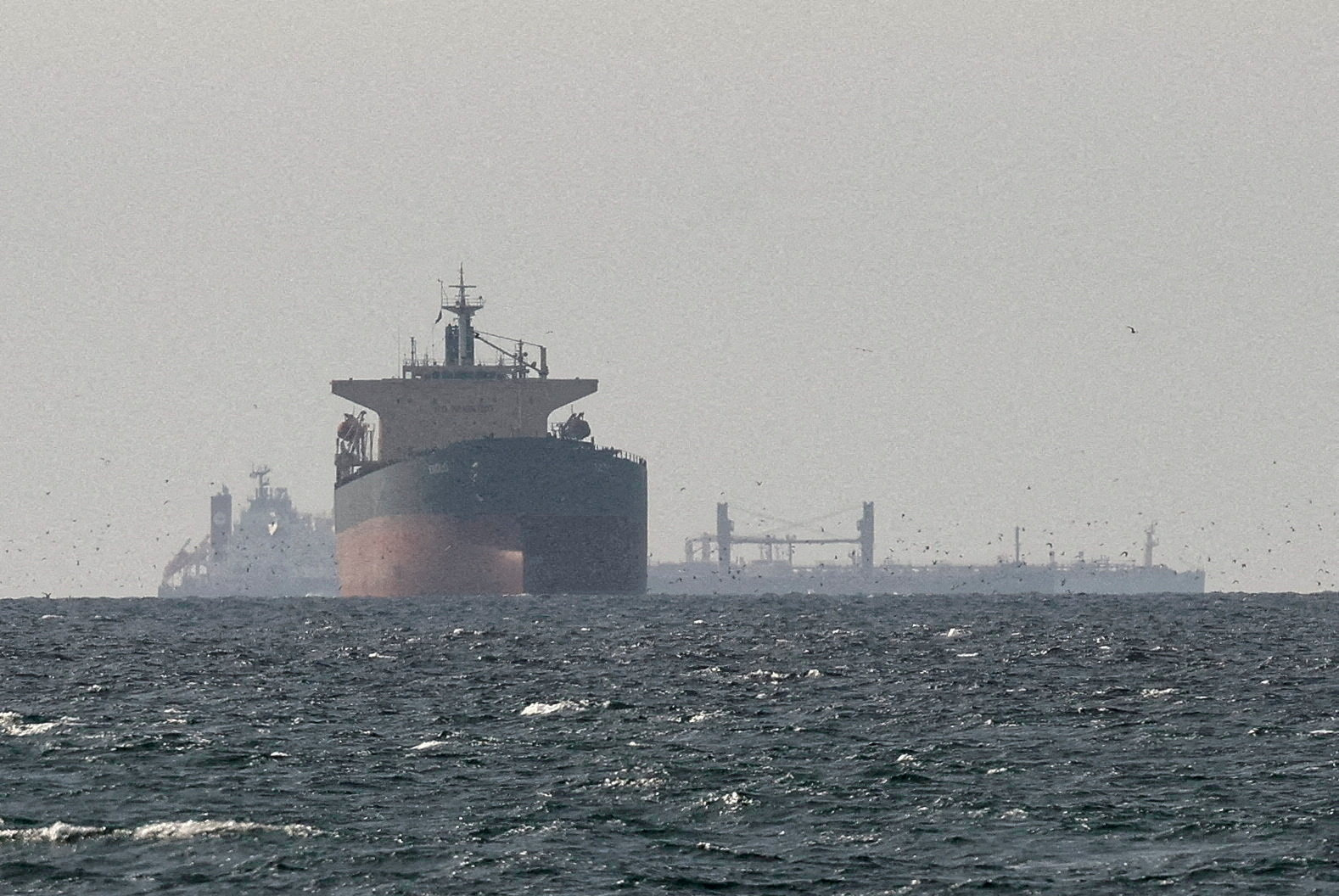
2+The restart carries significance far beyond Saudi Arabia. The East-West Pipeline, also known as Petroline, crosses roughly 1,200 kilometers of the kingdom, connecting the oil-producing and processing region around Abqaiq in the east with Yanbu on the Red Sea, allowing Saudi crude to reach international markets without passing through the Strait of Hormuz. This capability has become increasingly important amid the Iran conflict and disruption to shipping through Hormuz. The strait is one of the world’s most important energy chokepoints: before the current disruption, roughly one-fifth of global petroleum liquids consumption passed through it, according to the U.S. Energy Information Administration.
 2+
2+Saudi Arabia historically sends more crude and condensate through Hormuz than any other country. By restoring the East-West route, Riyadh gains greater ability to move millions of barrels of crude independently of conditions in the strait, reducing the leverage created by Iran’s position alongside the narrow waterway. Saudi Aramco has previously described the pipeline as a critical supply artery during disruptions to Hormuz, and earlier this year ramped the system to as much as 7 million barrels per day.
 2+
2+The impact was quickly visible in global markets. Brent crude fell by more than $2 per barrel following reports of the pipeline restart, as traders weighed the prospect of additional Saudi supply reaching international markets. The reopening therefore represents more than the repair of Saudi energy infrastructure: it restores a major alternative artery between the Persian Gulf oil fields and the Red Sea at a time when control and security of the region’s maritime chokepoints have become central to the wider conflict.