


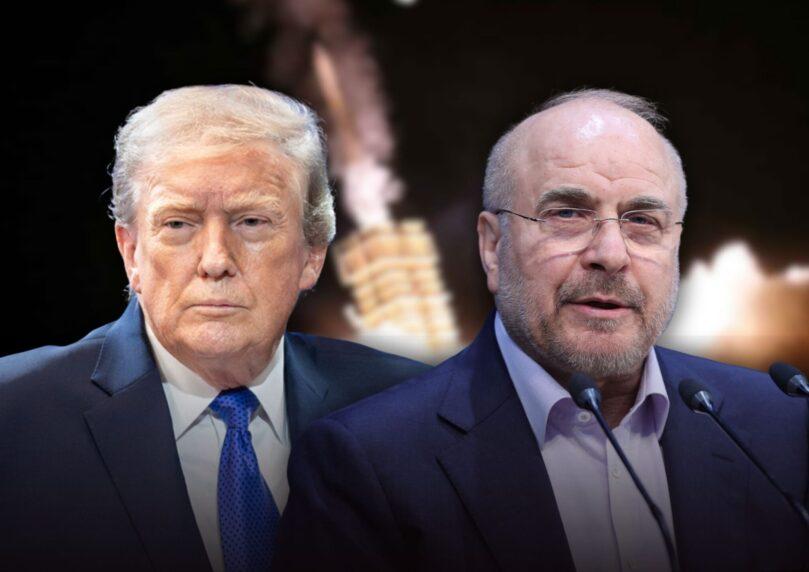

Another unusual warning emerged Friday from the highest levels of the Iranian regime, as Parliament Speaker Mohammad-Bagher Ghalibaf cautioned that even military might cannot keep a country standing when its people are hungry and its economy is failing to grow. His remarks come as Iran faces mounting U.S. economic pressure—and on the same day President Masoud Pezeshkian declared that “it is better that we end the war now.”

 2+
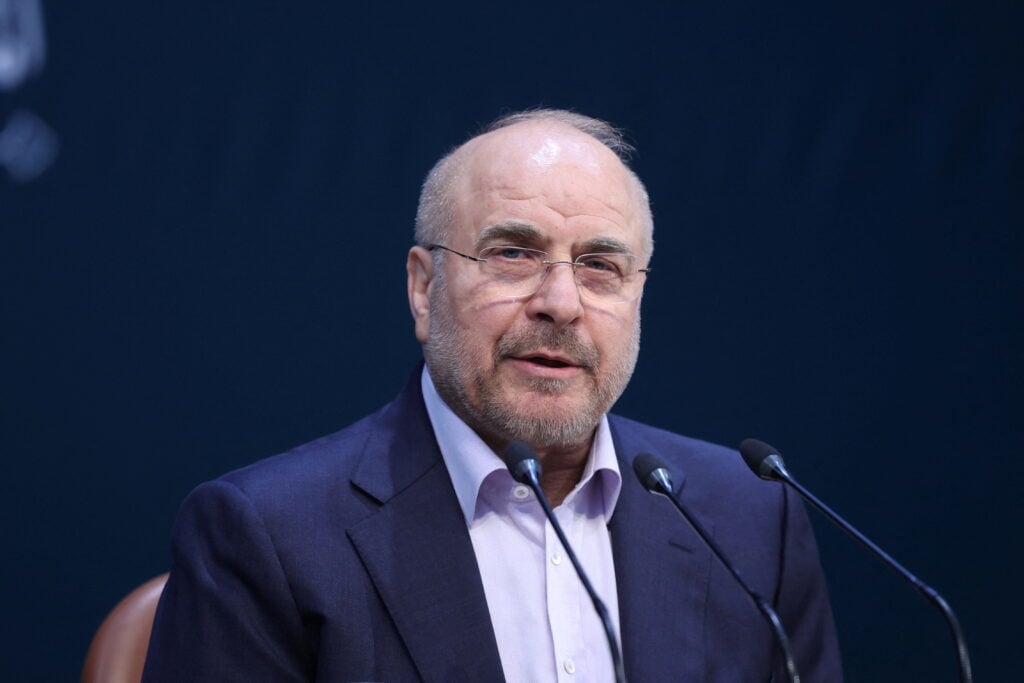
2+Ghalibaf directly linked Iran’s economic condition to its ability to maintain its security power over the long term. “No matter how much military power we have, if the people are hungry, and if there is no movement of capital and economic growth, we will not be able to hold out,” the parliament speaker said. He went on to argue that the two cannot be separated. “Security and the economy are two things that depend on each other. If we establish security but do not accompany it with an economy that ensures its continuity, that security will not be sustainable.”
The significance of his remarks is clear: according to one of the regime’s most senior officials, missiles, weapons and military strength alone cannot guarantee Iran’s ability to endure. Without an economy capable of supporting the country and its citizens, even its security achievements may not be enough.
 2+
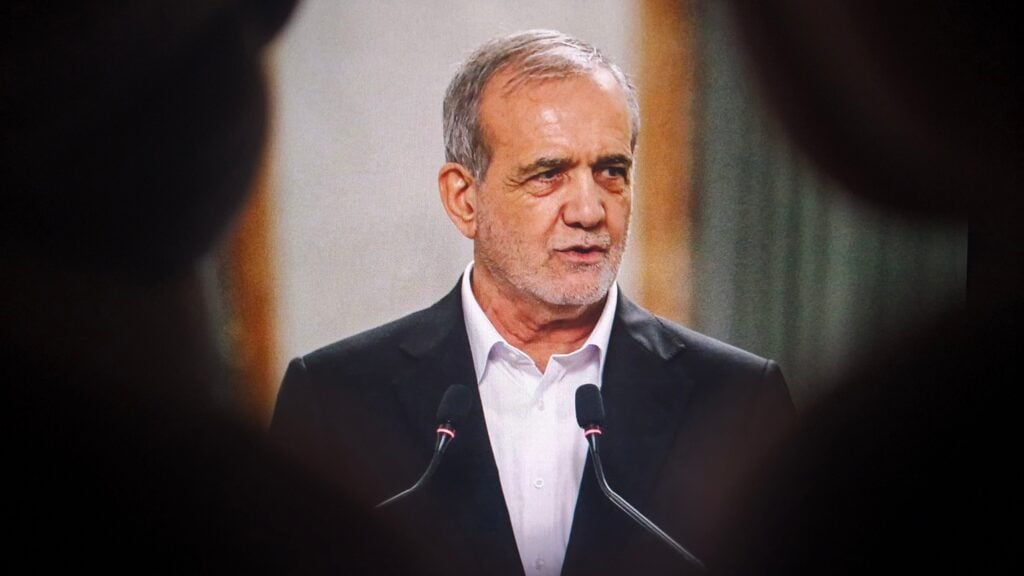
2+Ghalibaf’s warning takes on added significance because it comes alongside another unusual message from the upper ranks of Iran’s leadership. Iranian President Masoud Pezeshkian said he believes the time has come to end the war. While he framed such a move as one that should be made from a position of strength rather than surrender, the call itself stands out against the belligerent rhetoric coming from Tehran. “It is better that we end the war now, while we are in a position of strength and dignity,” Pezeshkian said.
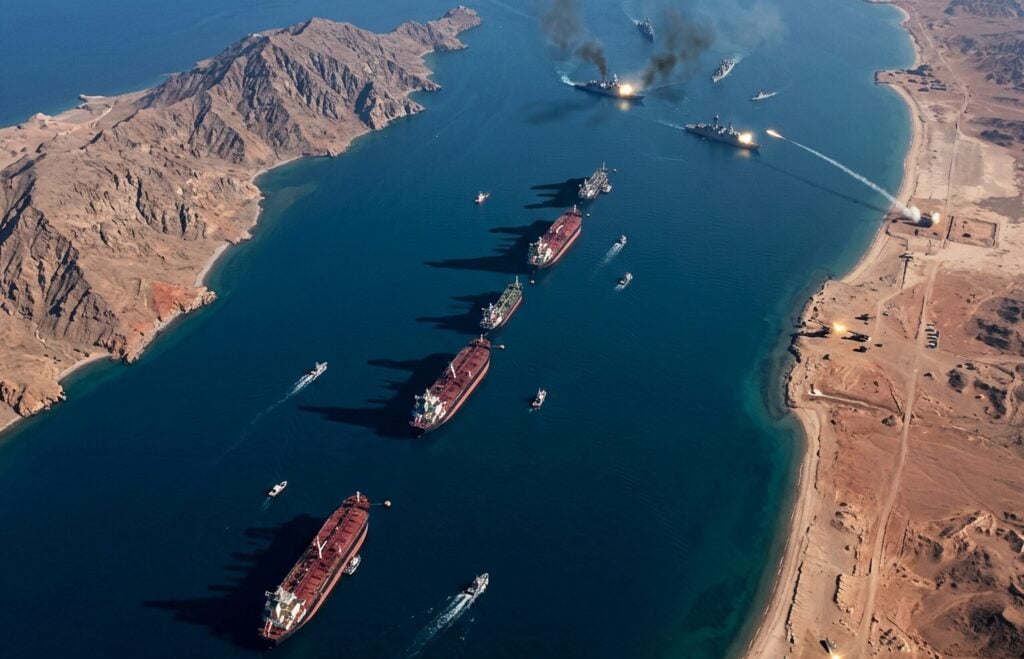
He did not characterize his position as an admission of defeat, instead arguing that Iran is currently in a position that would allow it to end the confrontation without appearing to have surrendered. The comments come as Washington intensifies its economic pressure on Iran. The U.S. administration has announced an escalation of its economic campaign against Tehran, centered on efforts to hit Iranian oil revenues and those helping the regime sell oil, transfer funds and circumvent restrictions.
 2+
2+The connection between Iran’s economic condition and its internal stability is not new to Ghalibaf. Following previous rounds of intensified sanctions, he acknowledged economic hardship and mounting pressure on Iranian households, calling for measures to ease the burden of the rising cost of living. This time, however, his language was particularly stark. The parliament speaker is no longer merely discussing improving living standards—he is explicitly tying Iran’s ability to “hold out” to whether its people are hungry and whether money and economic growth continue flowing through the country.