


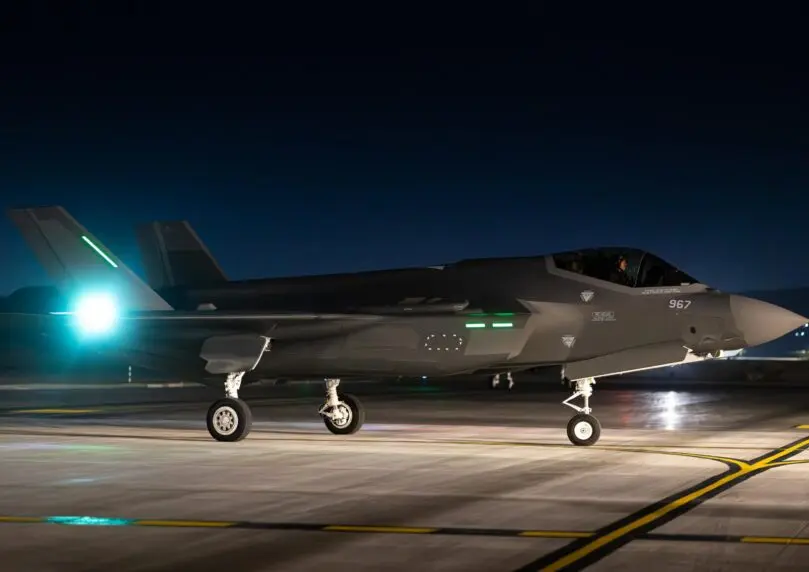

C14 reported tonight (Tuesday): Alertness in Israel’s security establishment is at its peak ahead of the possibility of renewed fighting with Iran. The prevailing assessment is that Tehran, after being surprised twice by Israeli operations, may try to flip the equation and surprise Israel with a large-scale attack on their initiative that delivers the first blow. Such a scenario could reignite direct military confrontation between the countries and open a strategic race over the element of surprise, with each side trying to avoid being the one attacked first.

 4+
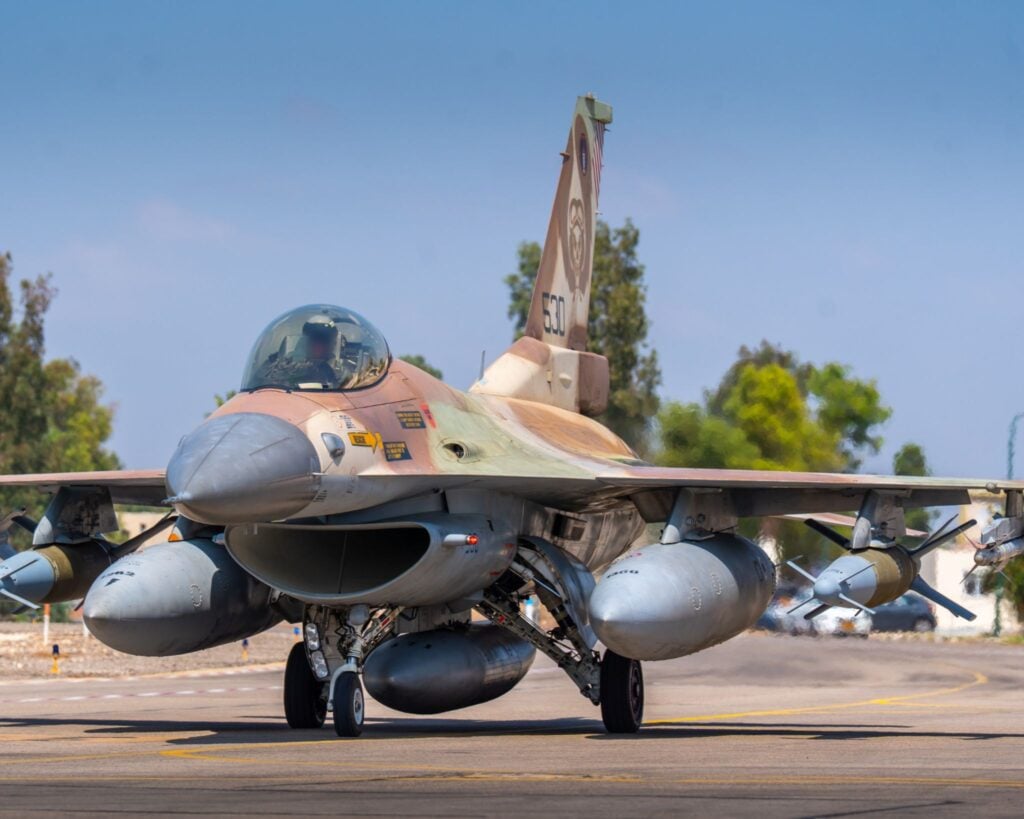
4+In Israel it’s absolutely clear that the two times Israel succeeded in surprising Iran haven’t been forgotten in Tehran. Against this backdrop, concern is growing that the Iranian regime will choose to change its pattern of action and preempt the cure, rather than wait for another Israeli operation on its territory. As a preventive move, they may try to execute a large-scale offensive that gives them an advantage through the element of surprise.
 4+
4+The concern in Israel is intensifying precisely against the backdrop of the severe economic distress Iran is experiencing these days. Among other things, the closure imposed on the Strait of Hormuz is brutally damaging the country’s revenues and deepening the internal crisis. But despite the economic pressures, the regime in Tehran continues to place restoration of military capabilities and preparation for another confrontation at the top of its priorities.
 4+
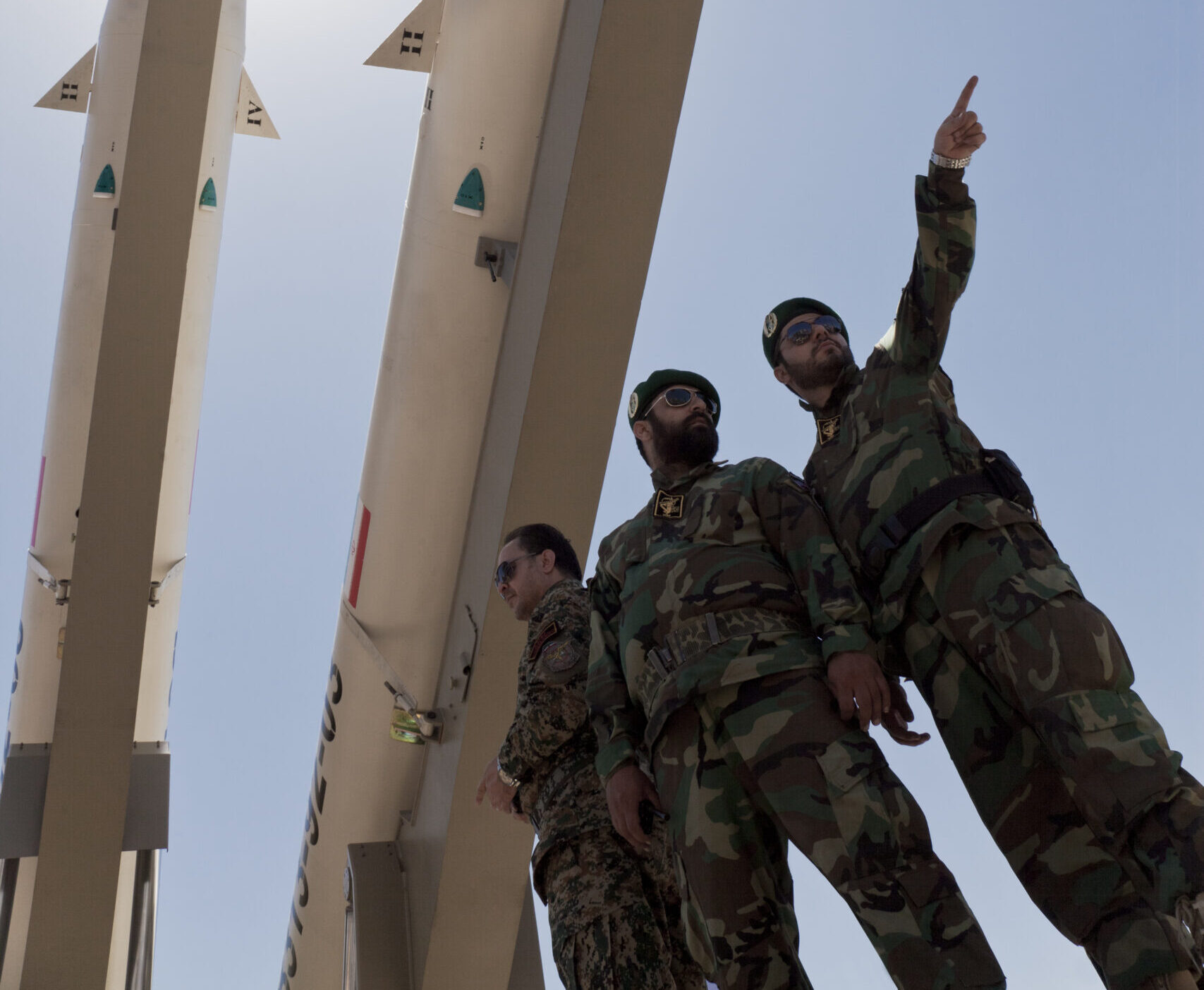
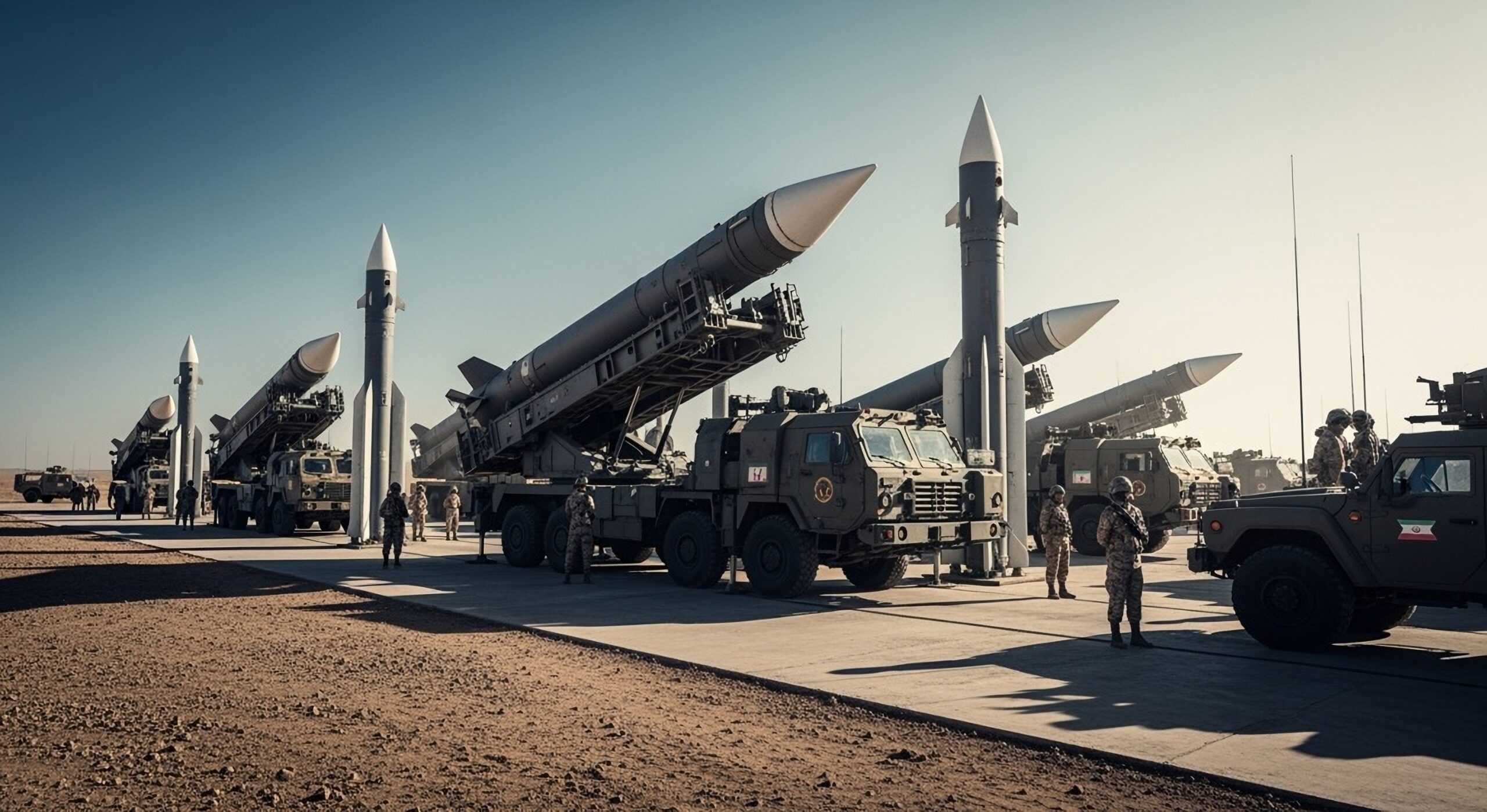
4+A significant portion of available resources is being directed straight to military buildup, with emphasis on increased production of ballistic missiles, launchers and unmanned aircraft, alongside extensive efforts to restore capabilities damaged in previous strikes. This conduct shows that the economic crisis isn’t reducing Tehran’s military preparations—rather, restoring strike capability is seen as a supreme goal for the regime.
 4+
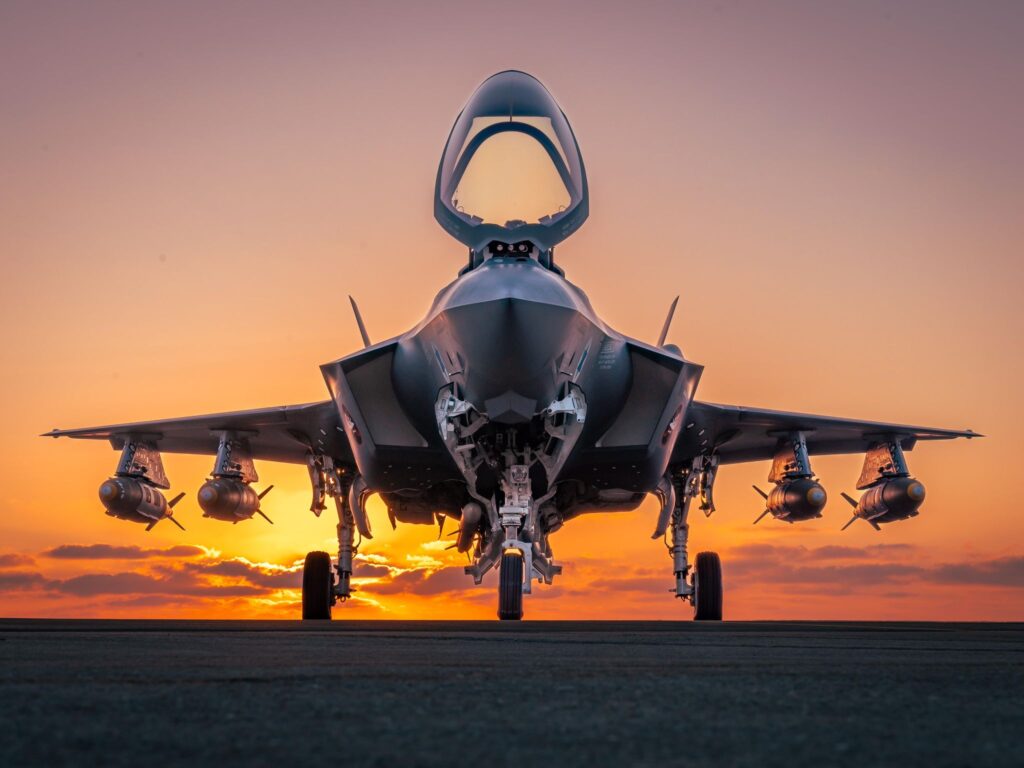
4+Meanwhile, Israel is closely monitoring all developments and significantly increasing operational readiness for various extreme scenarios, including dealing with a surprise Iranian attack alongside examining the possibility of renewing strikes deep inside Iran, with close cooperation and coordination with the United States.
 4+
4+However, as of now no official decision has been made by the political echelon to launch another military campaign, and the heightened preparations mainly reflect concern about rapid deterioration. This equation is also accompanied by the complicated political reality in Israel on the eve of elections, which puts decision-makers facing weighty choices, each carrying far-reaching security and political implications.