


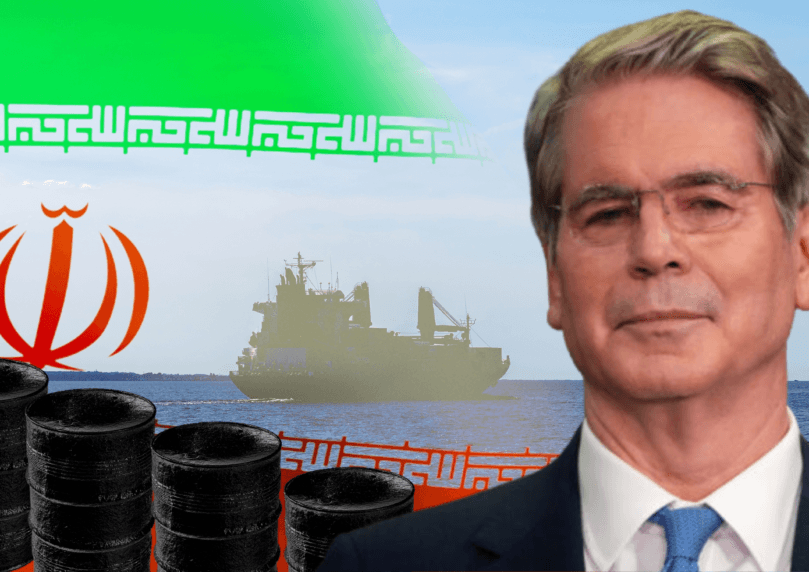

The United States announced Thursday it is tightening the economic noose around Iran’s regime, targeting 17 oil tankers accused of helping Tehran evade sanctions and funnel billions of dollars in petroleum revenue into its struggling economy.
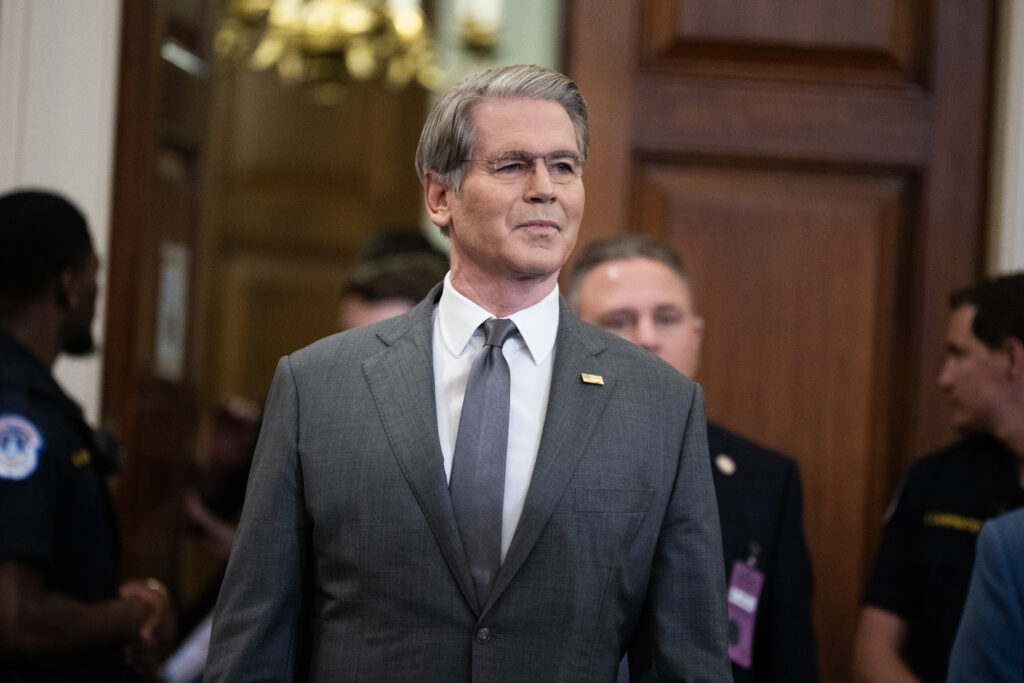
The US Treasury Department announced the latest measures under Operation Economic Outcast, a campaign designed to dismantle the financial networks that sustain the Iranian regime. Treasury Secretary Scott Bessent said Washington is starving Tehran of the money it uses to wage war across the region, warning that those enabling Iran’s illicit oil trade will face the full force of American sanctions.
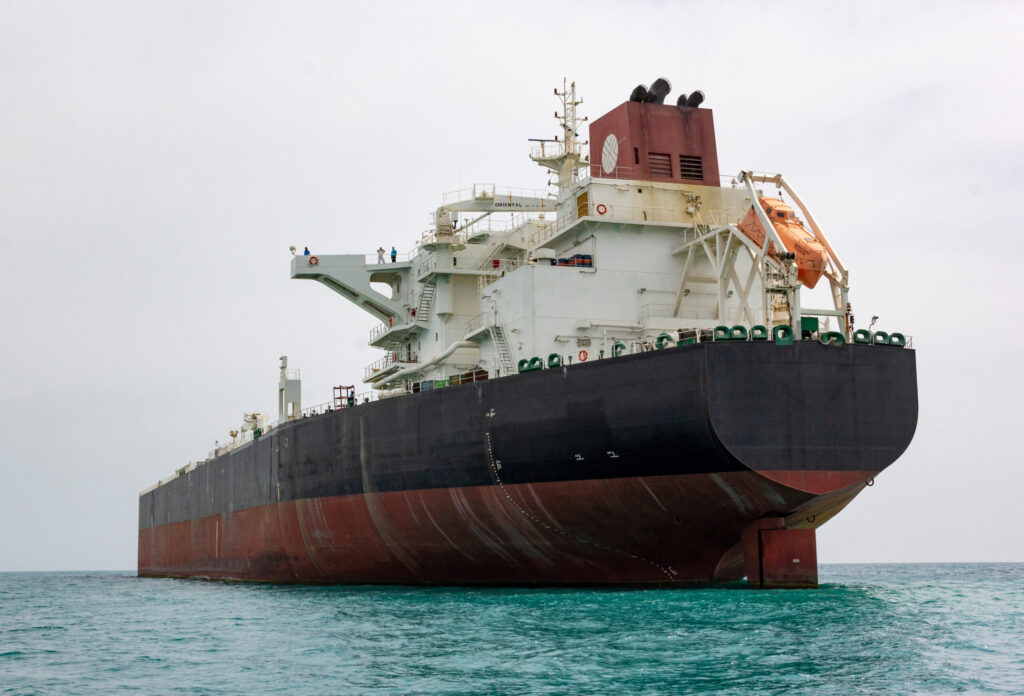
The action targets what Treasury describes as the remnants of Iran’s shadow fleet, a network of aging tankers operating under foreign flags and through international front companies to conceal the origins of Iranian oil and petroleum products. The vessels have transported millions of barrels of crude oil, fuel, and petrochemicals to markets across South and East Asia.

 1+
1+Among the targeted vessels are tankers accused of shipping more than 3.5 million barrels of Iranian crude oil since November 2025, as well as others responsible for transporting millions of barrels of Iranian naphtha, fuel oil, and liquefied petroleum gas. The US also designated numerous companies linked to the vessels, striking at the corporate networks that allow Tehran to keep its oil trade moving despite international restrictions.
Operation Economic Outcast, announced by Bessent in August 2026, seeks to cut off the regime’s remaining economic lifelines by targeting oil revenues, financial intermediaries, and money-laundering networks. The campaign also raises the risks for foreign businesses and financial institutions that continue facilitating transactions with sanctioned Iranian entities, potentially threatening their access to the US financial system.
The Treasury Department said the latest measures come as a US military blockade and declining Iranian oil shipments outside the blockade line intensify pressure on an already failing Iranian economy. Together, military and economic measures are narrowing Tehran’s options for generating revenue and sustaining its regional activities.
 1+
1+The campaign also demonstrates the reach of American financial power. By restricting access to US markets and the international financial channels that depend on them, Washington can impose significant costs on the regime and those who profit from helping it evade sanctions.
Importantly, Treasury also removed two previously sanctioned vessels from its blacklist after determining that they had left Iran’s shadow fleet and been sold to operators aligned with US interests. The move underscores that sanctions can be lifted when circumstances change, while those continuing to support Tehran’s illicit trade face mounting consequences.
For Iran’s rulers, the message is increasingly difficult to ignore: the United States is determined to choke off the revenue that helps sustain the regime, and the networks protecting its oil trade are no longer beyond Washington’s reach.