


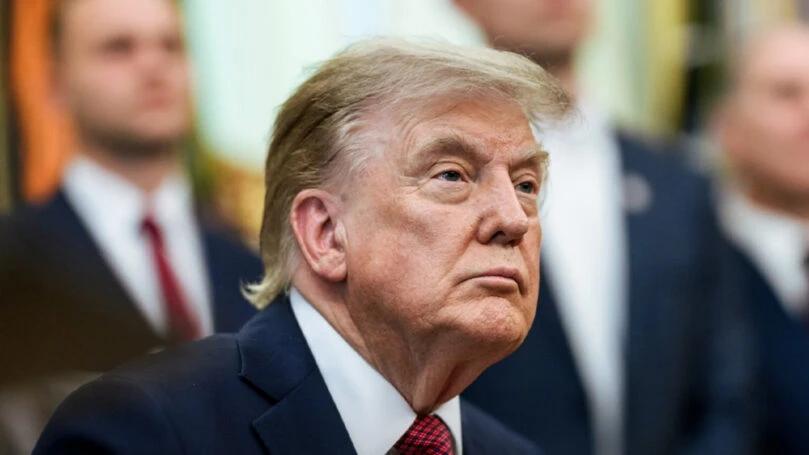

Newly released official U.S. documents revealed Friday that the FBI opened a secret investigation into Donald Trump shortly after he fired FBI Director James Comey in May 2017, examining whether the president’s actions were coordinated with or influenced by the Russian government.
The secret investigation, reportedly given the code name “Oxferd Comma,” apparently using an intentional misspelling to make it more difficult to locate through Freedom of Information Act requests, drew on information gathered during the FBI’s earlier investigation into alleged ties between Trump’s presidential campaign and Russia.
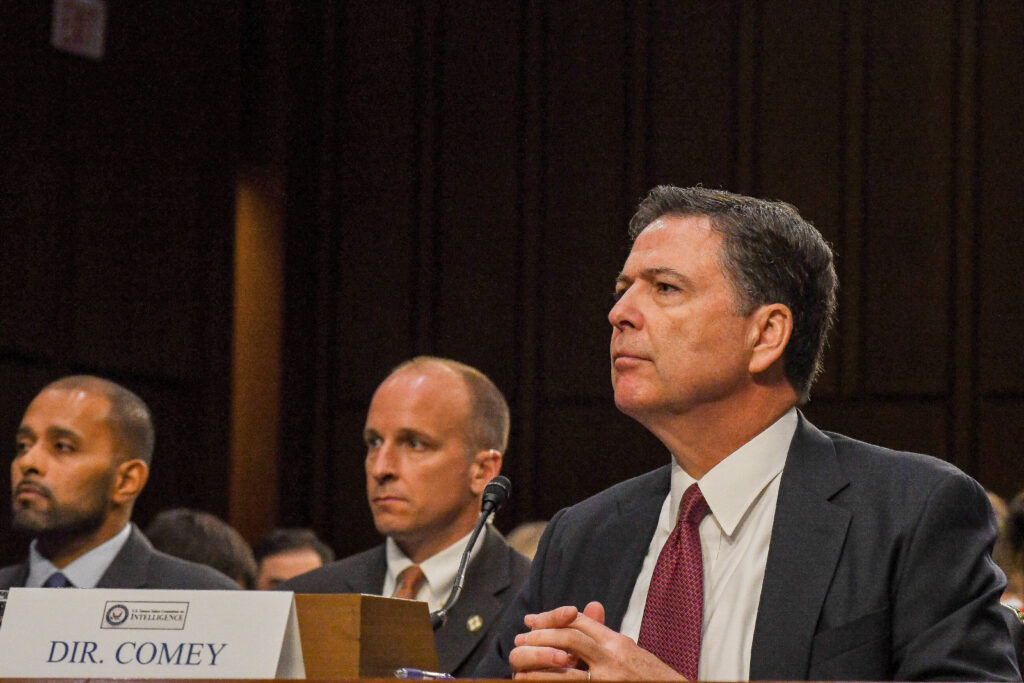
FBI investigators sought to determine whether Trump was acting in a manner that posed a national security threat and whether his decision to fire Comey was intended to obstruct the bureau’s Russia investigation.
The inquiry examined a range of events, including Trump’s meetings with Comey, the White House’s changing explanations for Comey’s dismissal, discussions among Trump campaign officials concerning policy toward Ukraine, and Trump’s business interests and properties connected to Russia. Although Trump initially offered other explanations for Comey’s dismissal, he later acknowledged that the Russia investigation had also been on his mind.
Law enforcement authorities stressed at the time that opening an investigation did not mean the suspicions against the president had been substantiated. In the years that followed, the broader controversy underwent extensive examination by several major investigations.
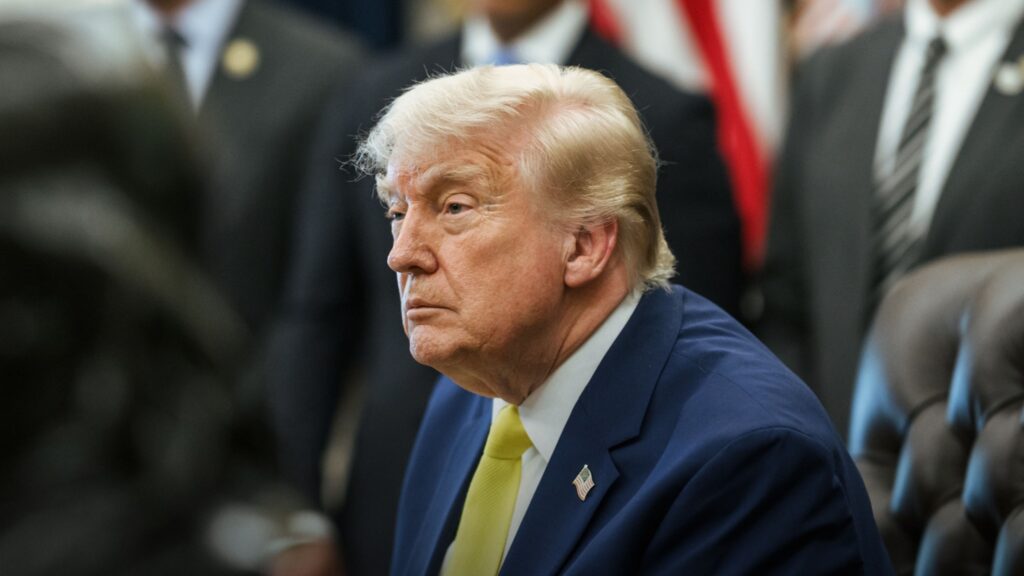
Special Counsel Robert Mueller’s report did not establish that members of the Trump campaign conspired or coordinated with the Russian government in its election interference activities. Mueller’s team did not reach a traditional prosecutorial judgment on whether Trump had obstructed justice.
A subsequent Justice Department inspector general report concluded that the FBI had sufficient grounds under the applicable threshold to open its original investigation, while also uncovering serious errors and omissions in applications used to obtain surveillance warrants.
Special Counsel John Durham later delivered a sharply critical assessment of the FBI’s handling of the matter, concluding that the bureau had relied too heavily on information that had not been adequately analyzed or corroborated and had departed from important standards expected in politically sensitive investigations.
The newly released documents now provide another window into just how extraordinary the investigation became: behind closed doors, federal investigators were examining whether the sitting president of the United States could have been acting under the influence of a foreign adversary—even as the explosive suspicions at the heart of the Trump-Russia saga would ultimately remain unproven.