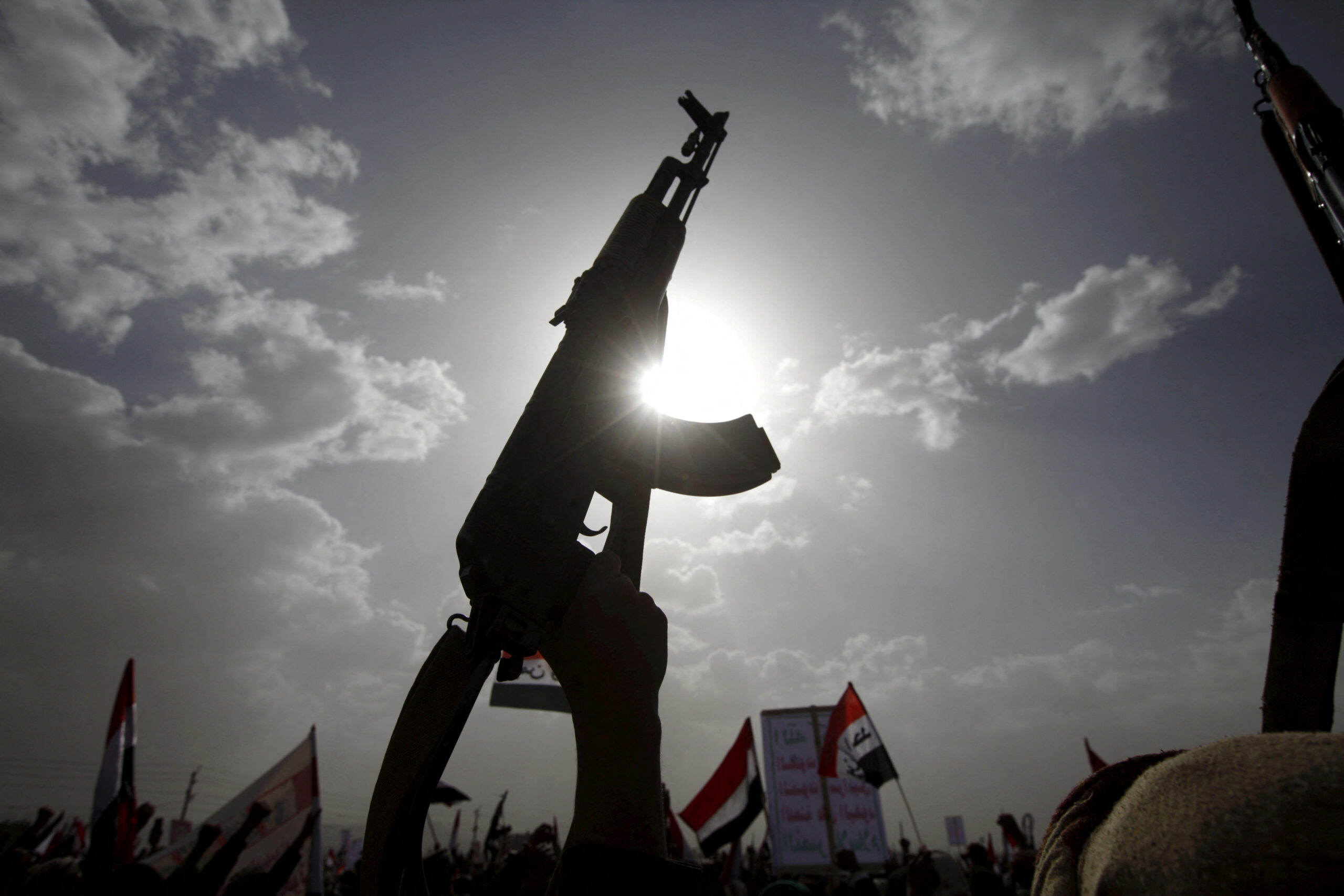
The escalation between the Houthis and Yemeni government forces continues, but a new report reveals mediation efforts between the sides—with an unlikely broker chosen from nearly 2,000 kilometers away in the Gaza Strip.
Sources in Yemen told the Lebanese newspaper Al-Akhbar, which is affiliated with Hezbollah, that the Al-Islah party—part of the Muslim Brotherhood and a component of Yemen’s parliament and government forces—initiated several internal and external mediation efforts with the Houthis. The most prominent mediator: Hamas.
Photo: Shutterstock
Al-Islah’s mediation efforts came amid fears of a major attack by the Houthi terrorist organization, which has recently begun expanding the confrontation. Hamas, which is also affiliated with the Muslim Brotherhood and has strengthened its ties with Iranian actors in recent years—including the Houthis—was apparently viewed as a suitable intermediary between the sides.
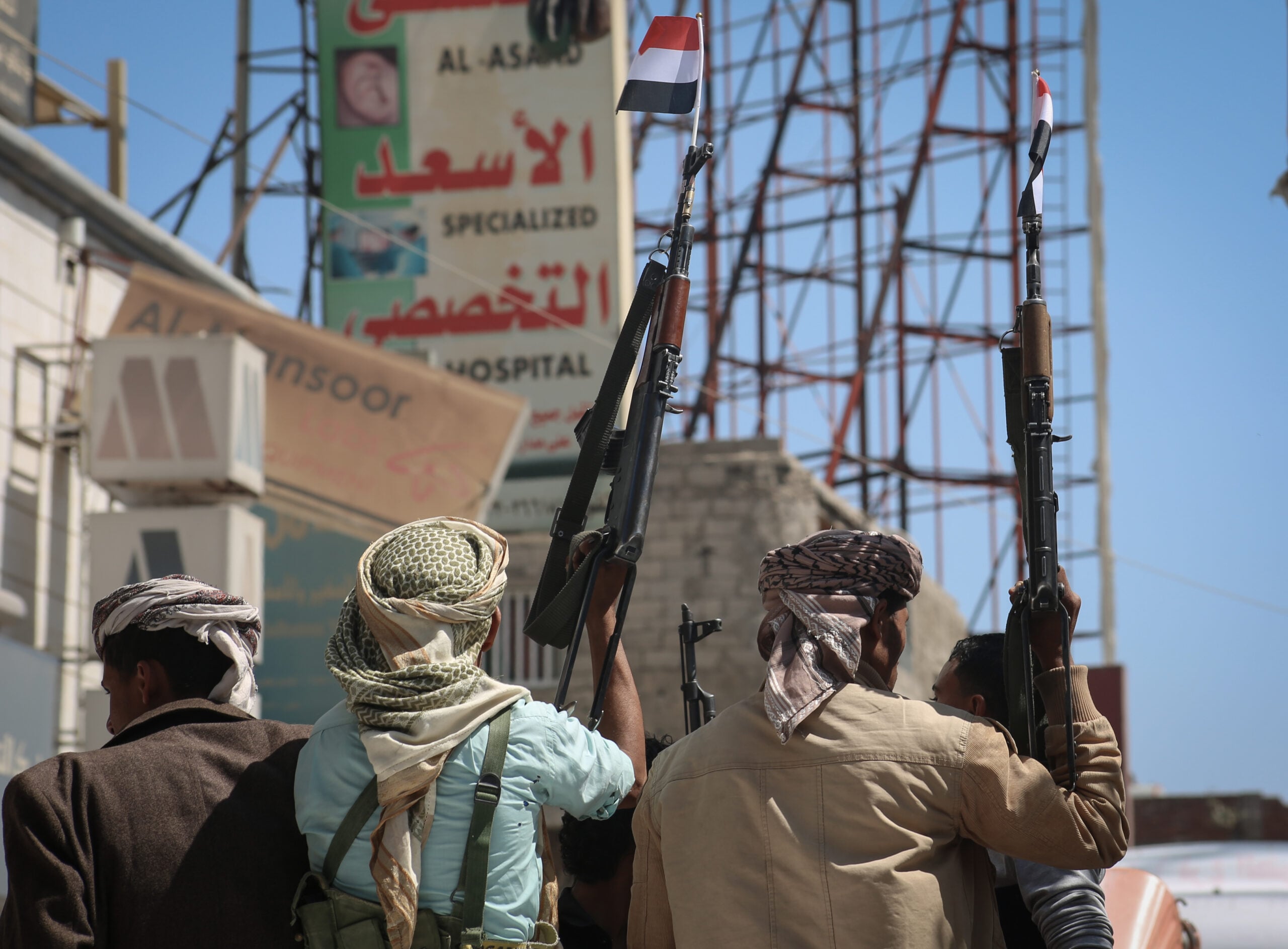
Ultimately, however, Hamas’s mediation failed. Several sources from the terrorist organization controlling Sanaa added that a decision to further escalate the situation has not yet been made—but has not been ruled out either. The confrontation is currently centered on the city of Marib, east of Sanaa. Al-Islah controls the city but fears that, following several smaller clashes, the Houthis are preparing to launch a major assault that could bring Marib under their control.
Photo: Shutterstock
The report of Hamas’s attempted mediation comes as fighting between the Houthis, Saudi-backed forces and Yemen’s government continues to escalate elsewhere in the country. Most recently, a Yemeni military official reported that a Houthi drone strike targeted government force positions in the Hadramout region of southeastern Yemen for the first time during the current escalation. The official said Thursday that two people were killed and 15 others wounded in the Houthi attack.
American lawmakers are investigating alleged secret Chinese-linked support for Code Pink, a far-left feminist protest organization founded in the United States, as they examine whether the group is subject to foreign influence, according to a report by Britain’s The Telegraph.
Anti-Israel protests | Photo: Reuters
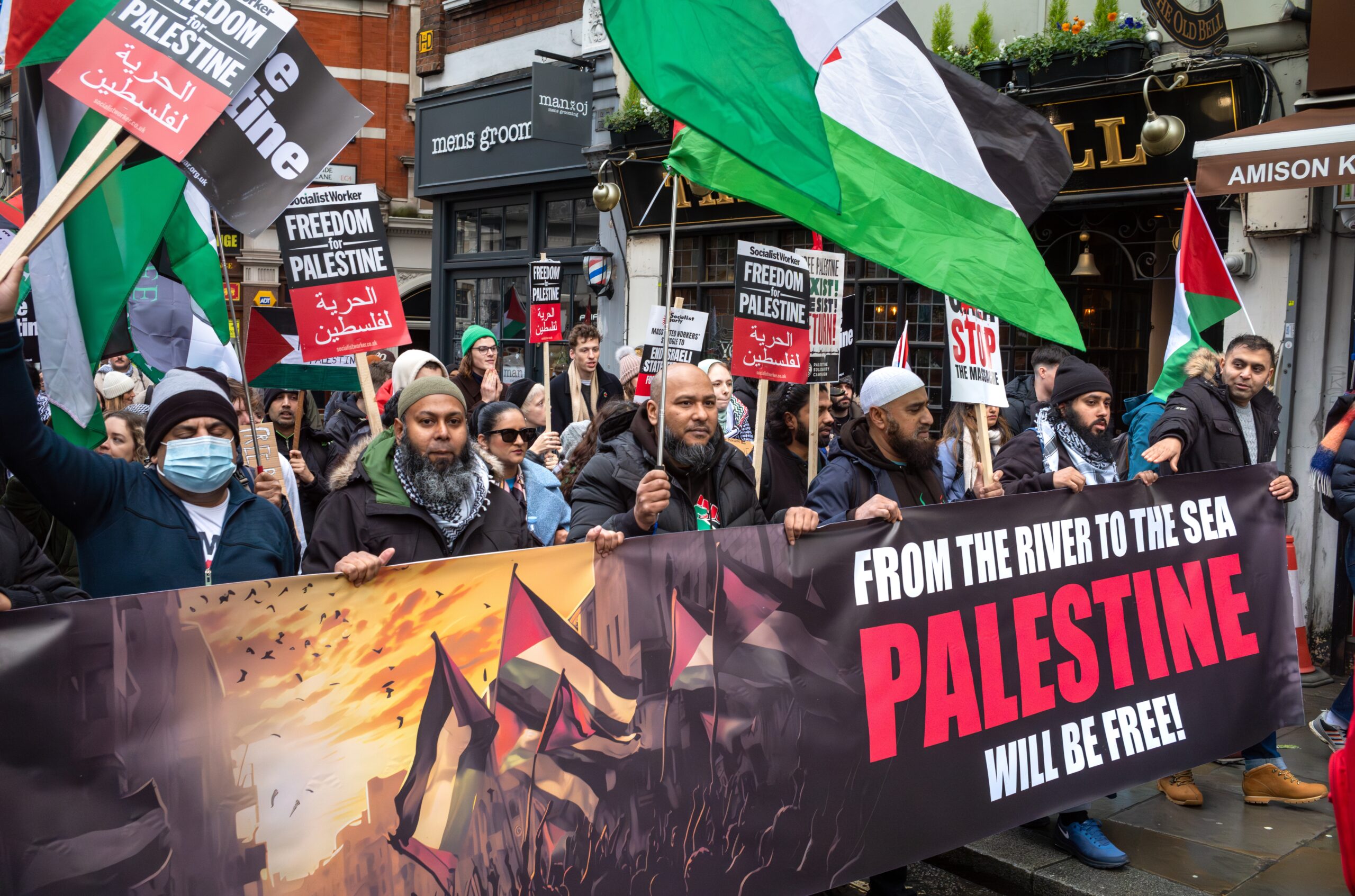
The investigation comes amid growing concern that Beijing is attempting to exploit political issues in the West to deepen social divisions and conduct what critics describe as “political warfare” against its rivals. Code Pink has organized protests in Britain against London’s involvement in what it calls the “genocide in Gaza,” encouraged activists to demonstrate outside Royal Air Force bases and issued statements claiming British leaders had been “bought by Zionism.”
The Telegraph reported that the U.S. investigation is examining more than $300,000 in payments allegedly made to a company linked to Code Pink in Britain by an American tech mogul suspected of financing Chinese propaganda around the world. “The committee’s investigation makes clear that this businessman’s money and influence do not stop at America’s borders,” a U.S. official said. “The committee is well aware that his funding supports pro-Hamas and pro-communist actors not only in the United States, but overseas, including in the United Kingdom.”
Interfering in British politics and promoting anti-Israel messaging. China | Credit: Canva
Another U.S. congressional source said investigators are aware of alleged Chinese funding of organizations in Britain and that the issue forms a significant part of their investigation.
“We are aware that China is funding pro-Hamas and left-wing actors in the UK and U.S.,” the source said. “That is why we are investigating it and will continue to do so.”
Code Pink encourages activists to participate in mass pro-“Palestinian” marches and has organized demonstrations outside Britain’s Defense Ministry and the offices of an arms company in London. The organization describes itself as a feminist grassroots group working to end war and imperialism while supporting peace and human rights.
The leftist organization has also called for British military bases overseas to be closed and organized a demonstration at the RAF Akrotiri base in Cyprus, which has been used for surveillance and intelligence-gathering flights over Gaza. In May last year, the group condemned the British government’s support for Israel, declaring: “Our leaders bought by Zionism may not stop them, but the people will.”
The Telegraph report comes shortly after Prime Minister Benjamin Netanyahu took a sharp swipe at Britain. During a podcast interview, Netanyahu addressed the country’s political and demographic situation and quipped that it could be called the “Islamic Republic of Britain.”
Netanyahu on Britain:
You might call Britain the “Islamic Republic of Britain.”
Someone said that the first Islamic republic with nuclear weapons will be the Islamic Republic of Britain.
Netanyahu added sarcastically that someone had suggested the first Islamic republic with nuclear weapons would be Britain, while stressing that Israel is working to prevent another nuclear Islamic republic from emerging in Tehran. Meanwhile, anti-Israel demonstrations continue across Britain, with The Telegraph reporting that pro-Hamas narratives remain prominent in their messaging. The developments come as London underwent a change of prime minister last month, bringing to power a leader not known for warm relations with Israel.
Elkana Federman, a reservist and security coordinator at the Nova festival, announced yesterday (Thursday) he’s entering politics and launching a new party called “Tekuma” (Revival). Federman, son of prominent right-wing activist Noam Federman, shared the unexpected decision with his followers on social media—a step he said he never planned to take, but felt compelled to after the traumatic events he experienced since October 7.
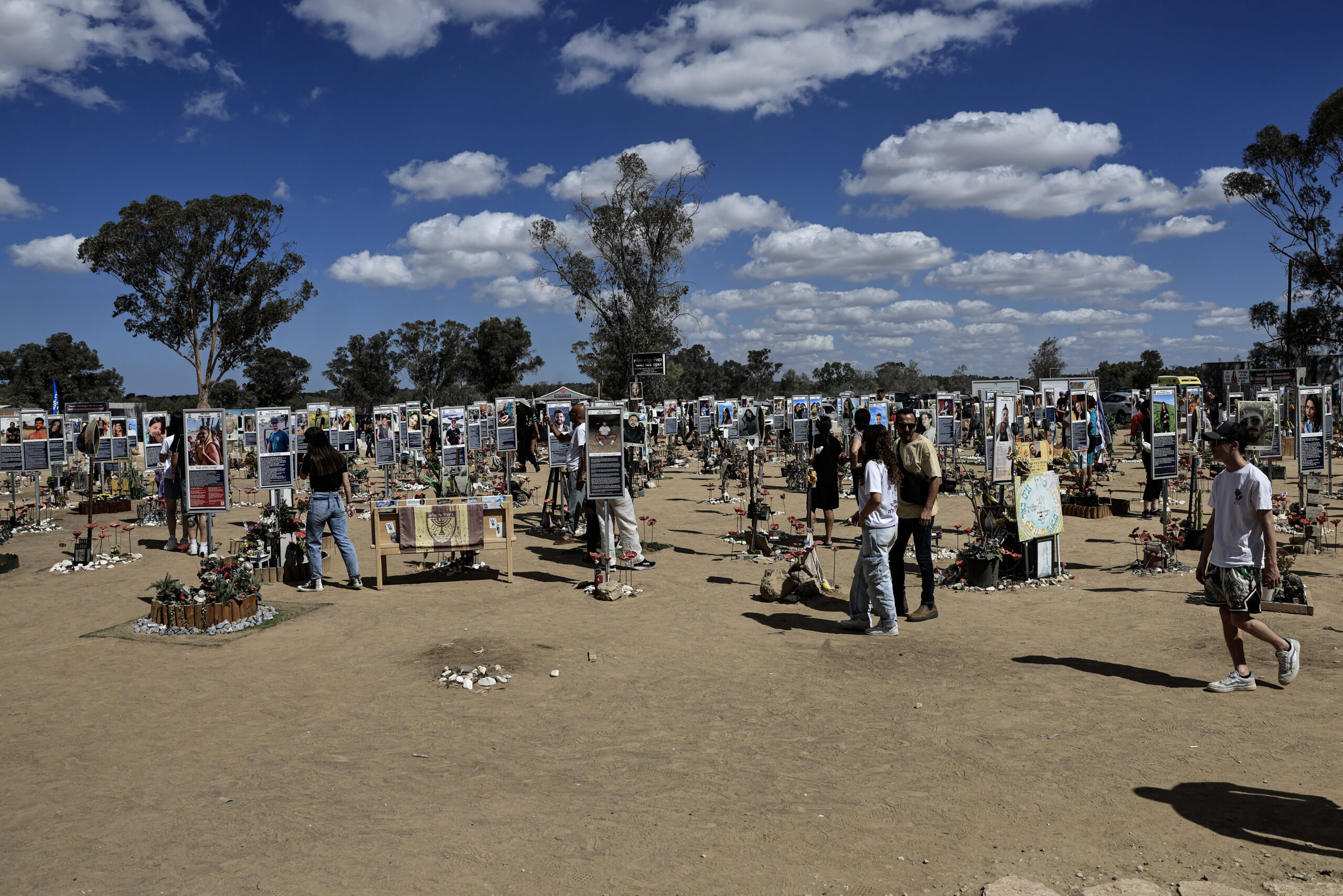
The site of the murderous massacre at the Nova party | Photo: Tzafrir Aviv, Flash 90
In his post, Federman recalled the horrors he witnessed at the Nova festival grounds near Re’im, where he remained behind to fight terrorists and rescue wounded people under heavy fire. “I saw hell. I saw people fighting for their lives. I saw friends who never came back. And from that day, something inside me changed,” he wrote.
Federman said he could no longer remain silent while the country failed to learn from its mistakes. He said the new party aims to restore responsibility, security and trust in Israel’s institutions while standing up for young soldiers who sometimes find themselves battling not only Israel’s enemies but its own systems. “I could have gone home, continued my life and let others do the talking. But I couldn’t stay silent. I kept fighting. I kept serving. I kept asking questions,” he wrote.
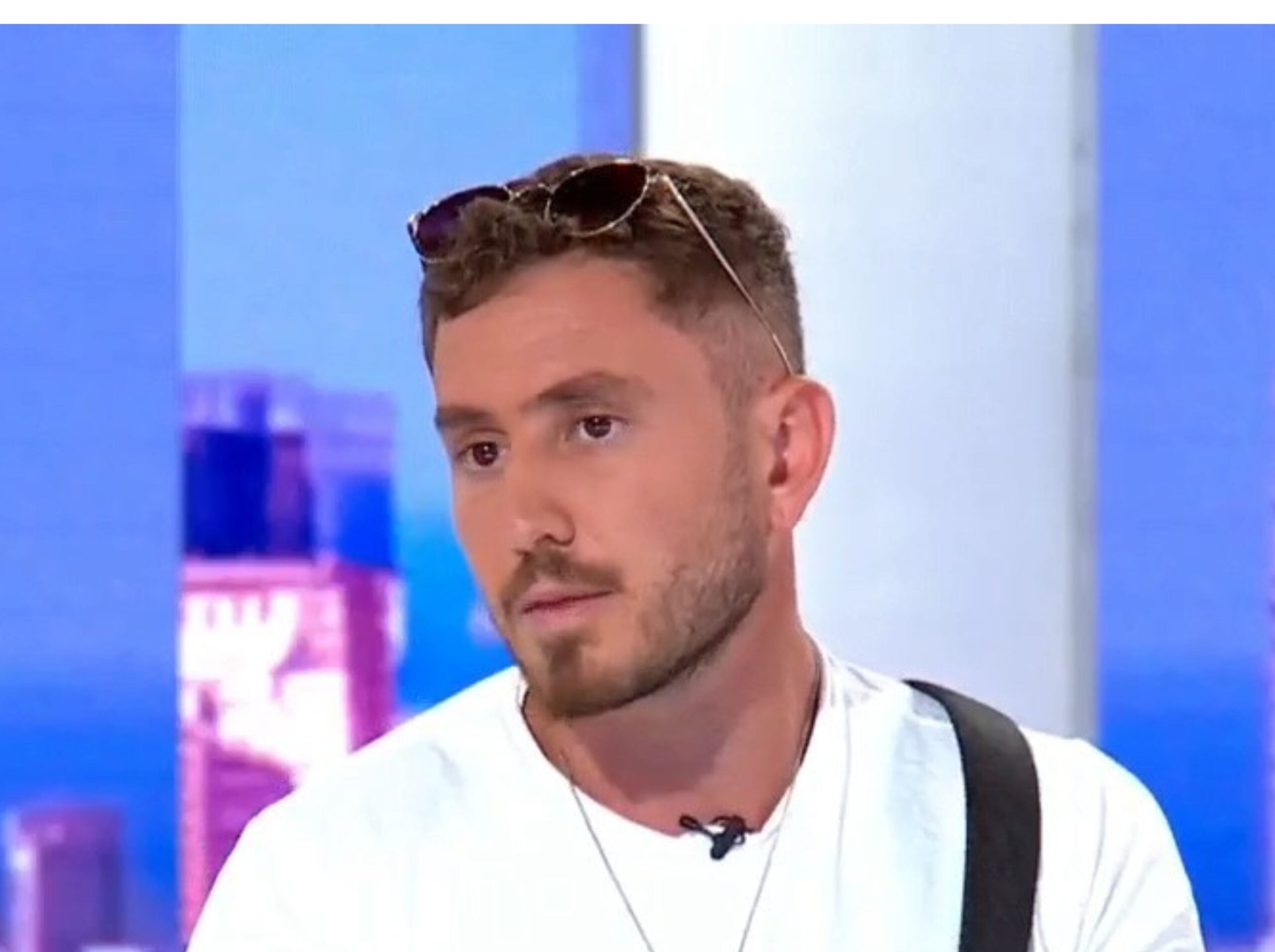
Elkana Federman during an interview | Photo: Channel 14 News
Federman listed the questions he believes remain unanswered: “How did we get to October 7? Who needs to provide answers? Why does someone who fights for the country sometimes have to fight its systems too? And how do we restore security, responsibility and trust to Israel?” The reservist continued: “I realized that if I want answers, I have to be willing to take responsibility. That’s why I decided to take a step I never planned to take.”
Federman said his party would not be “another one born in the backrooms of political operatives” or built on promises that appear before elections and disappear afterward. “I’m setting out independently. I don’t claim to have all the answers. But I know one thing: A country incapable of learning from its failures will struggle to protect its future.” He concluded: “For me, Tekuma is not just the name of a party. It is a decision. To rise from the devastation. To restore responsibility. To restore security. To restore trust. I am Elkana Federman. And this is my first step. Tekuma.”
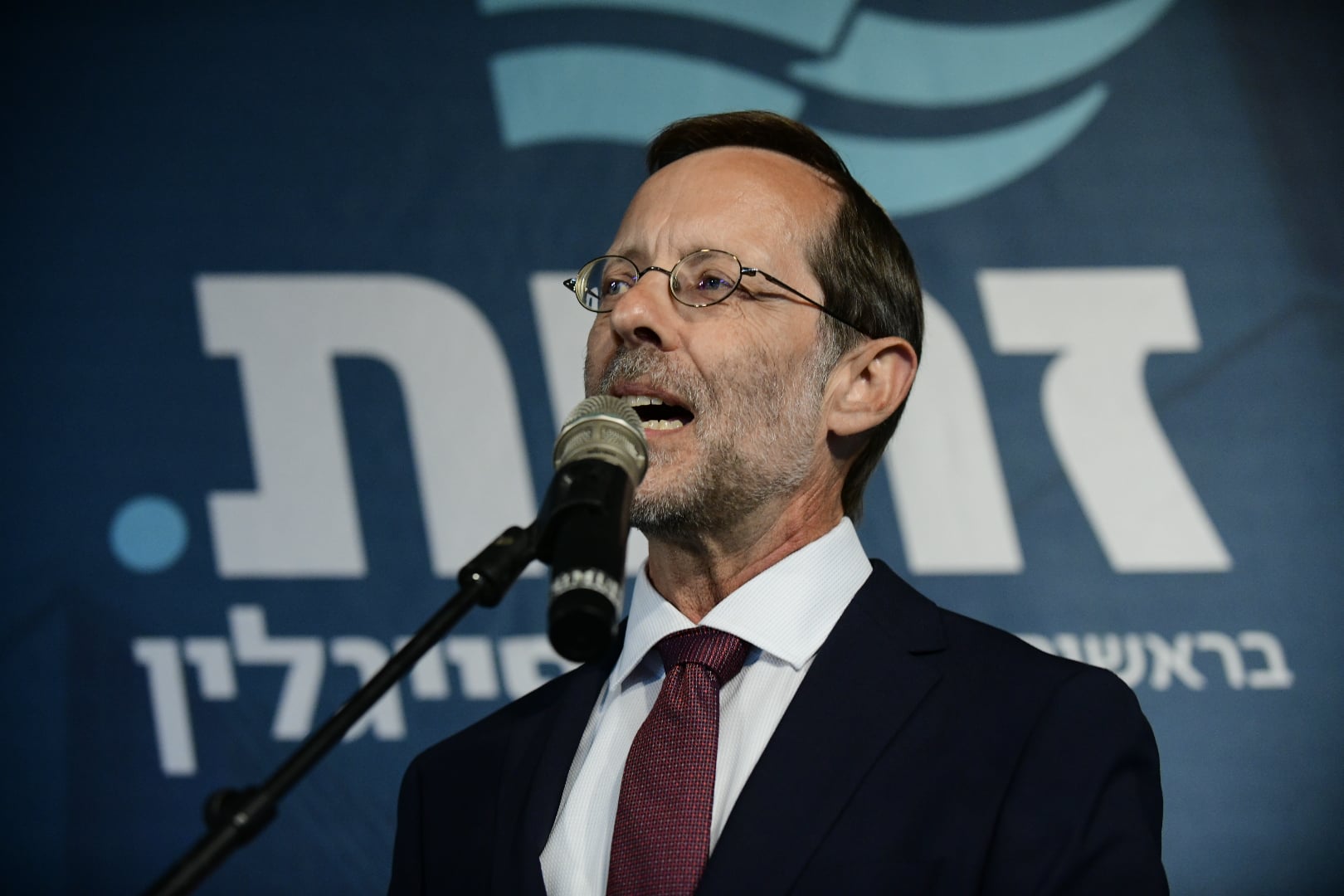
The announcement drew a wave of supportive responses online, with many commenters calling Federman a “hero of Israel” and wishing him success in his new endeavor. Asked about potentially joining existing right-wing parties, including Moshe Feiglin’s Zehut party, Federman responded that, like other parties, they are not interested in young soldiers. He made clear that he is setting out independently but said he would be willing to join forces with any right-wing party prepared to work with him.
Defense Minister Israel Katz’s directive to transfer civil enforcement powers in Judea and Samaria from the IDF to the Israel Police was discussed in a discussion on the issue of Israelis in Area C only, outside theranchess – a new form of community that required a defensive and enforcement operational response that does not exist today. While the Minister’s statement focuses on the IDF’s focus on fighting terrorism and preventing friction between the army and civilians, an analysis of the implications on the ground shows that the move requires a profound change in the perception of governance in the region and in the legal status of Areas A and B.
Photo: Police spokesperson
The main implications
1) Changing the status of the area and legal regulation: In order to grant the Israel Police enforcement authority in Areas A and B, a change in the legal status of the area and the Oslo Accords is required.
2) Changing the status of the land in Areas A and B: Like what happened when the state repealed the Disengagement Law and similar to the models implemented in northern Samaria, the police will not be able to operate in these areas at all without appropriate regulation that would essentially turn Areas A and B into Area C in practice to allow the police to enter there without military escort and to be granted powers to handle civil and criminal matters
3) Rifting systems in the order of forces: Implementing the decision requires the allocation of extensive budgets, budgets, and resources to establish a force Dedicated police force – so far, the police have only worked routinely in cities and towns in Area C. As part of this, in my assessment, it is expected that there will be a need to transfer the Judea and Samaria Border Police from its operational subordination to the IDF to the direct command of the Israel Police.
4) Response to new types of communities: The establishment of the police force is intended, among other things, to provide a dedicated enforcement and security response to the agricultural farms that have been established in recent years, which require a different operating concept than that of the old communities.
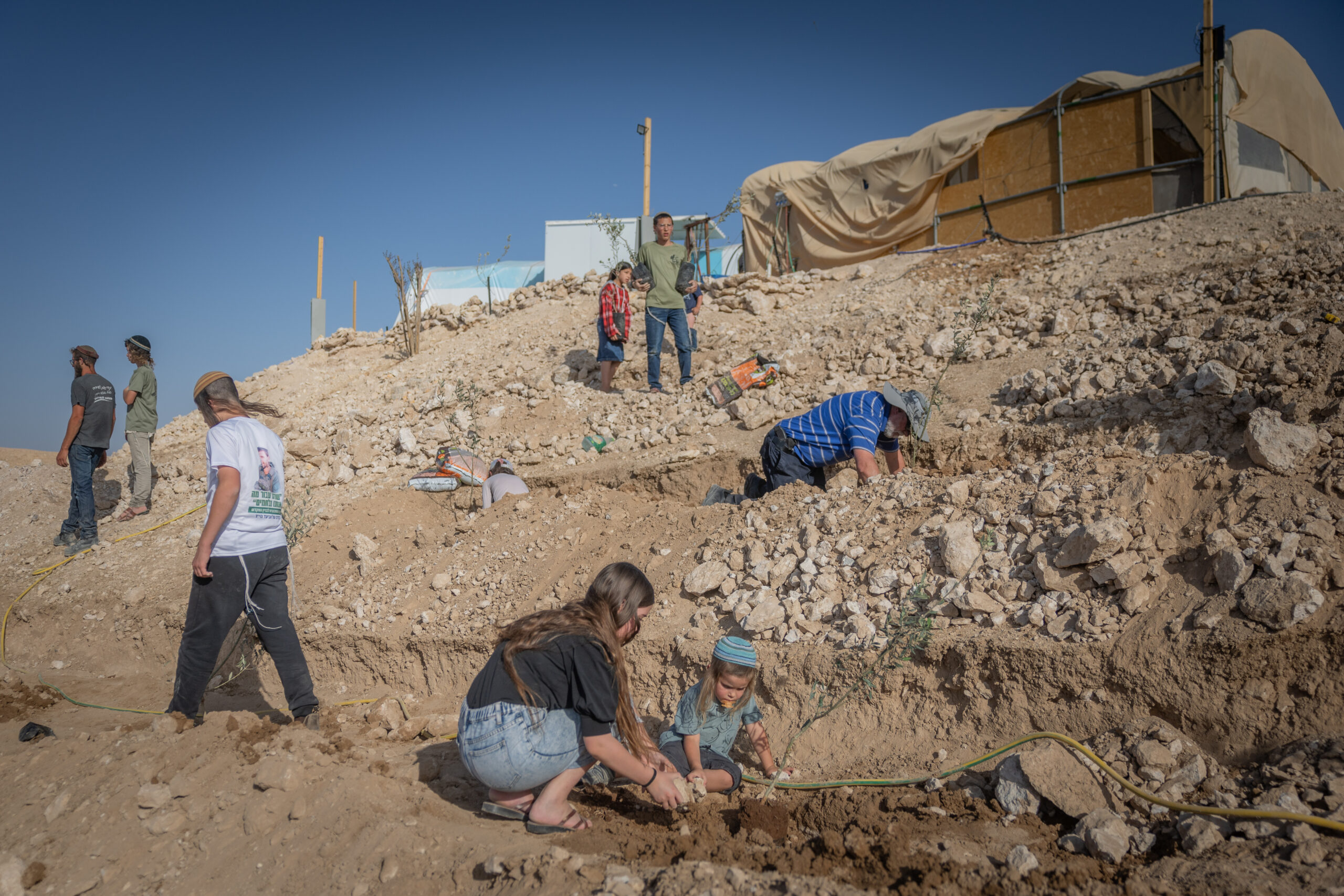
Ranch | Photo: Haim Goldberg, Flash 90
Geographical and security complexity in Areas A and B: In these areas, the security reality requires continued military involvement, with each police entry continuing to rely on IDF escort and security, as was reflected in recent enforcement incidents against the ‘Palestinian’ population.
Law enforcement officials in the region indicate that the change comes in the wake of recent events that are damaging the army’s image, as a senior officer in the Shi’ite district noted: “This is a move that is ultimately intended to incite criticism from the right and left on the issue from the army to the police.”
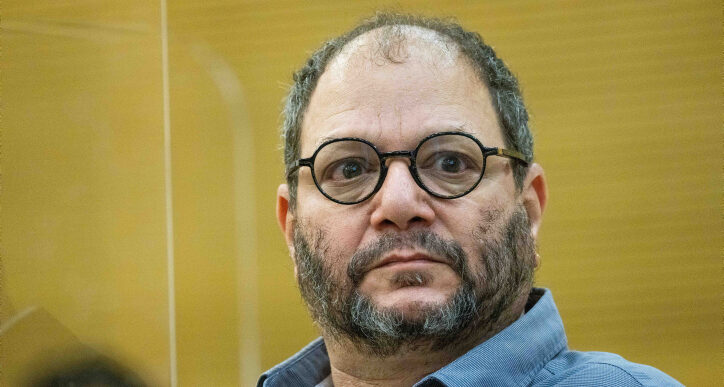
Marxist Knesset member Ofer Cassif attempted to reach the village of Qusra in Judea and Samaria today (Friday) in what security officials described as another provocation against IDF soldiers and Israeli civilians. The security establishment was aware Cassif would attempt such a move and prepared to act against him. Defense Minister Israel Katz instructed the system and forces on the ground to prevent Cassif from reaching the Arab village. Israeli forces successfully blocked the lawmaker and his accompanying team from entering the village, preventing what officials called a left-wing provocation.
Separately, Katz recently instructed the IDF to prepare—in coordination with the Israel Police—a detailed plan to transfer all enforcement authority over civil matters involving Israeli communities and population in Judea and Samaria to the police.
Under the directive, the police will prepare and establish a dedicated force appropriate for handling civil matters, and will be granted all necessary authorities and budgets. Katz explained his decision, saying it is neither the IDF’s role nor within its capacity to handle enforcement of civil matters in Judea and Samaria.
Defense Minister Israel Katz held a special meeting Thursday on Judea and Samaria, attended by Chief of Staff Lt. Gen. Eyal Zamir, the head of the Operations Directorate, the head of Military Intelligence, and other commanders. At the meeting’s conclusion, Katz directed the IDF to prepare—in coordination with the Israel Police—a detailed plan to transfer all civil enforcement authority over Israeli communities and population in Judea and Samaria to the police. Under the directive, the police will organize and establish a dedicated force to handle civil matters, and will be granted all necessary authorities and budgets.
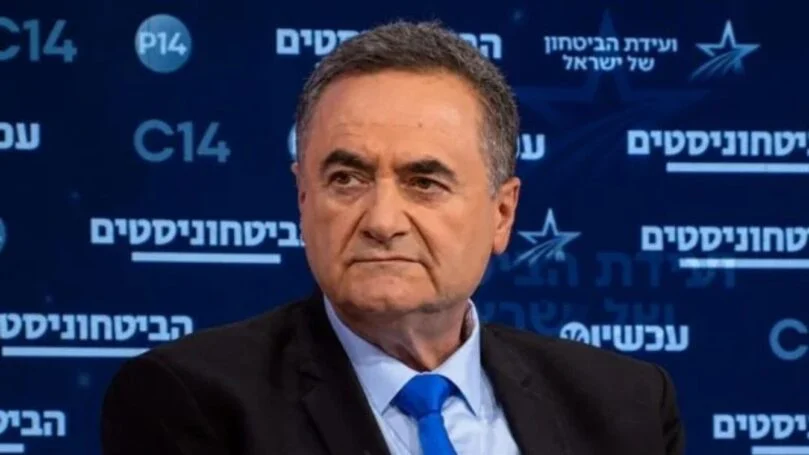
Israel Katz, archive | Photo: Avshalom Shoshani, Flash90
Katz explained his decision, saying it is neither the IDF’s role nor within its capacity to handle civil enforcement in Judea and Samaria. He said the determination is based on the expected blessed increase in the Israeli population following decisions to establish 104 new communities and legalize agricultural outposts on one hand, and on the other hand the intensifying security threats and challenges the IDF faces and is expected to face on the central front. Katz stressed that the IDF’s job is to fight ‘Palestinian’ terror, focus on defending borders and communities against threats—not to chase kids on hilltops.
The Defense Minister’s office noted that transferring responsibility for civil enforcement to the Israel Police represents a significant step in strengthening governance and enforcing law and order in Judea and Samaria, while freeing up IDF forces to carry out their primary missions. The Israeli government and IDF will delegate all necessary authorities to the police to carry out these tasks. The Israel Police, however, clarified that implementing the move depends on agreements reached between Defense Minister Katz and National Security Minister Itamar Ben-Gvir, and that the police will act according to political leadership decisions.
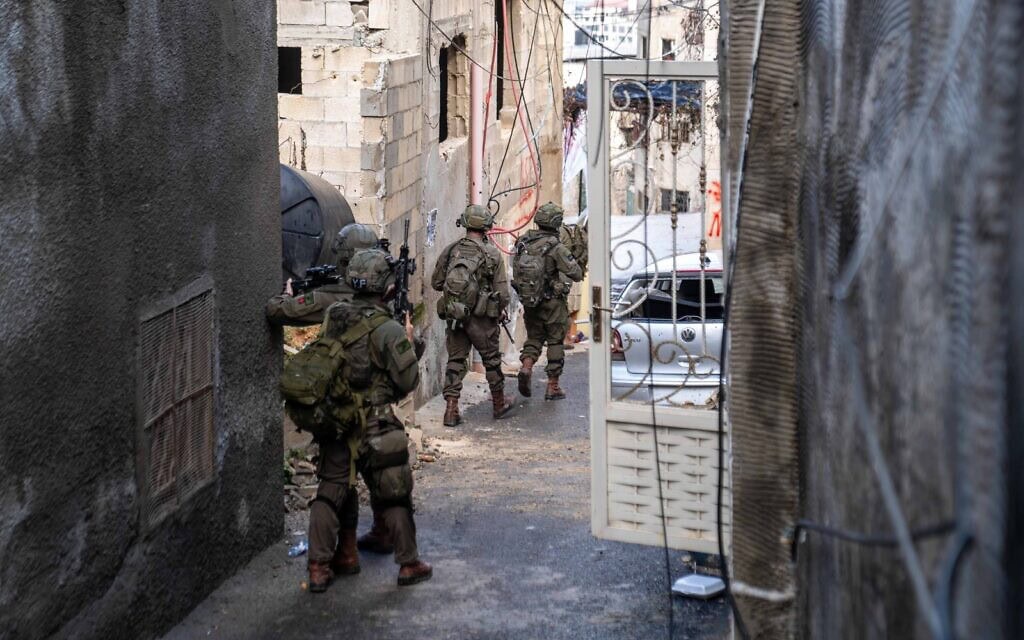
IDF forces | Archive, photo: IDF Spokesperson
“All responsibility for handling and enforcing matters related to Jewish communities, Israelis, and civil issues will be transferred to the Israel Police, which will need to prepare accordingly,” Katz said, declaring that “this is also a significant step in strengthening governance and enforcing law and order in Judea and Samaria and freeing up the IDF to carry out its primary missions. The Israeli government and IDF will delegate all necessary authorities to the police to carry out these missions.”
Israel Gantz, Head of the Binyamin Council and Chairman of the Yesha Council, praised the decision, stating: “This is another step on the path to correcting a reality that has lasted for decades. Now the move must be completed, the Oslo Accords must be canceled and full Israeli sovereignty must be applied in Binyamin, Judea and Samaria. The time has come to move from temporary administration to full application of Israeli law.”
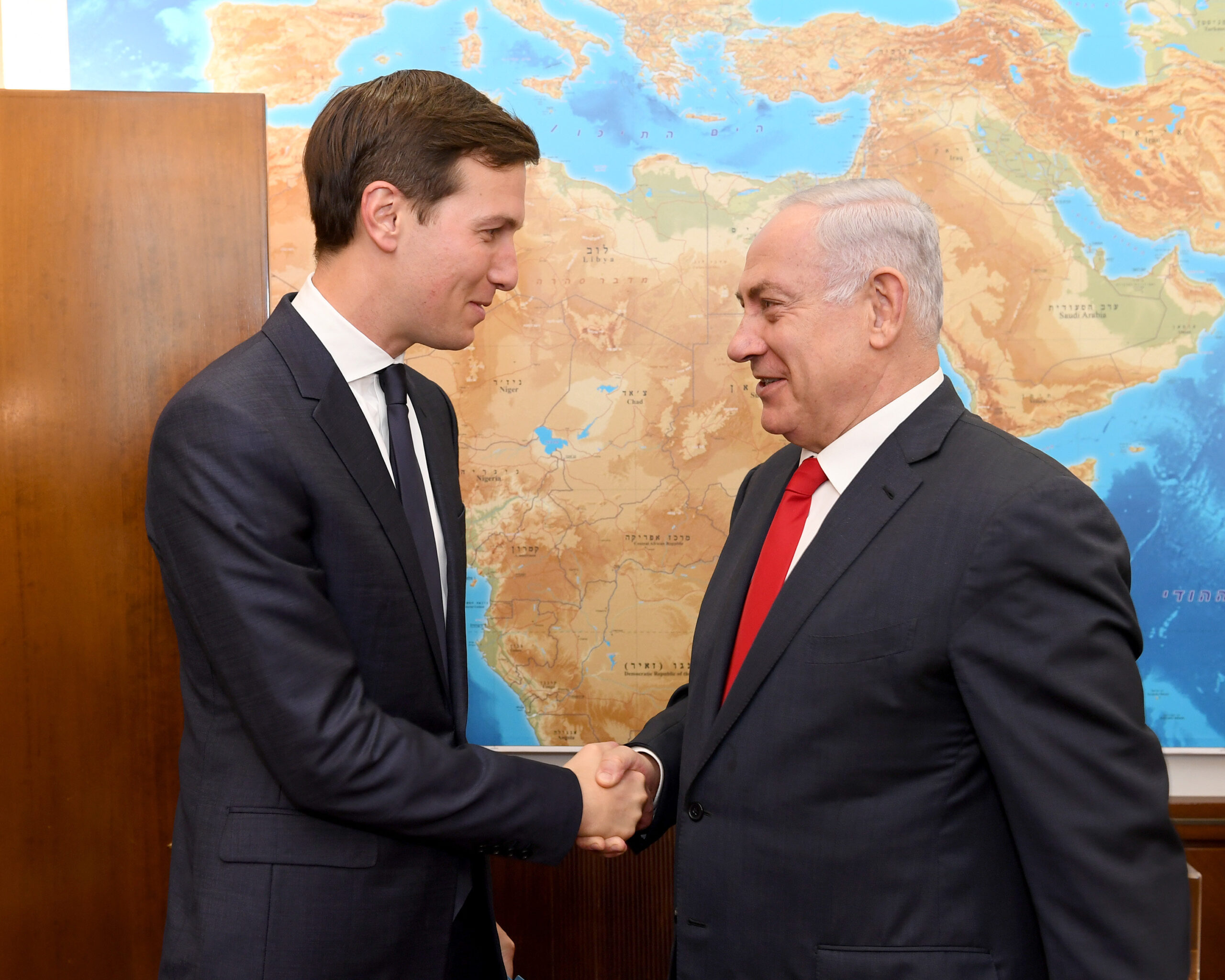
Israeli officials confirmed Thursday that Jared Kushner, President Donald Trump’s senior advisor and son-in-law, is expected to arrive in Israel next week. Kushner, accompanied by Peace Council Executive Director Nikolai Mladenov, will meet with Prime Minister Benjamin Netanyahu for critical talks on the future of the Gaza Strip. The visit comes against the backdrop of unusual tensions that have emerged in recent days between the two over implementation of the American roadmap.
The friction between the leaders intensified after Netanyahu publicly rejected the Peace Council’s 15-point document. Netanyahu made clear that Israeli forces will not withdraw from the Strip until Hamas is completely disarmed.
New hope now exists for patients whose aggressive brain tumors have returned after standard treatment. Hadassah Ein Kerem Medical Center has become the first in Israel to treat recurrent glioblastoma using alpha radiation delivered directly into the tumor. The experimental treatment was performed on a 77-year-old man as part of Israel’s first clinical trial of its kind.
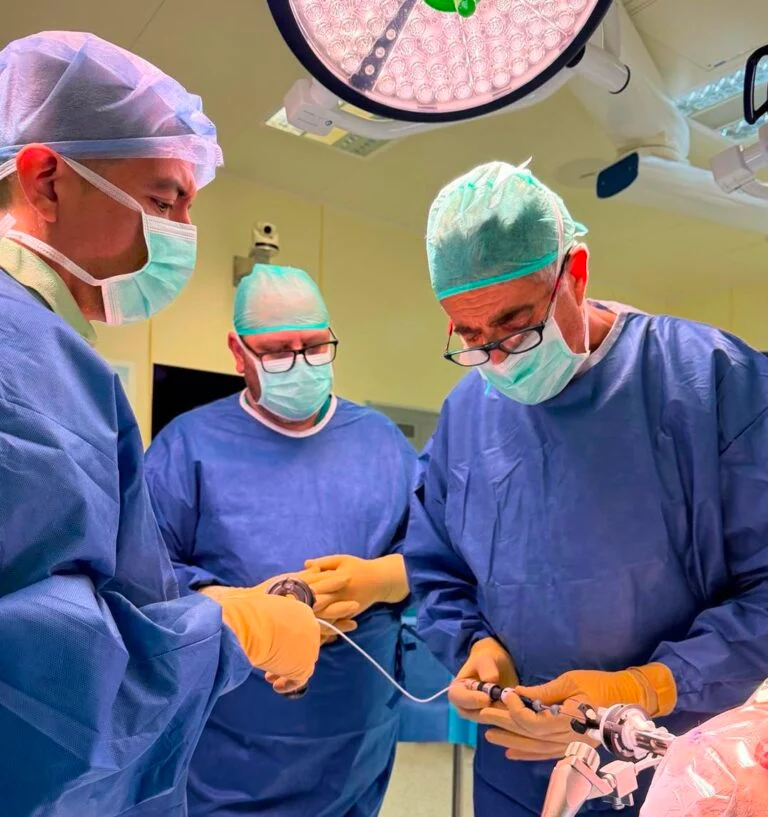
The patient was diagnosed with recurrent glioblastoma after previously undergoing surgery, radiation and drug therapy. During the procedure, tiny radiation sources using Alpha DaRT technology were inserted directly into the tumor. According to Hadassah, in a world first, the radiation sources were simultaneously inserted through two different pathways to maximize coverage of the tumor while maintaining precision.
Illustration | Photo: Canva
Radiation Concentrated in Tumor Area
Alpha DaRT technology uses tiny sources that emit alpha particles with high biological effectiveness. Because the particles travel only a very short distance, the radiation is designed to concentrate primarily within the tumor while minimizing damage to surrounding healthy brain tissue. The procedure was performed using a neurosurgical navigation system capable of millimeter-level precision. Doctors first took a sample to confirm active disease, then used the same system to insert the radiation sources.
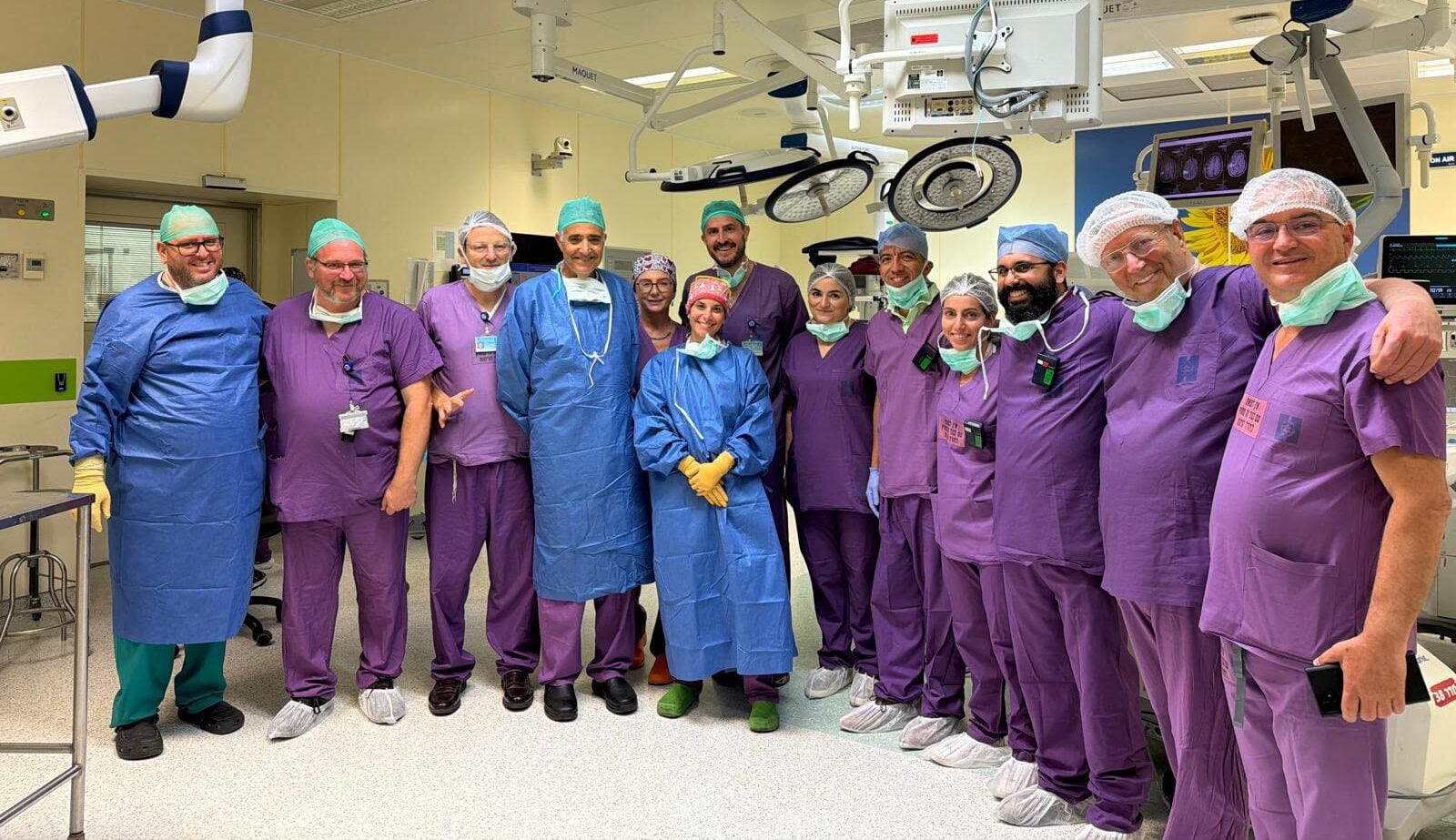
The operation was led by Prof. Yigal Shoshan, director of Hadassah’s Neuro-Oncology and Stereotactic Radiosurgery Unit, together with neurosurgeons and a multidisciplinary team from the operating rooms, Sharett Institute of Oncology, Radiotherapy Institute and Neuropathology Unit. “One of the technology’s greatest advantages is that it integrates naturally with the neurosurgical navigation systems we use every day,” Shoshan explained. “The same system that allows us to perform brain biopsies with millimeter precision also allows us to insert the alpha sources with similar precision into the center of the tumor.”
He said adapting the technology to existing navigation systems was a central part of the development process. After confirming active disease through a biopsy, doctors used the system to precisely insert the alpha sources, enabling “local, precise and minimally invasive treatment, without the need for extensive brain surgery.”
Photo: Hadassah Ein Kerem
From the Laboratory to Israel’s First Patient
The neurosurgical application was developed through a collaboration between Hadassah’s Neurosurgery Department and Sharett Institute of Oncology and Alpha Tau. Reaching the first patient required laboratory research, preclinical studies in large animals, development of specialized applicators, integration with neurosurgical navigation and repeated operating-room simulations.
“The procedure performed at Hadassah is not only the first treatment in Israel, but the culmination of a research path that lasted years,” Shoshan said. He explained that each stage—from laboratory and preclinical research to developing the applicators and integrating them into navigation systems—was designed to ensure the clinical trial began with the highest possible level of precision and safety. “Seeing the technology reach a patient in Israel for the first time is an exciting moment for everyone who has been part of this journey,” he said.
Illustration. Photo: Shutterstock
Tumor That Recurs in Most Patients
Glioblastoma is the most common malignant primary brain tumor in adults. Between approximately 150 and 250 new patients are diagnosed annually in Israel. Despite standard treatment involving surgery, radiation and chemotherapy, the disease returns in the overwhelming majority of patients. According to Hadassah, median survival is approximately 15 to 16 months, while only about 10% of patients survive five years after diagnosis.
Prof. Aharon Popovtzer, director of the Sharett Institute of Oncology, stressed that treatment options for recurrent disease remain extremely limited. “Therefore, every innovative technology that can be examined within a controlled clinical trial is of great importance,” he said. “Combining research, clinical experience and multidisciplinary cooperation is the only way to advance new treatments for these patients.”
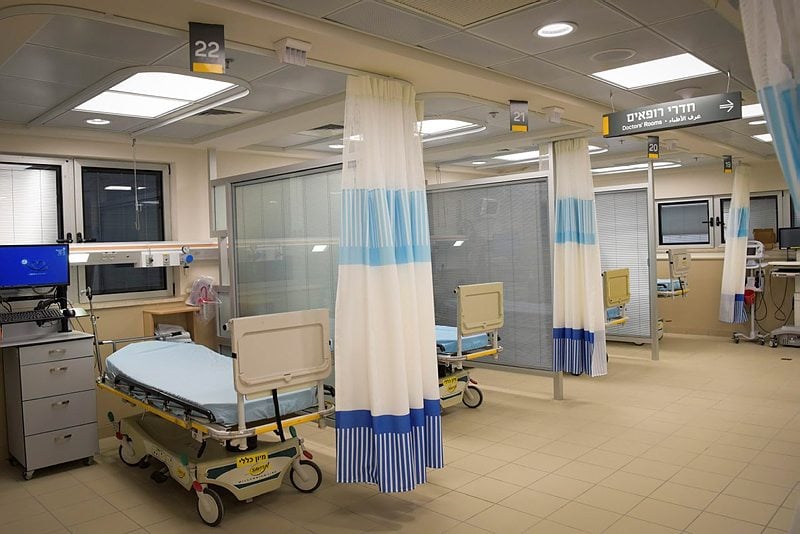
Emergency room, illustration | Photo: Flash 90
Early Results from the United States
A parallel REGAIN trial is underway in the United States. According to interim results from its first three patients, complete local disease control was achieved in the treated area, while two patients showed no remaining signs of the tumor on post-treatment MRI scans. However, these are preliminary findings from a very small number of patients and cannot yet establish the treatment’s effectiveness.
Preclinical studies have also examined whether the treatment could trigger an immune response against tumors elsewhere in the brain, though that possibility remains under investigation.
Next Step: Brain Metastases
Shoshan said the current study focuses on recurrent glioblastoma, but Hadassah is already preparing to expand the clinical program to patients with localized brain metastases, particularly when surgery or stereotactic radiosurgery has failed to control the disease. “We believe that the ability to insert alpha sources directly into the tumor and deliver precise, localized radiation with high biological effectiveness makes the technology particularly suitable for this indication as well,” he said.
Alpha Tau CEO Uzi Sofer called the first Israeli treatment a significant milestone for the company. “We are an Israeli company operating today in medical centers around the world, but our heart remains here,” he said. “For us, there is special significance in seeing technology developed in Israel reach Israeli patients as well. This is not only a scientific or business success—it is also a Zionist mission. It is important to us that innovation born here also be available to patients in Israel.”
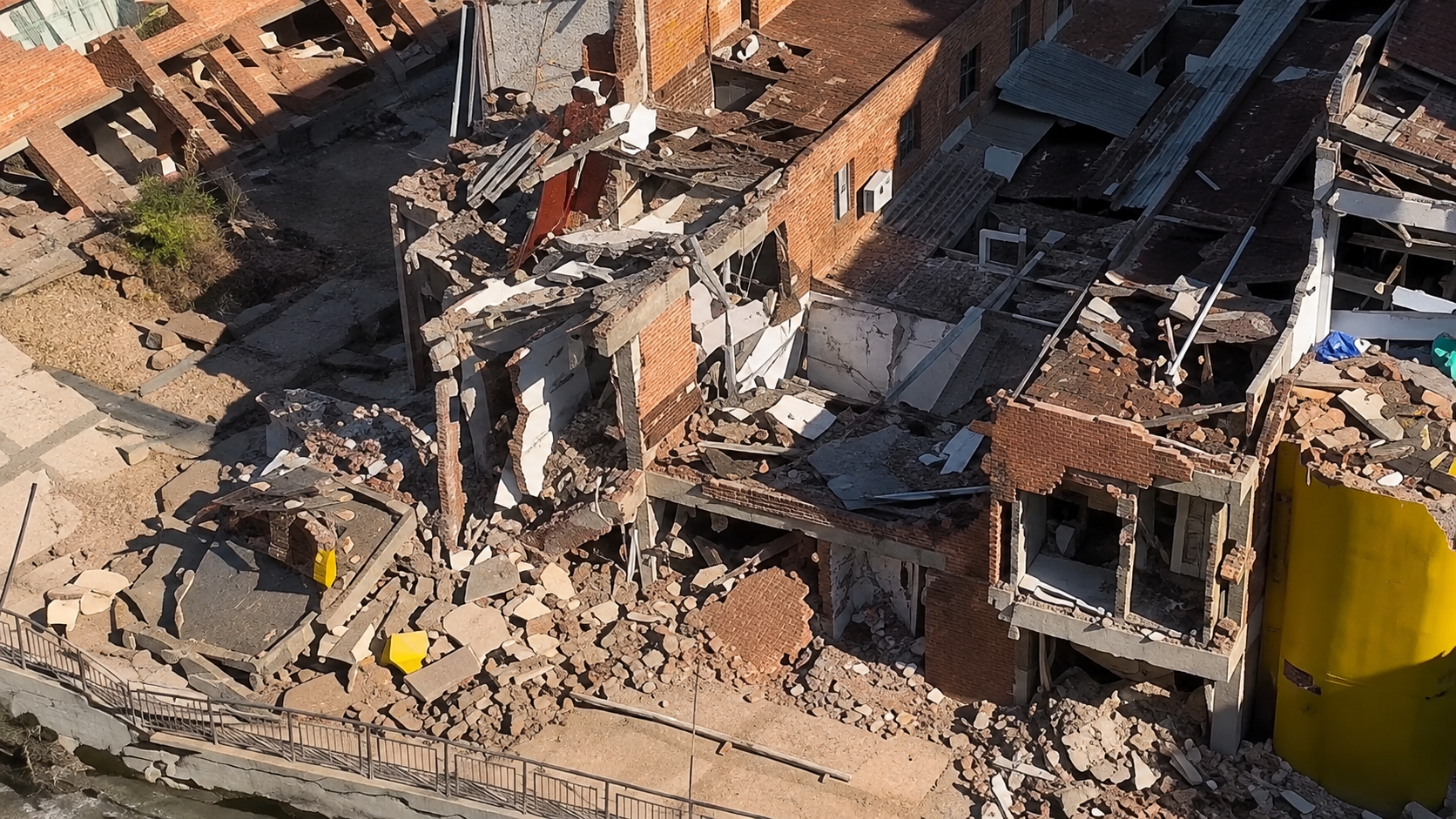
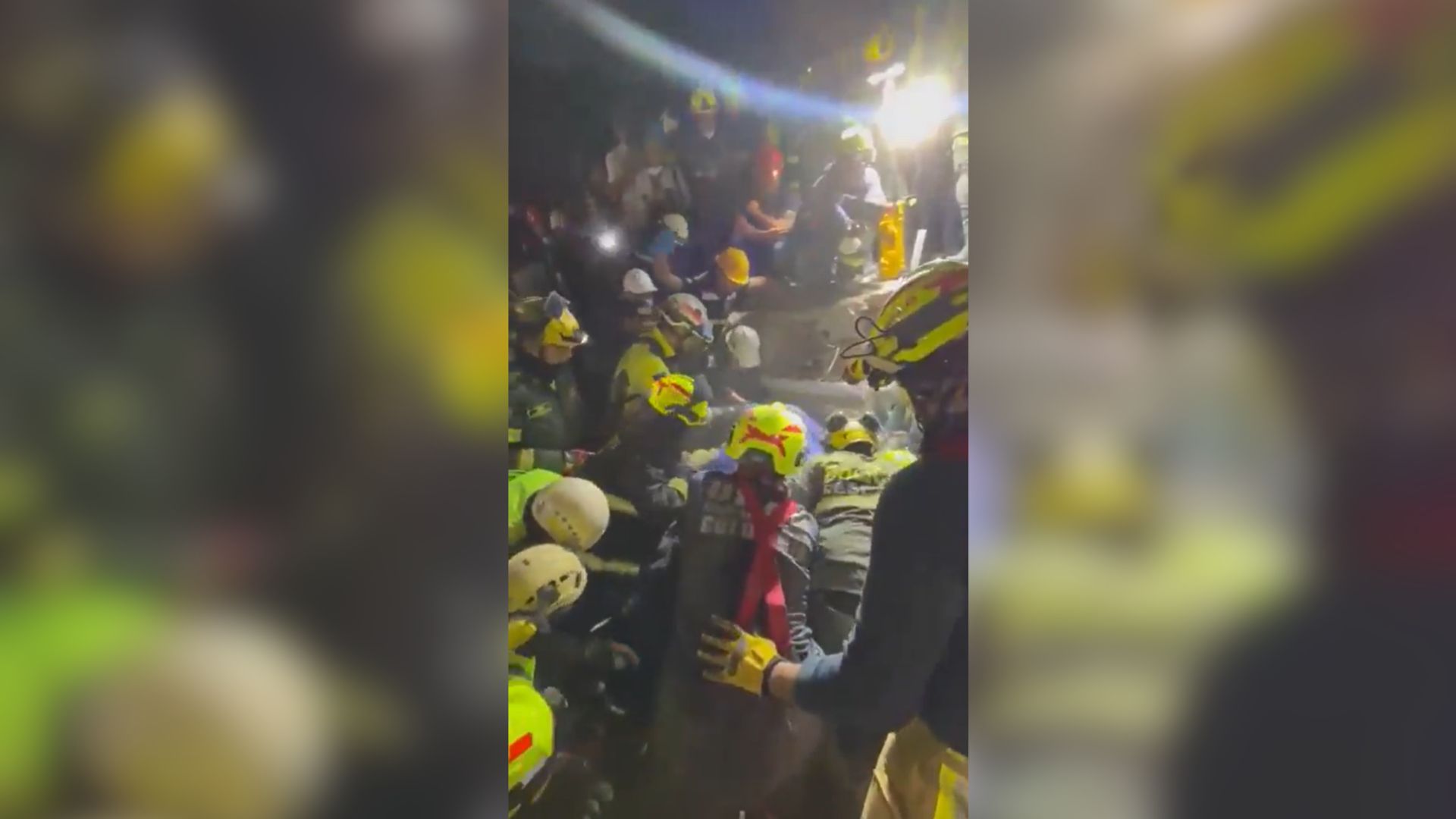
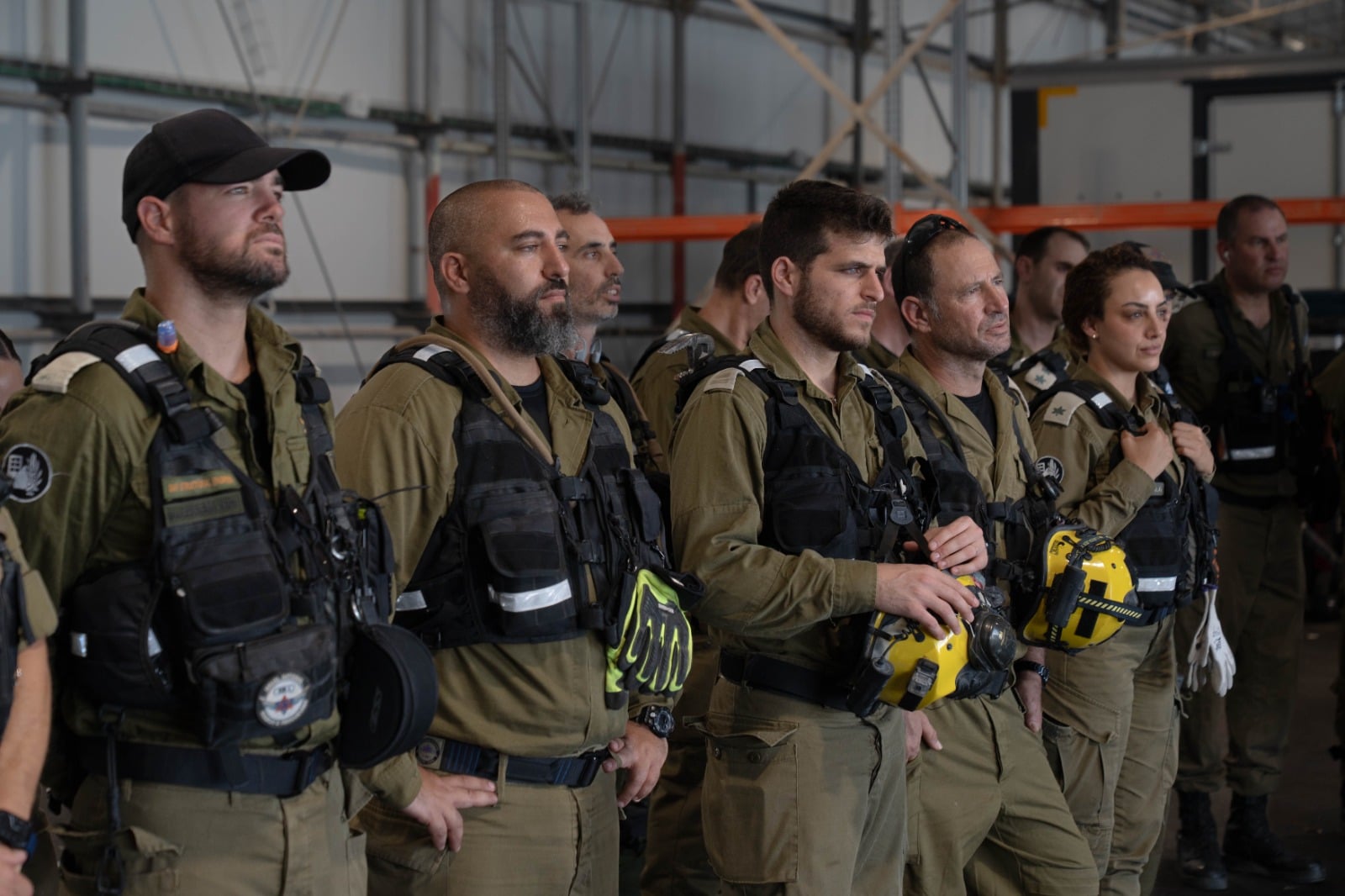
An Israeli rescue and humanitarian aid delegation will depart tonight (Thursday) for Colombia following the earthquake that struck the country. The mission, called “Brit Re’im” (Alliance of Friends), is a joint effort by the Foreign Ministry, the Israel Defense Forces (IDF), and the Defense Ministry, and will depart aboard an Israeli Air Force aircraft from Nevatim Airbase.
Woman rescued alive from Colombia | Screenshot from X
Upon landing in Colombia, the delegation will immediately begin rescue operations and humanitarian assistance efforts, including distributing food and water packages to earthquake victims. The rescue force will be led by Brig. Gen. (res.) Yossi Pinto, commander of the Home Front Command’s National Search and Rescue Unit. The delegation consists of approximately 80 personnel, including rescue workers and specialists from various fields, both active-duty and reserve personnel.
Photo: IDF Spokesperson
The Foreign Ministry said the mission is being dispatched at the direction of Prime Minister Benjamin Netanyahu, following Foreign Minister Gideon Sa’ar’s offer to his Colombian counterpart to provide Israeli assistance to the country. Israel’s Embassy in Colombia will coordinate the delegation’s activities with local authorities and relevant Colombian agencies.
You can study the Bible in a classroom. You can view pottery shards behind museum glass. Or you can stand on a mountain, look out over the landscape where the story unfolded, and discover that the distance between history and your own life is far shorter than it seems. That’s the starting point for “Derech Eretz Moreshet” (Heritage Land Route).
Photo: Heritage Ministry
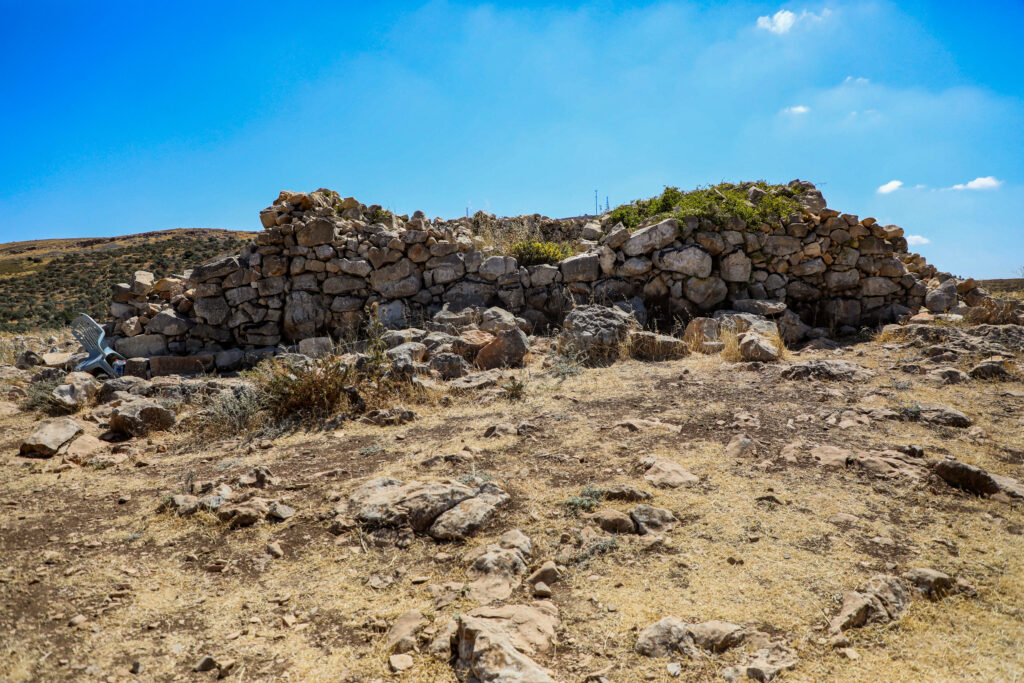
Judea and Samaria contain historical layers from multiple eras: biblical sites, ancient cities, fortresses, remnants from the Second Temple period, Byzantine monasteries, and evidence from Muslim and Ottoman periods. What makes this territory unique isn’t just the variety of periods, but its central role in shaping the earliest identity of the Jewish people in the land. Yet much of this story remains virtually unknown to the public. Israel has some of the most important heritage sites for understanding the origins of the Jewish people and the biblical narrative, but many receive almost no exposure. That’s why the goal isn’t just to dig and discover—it’s to make accessible, preserve, and bring to life.
For this effort, a budget of roughly a quarter billion shekels has been allocated to advance preservation, development, and accessibility of heritage sites throughout Judea and Samaria. This is a large-scale investment aimed at transforming these sites from lesser-known historical stories into living, accessible spaces familiar to the Israeli public. The way sites are presented is also changing. Instead of talking only about layers, walls, and dates, the approach is to start with people and drama. Who stood here? What did they fear losing? What decision was made in this place? How did the people whose remains lie beneath our feet actually live?
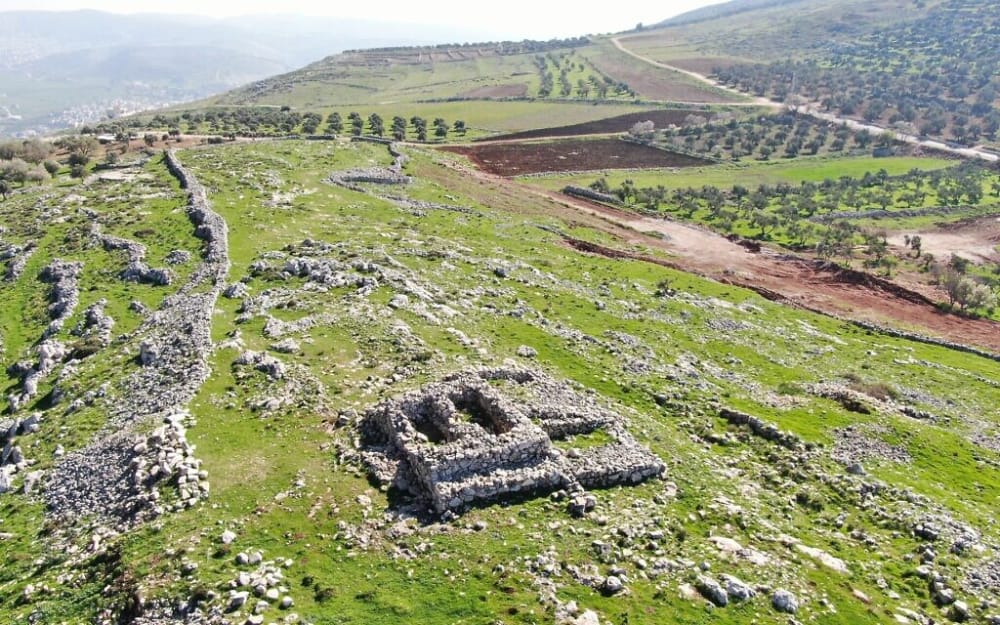
View of an archaeological site where archaeologists believe to be the “Altar of Joshua bin Nun”, in Mount Ebal, Samaria | Photo by Nasser Ishtayeh/Flash90
That’s why simply getting to the site matters. One of the initiative’s core principles is that connection happens through presence: seeing with your own eyes, standing inside the site, and linking past, identity, and responsibility for its preservation. The work itself happens simultaneously behind the scenes. The KAMT Archaeology Unit describes daily activity of research, excavation, preservation, and making antiquities sites accessible. In recent years, development, accessibility, and preservation efforts have expanded, aiming to make more sites accessible to the public. Ultimately, “Derech Eretz Moreshet” isn’t trying to turn archaeology into an attraction. Rather, archaeology is the way we understand who lived here, what they left behind, and how their story reached us.
Heritage Minister Amichai Eliyahu (Jewish Power): “‘Derech Eretz Moreshet’ was born from the understanding that our heritage can’t remain only in books and research. Throughout Judea and Samaria are dozens of sites that tell central chapters in the history of the Jewish people, and our goal is to preserve them, study them, and especially open them to the public and make them part of the Israeli experience. The major investment in this initiative is meant to create long-term change—from sites that many don’t know at all, to a living heritage landscape where families, students, and hikers can walk the paths of history and encounter their own story.”