The Likud party fired back sharply Sunday evening at a joint statement by eight Arab and Muslim nations attacking Israel, saying the diplomatic assault is really an attempt to interfere in Israeli domestic politics.
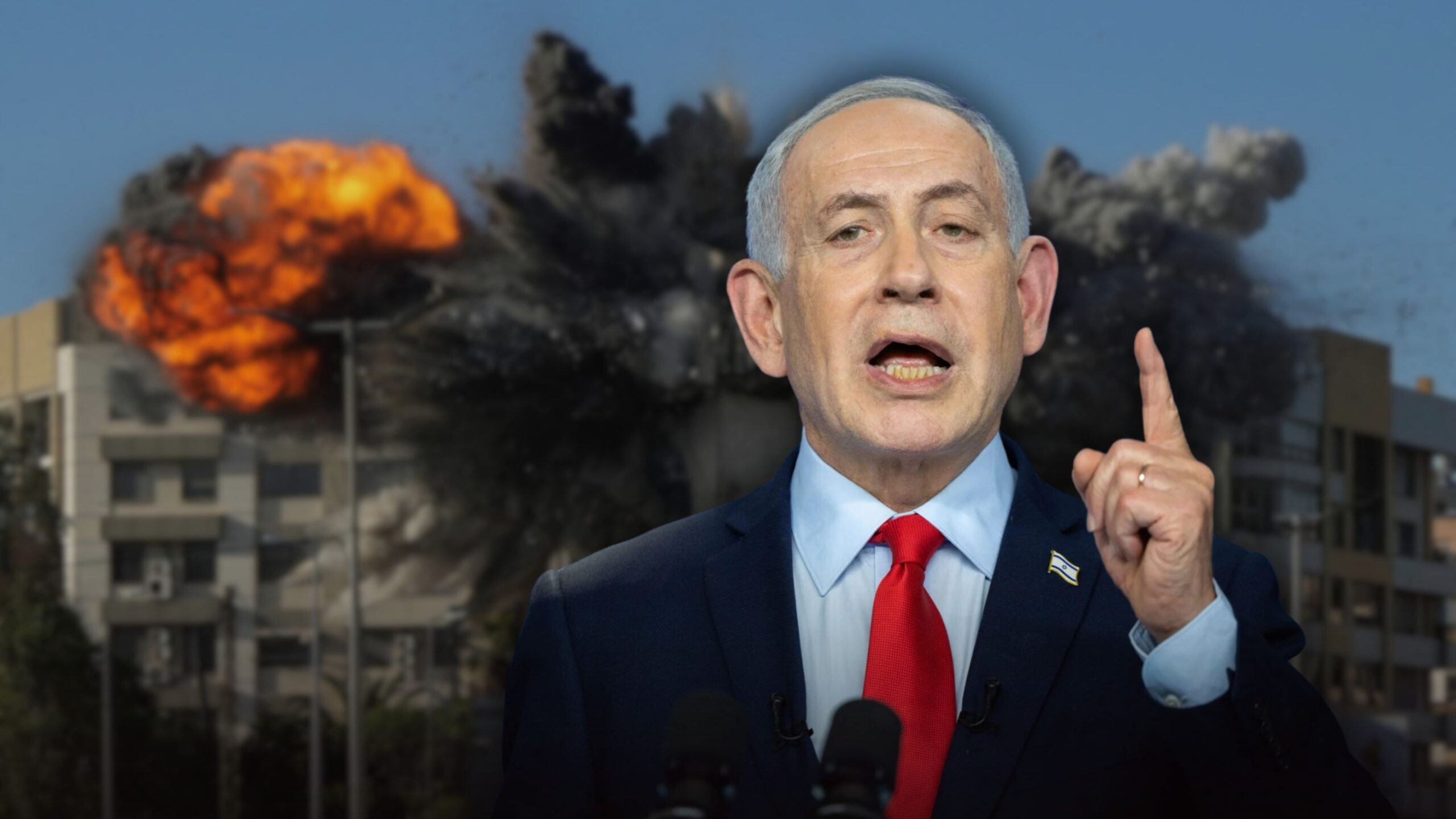
Netanyahu | Photo: Haim Goldberg, Flash 90
The statement came after foreign ministers from Saudi Arabia, Egypt, Jordan, Pakistan, Indonesia, Turkey, Qatar and the United Arab Emirates condemned what they called Israel’s rejection of a roadmap to end the Gaza conflict and opposition to establishing a ‘Palestinian’ state.
The countries claimed Israel is explicitly rejecting President Trump’s comprehensive plan, as approved by a UN Security Council resolution. According to the signatories, Israel’s positions threaten implementation of the plan and endanger collective efforts to achieve regional peace. The nations further claimed this rejection confirms Israel bears sole responsibility for blocking efforts to bring peace to Gaza and other territories.
US President Donald Trump | Photo: White House
Responding to the diplomatic attack, Likud made clear this is an attempt to weaken Israel’s position. Party officials said “Arab states want to bring down the Netanyahu government, hoping that figures like Gadi Eisenkot and Yair Golan will lead the country and give them everything they want.” The ruling party emphasized this attempt will fail and that it won’t allow these moves aimed at harming Israeli interests.
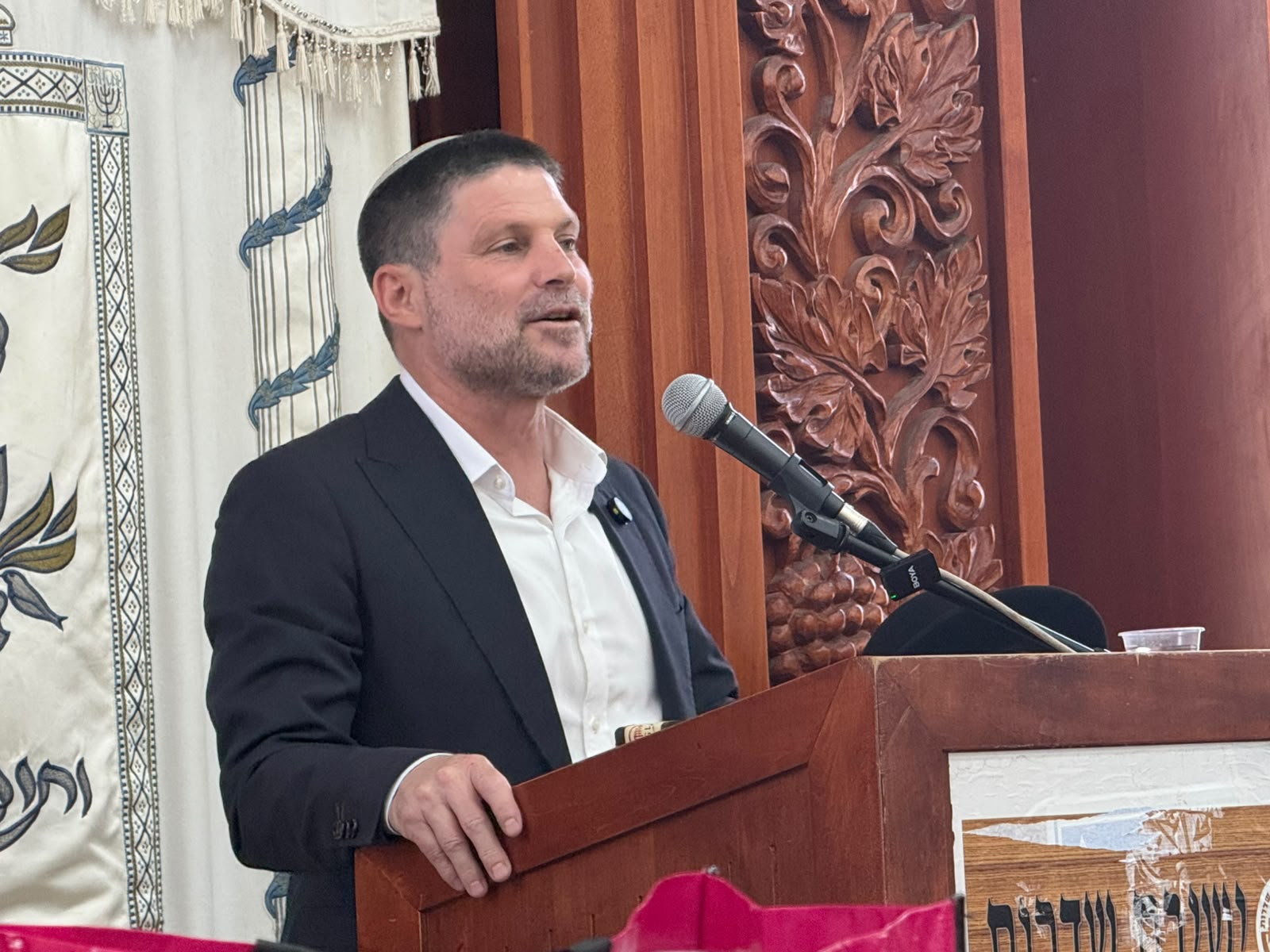
As Israel eliminates entrenched Hamas terrorists in Gaza in the past 24 hours, Finance Minister and Minister in the Defense Ministry Bezalel Smotrich called today (Sunday), during remarks at a yeshiva gathering in Sderot marking the opening of the month of Elul, on Prime Minister Benjamin Netanyahu to change Israel’s policy in the Strip and move to full Israeli control. Smotrich called for conquering the Strip, establishing military rule and Jewish settlement, and later encouraging voluntary emigration of residents who wish to leave. According to him, without Israeli control it will be impossible to complete the dismantling of Hamas rule.
Archive | Photo: IDF Spokesperson
Finance Minister Bezalel Smotrich is once again laying out the alternative he wants to advance for the day after the war in Gaza: not Hamas rule, not the ‘Palestinian’ Authority and not an international body—but direct Israeli control of the Strip. In remarks delivered at the Sderot yeshiva, with participation from the yeshiva’s head Rabbi David Fendel and Mayor Alon Davidi, Smotrich addressed recent developments in the Strip and the elimination of arch-terrorists in the past 24 hours, linking the continued fighting to the question of who will control Gaza afterward.
According to him, to achieve the war objective defined after the October 7 massacre, Israel must take full responsibility for the Strip: “To fulfill the first and central war objective we set after these cruel Nazis perpetrated the most horrific massacre that has befallen the Jewish people since the Holocaust, we set on the night after Simchat Torah in the cabinet the goal of destroying Hamas.
Archive | Photo: IDF Spokesperson
“Destroying Hamas militarily, civilly and governmentally. Not this Hamas, or another Hamas. The State of Israel must agree to take responsibility for Gaza. To conquer it fully, to establish military rule in it, to establish Jewish settlement in it, and then to encourage emigration of those who want to leave.”
Smotrich also addressed the 15-point plan and attempts to find an entity other than Hamas or the ‘Palestinian’ Authority that could take responsibility for the Strip. According to him, the attempt to establish an international mechanism that will take responsibility for Gaza is impractical, because other countries will not be willing to send their soldiers to disarm Hamas.
Archive | Photo: Arik Marmor, Flash 90
According to him, “In Gaza neither Hamas nor the Authority will rule. So who will? The prime minister asked President Trump: find some international construction like that, find something that doesn’t exist. There is no one in the world who will do the work for us. There is no country in the world that will send its soldiers to shed their blood and disarm Hamas by force.”
From there Smotrich moved to a direct message to Netanyahu. According to him, he has been presenting the same position to the prime minister since the start of the war: Israel must choose between its control of the Strip and the possibility that terror organizations will return to control it: “I’ve been telling the prime minister from the first day of the war: it’s either us or them. Either the State of Israel will rule Gaza with courage and tell the whole world ‘we don’t allow two million or 1.8 million Nazis to live on our border and tunnel under our communities and our children,’ or terror will rule Gaza.”
The activity of our forces in the Gaza Strip, archive | Photo: IDF Spokesperson
Smotrich also presented Jewish settlement as part of the security concept he wants to advance in the Strip. Addressing the yeshiva students he said: “This is one of the missions of our study halls: to look at reality with courage and tell the people of Israel ‘yes, this is the right thing.’ Conquest, military rule, settlement. Because over time it has been proven that where there is settlement there is an army and there is security, and where there is no settlement—over time there is no army and no security.”
The head of Sderot yeshiva, Rabbi David Fendel, blessed Smotrich and said: “It is a great honor to open the semester with politics of Jewish thought, politics that is entirely holy work. To be a holy servant to a holy people. It is a great honor to open the semester with the honor of sovereignty. And with this we open on the 3rd of Elul the study hall of the Rabbi of blessed memory, we are a class within a huge study hall, a study hall that taught us laws of the public, laws of the collective, and laws of the Land of Israel.”
Photo: IDF Spokesperson
Smotrich’s remarks come against the backdrop of terrorist murderers eliminated in the Strip in the past 24 hours and the ongoing dispute within the government regarding how Israel should operate in Gaza and the arrangement that will apply there going forward. According to details that were reported, Smotrich and Minister Orit Strock opposed the 15-point agreement, and the prime minister rejected it following their insistence. In his remarks now, Smotrich presented the position he wants to establish in place of other solutions that were examined: direct and full Israeli control.
The dispute actually touches on two different questions. The first is how to dismantle Hamas from its military and governmental capability; the second is who will take responsibility for the Strip afterward. Smotrich rejects both a return of Hamas to power and rule by the ‘Palestinian’ Authority, and also casts doubt on the possibility that an international force will agree to carry out the mission.
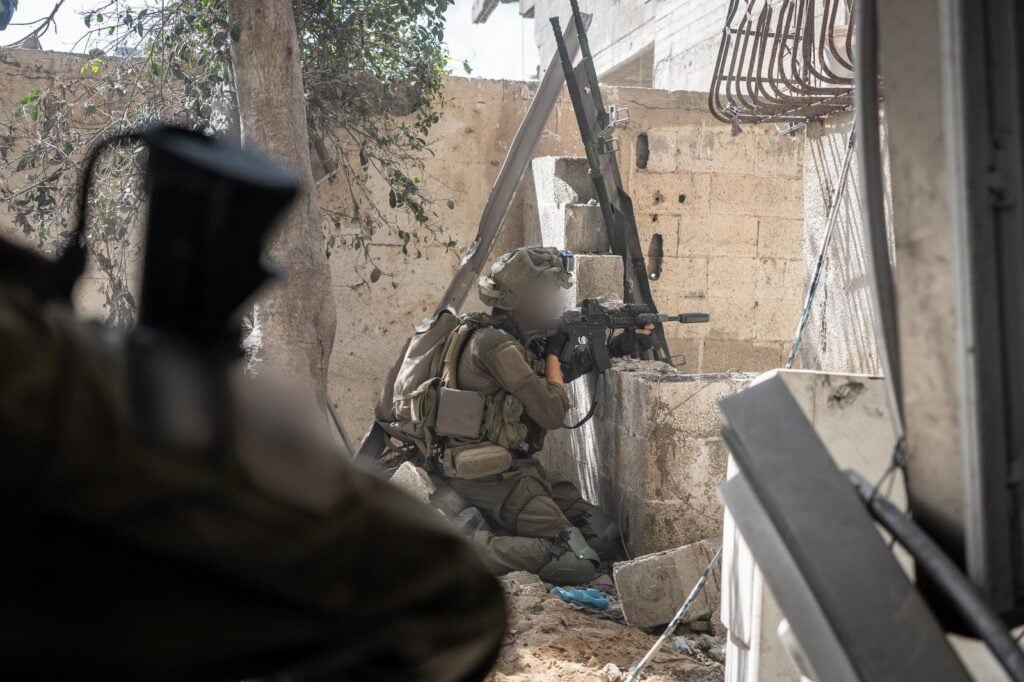
The IDF struck a PIJ terrorist in the Khan Younis area and a Hamas operative in the Nuseirat area of the Gaza Strip earlier today (Sunday). According to an IDF spokesperson, both strikes were carried out within about an hour.
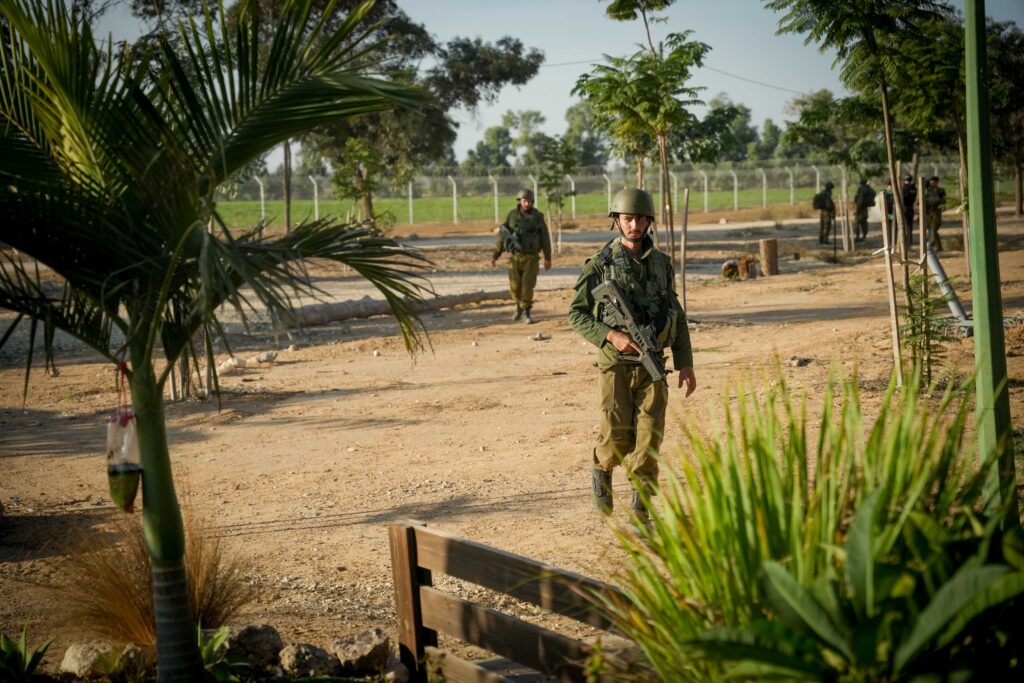
The IDF said the terrorists were advancing terror plots and were struck from the air to remove the threat. IDF forces from Southern Command are deployed in the area in accordance with the ceasefire agreement, and according to the spokesperson, will continue operating to remove any immediate threat.
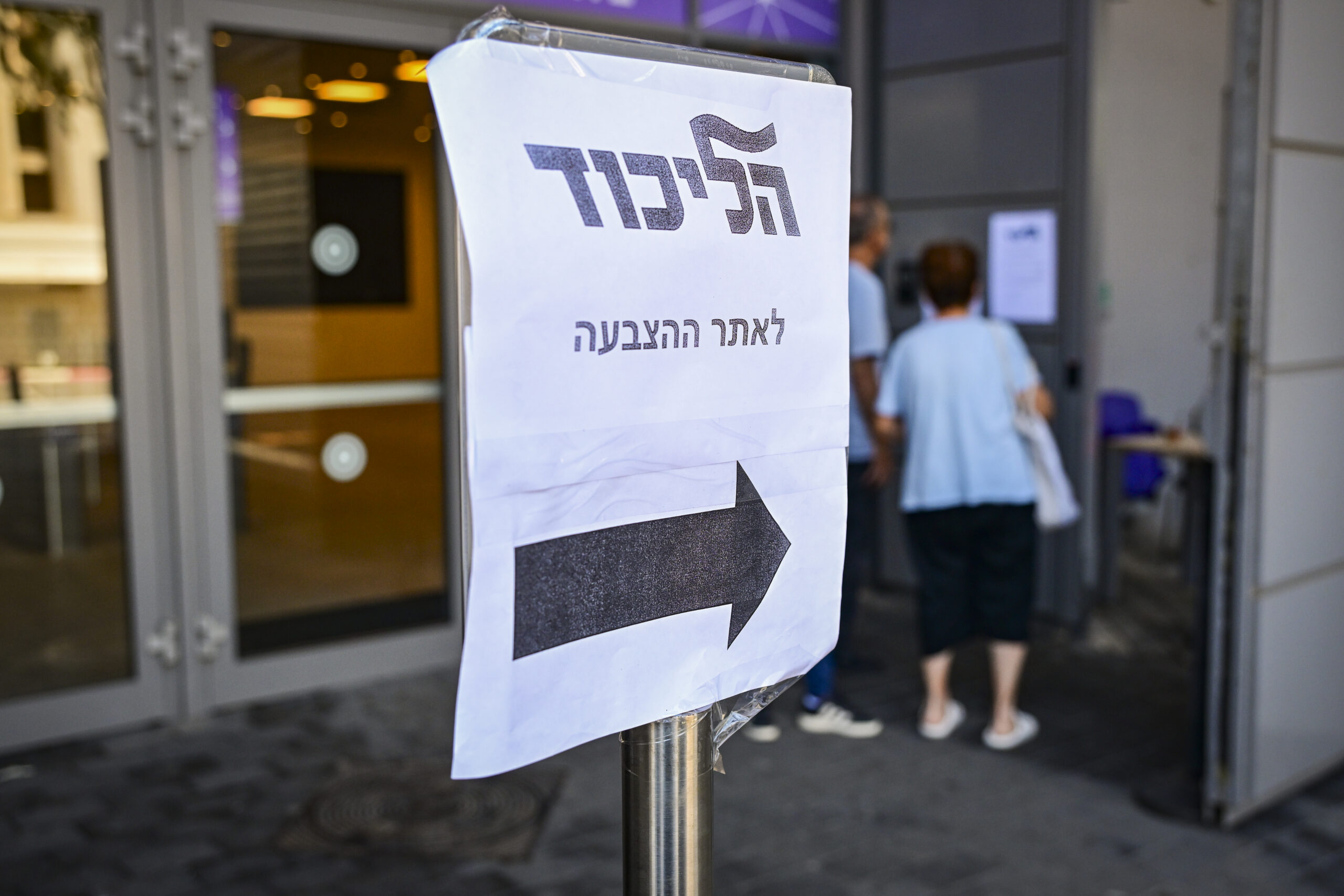
A day before Likud’s primary election, the “My Likud” faction—led by Samaria Governor Yossi Dagan, Yoni HaYisraeli, and Yaakov Weinberger—released its recommended candidate list for the group’s more than 8,000 registered members.
In a message sent to members, the faction’s leaders highlighted its track record over the years: “Thanks to our strength as a group, as one fist, we’ve already proven we can change reality. We’ve blocked dangerous initiatives, brought about the bypass roads revolution in Judea and Samaria, pushed to break construction freezes, established new communities, and repealed the Disengagement Law.”
According to them, the primary’s goal is “to ensure the next Knesset has a strong, ideological team that will faithfully represent us and fight for our central shared objectives: a surge in new communities in the Land of Israel and applying sovereignty in Judea and Samaria.”
The group says its recommended list wasn’t based on candidates’ campaigns, but on their activity throughout the current term. Criteria examined included: loyalty to the group’s positions on Land of Israel issues, standing together in struggles at critical junctures, and practical partnership on the ground.
Because of the number of Knesset members who the group says advanced its goals, it decided to divide recommendations into two tiers. Receiving “highest support”: Amir Ohana, Ze’ev Elkin, Boaz Bismuth, Amit Halevi, Miki Zohar, Yariv Levin, Idit Silman, Eti Atia, Yoav Kisch, Ariel Kellner, Miri Regev, Keti Shitrit, and Amichai Chikli. Four additional candidates received “significant support”: Eli Cohen, Gila Gamliel, Hanoch Milwidsky, and Shlomo Karhi.
Likud primaries, archive | Photo: Flash 90
Still, the 8,000 members won’t all receive identical voting lists. “My Likud” prepared several different lists designed to distribute voting power among the recommended candidates. Each group member is expected to receive a personalized list from headquarters or the phone center with 12 names they’re asked to vote for.
The faction’s leaders urged members to stick to their personalized list: “Please vote exactly according to the list you received—that’s what gives us our strength!” Dagan said ahead of the vote: “We’re choosing a team that will fight for the Land of Israel and bring sovereignty.”
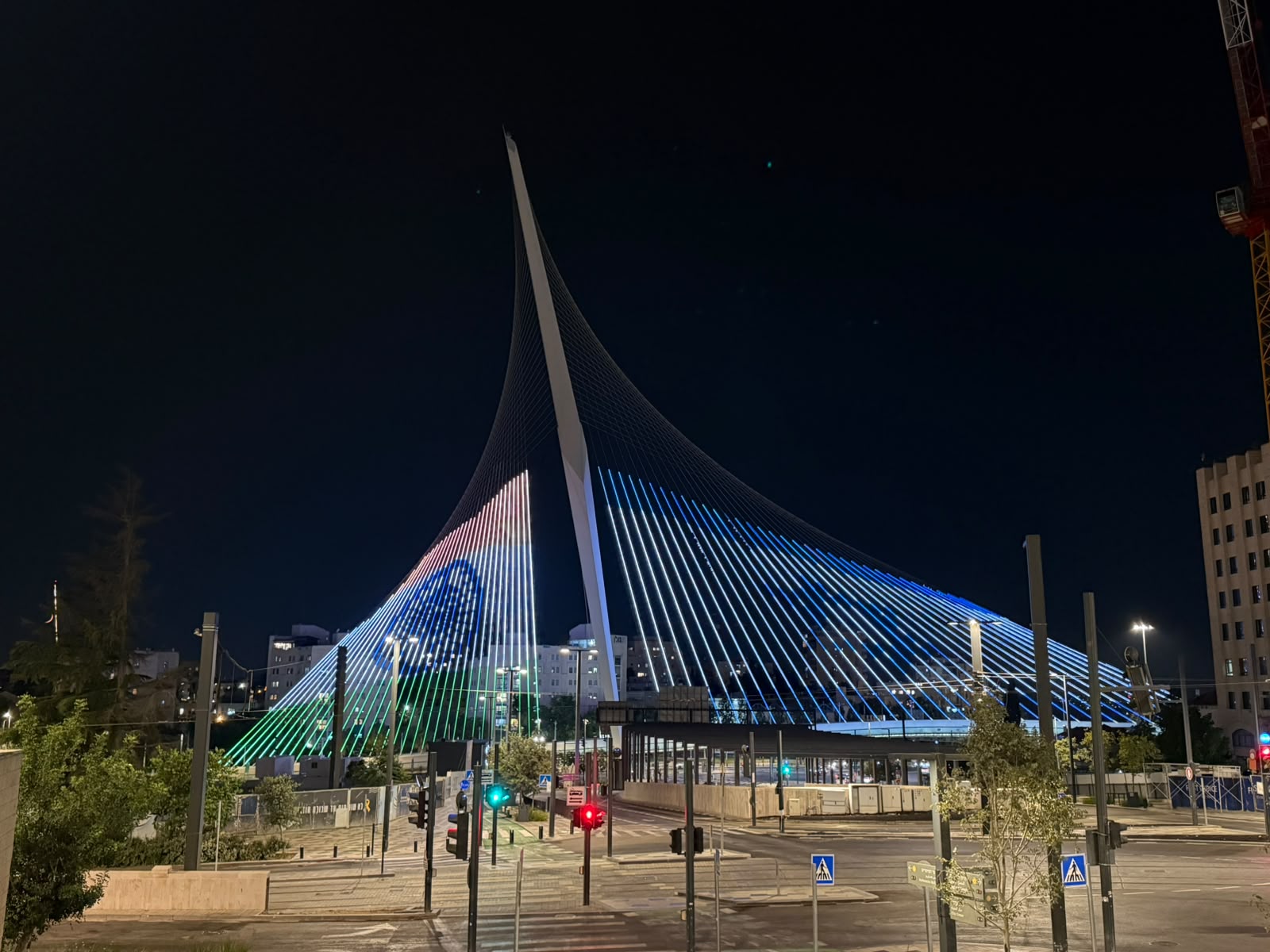
The Jerusalem Municipality lit up the Chords Bridge—one of the capital’s most prominent landmarks—with the flags of Israel and India side by side Saturday night. The ceremonial gesture marked 79 years of Indian independence, as a sign of friendship and appreciation for the strategic and warm relationship between the two countries.
Photo: N/A
Jerusalem Mayor Moshe Lion said the city is proud to join India’s celebrations, calling the country an ally and important partner of the State of Israel. Lion added that the close ties, reflected in the relationship with Indian Prime Minister Narendra Modi, rest on shared values and deep friendship that continues to strengthen over the years. “On behalf of Jerusalem and its residents, I wish India a happy Independence Day, and look forward to continued strengthening of the strong bond between our nations and peoples for many years to come,” the mayor said. The relationship between Israel and India is defined as a comprehensive strategic partnership that has strengthened significantly in recent years and is characterized by deep, multidimensional cooperation. India is one of the major purchasers of Israeli weapons and defense technology, while Israel views India as a vital political and economic anchor in Asia.
Netanyahu and Indian Prime Minister Narendra Modi | Photo: Kobi Gideon, GPO / Sara Netanyahu
Beyond the security and intelligence axis, ties between the countries include large-scale projects in agriculture and water, partnerships in technology and cyber, and involvement in regional geopolitical initiatives such as the I2U2 forum and the IMEC trade corridor, which connects India to Europe through the Port of Haifa.
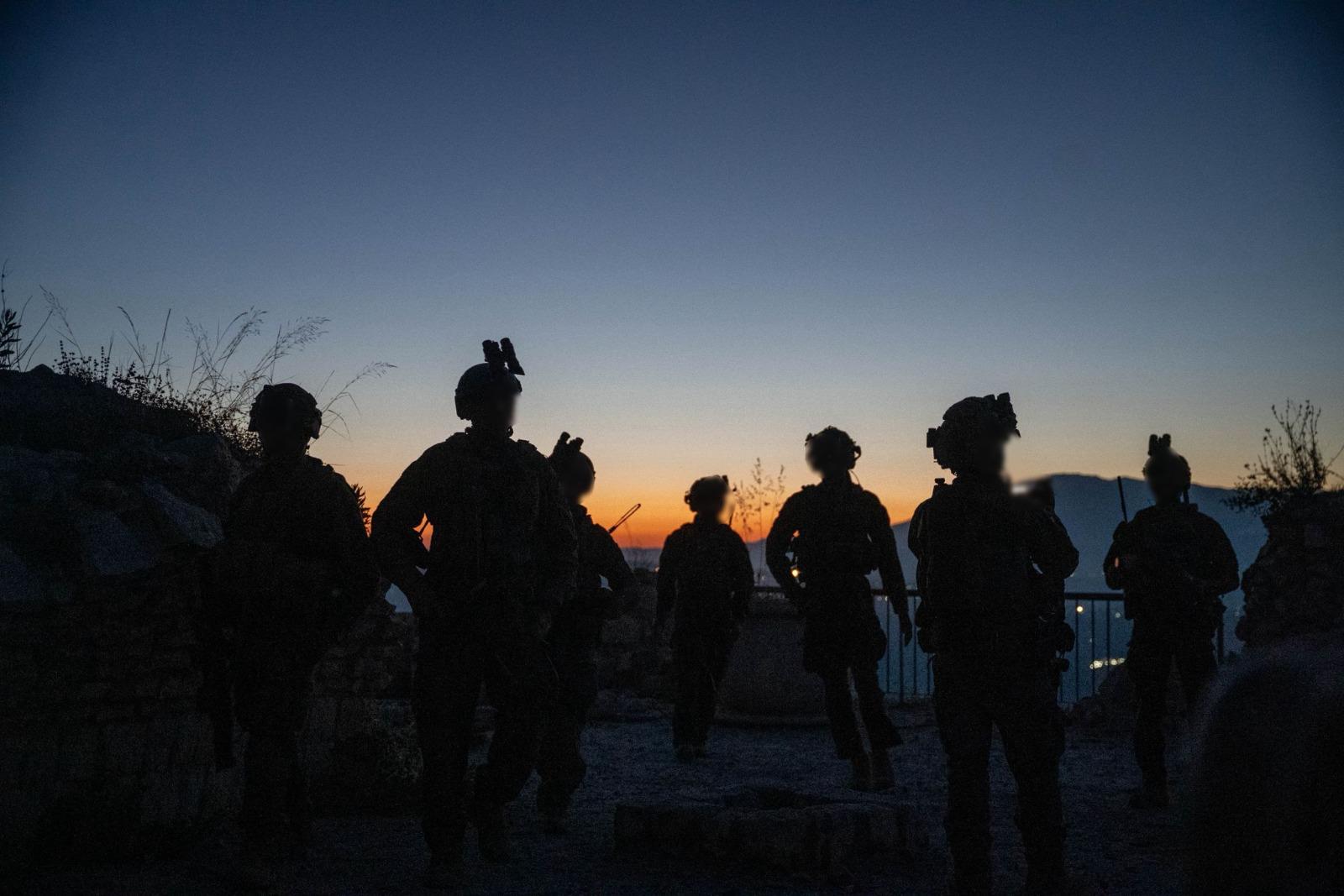
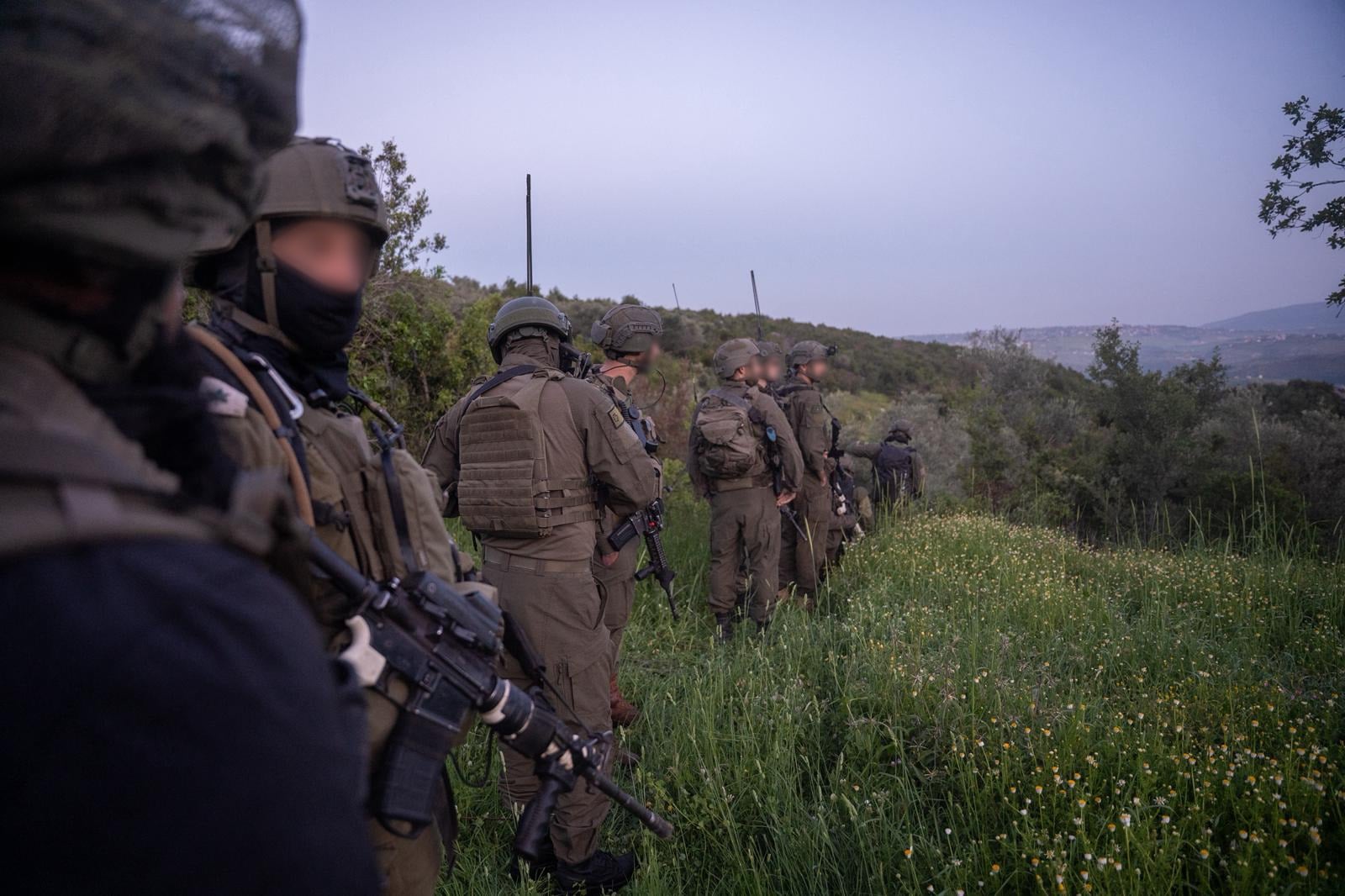
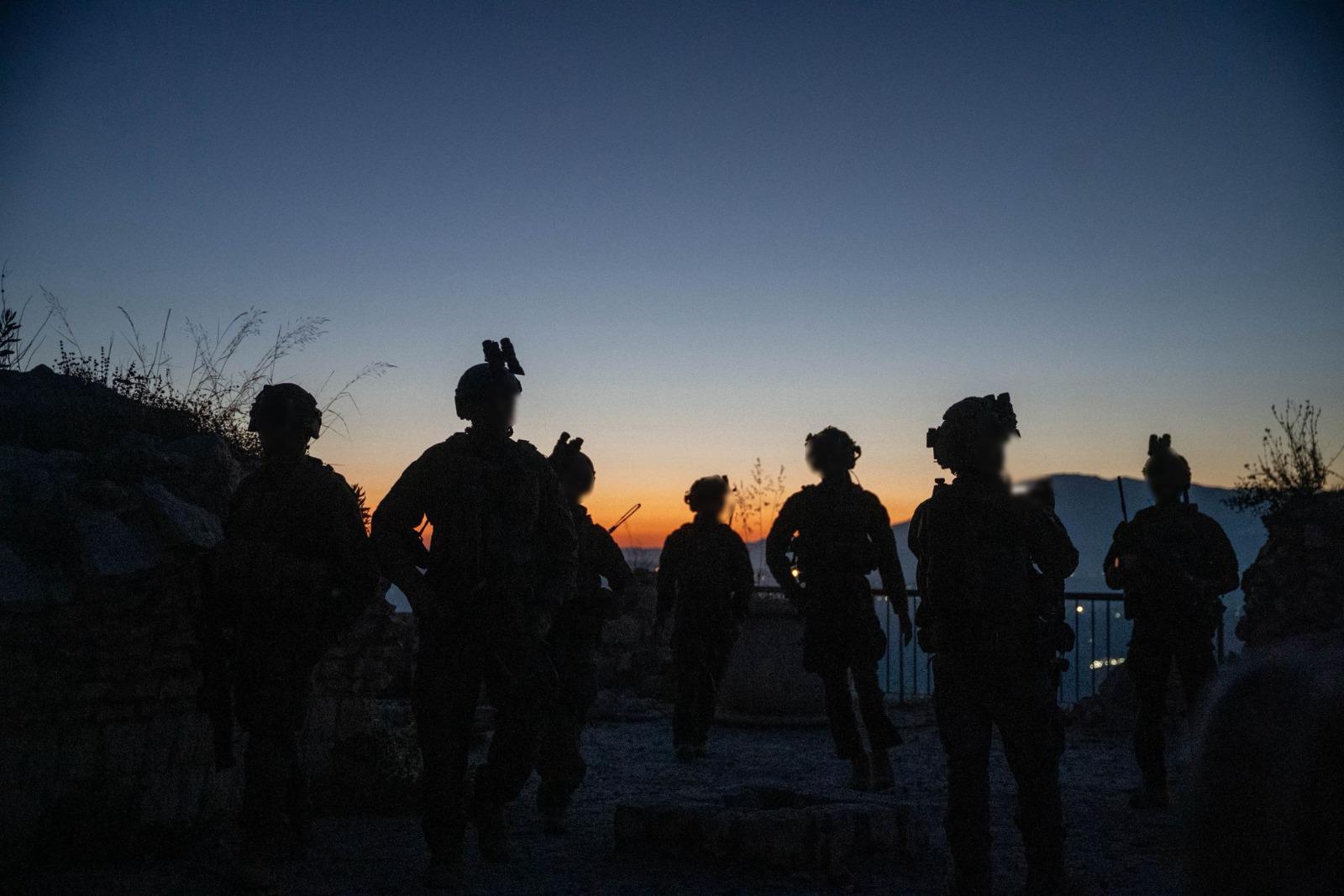
Three soldiers were critically wounded overnight Friday into Saturday during operations in southern Lebanon when a Hezbollah explosive drone struck near their position. The drone hit close to a Yahalom unit operating under the Commando Brigade’s combat team on the Ali Taher ridge in the late night hours.
Photo: IDF Spokesperson
An officer and two soldiers were critically wounded in the strike. All three received initial medical treatment in the field and were rushed to Rambam Hospital in Haifa. The force was operating under the 36th Division as part of the IDF’s effort to corner dozens of terrorists trapped in Hezbollah tunnels on the ridge. Immediately after the incident, the IDF launched a wave of strikes against Hezbollah infrastructure across southern Lebanon. Among the targets was a major Hezbollah command center in the Ansar area. The facility served as a command hub for the organization’s operations in the region, and the strike killed Ali Samir al-Haj Hassan, a terrorist in the Radwan Force. Several other terrorists who were advancing terror plots against Israeli forces were also killed.
Israeli forces in Lebanon, archive | Photo: IDF Spokesperson
Hassan’s family was present at the military command center during the targeted strike and were reportedly injured. The IDF clarified that they were not the target of the attack, and that the terrorist used his family members as human shields, hiding with them inside the command center. The IDF emphasized it will not allow attacks on its forces and will continue operating to remove threats.
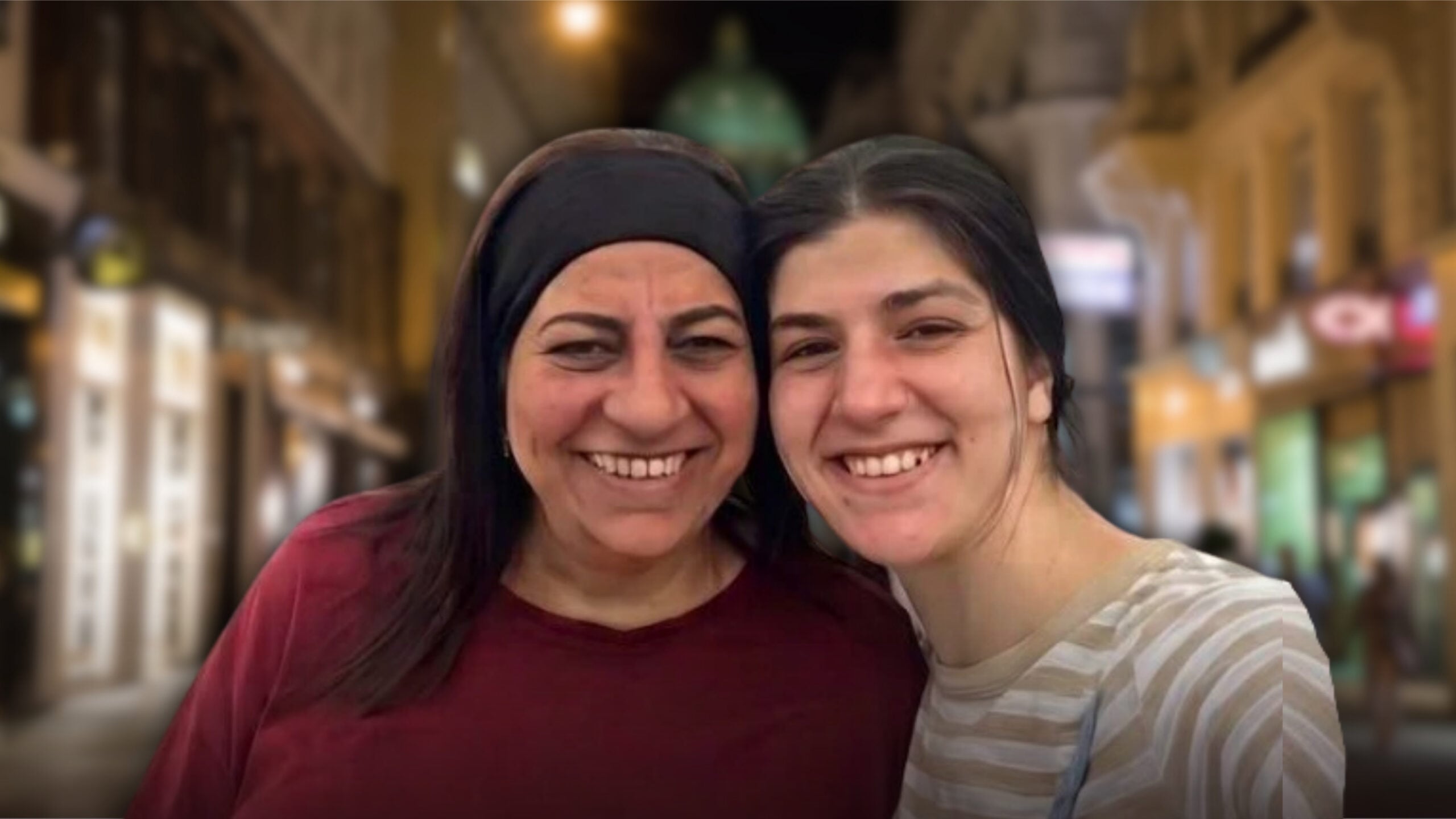
After three days of investigation and searches across Israel and Europe, Israeli police traced the route of Mali and Liel Yahalomi—who were located in Buenos Aires. A gag order was issued to prevent the two from changing their route. They bought a new mobile device and abandoned their old ones, and police also uncovered AI chat logs showing the departure was planned about a month in advance. Investigators told Channel 14: “We understood very quickly that they left of their own free will.” After several days of searches and investigation conducted in Israel and Europe, investigators managed to trace the route of the mother and daughter. Yesterday they were located safe and sound on a bus in Buenos Aires, Argentina.
Photo: Mali and Liel Yahalomi | 27A
Details that reached Channel 14 show that police began connecting the pieces of the puzzle early in the investigation and understood that the two left voluntarily. As part of the investigation, a gag order was issued, designed to prevent disruption or contamination of the investigation and primarily to prevent Mali and Liel from realizing that police were tracking their route and changing it. The concern among investigators was that continued publication of rumors and details on social media and in the press could cause the two to change their plans—thereby significantly extending the search and making it harder to locate them.
Photo: Israel Police Spokesperson
Following the report received from the family about their absence, various intelligence systems were activated. The Intelligence Division of the police worked with elements in Europe, and later the operation was expanded to South America.
The indication was received before Friday
This evening (Saturday night) we are reporting that police received an indication regarding Mali and Liel’s location before Friday and acted accordingly. The two flew to Argentina on Thursday and landed there yesterday in the early afternoon hours, according to local time. Until their departure for South America, the two stayed in several European countries—the Czech Republic, Austria, and Germany. Along the way they bought a new mobile device and abandoned their old phones, in order to obscure their tracks and make it harder to locate them.
Photo: Chaverim Mechaltzim, Nati Shohat, Flash 90
The significant indication regarding their destination was received from the airline, which reported to authorities that the two boarded a flight to South America that had been booked in advance. In Israel it was decided to maintain silence, despite reports published in foreign media, so as not to reveal to the two the fact that authorities already knew where they were headed. At the same time, Israeli police representative in South America, Walter Kogan, entered the picture as soon as the report was received from the airline—and was involved in the subsequent operations that led to locating the two.
The uncovered correspondence and the departure planned in advance
Investigators say they managed to build Mali and Liel’s movement route through collecting information and findings from several scenes and intelligence systems. Police also have partial messages exchanged between mother and daughter, which reinforce their version that they left the country of their own free will.
Image: Chaverim Mechaltzim
In addition, investigators accessed the two’s correspondence through AI tools. From the correspondence, investigators concluded that leaving the country was not a momentary decision, but rather a move planned about a month before their departure for Europe. According to Mali and Liel, the decision to leave Israel stemmed from financial difficulties they encountered. However, investigators emphasize that these are not large sums. From the police’s perspective, these are two adult women who made a decision on their own, and as the picture became clearer, the understanding strengthened that there is no suspicion of a criminal incident in the affair.
“They knew they were being searched for—and continued on their way”
Senior sources on the investigation team told Channel 14 that Mali and Liel were aware of the searches for them, but decided not to contact their family and to continue on the route they had planned. “They said they were aware that they were being searched for, but despite this continued on their way without contacting the family. That’s their right,” the sources said. “They were embarrassed. It’s not a simple situation and they felt uncomfortable both from the public and from family members, but chose to continue on their way at the end of the questioning. They had the option to return to Israel and they chose not to.”
It was also learned that the two’s family members were updated on developments before the video was published in which Malli and Liel were documented after being located. The video was first transferred to the family and only then published to the public. Throughout the investigation, a police officer maintained continuous contact with family members and updated them on developments, subject to the limitations of the investigation.
“The family is hurting and needs time”
Alongside the end of the searches and the news that the two are safe and sound, police say that family members are now dealing with significant difficulty following the developments. “The internet is full of rumors about Mali and Liel, while the family was certain they had been caught up in a nationalist incident,” said sources involved in the investigation. “The family is hurting and needs time to deal with the understanding that Mali and Liel left voluntarily. An officer on our behalf is in contact with the family and updated them with all the details.”
According to them, from the police’s perspective the incident has essentially reached its conclusion: “From here on, this is an incident that needs to be handled at the family level. Our role was to locate them and understand that their condition is good and they chose to leave voluntarily, as we suspected from the beginning.” The investigation is now nearing completion, after no suspicion of criminal activity arose. Investigators ask to distinguish between the very absence of Mali and Liel—which led to opening the searches and police activity—and the questions that remain open regarding the circumstances that led them to leave Israel and cut off contact with their family.
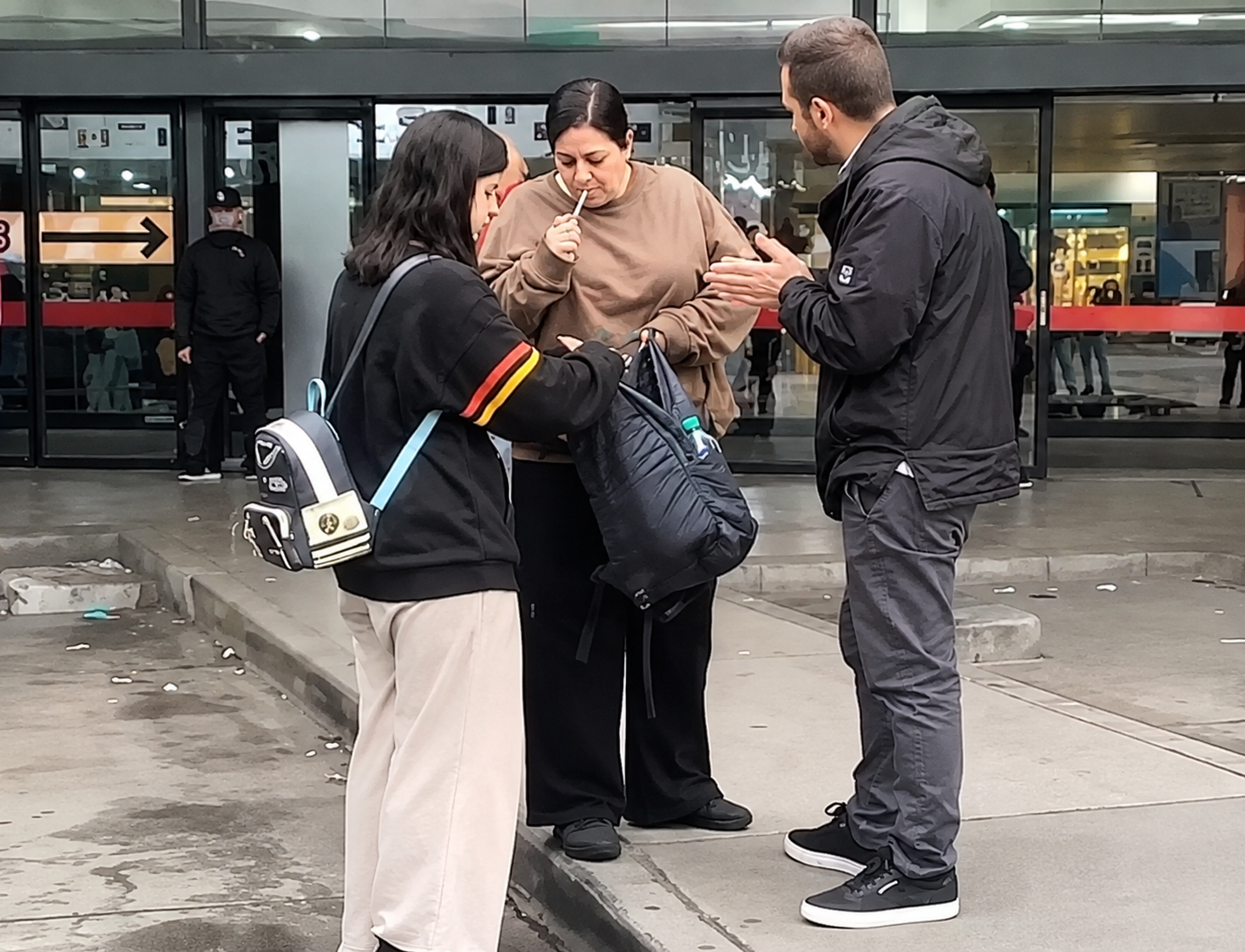
After a week of searching and heavy concern for their safety, Israeli police released footage from the moments they located Mali Yahalomi and her daughter Liel, who had lost contact during their stay in Europe. The two were found safe and healthy on a bus in South America, following a cross-continental search operation.
In the footage, Chief Superintendent Walter Alejandro Kogan, the Israeli police representative in Latin America, is seen boarding the bus where the two were staying and approaching them. “Hi Mali, hi Liel, I’m Walter,” he’s heard saying to them, before introducing himself as the police representative in South America. Kogan was rushed to Argentina as part of the search operation, after the investigation revealed that the mother and daughter continued from Vienna to Frankfurt and from there flew to Argentina. The two were located while traveling on a long-distance bus, and according to police sources, Buenos Aires was apparently not their final destination.
Photo: Chaverim Mechaltsim
After they were located, the police representative spoke with the two and confirmed they were safe and healthy. Since both are adult women and no suspicion arose that they committed a criminal offense, there was no basis to detain them and they were released. Police estimate their disappearance was planned in advance and that the two acted deliberately to make it difficult to locate them. The investigation examined their travel route, their use of mobile devices, and preparations they made before leaving Israel.
Prime Minister Benjamin Netanyahu responded Saturday to a serious incident in southern Lebanon in which three soldiers were seriously wounded, saying it was a blatant violation by the terror group Hezbollah.
Photo: Chaim Goldberg, Flash 90
“This morning Hezbollah violated the ceasefire in Lebanon and attacked our soldiers inside the yellow line. Three IDF soldiers were seriously wounded in the attack,” Netanyahu wrote. In response, he said, the IDF struck the Hezbollah terror headquarters from which the order for the attack was issued. He added that civilians were present at the Hezbollah headquarters during the strike, “as human shields to falsely accuse Israel of deliberately harming civilians. The IDF is operating in accordance with the policy of the political echelon and removing every threat to our forces and our citizens, both in Lebanon and in Gaza,” Netanyahu added. He closed by wishing a speedy recovery to the wounded soldiers: “We wish a speedy recovery to our soldiers who were wounded. The State of Israel will not tolerate any harm to its soldiers and will act forcefully against every threat.”
Israeli forces in southern Lebanon | Photo: IDF Spokesperson
Overnight, an officer and two soldiers from the Yahalom unit, operating under the Commando Brigade combat team, were seriously wounded by an explosive drone fired by Hezbollah at the force in the Ali Taher ridge area. The wounded received initial medical treatment in the field and were evacuated by helicopter for further treatment at Rambam Hospital in Haifa. In response to the attack, the Air Force struck a central headquarters of the organization and killed Ali Samir al-Haj Hassan, a battalion commander in the Radwan Force, along with additional terrorists. The IDF said that alongside the northern arena, security forces are operating resolutely in the southern Gaza Strip against violations of the ceasefire agreement, where two terrorists who tried to sabotage combat equipment of Israeli forces and were identified approaching the soldiers in a threatening manner were killed overnight.
Since the fall of Bashar al-Assad’s regime in December 2024, relations between Iran and Syria have undergone a dramatic upheaval. What had been for over a decade a central axis in Iran’s “Axis of Resistance” or “Shiite Crescent”—with Syria serving as a vital land bridge for transferring weapons, forces, and support to Hezbollah in Lebanon—has turned into a hostile and troubled relationship.
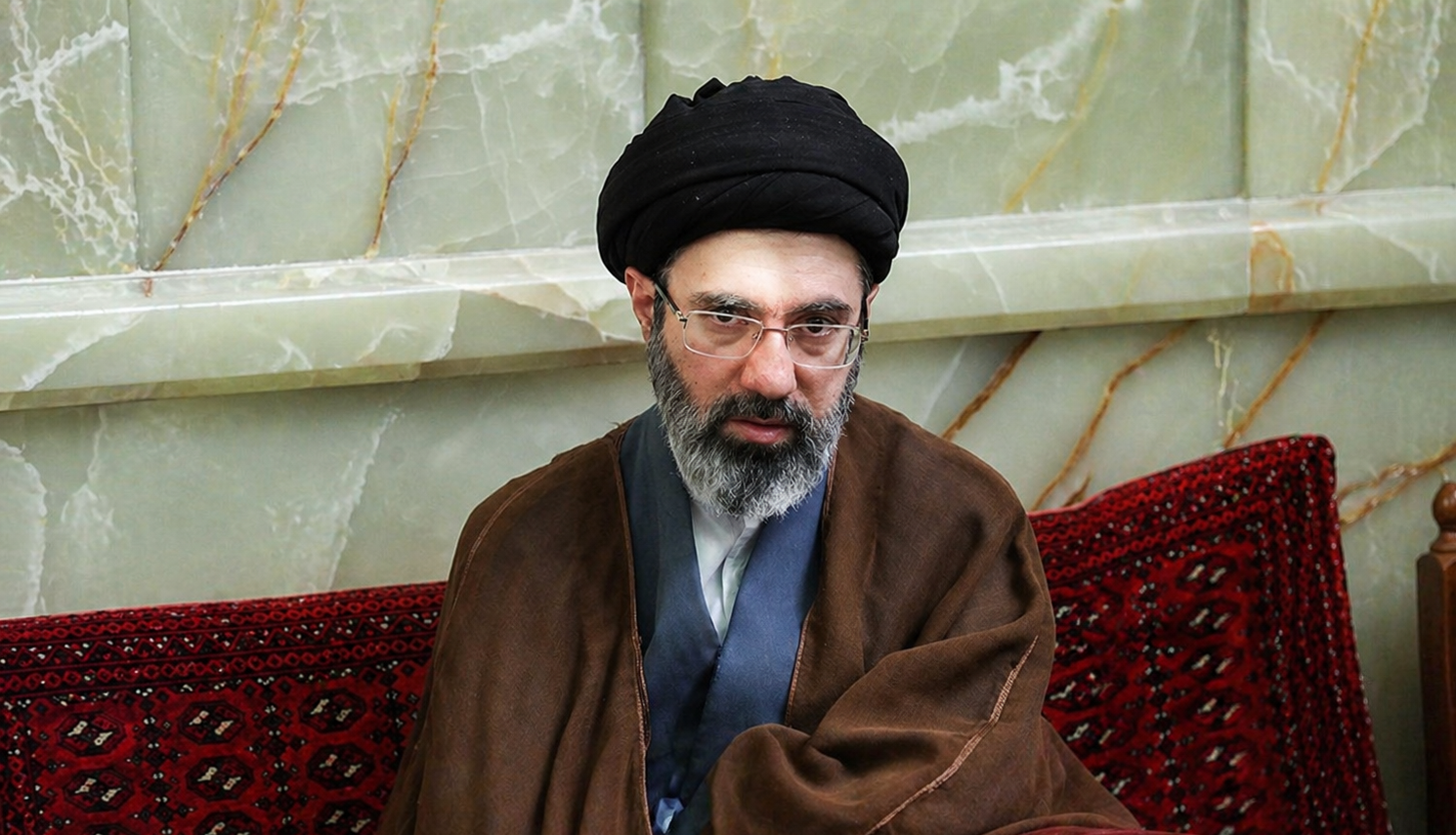
Mojtaba Khamenei, Supreme Leader of Iran | Tasnim, image edited according to CC BY 4.0 license
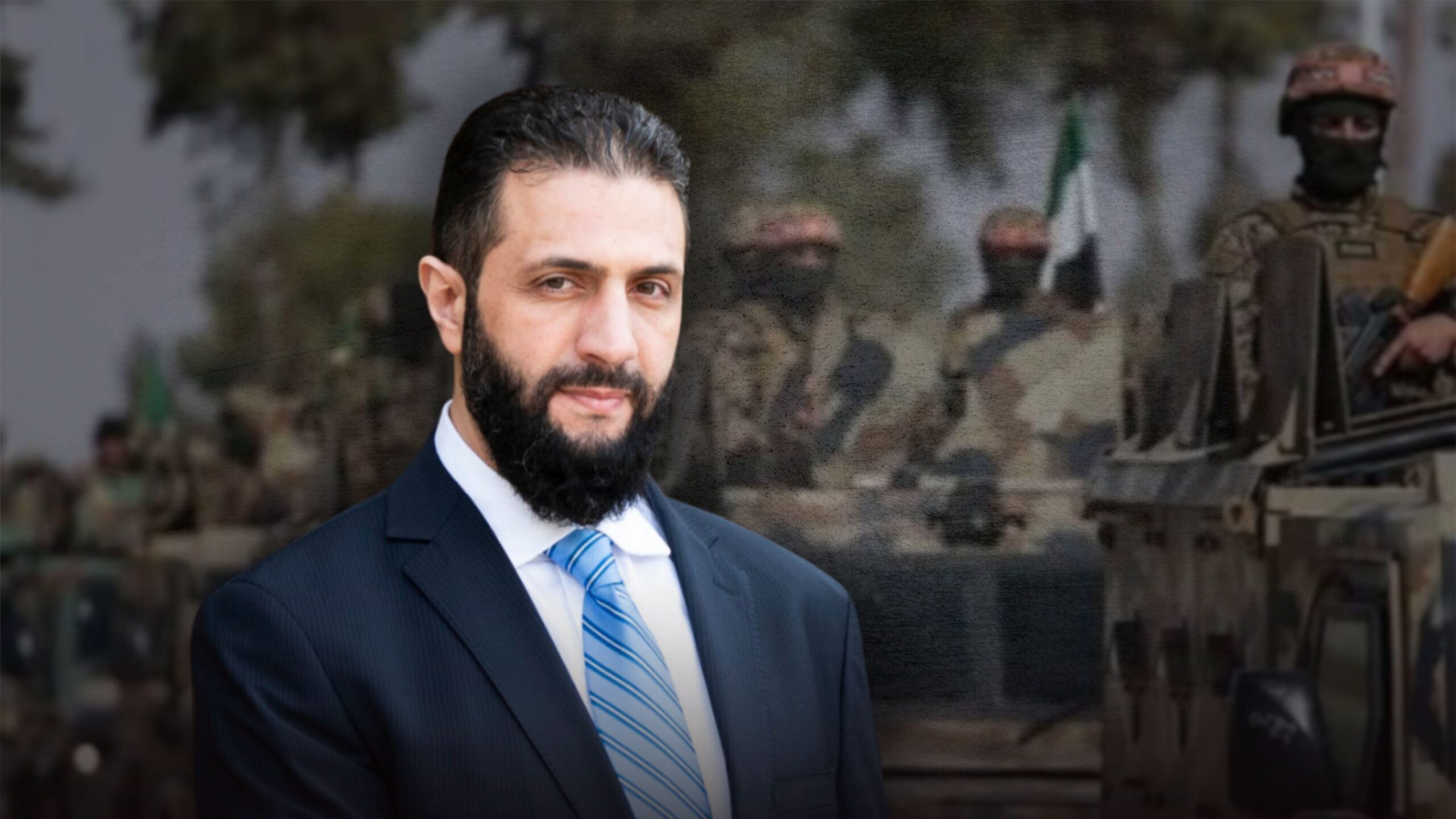
The new government in Damascus, led by Abu Mohammed al-Jolani, has chosen a policy of active neutrality and repeatedly emphasized that Syria has no interest in becoming another regional conflict zone, and that its top priority is rebuilding the country after years of civil war. In public statements, including in March 2026, al-Jolani made clear that Syria will stay out of any conflict unless attacked by any party. However, against the backdrop of statements President Trump has floated in recent weeks about the possibility of Syrian forces entering Lebanon to strike Hezbollah’s missile and weapons infrastructure, Iran is presenting a firm and clear position: any such move will be considered a red line and will lead to a broad response. Sources close to Hezbollah report that Tehran recently conveyed an extremely harsh warning to Damascus through Turkish channels, which included a threat to strike more than 100 strategic targets in Syria with ballistic missiles, including the presidential palace in Damascus.
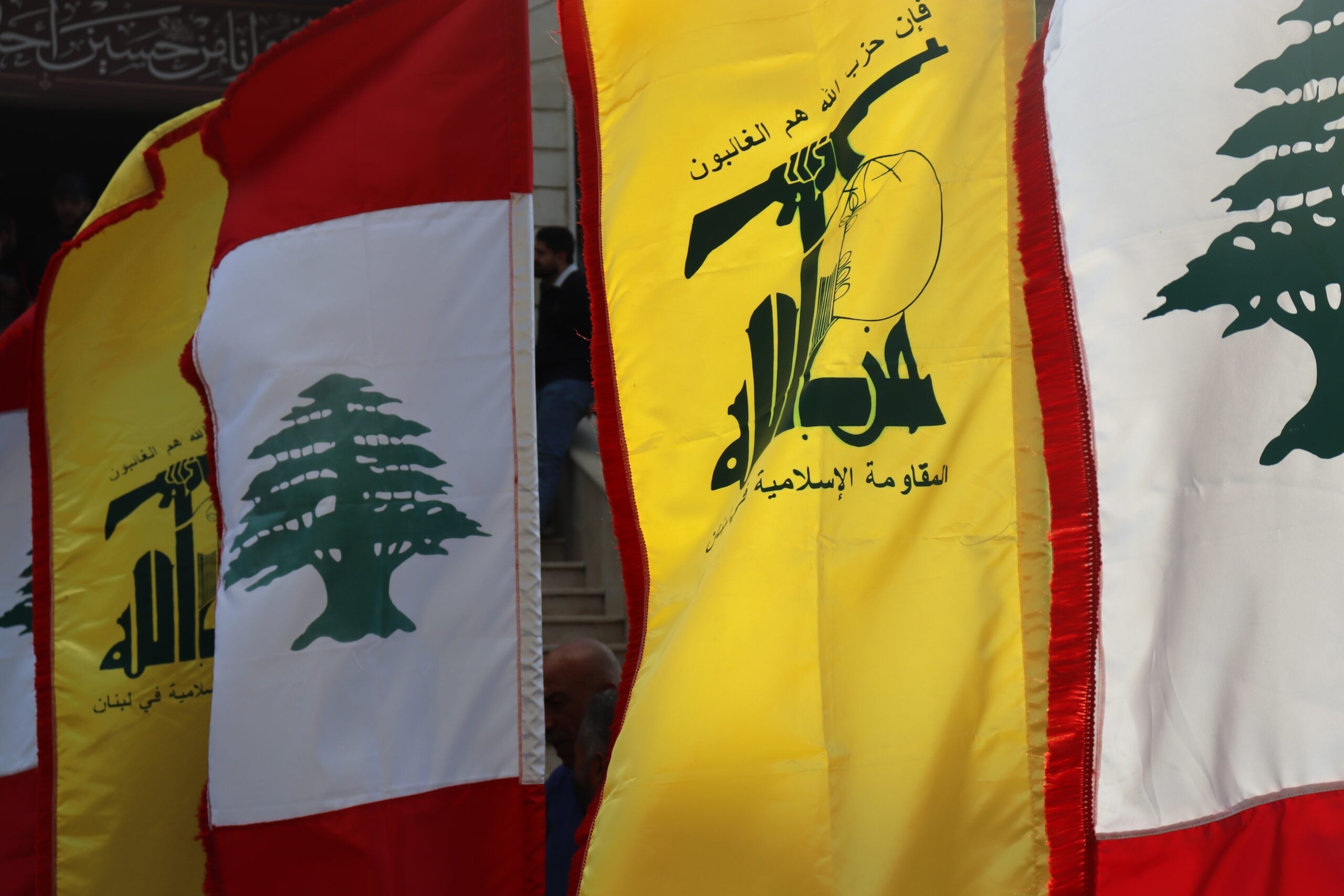
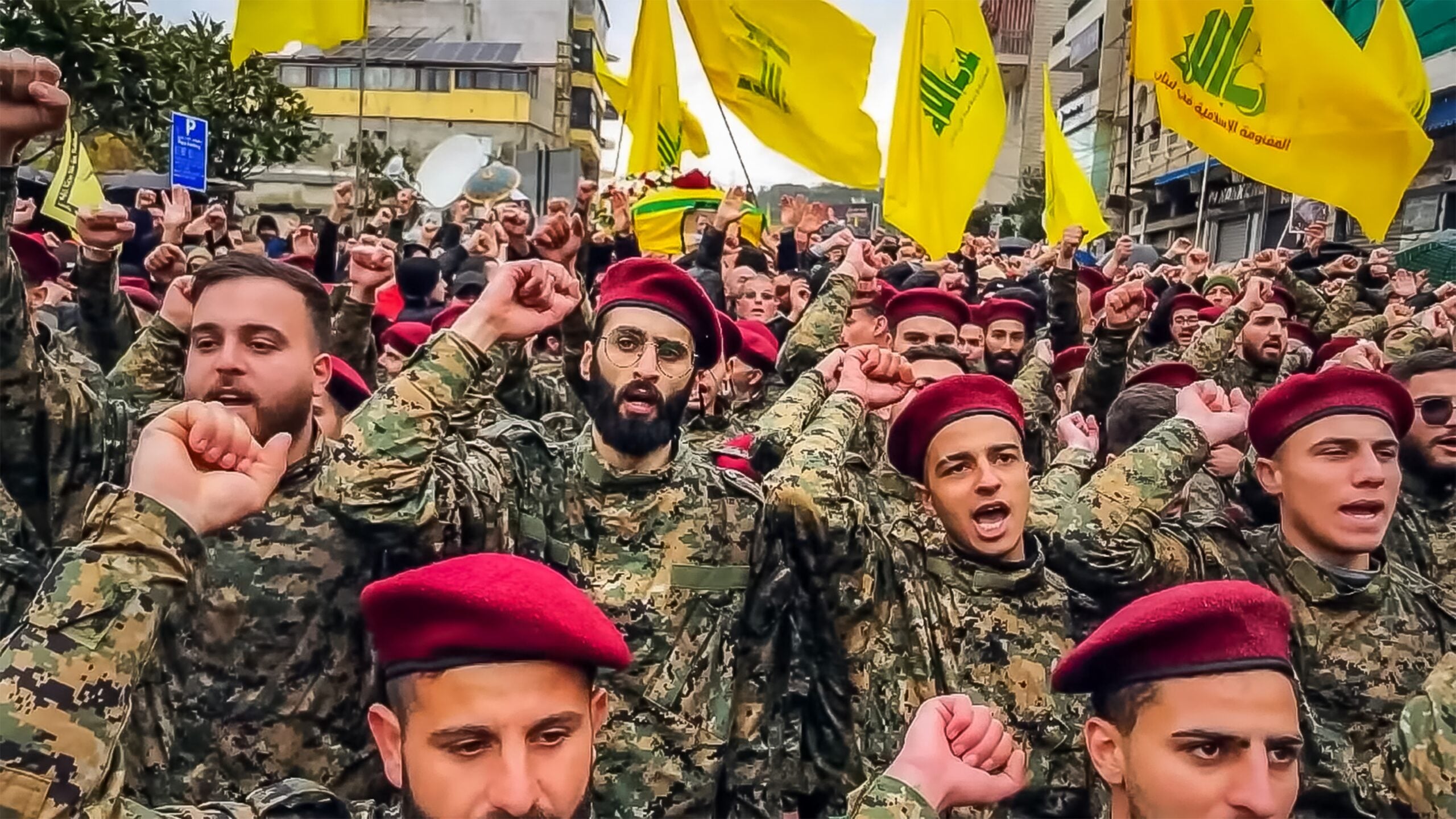
Lebanon and Hezbollah flags | Photo: Shutterstock
The Iranian threat also includes activating several fronts simultaneously, among them the Syrian-Iraqi border, the Homs area and the Alawite coast, alongside support for Kurdish movements in the Aleppo region. The message was conveyed not only to Damascus but also to Turkey, Saudi Arabia, Qatar, and Iraq, to make clear that the operation—if carried out—will not remain limited to the Bekaa Valley in Lebanon but will turn into a broad regional confrontation within Syrian and Lebanese territory.
Roots of Tension Lie in the Recent Past
Iran not only saved Assad’s rule in cooperation with Hezbollah, but invested tens of billions of dollars in building extensive military and logistical infrastructure on Syrian soil. After the regime’s fall, Tehran was forced to evacuate most of its forces, and the new government moved quickly to dismantle these infrastructures through arrests of cells linked to the Revolutionary Guards and Hezbollah, seizure of weapons stockpiles, and imposing restrictions on activities of organizations connected to Tehran.
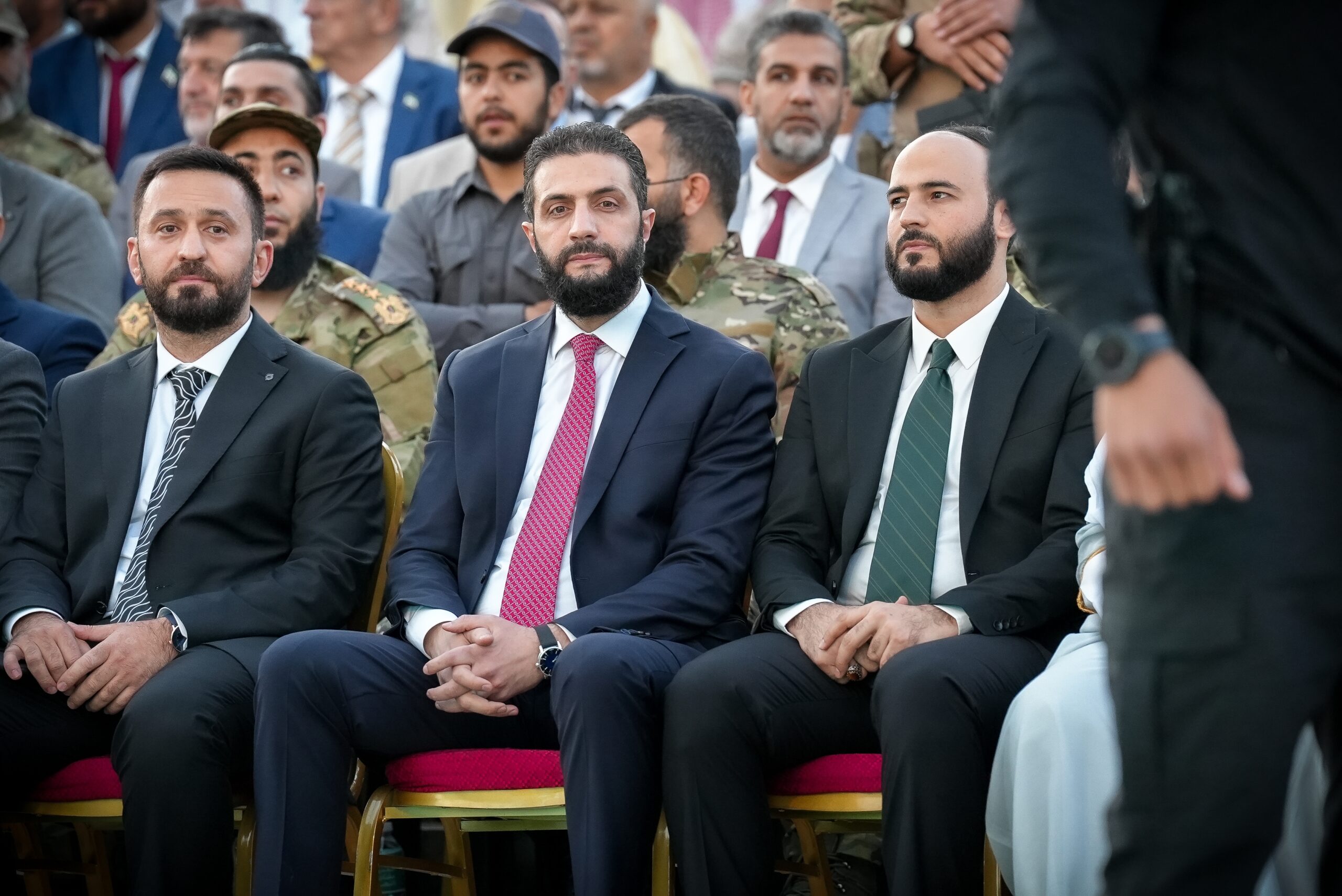
Syrian President al-Jolani | Photo: Shutterstock
Today Iran continues trying to preserve its influence through covert networks and smuggling routes, while Syrian security forces conduct repeated raids against these cells. In July 2026, Iran carried out a strike in the al-Tanf area and claimed it hit an American command center, but experts saw it as a warning message to Damascus against the backdrop of discussions about Syrian involvement in restricting Hezbollah. Syria for its part has increased its forces’ presence on the borders with Iraq and Lebanon to prevent infiltrations by pro-Iranian militias, while advancing relations with Turkey, Arab states, and the West as an independent player focused on economic reconstruction. For Iran, Hezbollah remains a strategic asset and an absolute red line, especially after losing the land corridor in Syria.
Hezbollah, archive | Photo: Shutterstock
Although Damascus has denied intentions to intervene militarily in Lebanon, the reports about the Iranian warning illustrate how much Hezbollah remains the main anchor of the “Axis of Resistance” against Israel. The tension between the countries is not a direct confrontation at the moment, but a quiet struggle over influence and supply routes, as the new Syria tries to break free from Iranian dependence while Tehran refuses to give up the remnants of its presence. Any further escalation could turn the cold relations into open and direct military confrontation.