Defense Minister Israel Katz held a special security assessment Thursday with IDF Chief of Staff Lt. Gen. Eyal Zamir, the head of the Operations Directorate, the Home Front Command chief, and other senior officials. After the meeting, Katz made clear that Israel’s ultimatum following recent balloon and kite launches from Gaza toward communities in the Negev has expired. The Defense Ministry emphasized that Israel will now treat any such launch attempt as an act of terrorism.
Under the new directives, every balloon or kite launch will be met with a forceful response targeting the organizers, operatives, and those responsible on the ground. Operations will also directly target launch sites and infrastructure used by terror elements in the Strip. In line with instructions from Prime Minister Benjamin Netanyahu and the defense minister, Israeli forces will use all necessary tools to deal with terror hubs and remove the threat from southern communities.
As part of the operational freedom granted to forces, the option to use severe measures was defined—including evacuating populations from areas or neighborhoods in Gaza from which launches are carried out. Security officials made clear they will not allow Hamas or any other element in the Strip to return to old habits and the threat environment that existed before October 7, and that any group attempting to revive balloon and kite terrorism will pay a heavy price.
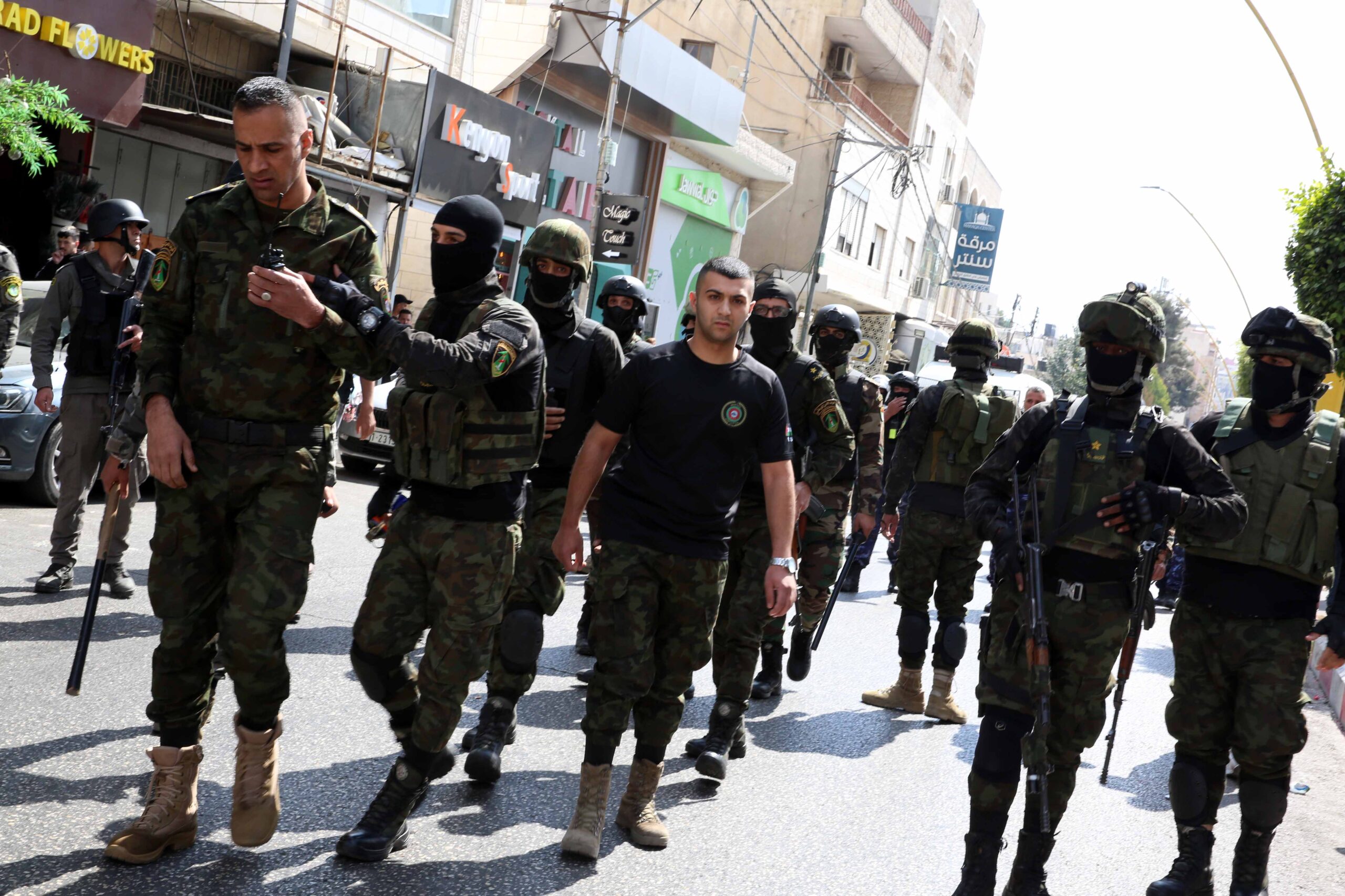
Yesterday, a reservist was kidnapped by those euphemistically called ‘Palestinian police’ and retrieved by Israel; this is, on the one hand, an unbelievable miracle. But on the other hand, it’s a wake-up call to the disaster and danger standing at our doorstep. Those who kidnap a reservist, take his weapon, spray him with pepper spray, and carry out a lynching against him are not police or law enforcement officers but terrorists in costume—and that’s how they must be treated.
The kidnapped reservist | Photo: Channel 14
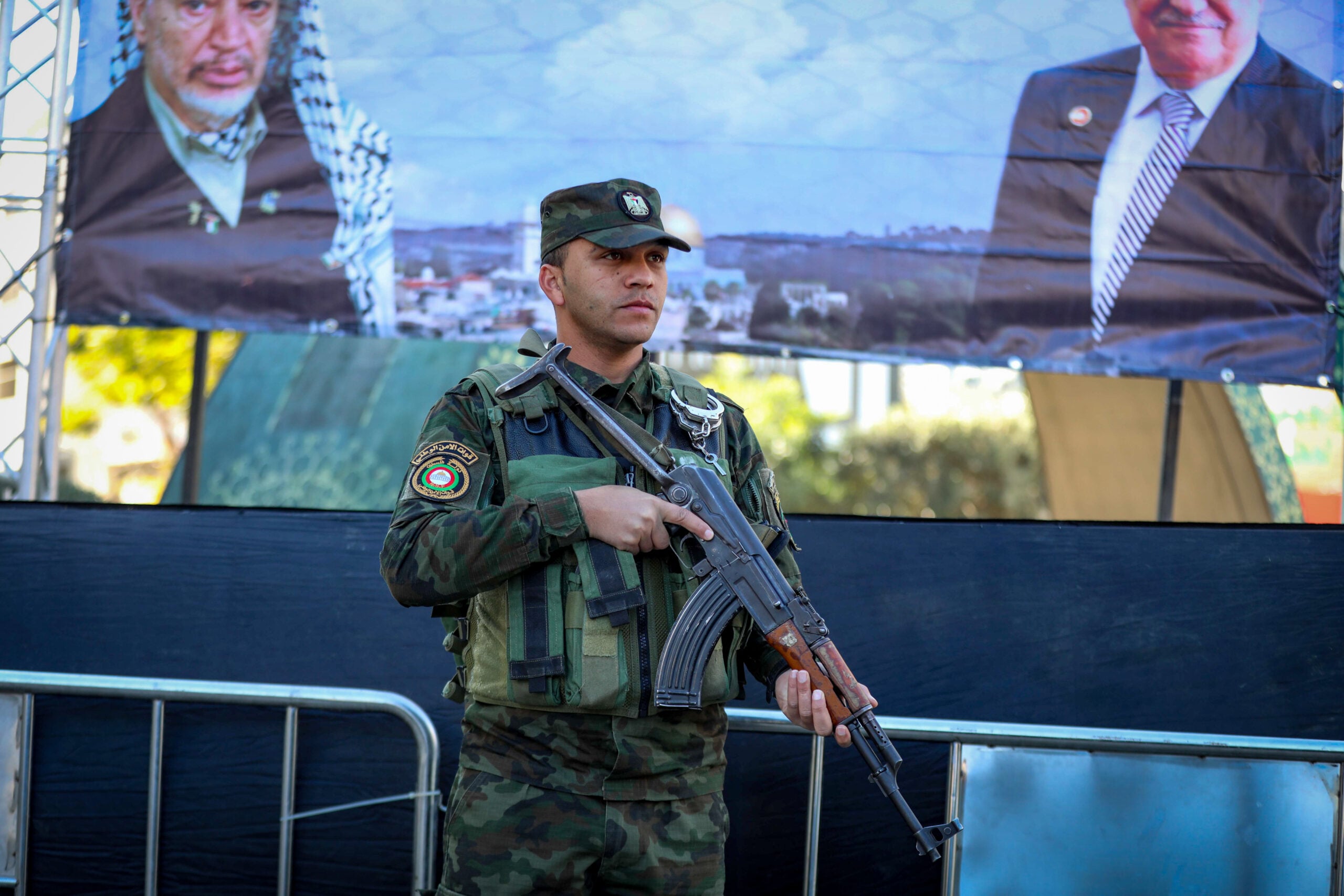
The ‘Palestinian’ police force—the one we foolishly established and armed under the disastrous Oslo Accords—is an army of terrorists. Those terrorists who dared to kidnap a reservist are dead men walking who should have been arrested immediately or eliminated.
More broadly, if we learned anything from the October 7 massacre and the failed assumptions that preceded it, the State of Israel must retake all areas of Judea and Samaria, control them exclusively from a security standpoint, and clean them of all weapons currently held by these terrorists, who are just waiting for the right moment to continue the legacy of Arafat, Sinwar, and the rest of the ‘Palestinian’ Nazis.
Photo: Flash 90
This is the bare minimum needed to prevent the next massacre in Israeli communities and cities like Kfar Saba, Netanya, and Rosh HaAyin—and better an hour early than a moment late. If we value our lives, the principle ‘If someone comes to kill you, rise up and kill him first’—which Gadi Eisenkot, as a chief of staff trapped in failed assumptions, dismissed as a slogan and boasted that we don’t act according to it—must guide our security operations in general, and in Judea and Samaria in particular.
King David’s verse: ‘I will pursue my enemies and destroy them, and I will not return until they are consumed’ must be the motto of our security forces. After the basic step described above, we must complete the process of applying sovereignty. Only when we start treating our reality in this land as homeowners and as sons who have returned to their home will we truly begin to be a free Jewish people in its land.
British lawmakers are warning that the government’s plan to impose sanctions and boycott products and services linked to Jewish communities in Judea and Samaria could lead to a sharp confrontation with President Donald Trump and even ignite a trade war between Washington and London, the Times of London reported.
President Donald Trump | Photo: The White House
According to the report, the warnings were conveyed to Prime Minister Andy Burnham amid the possibility that his government will advance economic measures against Jewish communities. Labour MPs fear such a move won’t pass quietly with the Trump administration, which has taken a tough line against countries that have moved to boycott Israeli products originating in Judea and Samaria.
The concern in London is based in part on Trump’s handling of Spain. According to the Times, POTUS threatened a full trade embargo on Madrid after it banned imports of products from Judea and Samaria. Ireland was also warned of economic consequences following attempts to advance similar legislation.
Photo: Haim Goldberg, Flash 90
The potential confrontation comes at a sensitive time in economic relations between the two countries, as the British government seeks to avoid American measures that would damage trade between the nations. The Labour members who issued the warning fear that expanding measures against the communities will put Britain on a collision course with the White House.
The move being considered in London doesn’t stop at measures against certain Israeli entities, but could include restrictions on trade in products and services linked to communities in Judea and Samaria. In doing so, Britain could join European countries that have already advanced or considered similar economic measures against Israel.
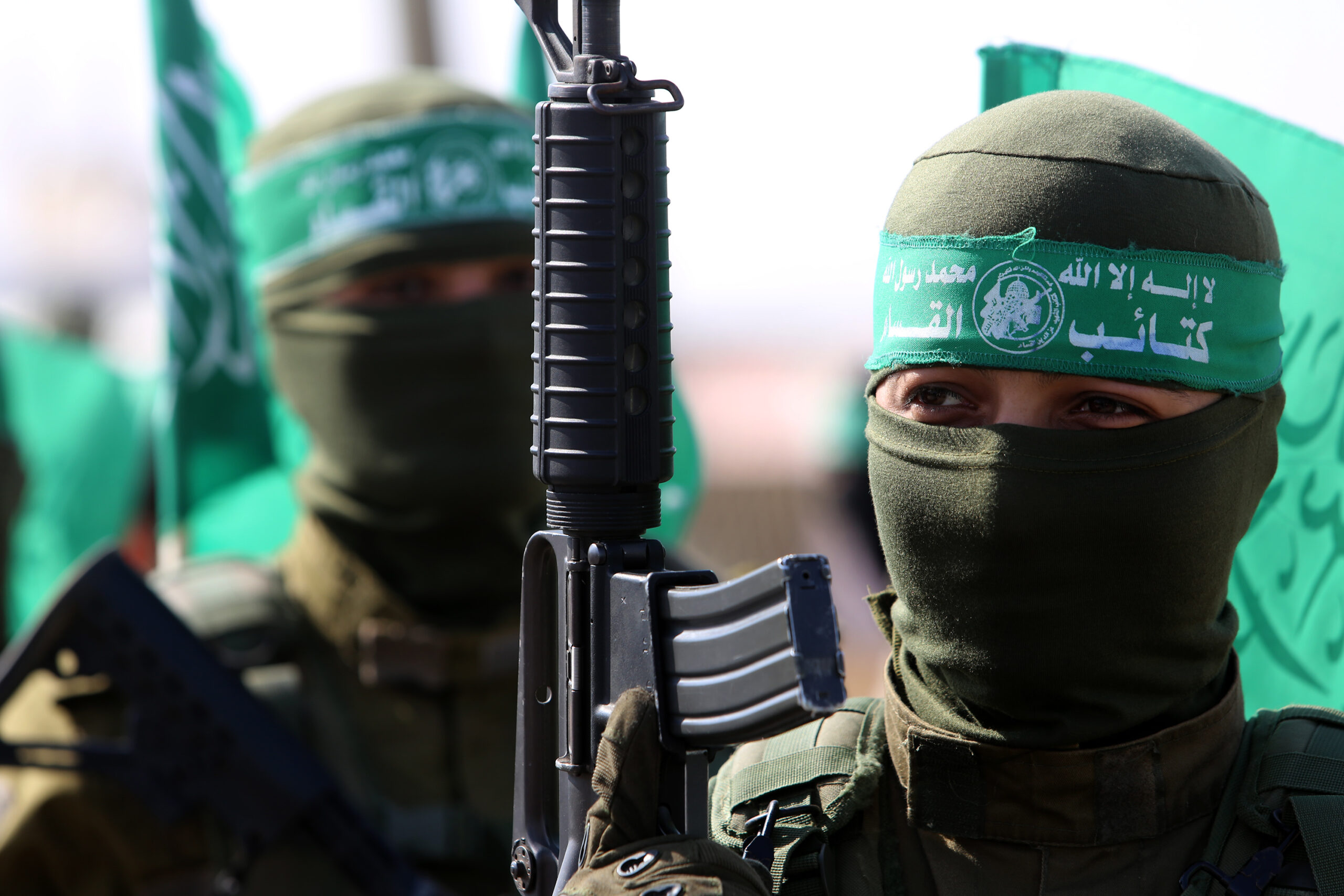
In a significant setback for the Hamas terrorist organization, the Board of Peace refused to recognize a special dossier prepared by the group containing allegations of Israeli violations and targeted killings. Hamas reportedly attempted to submit the document through a third party in an effort to generate pressure from American officials against Israel. According to the report, the Board of Peace firmly rejected the maneuver and refused to accept Hamas’s claims.
Board of Peace | Photo: Reuters
As part of the dossier, Hamas compiled a list of Israeli strikes and targeted killings, claiming Israel was carrying out assassinations while presenting them as responses to preparations for attacks against forces on the ground. Despite having direct contact with the Board of Peace, Hamas chose to work through a third party in an apparent attempt to also reach the U.S. administration.
The Board of Peace made clear to Hamas that it had no intention of recognizing the report or treating it as relevant. Following the exposure of the failed effort, an Israeli security official told C14 Wednesday evening that the maneuver reflected a familiar strategy of deception and delay. “Hamas is adopting Iran’s methods—trying to tell lies and buy time. It won’t work for them,” the official said.
American carrier Delta Air Lines is scheduled to relaunch nonstop commercial service between Tel Aviv and New York early next month, restoring a vital direct trans-Atlantic corridor for Israeli travelers to the United States.
Photo: Shutterstock
The route is slated to recommence on September 6, with the inaugural flight departing New York’s John F. Kennedy International Airport (JFK) and touching down at Ben Gurion Airport (TLV) the following morning. The return leg from Tel Aviv to New York is scheduled to take off on September 7, landing in New York later that day. Delta intends to operate the route on a daily frequency. The service will be operated using Airbus A330-900neo widebody aircraft, offering four cabin tiers: Delta One, Delta Premium Select, Delta Comfort, and Delta Main Cabin.
How Much Will a Ticket Cost?
A review of current booking systems indicates that fares for immediate travel remain elevated. A round-trip itinerary around the launch date (September 6 for four days) can exceed $2,500. However, booking further out—such as departing September 20—sees round-trip prices drop to roughly $1,600. Looking further ahead into November, round-trip fares can be found starting around $1,488, though overall market prices remain high compared to pre-war averages. Delta’s return follows a comprehensive operational and security assessment of the regional environment. The airline emphasized that passenger and crew safety remains its primary operational priority, noting that it will continue to monitor regional developments closely and coordinate operations with relevant civil aviation authorities.
Photo: Shutterstock
For the Israeli public, the return of a major U.S. legacy carrier adds much-needed seating capacity on the highly sought-after New York route at a time when direct options to North America remain constrained by broader security conditions. The reentry of foreign carriers is expected to gradually restore competitive pressure on international routes.
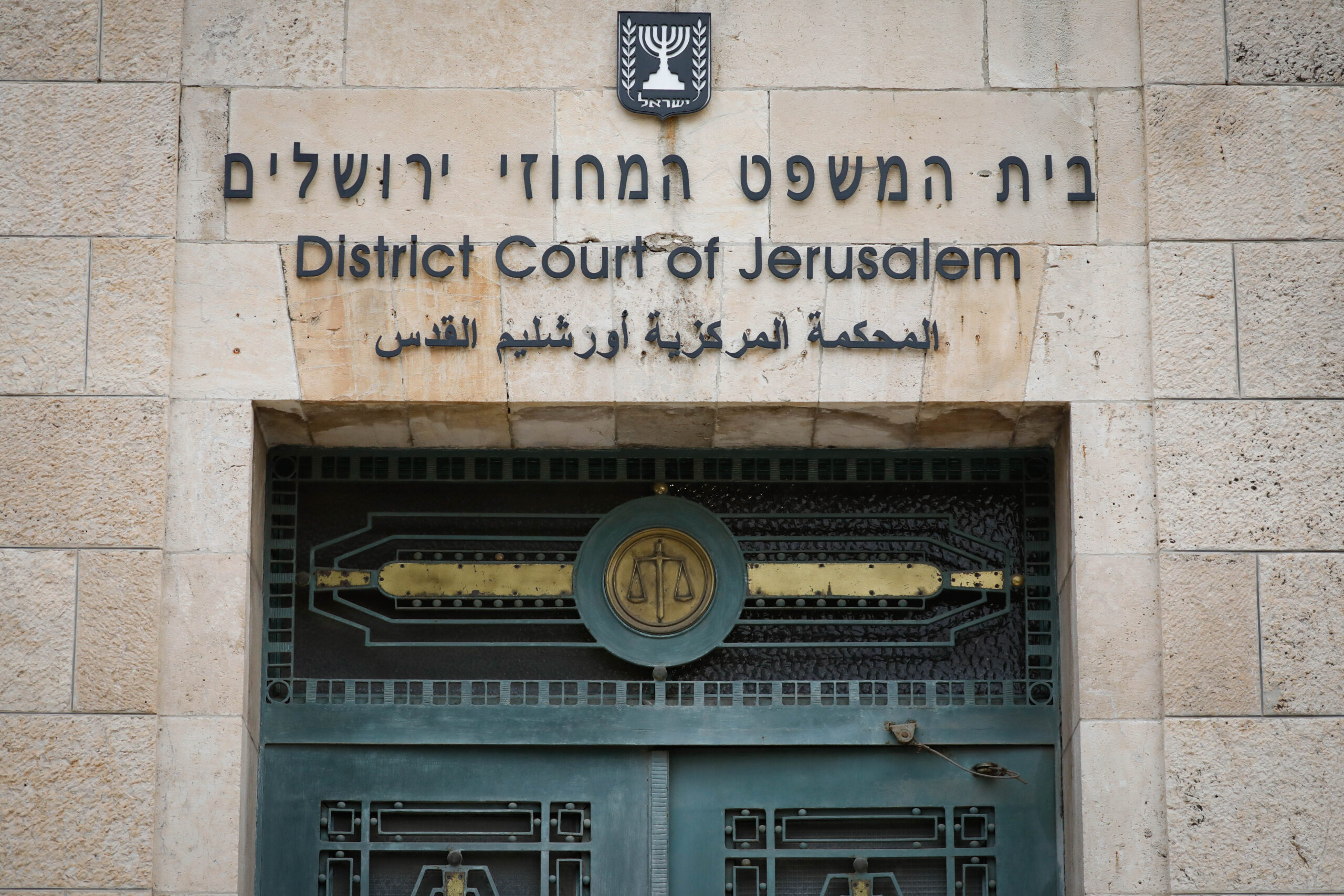
An Arab man who was imprisoned for approximately five years by the ‘Palestinian’ Authority after attempting to sell land to a Jew successfully sued the PA through the Israeli court system, C14 reports today (Wednesday) that The Jerusalem District Court ordered the ‘Palestinian’ Authority to pay him approximately 3.34 million shekels (appx. $900,000) in compensation.
‘Palestinian’ Authority flag in Tulkarm, archive | Photo: Gili Yaari, Flash90
The compensation takes into account the severe violence and abuse the plaintiff suffered throughout his years of imprisonment. The money will be recovered through the tax collection mechanism, similar to the system used to compensate victims of terrorism. The ruling was issued by Judge Chaya Zandberg in a lawsuit filed by a resident of the village of as-Samu through attorney Barak Kedem, a partner at Arbus Kedem Tzur.
The plaintiff sought to sell family-owned land to a resident of the Jewish community of Shima. Under ‘Palestinian’ Authority law, however, selling the property to an Israeli was treated as a serious security offense falling under the category of “treason.” The plaintiff was arrested in February 2014 by the PA’s Preventive Security forces. Approximately three months later, he was charged with attempting to “transfer part of the Palestinian territories to the enemy.” In 2016, he was convicted by a court in Hebron and sentenced to five years in prison with hard labor, as well as a fine. His appeal to a Ramallah appeals court was rejected, and he remained imprisoned until February 2019.
The district government complex in Jerusalem. | Photo: Effi Properties
The Israeli court determined that both his arrest and imprisonment were illegal. The judge ruled that an Israeli court could not recognize the sale of land to Israelis as “treason” merely because the buyers were Israeli. The ruling also exposed disturbing testimony about the treatment the plaintiff allegedly endured in PA detention facilities.
He testified that during interrogations, his hands and feet were shackled to an iron chair for hours at a time, leaving him unable to move. He was held in solitary confinement and bound with his hands behind his back in a manner that caused him to fall when the door was opened. He also described repeated verbal abuse and humiliation. The plaintiff said interrogators beat him with sticks and other objects while his head was covered. During winter, he said, he was left outside and doused with cold water. At other times, he was deprived of food, sleep and basic necessities.
Chairman of the Palestinian Authority | Photo: Shutterstock
According to his testimony, the abuse occurred repeatedly. The violence allegedly continued at Dahariya Prison, where the plaintiff was held in a cell known as the “Sharon Cell,” reserved for prisoners suspected of cooperating with Israel or selling land to Jews. He testified that masked PA personnel would enter the cell and beat its occupants with clubs, and that he once lost consciousness from the beatings. Another prisoner testified that he witnessed the plaintiff being beaten with hands and clubs before being placed in solitary confinement.
A second witness said he saw PA personnel step on the plaintiff’s head and beat him in the stomach and back with clubs while his hands were cuffed behind him, as well as leave him shackled to bars for hours during the night. The plaintiff also maintained during his criminal proceedings that his confessions had been extracted under torture. He identified two officers who he alleged interrogated him throughout the night, beat and cursed him, and ultimately returned him to his cell without clothing. The court noted that the PA did not call either of those officers to testify.
Jerusalem District Court | Photo: Flash90
Additional evidence included a December 2014 medical document recording scratches on the plaintiff’s back, an injury to his finger and pain. The court criticized the absence of additional medical records but ultimately determined that the PA had subjected him to “actual violence” and committed the civil wrong of assault. The court awarded the plaintiff a total of 3,340,000 shekels, including attorney’s fees. Attorney Barak Kedem, who represented the plaintiff, said the ruling once again exposes “the shocking reality behind the ‘Palestinian’ Authority’s policy toward Arabs who dare to sell land to Jews.”
“The financial compensation cannot give him back the years that were taken from him or erase the damage caused to him,” Kedem said. “But the ruling sends a clear message: Anyone who persecutes, imprisons and tortures a person because of his connections with Jews and Israelis will be required to pay for his actions.” “We will continue working to ensure that every Palestinian harmed by the Palestinian Authority’s policy of persecution receives justice and substantial compensation,” he added.
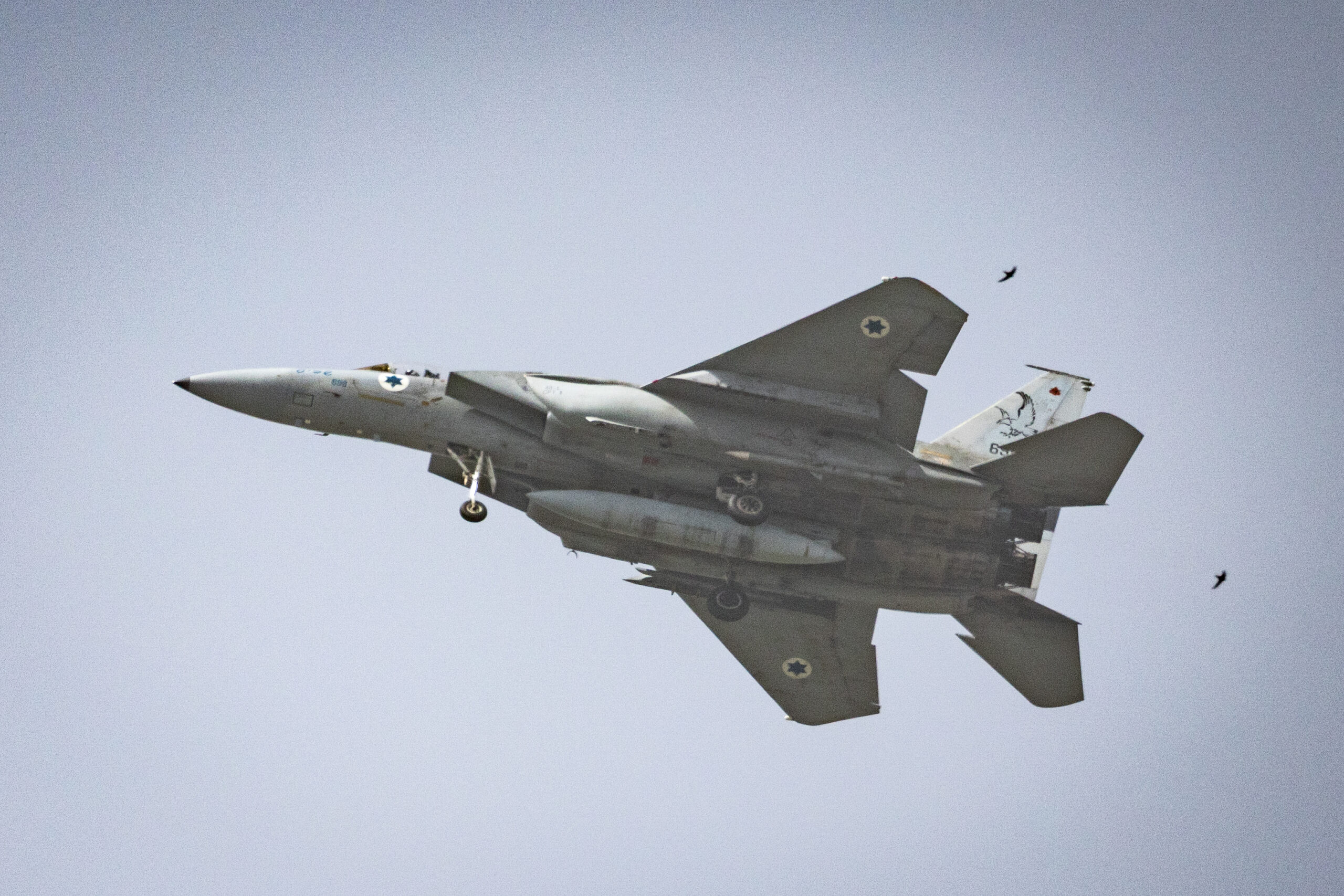
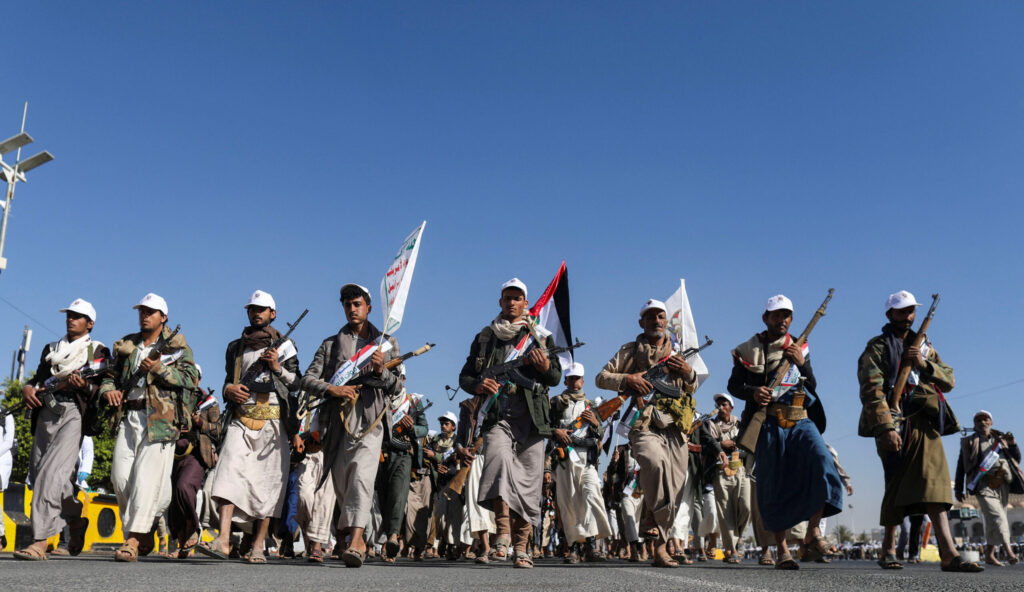
Israeli Air Force fighter jets struck Houthi military targets in Yemen last thursday, the IDF announced, hours after the Iran-backed group fired a ballistic missile at central Israel. The strikes hit military infrastructure and ports used by the Houthis along Yemen’s western coast and inland. The IDF said the targets were chosen to disrupt the group’s ability to import weapons and attack Israel.
“The Houthis are paying and will continue to pay a heavy price for their aggression against Israel,” Defense Minister Israel Katz said in a statement. “We will hunt down the Houthi leadership just as we did with Hamas and Hezbollah leaders. No one who harms Israeli citizens will escape our reach.” The strikes came after a Houthi ballistic missile triggered air raid sirens across central Israel early Thursday morning, sending more than three million people to bomb shelters. The missile was intercepted by Israel’s Arrow defense system, but fragments fell in open areas. No injuries were reported.
The Houthis have launched dozens of missiles and drones at Israel since the start of the war in Gaza, most of which have been intercepted or fallen in open areas. The group says its attacks are in solidarity with ‘Palestinians’. Israeli officials have warned that continued Houthi attacks could trigger a broader military response. Thursday’s strikes mark one of Israel’s most significant operations against the group in recent months.
The Houthis in Yemen | Photo: Reuters
The IDF said its aircraft returned safely from the mission.
The IDF Binyamin Regional Brigade has issued a rare, direct clarification to local residents, defining the recent detention of an Israeli reservist on Route 450 (Beituniya Bypass / Derech HaMeozim) as an extremely grave, unlawful operation carried out in blatant breach of existing agreements. According to a first report by Channel 14’s Eliah Aviv, the IDF has suspended security coordination in the sector and is demanding that the ‘Palestinian’ Authority prosecute the armed officers who carried out the abduction. Simultaneously, it was revealed that in a formal briefing presented to Israeli cabinet ministers by a Central Command representative, ministers were initially provided only with the official PA narrative of the incident, concealing the severe violation of sovereignty on the ground.
Photo: Social media
Binyamin Brigade’s Official Clarification to Residents
In a direct statement delivered by a senior officer in the Binyamin Brigade, the military clarified its stance on the incident:
“Dear residents,
Following the incident that occurred on the Meozim Route (Route 450 / Beituniya Bypass), the Binyamin Brigade clarifies that this is an extremely grave event. The Binyamin Territorial Brigade views the incident as a blatant violation of agreements by ‘Palestinian’ police officers, exiting Area A and detaining an Israeli Jewish citizen inside Area C. Upon receiving the operational report, brigade forces scrambled immediately to the scene, rescued the resident from the custody of the ‘Palestinian’ officers, and returned him safely along with all of his personal property. We see supreme value in opening the Meozim Route and additional arteries for civilian traffic, but at the same time, the responsibility for securing all motorists rests on our shoulders. We are working to establish the ‘Yad Yair’ military outpost alongside additional outposts and extensive security measures to ensure safe civilian transit along these routes.”
Following months of schedule adjustments across international carriers, global airlines are accelerating their return to Ben Gurion Airport (TLV), with the momentum projected to widen significantly in the coming months. Dutch flag carrier KLM has officially resumed operations in Israel, while United Airlines is finalizing preparations to restart service to New York (Newark) and eventually San Francisco.
Photo: Reuters
KLM has restored its scheduled passenger service connecting Amsterdam and Tel Aviv. In the initial phase, flights include a brief technical layover in Larnaca for crew change rotations. The route’s resumption provides Israeli travelers with direct access to Amsterdam as well as seamless connection options across the airline’s broader international network. Concurrently, United Airlines is gearing up for its Israeli comeback. The U.S. carrier is scheduled to resume flights between Tel Aviv and Newark on September 8. Additionally, United has slated the return of its nonstop Tel Aviv–San Francisco route for March 28, 2027, launching with an initial frequency of three weekly flights. The return of these major carriers builds on a broader trend over recent months, which saw global airlines including SWISS resume scheduled services, alongside several other carriers announcing near-term relaunch dates.
Illustration | Photo: Yossi Aloni / Flash90
For Israeli flyers, the primary benefit is intensified commercial competition at Ben Gurion Airport. As more international legacy carriers restore flight capacity alongside domestic Israeli airlines, travelers will gain expanded route options and increased downward pressure on trans-Atlantic ticket fares. After an extended period of post-war aviation volatility, the steady return of foreign carriers signals renewed international confidence in Israel’s commercial airspace.
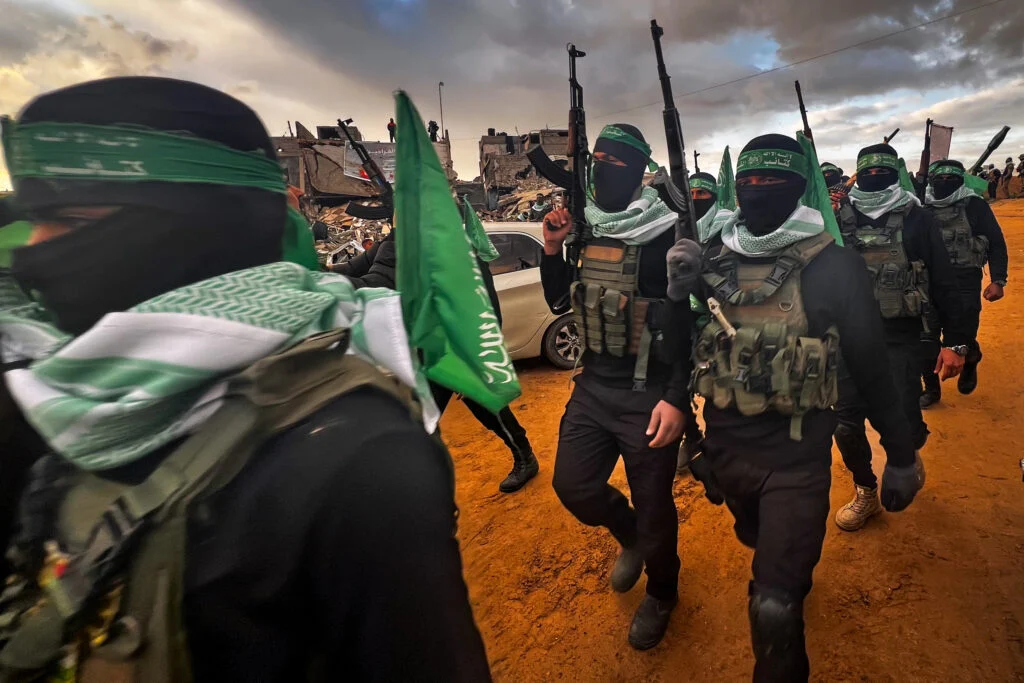
Nikolay Mladenov, the Board of Peace’s High Representative for Gaza, said Wednesday during a UN Security Council meeting that, for the first time, Hamas and other terrorist organizations in the Gaza Strip have agreed to surrender their weapons and transfer full governing authority—civilian and security—to a transitional administration that will be recognized by the United Nations.
The Board of Peace’s High Representative for Gaza @nmladenov tells the U.N. Security Council: “For the first time, Hamas and the armed factions in Gaza have agreed to hand over their weapons and to transfer full governing authority—civilian and security—to a transitional…
Mladenov’s remarks follow a statement published on the Board of Peace’s official X account:
“For the first time, Hamas and the armed factions in the Gaza Strip have agreed to surrender their weapons and transfer all governing authority—civilian and security—to a transitional administration that will be recognized by the United Nations. We now have an opportunity to dramatically and sustainably improve the lives of ‘Palestinians’ in Gaza; provide stable and lasting security for Israelis; and move from a conflict that has destabilized the region to an environment that offers peace, prosperity and economic opportunity for the entire Middle East.”
However, this is not the first time an agreement with the Hamas terrorist organization has been announced. U.S. President Donald Trump previously declared that Hamas had agreed to disarm, and the Board of Peace subsequently issued a similar official announcement. Hamas’s repeated violations in recent months, however, continue to raise serious questions over how much weight such declarations should carry—and whether the latest pledge represents genuine disarmament or merely another promise on paper.