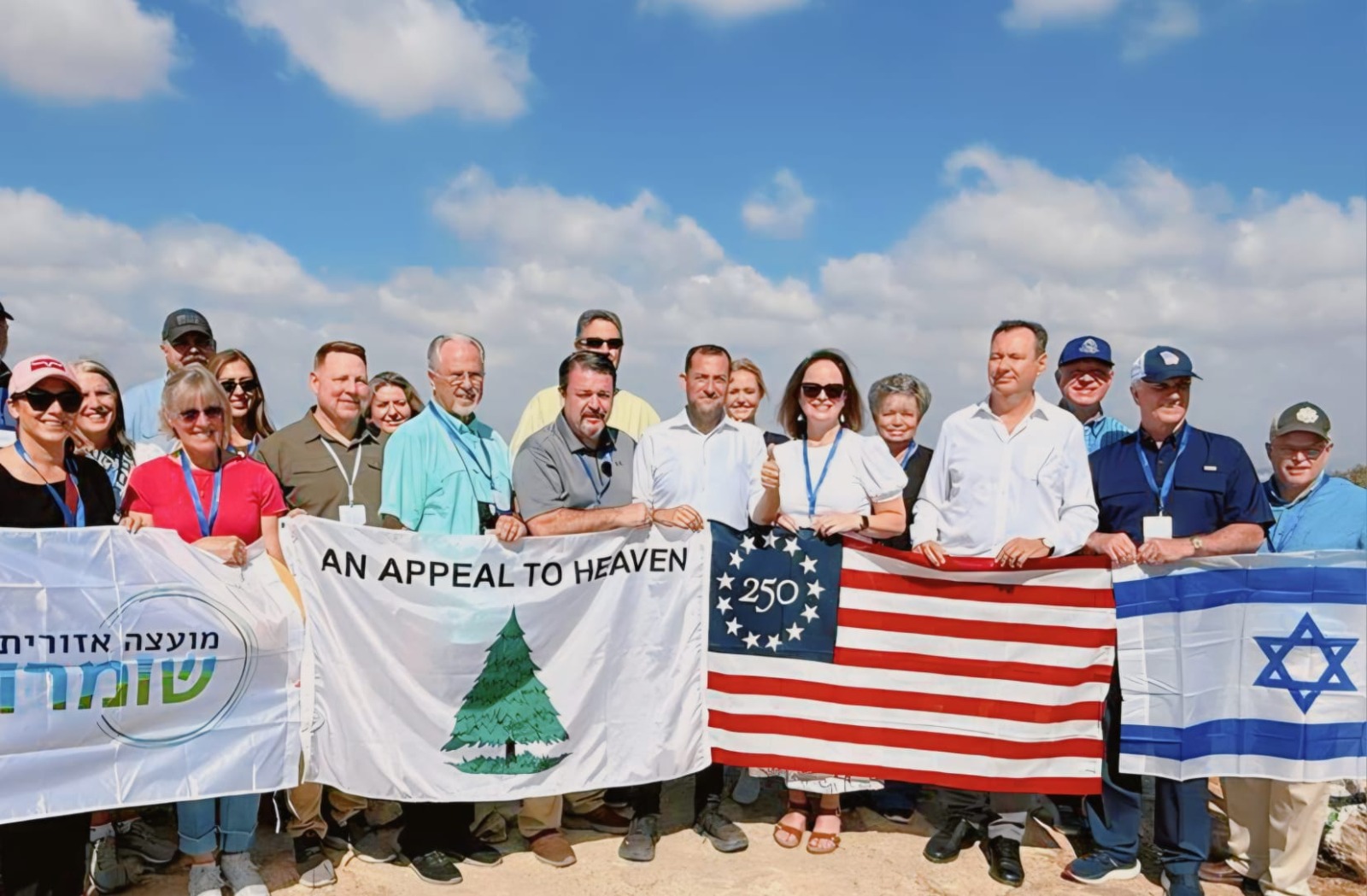
Against the backdrop of looming sanctions threats and mounting international diplomatic pressure, an emergency delegation of state senators and representatives from across the United States arrived for an official solidarity mission to Israel and Samaria.
The delegation visited as guests of Samaria Governor Yossi Dagan and was led by Jason Rapert, founder and president of the National Association of Christian Lawmakers (NACL). The delegation comprises senior state lawmakers representing Alaska, Georgia, Arkansas, Mississippi, Oklahoma, Montana, Minnesota, Alabama, and Missouri, all arriving to bolster the communities of Judea and Samaria.
Photo: Samaria Regional Council
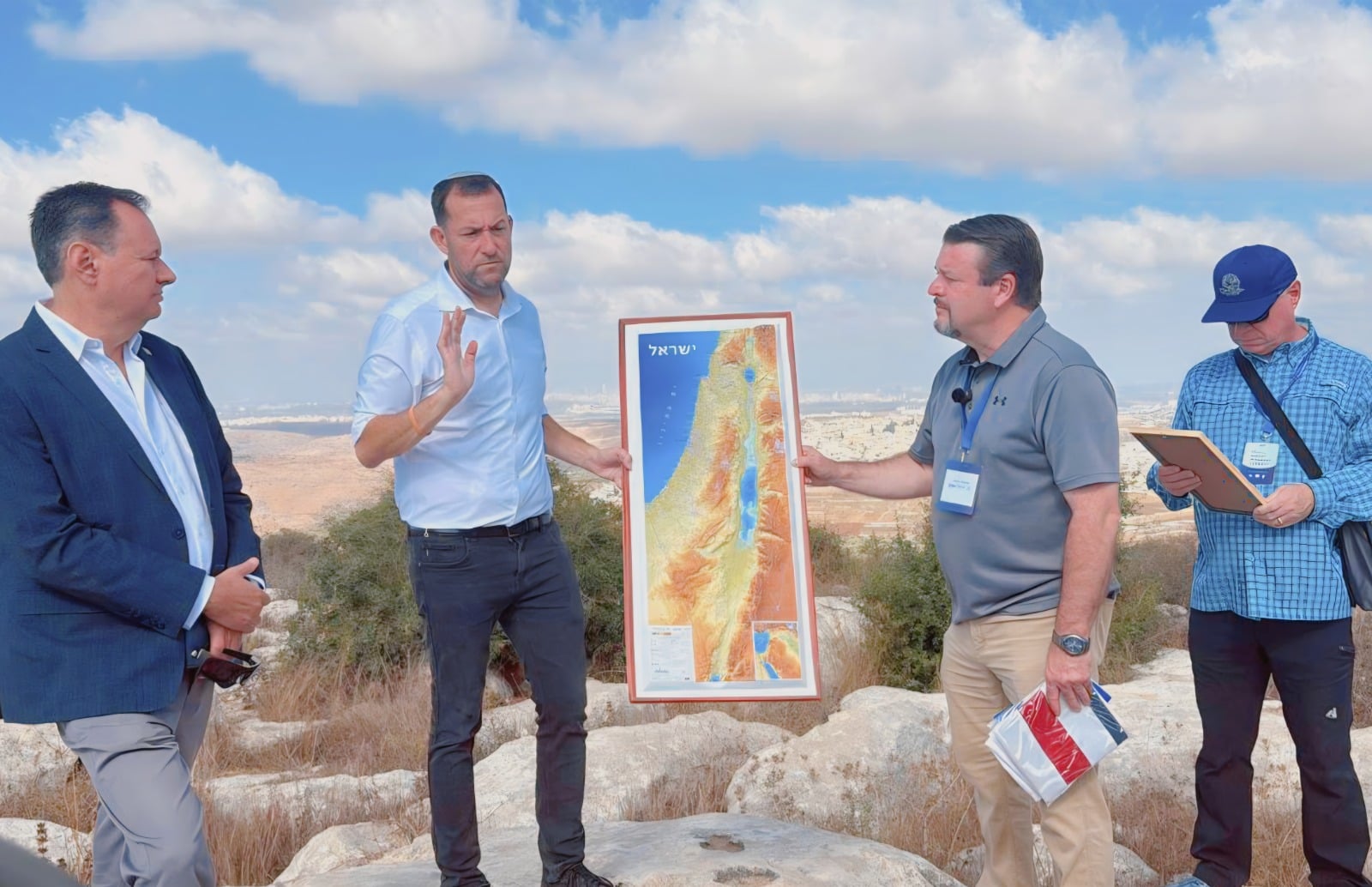
During their tour, the delegation visited the “Balcony of the Nation” observation point in the community of Peduel, surveying the strategic expanse of Samaria and touring the Donald J. Trump Overlook. Lawmakers received an in-depth briefing detailing the strategic, security, and biblical significance of the terrain, as well as recent diplomatic developments. The initiative aims to spearhead legislation across U.S. state legislatures, ensuring official government documents exclusively utilize the historic name “Judea and Samaria” rather than the term “West Bank.”
Tennessee has already enacted similar legislation, and it is currently progressing through multiple other statehouses. During the visit, delegates announced concrete legislative pledges. Minnesota State Senator Paul Utke vowed to advance the measure in his legislature while expressing steadfast support for residents. Alaska State Representative Sarah Vance said she would introduce a resolution officially declaring Judea and Samaria the sovereign, biblical heartland of the State of Israel. Samaria Governor Yossi Dagan thanked the visiting delegates, declaring that recognizing Judea and Samaria and applying Israeli sovereignty over the region represents an indispensable strategic imperative for the security of Israel, the United States, and the entire free world.
Israel’s National Security Council (NSC) issued an exceptional warning to the Israeli public on Sunday ahead of the High Holiday season, cautioning that efforts by global terrorist networks to target Israelis and Jews worldwide are intensifying and expanding.
Credit: Shutterstock
According to the NSC’s strategic threat assessment, the ongoing multi-front conflict against Iran, the terror group Hezbollah, Hamas, and other jihadist factions has triggered a sharp rise in operational motivation to execute revenge attacks against Israeli and Jewish assets abroad.
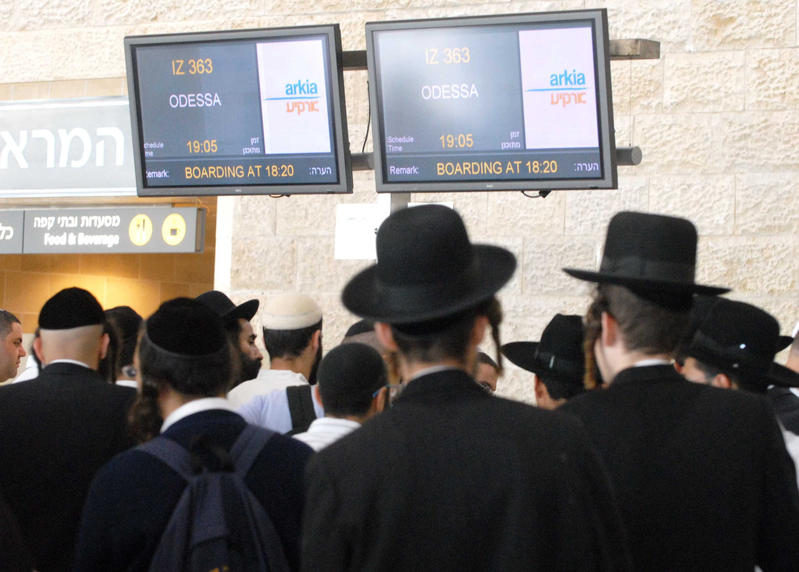
The NSC emphasized that this update does not introduce new formal travel bans, but instead provides an up-to-date threat matrix for the autumn holidays—a peak travel period when hundreds of thousands of Israelis head overseas.
Soldier in the Iranian Army | Photo: Shutterstock
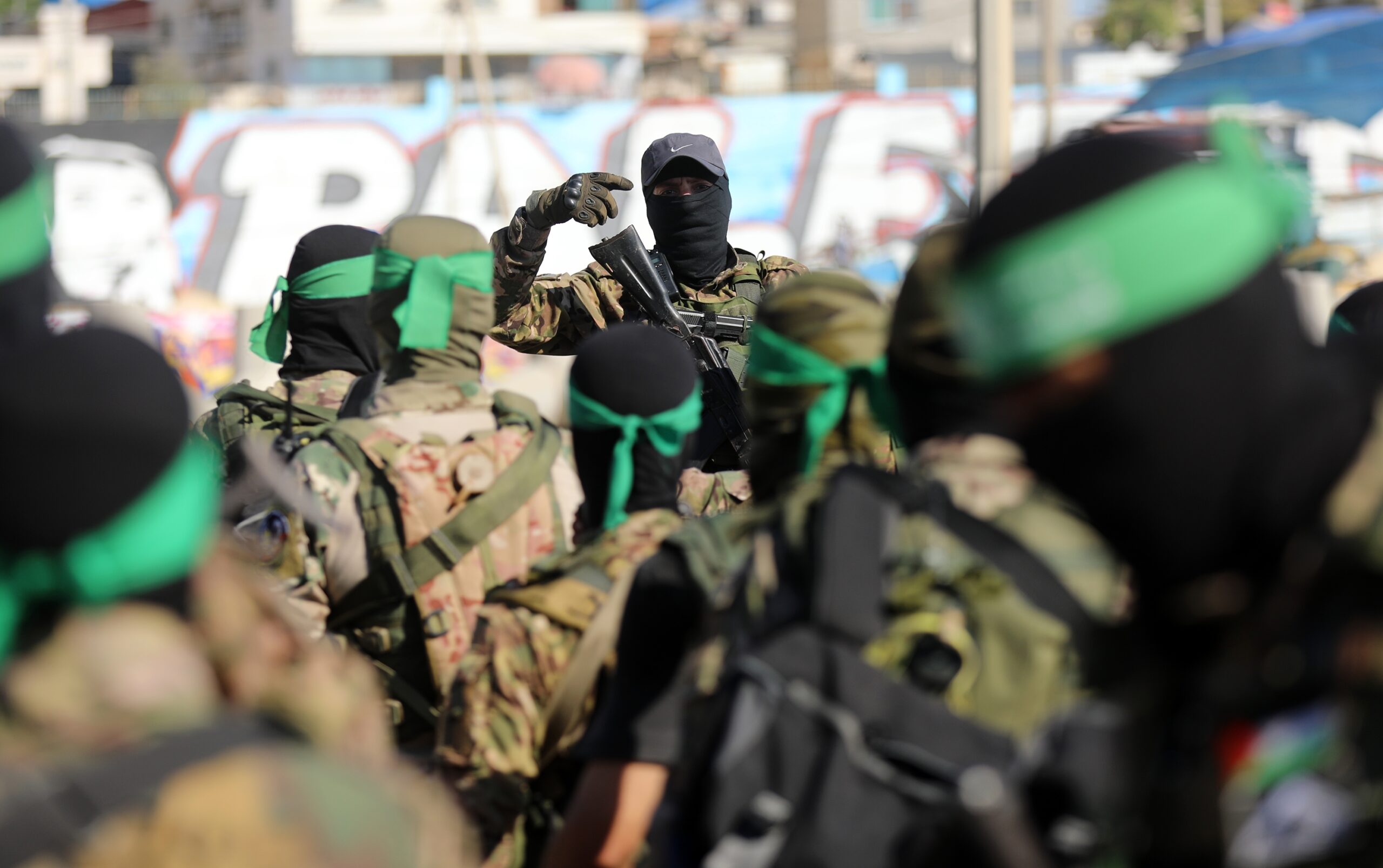
Primary targets include diplomatic missions, Israeli officials, security veterans, community institutions, and visiting tourists. The terror group Hezbollah likewise poses a formidable threat, determined to avenge the elimination of its top senior leadership and strikes across Lebanon. Simultaneously, the NSC warned that Hamas is dedicating extensive resources toward entrenching covert terror cells on European soil and across third countries to carry out high-profile spectacle attacks and revenge strikes against Jewish and Israeli institutions.
Global jihadist groups, spearheaded by ISIS and al-Qaeda, also continue disseminating explicit directives urging followers to assault Jews. While this menace remains acute across Africa and Asia, intelligence officials caution that jihadist networks are actively plotting attacks in Western European capitals and across the United States, leaning heavily into radicalized lone-wolf actors and decentralized local cells. A chilling figure released by the NSC underscores the threat: since the outbreak of the war, 25 Israelis and Jews have been murdered in overseas terror attacks.
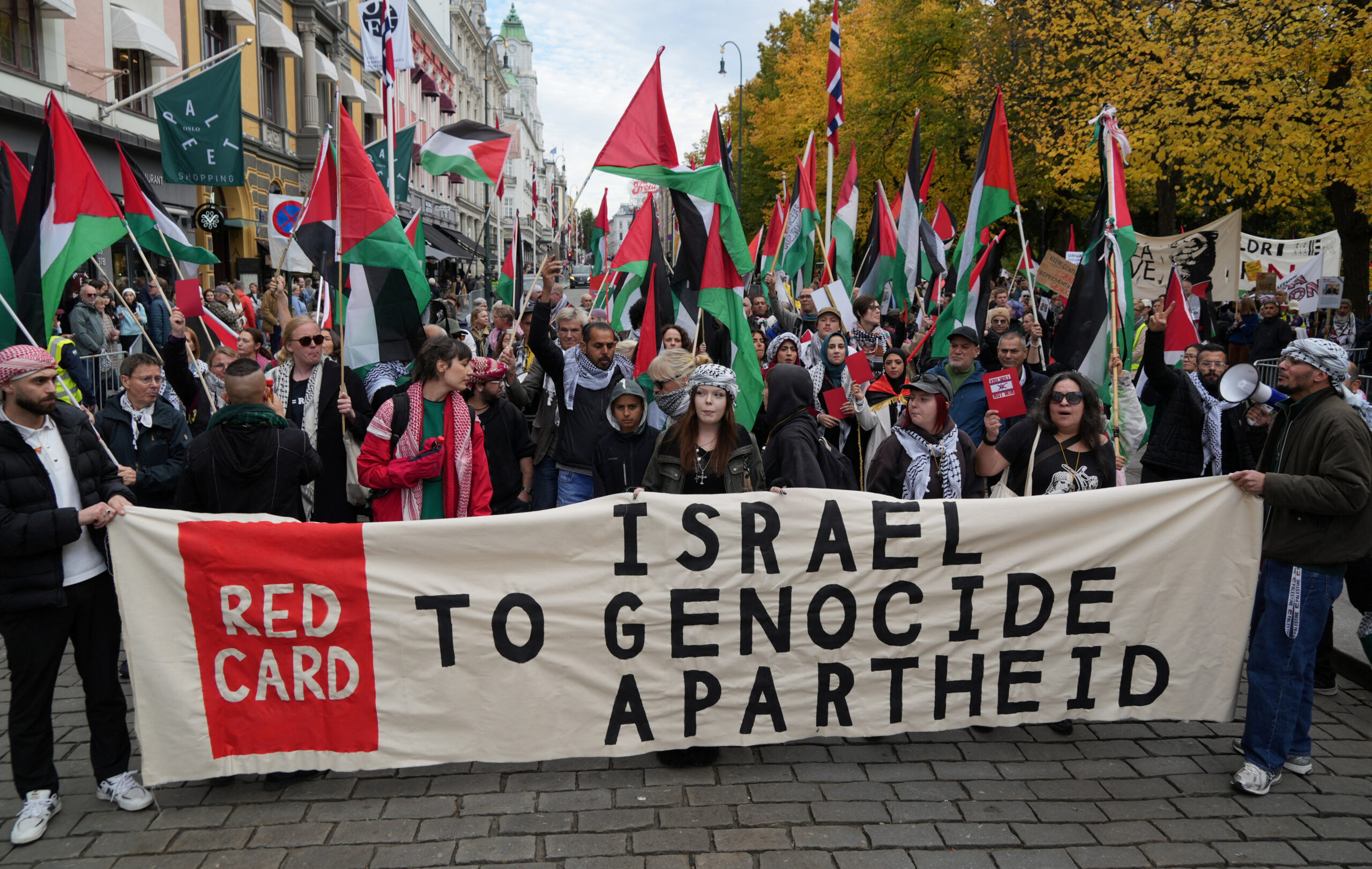
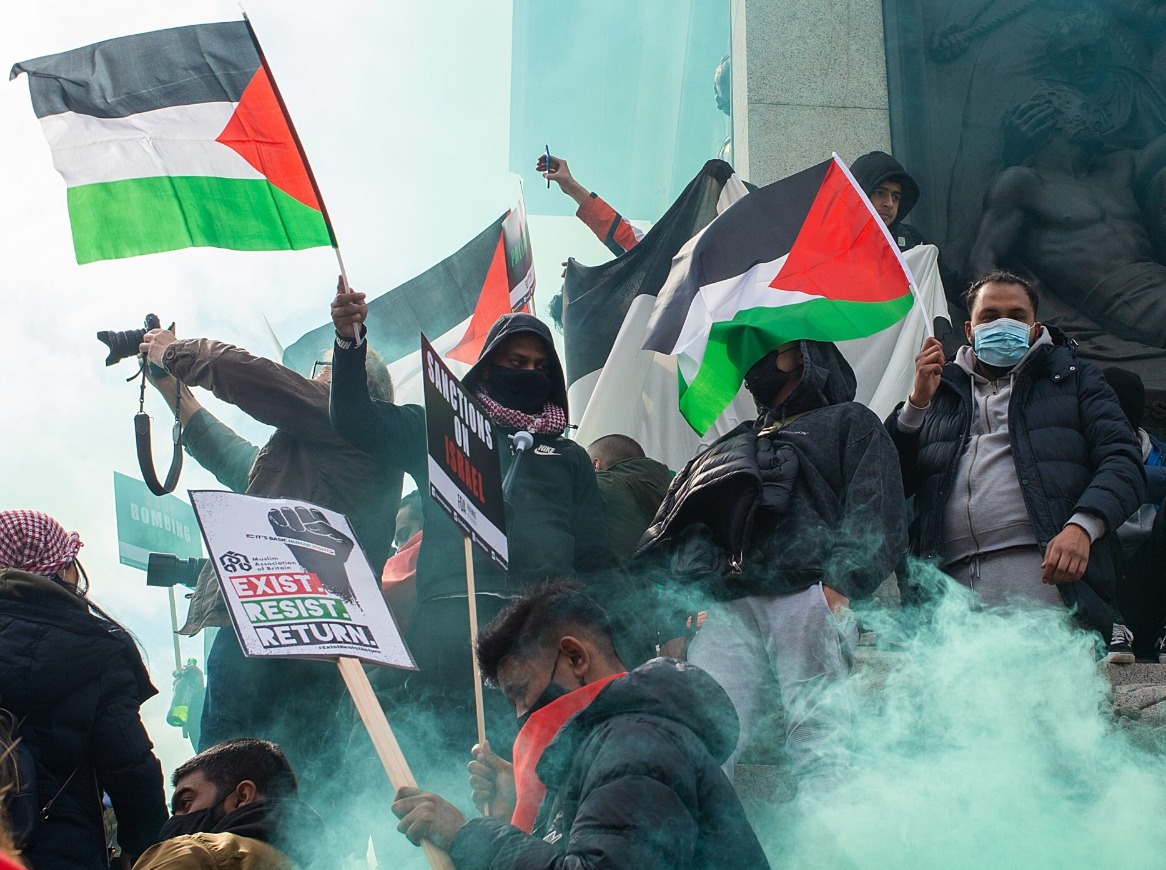
Pro-Palestinian demonstrations outside the Israel vs. Norway match in Oslo | Photo: Reuters
Labeling the threat environment “dispersed and unpredictable,” officials warned that decentralized assailants often focus on soft targets—such as crowded venues, synagogues, community centers, and public gatherings. Geographic flashpoints under intense watch include countries bordering Iran, such as Azerbaijan, Turkey, and the United Arab Emirates, which are highly exposed to Iranian covert operations. Jordan, Qatar, Somaliland, and Egypt—including the Sinai Peninsula—remain under a Level 4 severe travel warning, with the NSC advising citizens to avoid them entirely.
Antisemitism at pro-Palestinian demonstrations | Photo: Shutterstock
Travelers are strictly urged to avoid flight connections and layovers in Level 4 nations, where passengers are prohibited from exiting airport terminal boundaries during transit. Furthermore, the NSC reiterated that Israeli law strictly forbids travel to Iraq (including Iraqi Kurdistan), Yemen, Iran, Syria, and Lebanon—a prohibition applicable to dual citizens. Travel to Saudi Arabia is restricted by law, while non-entry is strongly advised for Bangladesh, Somalia, Pakistan, Afghanistan, Libya, and Algeria.
Alongside the threat matrix, the NSC issued stringent behavioral guidelines for citizens abroad during the holidays:
Conceal overt Israeli and Jewish symbols, including kippahs and Hebrew-lettered apparel.
In Level 3 threat regions, minimize speaking Hebrew in crowded public spaces.
Avoid real-time location tagging and “check-ins” across social media platforms.
Scrub or privatize profile references indicating IDF service—whether active, career, or reserve—to preempt harassment and personal targeting.
Exercise heightened situational awareness in and around Chabad houses, kosher restaurants, and synagogues.
Avoid public demonstrations and refrain from political debates with strangers.
If there is an imminent security threat or physical assault, travelers must immediately notify local emergency services before contacting Israeli consular desks.
El Al planes, Archive | Photo: Shutterstock
The NSC Travel Warning Center operates 24/7 at +972-2-6667444. The Ministry of Foreign Affairs Situation Room is reachable at +972-2-5303155, and via WhatsApp at +972-50-5073969.
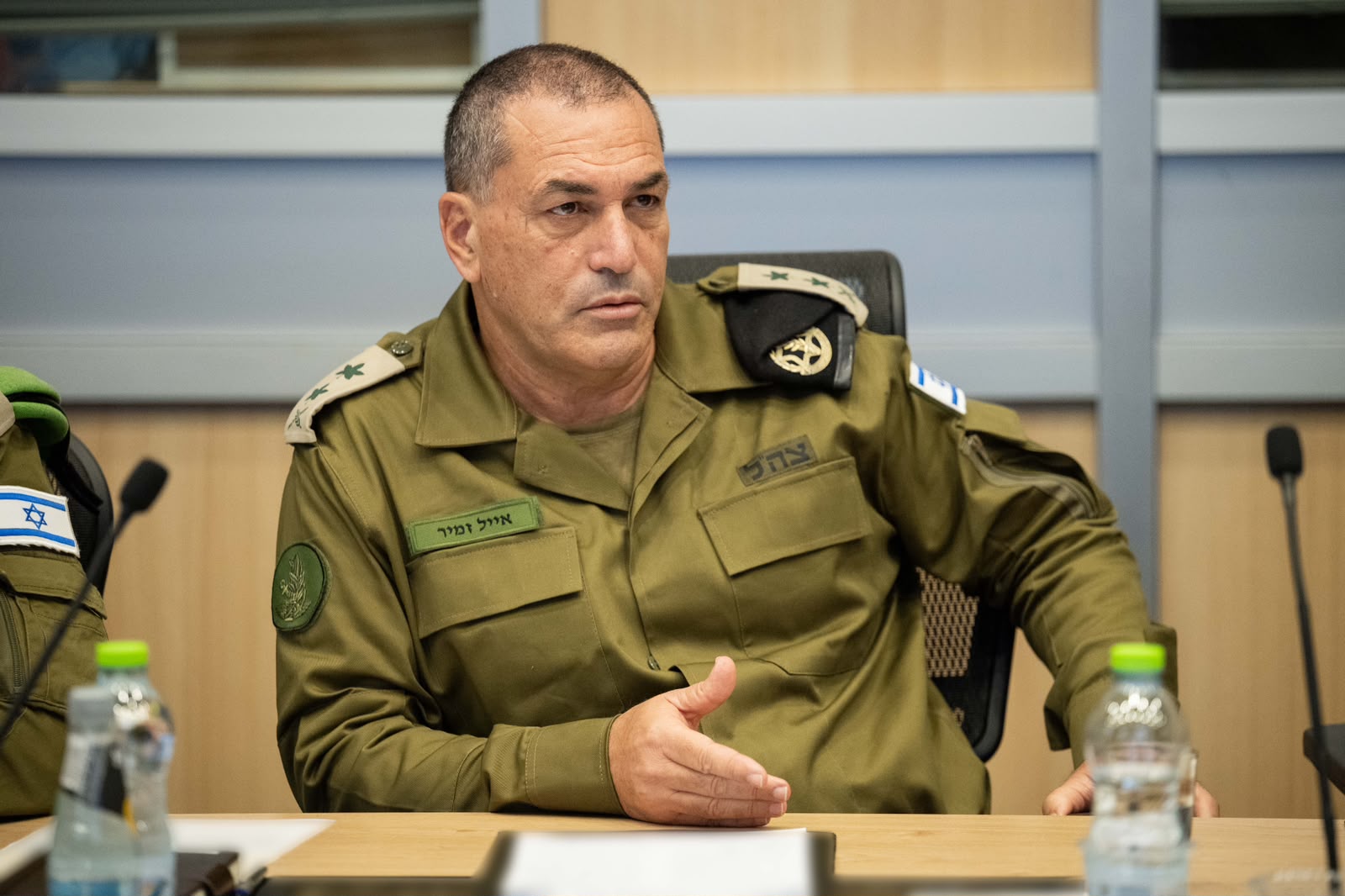
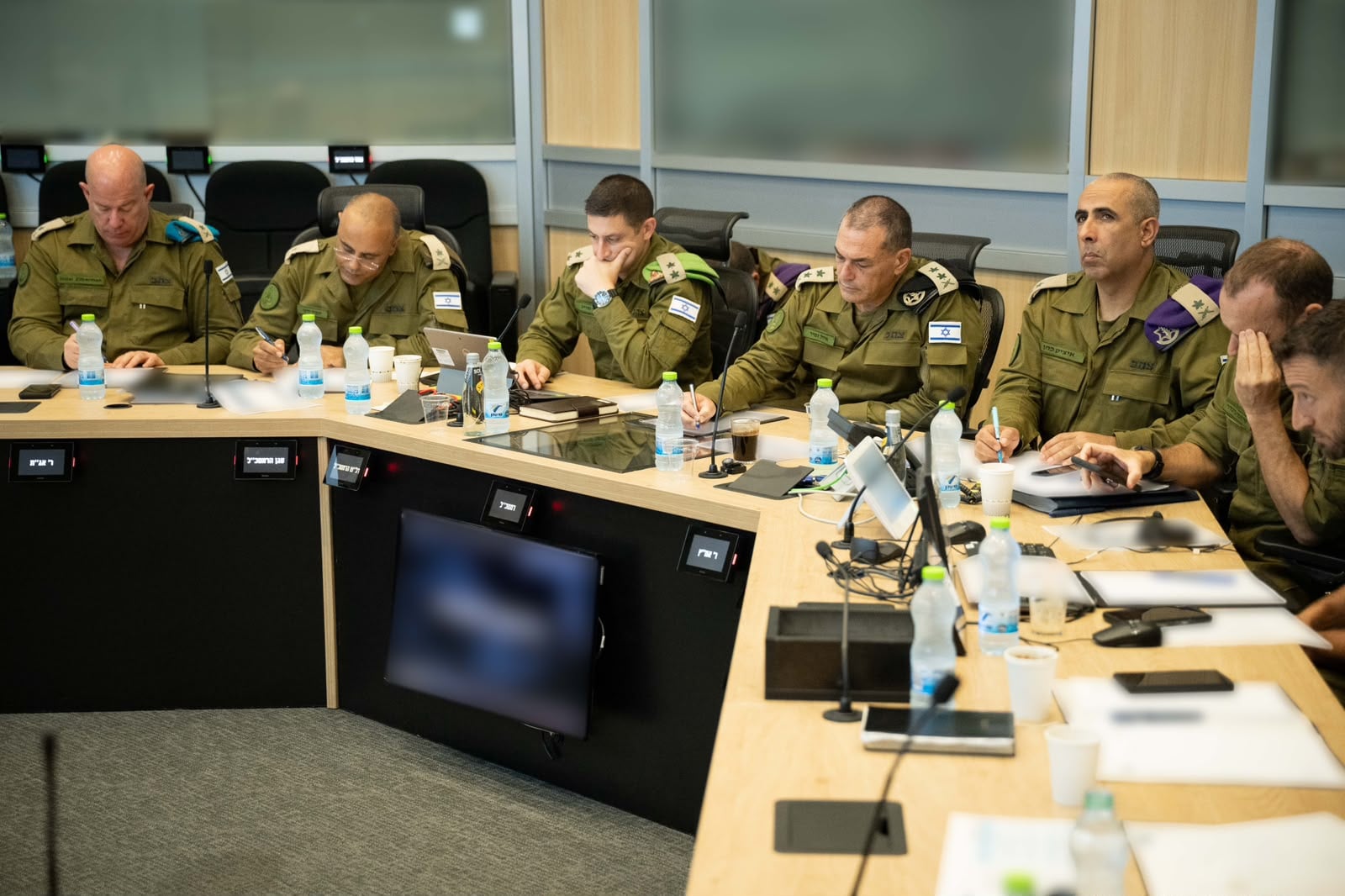
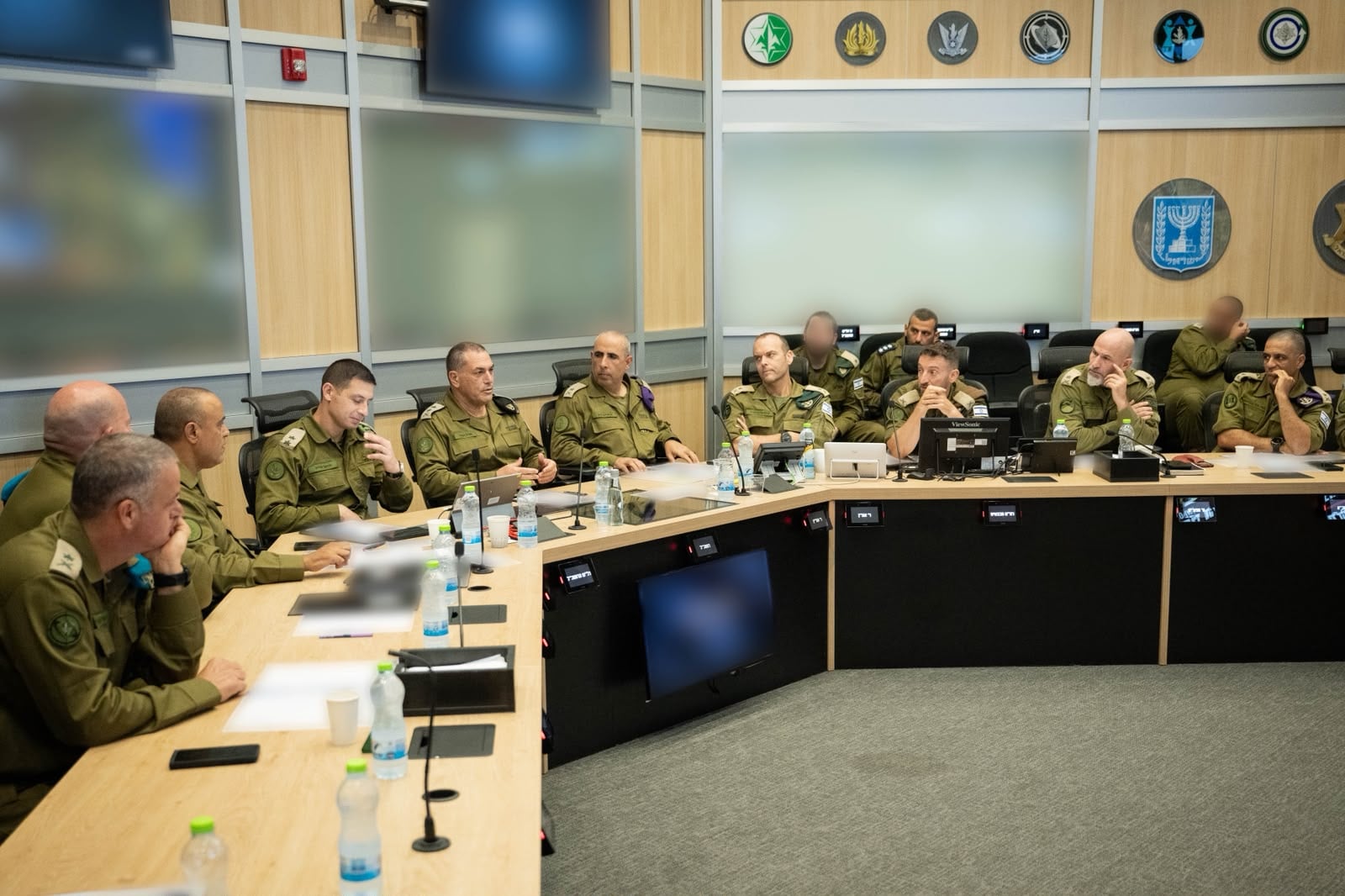
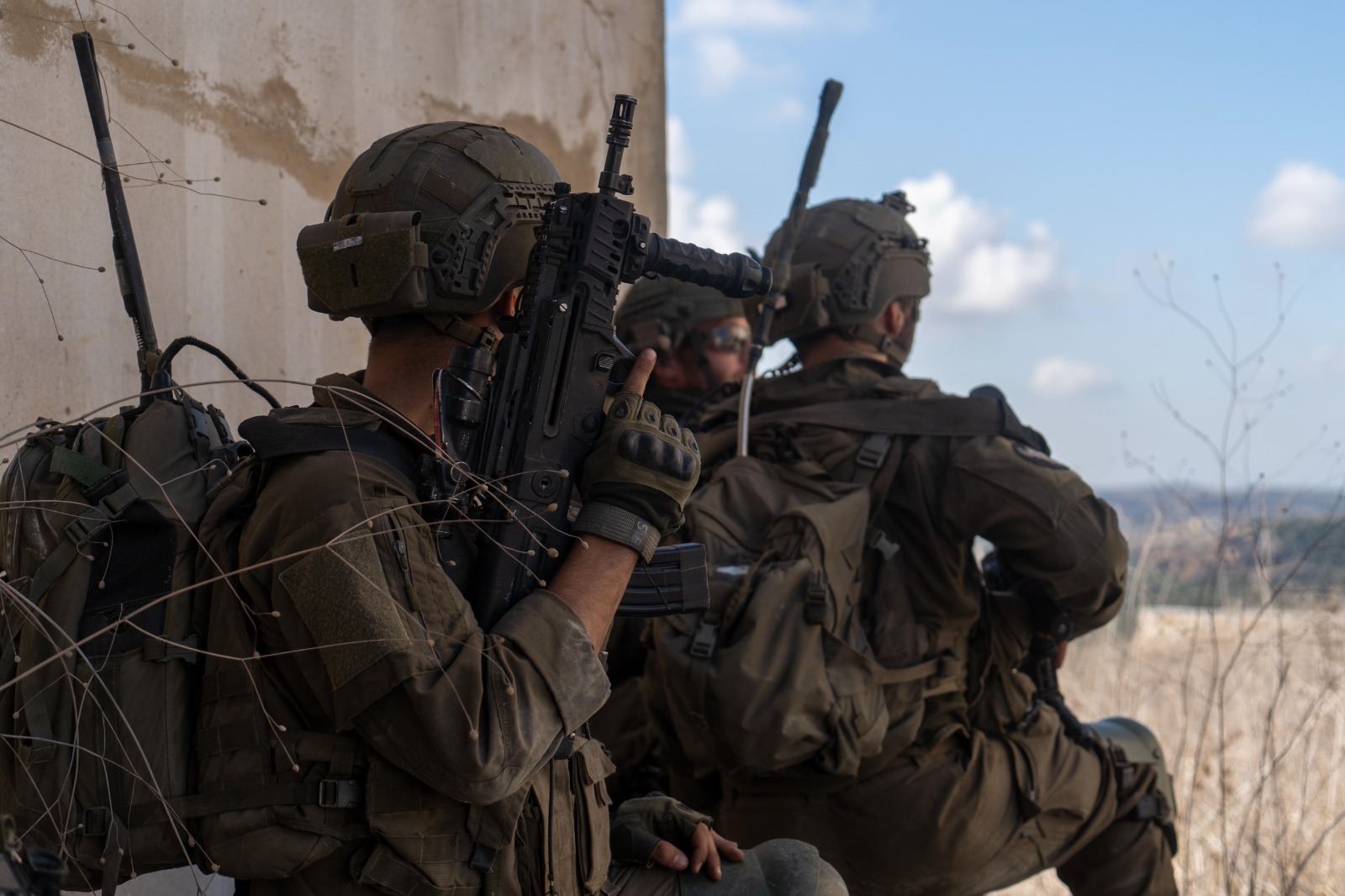
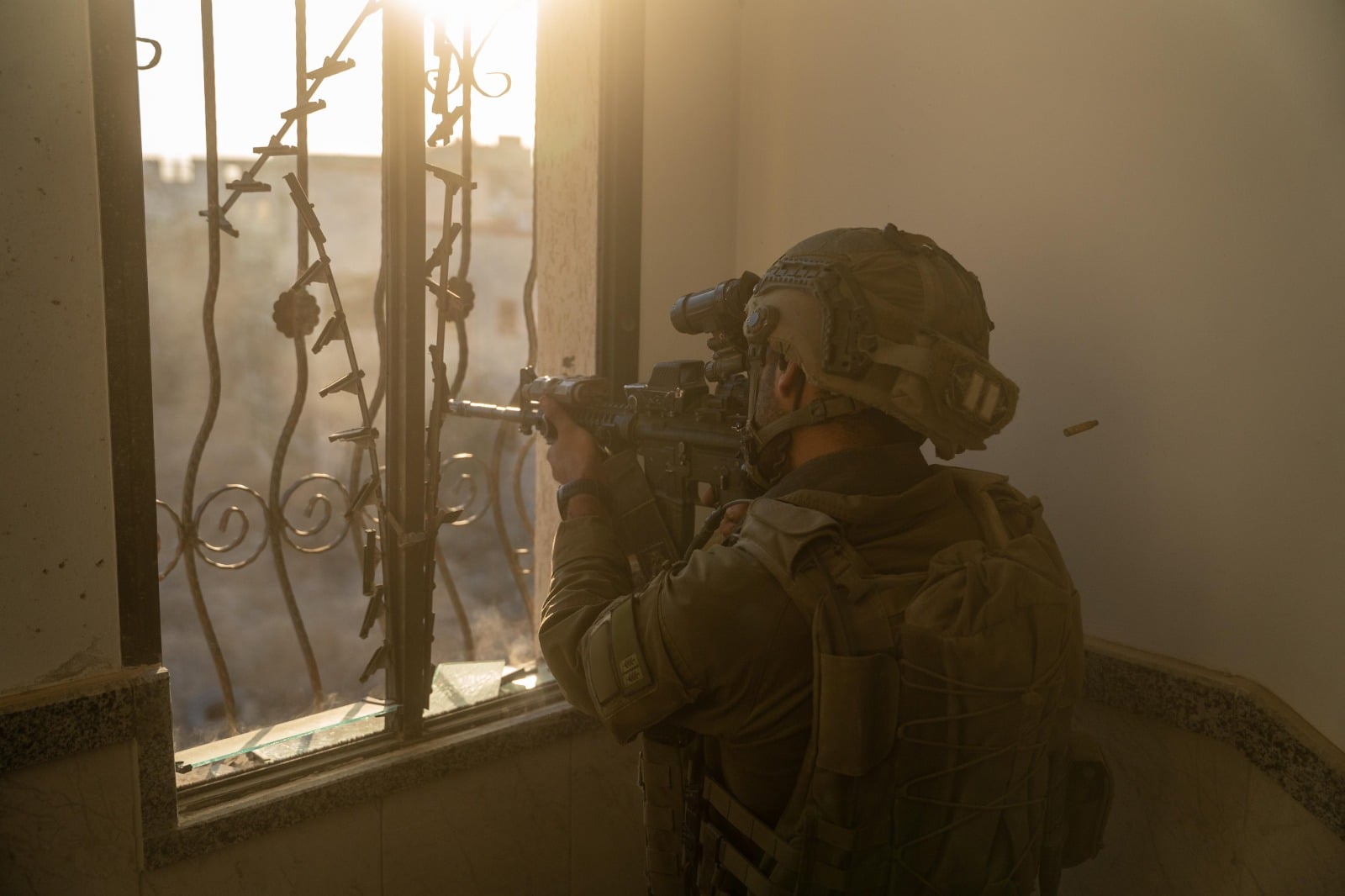
Israeli forces launched a surprise General Staff-level exercise dubbed “Breaking Dawn 2.0” on Sunday morning, as part of comprehensive preparations for the upcoming High Holiday period and against the backdrop of heightened tensions across multiple arenas. The widespread drill is proceeding alongside routine operational activities.
Photo: IDF Spokesperson
As part of the readiness drill, IDF Chief of Staff Lt. Gen. Eyal Zamir held a strategic situational assessment with the General Staff Forum. The exercise evaluated headquarters commands and ground formations on how they handled an erupting, multi-theater war scenario while testing broader operational preparedness for a wide range of combat contingencies.
“We are situated in a tense and volatile period across all fronts, and we are preparing for the upcoming holiday season,” Zamir stated. “The baseline posture of the entire IDF is total readiness for a surprise attack.”
Photo: IDF Spokesperson
The Chief of Staff added that the exercise is designed to rigorously examine operational readiness across all echelons and formations, as well as the validity and relevance of battle orders from General Staff headquarters down to tactical units in the field. Zamir emphasized that the snap maneuvers serve as a critical pillar in bolstering the military’s strategic alertness ahead of the holiday period.
Israeli forces launched precision strikes on Sunday targeting terrorists and military infrastructure belonging to the terror group Hezbollah in southern Lebanon, in direct retaliation for the launch of two explosive drones at IDF troops operating along the Ali al-Taher ridge a day prior. No Israeli casualties were reported in the drone encounter.
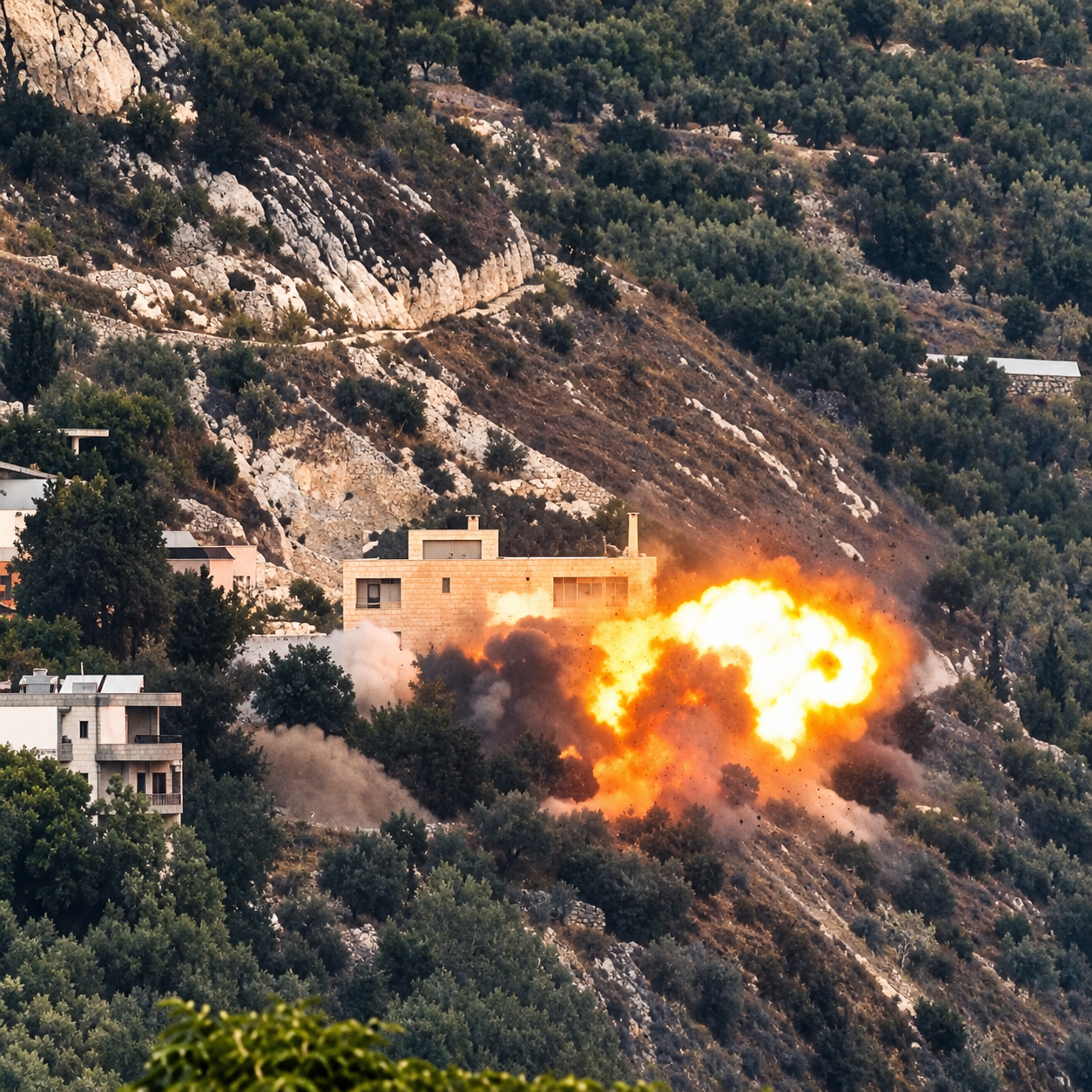
IDF strike in Lebanon, Archive | Photo: Arab social media networks
During the coordinated retaliatory wave, the Israeli Air Force struck weapons storage facilities and military structures used by the terror group Hezbollah to plan, orchestrate, and direct terror plots against IDF combat personnel operating within the southern security zone.
Additionally, Israeli air assets struck an operational command headquarters established by the terror group Hezbollah inside a compound that previously functioned as a hospital in southern Lebanon. According to the IDF, operatives from the terror group Hezbollah had recently converted the decommissioned medical facility into a command hub tasked with conducting intelligence surveillance and coordinating artillery fire against Israeli forces.
Archive | Photo: IDF Spokesperson
The IDF confirmed that the designated targets were struck after intelligence confirmed their active use in facilitating terror attacks against Israeli forces and civilians. Prior to the strikes, stringent mitigation measures were implemented to minimize collateral damage and civilian harm, including the deployment of precision-guided munitions and real-time aerial surveillance. Military officials made clear that Israeli forces will maintain active operational freedom across the Ali al-Taher ridge and will not permit the terror group Hezbollah to organize, advance, or execute terror offensives against operating troops.
Israeli security forces thwarted an active terror cell on Sunday in Samaria, apprehending ten terrorists affiliated with the Hamas terror organization. Elite operators from the Yamam National Counter-Terrorism Unit, the Duvdevan undercover commando unit, and infantry forces from the Paratroopers’ 890th Battalion and the Nahal Brigade’s 50th Battalion carried out the targeted counter-terrorism operation.
Photo: Flash90
During the coordinated sweep, forces apprehended all ten cell members. Search teams uncovered a significant cache of weaponry in their possession, including an M-16 assault rifle and explosive precursors used to fabricate improvised explosive devices (IEDs). Alongside these weapons, forces seized an exceptionally rare and alarming find within the Judea and Samaria operational sector: a combat rocket. The seizure of high-trajectory rocketry carries acute security significance against the backdrop of persistent efforts in recent years by terror elements to manufacture and deploy rocket launch capabilities from within Judea and Samaria.
In September 2025, the Shin Bet, IDF, and Yamam dismantled a cell near Ramallah that had manufactured and attempted to test-launch an improvised rocket from the village of Ni’ma in the Binyamin region. Sunday’s bust marks the latest in a systematic campaign dismantling Hamas terror infrastructure across Judea and Samaria. In March, another 10-man Hamas terror cell was eliminated in the Samarian village of Beita.
Israeli forces operating in Judea and Samaria | Photo: IDF Spokesperson
According to the Shin Bet, that cell had operated for approximately two years, executing shooting attacks and detonating roadside IEDs against IDF patrols, while actively plotting catastrophic mass-casualty attacks—including the planned abduction of a local Jewish resident. The cell was caught with M-16 assault rifles, high explosives, and remotely detonated ordnance.
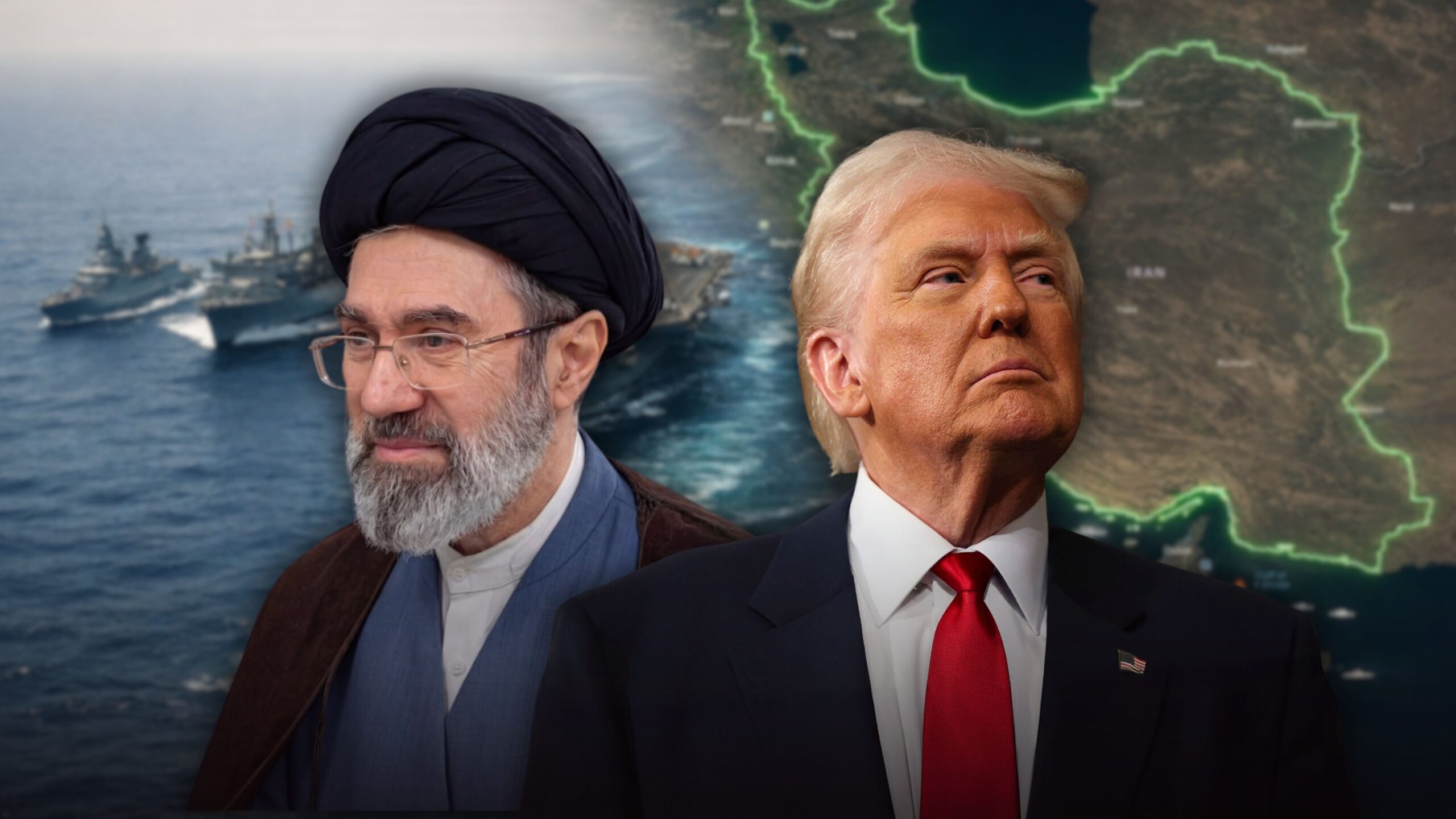
Tensions in the Persian Gulf escalated dramatically over the weekend after the Iranian regime warned that it would intensify attacks against American warships if Washington maintains its maritime blockade on Iranian ports. Officials in Tehran further declared that the scope of their retaliatory strikes would widen should the United States continue what they termed “harassment” of Iranian vessels.
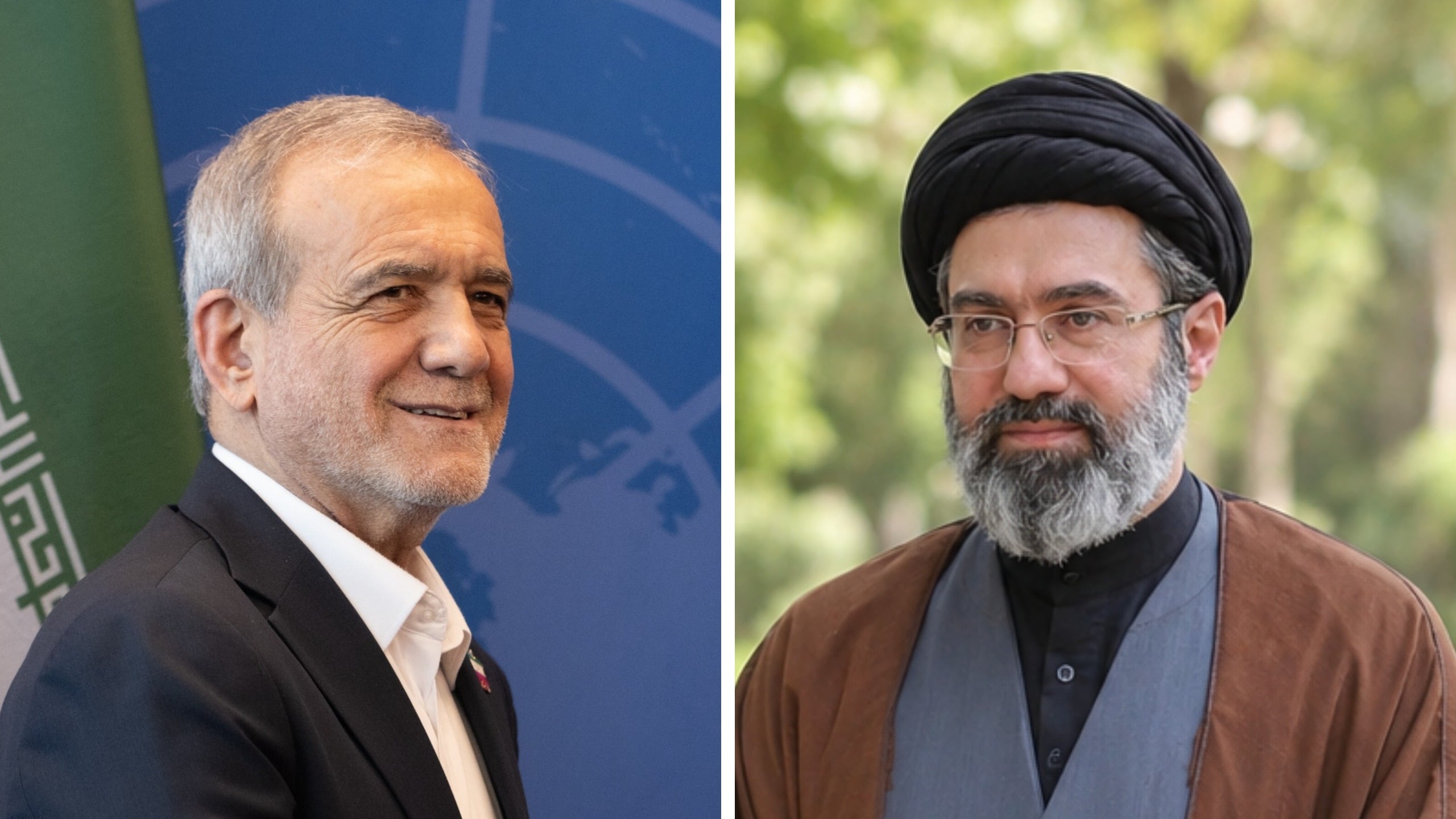
President Pezeshkian and Mojtaba Khamenei | Photo: Shutterstock
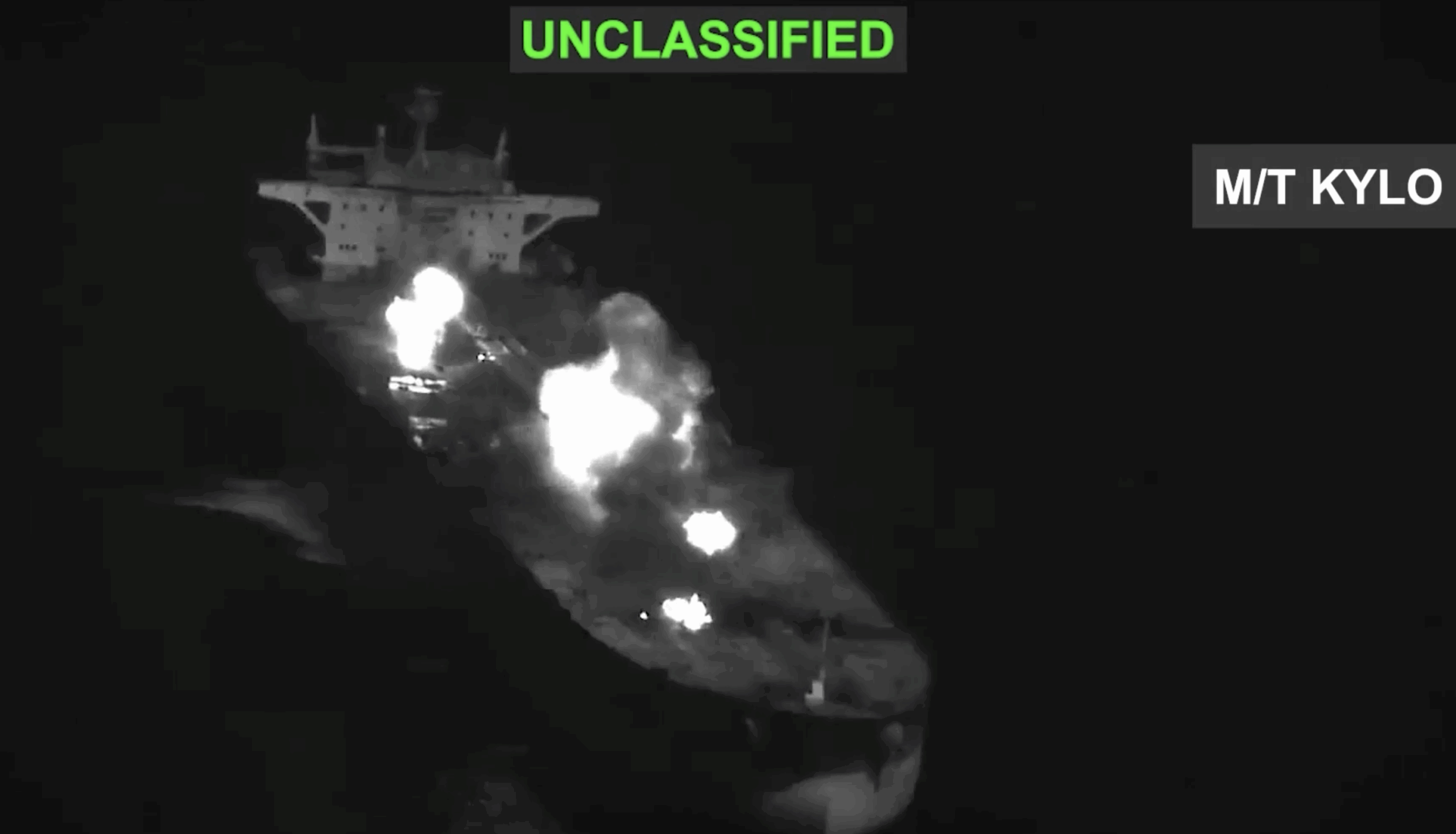
The Iranian ultimatum followed a sweeping kinetic operation announced by U.S. Central Command (CENTCOM), which neutralized three Iranian oil tankers in the strategic Strait of Hormuz. According to CENTCOM, the precision strikes were executed in direct response to the Islamic Revolutionary Guard Corps (IRGC) launching ballistic missiles targeting two U.S. Navy warships conducting territorial security patrols in the waterway. The American vessels suffered no damage, and no U.S. casualties were reported.
CENTCOM confirmed that naval and air assets permanently disabled the tankers Dony, Starck 1, and Kilo. Washington identified the three vessels as core operational assets within the IRGC’s clandestine “shadow fleet,” utilized to smuggle crude to finance terrorist proxies and IRGC operations across the Middle East. U.S. defense officials emphasized that the strikes were executed only after ship crews were afforded ample opportunity to evacuate safely.
Strike on Iranian Tankers in the Strait of Hormuz | Photo: CENTCOM
Commander of CENTCOM, Admiral Brad Cooper, made clear that the strikes were intended to deliver an unmistakable deterrent signal to Tehran: any Iranian attempt to target American service members will exact an immediate, crippling economic toll, and Washington will not hesitate to dismantle Iran’s illicit maritime infrastructure.
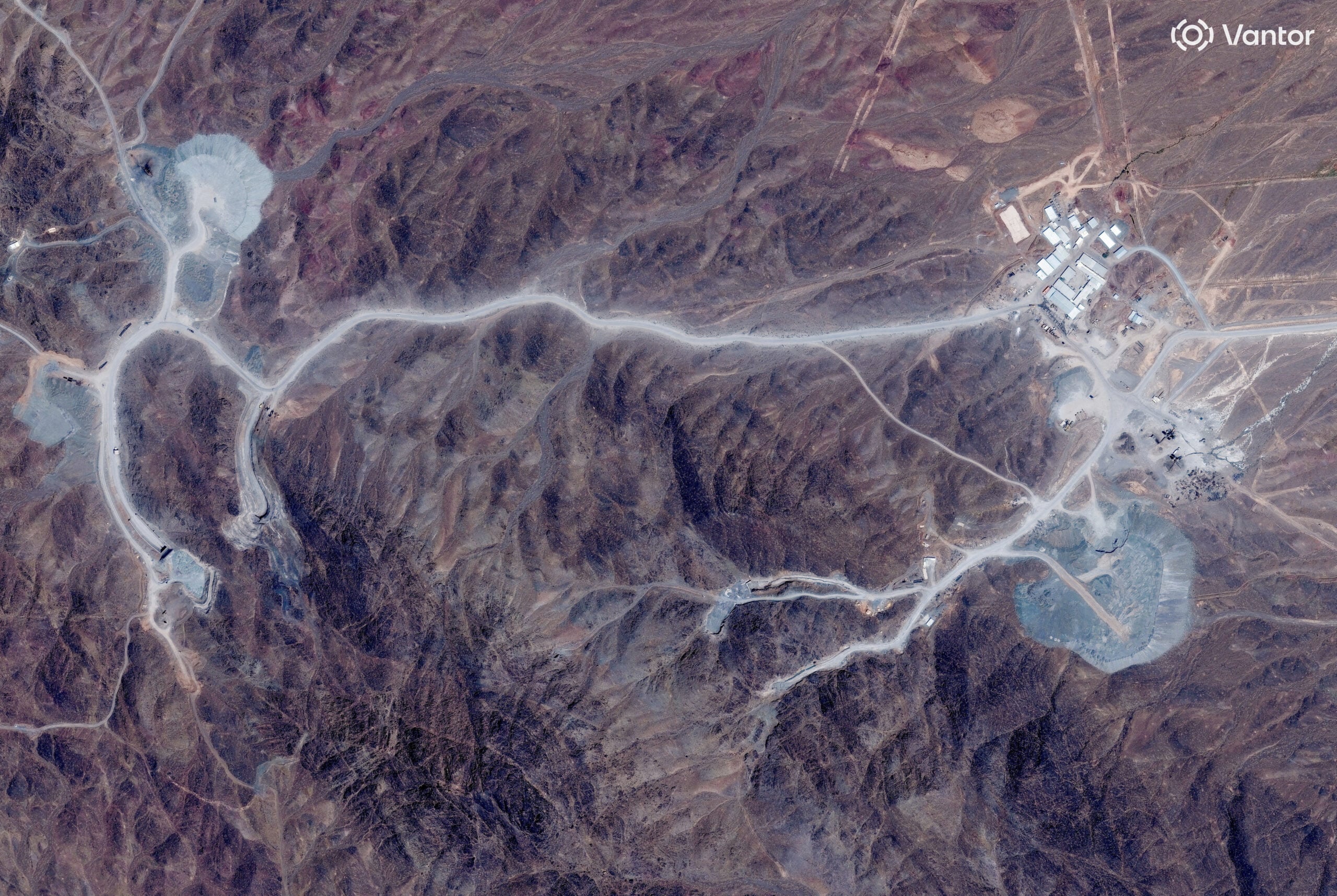
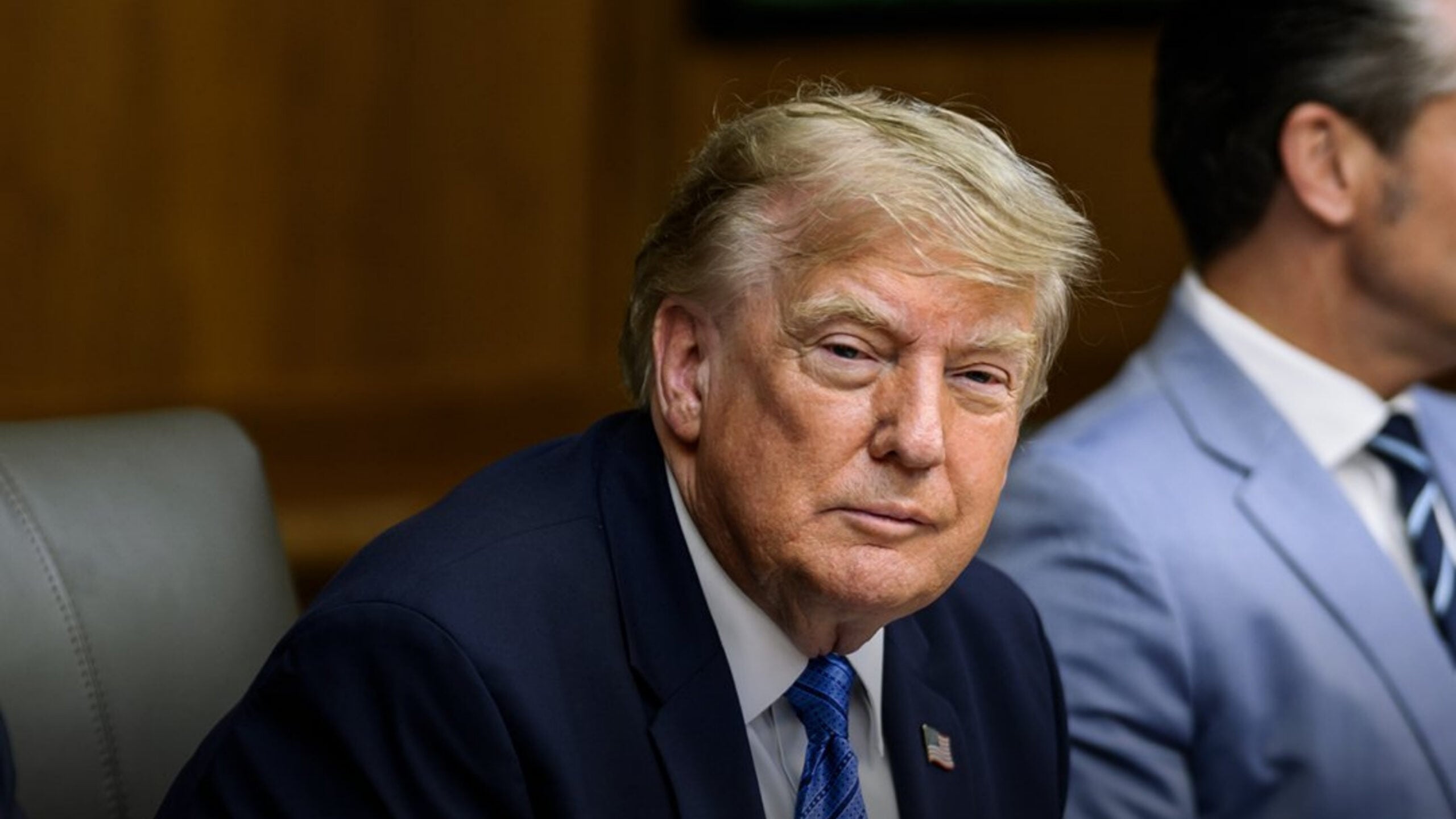
The military escalation followed sharp warnings from U.S. President Donald Trump over the weekend, who cautioned that Washington is actively preparing to hit the heavily fortified subterranean complex known as “Pickaxe Mountain” (Kuh-e Kolang). “We may hit Pickaxe Mountain very soon, because if something is going on there, we will not let it happen,” Trump warned, reiterating that the United States will never permit the Iranian regime to attain nuclear weapons breakout capability.
Pickaxe Mountain in Iran | Photo: Vantor/Handout via REUTERS
Trump downplayed the broader strategic footprint of the conflict, framing it not as an all-out war, but as an affordable, periodic skirmish: “I don’t call this a war; it’s a military conflict. It’s no big deal; it’s chump change for us. We carry out intermittent strikes—it’s not a war.”
The President contrasted the current low casualty figures—citing 18 casualties—with the heavy toll of historical conflicts like Vietnam, while insisting Washington will relentlessly counter any threat to its personnel. The fortified installation in question, dug deep adjacent to the Natanz nuclear site, was engineered into mountain rock as a bomb-proof substitute for the centrifuge assembly hall destroyed in a 2020 blast. According to U.S. media reports, the complex remains under 24/7 granular surveillance by Israeli and American intelligence.
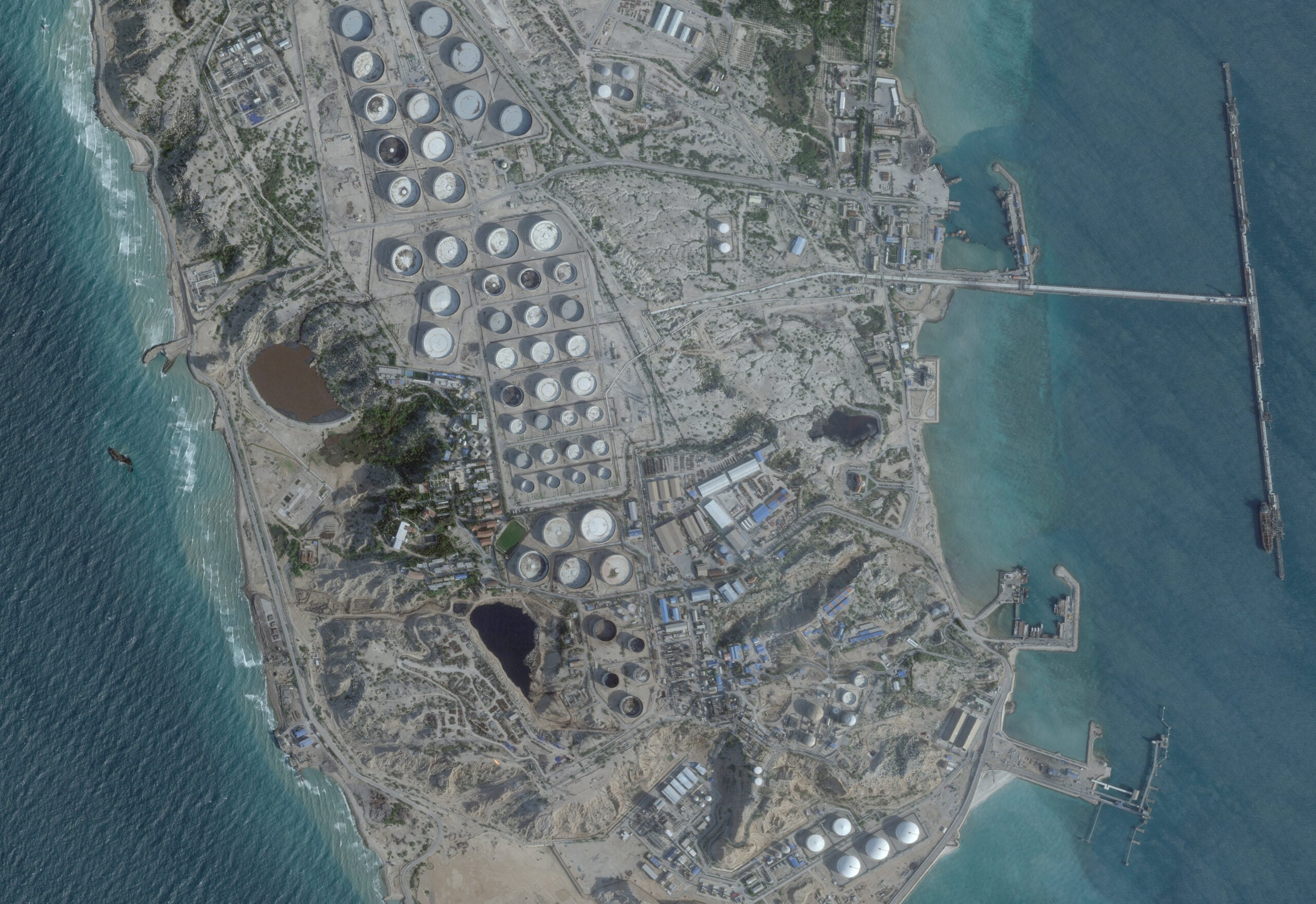
Kharg Island | Photo: Planet Labs PBC/Handout via REUTERS
The dramatic weekend clash capped off hours of rolling confusion that began with blasts around Kharg Island, the Islamic Republic’s primary oil export hub. Iranian outlets reported that an oil tanker took four direct hits while berthed, with the crew evacuated and no casualties sustained. While state media initially withheld mention of the two other targeted tankers, reports also surfaced of a fuel truck exploding on a highway in western Iran, killing ten people.
Although local officials blamed mechanical brake failure, regional observers suspect covert sabotage. The flare-up follows weeks of compounding military action in the Strait of Hormuz. Earlier in the week, U.S. forces struck military installations on Larak Island after detecting preparations by Iranian forces to deploy naval mines against American commercial tanker escort routes. Tehran answered by launching suicide drones and missiles against Washington’s Gulf allies, prompting a widespread American response against dozens of targets across southern Iran and Hormuz.
U.S. President Donald Trump | Photo: The White House
According to a New York Times report citing U.S. intelligence assessments, Tehran is digging in for an extended confrontation designed to run at least through the U.S. midterm elections in November. The regime calculates that sustained military friction and shipping disruptions could amplify political pressures on the Trump administration—leaving the door wide open for further escalations across the Gulf.
Within the comprehensive overseas travel advisory released by Israel’s National Security Council (NSC) ahead of the Tishrei High Holidays, intelligence officials have singled out one specific date as carrying extreme operational sensitivity: October 7, marking the third anniversary of the Hamas terror massacre.
Flight | Photo: Shutterstock
The NSC assesses that this symbolic milestone threatens to catalyze intensified anti-Israel hostility worldwide. Beyond the large-scale demonstrations and anti-Israel protests expected across global capitals, intelligence agencies warn of a heightened risk that gatherings could deteriorate into mob violence. The warning extends far beyond civil unrest. In its threat matrix, the NSC explicitly cautions that the anniversary window will likely witness “heightened efforts to execute terror attacks” targeting Israeli and Jewish assets abroad.
The assessment stems from a sharp spike in operational motivation to target Israelis since the outbreak of the war, compounded by rampant radicalization in global anti-Israel discourse. Security officials issue an urgent alert regarding the threat posed by lone-wolf terrorists, who operate outside organized command structures and are notoriously difficult for counter-terrorism agencies to detect and preempt.
Photo: Shutterstock
Accessible “soft targets” and popular Israeli travel hubs represent the primary vulnerabilities during this festive season. Specifically, the NSC highlights crowded public events, major transit centers, synagogues, and Jewish communal institutions as sites requiring stringent personal vigilance. The heightened threat around October 7 compounds ongoing operational plots orchestrated by Iran, Hezbollah, Hamas, and global jihadi networks targeting Israelis worldwide. However, the NSC designates the anniversary as a critical focal point that could trigger acute escalations. In light of these persistent threats, Israelis abroad during the High Holidays are instructed to maintain high situational awareness, steer clear of protests and friction points, and refrain from publishing real-time geographic locations or personal military affiliations across social media platforms.
Israeli forces initiated a coordinated wave of strikes across southern Lebanon on Sunday morning after terrorists from the terror group Hezbollah launched two explosive-laden drones targeting troops operating inside the southern security zone. Israeli combat soldiers engaged the incoming threats with small-arms fire, successfully intercepting one of the uncrewed aerial vehicles. No injuries or damage were reported among Israeli forces during the encounter.
Video: Arab media
The IDF characterized the attack as a “blatant violation” by the terror group Hezbollah. In immediate response, ground and air assets began striking designated targets throughout southern Lebanon. Military intelligence assesses that the terror group Hezbollah launched the explosive drones in a calculated bid to disrupt or stall ongoing IDF counter-terror operations aimed at dismantling terror infrastructure along the strategic Ali al-Taher ridge.
Simultaneously, Arab media reports indicated that an Israeli aircraft targeted a motorcycle in the Nabatieh al-Fawqa sector of southern Lebanon. Additional airstrikes reportedly hit a military structure in the village of Arab Salim.
Video: Arab media
Ahead of the precision strike in Arab Salim, the IDF’s Arabic-language spokesperson, Lt. Col. Ella Waweya, issued an urgent, localized evacuation warning to residents in the immediate vicinity. The statement made clear that following the hostile drone launch against IDF personnel, the military was “compelled to act decisively” against an installation operated by the terror group Hezbollah embedded in the civilian sector.
The IDF warned civilians inside the marked target and adjacent buildings to evacuate immediately and maintain a safety perimeter of at least 300 meters, cautioning that remaining in the area posed an immediate danger to their lives.
The orchestrated campaign against Jewish residents in Judea and Samaria has reached a new peak of cynicism, with illegal aliens in the United States attempting to leverage anti-Israel smears targeting Judea and Samaria to evade American law enforcement.
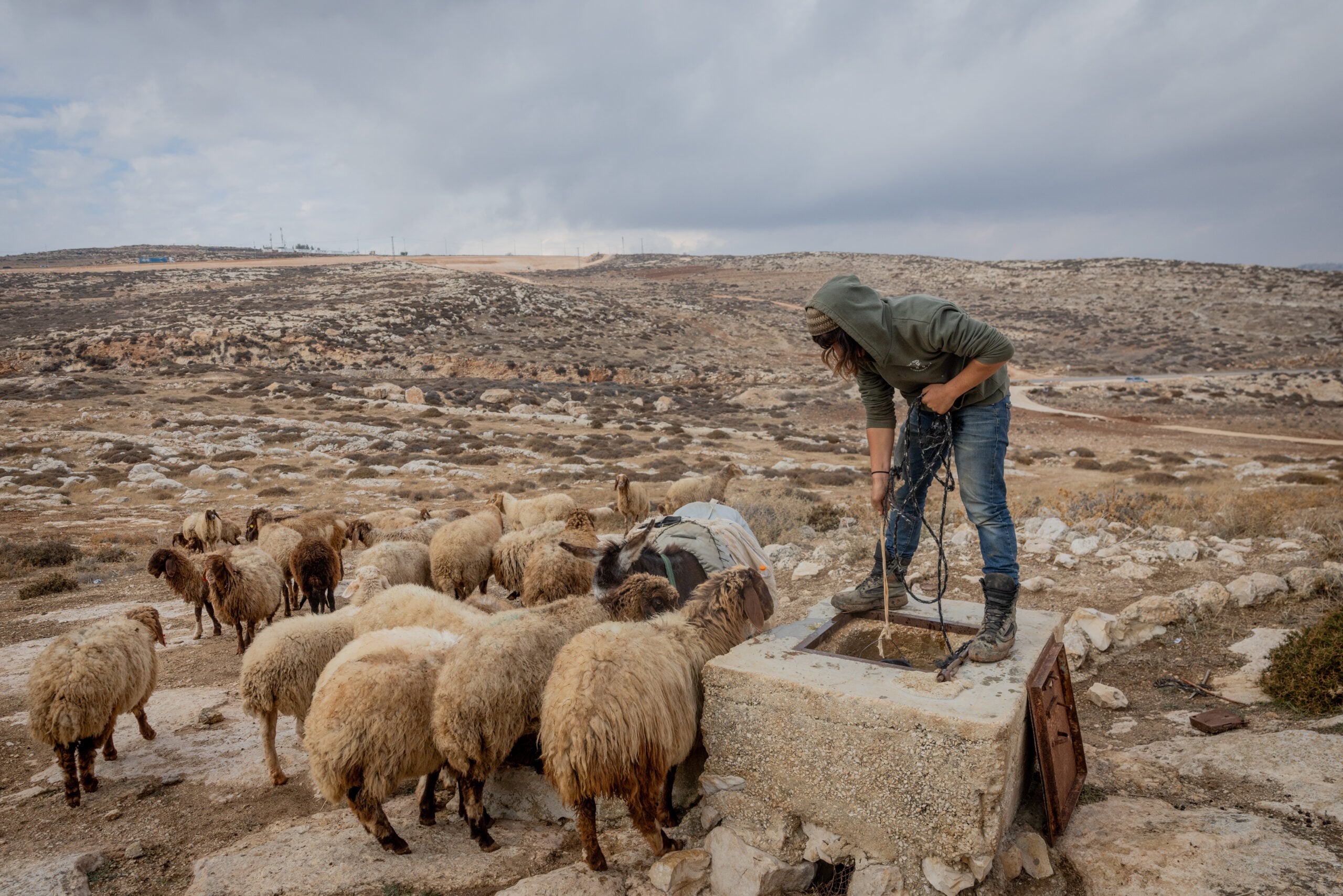
Jewish shepherd in Judea and Samaria | Photo: Chaim Goldberg, Flash90
Tareq Zakarneh, a 44-year-old Arab who entered the United States unlawfully and has resided there illegally for the past 13 years, faces immediate deportation scheduled for this coming Wednesday by U.S. Immigration and Customs Enforcement (ICE). Zakarneh was arrested over two years ago after a U.S. federal court ruled conclusively that he exploited an American citizen and entered into a fraudulent sham marriage solely to secure legal immigration status.
Now, at the eleventh hour, his defense attorneys are attempting to derail the lawful deportation order by advancing a recycled, baseless claim: arguing that if repatriated to Judea and Samaria, he could face alleged “settler violence” as well as “torture and harassment” under IDF jurisdiction.
Photo: Chaim Goldberg, Flash90
The tactic represents a transparent evasion maneuver: weaponizing false claims of violence in Judea and Samaria to obtain fraudulent political asylum. ICE authorities made clear that Washington has secured authorization to transfer him directly to Judea and Samaria, and the deportation protocol requires no transfer into Israeli detention custody.
U.S. immigration authorities remain unmoved by the blatant attempt to demonize the Jewish pioneer movement and the IDF, confirming that all due process legal avenues have been fully exhausted and the deportation order to Judea and Samaria stands. Leaders across the Judea and Samaria movement noted that the case provides a textbook illustration of how foreign lawbreakers and fugitives cynically co-opt international blood libels against Jewish residents for personal gain.
Under a gag order in Israel but making headlines in Moscow: As prosecutors filed charges today against an Israeli citizen for operating on behalf of a foreign intelligence service whose identity remains classified, Russian media report the suspect is historian Artyom Kirpichonok, who was reported “missing” since landing at Ben Gurion Airport in early August. Kirpichonok had moved to Russia in recent years and was known for his extreme anti-Israeli positions.
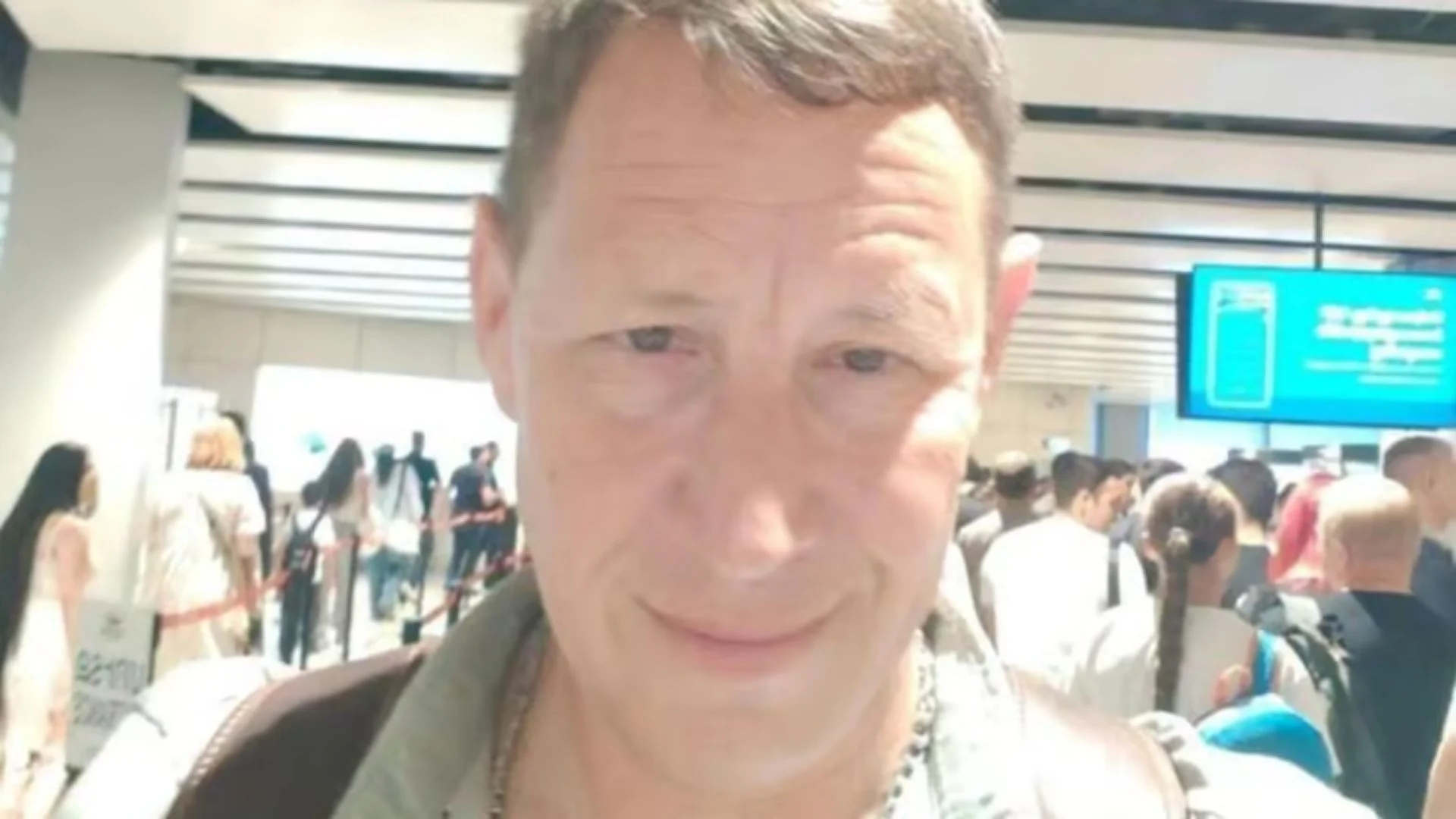
Screenshot, Social Networks
The name of Artyom Kirpichonok, the historian and writer reported missing in Russia early last month after landing in Israel, was linked today (Friday) in foreign reports to the serious security case whose details were partially cleared for publication. Russian and international media reported that the indictment filed today against an Israeli citizen for operating on behalf of foreign intelligence refers to Kirpichonok, who landed in Israel on August 2 and has been out of contact since.
According to reports on the Meduza website and other Russian media outlets, Kirpichonok was arrested in early August immediately upon landing at the airport by Shin Bet investigators on suspicion of maintaining ties with a foreign agent and espionage offenses. The case sparked an uproar in Moscow early this month, when his friends and human rights activists published calls for help locating him and even claimed that the Russian embassy in Israel contacted authorities in an attempt to clarify the circumstances of his mysterious disappearance at Ben Gurion.
Illustration | Photo: Shutterstock
Kirpichonok, 51, is a dual Russian-Israeli citizen who lived in Israel for about 15 years, served in the IDF and studied at Hebrew University, but returned to Russia in recent years and was known for his sharp anti-Israeli positions published on social media. According to overseas reports, since arriving in Israel he has been held in detention without contact with the outside world, until the indictment was filed today by the Central District Attorney’s Office.