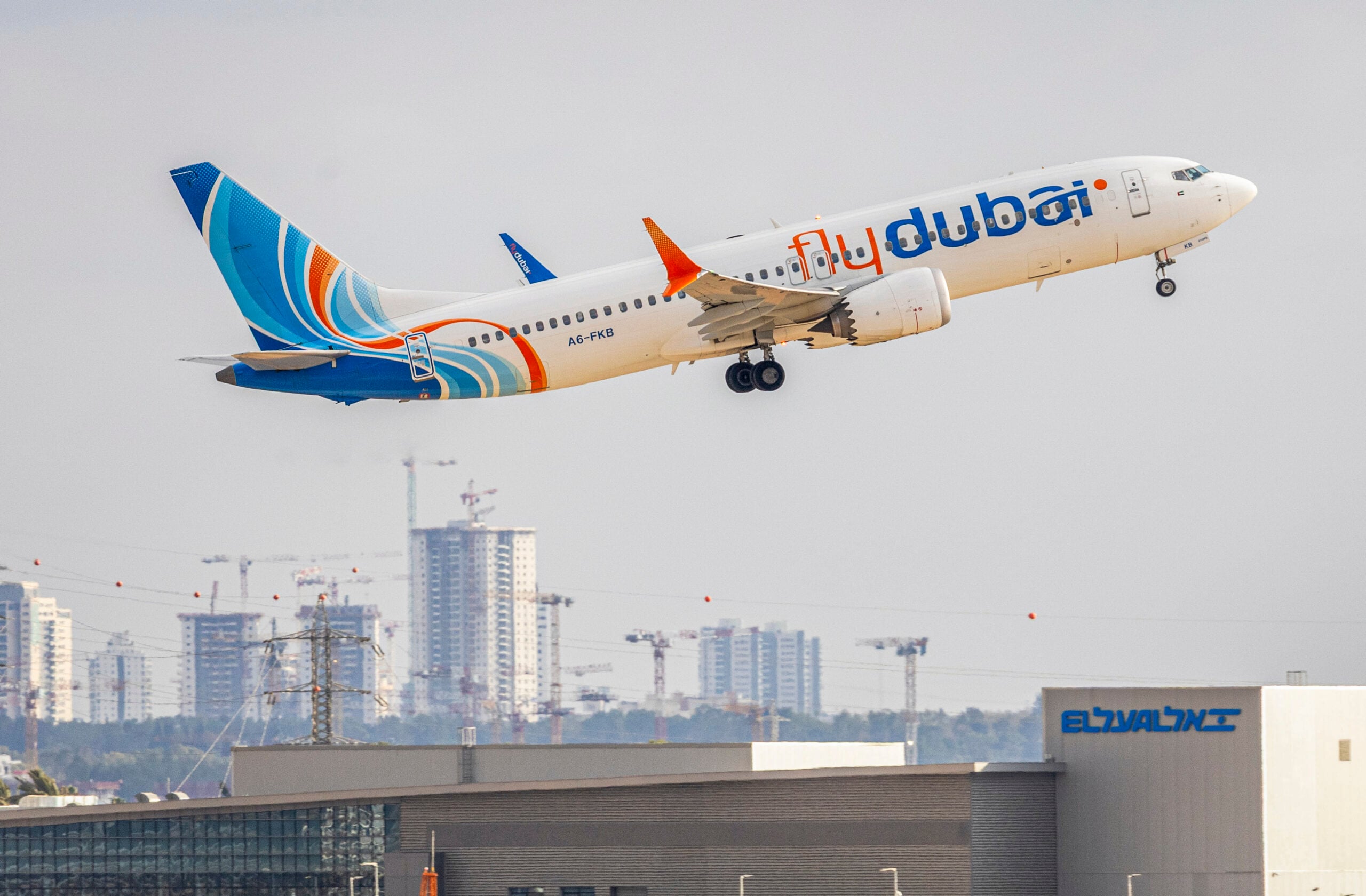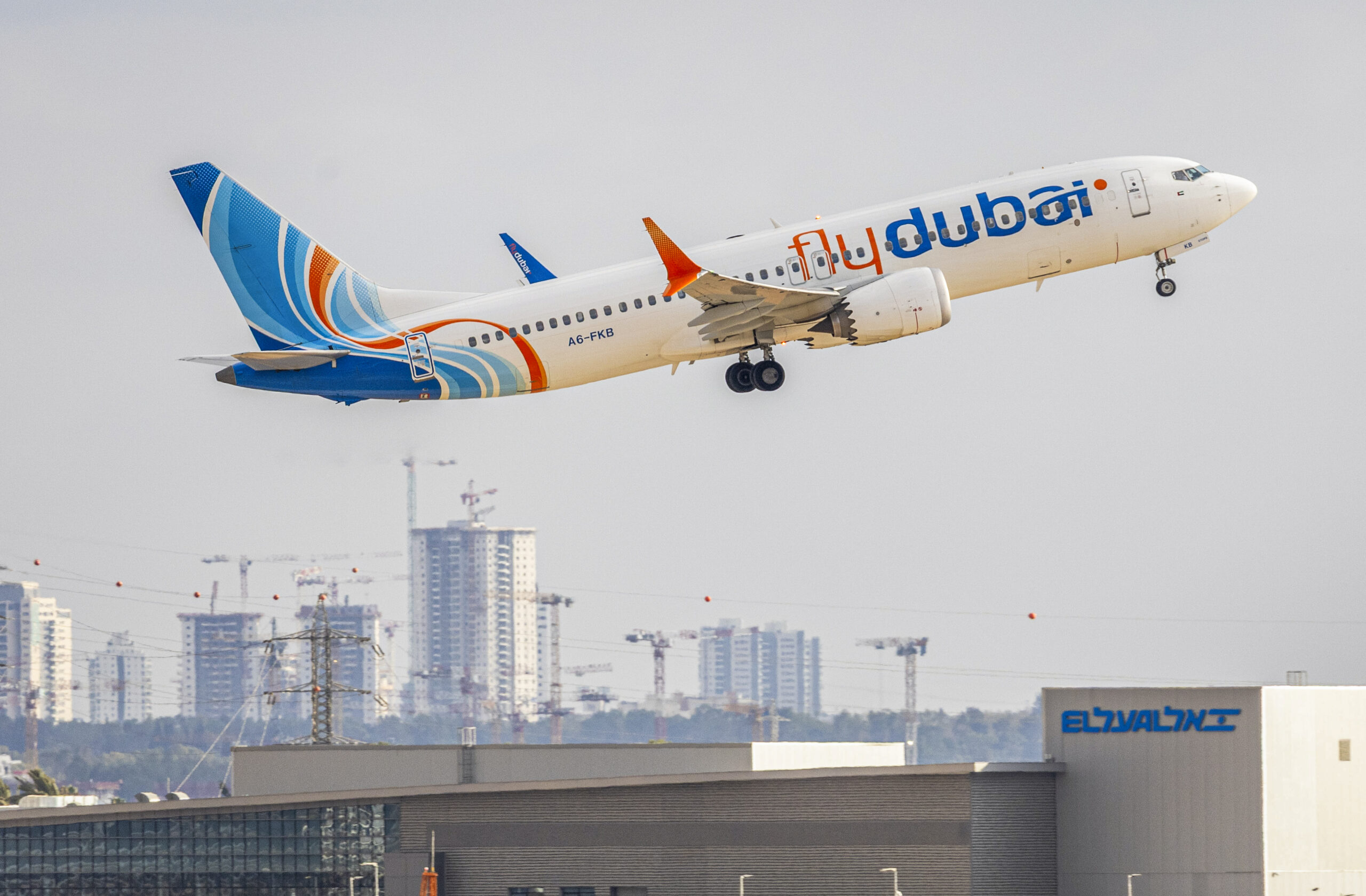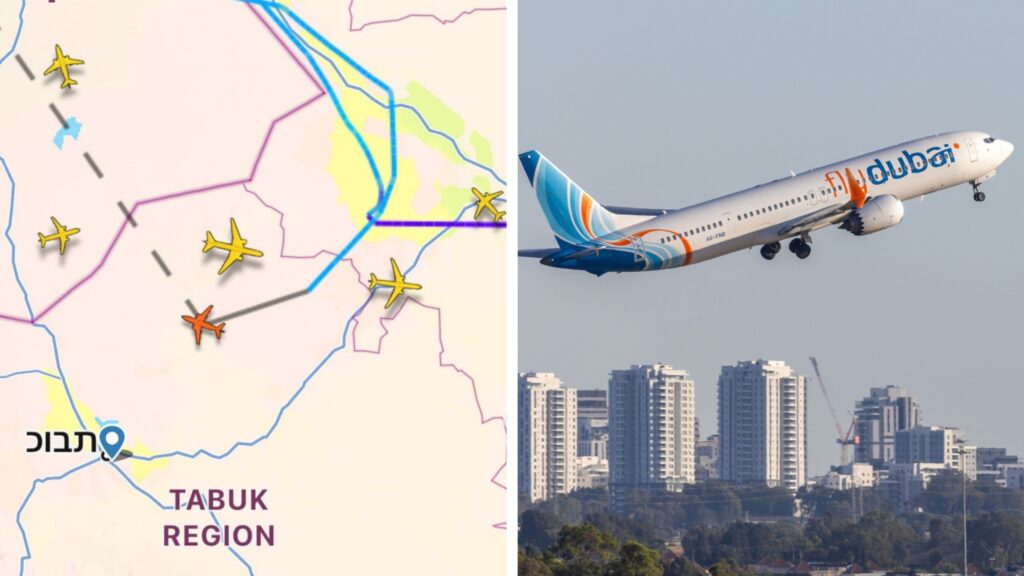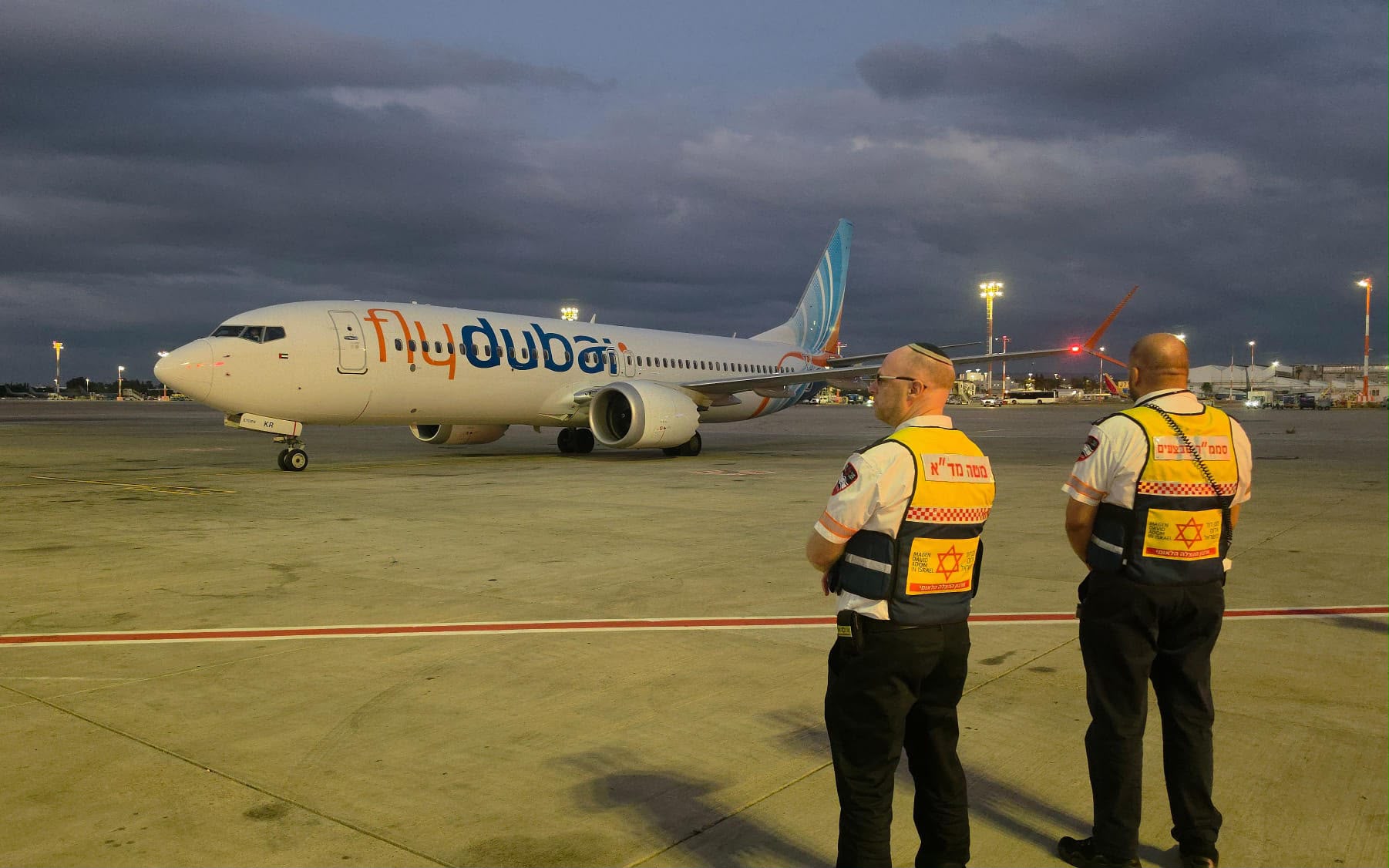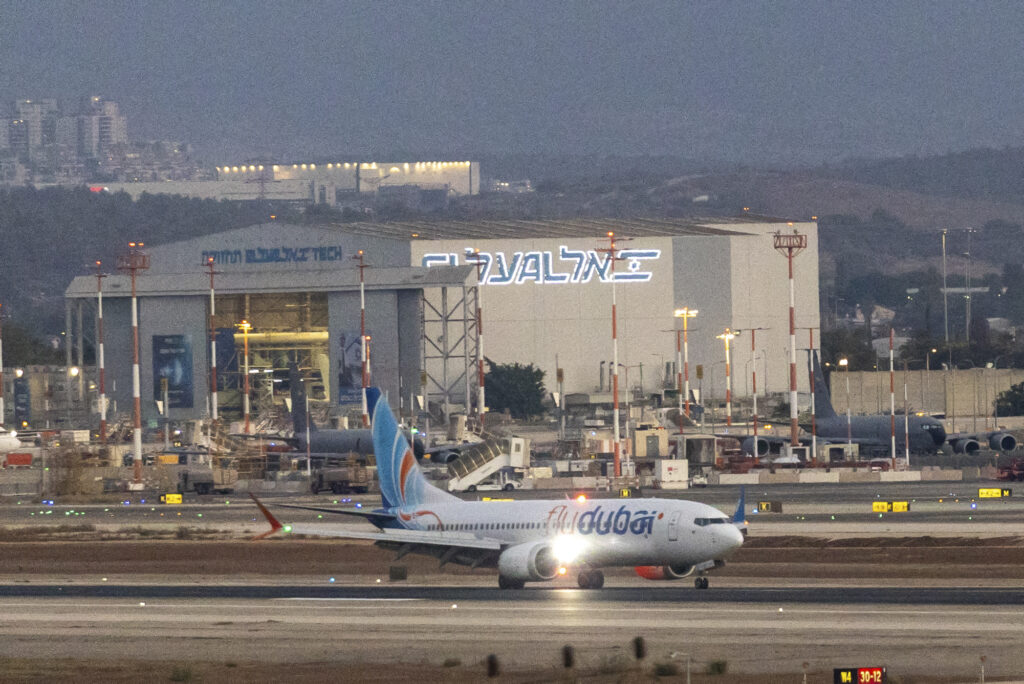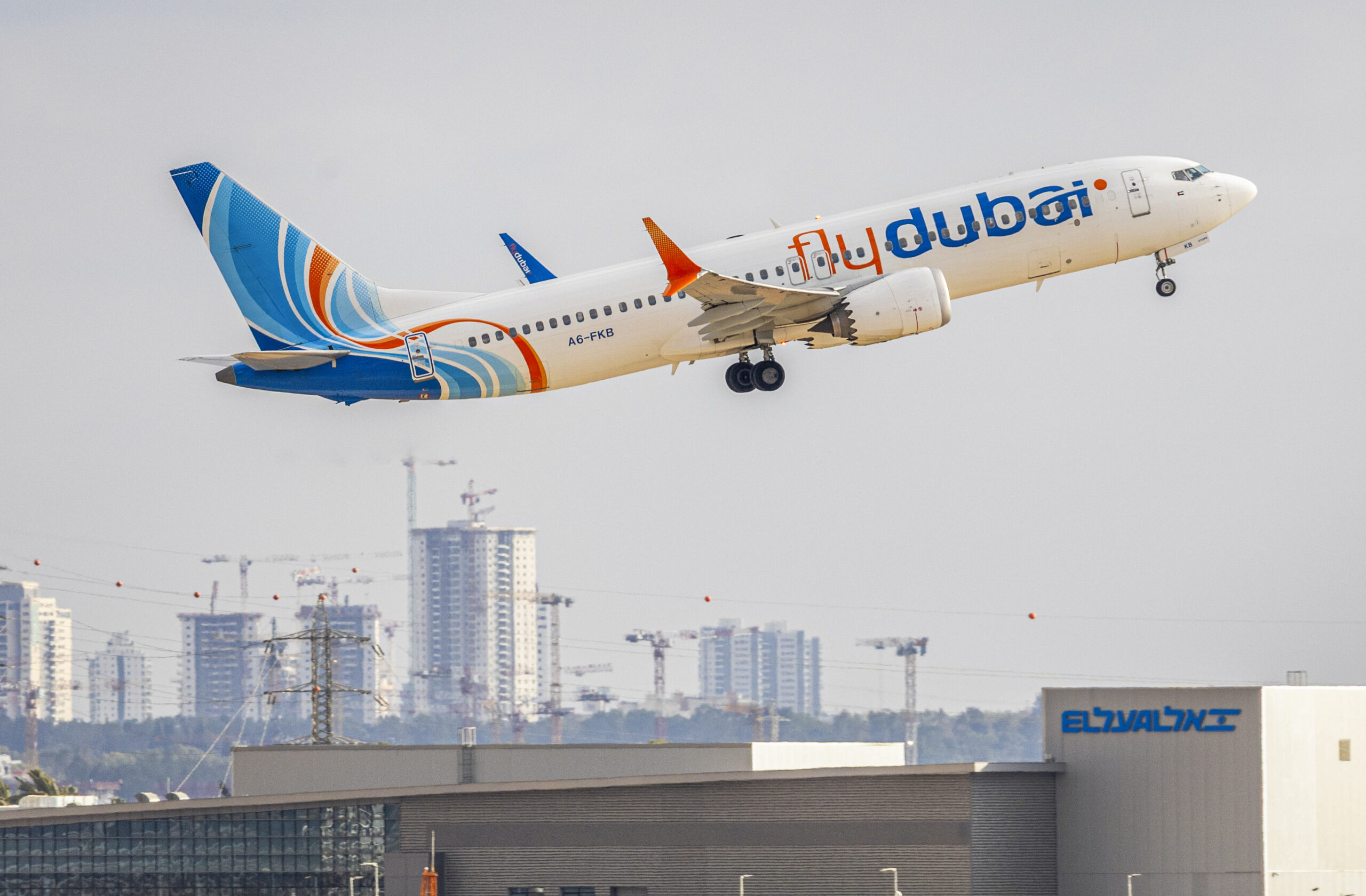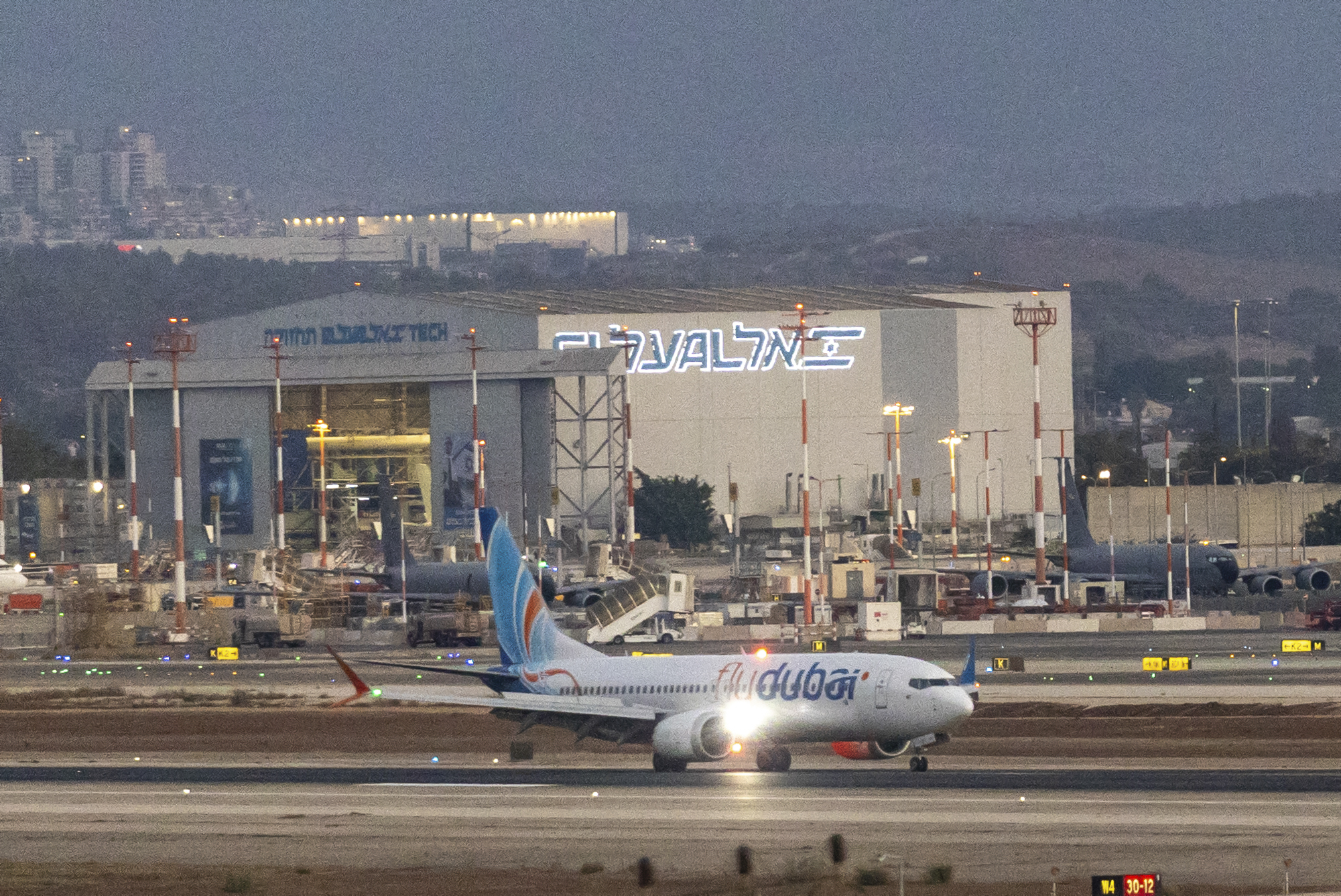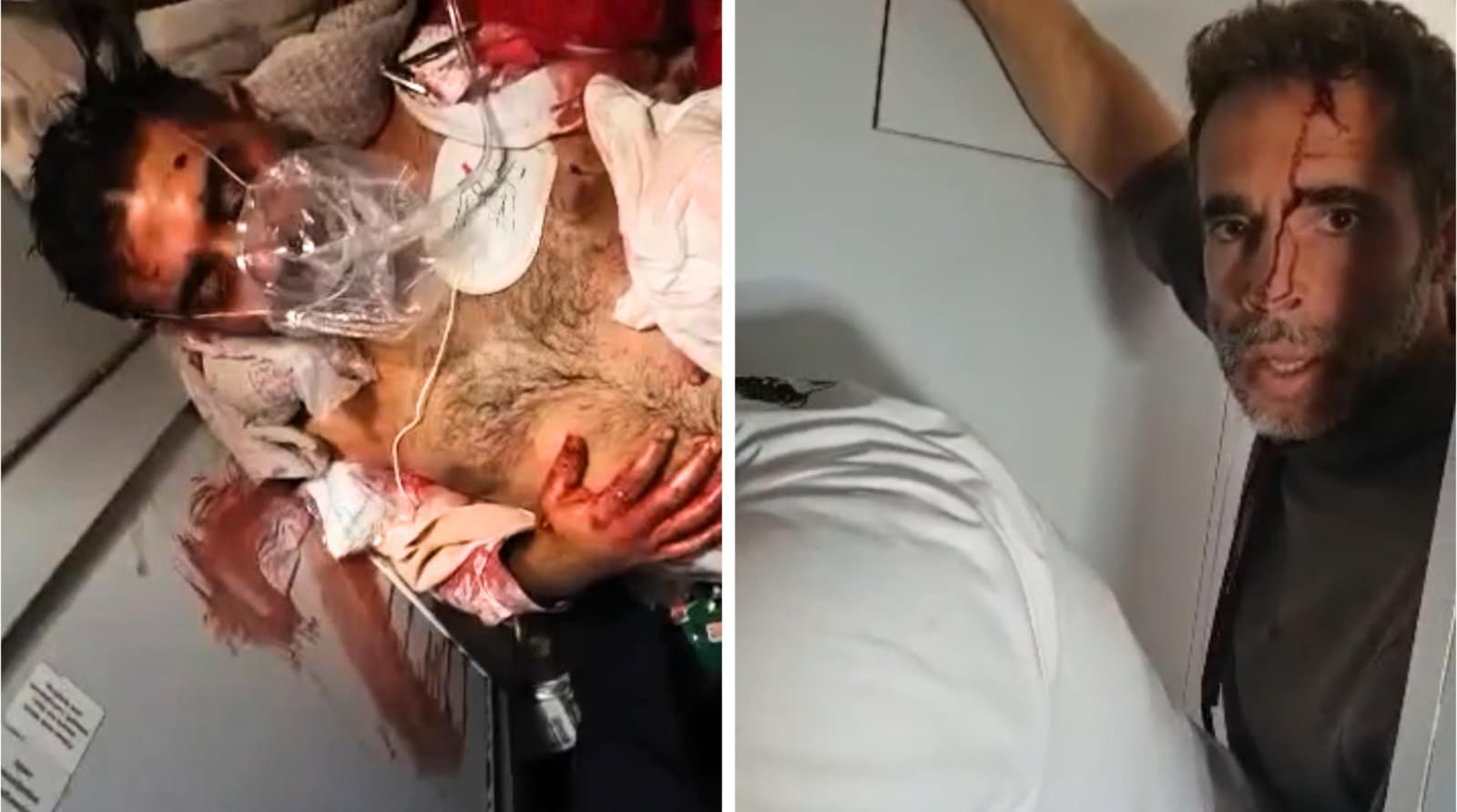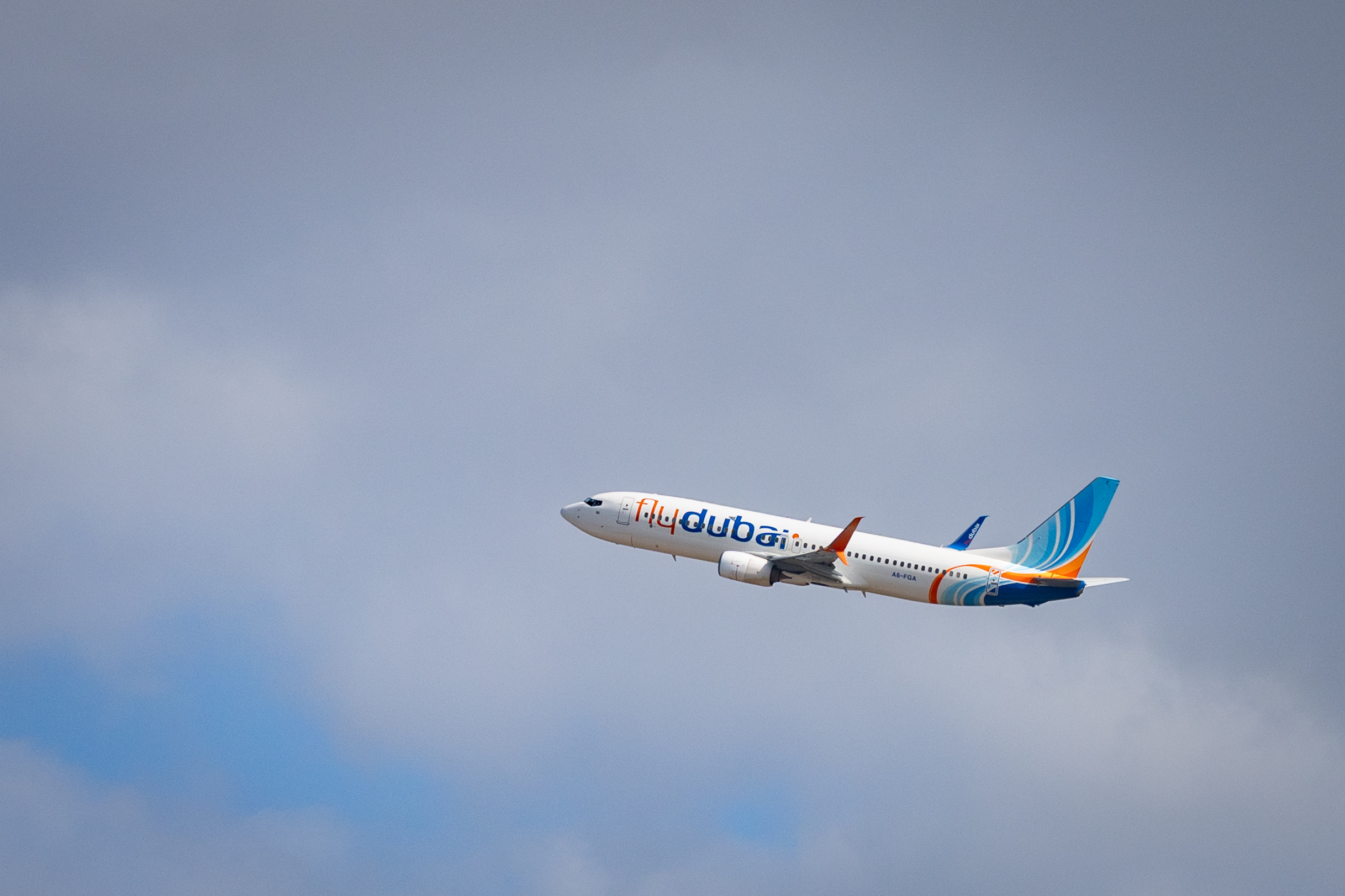
The Prime Minister’s Office and the Ministry of Justice in Jerusalem are actively pursuing legal and diplomatic avenues to secure custody of the Omani first officer who attempted to hijack and crash flydubai Flight FZ1073. The terrorist, who sustained severe injuries when courageous Israeli passengers wrestled him to the floor inside the flight deck, is currently hospitalized in serious condition under armed guard in the Saudi city of Tabuk, where the airliner executed an emergency diversion.

Because the attacker is currently held on sovereign Saudi soil—a country with which Israel does not maintain formal diplomatic relations—Israeli officials recognize that direct extradition from Riyadh is highly improbable. Consequently, Jerusalem is focusing on an indirect route: the prospect that Saudi authorities will formally transfer the suspect to the United Arab Emirates, where the flight originated. Israeli officials assess that the Saudis intend to transfer the suspect to Emirati jurisdiction in any case, and harbor hopes that Abu Dhabi might subsequently extradite him to Israel. However, officials emphasize that this possibility is also currently assigned a low probability.
Meanwhile, the multi-jurisdiction investigation into the thwarted hijacking continues to develop rapidly. A transfer to the UAE would significantly streamline direct Israeli participation, building upon the established security, intelligence, and defense ties linking Jerusalem and Abu Dhabi under the Abraham Accords.
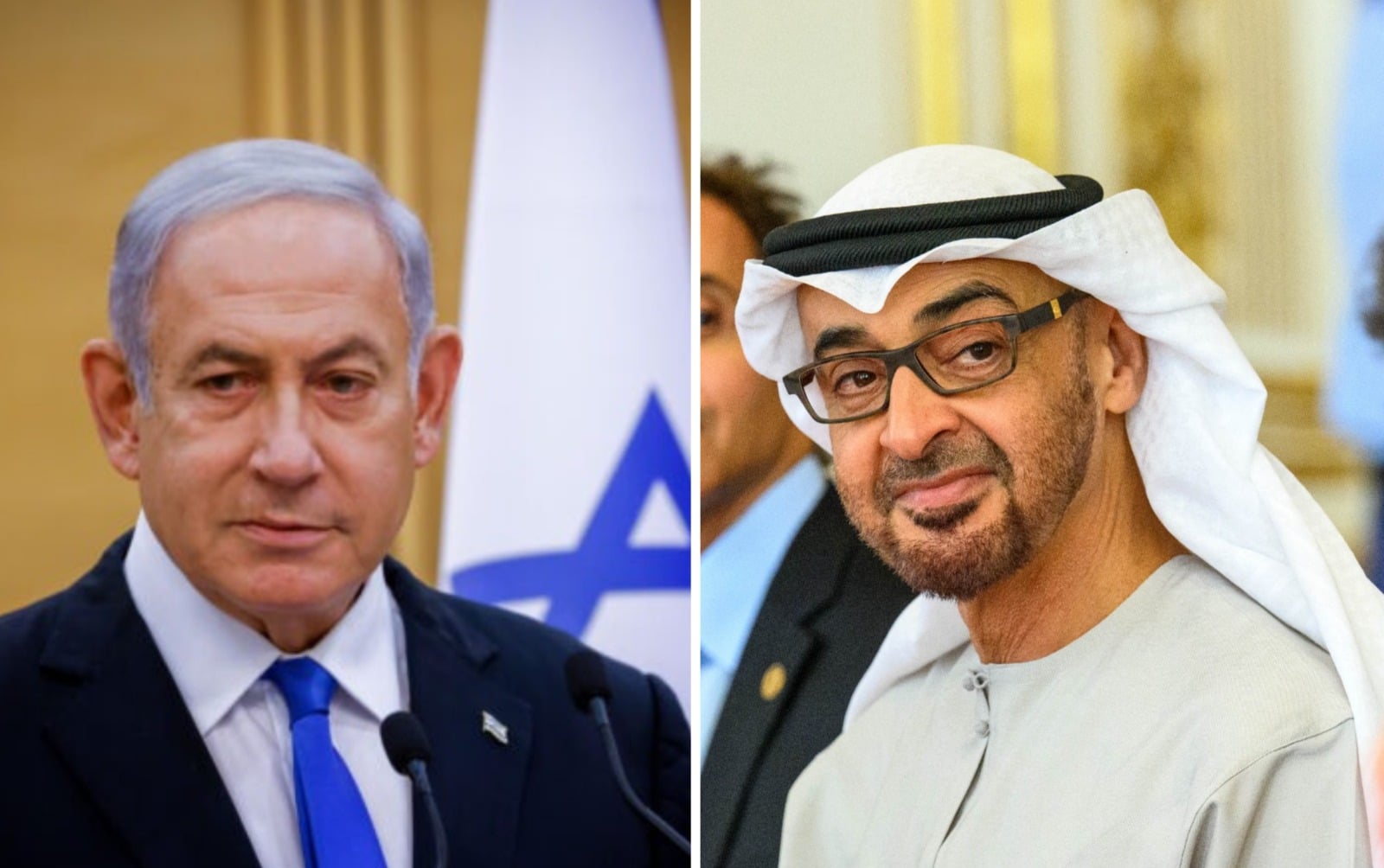
Saudi authorities have managed initial interrogations and forensic reviews since the emergency landing in Tabuk. Despite the absence of formal diplomatic ties, operational coordination has taken place between Riyadh and Jerusalem given the extreme sensitivity of the attack and the fact that the airliner was carrying Israeli civilians to Tel Aviv. Meanwhile, the official news agency of the United Arab Emirates (WAM) reported that the UAE Attorney General has directed an independent investigative task force to examine whether the co-pilot had “any affiliation with terrorist activity or terrorist objectives.” While cautioning the public against premature speculation, the Emirati prosecutor confirmed that the team has commenced operations in full coordination with the UAE General Civil Aviation Authority (GCAA), running parallel to proceedings in Saudi Arabia.
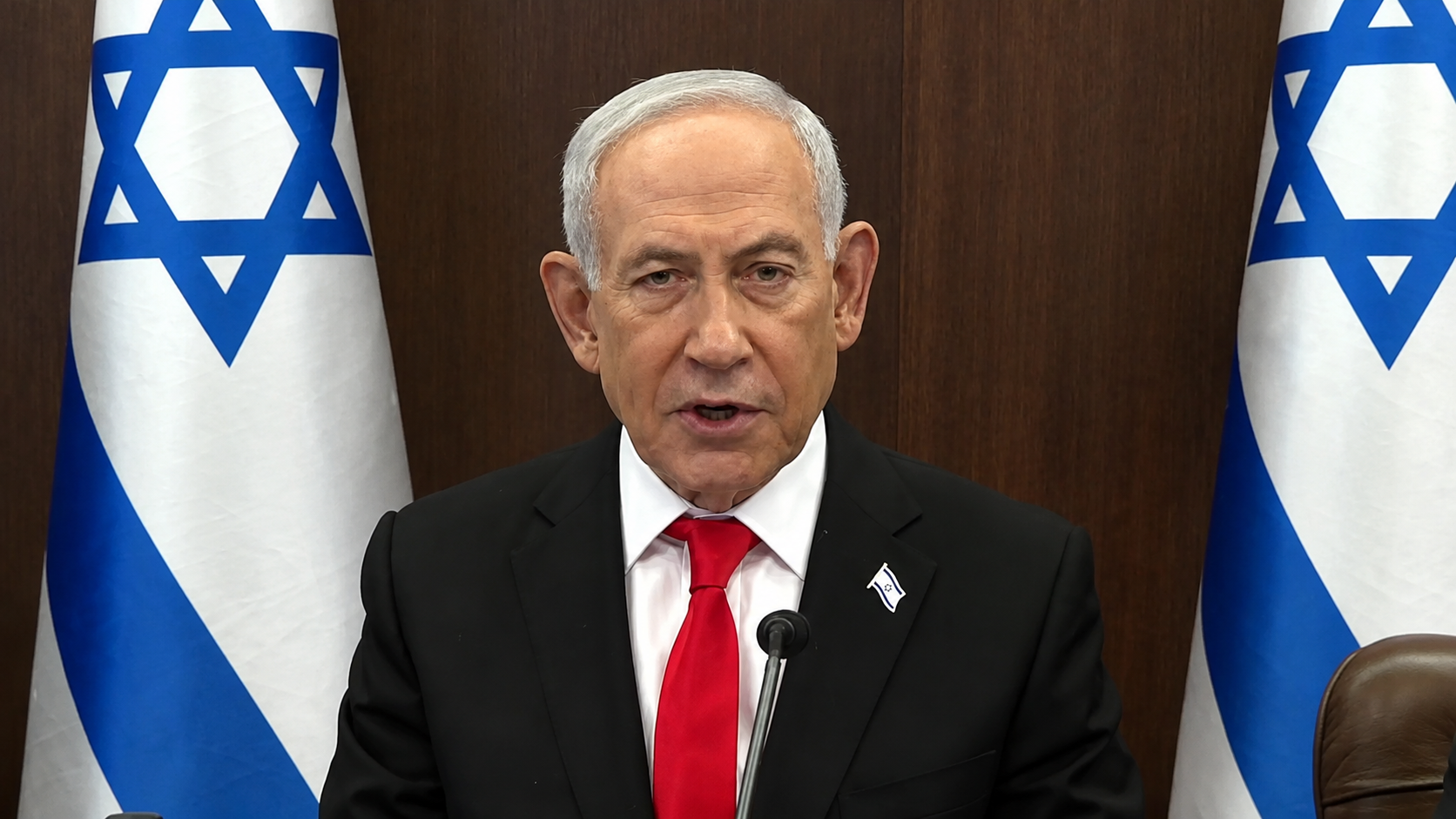
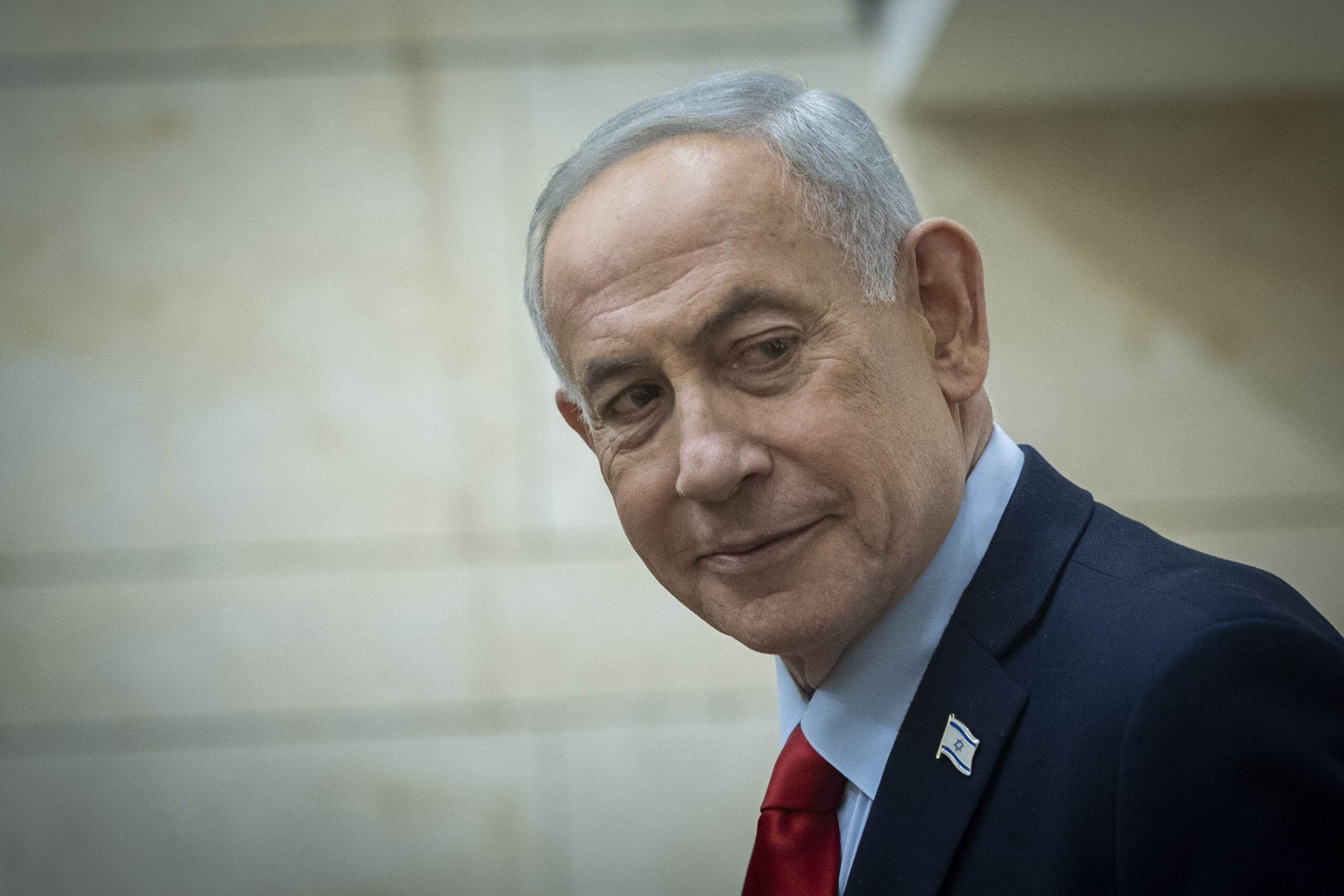
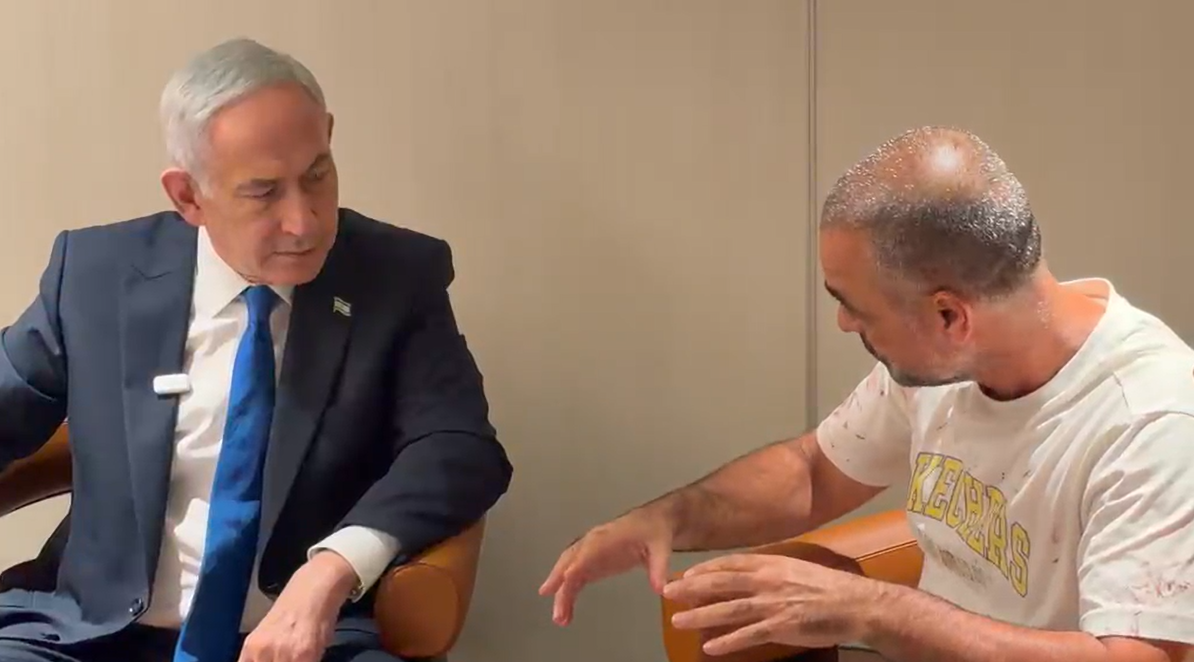
Prime Minister Benjamin Netanyahu addressed the high-stakes developments overnight in interviews with CNN and Fox News, stating that the suspect is undergoing interrogation in Saudi Arabia and noting that the crisis “could easily have turned into another September 11th.” Netanyahu revealed: “I spoke with the President of the United Arab Emirates, Sheikh Mohamed bin Zayed, who agreed immediately that Israel will join the investigation.” The Prime Minister reiterated that Israel is monitoring the inquiry closely and may directly participate in operational proceedings.
On the domestic security and civil aviation front, the Israeli defense establishment is preparing to restore direct passenger links to the Gulf. Shin Bet delegations are arriving in the United Arab Emirates today to conduct on-site security assessments and establish stringent vetting procedures ahead of the planned resumption of flights by Israeli carriers in the coming days. In addition, the Prime Minister is expected to convene the Political-Security Cabinet shortly to evaluate the wider regional fallout of the attack.
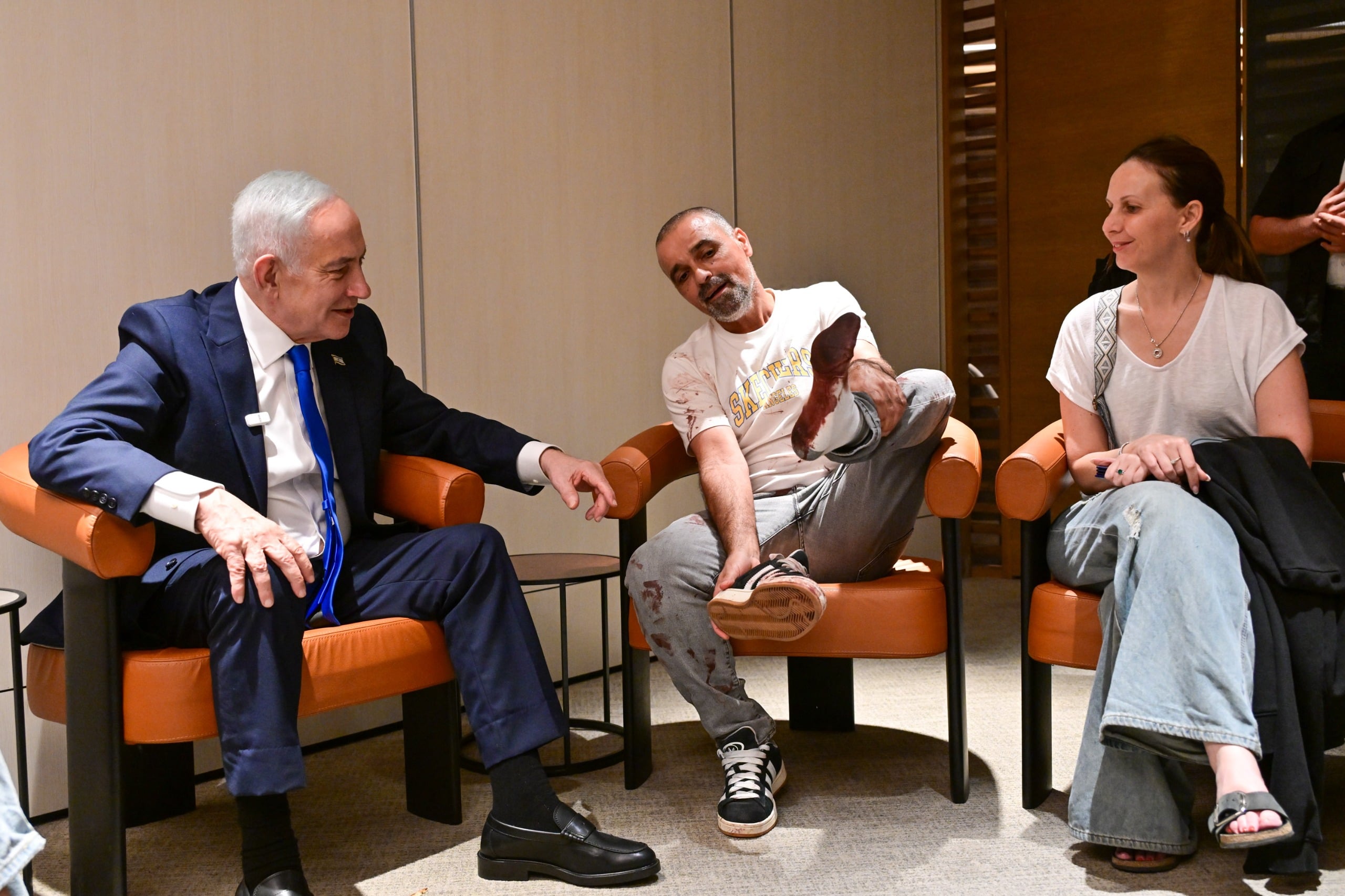
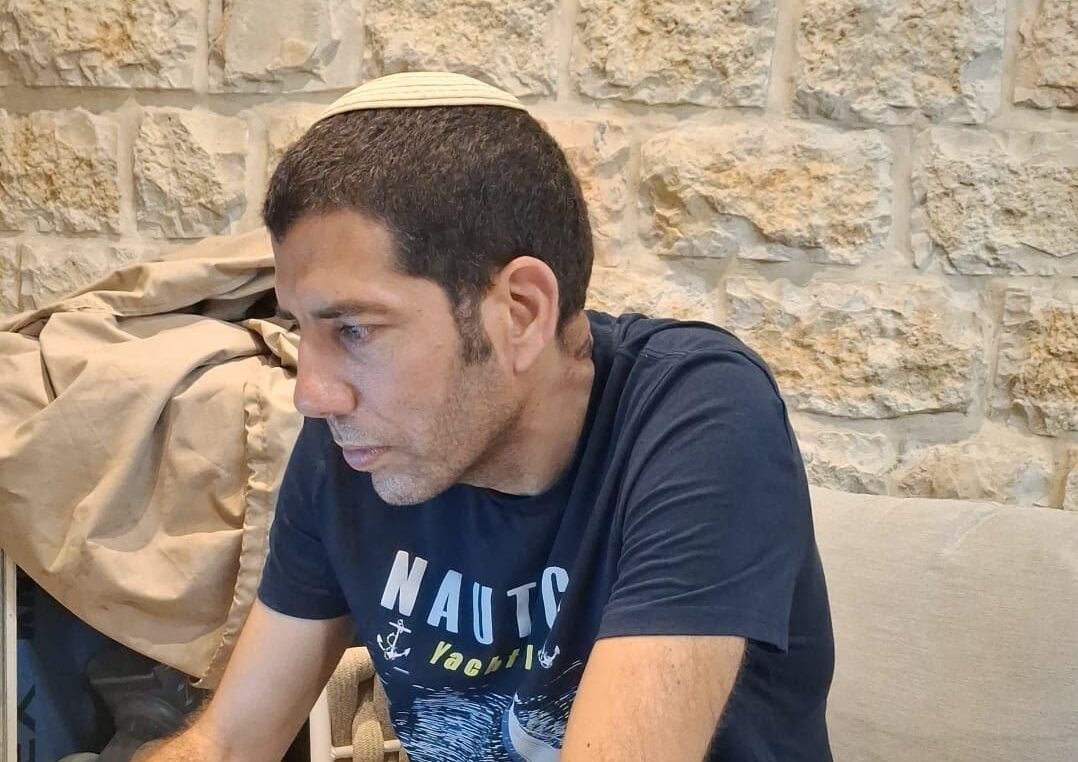
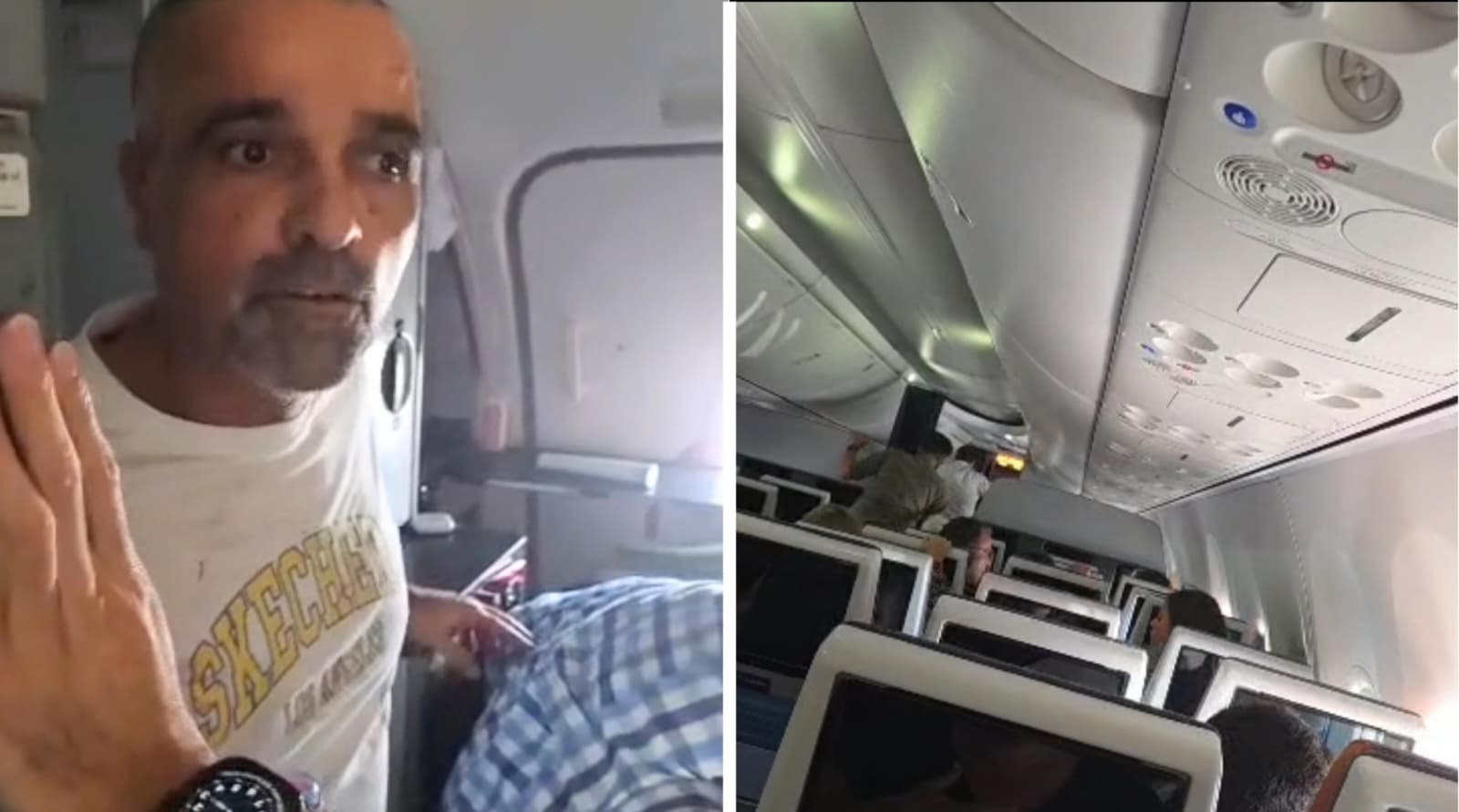
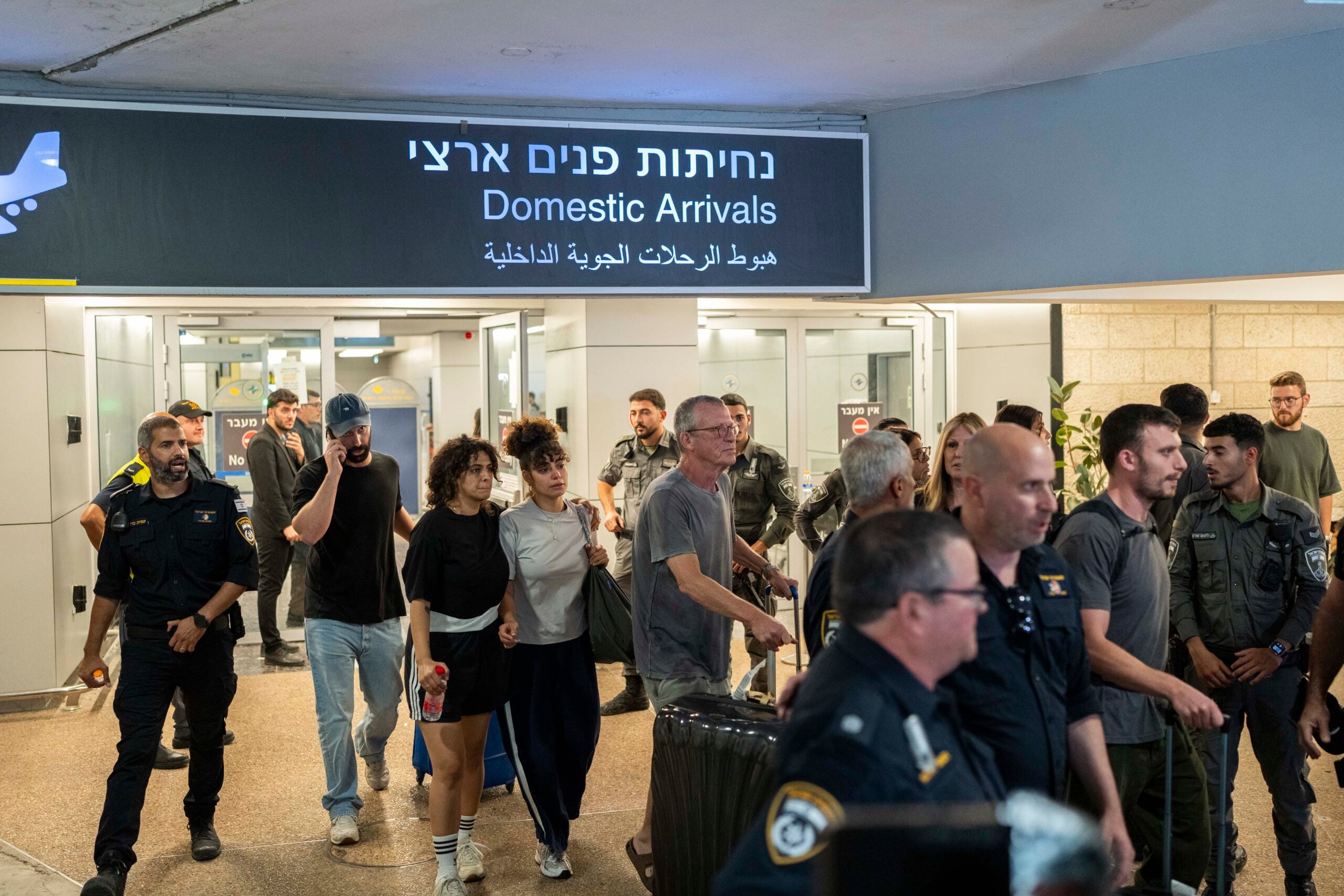
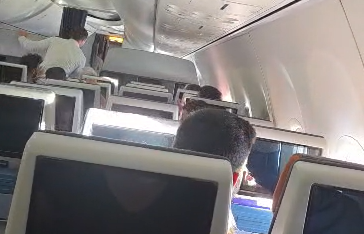
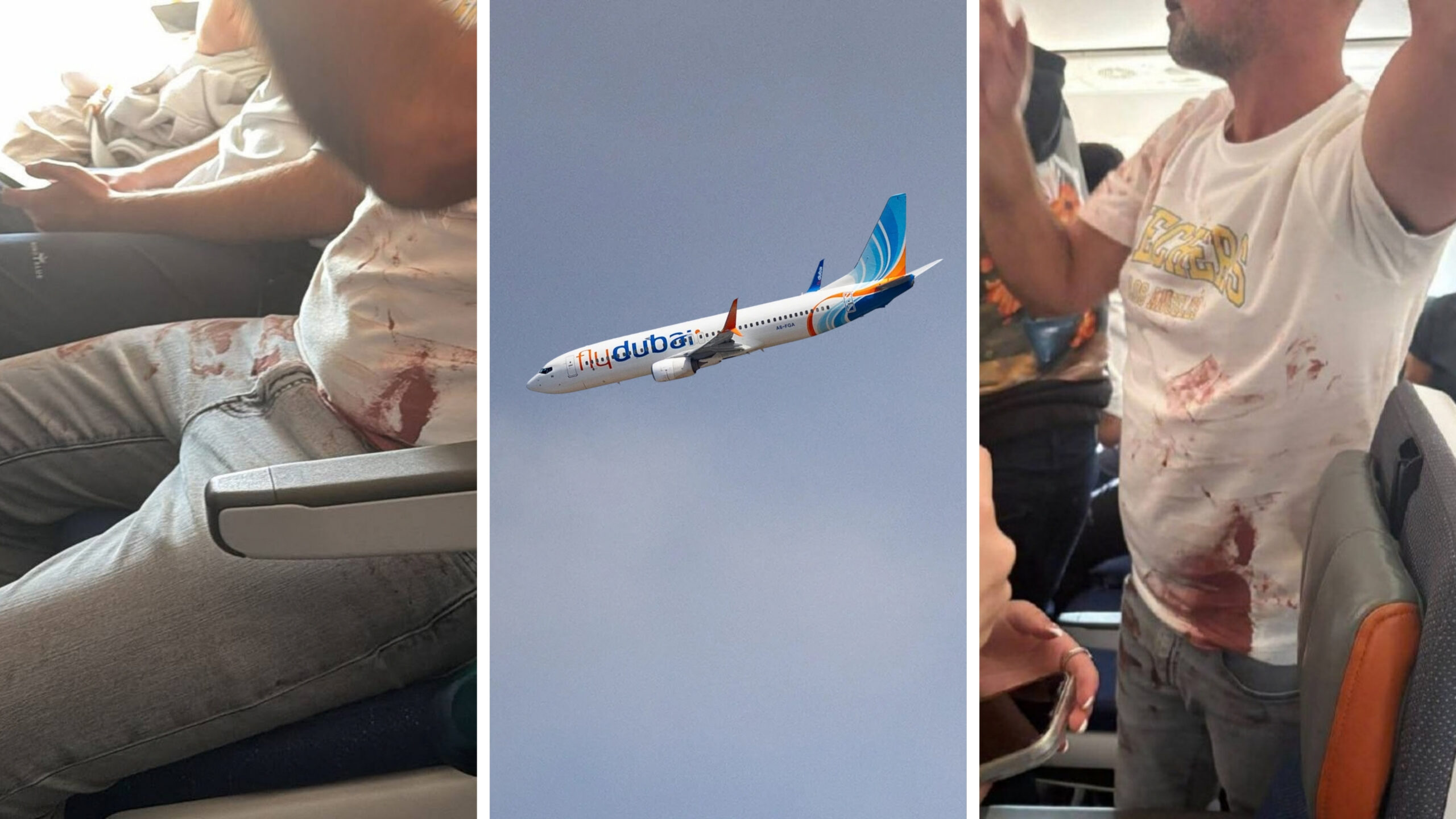
Flight FZ1073 was carrying 174 passengers—including 166 Israeli citizens and 27 children—when the Omani first officer drew a blade, stabbed the captain, and attempted to drive the Boeing 737 into a fatal dive. The severely wounded captain fought back and released the flight deck door, allowing four Israeli travelers—Yaniv Ohayon, Assaf Rajwan, Zvika Manas, and Dr. Shota Musaev—to storm the cockpit, neutralize the attacker, and safely preserve the aircraft.