


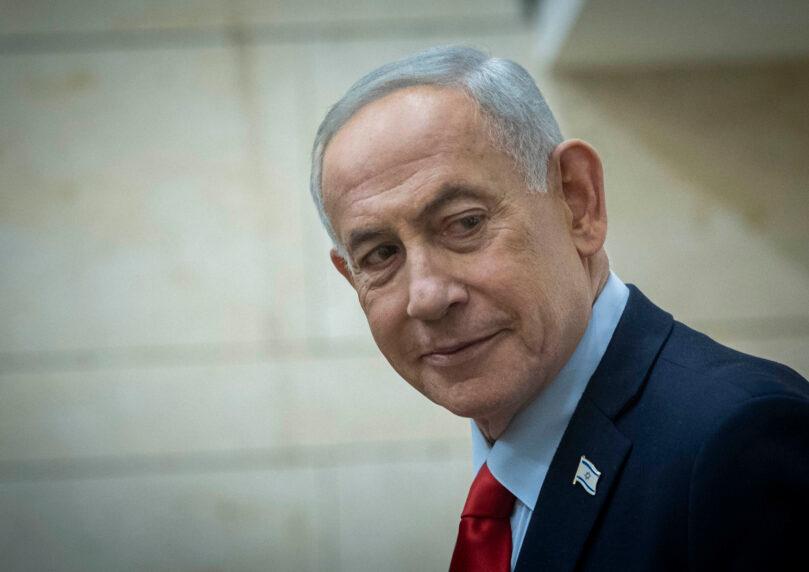

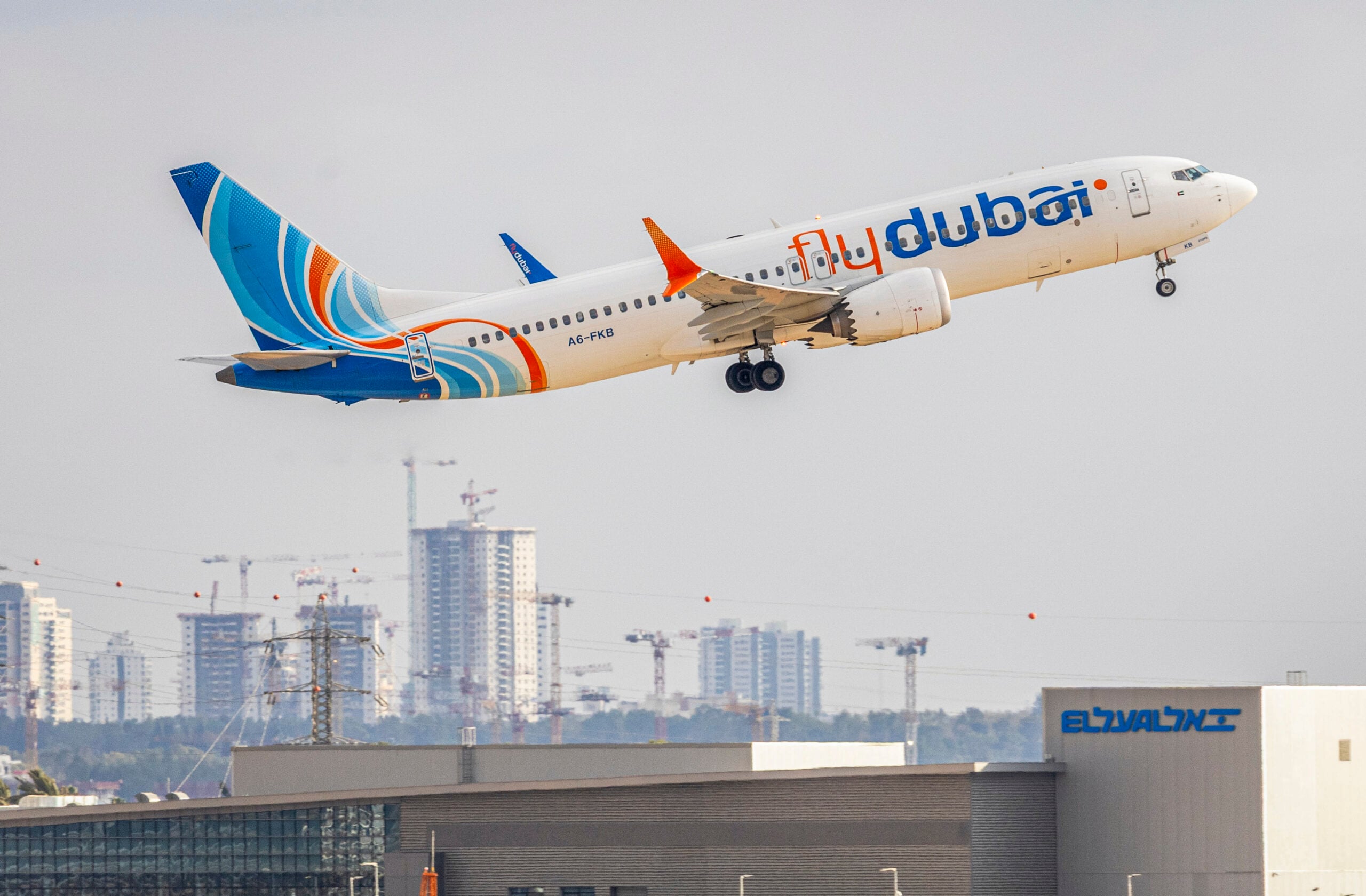
In a hijacking event involving a civilian airliner threatening to penetrate Israeli airspace, a strictly classified operational protocol is immediately activated. While military censorship bars publication of the directive’s classified codename, the entire Israeli security architecture—from frontline fighter pilots to the Prime Minister—is thoroughly drilled in its execution.

 1+
Under the framework of this contingency, the Prime Minister holds the exclusive, fateful authority to order the shootdown of a rogue commercial aircraft—even when hundreds of Israeli citizens and international travelers are on board. The agonizing rationale rests on the imperative to avert a premeditated mass-casualty crash into dense Israeli population centers, which would inflict catastrophic death tolls on the ground. It is an excruciating command dilemma. Operationally, the procedure begins with an Israeli Air Force fighter jet closing in to visually observe the rogue flight deck; cockpit radio transmissions cannot be trusted, as the flight crew may be operating under direct duress with knives or weapons to their throats. At the same time, a second fighter jet establishes a trailing stand-off formation, locking radar and missile fire-control optics onto the civilian airliner.
The primary objective is to exhaust every possible tactic to force the hijacked airliner to divert and touch down safely. Concurrently, IAF flight physics algorithms and tactical computers in the Kirya underground command bunker run continuous, rapid equations: calculating aircraft airspeed, interceptor missile velocity, target momentum, and the projected radius of falling debris and ordnance over populated terrain below.
 1+
Throughout this entire high-stakes sequence, the Prime Minister maintains a secure, uninterrupted audio link directly with top IAF commanders inside the Kirya command bunker. If all non-kinetic diversion efforts fail, the data trajectory leaves no room for doubt, and it becomes virtually 100% certain that the hijacked aircraft is being deliberately flown to crash into Israeli cities; the operational code phrase “PNR”—an English acronym for “Point of No Return”—is declared over encrypted military channels. At that harrowing moment, the Prime Minister is confronted with an almost impossible decision: whether to authorize the release of an air-to-air missile to destroy an airliner packed with innocent citizens.
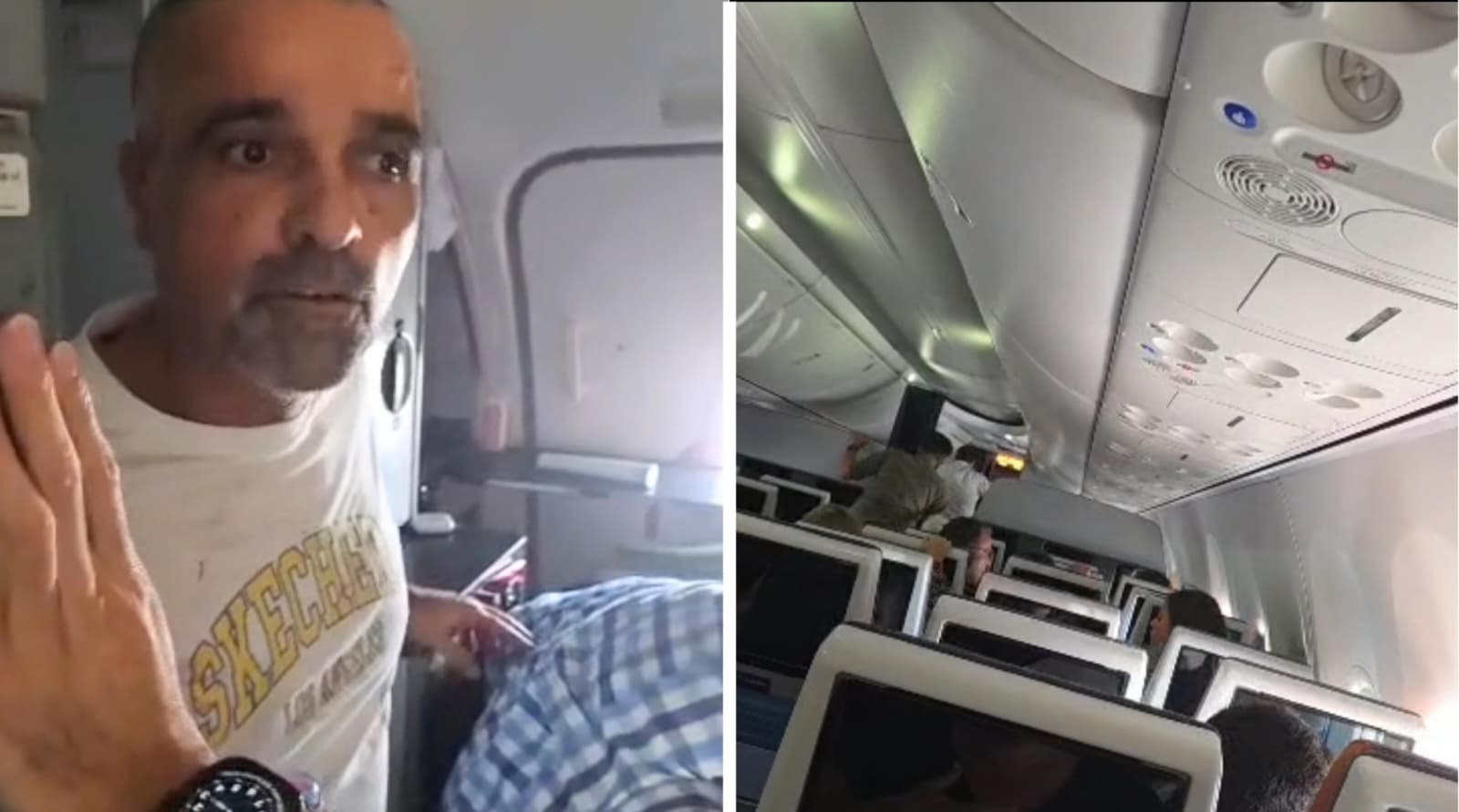
Fortunately, the crisis aboard flydubai Flight FZ1073 was resolved before reaching this fatal threshold, as brave passengers subdued the assailant and allowed the plane to divert safely to Tabuk, Saudi Arabia, without crossing into Israeli airspace. Yet there is little doubt that had the situation deteriorated to that extreme, any decision would have unleashed brutal political fallout: had Netanyahu ordered the plane shot down, critics would have accused him of killing the passengers aboard and generated endless specious “investigative exposés”; had he hesitated and allowed the airliner to crash into an Israeli city, those same voices would have pilloried him for a catastrophic failure of leadership and blamed him for the casualties on the ground.