The IDF announced Monday that its forces struck in Gaza City and killed Osama Naim Hamdi Shamlakh, who served as a unit ‘commander’ in Hamas’s naval force. According to the military, the operative worked throughout the war and recently to rebuild and strengthen the naval force and advance terror operations in the maritime arena.
Photo by: Arab media
In a separate strike in northern Gaza, three armed Hamas terrorists were killed as they tried to advance terror plots against Israeli forces. The IDF said the operatives posed an immediate threat to troops operating in the area and were killed in precision airstrikes.
The nuclear facility at Pickaxe Mountain, a massive underground complex apparently designed to house centrifuges for uranium enrichment, is currently an empty cavern as the Iranians have yet to install the machinery. However, its very existence and the ongoing construction work there create a critical flashpoint in the strained relationship between Washington and Tehran.
According to assessments, there’s currently no conventional military solution for this facility. The site is built at such an extraordinary depth that even conventional bunker-buster bombs—including those dropped on the Fordow facility—can’t penetrate it. What’s more, the option of using next-generation bunker-busters like the B61 is considered unlikely under current circumstances, given the heavy concern about breaking the taboo on tactical nuclear weapons use by Putin.
Given these constraints, very few operational options remain for striking the site. The main option left on the table is a complex ground operation against the facility. Another possibility is attacking the tunnel entrances and collapsing earth into them, but past experience shows the Iranians are capable of clearing debris and restoring the site to operation.
IRAN NUCLEAR UPDATE: Possible NEW Passive Defensive Measures Noted at Pickaxe Mountain
Based upon newly available satellite imagery of the Pickaxe Mountain underground complex, just south of the Natanz Nuclear Complex, it appears that as early as April 22nd, the two eastern… pic.twitter.com/KGAhBkLks8
Meanwhile, Iran is continuing construction work at the site—apparently violating the memorandum of understanding with the Americans, particularly Article 9 requiring maintenance of the status quo on the nuclear program.
The issue of dealing with the Pickaxe Mountain site has been at the center of Israel’s agenda and security discussions. Moreover, an Israeli delegation to Washington was expected to present to the American administration Israel’s red lines regarding Iran’s nuclear program, with dealing with the site being one of the central demands.
Mount Pickaxe is believed to be Iran’s newest and deepest suspected underground nuclear facility, with analysts suggesting it may have been declared to the IAEA before recent U.S. strikes. pic.twitter.com/t0MdRKLEk8
It’s possible the delegation has already visited Washington, and that Israeli pressure conveyed to the American administration by security officials and experts influenced President Trump’s recent statements. The combination of Iranian progress on the ground—violating its international commitments—and intelligence and policy coordination with the United States positions the Pickaxe Mountain facility as a potential turning point in the effort to stop Iran’s nuclear program.
For now, Pickaxe Mountain remains unfinished—but so too does the race to determine whether it can ever be stopped from the air. If construction continues, the window for neutralizing the site without a far riskier military operation will continue to narrow.
Two years and nine months after the October 7 massacre, the landscape of the Gaza Strip has changed beyond recognition. Where Hamas terror strongholds once stood, rubble now testifies to the IDF’s power. Channel 14 joined Defense Minister Israel Katz on an exclusive tour of northern Gaza yesterday, alongside the IDF’s top brass, for an interview that maps out the current battle and the day after.
Right at the start of the tour, Katz made clear the policy shift. Asked what he feels seeing the destroyed Gaza, the minister responded without hesitation: “I feel good, what? Thank God. This is all the result of a deliberate policy aimed at removing threats. Instead of the raid method—going in and out—the IDF is inside, the terrorists are outside, and the houses are destroyed.” The tour was conducted with Deputy Chief of Staff Maj. Gen. Tamir Yadai, Southern Command Chief Maj. Gen. Yanniv Assor, and field commanders. The figures presented to the minister reflect high operational control: the IDF currently controls about 65% of the Strip’s territory, with the military estimating some 70,000 terrorists have been eliminated or neutralized since the war began.
Our forces’ activity in the Gaza Strip | Photo: IDF Spokesperson
Settlement on the Table: Nahal Outposts in Northern Gaza
One of the dramatic moments of the tour came when Katz set a new strategic goal: establishing a permanent Jewish presence in northern Gaza. “I intend to establish three Nahal outposts, which is also a military entity, in those places that were in northern Gaza,” the defense minister declared. According to him, this step is essential for security: “This will improve the hold and defense of the communities. It’s something that’s needed at the right time.”
Division 99 Commander Brig. Gen. Yoav Bruner presented the new control map, which includes the “holding area” and security zones preventing Hamas from recovering. Southern Command Chief Assor added: “They’re feeling hunted, and we need to keep pressing on their necks. Just recently, in Operation Roaring Lion, we carried out 300 thwarting operations.”
Defense Minister Katz in Gaza | Photo: Shira Keinan, Ministry of Defense
Inside the Tunnel That Reached Nahal Oz
The minister and senior military officials descended into the depths of the earth, to a significant underground infrastructure that was exposed. The tunnel, which served Hamas terrorists, included water infrastructure connected to civilian homes above, bathrooms, and logistical storage. “This reached all the way to Nahal Oz,” Assor explained to the defense minister. “It was supposed to penetrate right into the community.”
Defense Minister Katz’s message at the end of the tour was directed not only at Gaza, but at the entire modern-day Axis of Evil. “In Syria, in Lebanon, in Gaza, in Iran and in Yemen—facing enemies, we don’t contain, don’t wait, and don’t fold. Exactly the opposite of what happened until now.” Deputy Chief of Staff Yadai summed up the feelings of commanders and fighters in the field: “I don’t know how to describe this other than victory. There’s absolute freedom of operation here.” The soldiers who met with the minister also expressed high determination: “If there’s attrition—there’s determination times 200, and that’s the most important thing.”
A massive victory for the right, Jewish heartland residents, and Israeli governance today. For the first time in the country’s history, Israel has signed an umbrella agreement with a regional council. At a ceremony attended by Prime Minister Benjamin Netanyahu, Finance Minister Bezalel Smotrich, Housing Minister Haim Katz, Israel Land Authority Director Yehuda Eliahu, and Samaria Governor Yossi Dagan, the government committed an unprecedented sum for massive infrastructure development, upgrading existing communities, and building 12,000 new housing units. Dagan blessed the occasion with a prayer and declared: “We’re rebuilding 18 communities in northern Samaria—the goal is one million residents.”
A historic and unprecedented national move is transforming the face of Jewish life in Judea and Samaria starting this morning: The Samaria Regional Council is becoming the first regional council in Israel to sign an umbrella agreement with the state. At the impressive ceremony, the landmark agreement was signed that will propel the entire region forward.
This is the largest umbrella agreement ever signed with a non-municipal authority, and it includes a staggering budget of over 8.5 billion shekels (~$2.8 billion). The massive funding will go directly to the field: approximately 1.5 billion shekels will be invested in strategic mega-infrastructure, and approximately 7 billion shekels more will be allocated for adjacent infrastructure, establishing modern public institutions, and “old versus new” projects that will strengthen and upgrade the existing community fabric.
As part of this, approximately 12,000 new housing units will be built alongside thousands of square meters of employment, commercial, and industrial space, and roads, junctions, and advanced drainage solutions will be upgraded in the heart of the country.
Samaria, archive | Photo: Flash 90
According to the agreement, the budgets will also be used to build the new communities that Yossi Dagan is advancing in Samaria, as a fitting Zionist response to anyone trying to challenge our rights in the land of our fathers.
Finance Minister Bezalel Smotrich emphasized the importance of the move in the face of political threats: “The historic signing of the umbrella agreement for Samaria is another significant step in the revolution we are leading in Judea and Samaria, alongside the regularization and establishment of over 100 new communities, 160 farms, and paving roads. The Eisenkot government wants to evacuate the communities and establish a Palestinian state—we won’t let that happen.”
Samaria Regional Council head Yossi Dagan was emotional during the ceremony, blessed “Shehecheyanu v’kiyemanu v’higiyanu lazman hazeh” [who has kept us alive, sustained us, and brought us to this time], and laid out the national work plan for the coming years: “We are rebuilding 18 communities in northern Samaria in place of the 4 that were uprooted. This agreement is a tremendous leap forward for the veteran communities in Samaria, when everything converges toward our overarching goal: one million residents in Samaria. We commit to using these tremendous tools and bringing one million residents to Judea and Samaria. This is the future of the State of Israel, in values and security.”
This historic signing is a resounding slap in the face to all the leftist organizations and international actors trying to stop the Zionist enterprise. The people of Israel are deepening their roots in Samaria this morning, with the clear knowledge that building the land is the only guarantee for the state’s security and the victory of the national spirit.
Tel Aviv is now pushing to make the temporary name of Museum Square permanent: “Hostages Square.” On the surface, it looks like commemoration. In reality, it’s a political decision with far deeper meaning. Square names aren’t just street signs—they determine how history will be remembered, who gets to define its meaning, and who wins symbolic ownership of public space.
Photo: Miriam Elseter, Flash90
This square has existed for over fifty years. For all those years, it never had an official name—it was simply known as Tel Aviv Museum Square. Now, precisely as Israeli society still grapples with the aftermath of the Simchat Torah massacre, the municipality wants to cement a new name that can’t be separated from the plaza’s political history. Because before it was “Hostages Square,” this was Refusal Square.
In July 2023, exactly three years ago, the plaza hosted one of the central events of the refusal movement, when members of “Brothers in Arms” held a public ceremony signing declarations of non-reporting for duty. Shortly after came the images seared into public consciousness from their declaration at the Air Force base in Herzliya (“Golani! Golani!”). The fighter jet installation planted in the ground at that same square—facing the Kirya military headquarters and Air Force command—became a symbol of that protest. None of this happened by chance, or anywhere else. It happened at one of the most sensitive and symbolic public focal points in the State of Israel.
Photo: Chaim Goldberg, Flash90
After October 7th, that same plaza became the headquarters for the hostage families. Now the municipality wants to make the temporary name permanent. In doing so, it’s not just commemorating the hostages—it’s cementing the political identity of the space and the baggage accumulated there in recent years.
There’s no dispute about the obligation to do everything to bring the hostages home. They belong to all the people of Israel. Precisely for that reason, the struggle for them must not become a permanent stamp on a square already identified with one of the sharpest political battles the state has known. There’s also a broader process here. For years, Tel Aviv’s central squares have been gradually expropriated from shared public space and turned into spaces identified with a particular political public. Squares meant to belong to everyone acquired the distinct identity of one camp, until large segments of the public stopped seeing them as shared civic space. The current decision doesn’t create this reality—it gives it official, permanent authorization.
Photo: Miriam Elseter, Flash90
And in my view, there’s also an obscuring of the sequence of events. The name “Hostages Square” commemorates the disaster’s results but barely mentions questions about what preceded it. The refusal movement of summer 2023 was, in my view, one of the factors that led to the October 7th massacre, after broadcasting to Israel’s enemies a message of internal division and damage to deterrence. Hamas itself publicly referenced Israel’s internal crisis as part of its assessment of the state’s condition on the eve of war. You can’t disconnect this square from that context as if it only began its life after the disaster.
The square’s location only amplifies the decision’s significance. It stands opposite the Kirya, near the courts, Tel Aviv Museum, libraries, and cultural and knowledge institutions. This isn’t just another urban intersection. It’s one of Israel’s most important symbolic centers. Incidentally, beneath that same plaza has sat “Golda Parking Garage” for decades. No one thought to turn it into “Failure Parking Garage.” Apparently, not every national trauma requires rewriting the urban map.
Square names aren’t just memory. They’re also a declaration of symbolic ownership. And whoever seeks today to cement the name “Hostages Square” isn’t just changing a street sign. They’re seeking to determine how the place’s history will be remembered, and who will be its symbolic owners for generations.
Givat Ze’ev was officially declared a city in Israel on Sunday, after the head of the Central Command signed the final order completing the process of upgrading its status from local council to municipality.
Photo: Givat Zeev Spokesperson
The declaration comes after professional staff work by the Interior Ministry and the Geographic Committee, which examined the community’s data and future development plans. According to professional sources, Givat Ze’ev officially counts about 25,000 residents, while in practice nearly 35,000 residents live there. Officials also noted that the community shows one of the highest growth rates in Israel.
The Interior Ministry explained that the status change is designed to align the municipal framework with the scope of development planned for the coming years, and to enable the local authority to expand services provided to residents and optimally manage continued growth.
Photo: Flash 90
Givat Ze’ev Mayor Yossi Asraf welcomed the decision and said: “Thank God, a historic moment for Givat Ze’ev. This is a tremendous strengthening of communities in the Jerusalem envelope. Our transformation into a city is first and foremost a tremendous growth engine and real good news for residents.”
Asraf added that “the status change will allow us to adapt the municipal framework to the community’s needs, strengthen the authority’s ability to provide high-level services, lead development processes, and manage growth challenges optimally. Alongside the new status and development momentum, we’re moving up a level in capabilities, but we’ll continue to preserve our rural, warm, and communal atmosphere. This is the beating heart of Givat Ze’ev and it will remain so.”
Givat Zeev, archive | Photo: Flash 90
According to him, “I thank the command chief and all the professional officials for the comprehensive work. We will continue to act with full energy to advance our city to new achievements for the quality of life of residents.”
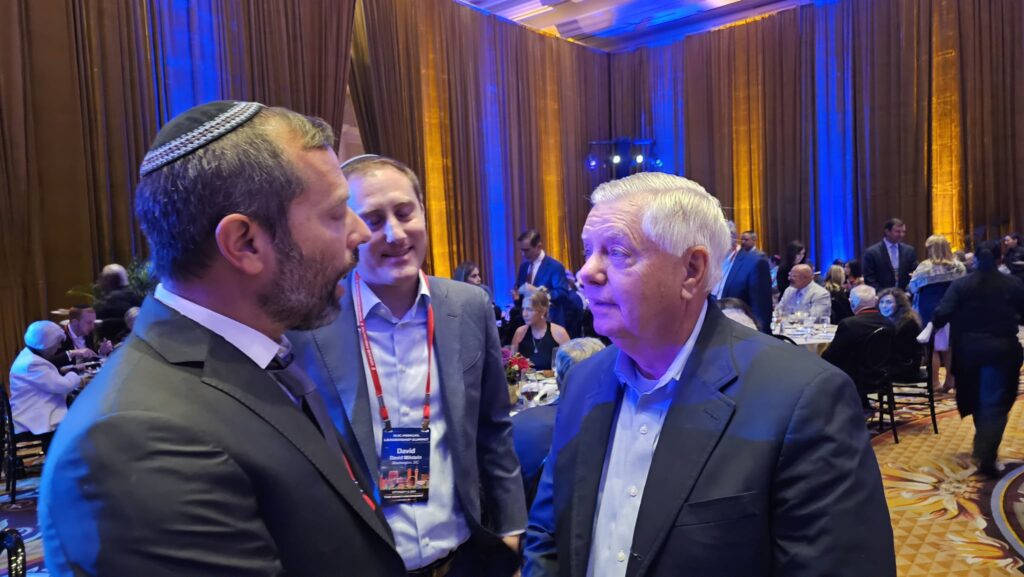
Governor of the Binyamin Regional Council and Chairman of the Yesha Council Israel Ganz reacted to the death of Senator Lindsay Graham today (Sunday), stating that he was”deeply saddened” when he heard of Graham’s passing. Ganz went on to call him, “one of the greatest friends the State of Israel has ever had.”
Ganz spoke of the last time they had met: “I never imagined it would be our final meeting. I have lost someone I deeply respected, and the people of Israel have lost one of their greatest friends.”
Yisrael Ganz / Yesha Council
Ganz continued: “Today, the people of Israel have lost a leader who never settled for words alone. For decades, he translated his love for Israel into action, into courageous leadership, and into an unwavering commitment to Israel’s security. He understood that Israel’s struggle is also the struggle of the free world, and he stood firmly by our side with conviction and strength.”
The Israeli leader called Graham, “a clear and courageous voice for Israel, even when it was easier to remain silent,” adding that, “he believed in the justice of our cause, understood the security challenges we face, and worked tirelessly to strengthen the unbreakable alliance between the United States and Israel.
Ganz concluded: “I extend my heartfelt condolences to his family, his friends, and the American people. May his memory be a blessing.”
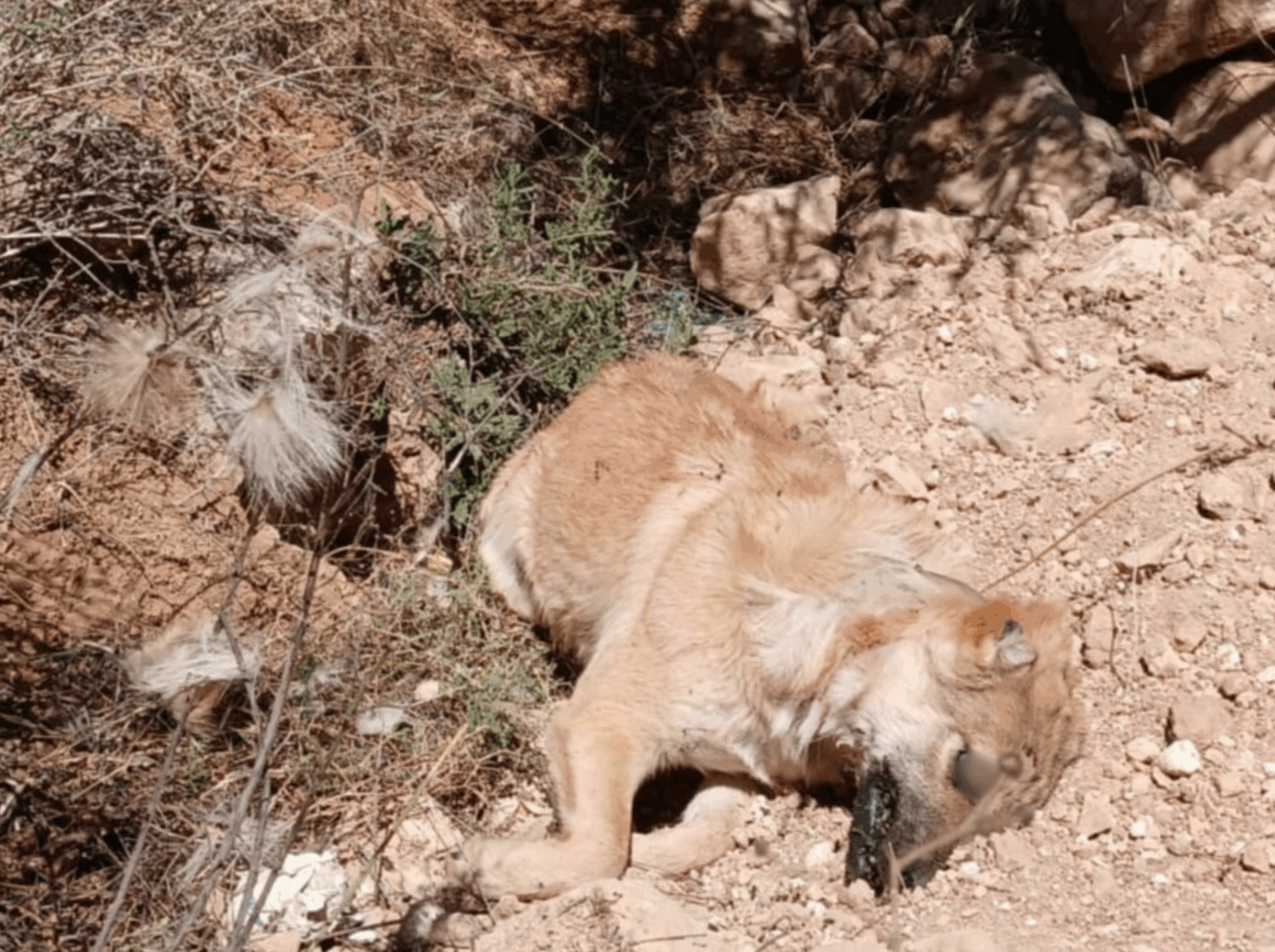
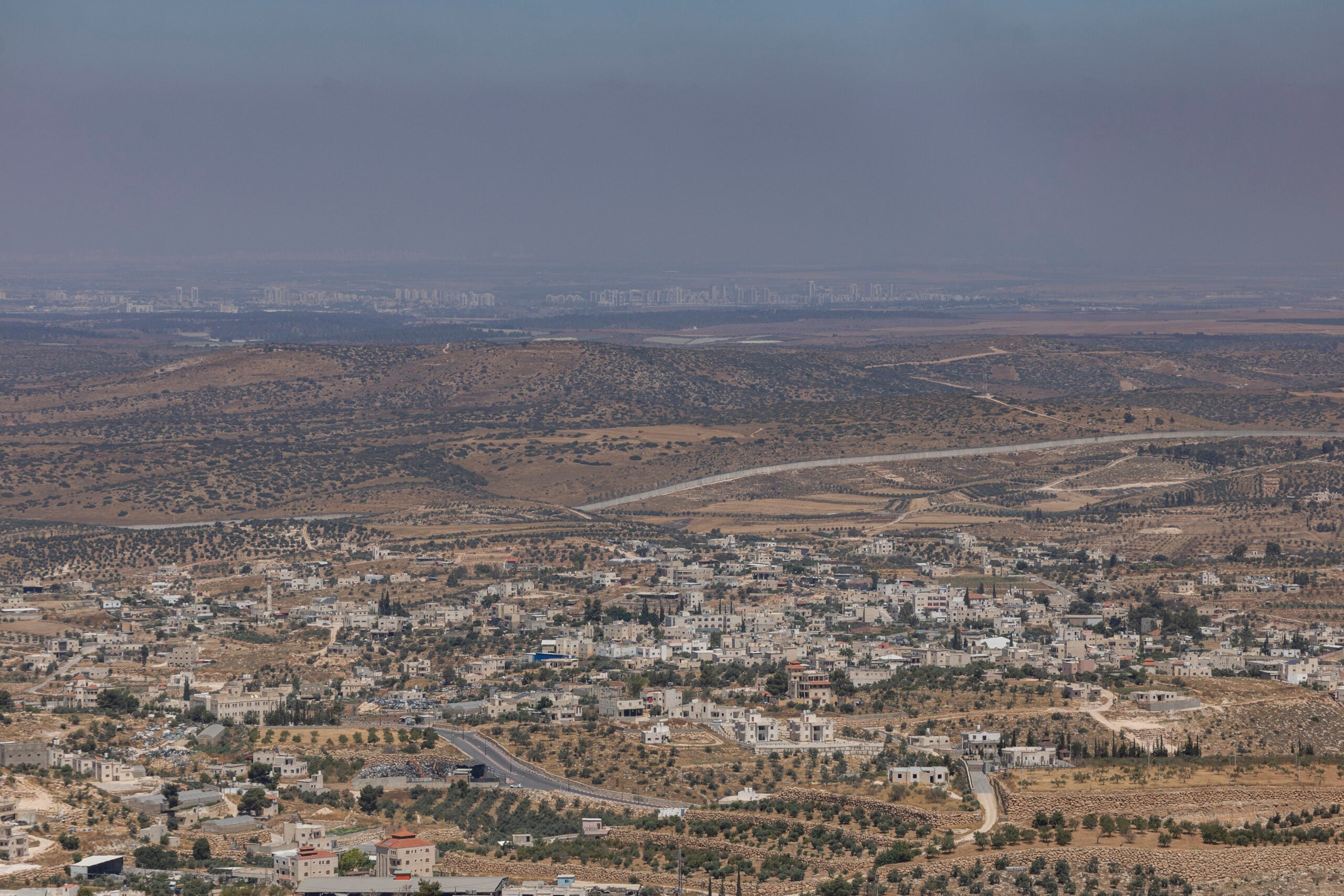
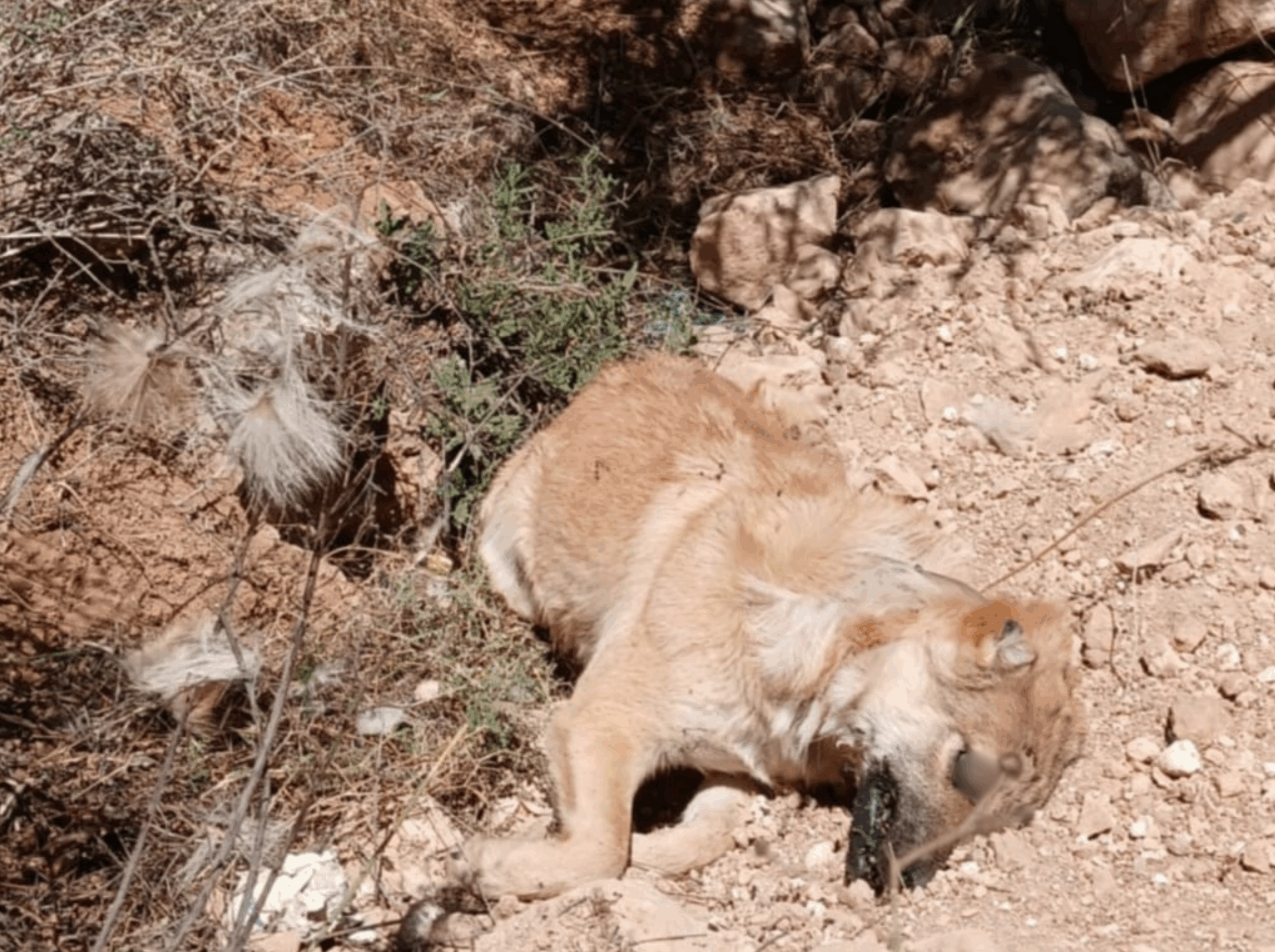
Israeli police announced Sunday they have opened an investigation and are collecting evidence following reports of a severe poisoning attack on grazing lands at Tel Talpiot Hill in the Judea and Samaria. According to the report, terrorists from the village of Qusra infiltrated the grazing areas and spread lethal poison hidden in food scraps used as bait for the sheep herd—an incident that killed two dogs as a result of the poisoning.
Police forces and forensic identification teams, accompanied by IDF troops, entered the scene Sunday afternoon and began identification and examination work in the field.
The poison that was spread | Photo: None
Earlier in the day, it was reported that Arab terrorists from the village of Qusra infiltrated the hill’s grazing lands overnight and spread lethal poison hidden inside food scraps that served as bait for the sheep herd. The first victims were the hill’s guard dogs, which walked ahead of the flock. They began developing severe symptoms within minutes, and the shepherd—who noticed them convulsing and foaming at the mouth—rushed to move the sheep herd away from the area.
Before he could provide medical treatment to the two dogs, they died. As of now, no arrests of suspects have been reported. This morning’s poisoning attack joins a series of incidents as part of the poisoning terror campaign that has been intensifying in Judea and Samaria. Just last week, terrorists from the village of al-Mu’ayyir poisoned a flock of sheep at Shalisha Farm in the Binyamin region, and according to data from Rescuers Without Borders of Judea and Samaria, no fewer than seven poisoning attacks have occurred at various settlement points in the area since the beginning of the year.
Judea and Samaria | Photo: Haim Golberg, Flash 90
“Poisoning terror has become the enemy’s preferred weapon, and the security establishment treats it with indifference,” residents of Tel Talpiot Hill warned this morning following the incident. “This has already become a regular pattern of operation. Terrorists arrive under cover of darkness, spread lethal poison, and return to the village undisturbed. Almost no one gets arrested, and this abandonment will end in disaster.” At the same time, the hill’s residents emphasized that despite the severe incident, their hold on the strategic territory at Jabal Ein Eina will only strengthen: “We will only deepen our roots here, and we will not be deterred by such terror attacks or any others.”
Jewish residents in Samaria report that Arab terrorists from the village of Qusra infiltrated the grazing fields of Tel Talpiot outpost overnight Saturday, scattering deadly poison hidden inside food scraps used as bait for the sheep herd.
Photo: Not available
According to residents, the outpost’s guard dogs—which walk ahead of the herd—reached the area first and fell victim to the poison, developing severe symptoms within minutes. The shepherd, noticing the dogs beginning to convulse and foam at the mouth, immediately realized it was poisoning and moved the sheep away. But before he could provide medical treatment to the two dogs, they died. No suspects have been arrested.
This morning’s poisoning attack joins a wave of incidents in what has become an escalating poisoning terror campaign. Just last week, terrorists from the village of Al-Mu’ayyir poisoned a flock of sheep at Shalisha Farm in the Binyamin region, killing two sheep along with 15 others that suffered severe poisoning symptoms. According to data from Hatzalah Judea and Samaria Without Borders, no fewer than seven poisoning attacks have occurred at Jewish residents points in Judea and Samaria since the start of the year.
Photo: Chaim Golberg, Flash90
“Poisoning terror has become the enemy’s preferred weapon, and the security establishment treats it with indifference,” Tel Talpiot outpost warned this morning after the incident. “This has already become a regular pattern of operations. Terrorists arrive under cover of darkness, scatter deadly poison, and return to the village undisturbed. Almost no one gets arrested, and the few who have been arrested so far were released after just a few days. This abandonment will end in disaster.”
The outpost emphasized that despite the severe incident, its hold on the hill will only strengthen. “The goal of the terrorists who infiltrated here last night was to undermine our hold here on Jabal Ein Eina—one of the most strategic hills in the area. But we will only deepen our roots here, and we will not be deterred by these or any other terror operations,” they added.
The IDF Spokesperson’s Office did not provide a comment.
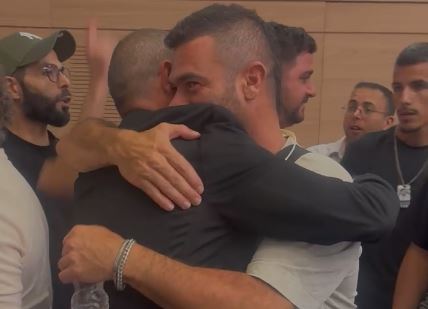
In cooperation between coalition and opposition: Coalition Chairman Ofir Katz advanced the Combat PTSD Law today (Sunday) through the Knesset committee. The law will grant an official legal definition to combat PTSD for the first time in Israeli legislation, giving veterans legal status and recognizing the unique characteristics of this injury. Combat PTSD veterans will also receive personalized treatment through the Defense Ministry’s rehabilitation division.
The law will also expand eligibility for benefits, compensation, and payments to combat PTSD veterans and their families. The legislation is expected to pass its second and third readings as early as this week. In footage released from the emotional moments, combat PTSD veterans who came to the committee hearing are seen hugging the coalition chairman as joyful shouts ring out in the background: “Give thanks to the Lord, for He is good, for His kindness endures forever.”
Omer Amsalem, a combat PTSD veteran from Operation Protective Edge, shared exclusive video with C14 from the emotional moments with Knesset Member Katz: “You made history, finally. You deserve it. We should have done this a long time ago. We passed on first reading a law that gives you the proper recognition you deserve. We’ll do a legislative blitz. I think this will be the fastest law, and we’ll pass it this week in second and third reading. You deserve it most in the world.”
In a conversation with C14, Amsalem noted that the only thing he has to say on the matter is: “Blessed are You, Lord our God, King of the universe, who has granted us life, sustained us, and enabled us to reach this occasion.”
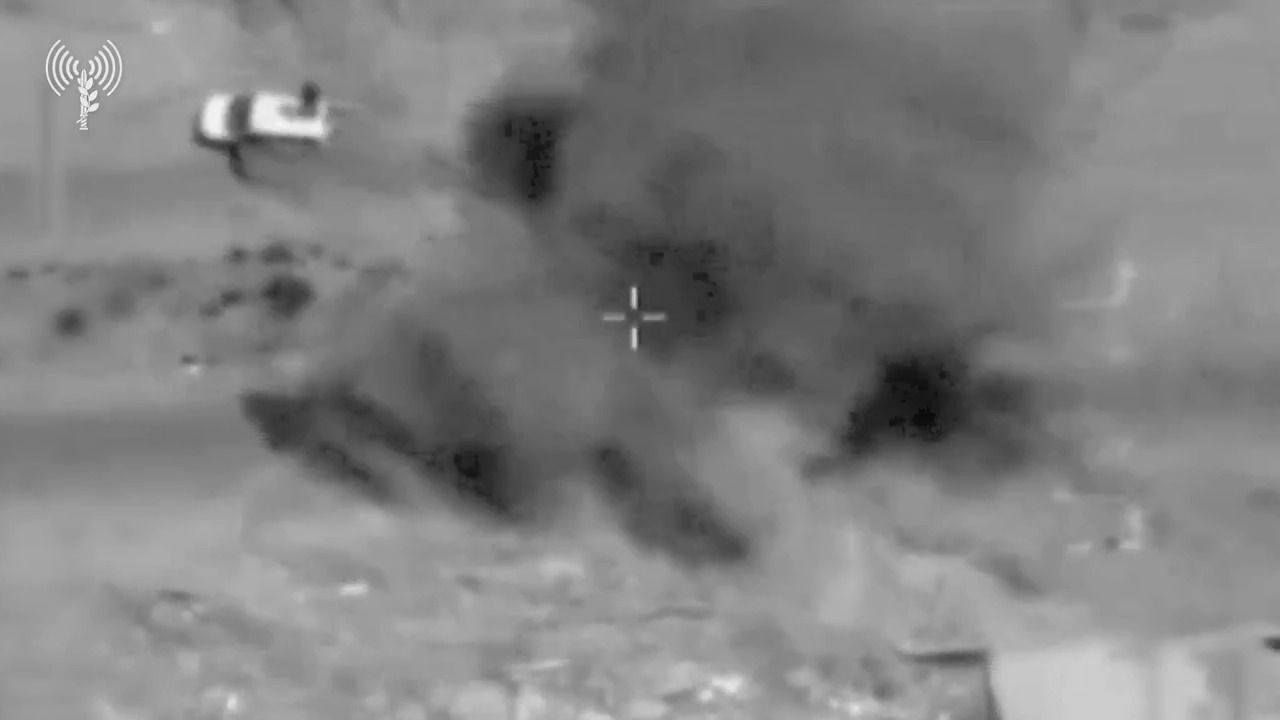
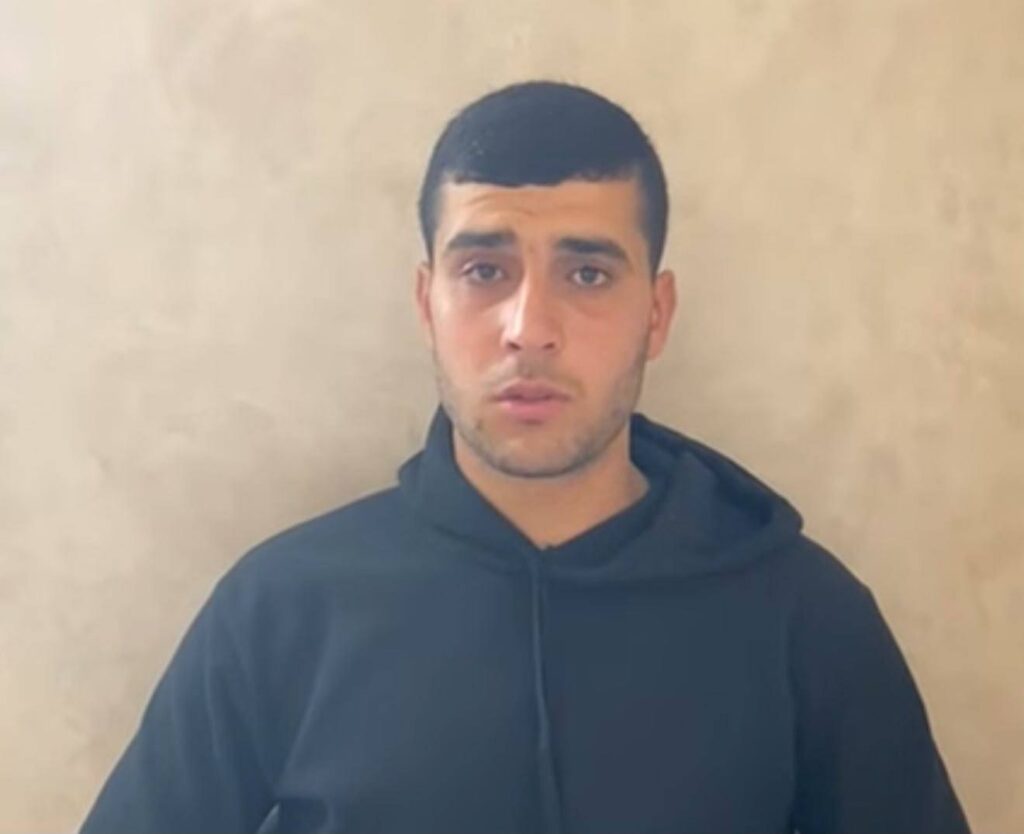
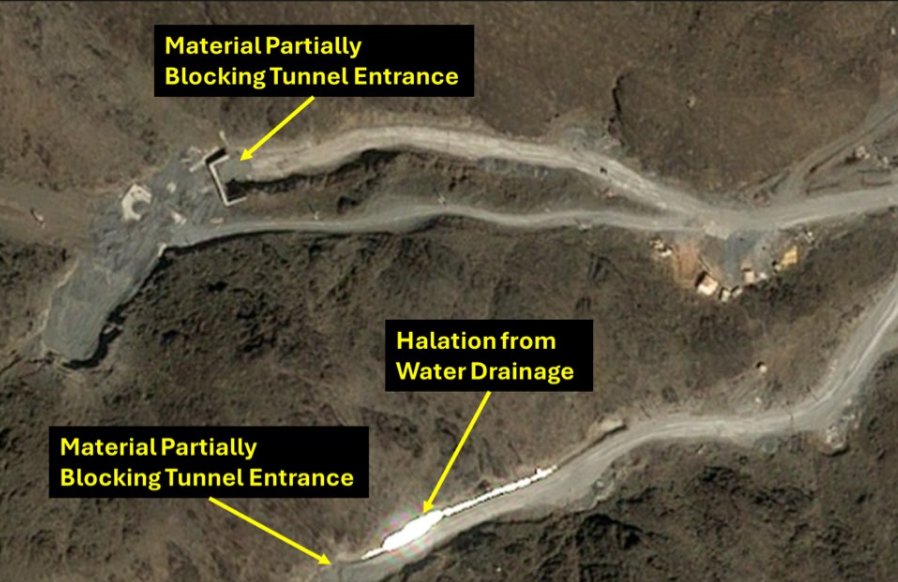
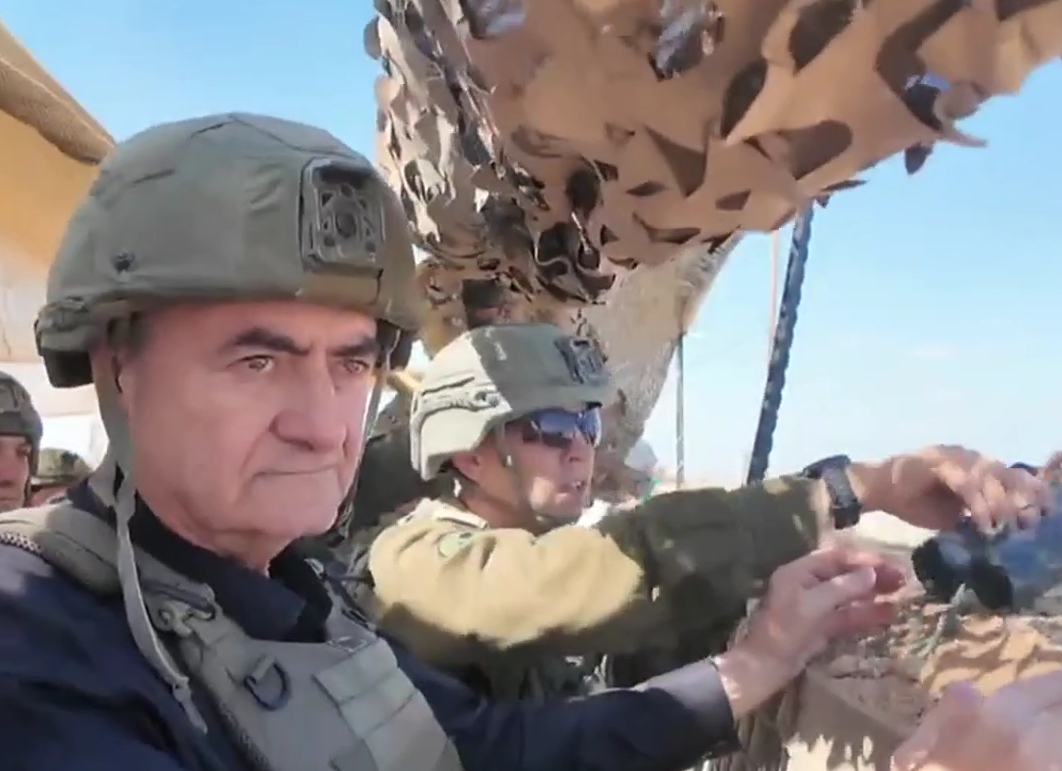

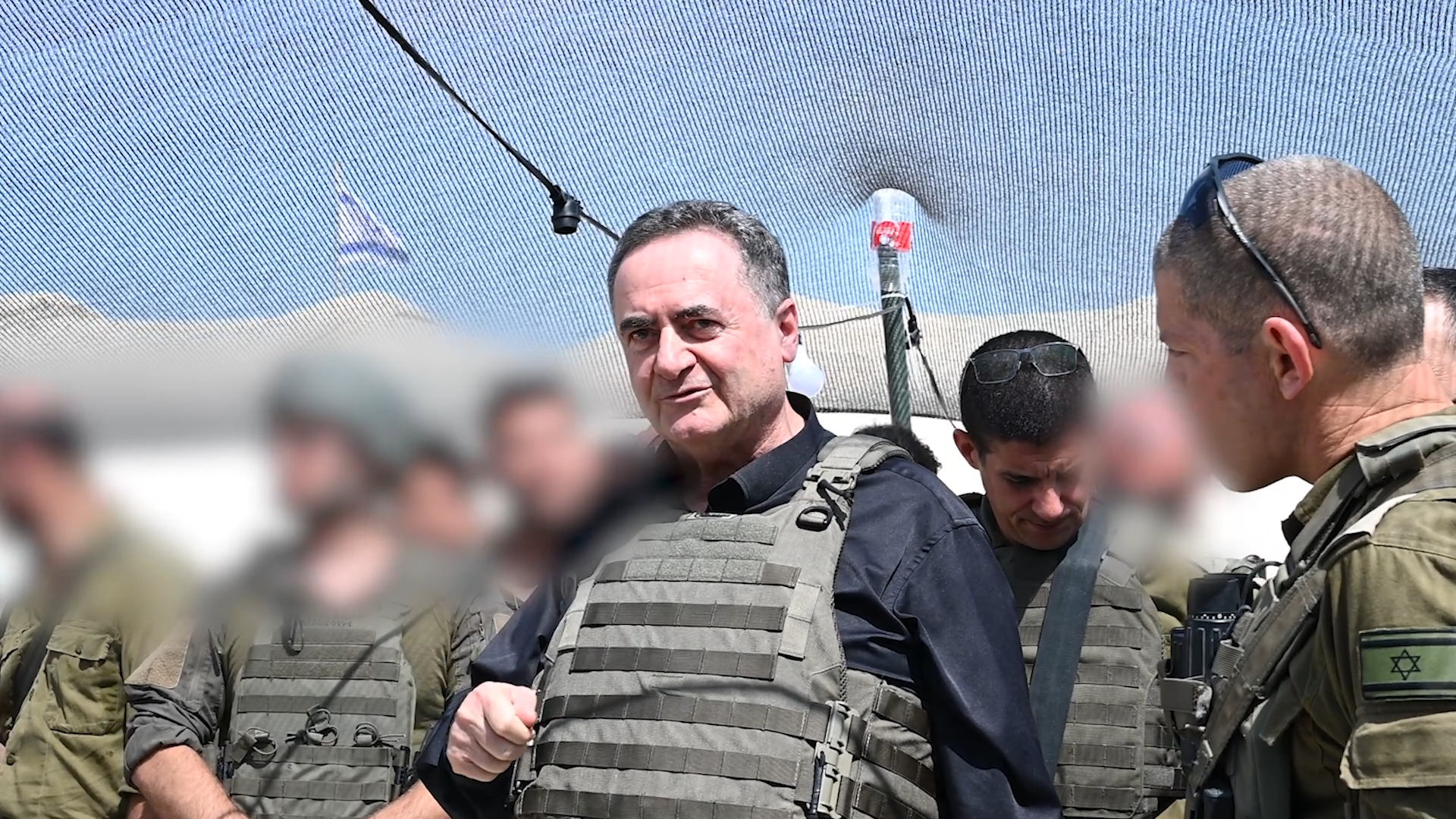
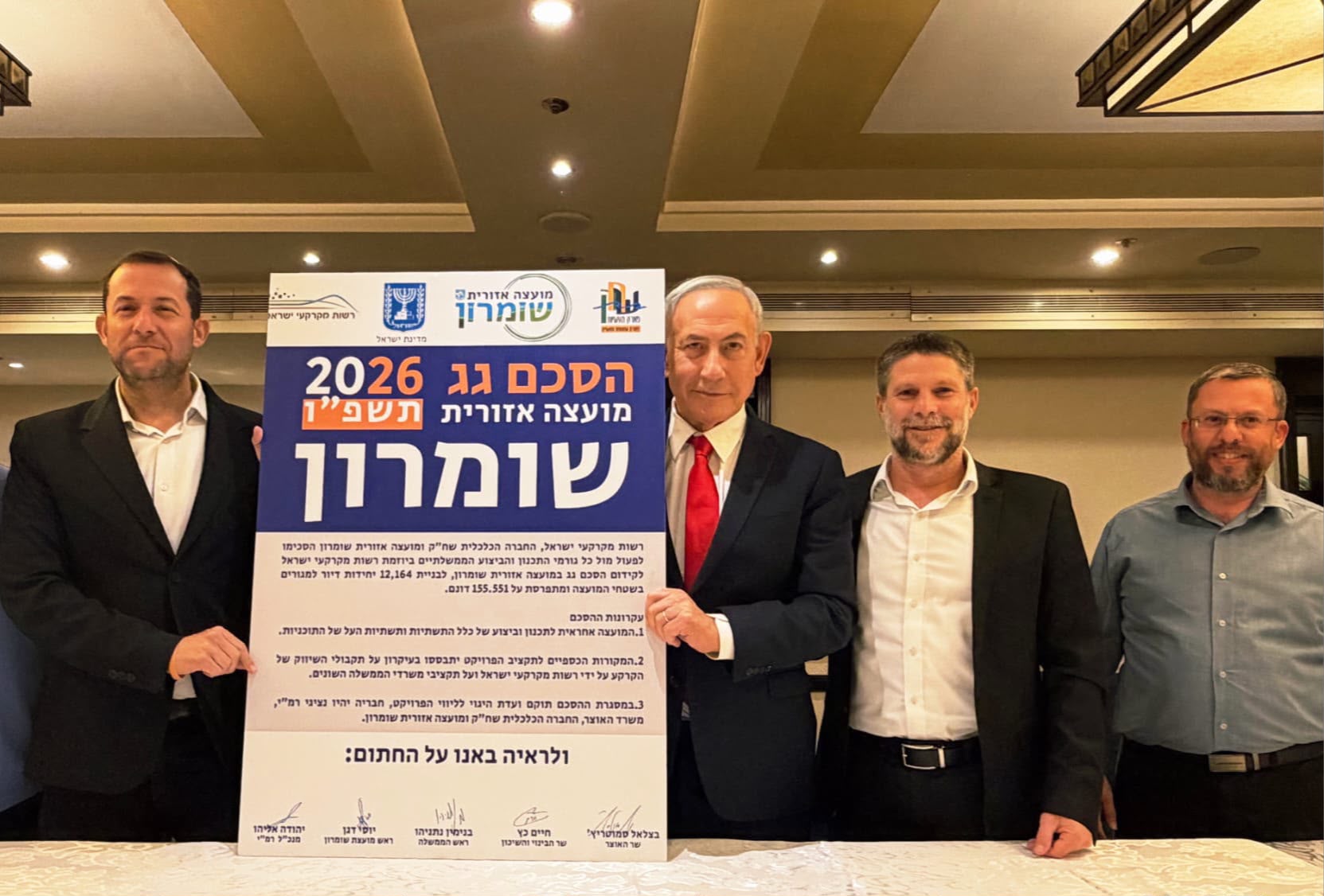


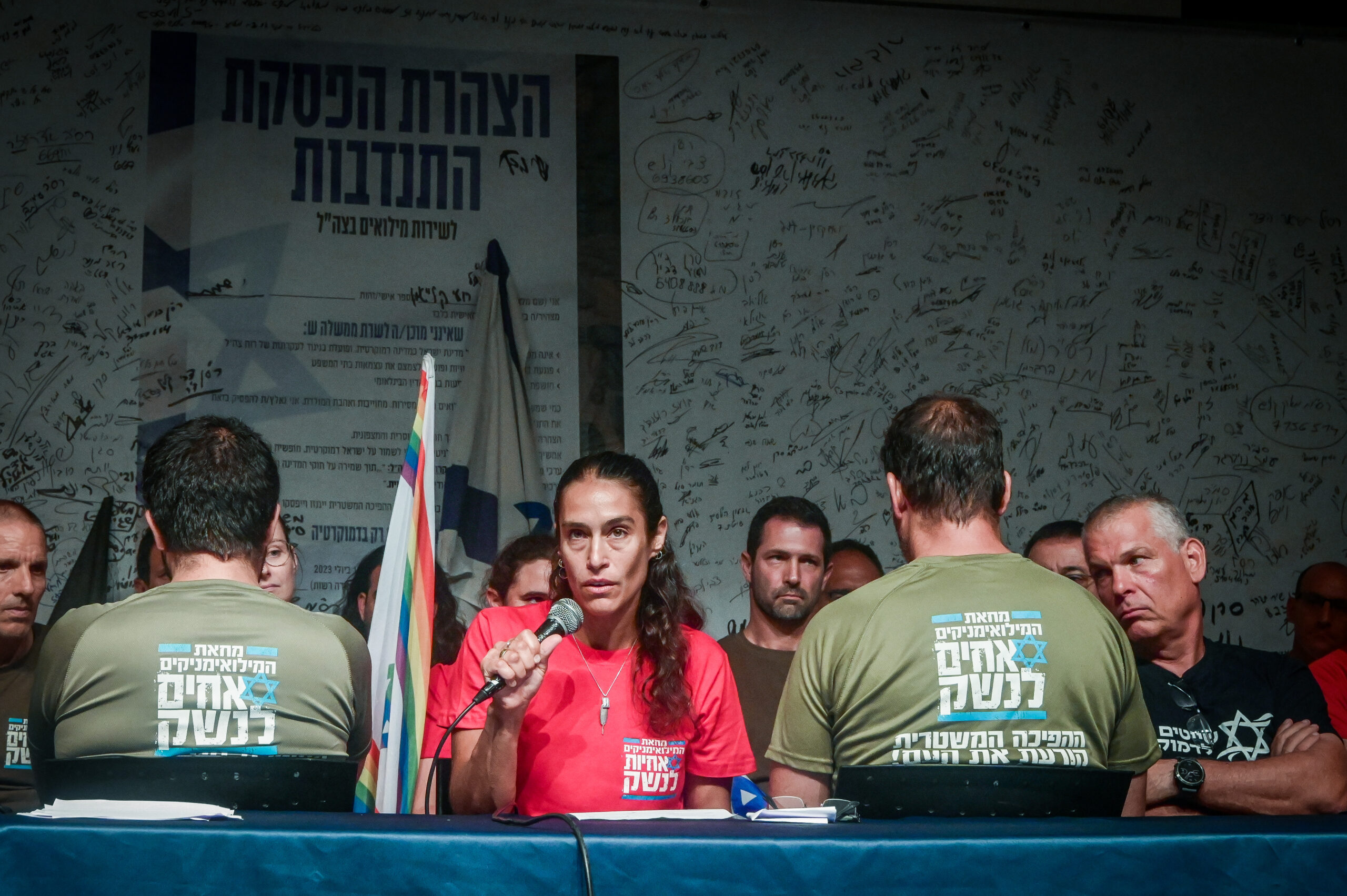
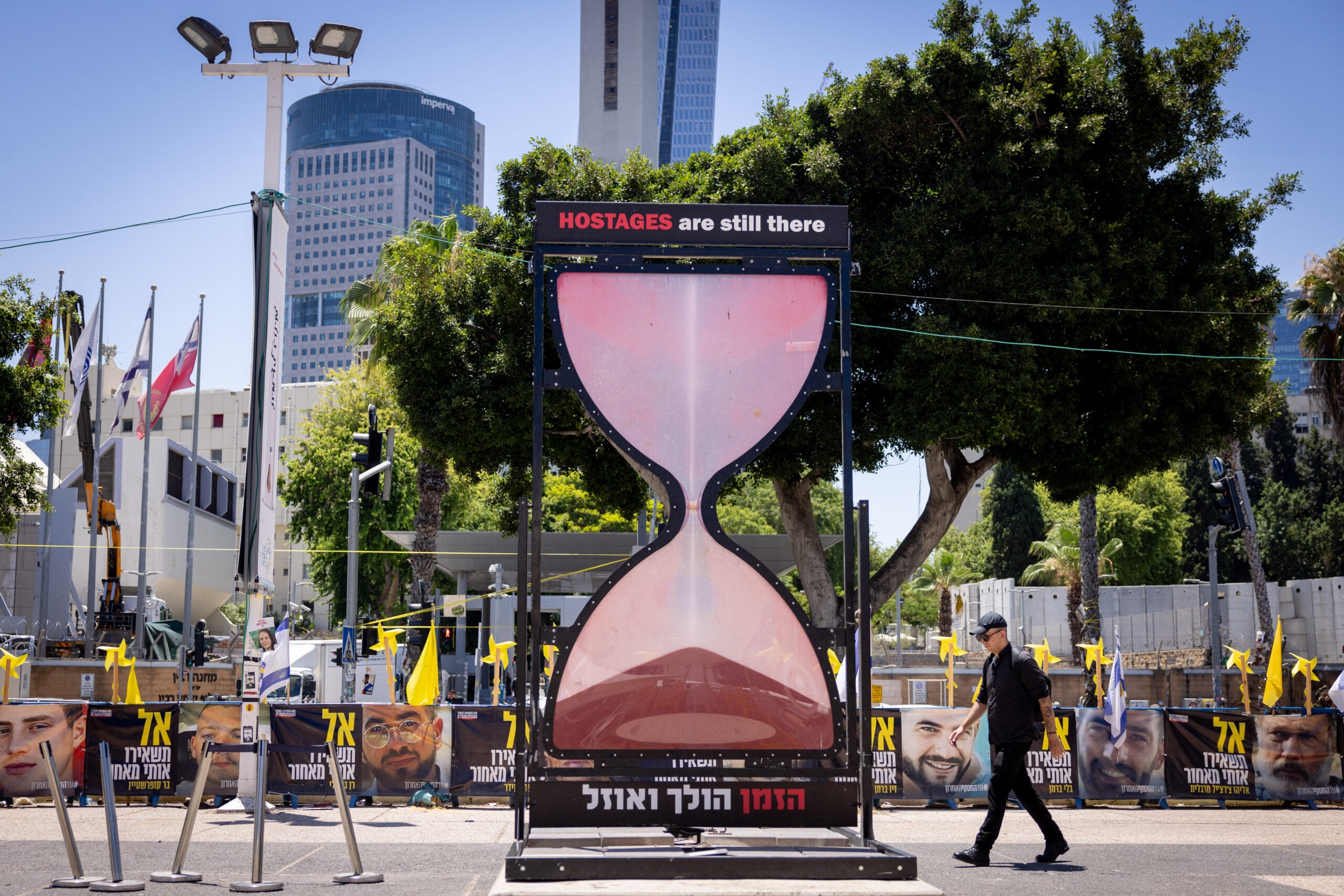
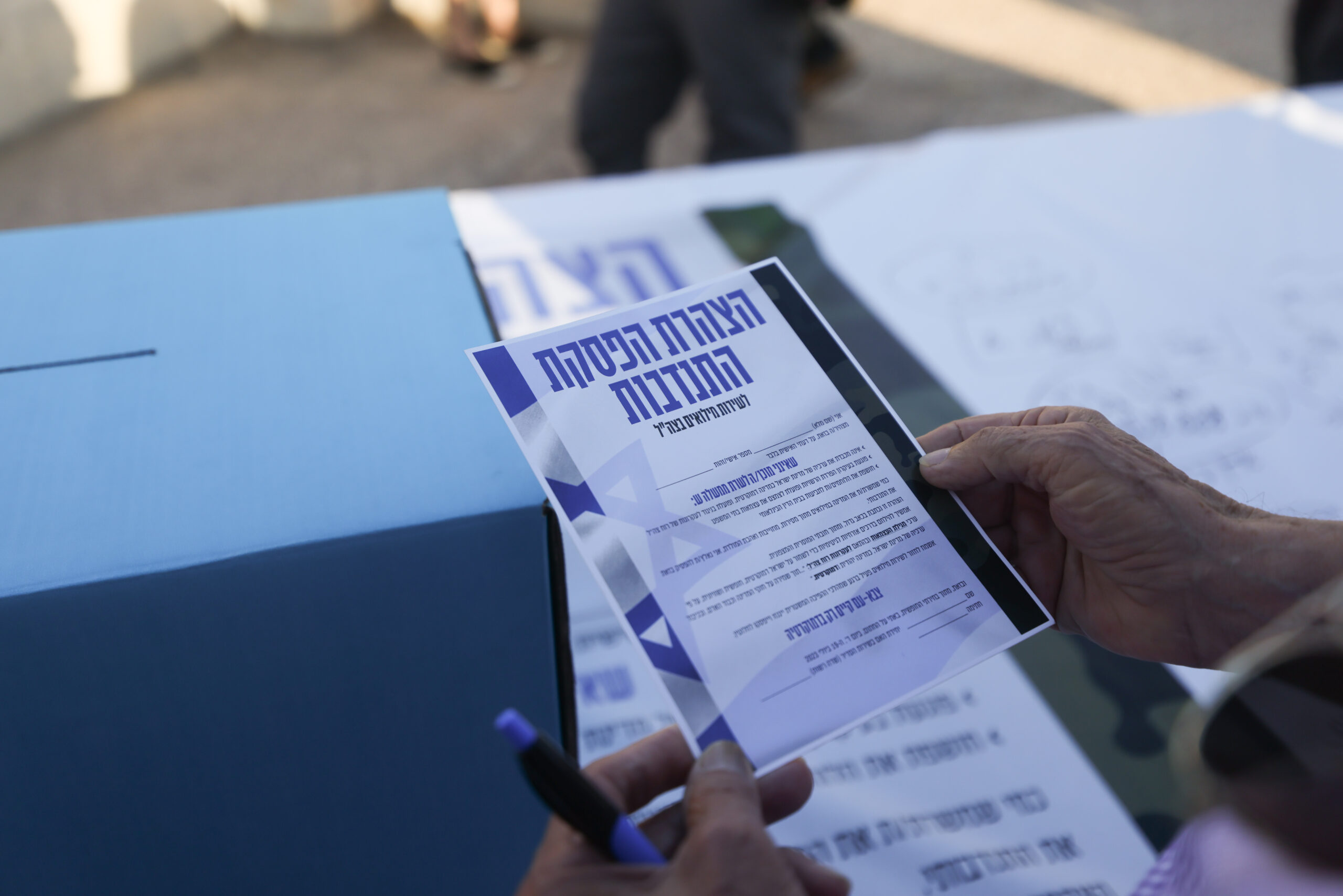
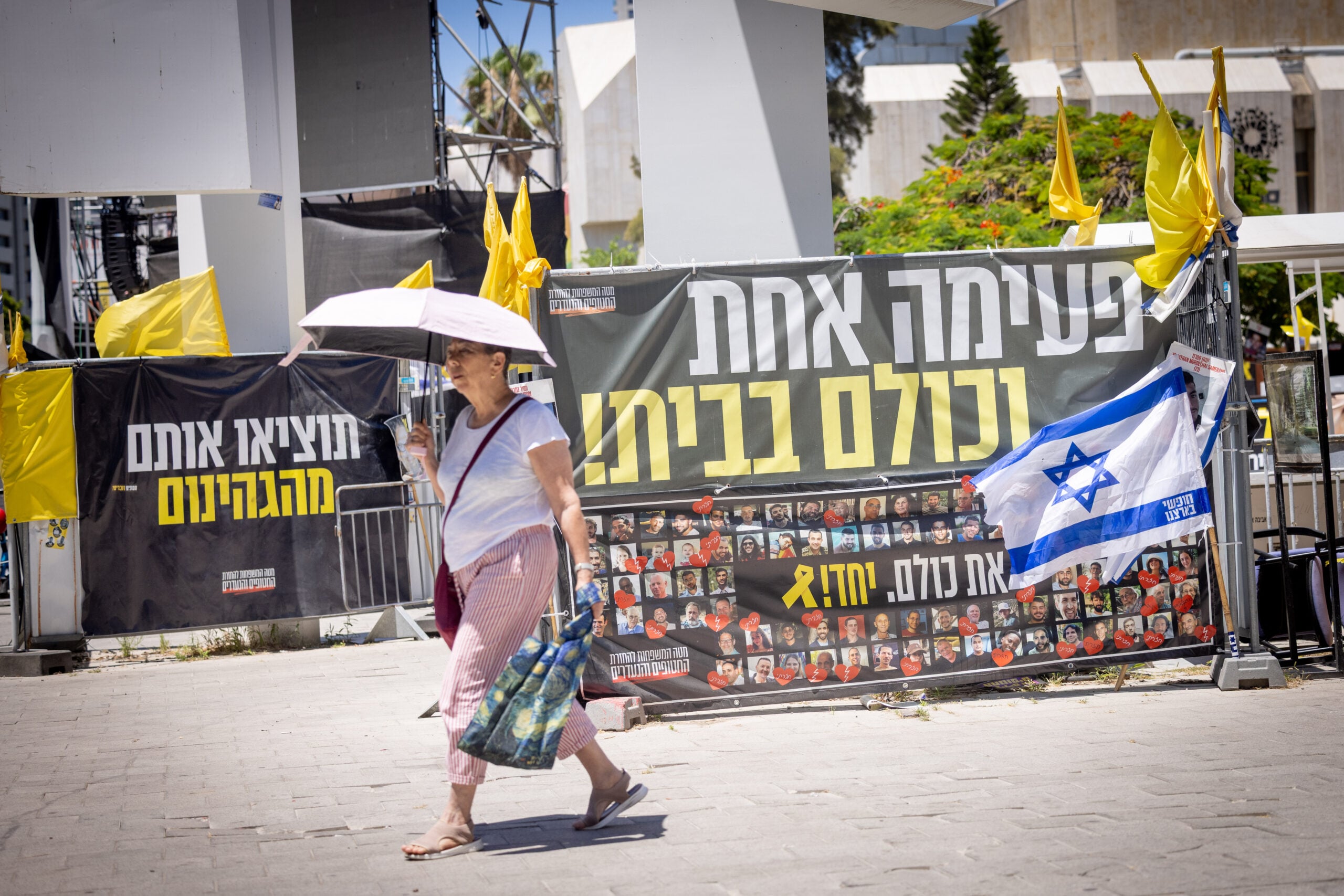
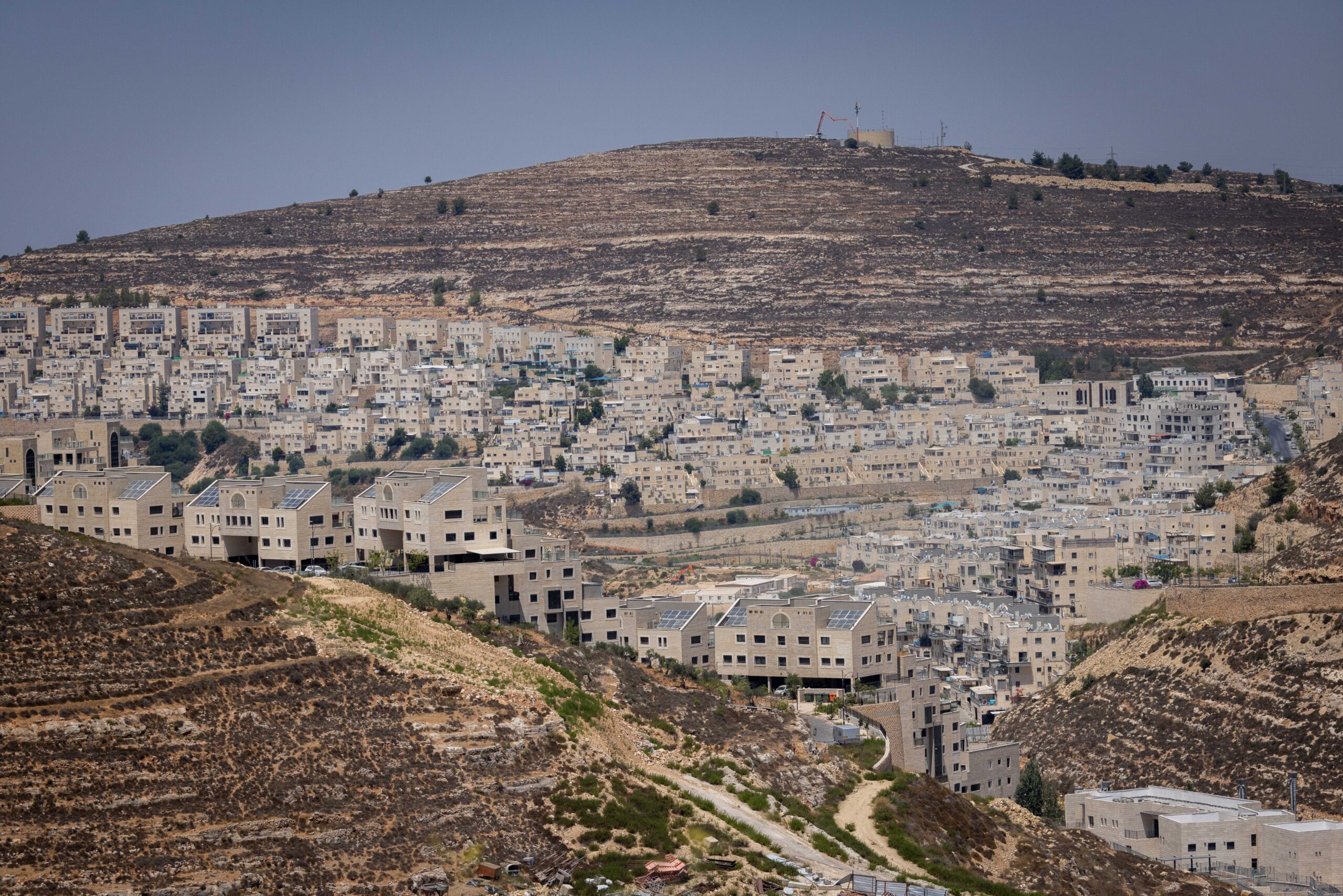
 Photo: Givat Zeev Spokesperson