Category: Israel

  • Trump Weighs ‘Massive’ Iran Strike, May Ask Israel to Join

    Trump Weighs ‘Massive’ Iran Strike, May Ask Israel to Join

    President Donald Trump is ramping up pressure on Iran. Against the backdrop of escalating tensions in the Middle East over the past two weeks, Trump said he is considering a large-scale strike on Iran—one that would be “the biggest ever” if Tehran continues its current course and refuses to meet American demands. Trump added that “Israel will join” if he asks.
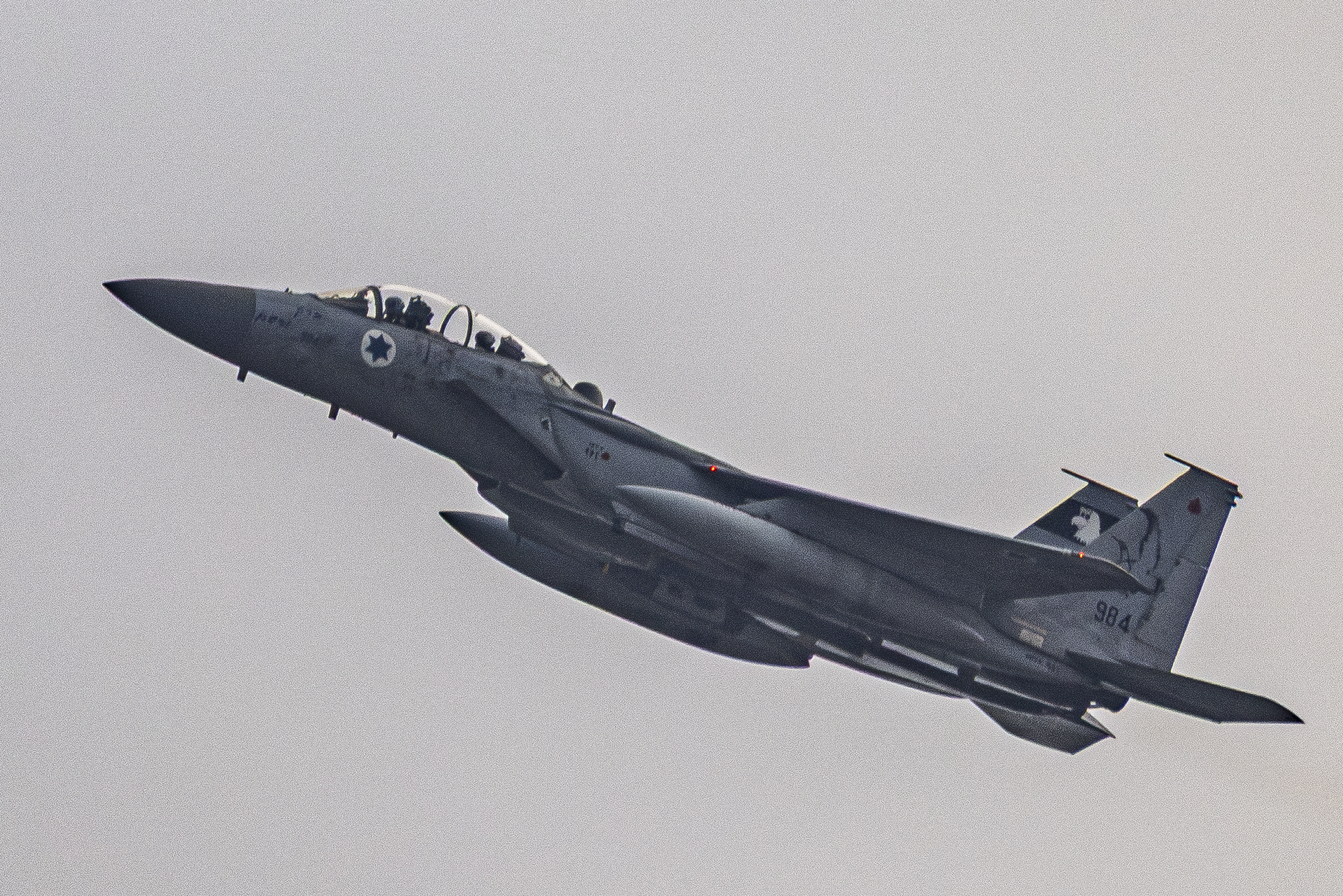
    Photo: Nati Shohat, Flash 90

    The statement follows a series of remarks in recent weeks in which Trump made clear the military option remains on the table and that the United States won’t hesitate to act if it believes the Iranian threat is growing. In recent months, the president has warned that if a “truly good” deal isn’t reached, the United States will return to military action “bigger and stronger than ever.”

    Senior Likud Lawmaker: ‘Iran Strike—Maybe This Weekend’

    In Israel, Trump’s comments gained added significance after Likud MK Moshe Saada said earlier Thursday in an interview with Noam Amir that “we’re heading toward a strike on Iran—possibly as soon as this coming weekend.”

    Alongside his warnings to Iran, Trump sought to calm concerns over the emerging civilian nuclear agreement with Saudi Arabia. In a post on Truth Social, he clarified that approval of the deal would be conditional on Saudi Arabia joining the Abraham Accords and normalizing relations with Israel.
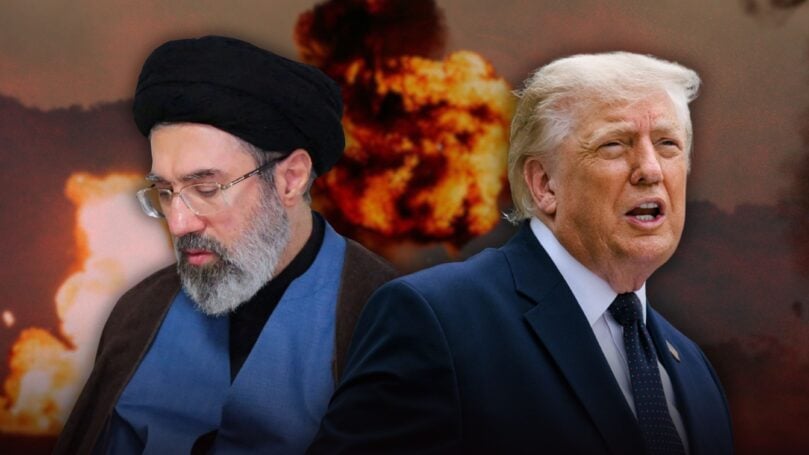
    Photo: White House, Reuters

    According to Trump, the agreement is strictly for civilian use, will not permit uranium enrichment on Saudi soil, and will focus exclusively on peaceful nuclear energy. He stressed that the deal would not fuel a regional nuclear arms race. His decision to link the agreement to the Abraham Accords is widely viewed as an effort to pressure Riyadh to move toward normalization with Israel despite conditions the kingdom has previously set.

    Cities Open Shelters: ‘Ready for Any Scenario’

    Amid the rising tensions, several local authorities across Israel have begun preliminary preparedness measures, although Home Front Command has not issued any changes to its official guidelines. Herzliya, Eilat, Ramat Gan, and Karmiel have all announced the opening of public shelters while reinforcing emergency and maintenance teams.
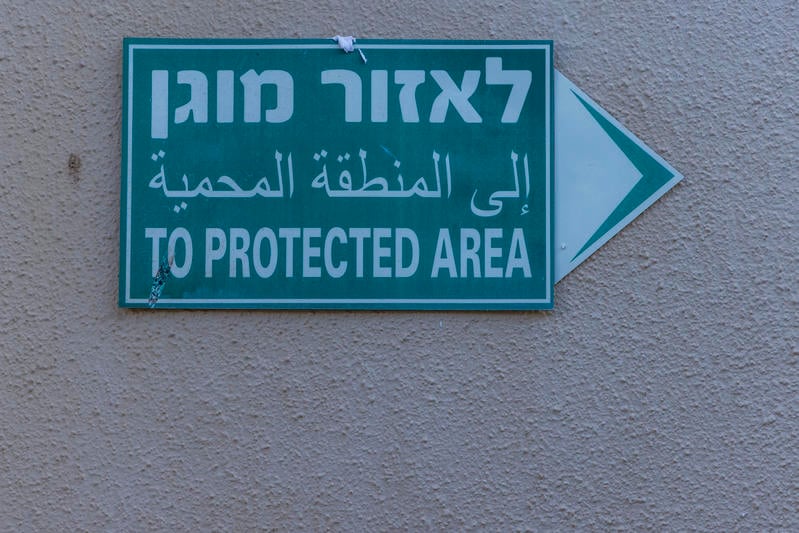
    Photo: Yossi Aloni, Flash 90

    In Herzliya, Mayor Yariv Fisher held a situation assessment with Home Front Command representatives, security and rescue officials, and municipal leaders before announcing that all public shelters were open and ready for use. He said the city remains in constant contact with security officials and is prepared for any scenario. In Eilat, the city’s Emergency and Security Division also ordered shelters opened, increased patrols, and instructed operators of dual-purpose shelters to prepare for immediate activation if needed.

    Officials stressed that these are precautionary measures intended to improve preparedness, not a response to any change in the official threat assessment. Residents were urged to familiarize themselves with the nearest protected spaces and continue following Home Front Command instructions.
  • Defying Samaria Terror, Israel Fast-Tracks New Community

    Defying Samaria Terror, Israel Fast-Tracks New Community

    Following Thursday’s stabbing and arson terror attack near the Derech Avraham outpost in Samaria, Finance Minister Bezalel Smotrich and Defense Minister Israel Katz announced a series of measures aimed at strengthening Israeli security and communities in the area.

    Smotrich ordered the immediate advancement of the previously approved community named ‘Shalem’ located near the attack site, describing it as a strategic response to the ongoing terrorist threat in the region.

    Minister Smotrich | Photo: Avshalom Shoshani, Flash90

    Smotrich also directed professional officials in the Civil Administration to act without compromise against illegal construction and lawlessness in the area:

    • Rapid Mapping: Conduct an immediate, comprehensive survey of all illegal structures surrounding the attack site.

    • Enforcement and Demolition: Demolish the identified illegal structures to restore security and deterrence in the area.

    • Strengthen Governance: Increase the security presence and oversight throughout the area as part of a broader effort to reinforce law and order.

    “The best response to terror is strengthening communities and increasing governance,” Smotrich said. “For every attempt to harm us, we will deepen our roots in the land of our forefathers and continue to build, grow stronger, and fight for the security of Israeli citizens.”

    Defense Minister Israel Katz also issued a statement Thursday following the terrorist attack, wishing a speedy recovery to Itamar Cohen, one of the founders of the agricultural farms in Judea and Samaria, who was critically wounded in the stabbing. “I stand with him and his family and pray for his full recovery,” Katz said.

    שר הביטחון ישראל כ"ץ | צילום: חיים גולדברג, פלאש 90

    The defense minister praised IDF soldiers and security forces who acted quickly, decisively, and professionally to eliminate the terrorists at the scene.

    “Thanks to the offensive policy we are leading and the relentless activity of our security forces, ‘Palestinian’ terrorism has dropped by more than 80 percent,” Katz said. “But make no mistake—’Palestinian’ terrorism still exists, and we will continue acting against it at all times and in all places.”

    Katz declared that just as Israeli forces dismantled terrorist infrastructure in the camps of Jenin, Tulkarm, and Nur al-Shams, they will operate wherever terrorists attempt to harm Israeli citizens.

    “The IDF will not hesitate to enter additional villages and camps, strike terrorists and those directing them, and dismantle any terror hub that threatens the security of our citizens,” he said.

    כוחות ההצלה בזירת הפיגוע | צילום: מד"א
    The scene of the attack | Photo: MDA

    Katz concluded by vowing that terrorism would not deter Israel and that the government would continue strengthening and establishing new communities while legalizing additional farms in Judea and Samaria.

    “Terrorism will not deter us and will not achieve its goal. It is part of the State of Israel’s security doctrine to continue developing Judea and Samaria while uncompromisingly protecting the security of its residents and all Israeli citizens.”

  • Israeli Stabbed by Arab in Samaria, Attacker Neutralized

    An Israeli was wounded in the leg in a suspected stabbing attack near Ganim in the northern part of Judea and Samaria.

    The attacker was apparently neutralized.

  • Arabs Threaten More Terror Attacks After Samaria Stabbing

    Arabs Threaten More Terror Attacks After Samaria Stabbing

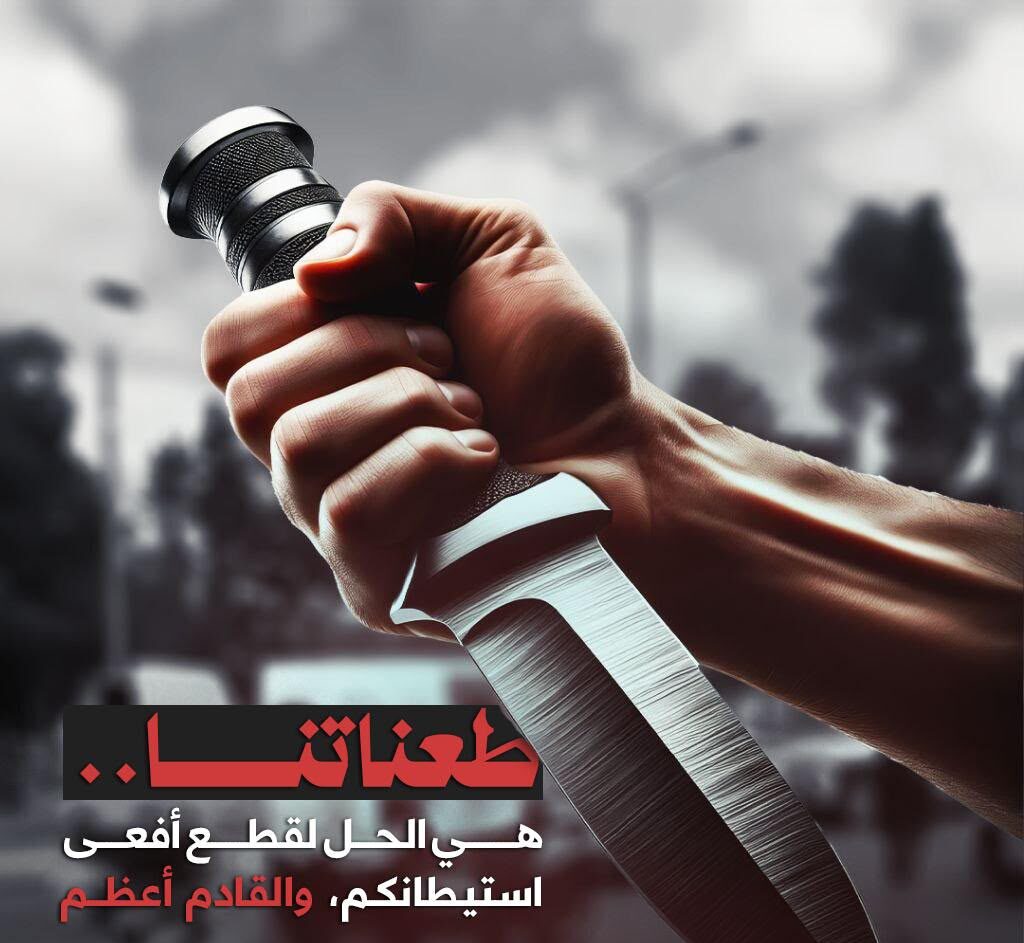
    Within hours after a Jewish man in his 50s was critically wounded in a stabbing attack in Samaria today (Thursday), major Arab Telegram channels began celebrating the attack, circulating inciting posters glorifying the terrorists and threatening additional attacks against Jews.

    The scene of the attack | Photo: MDA

    One widely circulated poster featured a hand gripping a bloodstained knife alongside the message: “Our stabbings are the solution to cutting off the head of your settlement enterprise—and what is coming next will be much bigger.” The attack was hailed as a “heroic stabbing operation,” underscoring the continued glorification of terrorism across Arab social media.

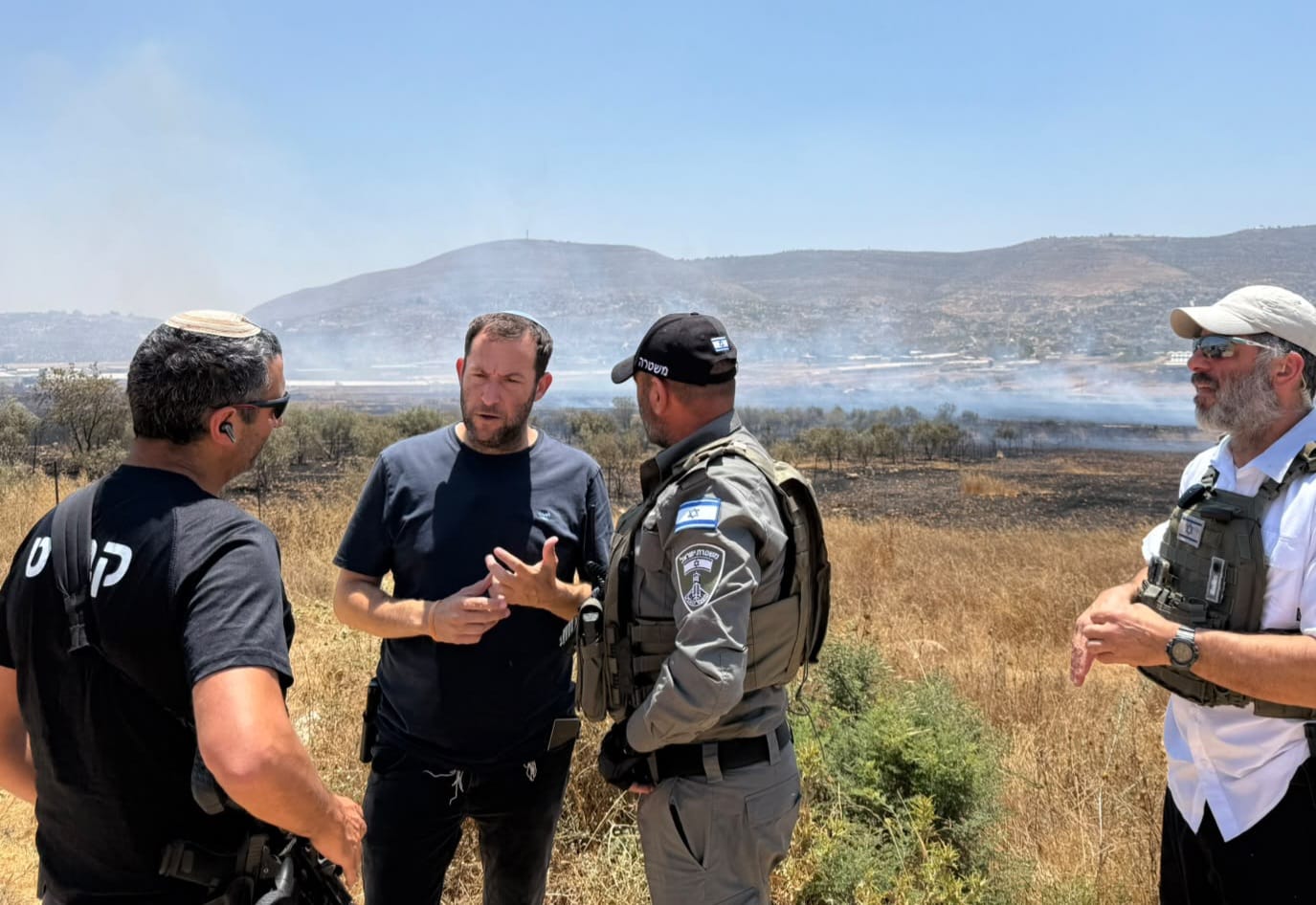
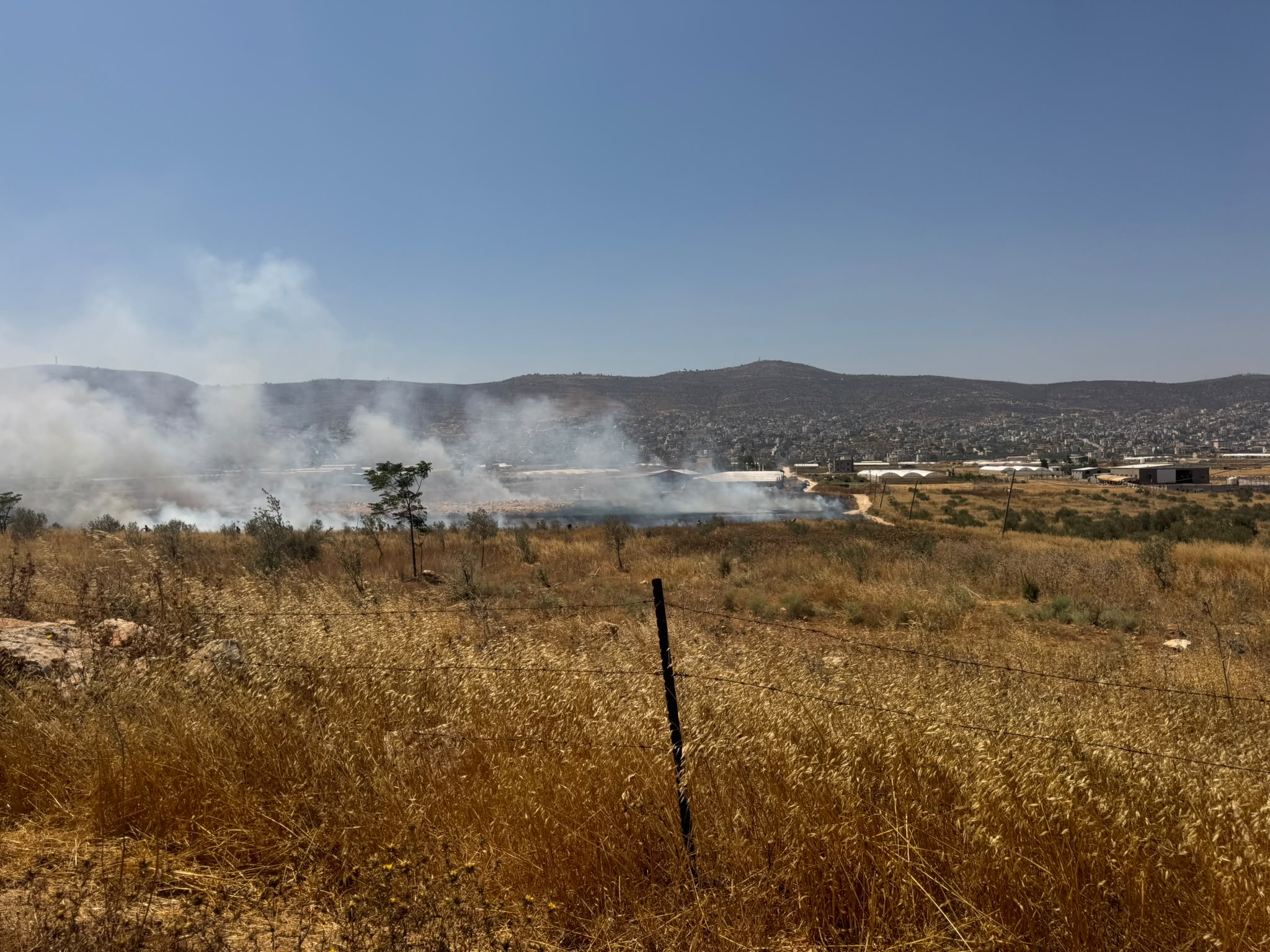
    Earlier today, Arab arsonists from the nearby village of Beit Furik set fire to the Derech Avraham Farm, sending flames racing across the area. Dozens of volunteers, firefighters, members of the local emergency response team, and Israeli security forces rushed to prevent the blaze from spreading.

    Scene of the stabbing attack in Samaria | Photo: Samaria Council

    As the rescue effort unfolded, two terrorists exploited the chaos and attacked the responders. One Jewish volunteer was stabbed in the chest and critically wounded before being evacuated for emergency medical treatment.

    The online threats, issued within hours of the attack, portrayed the stabbing not as an isolated act of terror, but as part of a broader campaign of incitement encouraging additional attacks against Israeli civilians.

    The messages served as a stark reminder that for many Israelis living in Judea and Samaria, the threat extends beyond a single attack—fueled by an ecosystem that glorifies terrorism and encourages more bloodshed.

  • IDF Planner: Judea & Samaria Israel’s Most Dangerous Front

    IDF Planner: Judea & Samaria Israel’s Most Dangerous Front

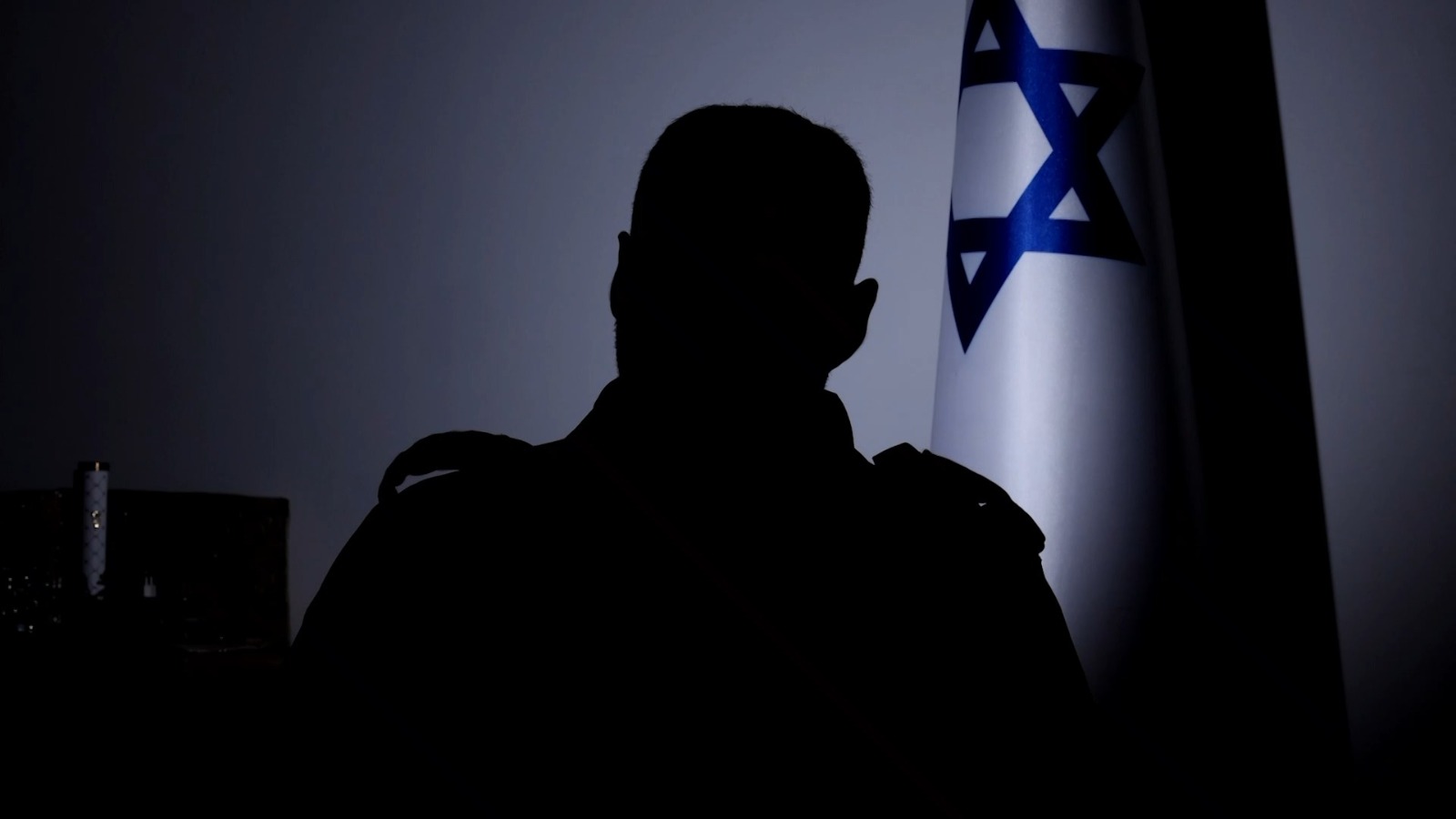
    As Israel’s security establishment navigates one of the most complex periods in its history, Col. A., the officer responsible for planning IDF operations over the past two years, sat down Thursday evening for an exclusive interview with Channel 14. The interview offers a rare glimpse into the IDF’s strategic thinking, ranging from the campaign against Iran to concrete fears of escalation in Judea and Samaria.

    “There were more crazy operations.” Riots in Dahiya, Beirut, following the exploding pagers | Photo: Arab Networks

    Asked about the pager operation, Col. A. didn’t just confirm the sense that it was a stunning achievement. “I think there are things that are even more ‘wow’ that happened,” he says, adding a reference to the unprecedented strike: “The attack in Qatar shows that the State of Israel and the IDF are willing to take major risks to achieve major results.”

    According to Col. A., the campaign against Iran is far from over. Responding to Donald Trump’s remarks about canceling ceasefire agreements with the Iranians, the officer makes clear that the IDF is developing new and surprising tools to strike strategic components in the Islamic Republic. “There are two options,” he explains. “Either an agreement that removes nuclear material from Iran, or this regime will have to fall. Those are the only options for solving the problem.” He emphasizes: the IDF is ready to strike inside Iran.

    The attack in the heart of Doha | Photo: Arab Networks

    Col. A. also raises concerns about other fronts, pointing to the consolidation of “the Sunni axis” led by powerful states. He specifically identifies Turkey as a potential threat: “We need to be a country with military capabilities better than those who could threaten us. It would be dangerous for us if they (the Turks) hold F-35 aircraft.”

    IDF planes take off for strikes in Iran, archive | Photo: IDF Spokesperson

    Despite tensions in the north and Gaza, the senior officer surprises by identifying the most critical arena for Israeli civilian security today: Judea and Samaria. Responding to public fears of a repeat October 7th scenario in the area, he says: “The most complex place today is Judea and Samaria. We’ve come a long way there in strengthening the communities and security components.”

    He concludes with a warning and a call to decision-makers: “The biggest advantage in Judea and Samaria is that we’re not standing on the sidelines. The IDF’s freedom of action for intelligence and force deployment anywhere in Judea and Samaria is what will prevent nightmare scenarios from taking hold. If we preserve that, we’ll prevent the next thing.”

  • Arabs Stab Jewish Man in Israeli Heartland, Neutralized

    Arabs Stab Jewish Man in Israeli Heartland, Neutralized

    A stabbing attack unfolded Thursday at Avraham Farm in Samaria, near the settlement of Elon Moreh, after ‘Palestinian’ terrorists used a fire as bait to draw in Jewish civilians and then attacked them. According to the IDF’s preliminary account, the incident began at 12:15pm, when two terrorists stabbed an Israeli citizen who had gone to the area to help extinguish a blaze started there by ‘Palestinians’ from the nearby village of Beit Furik. The victim, a 50-year-old man, was stabbed in the chest. Medical sources described him as conscious, with his condition listed as serious. He was rushed by helicopter to hospital. Both terrorists were eliminated at the scene; it is not yet known who carried out the elimination.

    Rescue forces at the scene of the attack | Photo: MDA

    MDA emergency medical technician Israel Arbus, who treated the victim, described the chaos of the response: “While securing a fire at the scene, civilians shouted to us that there was a man who had been stabbed. We immediately ran to the scene and saw a 51-year-old man suffering from stab wounds to his body. We gave him life-saving medical treatment, which included stopping the bleeding, and in cooperation with an IDF medical force, we evacuated him to the hospital in critical condition. Two Palestinians were neutralized at the scene.”

    Police said forces from the district were collecting evidence and investigating the circumstances in which an Israeli citizen was stabbed in the upper body by two terrorists while working to extinguish a fire apparently set deliberately in the area.

    In the aftermath, the IDF placed a cordon on Beit Furik, the village from which the terrorists came.

    Yossi Dagan, Samaria Governor, arrived at the scene alongside security forces and condemned the attack in sharp terms: “This is a serious terrorist incident. We are repeatedly witnessing arson attacks and attempted attacks. There is a clear attempt here by the ‘Palestinian’ Authority and the terror orgs to raise their heads with incitement that leads to attacks and carrying out attacks on the ground.”

    He added: “All citizens of Israel expect an iron fist from the government. Jewish life in Samaria is strong, and we will defeat them. We expect the government to crush terrorism and those who incite it. We will win. A thousand terrorists will not help. This is our land and we will win.”

    Confrontations broke out in the aftermath between residents who had gathered and the terrorists, with video from the scene showing the fire still burning as the clashes unfolded.

  • Britain Updates Israel Travel Warning Amid Tensions

    Britain Updates Israel Travel Warning Amid Tensions

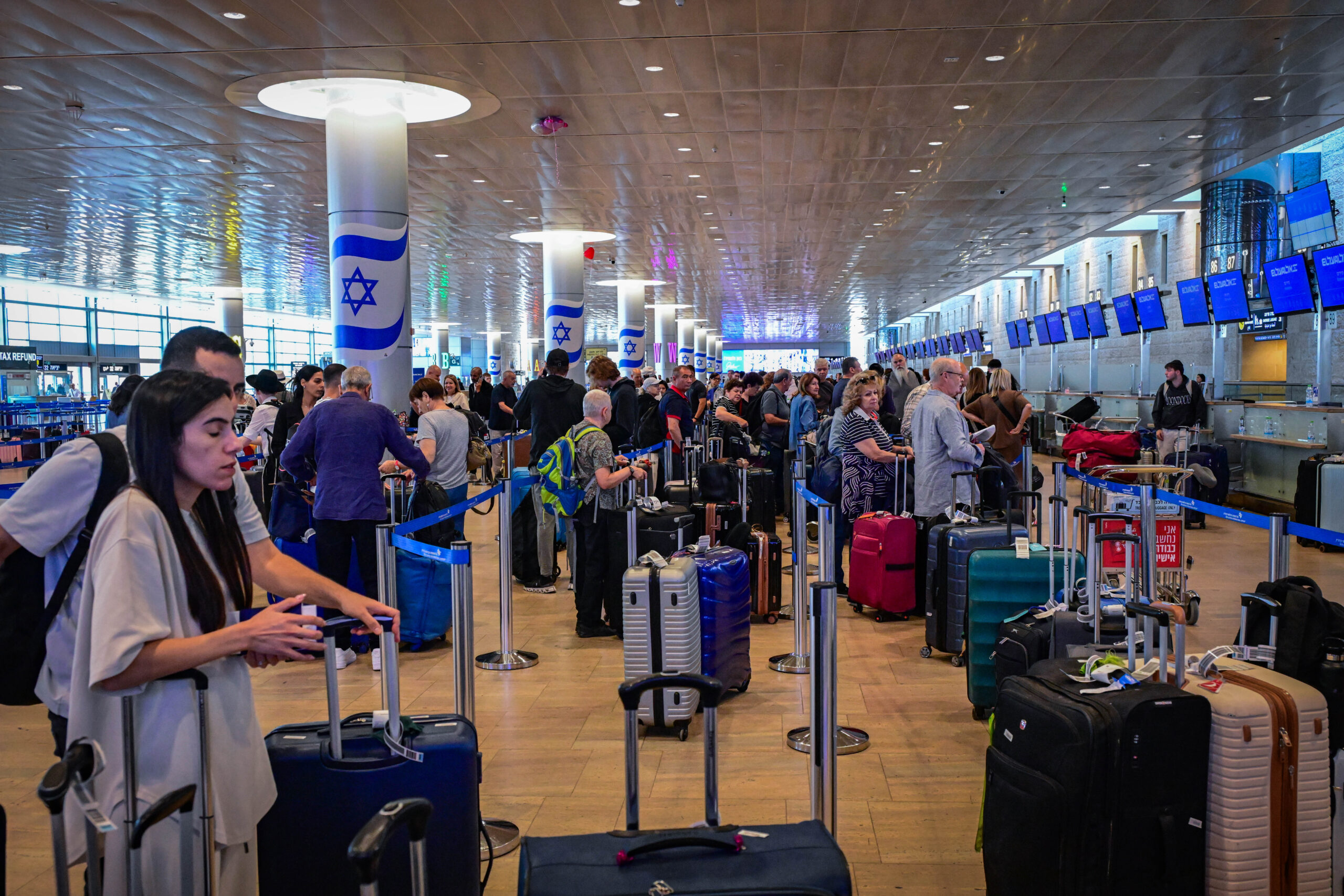
    Against the backdrop of fears of renewed escalation in the Middle East, and amid ongoing tensions between the United States and Iran—in which Israel could be involved in strikes or become a target for attacks—Britain’s Foreign Office (FCDO) updated its travel warning for Israel and urged its citizens to exercise heightened caution. The ministry emphasized that the security situation in the region remains unpredictable and that rapid escalation is possible.

    טיסות קרדיט: שאטרסטוק
    Photo: Shutterstock

    In the updated advisory, the British Foreign Office said it continues to recommend avoiding all travel to the Gaza Strip, to areas within 500 meters of the Gaza border, to certain areas in northern Israel near the Lebanese border and the Golan Heights, and to certain areas in Judea and Samaria. For other parts of Judea and Samaria, the ministry recommends avoiding non-essential travel.

    The ministry warned that although the number of missile and drone attacks against Israel has decreased recently, there is still a risk of additional fire and falling interception debris throughout the country. It also noted that disruptions to Ben Gurion Airport operations, flight cancellations, or temporary airspace closures are possible in the event of security deterioration.

    The British Foreign Office also called on citizens staying in Israel to continuously follow Home Front Command and local authority instructions, stay updated through media outlets, stay away from security and military installations, and be prepared to enter protected spaces in case of an alert.

    ביטול טיסות צילום: שאטרסטוק
    Photo: Shutterstock

    The ministry also reminded travelers that traveling against travel warning recommendations could affect travel insurance validity, and therefore recommended checking policy terms before departing for Israel.

  • Tens of Thousands Mark Tisha B’Av at Western Wall

    Tens of Thousands Mark Tisha B’Av at Western Wall

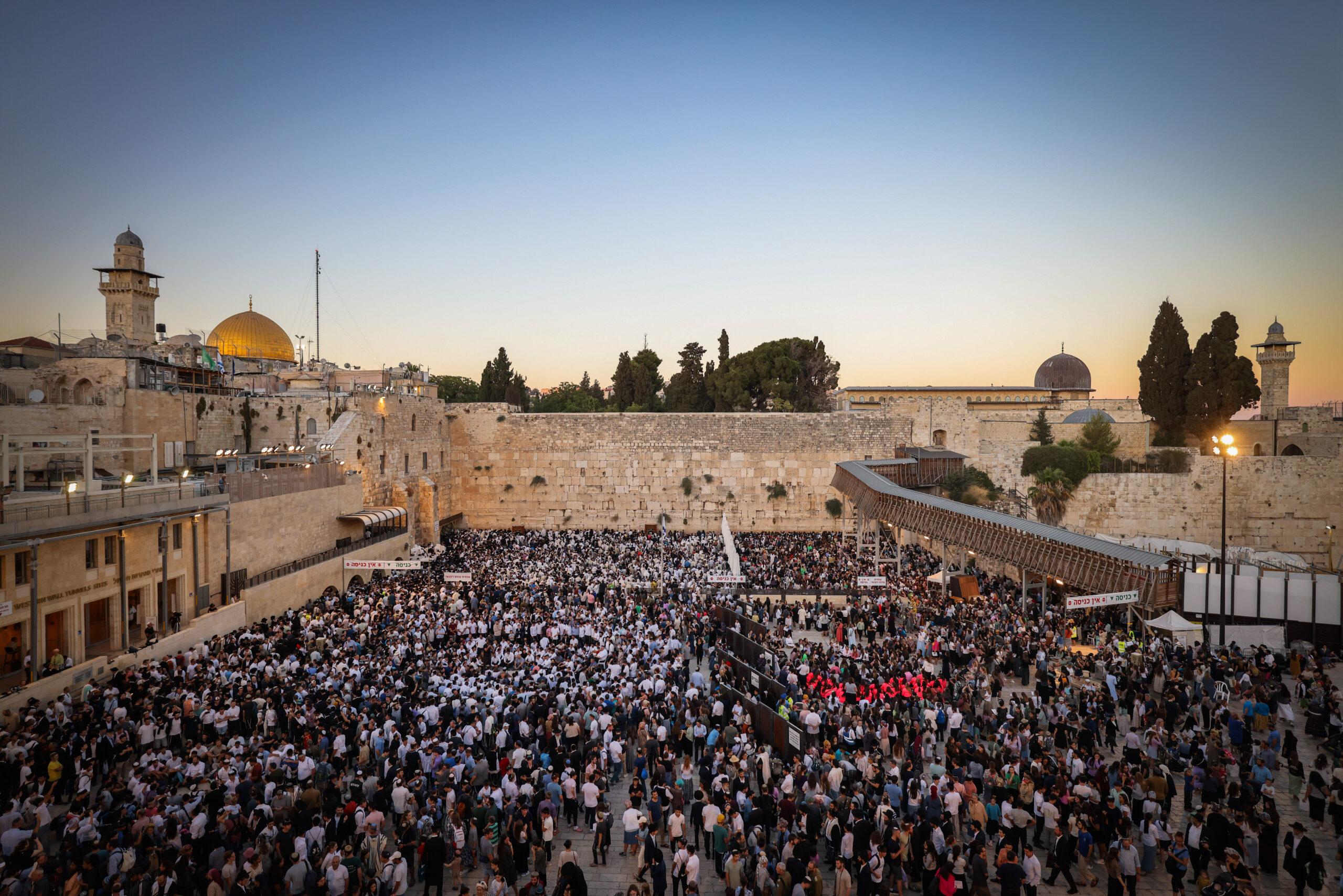
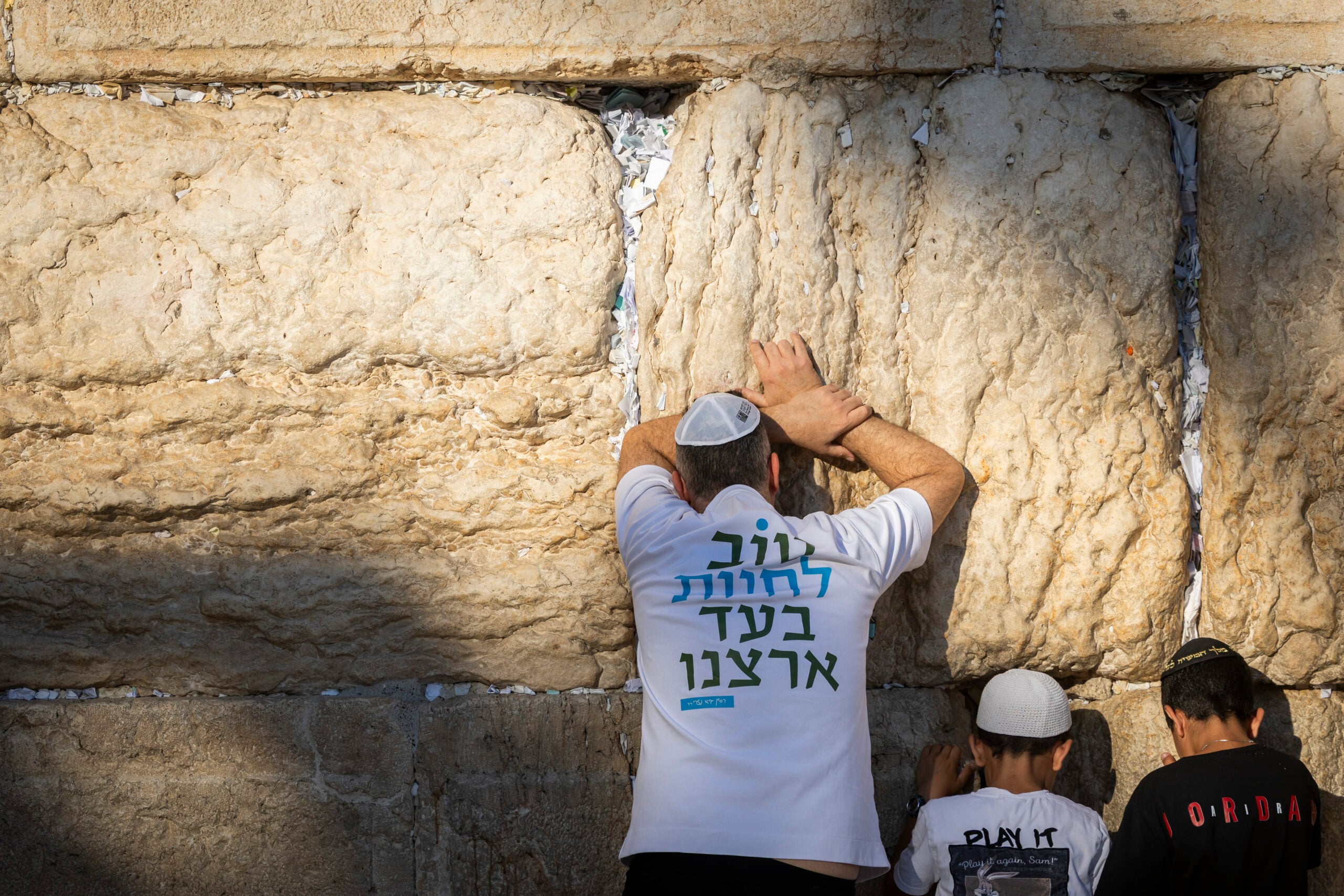
    Jews across Israel and the diaspora are marking Tisha B’Av today (Thursday), commemorating 1,958 years since the destruction of the Temple. From the start of the fast last night through the morning hours, tens of thousands arrived to pray at the Western Wall—the place from which the Divine Presence has never departed.

    Worshippers and visitors continued streaming to the Western Wall plaza throughout the night and are expected to keep coming today. Toward the end of the fast, organizers estimate tens of thousands more will arrive at the site.

    Of all the rabbinically ordained fasts, Tisha B’Av is the most severe and the only one observed from evening to evening—from sunset until nightfall the following day—aside from Yom Kippur, which is biblically mandated.

    Photo: Haim Goldberg/ Flash90

    On this day, considered a time destined for calamity when both the First and Second Temples were destroyed, the decree of the wilderness occurred, Beitar fell and the city was plowed over, along with other disasters in Jewish history such as the expulsion from Spain and the Gaza disengagement, observers maintain the five prohibitions: no eating or drinking, bathing, anointing with oil, marital relations, or wearing leather shoes. Until midday, participants sit on low chairs as mourners do, and read kinot—lamentations about the disasters and destruction.

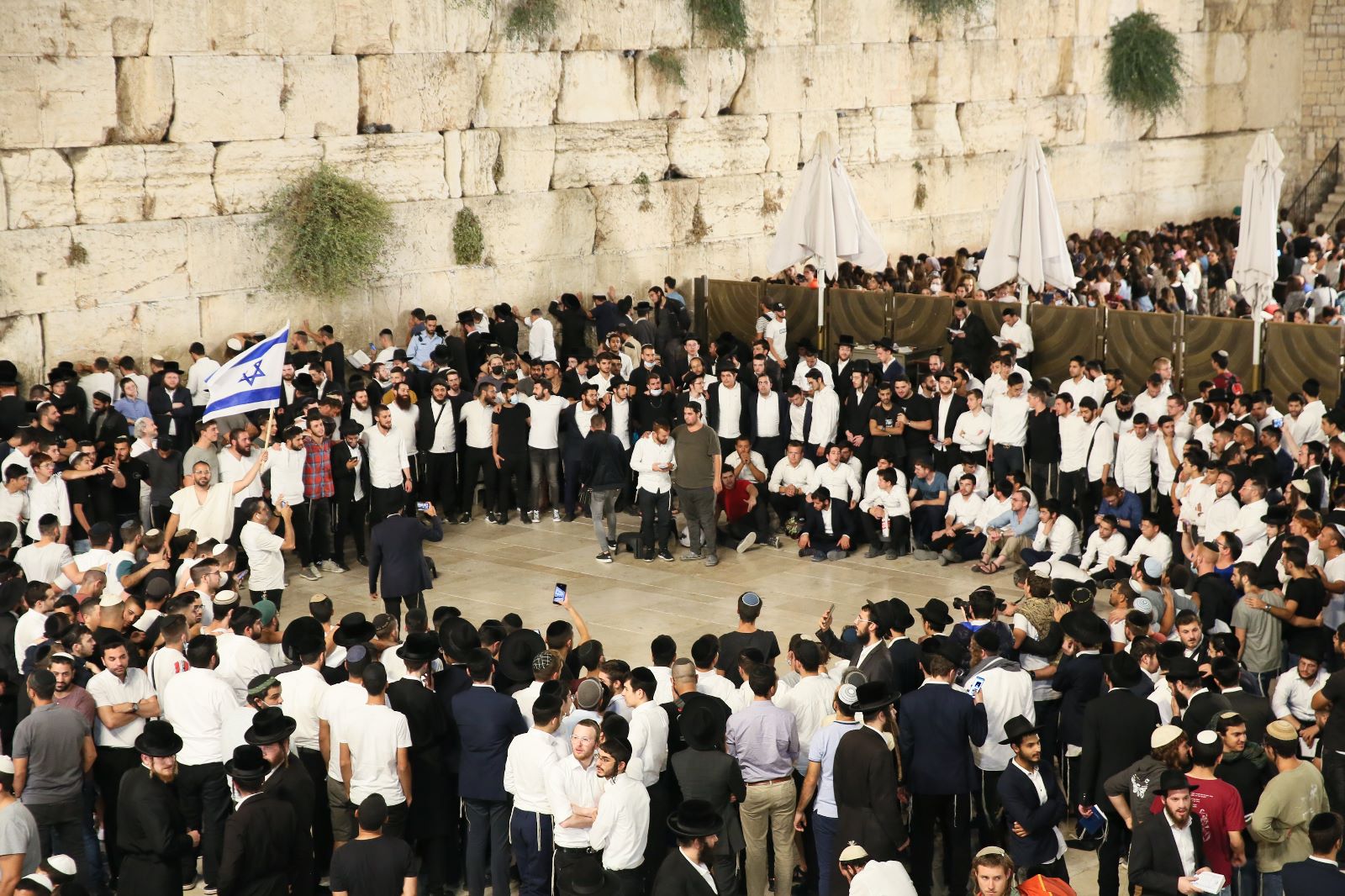
    In recent years, the moment the fast ends has become one of Jerusalem’s most moving gatherings. After the evening prayer, thousands of Jews from across Israeli society assemble in the Western Wall plaza and sing together songs of longing, comfort, and messianic hope.

    Photo: The Western Wall Heritage Foundation

    After the communal singing, worshippers recite the blessing over the new moon, and food and drink are distributed to those breaking the fast. Among the ancient stones of the Western Wall, facing the place from which the Divine Presence has never departed, the words that generations of Jews have used to conclude the Book of Lamentations are heard again tonight: “Restore us to You, O Lord, and we shall return; renew our days as of old.” One prayer, rising for nearly two thousand years, expressing hope for the day when Tisha B’Av will transform from a day of mourning into a day of messianic revelation.

  • Hundreds at Jerusalem Event for Detained ‘Settler’ Activist

    Hundreds at Jerusalem Event for Detained ‘Settler’ Activist

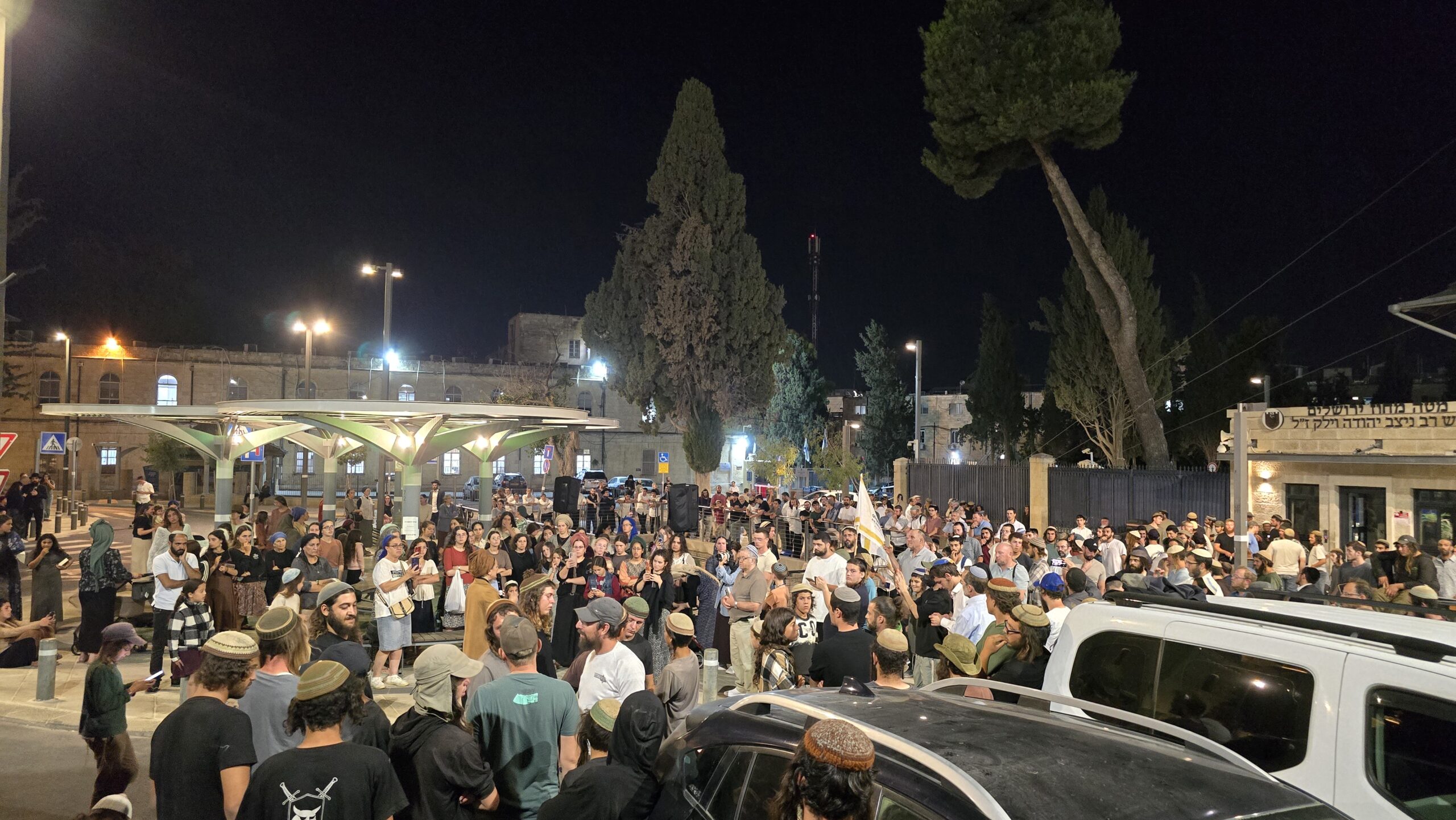
    Hundreds gathered Wednesday evening for a reading of the Book of Lamentations and Tisha B’Av prayers outside the Russian Compound detention center in Jerusalem, where hunger-striking ‘settler’ activist Tal Yanon Dardik is being held following an administrative order issued against him by Central Command chief Maj. Gen. Avi Bluth.

    Credit: Fair Use

    Participants are calling on Defense Minister Israel Katz to intervene immediately, citing Dardik’s deteriorating medical condition as he enters his 17th day of hunger strike. Among those attending the event were Knesset member Limor Son Har-Melech, former MK and Zehut party leader Moshe Feiglin, journalist Ziv Maor, and others.

    Following the deterioration in his medical condition, the Honenu legal aid organization issued a demand for Dardik’s evacuation to a hospital for urgent medical tests and treatment. “Our client is on hunger strike and his health is deteriorating. He is suffering from repeated fainting spells, sharp weight loss, body temperature of 34 degrees Celsius, and a drop in vital signs,” the organization wrote in its appeal, emphasizing that he must receive treatment to prevent serious damage to his health.

    Credit: Fair Use

    Dardik, a resident of an outpost in the Binyamin region and father of four, was arrested about two and a half weeks ago on claims he violated an administrative order placing him under full house arrest at his mother-in-law’s home—a widowed and deaf woman. It is claimed the order was not feasible since the mother-in-law was never even informed of it, and upon his arrest Dardik began a hunger strike in protest of the move. Over the past week his condition has worsened and he is suffering from repeated fainting spells, against what his supporters describe as “the system’s disregard for his requests and his medical condition.”

  • New Hamas Terror Chief Carries On Sinwar’s Deadly Legacy

    New Hamas Terror Chief Carries On Sinwar’s Deadly Legacy

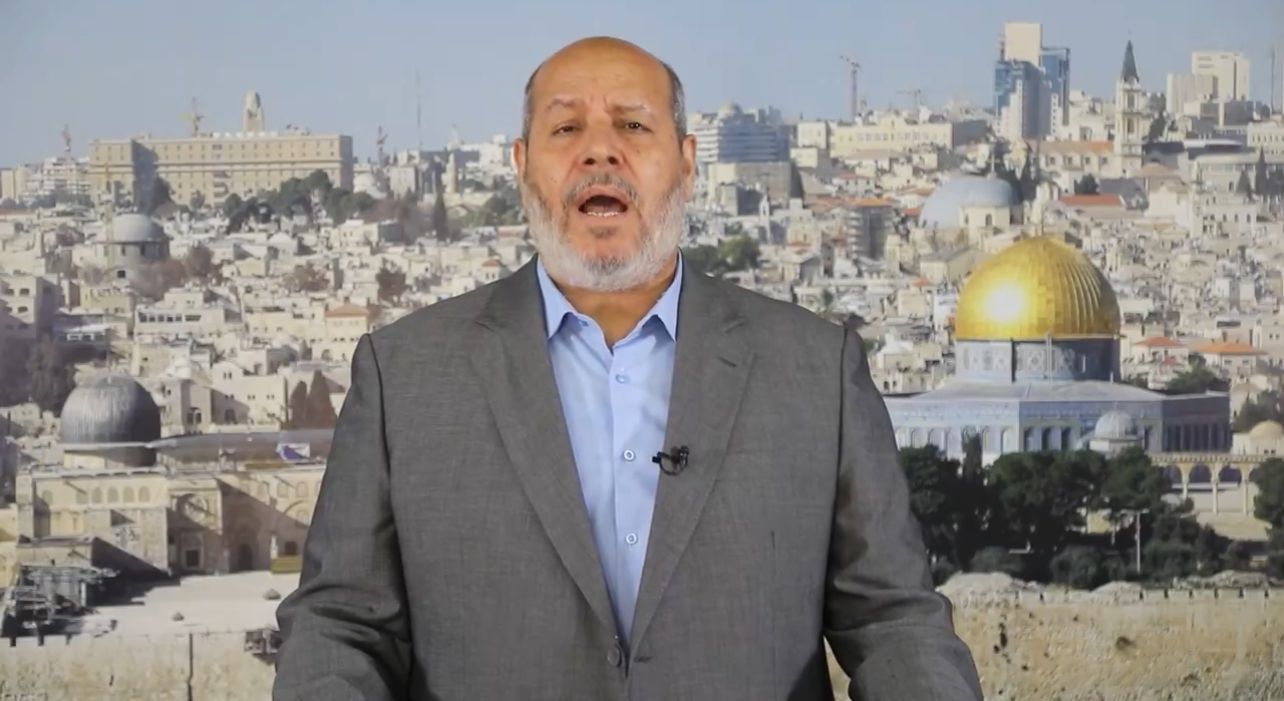
    Khalil al-Hayya, the newly appointed leader of the Hamas terror organization, delivered his first public address on Wednesday, vowing to uphold the doctrine of Yahya Sinwar—the architect of Hamas’s October 7 massacre, which killed some 1,200 people in Israel and saw hundreds taken hostage. Sinwar spent years preparing the attack with extensive Iranian support, despite having previously received life-saving treatment from Israeli doctors while imprisoned. Al-Hayya pledged to continue that path until “Palestine” is “liberated.”

    Photo: Arab Networks

    Al-Hayya assumed the leadership role just two days ago. Long regarded as one of Hamas’s most influential figures and a key architect of the group’s political negotiations, his appointment marks the official transition to the next phase of the terror organization’s leadership following Sinwar’s elimination by Israeli forces in October 2024.

    In an official statement announcing the appointment, Hamas said al-Hayya’s selection was intended to ensure organizational continuity and preserve the strategic direction established under Sinwar—a doctrine built on the mass murder of civilians and the destruction of Israel. Sources close to the organization’s leadership said, “Khalil al-Hayya has taken responsibility to lead the movement in the most complex period in its history, while maintaining the strategic line that was set.”

    The appointment signals that Sinwar’s doctrine did not die with its architect. Instead, al-Hayya appears to view it not as a failed strategy, but as the blueprint for Hamas’s future.