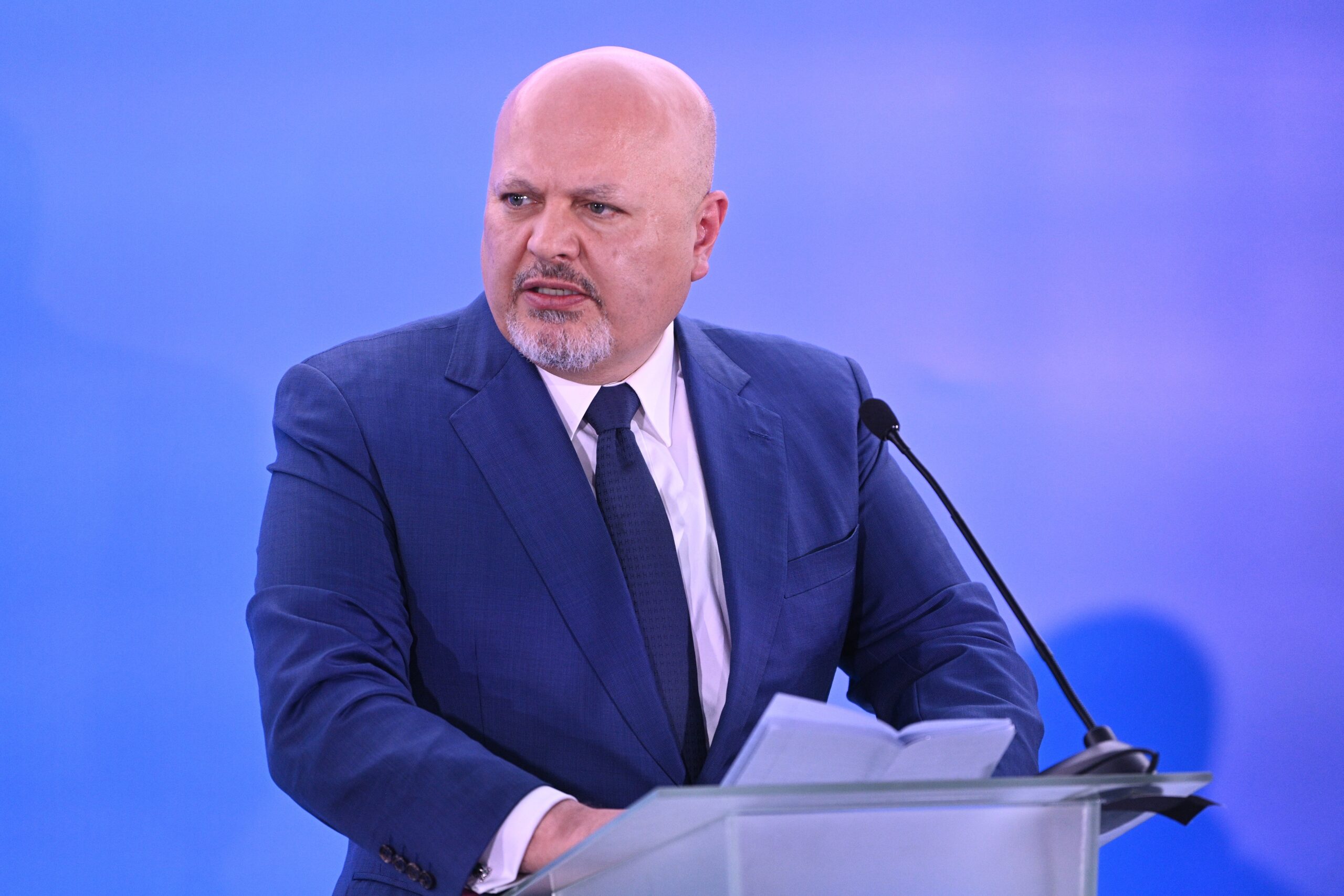
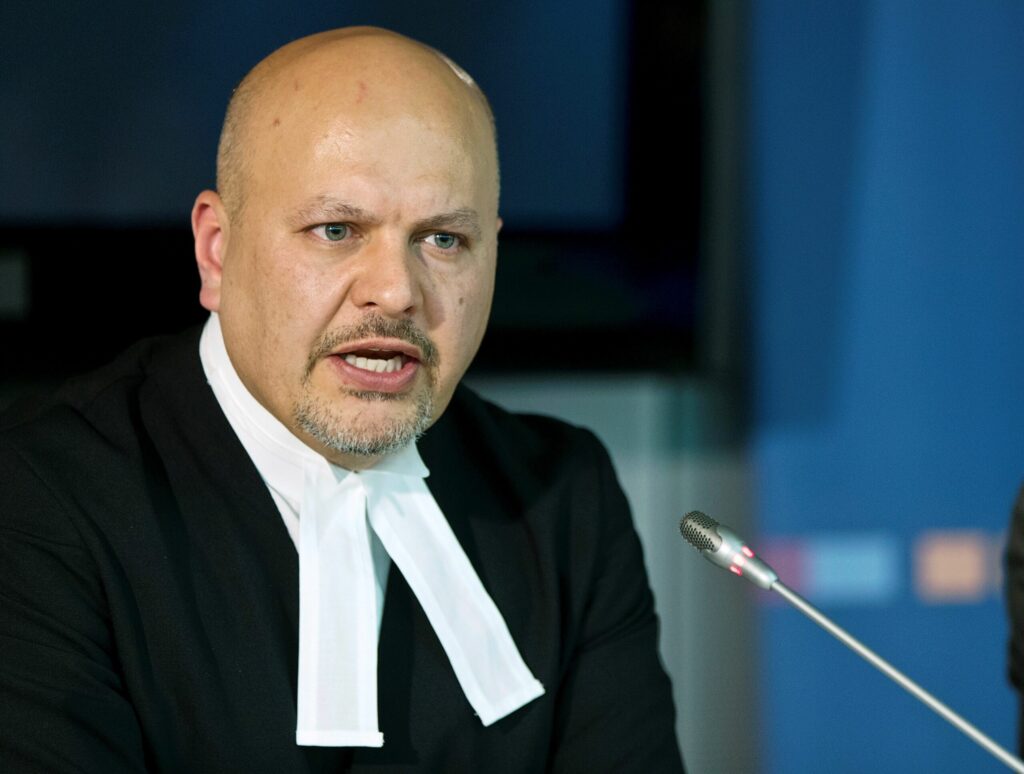
An overwhelming majority of member states at the International Criminal Court voted over the weekend to oust Chief Prosecutor Karim Khan following allegations of sexual misconduct. Khan, a British lawyer, left his post to fight the accusations in May 2025. He remains suspended from practicing law in Britain after the Bar Standards Board imposed a temporary ban while conducting its own investigation.
Khan couldn’t participate in the vote, held at UN headquarters in New York. He’s barred from entering the United States under sanctions the Trump administration imposed over the ICC’s investigation into what the court called war crimes committed by senior Israeli officials in Gaza. As part of the probe against Israel, Khan issued arrest warrants for Prime Minister Netanyahu and former Defense Minister Gallant.
According to an investigation published in The Wall Street Journal, in December 2023, during an ICC session at UN headquarters in New York, a female assistant in her 30s—a lawyer from Malaysia who worked under him—alleged that Khan sexually harassed her in a suite at the Millennium Hilton hotel following a meeting where she pressed him to ease the situation in Gaza.
According to her testimony, submitted to UN officials and reviewed by The Wall Street Journal, the harassment continued for months during work trips to New York, Colombia, Congo, Chad, and Paris, and even at a residence owned by Khan’s wife. The woman, who is married and a mother, claimed Khan assaulted her sexually multiple times in situations where she felt “trapped.”
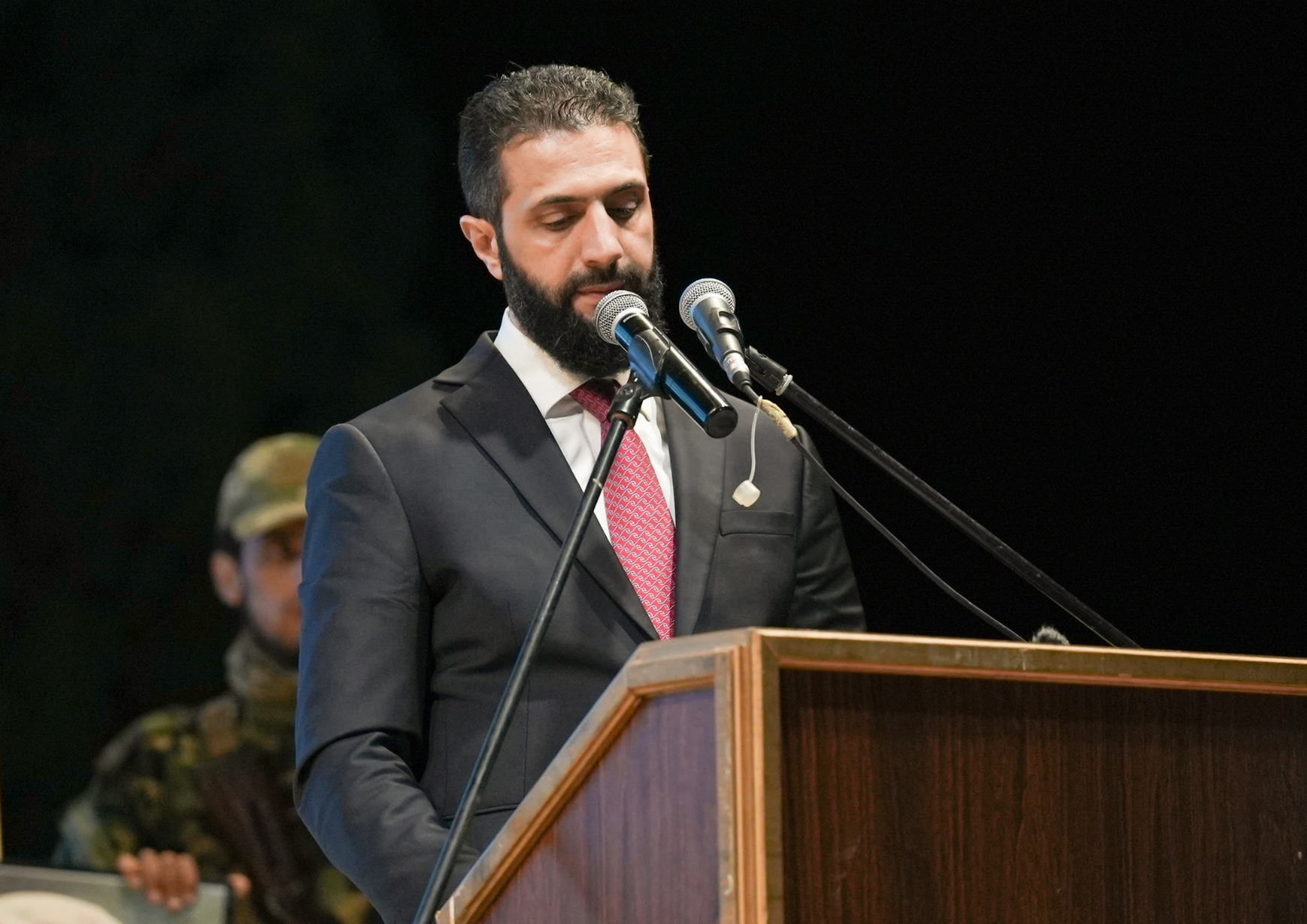
Syrian leader Ahmed al-Sharaa, known as al-Julani, said Syria is working to reach a security agreement with Israel with the participation of a group of countries.
Syrian president Ahmed al-sharaa | photo: Arab social media
On Hezbollah, al-Julani said Syria does not intend to carry out any military intervention in Lebanon, and that they are discussing solutions with the Lebanese government to help bring Lebanon to a safe place.
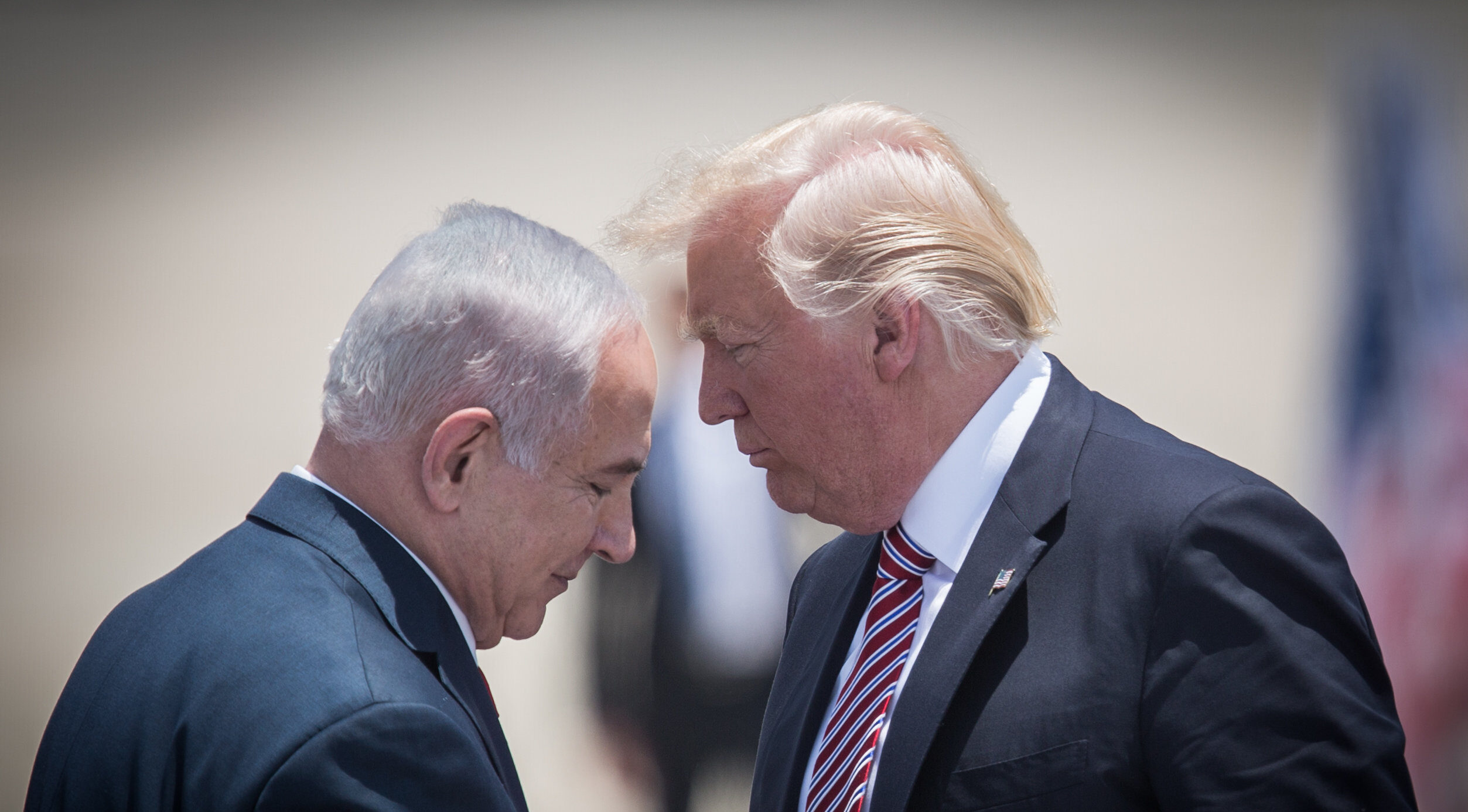
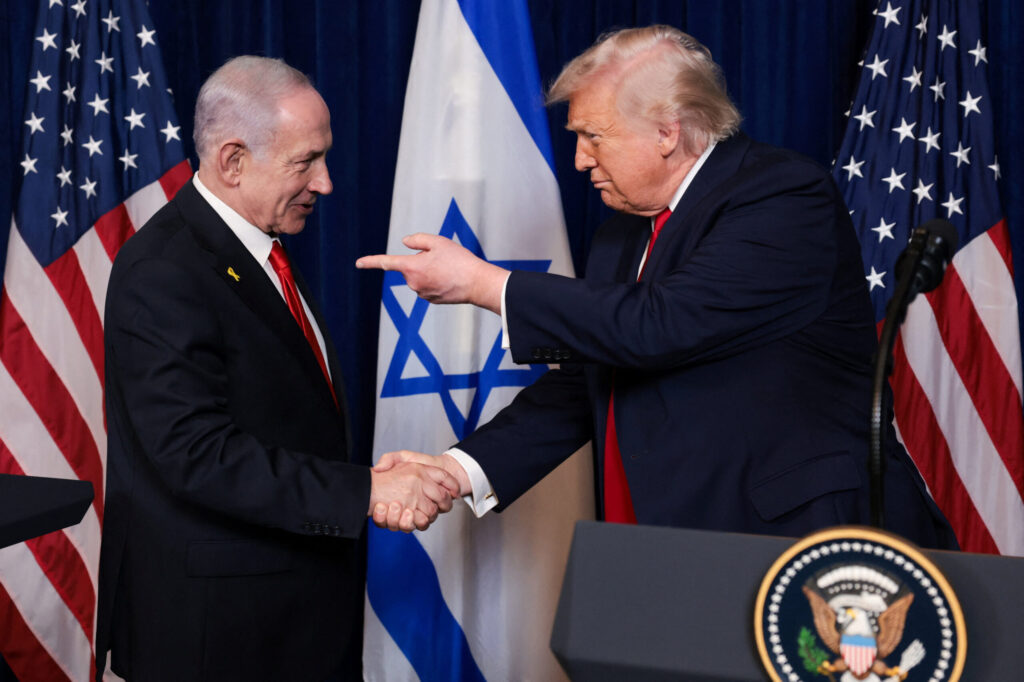
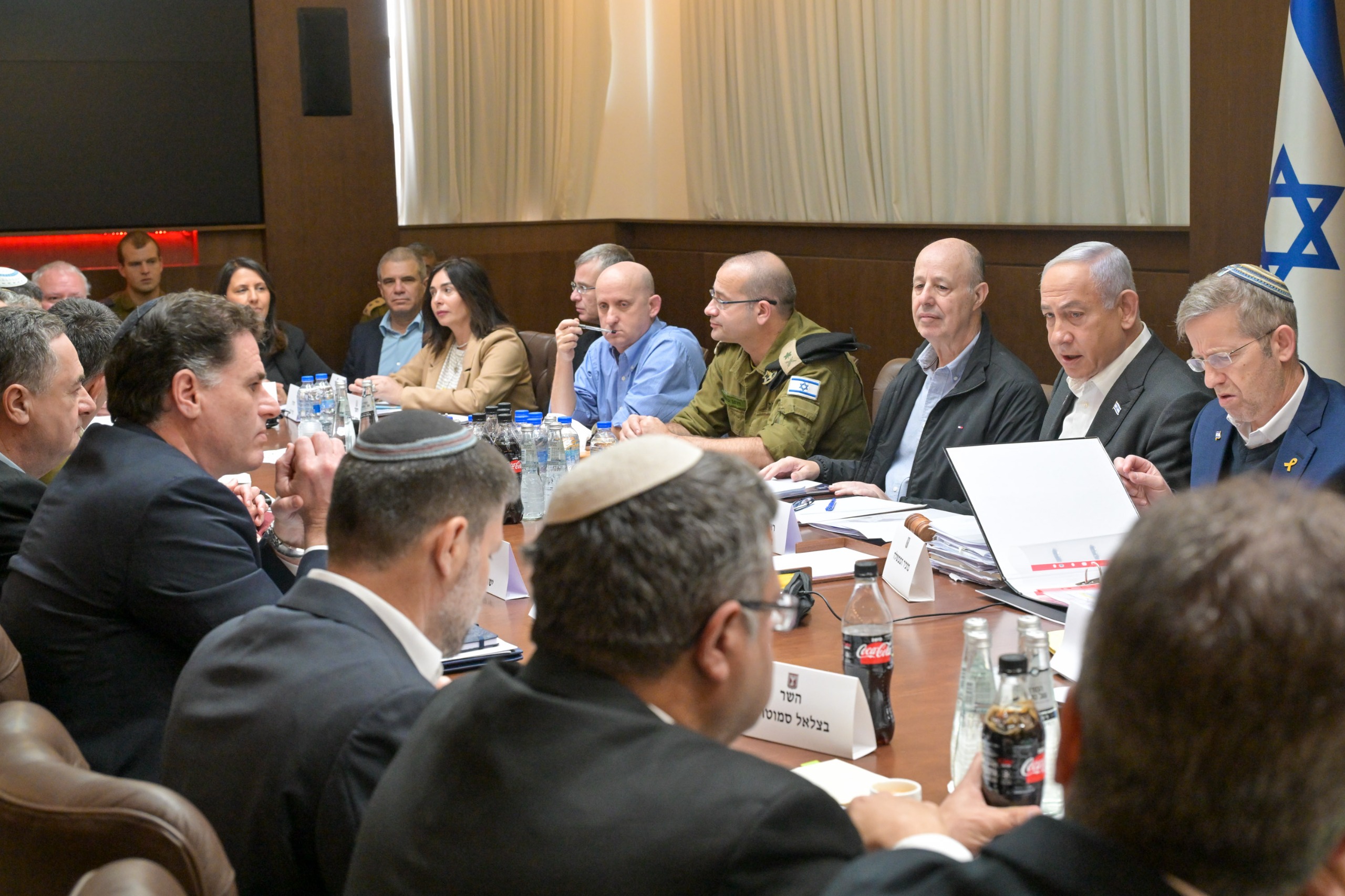
Prime Minister Benjamin Netanyahu announced during Sunday’s cabinet meeting—held in a secure underground facility—that he will fly to Washington tomorrow at President Trump’s invitation to meet with the president, then attend the funeral of Senator Lindsey Graham. “I must say, he was one of Israel’s greatest friends since its founding, and it’s fitting that we pay him this honor. I will also discuss with President Trump all the issues on the table, including the situation in Iran.”
Photo: Reuters
On the Judea and Samaria, Netanyahu said, “The directives we gave were to enter the villages, sweep them, seize weapons, arrest suspects. These things were done and are being done right now. There’s also entry into the hospital in Shechem [Nablus], where two accomplices hid. They took them. We sealed the terrorist’s house ahead of its demolition. We also mapped the houses of the other accomplices for action against them, and we are also ready to act more broadly against terror nests. The defense minister will elaborate on this.”
He added: “A third thing that happened in recent days is the decision by a large majority of countries to remove the prosecutor of the International Criminal Court. I think this exposed the fact that this man is not only accused of sexually harassing several women who worked for him—that was the reason he canceled his visit to Israel, canceled what he said about Israel’s legal system and the need to do a thorough examination, and immediately moved to advance warrants against me and against Yoav Gallant, the former defense minister.”
Karim Khan | Photo: Reuters
“He did this to divert attention, to rally of course all of Israel’s haters around him, to give himself essentially a protective shield. That shield has now been torn, and it exposed both his true motivation and the injustice and deep corruption that exists not only in the prosecutor’s office, but in the entire International Criminal Court. I spoke with Secretary of State Marco Rubio last night, and again he repeated in my ears the intention of the United States to act forcefully against this organization that endangers justice in the world and also endangers the right of democratic countries, sovereign countries, to exercise their sovereignty and essentially tries to subjugate their security to the decisions of corrupt bureaucracy in The Hague. I think this is a very positive development, and I think it’s important that we echo this around the world.”
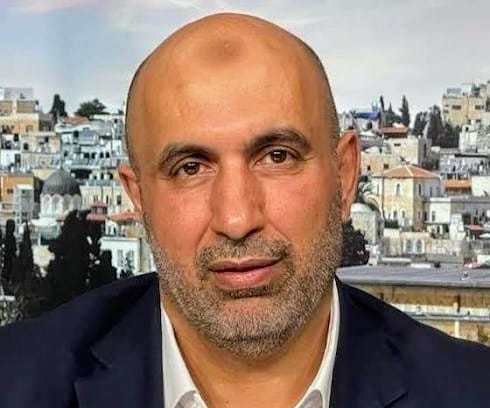
A senior Hamas terror leader, Zaher Jabarin is widely regarded as the architect behind the organization’s political and financial operations in Judea and Samaria, functioning as the strategic mastermind of its terrorist infrastructure. He is identified as the head of the pro-Iranian faction within Hamas and has long benefited from the patronage and protection of the Muslim Brotherhood-aligned government in Ankara.
Hamas terrorist in a suit, Zaher Jabarin | photo: Al-Mayadeen
The Most Influential Figure in Hamas
Senior Hamas leader Zaher Jabarin is a hardline Islamist and a jihadist ideologue. Many observers today regard him as one of the most dangerous and sophisticated figures within Hamas’s leadership. In this context, his radical statements on Qatar’s Al Jazeera network provide significant insight into his worldview, as he regularly appears as a featured guest presenting himself as a representative of a jihadist movement rooted in the ideological tradition of the Muslim Brotherhood.
A Call for Escalation
Recently, Jabarin reiterated in interviews with media outlets affiliated with the so-called “Axis of Resistance” his personal commitment, and that of Hamas as a whole, to avenge those killed in the confrontation with Israel. He also reaffirmed the movement’s unwavering commitment to the issue of ‘Palestinian’ security prisoners, a cause that has long occupied a central place in ‘Palestinian’ national discourse. In his remarks, he emphasized the need to do everything possible to secure their release.
Photo by: Arab media
From a national security perspective, such statements should be viewed as more than mere rhetoric. They may foreshadow a renewed campaign of terrorism across Judea and Samaria, including attempts by Hamas’s armed networks to kidnap Israeli soldiers or civilians.
In this context, particular attention should be paid to the Hebron district, which has traditionally served as both an ideological and operational stronghold of Hamas. This is especially significant because, unlike the extensive military campaign conducted against terrorist infrastructure in northern Samaria during the prolonged war in the Gaza Strip, Hebron did not undergo a comparable level of sustained counterterrorism pressure. As a result, the area continues to represent a potential hub for Hamas activity, while the strongholds in northern Samaria have been more closely associated with the military infrastructure of ‘Palestinian’ Islamic Jihad.
The Pro-Iranian Camp
In recent days, Jabarin has reportedly been engaged in intensive political lobbying aimed at securing the election of Dr. Khalil al-Hayya as head of Hamas’s terror group, which they call a ‘Political Bureau.’ To this end, he has sought to leverage his political influence among the movement’s supporters and activists within his sphere of authority in Judea and Samaria.
Zaher Jabarin with the eliminated arch-terrorists Ismayil Haniyeh in a meeting in Iran | photo: Arab media
The objective was clear: to consolidate support for Hamas’s pro-Iranian camp, which views itself as an integral component of the Iranian-led “Axis of Resistance” and remains closely aligned with the strategic vision of Iran’s revolutionary leadership.
From Salfit to Hamas Leadership
To understand the profile of a leading Hamas terror figure such as Zaher Jabarin, it is essential to examine the origins of his rise. Unlike other prominent Hamas leaders, including Yahya Sinwar and Khaled Mashal, Jabarin has never enjoyed broad public prominence or widespread popular appeal.
A native of the town of Salfit in central Judea and Samaria, Jabarin was among the founding members of Hamas’s military wing, the Izz ad-Din al-Qassam Brigades, in Judea and Samaria during the early 1990s, at the height of the First Intifada.
The Early Years of Militancy
According to Israeli accounts, Jabarin recruited Yahya Ayyash, later known as “The Engineer,” into Hamas while both were students at Birzeit University. Together with Mahmoud Issa, he was also implicated in the 1992 abduction and killing of Israeli Border Police officer Nissim Toledano.
In addition, alongside Ayyash and Abd al-Hakim al-Anani, one of his close associates, Jabarin was involved operationally in Hamas’s first suicide bombing, carried out at Mehola Junction in the northern Jordan Valley in the spring of 1993, shortly before the Oslo peace process.
Following his arrest, Jabarin was sentenced to life imprisonment for his involvement in militant activities. He was released in the autumn of 2011 as part of the Gilad Shalit terror-prisoner-for-Jewish-hostage exchange agreement.
Exile in Turkey and the Istanbul Headquarters
Following his release, Jabarin was deported to Turkey, where he found political refuge under the government of President Recep Tayyip Erdoğan. From there, together with a number of senior Hamas operatives, including Jihad Yaghmour from East Jerusalem and Sheikh Abd al-Rahman Rneimat from the Hebron-area town of Surif, he worked alongside Saleh al-Arouri in Istanbul to establish Hamas’s “Judea and Samaria Headquarters.”
The man who gives refuge to Hamas terrorists – Turkish President Erdogan | Photo: Reuters
The body has often been described by analysts as one of the movement’s principal operational centers for activity in Judea and Samaria, and as a faction maintaining particularly close ties with Iran and the so-called “Axis of Resistance.”
The 2014 Judea and Samaria Plot
In the summer of 2014, operating from Istanbul, Jabarin and al-Arouri were reported to have overseen Hamas cells in Judea and Samaria in what Israeli security officials described as an attempt to destabilize or overthrow the ‘Palestinian’ Authority under President Mahmoud Abbas.
The alleged objective was to replicate, on a smaller scale, Hamas’s violent 2007 takeover of the Gaza Strip, during which fierce fighting erupted between Hamas and Fatah.
The Successor to Saleh al-Arouri
Following Israel’s assassination of Saleh al-Arouri in Beirut’s Dahieh district in early 2024, Jabarin traveled to Lebanon to participate in the funeral of his longtime commander and close associate.
Dead arch-terrorist Saleh al-Arouri | Photo: Arab media
In the aftermath of al-Arouri’s death, many analysts assessed that Jabarin’s influence within Hamas increased substantially, with him emerging as the natural successor to al-Arouri’s role in overseeing the movement’s Judea and Samaria portfolio.
Negotiator and Prisoners’ Portfolio
Today, Jabarin is responsible for Hamas’s prisoners’ portfolio and has played a central role in the organization’s negotiations in Doha and Cairo. Alongside Dr. Khalil al-Hayya and Dr. Ghazi Hamad, he has been among the senior Hamas officials involved in discussions concerning hostage and prisoner exchanges, with particular emphasis on securing the release of long-serving ‘Palestinian’ murderes from Judea and Samaria, including Abbas al-Sayed, Abdullah al-Barghouti, and Ibrahim Hamed, all of whom are regarded by many ‘Palestinians’ as prominent national figures.
Approximately a year ago, Jabarin reportedly survived an alleged Israeli assassination attempt in Doha, together with several other senior Hamas officials. According to Israeli security assessments, he remains one of the movement’s principal strategists, directing Hamas’s political, financial, and operational networks from bases in Istanbul and Beirut through senior operatives active across the region.
Hamas terrorist Khalil al-Hayya | photo: Arab media
The Ideological Foundations
To understand Jabarin’s role as a jihadist ideologue and a senior Hamas figure shaped by the ideological teachings of Sheikh Hassan al-Banna and Sheikh Ahmed Yassin, it is essential to examine the ideological foundations that define his rhetoric and political worldview.
Following in his footsteps, dead terrorist Ahmed Yassin | photo: Arab media
Jabarin’s statements reflect the broader ideological framework of Hamas, a movement founded upon the principles of the Muslim Brotherhood and committed to a religious-nationalist vision that has shaped its political and military activities for decades.
Jabarin’s Declaration
As Jabarin himself declared: “We pledge to our martyred leaders to continue along the same path. Assassination attempts will neither intimidate us nor break our resolve. We are prepared to pay any price for the freedom of our people and for their legitimate rights”
Israeli forces killed two Hamas terrorists in northern Gaza last week, including Fares al-Masri, who headed a division in Hamas’s production headquarters. In a separate strike in the same area, troops eliminated Mohammad Abu Shkian, a Nukhba terrorist.
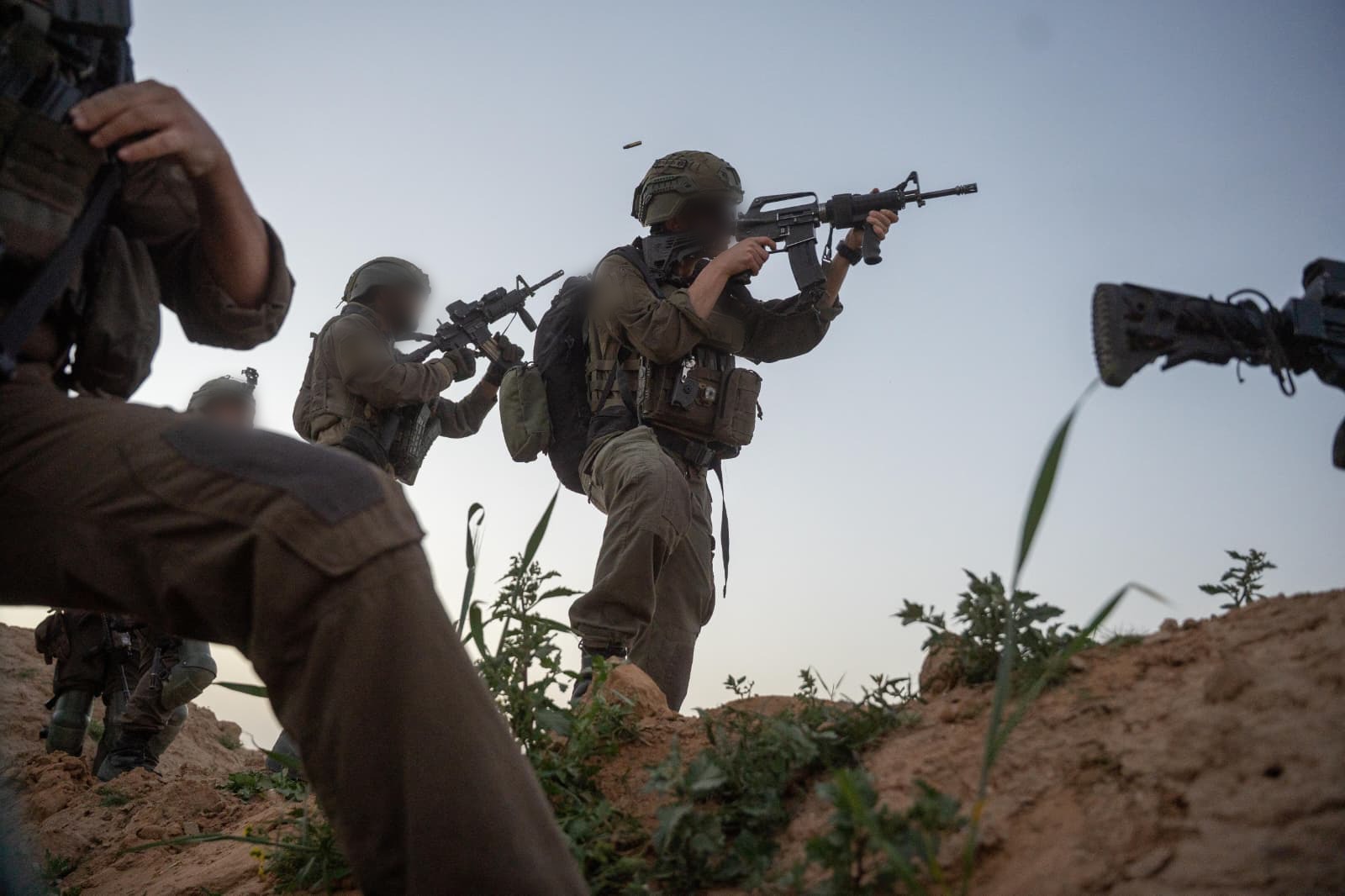
IDF forces in the Gaza Strip | Archive, Photo: IDF Spokesperson
Al-Masri was working to manufacture weapons as part of Hamas’s rebuilding efforts, in violation of the ceasefire agreement. Both terrorists had recently been advancing terror plots against IDF forces and Israeli civilians. IDF troops under Southern Command are deployed in the area in accordance with the agreement and will continue operating to remove threats.
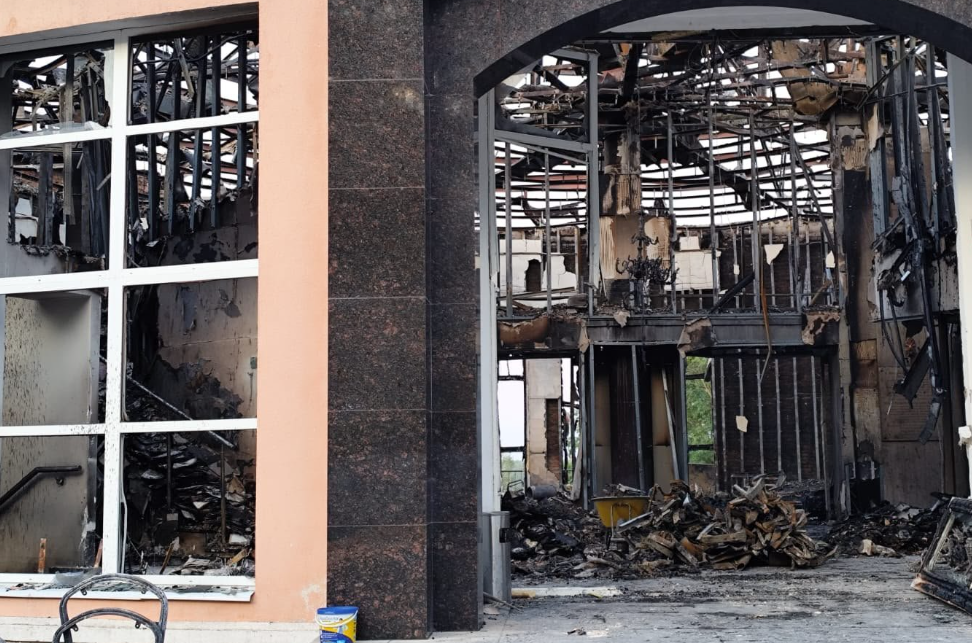
A major fire broke out over Shabbat at the compound near the grave of Rabbi Schneur Zalman of Liadi, founder of the Orthodox Hasidic Jewish movement of Chabad and known as the “Baal HaTanya,” in the town of Haditch, Ukraine. The blaze caused millions of dollars in damage to the compound, including the complete destruction of the central synagogue, but miraculously resulted in no injuries.
According to footage from the scene, the central synagogue was completely destroyed. Local fire and rescue teams rushed to the site when the fire broke out and worked for hours trying to control the flames. The fire also spread to the study hall and the main hospitality complex operated by the town’s Chabad emissary, Rabbi Shneur Deutsch. Ukrainian police have opened an investigation into the cause of the fire.
Investigators are examining several possibilities, including an electrical short circuit in the building’s electrical systems, or damage from a missile or drone strike as part of the Russia-Ukraine war. The Baal HaTanya’s gravesite compound is Ukraine’s second-largest Jewish prayer site, hosting thousands of worshippers, guests, and refugees from across Ukraine and around the world throughout the year.
The site operates an extensive hospitality operation, providing meals, lodging, and religious services to those who come to pray at the grave. Community leaders and Rabbi Deutsch have begun an initial damage assessment and are planning to rebuild the structures in order to restore the hospitality and study hall operations as soon as possible.
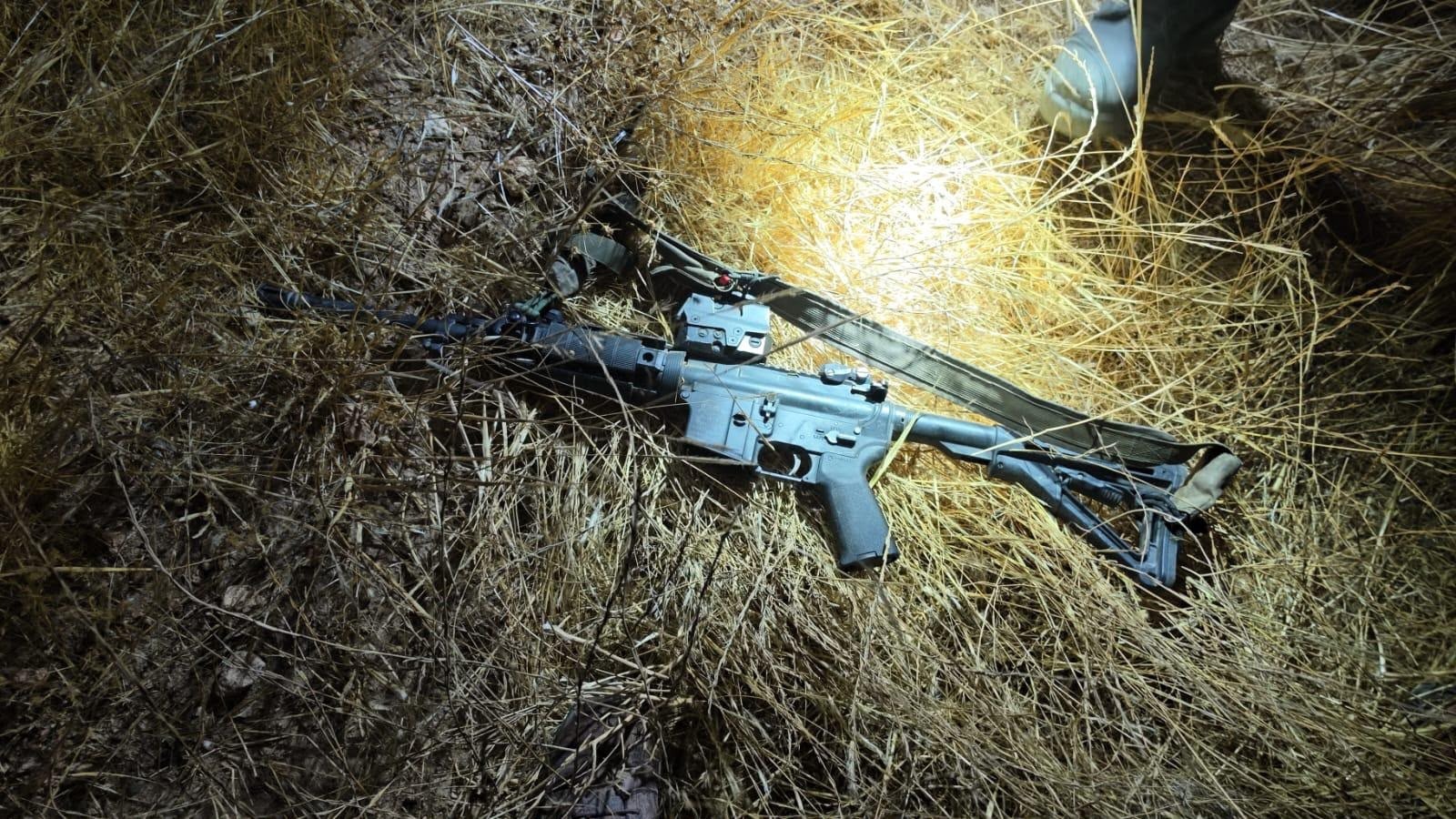
An Islamic terrorist attacked a young Israeli man in his mid-2os, an off-duty soldier who had gone out to graze livestock from the outpost where he lives near Susya in the southern Hebron Hills. The attacker struck him in the head with a rock, stole his personal weapon, and fled the scene.
The incident unfolded Saturday during a violent confrontation that included mutual stone-throwing between Israeli civilians and Islamists in the Susya area of southern Hebron Hills.
Judea and Samaria | Photo: Haim Golberg, Flash 90
According to the IDF, the Islamic attacker managed to grab the soldier’s personal weapon during the confrontation, after which gunshots were heard in the area as the assailant escaped. The young man was wounded in the head from the rock strike. A Magen David Adom team that arrived at the Eshkar Susiya junction provided medical treatment and evacuated him in an intensive care ambulance to Soroka Medical Center in Be’er Sheva in moderate but stable condition.
IDF forces and Border Police fighters from the Judea and Samaria district rushed reinforcements to the area, set up roadblocks, and launched a wide-scale manhunt for the terrorist. Shortly after the attack, the stolen weapon was found near the scene and returned to security forces, while the search for the attacker continues.
IDF forces operating in Judea and Samaria, archive | Photo: IDF Spokesperson
The unusual incident comes at the peak of a security escalation in Judea and Samaria, accompanied by intensive IDF operational activity and the arrest of dozens of wanted individuals across the region, following previous deadly incidents and violent riots by masked men in nearby Palestinian villages and a deadly attack that killed two soldiers near the Gilad outpost.
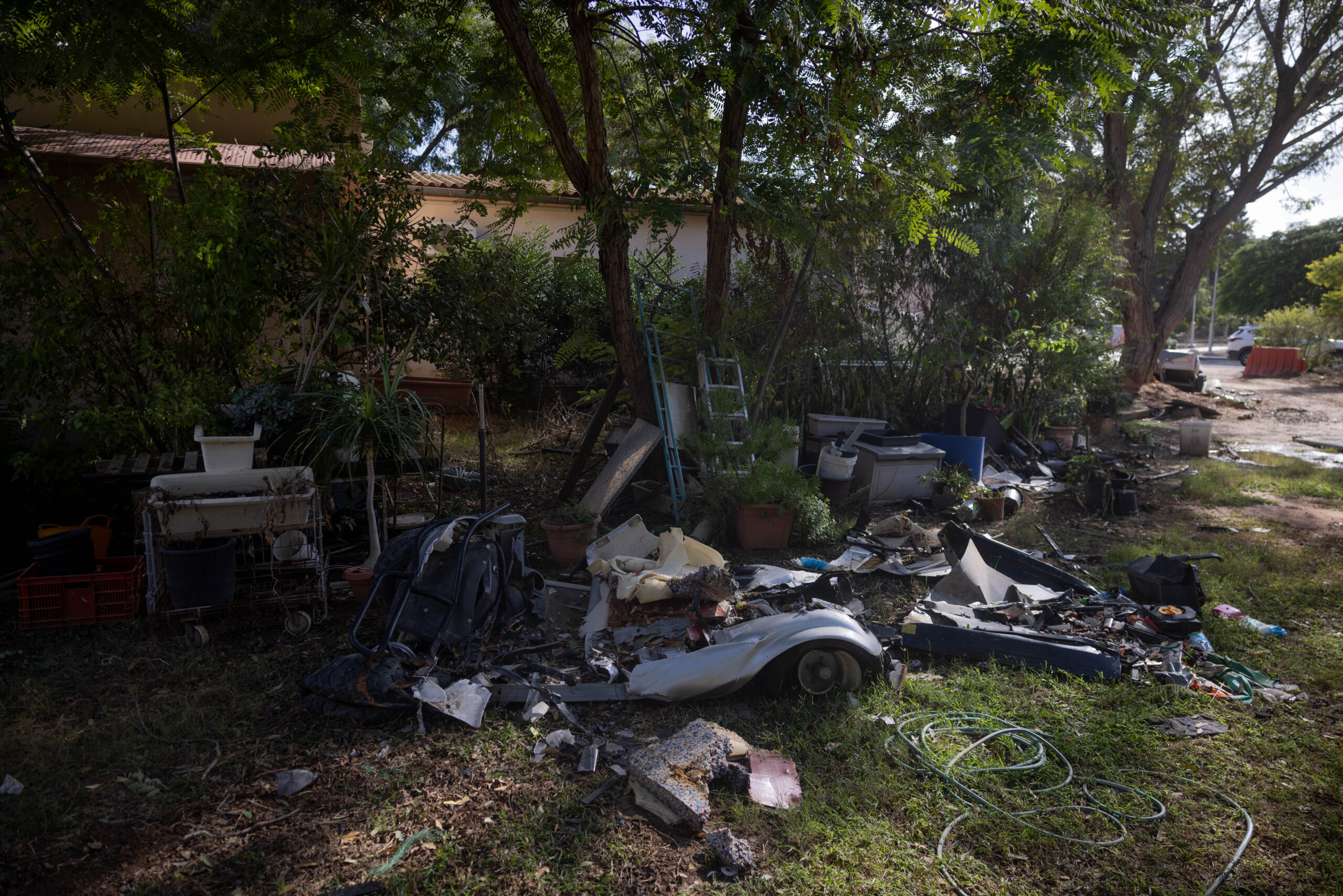
The IDF killed Muhannad Asaad Mahmoud Abu Ghazal, a Hamas Nukhba force commander, in central Gaza. Abu Ghazal played an active role in the October 7 massacre, leading a squad of terrorists who raided Kibbutz Kissufim. The targeted airstrike was carried out earlier this week in central Gaza as part of the IDF’s efforts to settle accounts with those involved in the terror attack.
October 7 massacre at Kissufim | Photo: Flash 90
In a separate airstrike in northern Gaza, two additional Hamas terrorists were killed: Raid Hani Mohammed Amzi, an observer in Hamas’s aerial apparatus, and Nabhan Mohammed Nabhan Amzi, who served as a department head in the military intelligence of the Gaza Brigade.
The IDF said the terrorists who were killed had been involved throughout the war—and in recent weeks—in planning and advancing terror operations against Israeli civilians and security forces. Southern Command forces deployed in the area are operating in accordance with the ceasefire agreement and emphasized they will continue to act in a targeted manner to remove any immediate threat and strike terror infrastructure in the Strip.
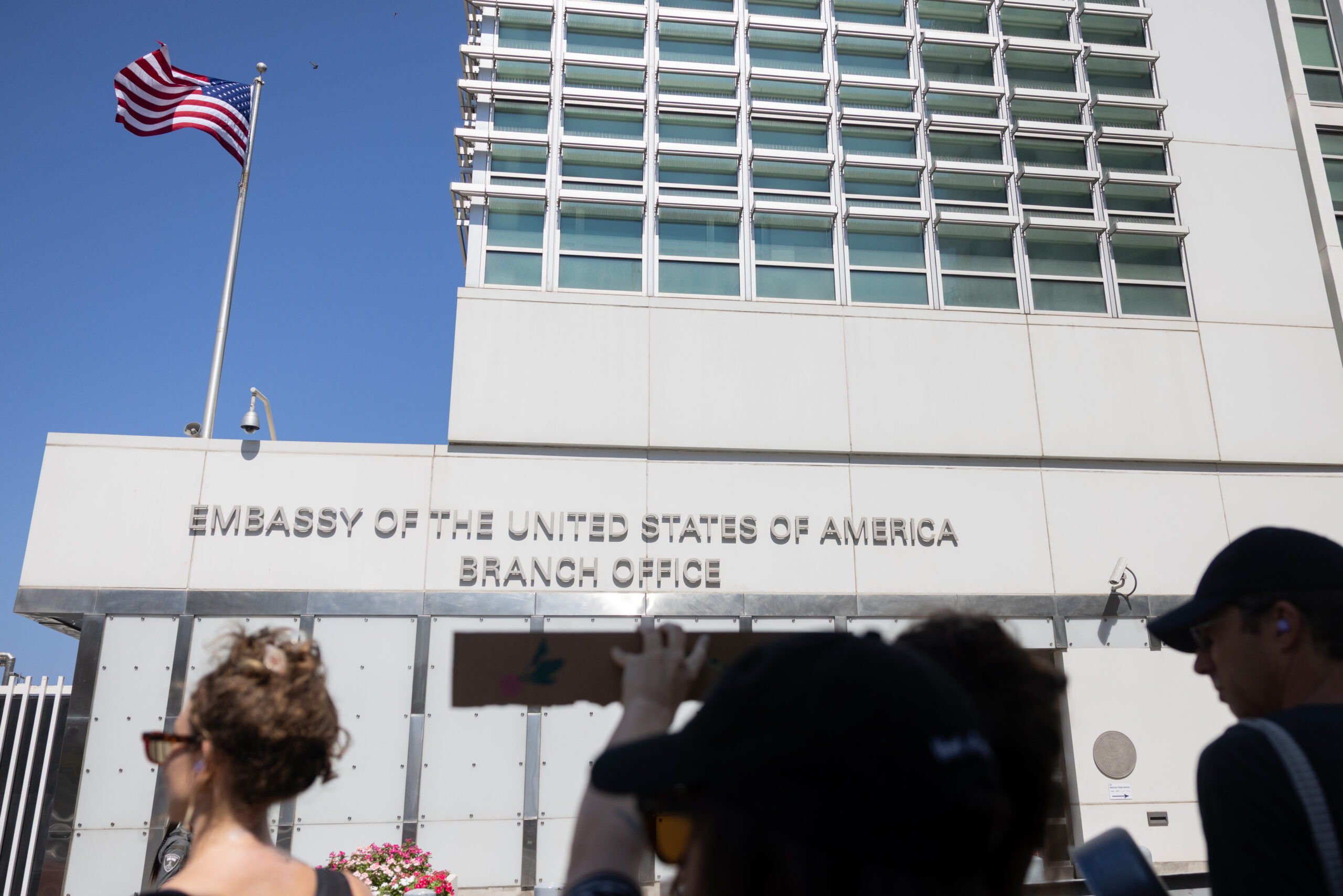
The U.S. Embassy in Jerusalem issued a security alert Thursday warning American citizens in Israel to brace for potential disruptions as regional tensions mount.
“Due to heightened tensions in the Middle East, the security environment remains complex, with the potential for unforeseen escalation,” the embassy said. “U.S. citizens should exercise increased caution, stay alert, and be prepared for possible flight cancellations, airspace closures, and additional travel and transportation disruptions.”
Security Alert: Due to heightened tensions in the Middle East, the security environment remains complex, with the potential for unforeseen escalation. U.S. citizens should exercise increased caution, stay alert, and be prepared for possible flight cancellations, airspace… pic.twitter.com/wnwHP7bjvF
— U.S. Embassy Jerusalem (@usembassyjlm) July 24, 2026