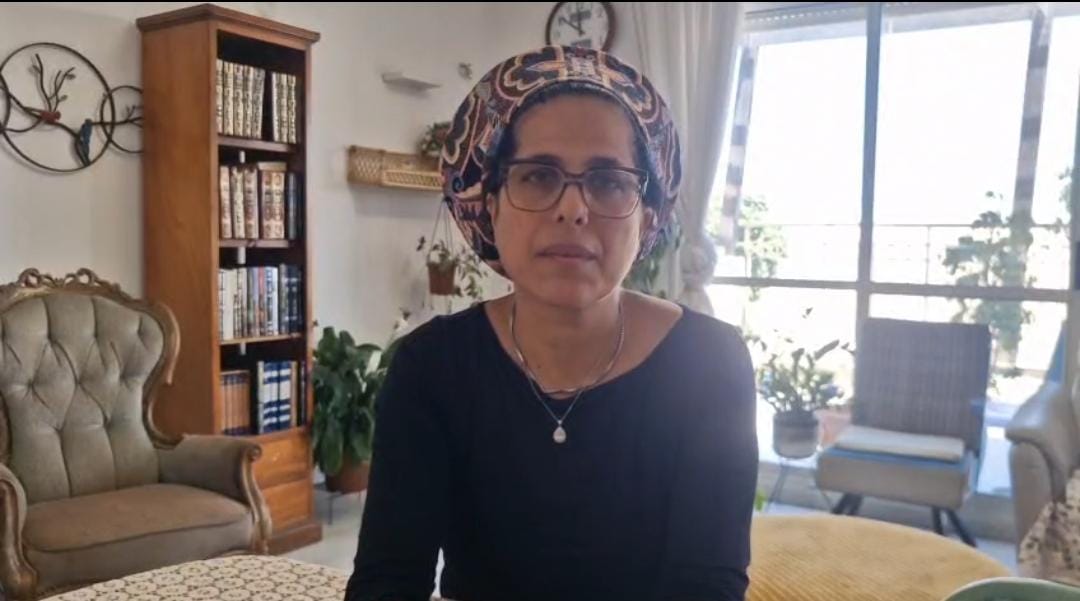
Following a severe deterioration in the health of settler activist Tal-Yinon Dardik, now on his 17th day of a hunger strike, his mother Bracha Dardik is demanding his immediate release from custody. The mother’s appeal is directed at Defense Minister Israel Katz and Central Command chief Major General Avi Bluth, claiming her son is in real danger of dying. The plea comes after his body temperature was measured at just 34 degrees Celsius (93.2°F) Tuesday night, and he has experienced repeated fainting episodes in recent days. Due to the urgent medical situation, the Honenu legal aid organization filed an emergency request for his immediate evacuation to a hospital.
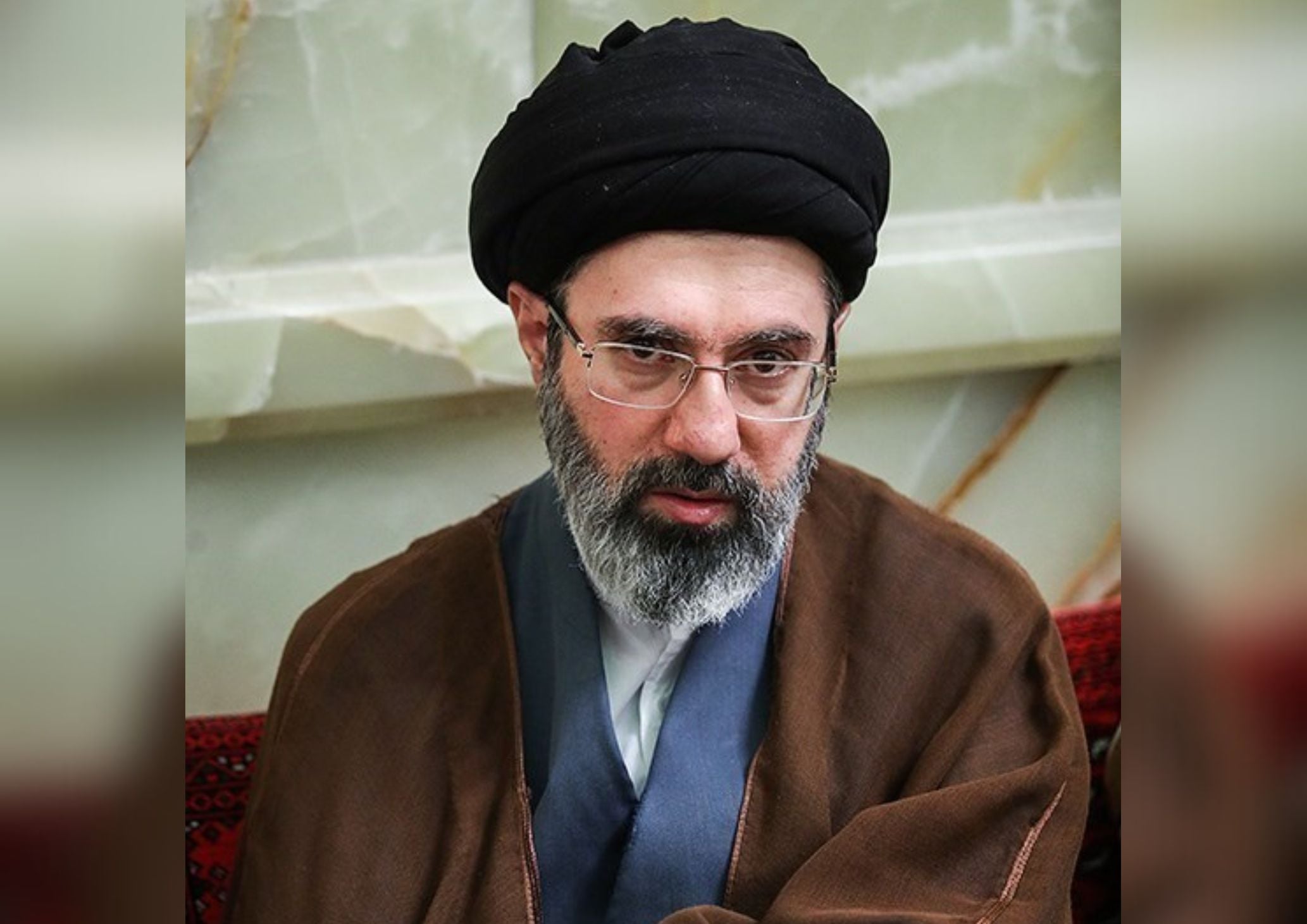
Tal Yinon Dardik | Photo: None
In her statement, Dardik described the sequence of events leading to the arrest, explaining that about a month ago her son received an administrative house arrest order at his mother-in-law’s home—a deaf widow living in a small house. According to her, the order is completely unenforceable, including from a religious law perspective, and her son therefore appealed it. Dardik was later brought before a magistrate court judge who ordered his release, but police appealed to the district court. Judge Hagit Mack-Kalmanovitz accepted the appeal and kept him in custody, a decision that drew sharp criticism from the mother.
The mother leveled pointed criticism at the judge, recalling a 2016 decision in which Mack-Kalmanovitz released a terrorist who had carried out a deadly attack that same day, while choosing to keep her son behind bars. Dardik addressed Major General Avi Bluth directly and called on him to stop using administrative orders against settlers in Judea and Samaria, adding that if there are suspicions, proper due process should be conducted.
Israel Katz | Channel 14
She also turned to Defense Minister Israel Katz and demanded he keep his promises and act to cancel administrative detentions immediately: “Israel Katz, about a year ago you promised, you promised that you’re canceling administrative detentions, and the bottom line is on the ground you know it’s not happening. We reached out to you, public figures reached out to you, and your response is to say and tell a story that you don’t know what it’s about, and that there’s nothing you can do, and that’s a lie, it’s within your authority and knowledge. Israel, release this, release my son before it’s too late.”
The American green light for advancing a civilian nuclear program in Saudi Arabia is raising alarm about a nuclear arms race in the Middle East. Despite the gap between civilian energy and bombs, experts warn the move could push other countries in the region to demand their own nuclear capabilities.
A Civilian Reactor Isn’t the Problem
In principle, a civilian nuclear agreement to build a reactor for electricity generation alone shouldn’t trouble Israel. Not only does the United Arab Emirates have such a reactor (the Barakah power plant), but so does Iran, at Bushehr—with international community approval and separate from its military nuclear program. A reactor for electricity generation, when not accompanied by additional complex infrastructure, cannot be used to produce nuclear weapons.
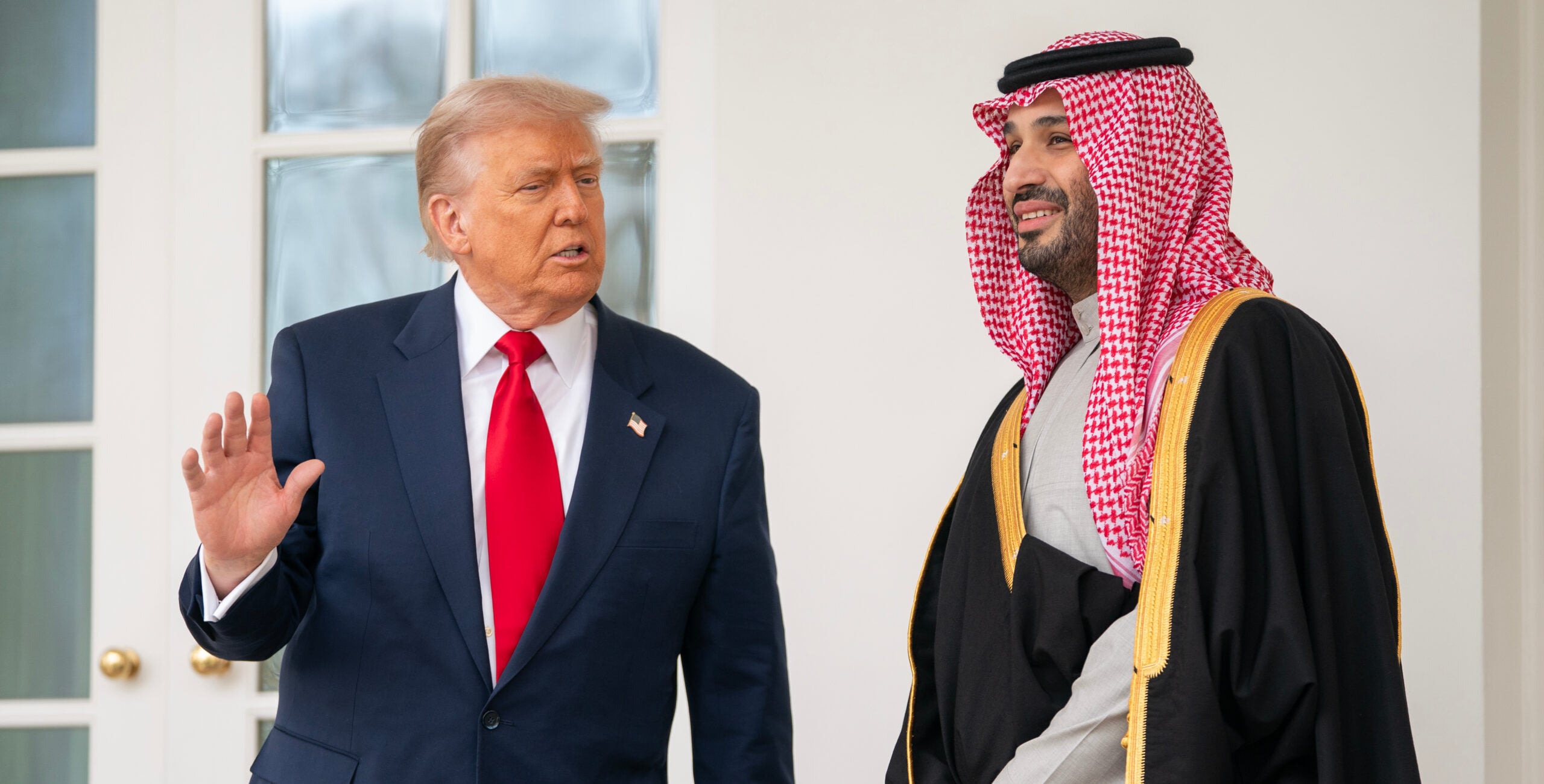
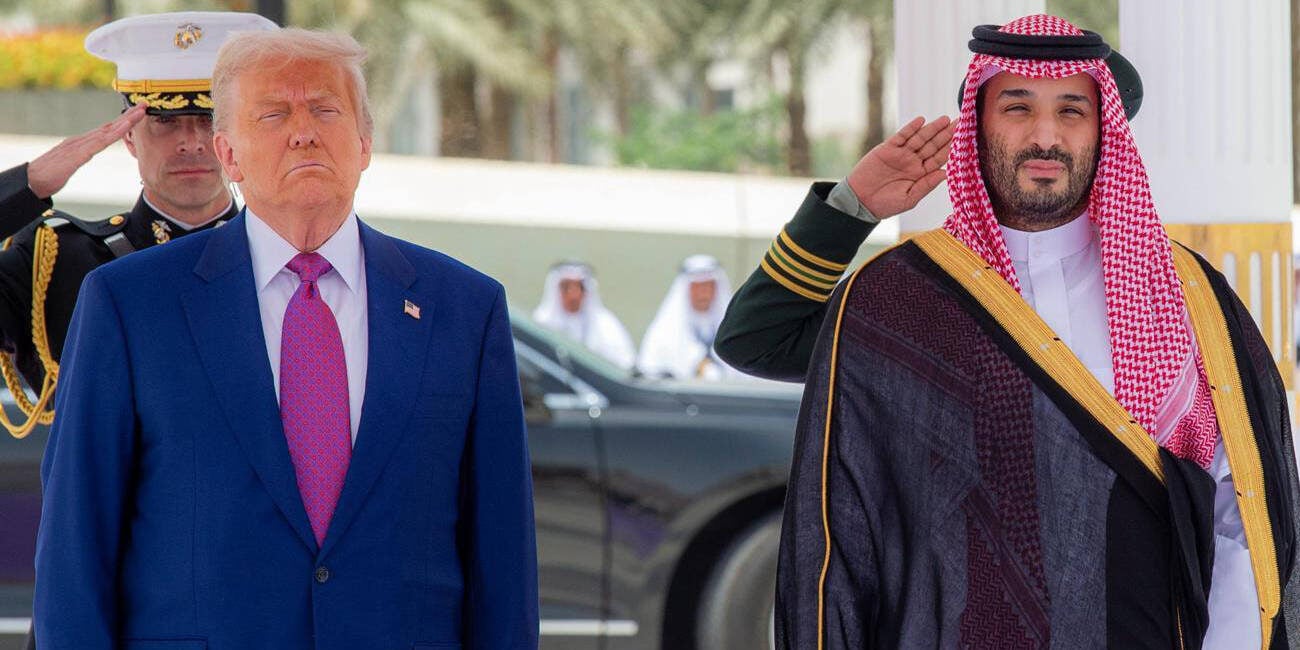
Trump and Mohammed bin Salman | Photo: Reuters
But here’s where the problem with the U.S.-Saudi agreement begins: it doesn’t just include building a reactor, but also establishing a uranium enrichment facility. The UAE, Iran (at Bushehr), and most countries that generate electricity from nuclear reactors purchase the nuclear fuel rods that power the reactor from other countries that enrich uranium and manufacture the rods.
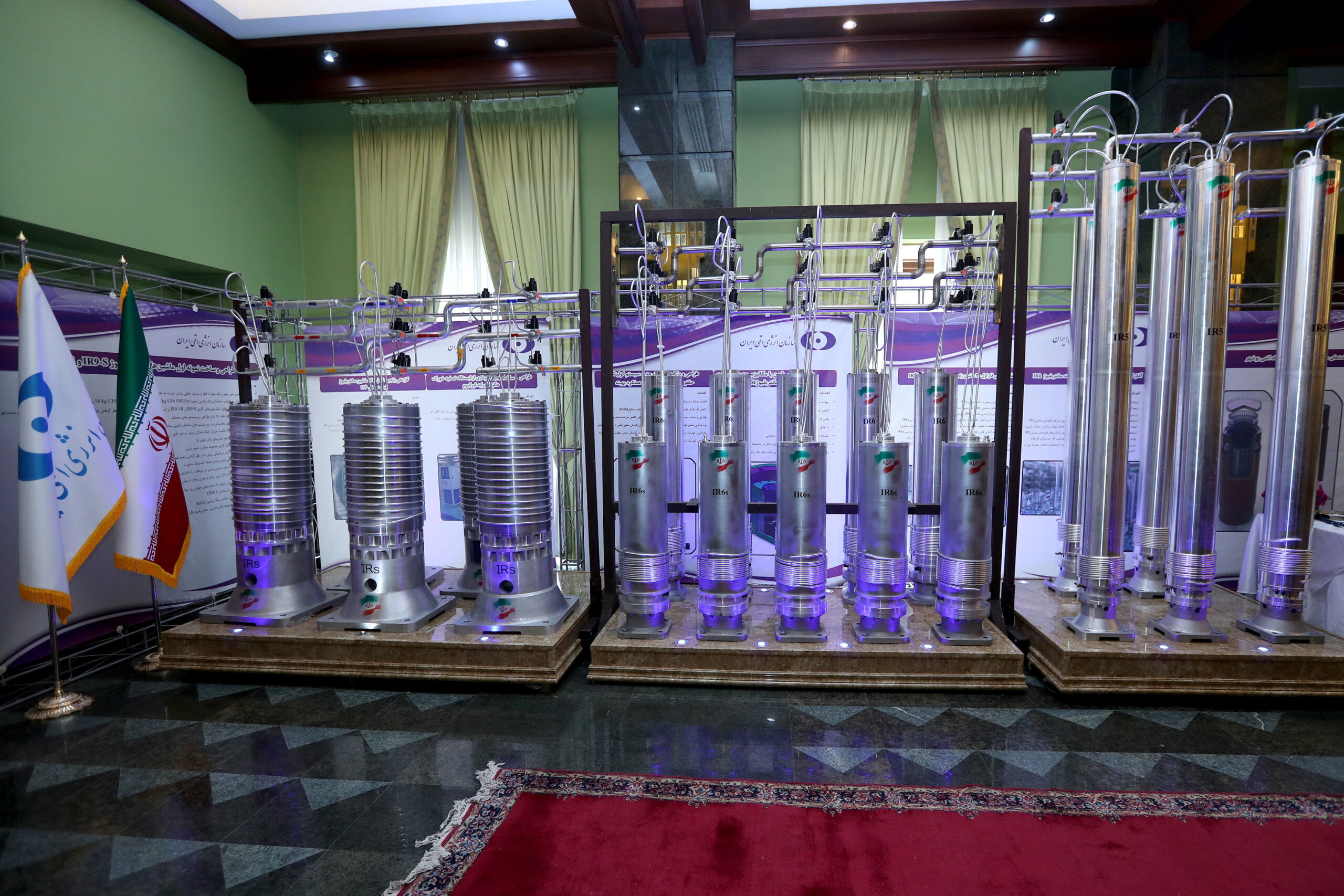
In principle, once you have the capability to enrich uranium to the 5% level used for electricity generation, you also have the capability to enrich it to the 90% level used for nuclear weapons. The only difference is that you need to run the centrifuges longer (and not much longer—uranium enriched to 5% has already gone through about 70% of the processing time required in a centrifuge).
Centrifuge factory in Iran| Photo: Reuters
Of course, uranium enriched to 90% still isn’t a nuclear bomb: you need to convert it back into metallic form, create a sphere with symmetry at the nanometer level, develop and manufacture a complex warhead, mount it on a ballistic missile, and more. But enrichment to 90% is undoubtedly one of the most critical steps on the path to nuclear weapons.
The American Model and the Dangerous Alternative
That said, there’s another side to the coin—and you need to look to Russia and China to find it. According to the agreement between Saudi Arabia and the U.S., uranium enrichment will be carried out by American companies using a mechanism called a “black box.” This means the process will take place on Saudi soil, but by Americans and without the technical knowledge being transferred to the Saudis. Theoretically, the “switch” for the centrifuges could even be located in the U.S., allowing them to be shut down remotely whenever the Americans choose.
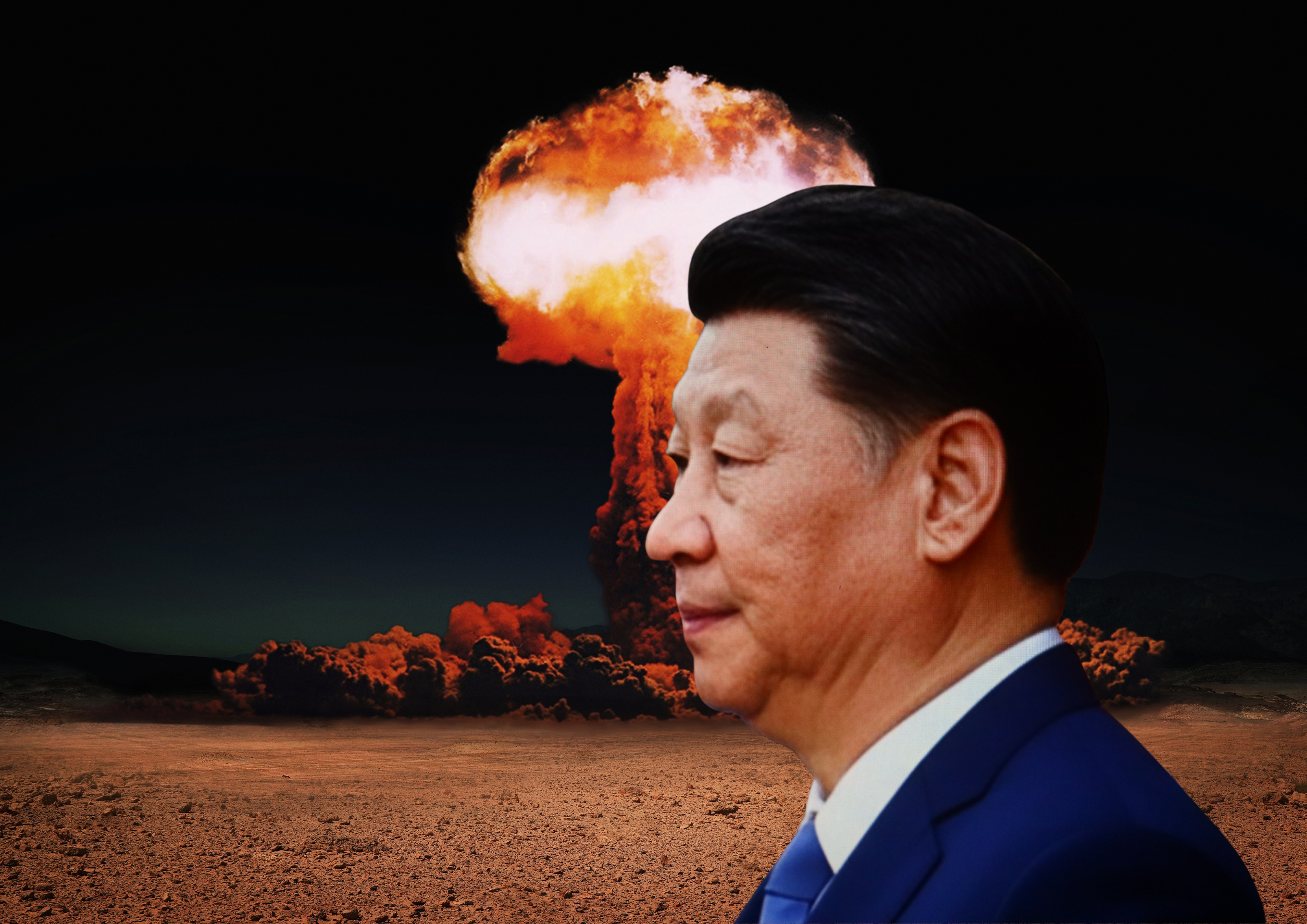
Photo: Shutterstock
The alternative, the Trump administration argues, is that Saudi Arabia will turn to Russia or China and receive full, unsupervised enrichment capability. It’s a weighty argument, but if the U.S. had firmly warned the Saudis against doing so, they likely wouldn’t switch sides so quickly.
Another critical issue is whether the enrichment facility will be located above or below ground. The Saudis may request that it be built underground under the pretext of protection from Iranian attacks. At the moment, they have a credible argument, but from Israel’s perspective this is a serious problem—an above-ground facility can be attacked and destroyed relatively easily; an underground facility is a different matter altogether.
Trump and Mohammed bin Salman | Photo: Reuters
The Israeli Concern—Armament Domino
So much for the technical concerns—the policy concerns raised by this agreement are arguably even greater. Saudi Arabia, apparently, won’t rush to launch a nuclear missile at Israel, but once it acquires a military nuclear capability, other countries in the region will demand the same: Egypt, Turkey, Qatar, the Emirates—all could set off a regional nuclear arms race.
In addition, the current Saudi regime is relatively level-headed, and indeed, the likelihood that it would attack Israel with nuclear weapons is close to zero. But what happens if there’s a coup in the kingdom? Beneath the surface, significant Islamist currents are stirring in Saudi Arabia. It’s worth remembering that the bin Laden family, and 15 of the 19 hijackers in the September 11 attacks, were Saudi, and that Deir ez-Zor, where the Syrian reactor built by the Assad regime and destroyed by Israel was located, was captured a few years later by ISIS.
Nuclear facility | Photo: Shutterstock
Finally, by granting Saudi Arabia a civilian nuclear capability, the U.S. is giving up one of the main incentives that was supposed to push Crown Prince Mohammed bin Salman toward normalization with Israel. For now, the decision on uranium enrichment on Saudi soil depends on the conclusions of a joint Saudi-American committee, which is expected to publish its findings in about two years.
Israel could, in theory, try to use this leverage: normalization in exchange for enrichment is better than enrichment for nothing—but it would still be a bad deal, albeit the lesser of two evils.
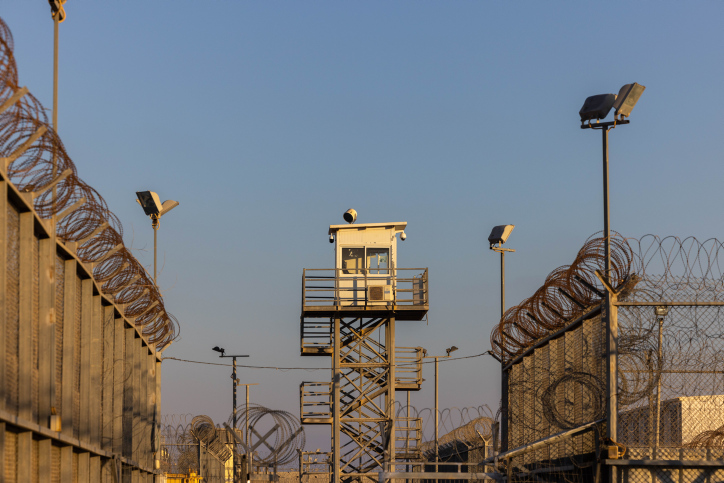
Excavation work began today (Wednesday) on Israel’s first “crocodile moat” at Ketziot Prison, part of a pilot project championed by National Security Minister Itamar Ben-Gvir. Crews are digging a roughly 180-meter trench around the security wing housing terrorists, including members of the Nukhba force from Hamas’s October 7 attack. The move is designed to boost security and deterrence at the facility.
Photo: Shutterstock
The unusual project got the green light last week after Environmental Protection Minister Idit Silman declared the Nile crocodile a “protected wild animal”—a designation that cleared the legal path for the National Security Ministry to move forward. The classification allows a security agency to keep crocodiles for operational purposes. The ministry has allocated roughly ₪21 million (~$5.8 million) for the project, covering construction of the moats and necessary infrastructure.
Setting up such a system is no simple matter. Israel currently has no “price list” for crocodiles, and trade in them is heavily restricted. In the past, crocodiles were imported from abroad to commercial farms that operated in the Jordan Valley and Arava regions. Ultimately, establishing this kind of setup is an extremely complex project with significant security and safety implications.
Holon police in the Ayalon district foiled three car thefts across the city within roughly two hours and arrested four suspects—Hebron residents who were in Israel illegally. The four are suspected of involvement in three separate vehicle break-ins and thefts. Police said they will request to extend their detention in court this morning.
Photo: Police Spokesperson
In one case, officers spotted a suspect breaking into a Kia Seltos parked on Rabinowitz Street in Holon after damaging it. When police arrived, he fled but was caught after a short chase.
In another incident, a suspect broke into a Toyota CH-R on Adam Yekutiel Street. He also tried to escape when officers arrived and was arrested after a brief pursuit. While police were processing that scene and the suspect was being taken to the station, another man approached the vehicle and tried to get inside. He was identified in the act and arrested on the spot.
Photo: Police Spokesperson
In the third incident, a call came into the 100 emergency line reporting a stolen Skywel from Mishol Inbar Street in Holon. The vehicle was spotted heading east on Highway 5, and the report was passed to officers from Ariel station in the Samaria district. Police set up a roadblock, located the vehicle, and arrested the suspect while he was driving it. All four suspects were taken for questioning at Holon station. Police said they will continue cracking down on property crimes, with emphasis on vehicle thefts.
A major financial crime case came to light today (Wednesday) following a joint operation by the Jerusalem District Central Unit and investigators from the Income Tax Investigation Unit for Jerusalem and the South. The investigation, conducted secretly for over a year under the code name “Payment Voucher,” went public when enforcement teams raided the homes of 16 individuals on July 14 and arrested three main suspects. A court ordered two of the main suspects—ages 48 and 56 from Kiryat Yearim and Tel Aviv—held at least until Thursday.
Photo: Israel police
According to the investigation, the suspects established and operated a sprawling network of fictitious companies and nonprofits in Israel and abroad. The overarching goal of the operation was to provide money laundering services to local companies, smuggle funds from overseas and inject them into the Israeli economy while deliberately evading taxes and directly harming state coffers.
The exposed method of operation included a series of sophisticated financial manipulations, chief among them widespread use of payment vouchers tied to real estate transactions to disguise the source of funds and embed them in ostensibly legitimate assets. The network also relied on distributing fake invoices to create false accounting records, and carried out cash transfers and bank transfers through family members’ accounts to obscure the trail of illicit funds.
Photo: Israel police
During the police raid, investigators seized dozens of assets that were allegedly purchased or financed with the fraudulent funds and tax evasion proceeds. Meanwhile, tax investigation unit detectives and tax authorities have already questioned dozens of additional individuals suspected of using the network’s illegal services to launder money and hide their income.
A new investigation published Monday evening by the Swiss newspaper Neue Zürcher Zeitung revealed that Hamas had quietly established dangerous terror networks and operational infrastructure across several European countries.
For years, security experts largely assumed that the terror organization’s operational ambitions were confined to Israel and the Middle East. A series of high-profile arrests, weapons seizures and intelligence breakthroughs now paints a far more alarming picture: Hamas was allegedly preparing to carry out attacks on European soil.
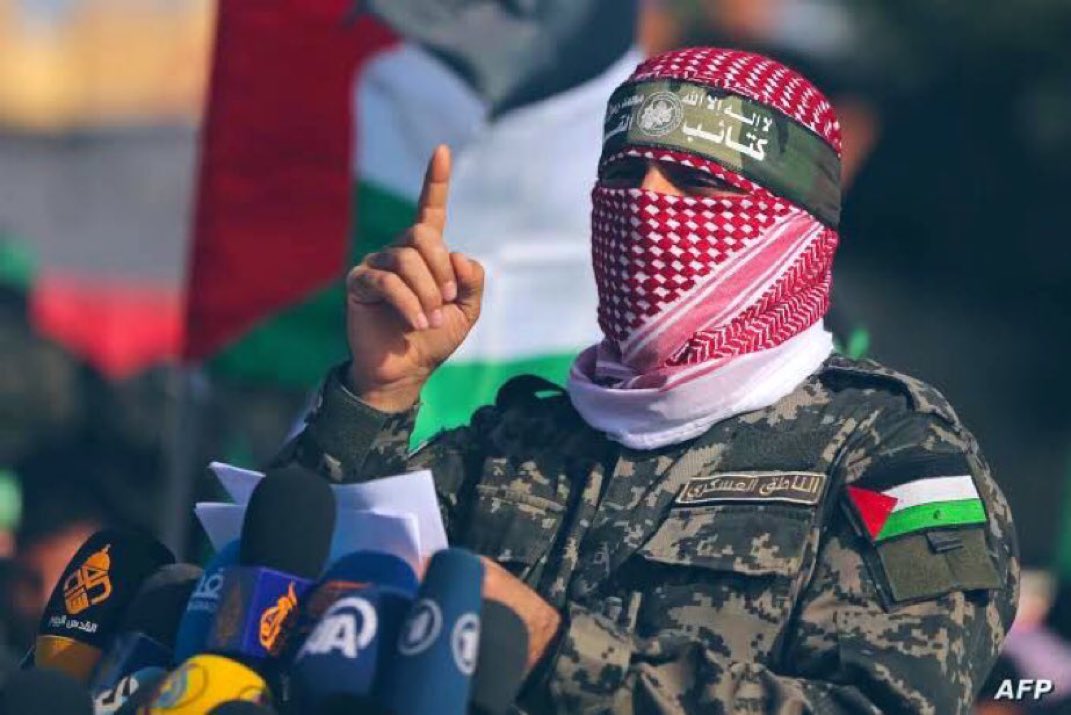
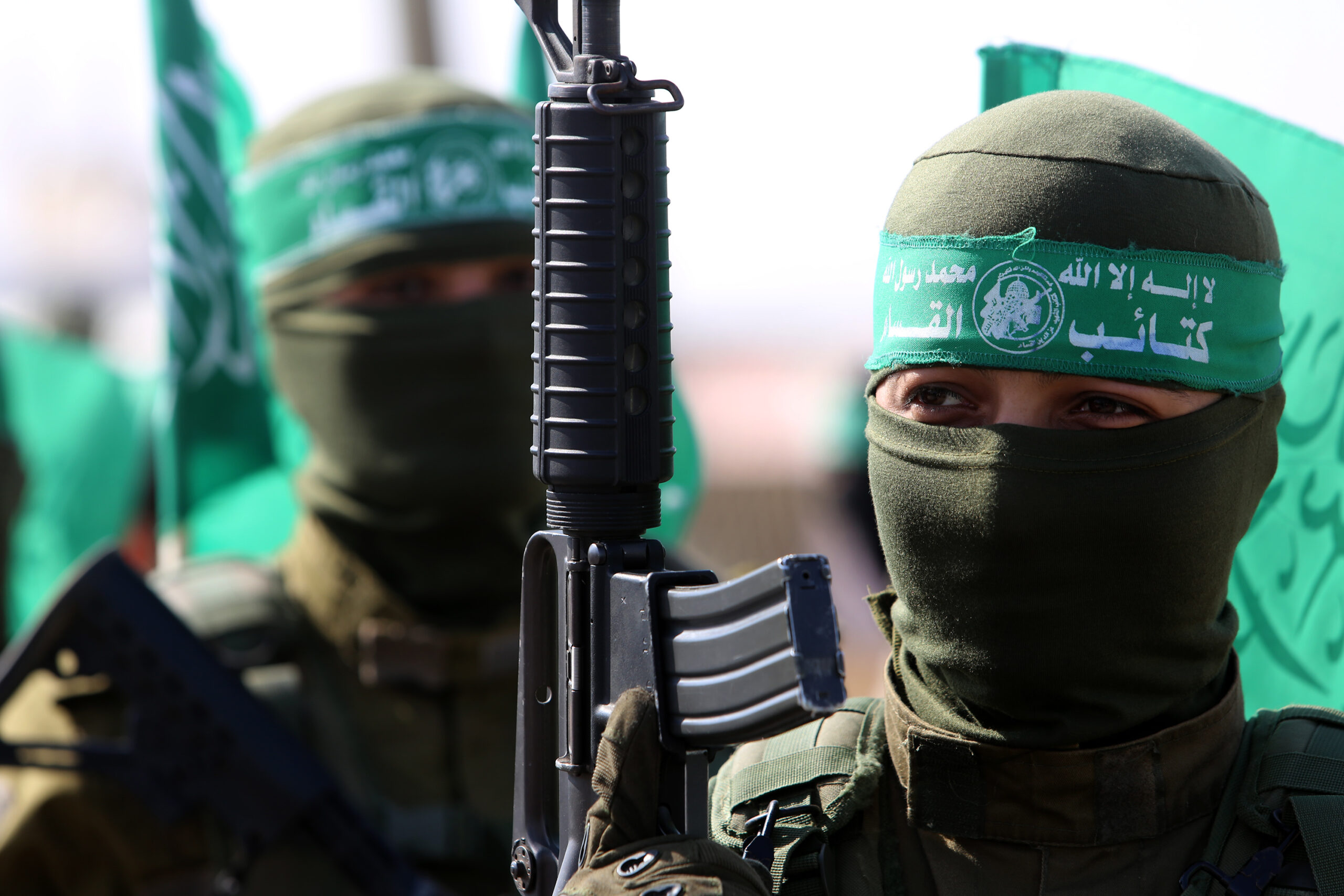
The network reportedly extended across Greece, Cyprus, Germany, Denmark, Austria and other parts of the continent, with operatives building weapons caches, establishing smuggling routes and identifying potential targets. The planned attacks were said to include Jewish, Israeli, American and European sites.
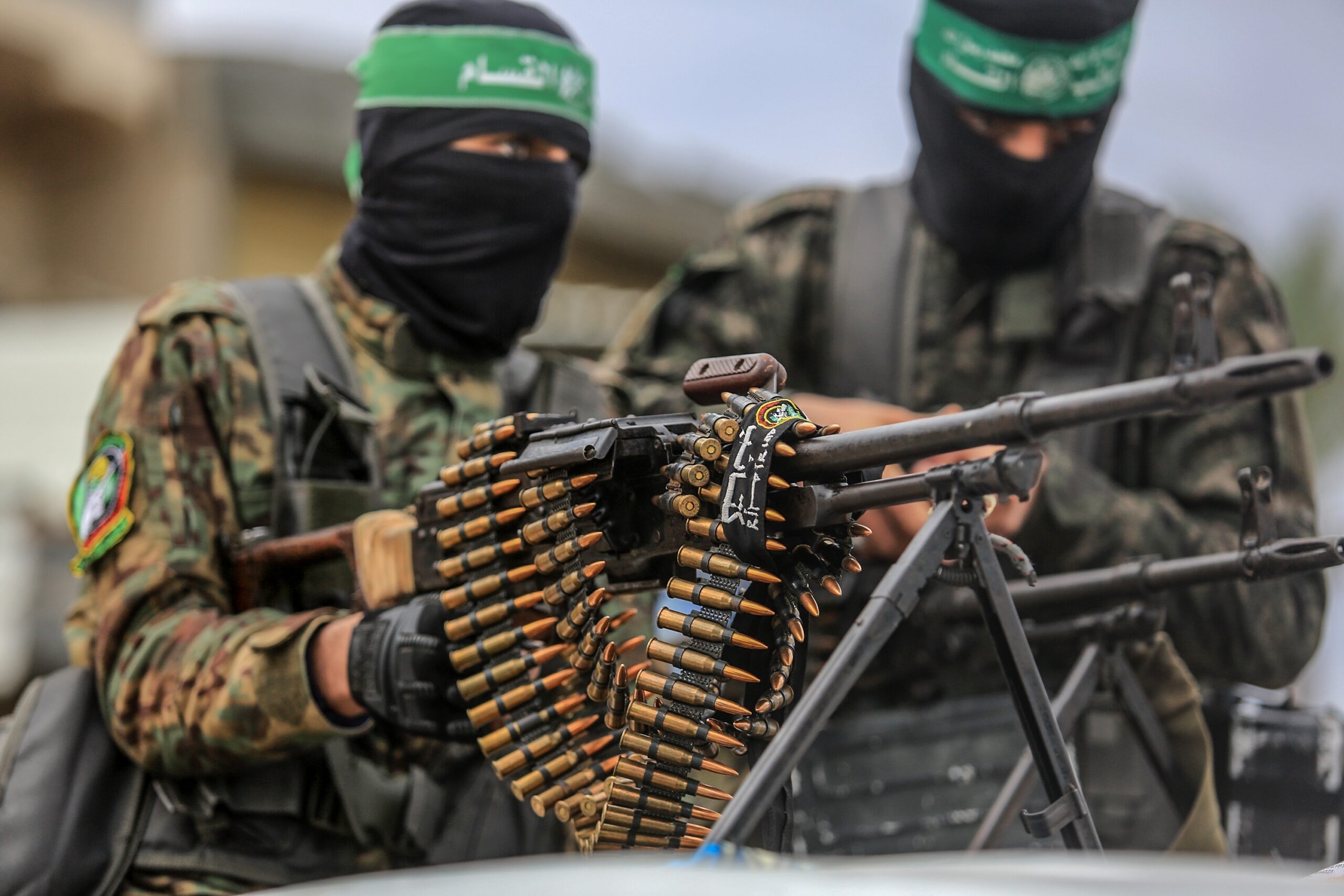
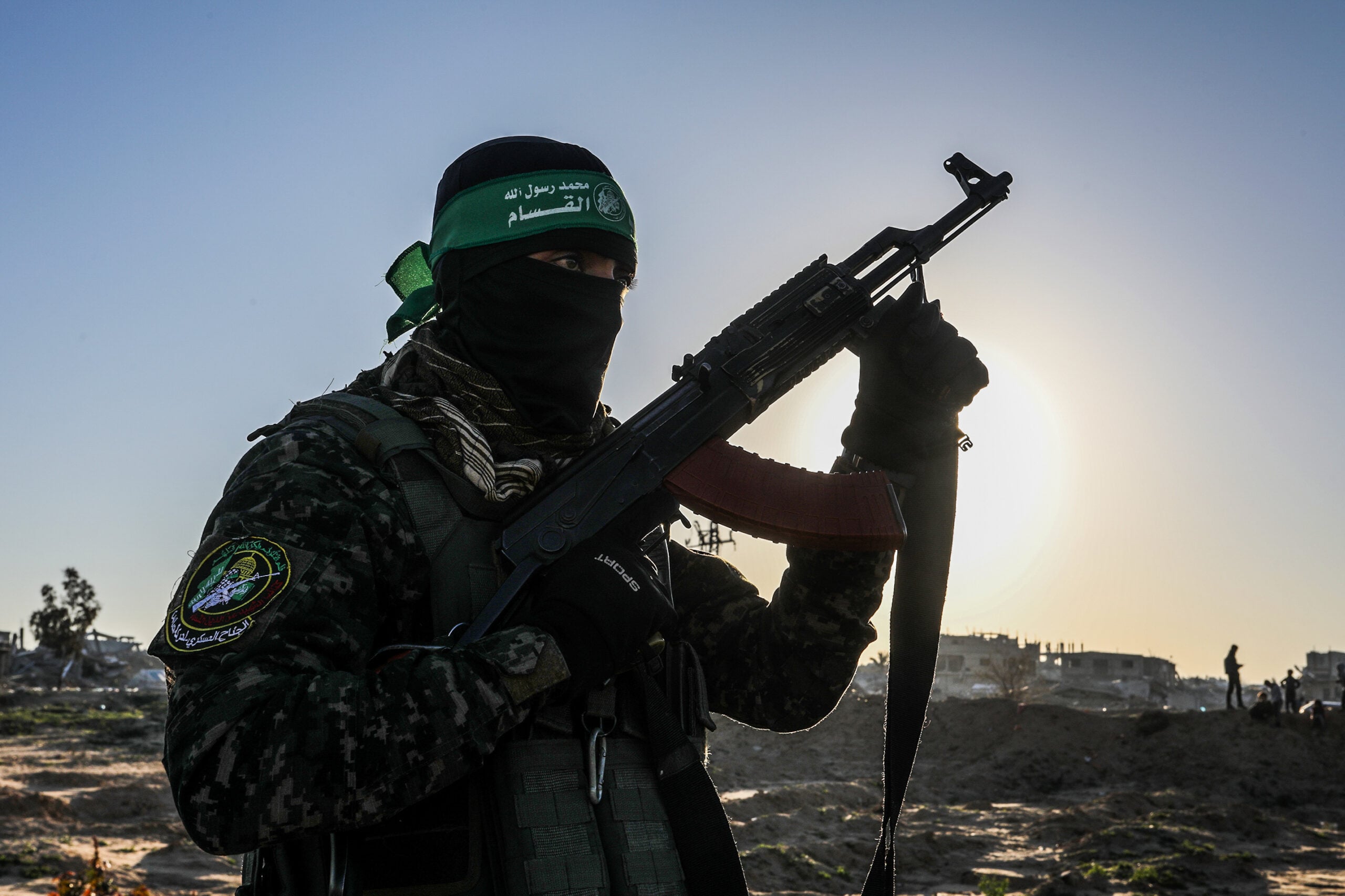
Hamas terrorist | Photo: Abd Rahim Khatib, Flash 90
A major turning point in the investigation came in Greece, where security forces arrested a suspect after intelligence led police to components and materials used to manufacture explosive devices. Investigators suspect that the cell was preparing to target an Israeli cruise ship that regularly docks in the area—a plot that could have produced mass casualties among passengers and crew.
At the same time, security operations and arrests in Germany, Denmark, Austria and other countries uncovered weapons caches, explosive devices and maps marking possible future targets.
Methods of Operation and Smuggling Routes
According to the investigation, Hamas operatives exploited Europe’s open borders and transportation networks to construct a covert logistical system capable of moving weapons and personnel from one country to another.
The smuggling routes relied on networks of local supporters and operatives who transported firearms, ammunition and other weapons across national borders. Authorities reportedly uncovered cases in which handguns, assault rifles and ammunition were moved through Scandinavia and Germany before reaching destinations in central Europe.
Photo: Shutterstock
Security officials believe the infrastructure was built gradually over a long period. The operation allegedly included the recruitment of operatives, training in several regions around the world and the placement of members under deep cover.
Some reportedly presented themselves as ordinary, law-abiding residents, while others operated under the guise of asylum seekers, allowing the network to remain hidden while its members assembled weapons, gathered intelligence and prepared for future attacks.
The cells allegedly received direct instructions from senior figures in Hamas’s military wing in the Middle East. Their mission was to prepare high-impact attacks against Jewish, Israeli and American targets, while establishing the capability to strike elsewhere across Europe.
Photo: Arab Networks
The investigation challenges the long-standing assumption that Hamas viewed Europe primarily as a base for fundraising, political activity and recruitment. Instead, the evidence suggests that the terror organization was also treating the continent as a potential battlefield.
Europe may have believed the war was far away. The investigation suggests Hamas believed otherwise—treating the continent not as a sanctuary, but as its next operational front.
For thousands of Israelis dreaming of trekking through the Himalayas, unwinding on Goa’s beaches, or setting off on the traditional post-army backpacking trip, the journey just became even more complicated. Air India has once again postponed its return to Israel, extending the suspension of its Tel Aviv route until at least September 30.
This leaves the route without direct flights between Tel Aviv and New Delhi—neither from Israeli carriers nor foreign airlines. The route is equally important for business travelers and for Israel’s expanding economic and diplomatic relationship with India, making the continued suspension especially significant.
Ai Travel | Credit: Shutterstock
In recent years, Israel and India have steadily expanded cooperation in areas including defense, technology, cybersecurity, agriculture, water management, and innovation, with both governments expressing a desire to deepen trade and investment.
Direct air links have played an increasingly important role in strengthening those ties, making the prolonged suspension a setback for businesses and travelers alike.
Air India’s latest decision also reflects the caution still gripping the global aviation industry. Although Ben Gurion Airport has remained open, many international carriers continue to reassess service to Israel following months of regional instability, missile and drone attacks, fluctuating insurance costs, and operational uncertainty tied to the ongoing conflict with Iran-backed terrorist groups.
Flight cancellation | Photo: Shutterstock
The return of direct service was expected to make travel significantly easier and provide an alternative to flights with layovers. Instead, the coming months will require flying through connecting cities in Europe, the Gulf, or Asia, which could extend flight times and drive up costs.
For now, the skies between Israel and India remain quiet. Until regional tensions ease and international airlines regain the confidence to return, one of Israel’s busiest long-haul travel corridors will remain grounded—delaying not only vacations, but also business opportunities and the continued growth of one of Asia’s most important strategic partnerships.
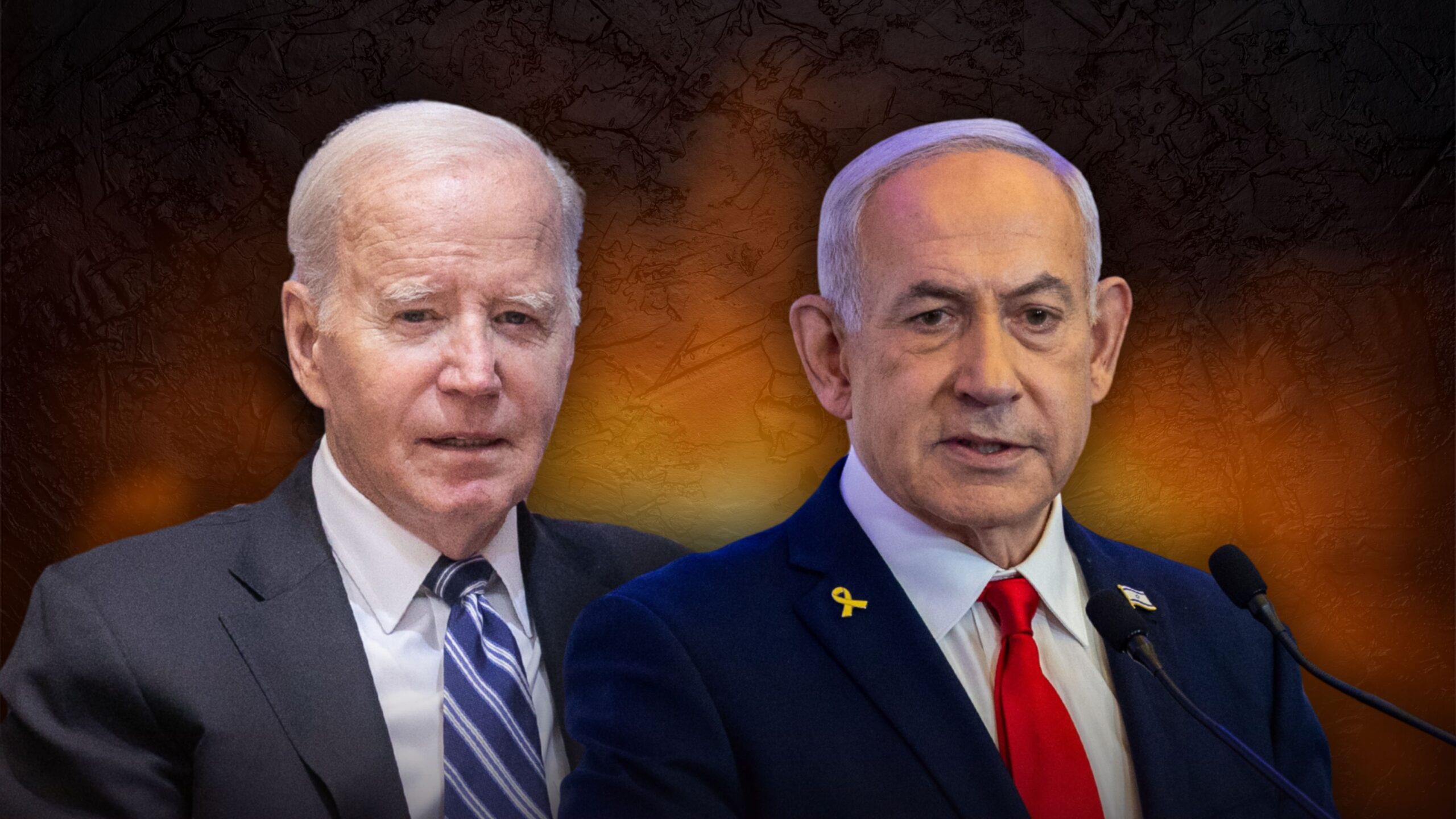
A sweeping investigation published in The New Yorker reveals the depth of frustration within the Biden administration toward Prime Minister Benjamin Netanyahu, showing how Israel maintained its military freedom of action throughout the war in Gaza and Lebanon—even under heavy White House pressure.
Former President Joe Biden | Photo: Reuters
Former senior Biden administration officials, including National Security Advisor Jake Sullivan, his deputy Jon Finer, Secretary of State Antony Blinken, and Defense Secretary Lloyd Austin, describe in the investigation their attempts to influence Israeli policy, push for ceasefires, limit the fighting, and even consider conditioning arms shipments. In practice, according to their accounts, Netanyahu didn’t align with American expectations and continued managing the campaign according to Israel’s own strategic considerations.
Sullivan admitted the administration considered applying sharper pressure on Jerusalem several times, including before the Rafah operation in spring 2024 and again in July of that year. Still, Biden refrained from breaking with Israel, partly due to concerns about the hostages’ fate, Israel’s security, and the prospects for negotiations.
Jake Sullivan | Photo: ReutersThe massive destruction in the terror compound of Rafah | Photo: Shutterstock
Former administration officials claimed Netanyahu and his team didn’t provide the answers they wanted regarding the war’s timeline. Former Deputy National Security Advisor Jon Finer said it’s now clear to him that Israel didn’t present the administration with its full intentions. From the Biden administration’s perspective, it was deep frustration. From Israel’s perspective, as reflected in the investigation, it was maintaining room to maneuver during wartime.
One tense moment described in the investigation involved conversations between Secretary of State Blinken and Minister Ron Dermer, a Netanyahu confidant. According to the report, Israeli officials repeatedly said the fighting would continue for “another two weeks,” until Blinken erupted and said he didn’t want to hear that phrase anymore. Dermer, according to the investigation, shot back with a jab: “Then I’ll say a fortnight.”
Netanyahu and Blinken | Photo: Haim Tzach, GPO
The assassination of Hezbollah Secretary-General Hassan Nasrallah was also presented in the investigation as an event that intensified tensions between Washington and Jerusalem. According to a former White House source, Biden felt “humiliated” that Netanyahu ordered the assassination without meaningful warning, just two days after the United States and its allies called for a three-week ceasefire with Hezbollah. Despite this, the United States refrained from sharp public criticism of Israel and was forced to stand by its side against the possibility of a regional response.
The investigation also describes Biden’s direct involvement in decision-making. According to former senior administration officials, the president repeatedly rejected proposals to use arms shipments as leverage against Israel. Sullivan described the situation in hindsight as a “trap” the administration found itself in, because every time escalation against Israel was considered, questions about the hostages, Israel’s security, and concerns about damaging ceasefire contacts resurfaced.
The United States refrained from harsh public criticism of Israel and was forced to stand by it, Hassan Nasrallah’s funeral | Photo: Assad Syria, Flash 90
Other senior administration officials voiced harsh criticism of the scale of destruction in Gaza and the number of civilian casualties. Blinken said it’s hard not to regret the price paid by innocent civilians, and Austin warned in closed conversations that unnecessary harm to civilians could create more terrorists. Still, even from this criticism it emerges that the White House failed to impose on Israel the way it wanted the war conducted.
The investigation reveals that Biden even considered delivering a speech directly to the Israeli public, in which he was supposed to warn against continuing to pursue “total victory.” According to the report, after Netanyahu and Dermer made clear to the White House that Israel was seriously considering a hostage deal, the speech was changed at the last minute and became a call for Israel to accept the deal.
The investigation presents a clear picture of an ongoing confrontation between an American administration that sought to narrow Israel’s room for action, and a prime minister who insisted on keeping it in Israeli hands. Biden officials describe it today with frustration, but in practice admit that Netanyahu didn’t cave to pressure, didn’t adopt Washington’s rules of the game, and continued conducting the war according to the interests defined by the Israeli government.
The IDF eliminated Osama Kamal Shadha Abu Tim in southern Gaza on Sunday, a terrorist in Hamas’s military wing who participated in the kidnapping of Nirit Cooper, Amiram Cooper, and Alexander Danzig from Kibbutz Nir Oz during the October 7 massacre, according to an IDF spokesperson.
The IDF said Abu Tim raided the kibbutz during the Hamas attack and took part in kidnapping the three. Throughout the war, and in recent months, he worked to advance terror operations against IDF forces and Israeli civilians, the military said.
IDF forces in the Southern Command are deployed across the area in accordance with the ceasefire agreement. The IDF said it will continue to act to remove any immediate threat.
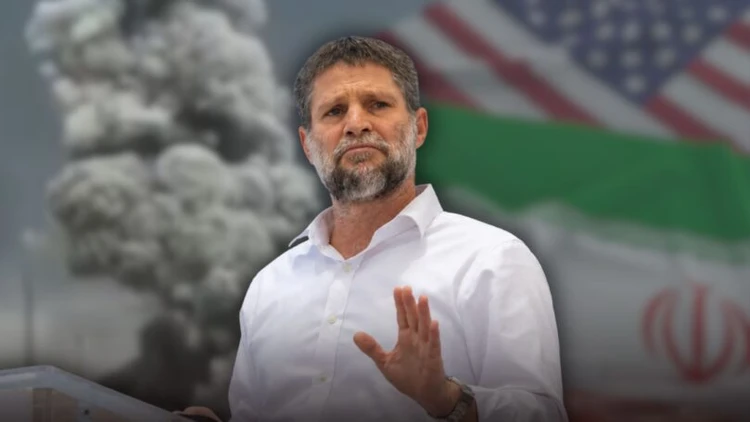
Against the backdrop of the exchange of blows between Iran and the United States, Finance Minister Bezalel Smotrich stated this morning (Tuesday) at the Katif Conference for National Responsibility of the Gush Katif Heritage Center that “at the moment, the State of Israel has no interest in joining the campaign.”
Photo: Tasnim News Agency, image edited in accordance with the CC BY 4.0 license
Smotrich described how the current conflict serves Israel’s goals: “We must remember that our ultimate goal in the campaign, and not necessarily jointly with the US, is to undermine and weaken the existence of the regime. The current situation is good for us, and we have no interest in pushing ourselves in, but we are prepared for any scenario.”
He said, “If Iran makes a mistake and shoots at us, it will regret it and receive a very powerful response. The IDF has already demonstrated capabilities that no army in the world has. We are one political decision away from sending the Air Force on a ‘Sabbath trip’ to Iran.”
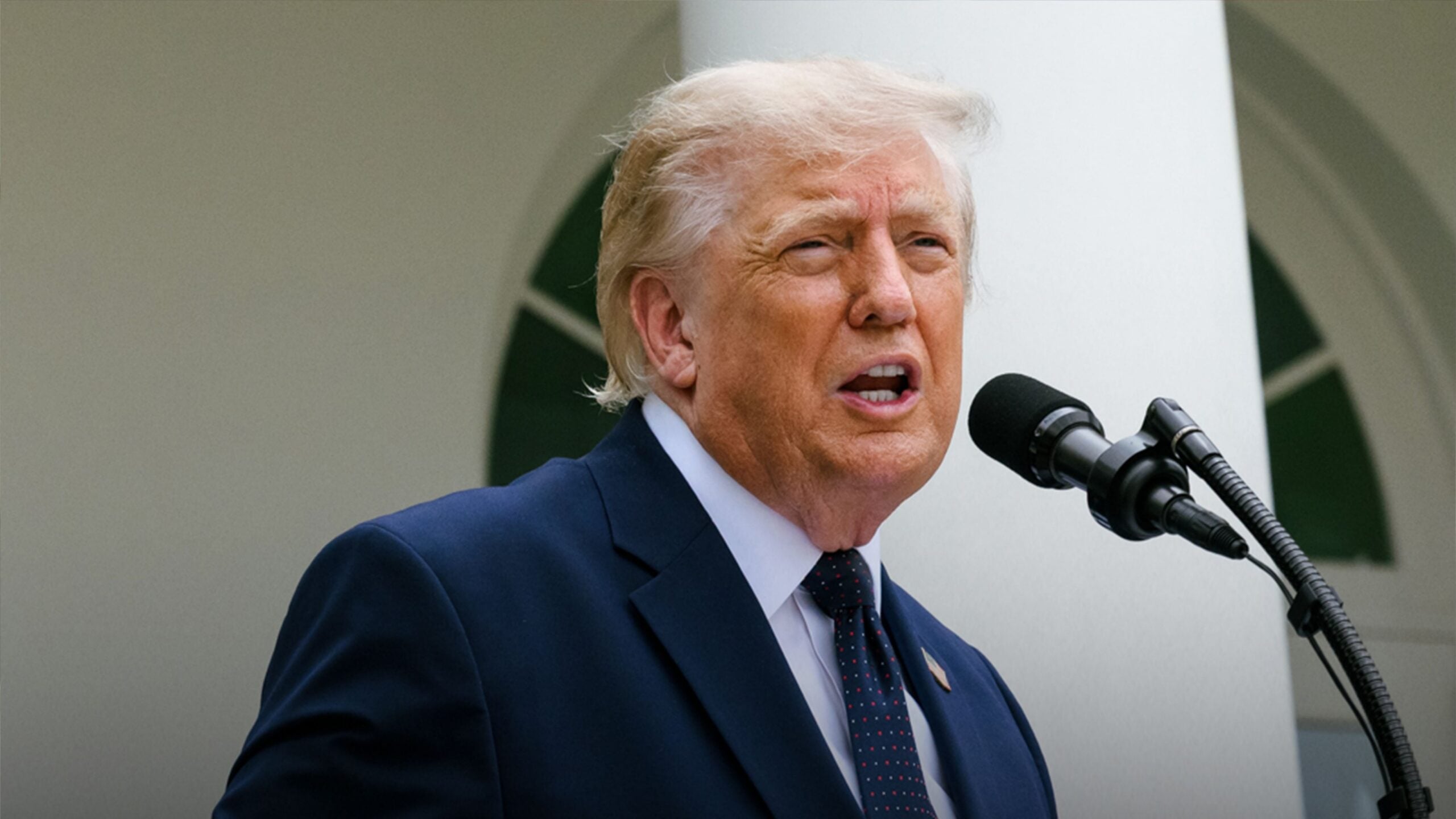
US President Donald Trump | Photo: White House
Meanwhile, according to a report in the Wall Street Journal, Israel passed on intelligence to the United States that thousands of centrifuges were moved last fall to an underground facility known as “Pickaxe Mountain,” after Iran’s main nuclear sites suffered a wave of attacks in June 2025.
Prime Minister Benjamin Netanyahu is also reportedly pressuring US President Donald Trump to resume the widespread strikes to thwart Iran’s reconstruction efforts. Trump himself hinted last week that the site could become a target for a US strike.