


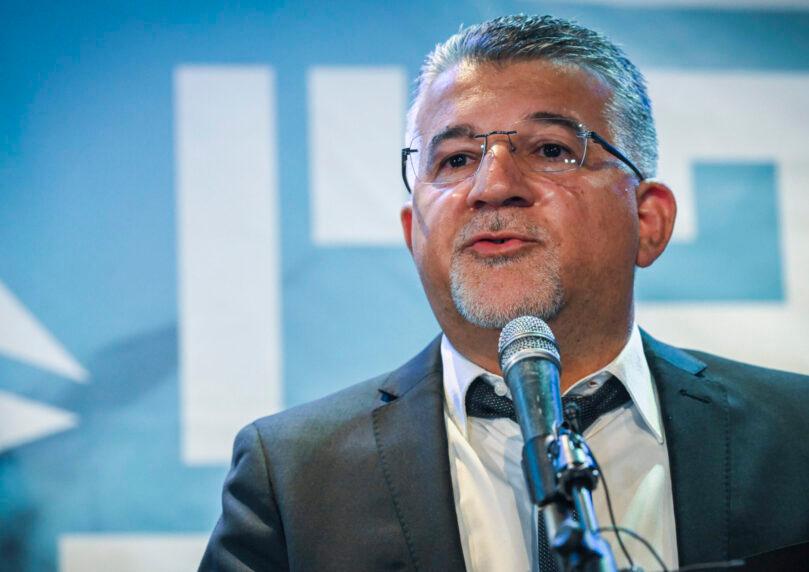

The Joint List is expected to petition outgoing Knesset Speaker MK Amir Ohana today (Thursday), demanding that he urgently convene a session to elect a new speaker for the 26th Knesset, joining Yisrael Beiteinu chairman Avigdor Liberman in the demand. Liberman approached Ohana earlier,r requesting the vote be held at Tuesday’s swearing-in ceremony.


 2+
The demand comes amid efforts to replace Ohana, with several Knesset factions pushing to advance the vote on his successor, while the outgoing speaker is expected to try to delay it by a week.
Earlier today, Liberman sent Ohana a letter demanding the issue be placed on the agenda at the new Knesset’s first session: “I am asking you to put on the Knesset’s agenda, at the first Knesset session to be held next Tuesday, the election of the Knesset speaker and hold a vote to elect the chairman of the 26th Knesset.”
 2+
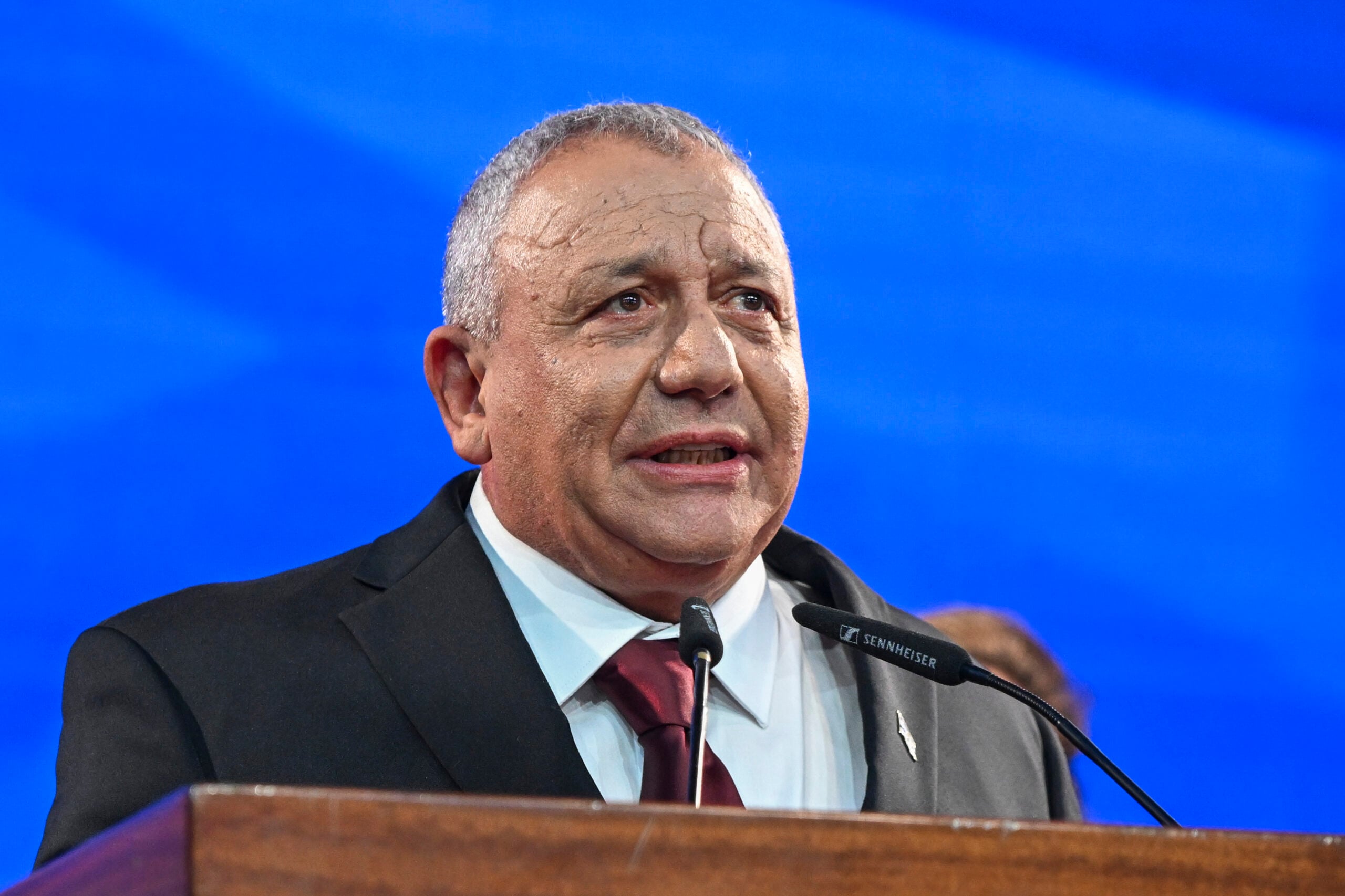
Ohana responded to party leaders seeking to replace him at the Knesset’s opening session, making clear he won’t advance the vote without a request signed by at least 61 MKs. Ohana is thus forcing the bloc’s leaders to assemble a clear parliamentary majority, which may require cooperation with the Arab parties or with United Torah Judaism.
 2+
In his letter, addressed to Gadi Eisenkot, Naftali Bennett, Youssef Jabareen, Yair Golan, Mansour Abbas, and Avigdor Liberman, Ohana clarified that “the customary time for electing a Knesset speaker is when the government is formed.” According to him, the exception is submitting a letter bearing the signatures of a majority of Knesset members requesting to move the vote up. “If a majority requests to hold such a discussion, I will schedule it for an early date, no later than a week,” he pledged.
The political significance of the demand is that the change bloc’s leaders will need to present parliamentary cooperation with additional factions to obtain the 61 signatures. One option is to rely on support from Ra’am and the Joint List. This move could spark controversy within the bloc, given Bennett and Liberman’s reservations about relying on Arab parties to form a government.