


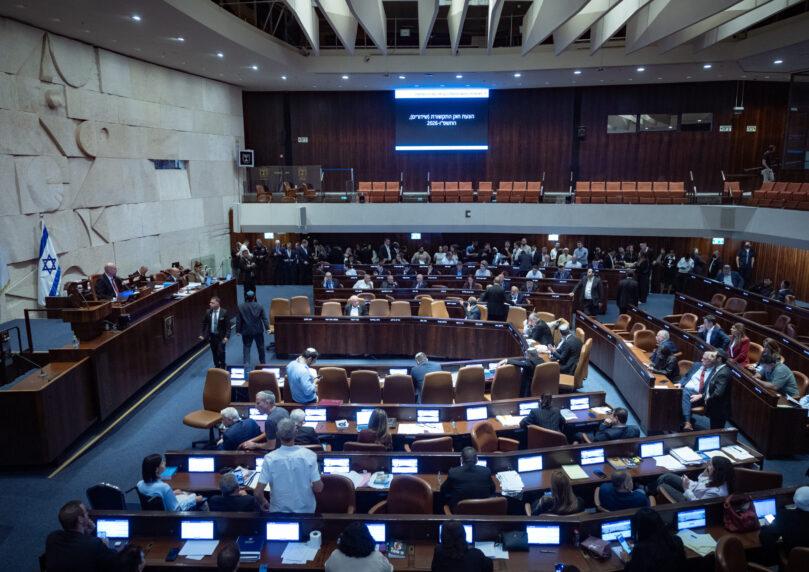

Israel is a regional power, a “start-up nation” with a strong economy and the only OECD country with an above-replacement birth rate. It also has a resilient population, demonstrated by Israelis who stormed the cockpit of a passenger plane to stop a suspected jihadist from bringing it down. Yet for all its strengths, Israel has a political system that holds it back.
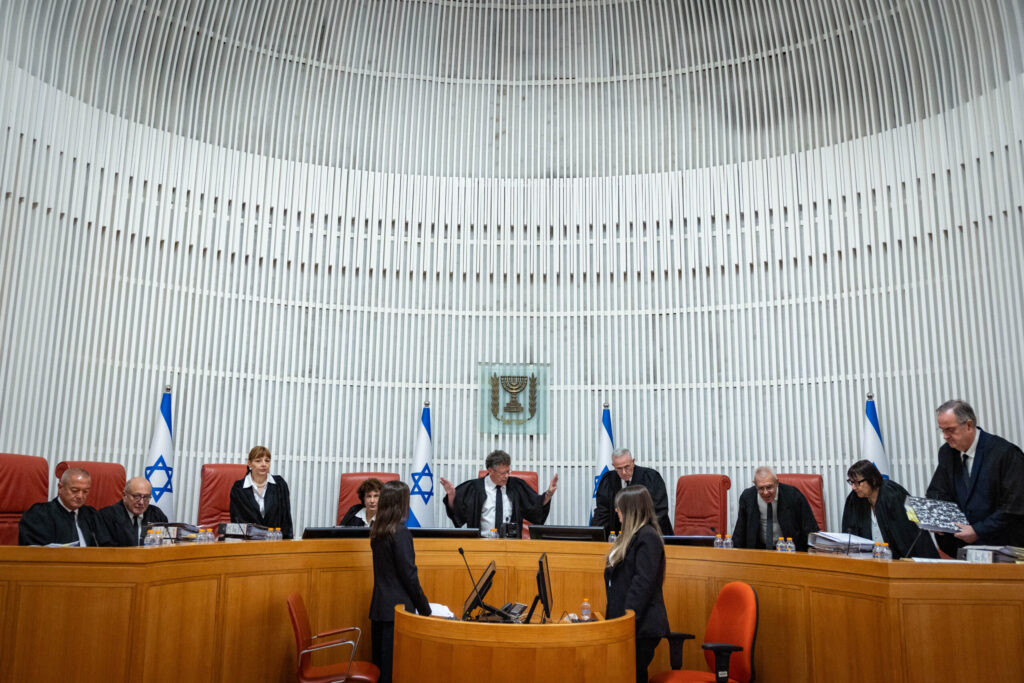
Israel is a parliamentary republic in which the executive and legislative branches are closely intertwined. Governments depend on coalitions in the Knesset, often giving small parties disproportionate power. Meanwhile, the Supreme Court has taken an increasingly assertive role in defining the limits of government authority, including its 2024 decision to strike down an amendment to a Basic Law.

 5+
The biggest problem is coalition politics. Israel’s proportional representation system allows smaller parties to represent their constituencies, but it also lets them use their seats as leverage to secure political concessions. Instead of prioritizing the country as a whole, governments must constantly negotiate with parties whose demands may reflect narrow sectoral interests.
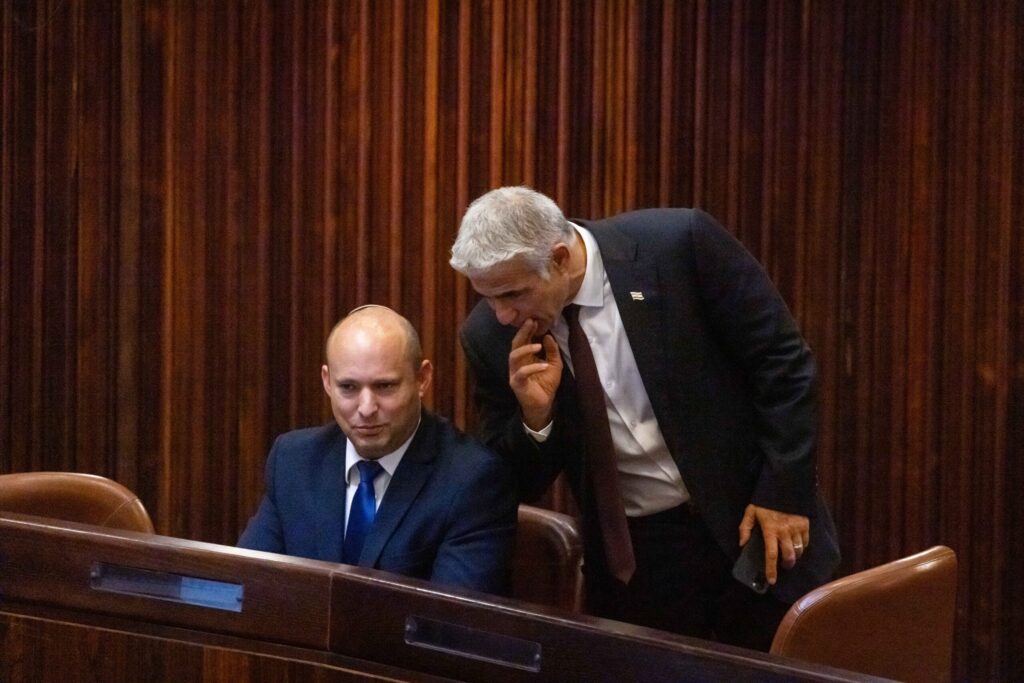
Naftali Bennett’s rise to the premiership in 2021 illustrates this problem. In 2019, when Netanyahu failed to form a coalition amid a rebellion from Yisrael Beitenu, Israel entered a series of elections that only ended when Bennet did the unthinkable. His Yamina party won seven Knesset seats, but Bennett secured the premiership through an agreement with a diverse coalition united largely by its desire to replace Benjamin Netanyahu. The coalition was so fragile that even one defection could threaten its survival. Amichai Chikli, elected on Yamina’s list, refused to support the government, highlighting how a handful of lawmakers could shape the fate of an entire administration.
 5+
The result is a system in which political survival can matter more than effective governance. Sectoral politics can deepen divisions between communities, making it harder to build a shared national identity and a common sense of responsibility.
The solution may lie in Israel’s most ceremonial, and arguably most useless, political institution: the presidency. The president is elected by the Knesset and serves primarily as a head of state, with little executive power. Israel should consider electing the president directly and transferring executive authority from the prime minister to the president, who would appoint ministers and lead the government, subject to clear constitutional checks and balances.
 5+
The transition to a presidential system would require two steps. First, executive power must be transferred from the prime minister to the president, who would appoint ministers and lead the government independently of Knesset coalitions. Second, Israel must introduce direct presidential elections, held midway through the Knesset’s four-year electoral cycle. This would give voters a separate opportunity to choose the country’s executive without tying that choice to parliamentary elections. Together, these changes would reduce the power of small parties to dictate who governs while preserving the Knesset’s role as the legislative branch.
Small parties would still compete for seats in the Knesset, but they could no longer threaten to topple the government to extract concessions. The Knesset would retain its legislative and oversight powers, while judicial reform could establish clearer limits on the relationship between the courts and elected officials.
 5+
A presidential system could also encourage broader political alliances. Instead of building coalitions out of parties with competing demands, candidates would need to appeal to voters across different constituencies to win a national election. This would not guarantee a two-party system or greater social unity, but it could reduce the political incentives that keep Israel fragmented.
There is a catch: Israel experimented with directly electing its prime minister between 1996 and 2001, but the system was eventually abandoned after contributing to greater fragmentation in the Knesset. However, that system retained the parliamentary structure and still left the government dependent on coalition politics. A presidential system would be fundamentally different: the president would lead the executive independently of the Knesset and would not need to assemble or maintain a coalition to remain in power. Smaller parties could still win parliamentary seats, but they would no longer hold the same leverage over the formation and survival of the government. Properly designed, a presidential system could address the very weakness that undermined the earlier experiment.
 5+
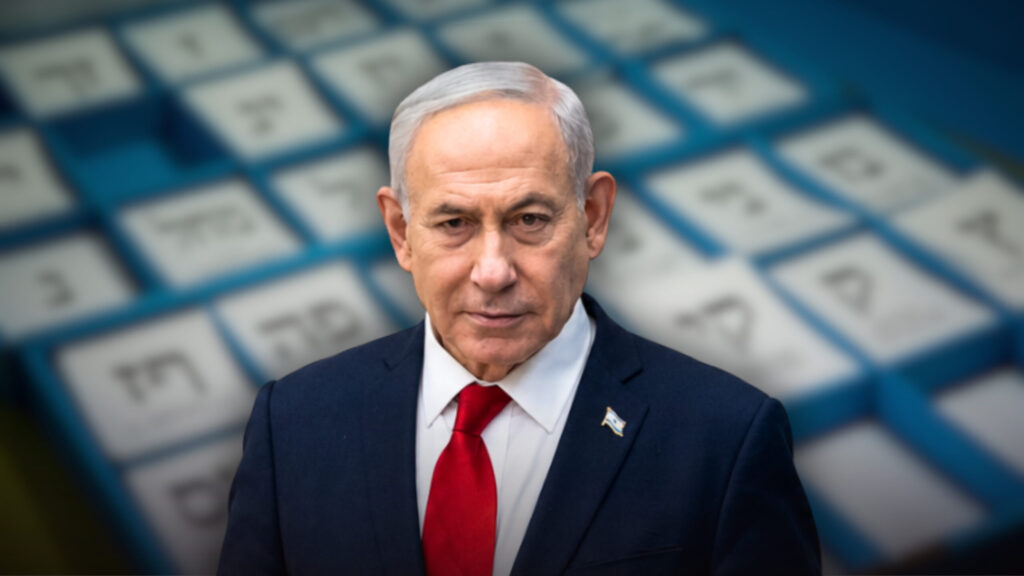
This is not an argument to replace Netanyahu. Under a presidential system, he could run for president and potentially gain greater executive authority. The difference is that he would have to win a separate national election rather than rely on coalition agreements to remain in power. Direct election would not necessarily make a president easier to remove mid-term, but it would give voters a separate mandate over who leads the country.
Of course, such a sweeping reform is unlikely to happen anytime soon. Politicians would have to support a system that could reduce their own influence, and any new model would need safeguards against executive overreach.
 5+
Still, Israel should seriously consider whether its political system serves its people as well as it could. Israelis have shown extraordinary resilience, ingenuity, and determination. The country’s institutions should harness those qualities, not hold them back. Israel’s greatest strength is its people. It is time its political system started living up to them.