


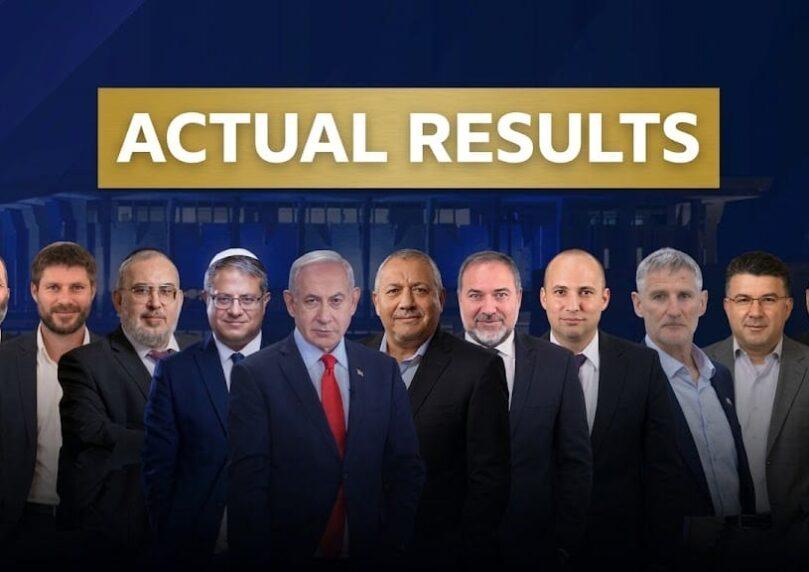

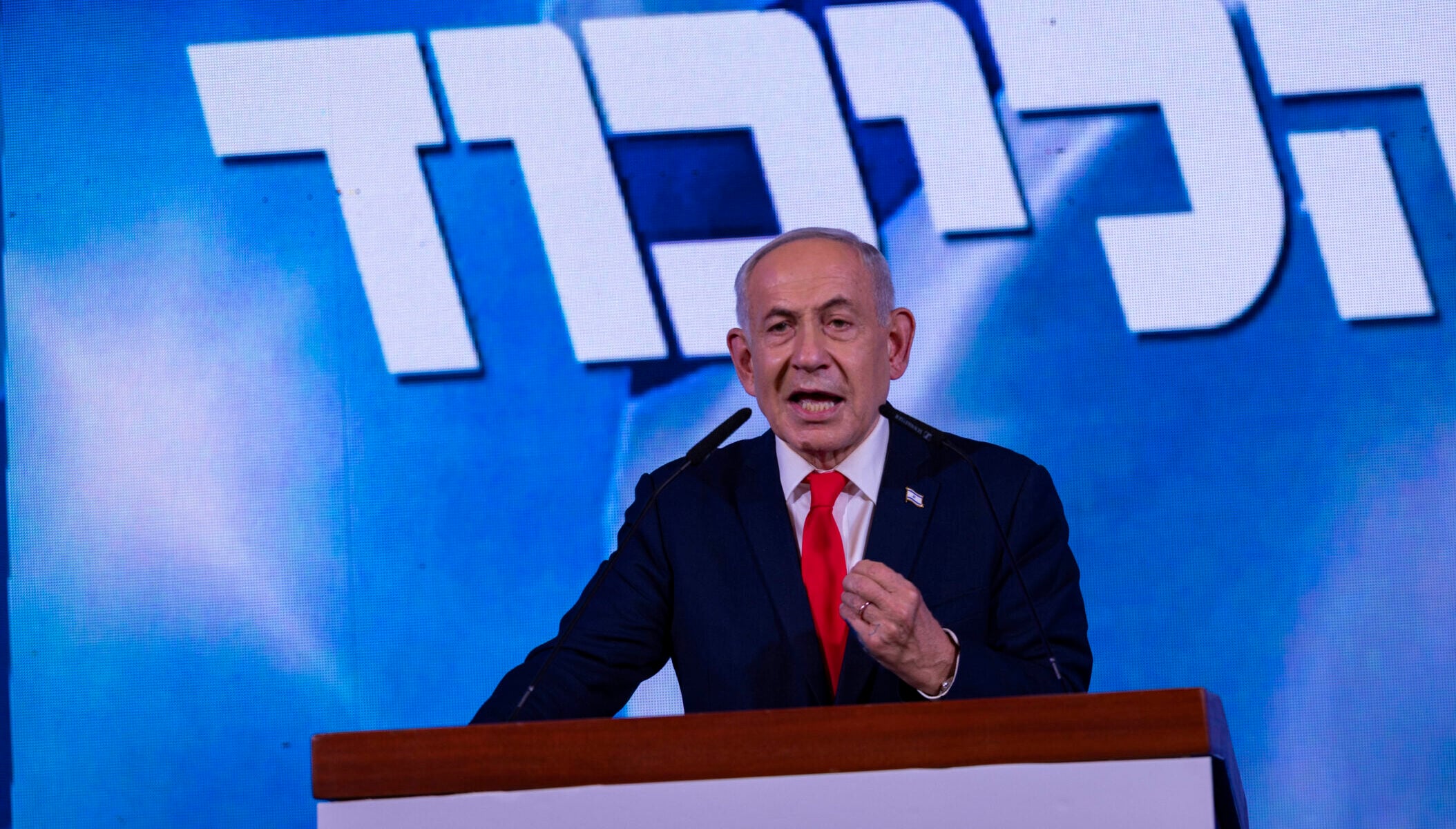
The counting of 100% of the votes cast at regular polling stations in the 26th Knesset elections was completed today (Wednesday), yet the distribution of parliamentary seats continues to shift. According to the latest figures, the Likud party, led by Prime Minister Benjamin Netanyahu, has slipped to 26 seats; the “Yashar” party, led by Gadi Eisenkot, has dropped to 21; and Naftali Bennett’s “Beyachad” party stands at 12 seats—the same number as the Joint List. However, approximately 650,000 votes cast via the “double-envelope” system (absentee ballots) have yet to be counted, meaning the results are not yet final.
The Bloc Landscape: Coalition Drops to 53 Seats
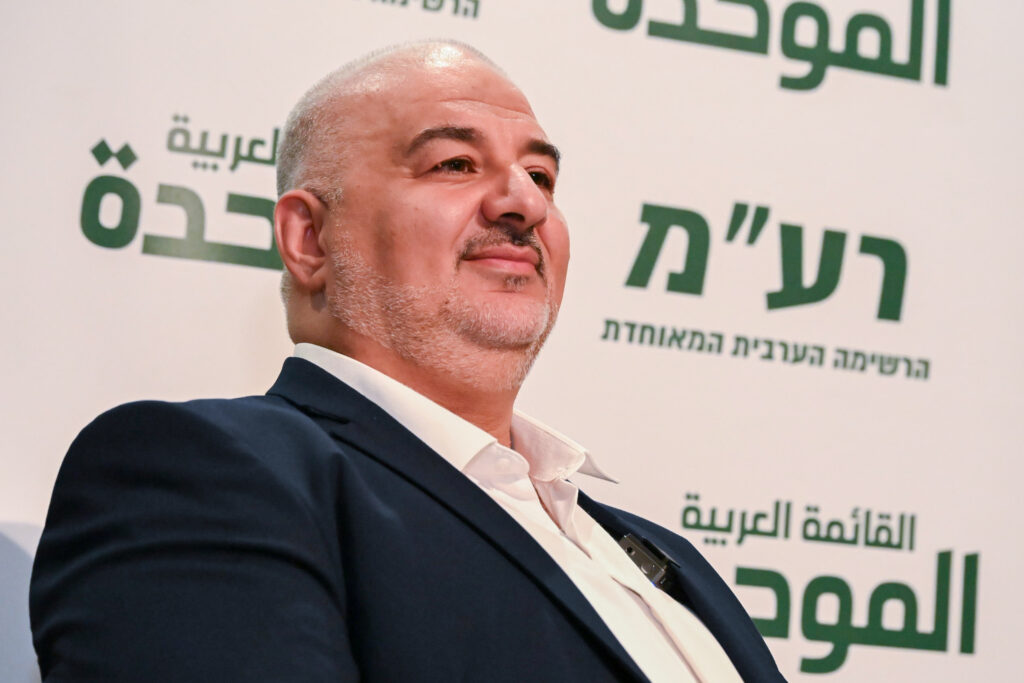
Further down the list, the “Democrats” party, led by Yair Golan, holds 8 seats. Avigdor Liberman’s Yisrael Beiteinu, United Torah Judaism, Shas, and Otzma Yehudit each hold 7 seats, while the Religious Zionist Party stands at 6 seats. Ra’am, led by Mansour Abbas, has risen to 7 seats, bringing the combined total for the two Arab lists to 19 seats.

Based on the current breakdown, the bloc supporting the incumbent coalition holds only 53 seats, compared to 48 seats for the left-wing bloc. The Arab parties collectively hold 19 seats—a figure that could prove particularly significant during negotiations to form the next government. Compared to previous updates, in which the coalition bloc stood at 56 seats, this represents a decrease of three seats. However, the counting of the “double-envelope” ballots has not yet begun to affect the overall picture, and the distribution of seats may shift once these are included.
Double-Envelope Ballots Could Alter the Landscape
Meanwhile, the party led by Yoaz Hendel and Yaron Zelekha—focusing on reservists and the economy—remains below the electoral threshold with 2.63% of the vote, while the “Amcha Yisrael” party, headed by Ofer Winter, stands at only 1.61%. At this stage, neither list would enter the Knesset.
Attention now shifts to the counting of the double-envelope ballots, which are estimated to contain approximately 650,000 votes. These include, among others, votes cast by soldiers, security personnel, and voters eligible to cast their ballots at a polling station other than the one where they are registered. Only once this count is complete will it be possible to determine the final distribution of seats and the balance of power in the 26th Knesset.