



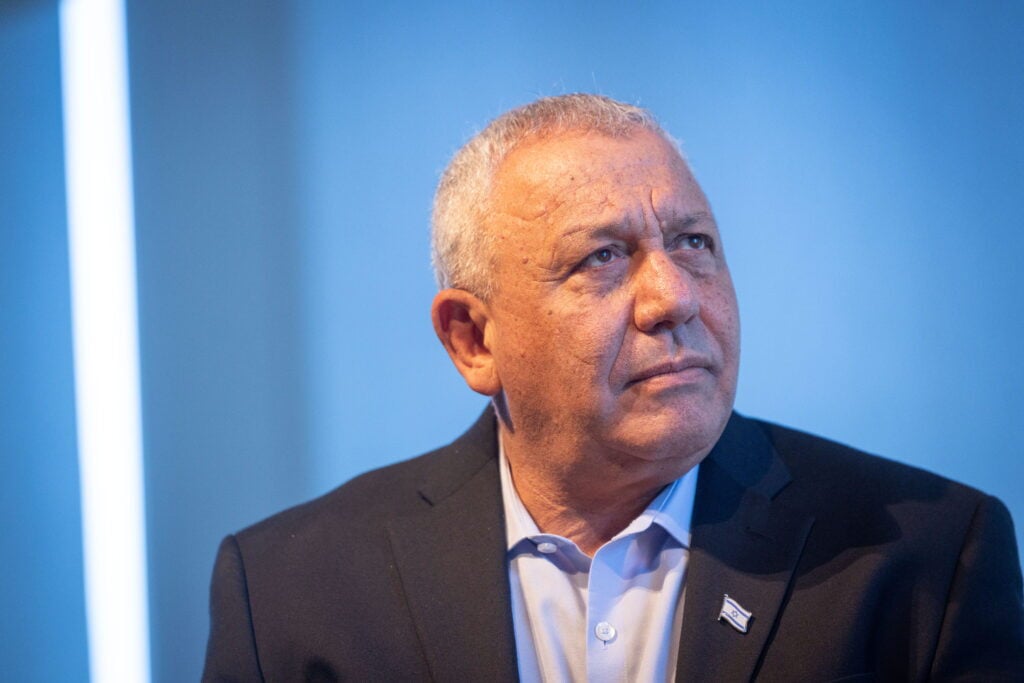
Gadi Eisenkot is emerging as the leading candidate in Druze communities examined in the Knesset 26 elections, according to vote tallies updated Wednesday morning. His Yashar party captured roughly 40.4% of votes across 11 communities included in the analysis, ahead of Avigdor Liberman’s Yisrael Beiteinu with 24.1% and Benjamin Netanyahu’s Likud with 16.5%.

 1+
The gap is especially pronounced in the two largest Druze towns on Mount Carmel. In Isfiya, voters gave Eisenkot 4,701 votes—64.2% of valid ballots—while in Daliyat al-Karmel his party won 5,257 votes, or 55.6%. In both towns, Eisenkot secured an absolute majority, leaving other parties far behind.
But the picture isn’t uniform across all Druze communities. In Yarka, Likud is actually the largest party with 2,439 votes, compared to 2,296 for Eisenkot. The gap between the two parties stands at just 143 votes, while Yisrael Beiteinu is also in the mix with 1,918 votes. In Kisra-Sumei, Likud leads by a more significant margin, with 47.3% of votes.
 1+
Liberman also notched wins in several communities. In Peki’in, Yisrael Beiteinu received 43.5% of valid votes, and in Hurfeish it came in first with 989 votes—slightly more than the 934 votes Eisenkot’s party received. Liberman also leads in Buq’ata and Mas’ada in the Golan Heights, with 58.5% and 53.5% respectively.
In the tallies examined, Eisenkot’s party received 17,024 votes, compared to 10,139 for Yisrael Beiteinu and 6,945 for Likud. That’s a significant gap in his favor, but the data doesn’t include all Druze communities in Israel, and some of the communities examined also include non-Druze populations, so it’s not possible to draw full conclusions about voting patterns across the entire community.