


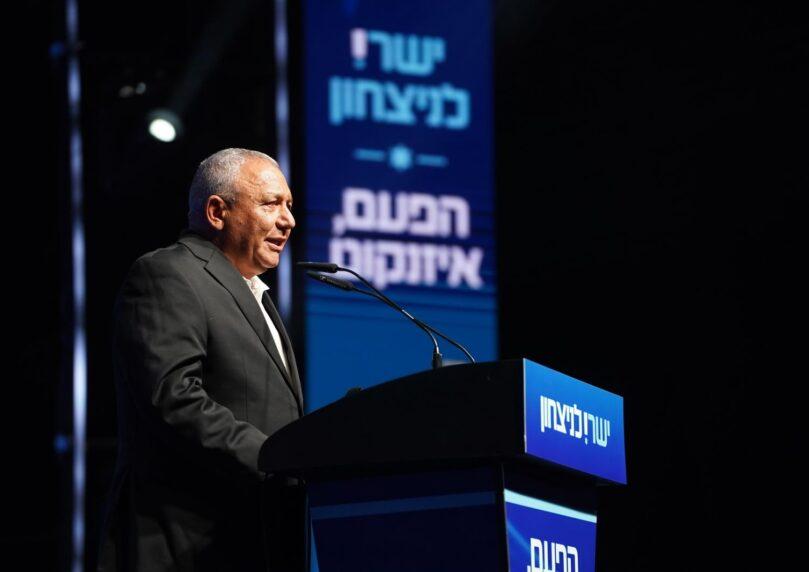

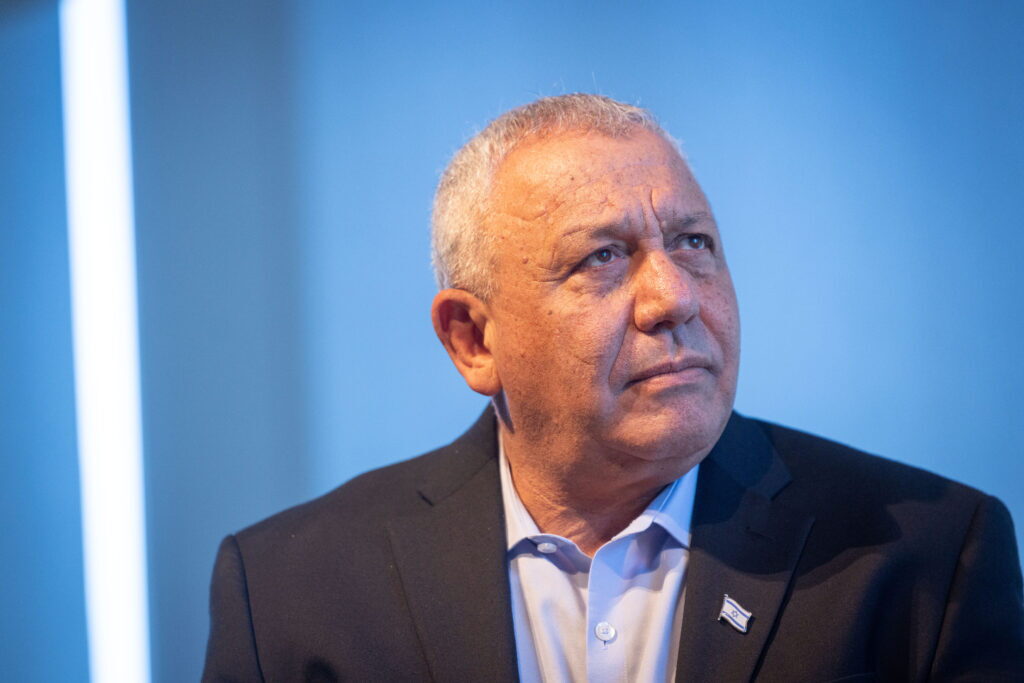
The Yashar party, led by Gadi Eizenkot, announced this evening (Tuesday) that it firmly opposes the Likud’s request to extend voting hours for the 26th Knesset elections. This opposition follows an announcement by three parties from the right-wing bloc—Likud, Shas, and Otzma Yehudit—supporting an extension of voting hours due to heavy congestion and unusually long wait times at polling stations. While these parties argue that the move is necessary to allow as many citizens as possible to exercise their democratic right, Eizenkot’s party questions the very justification for such a step.
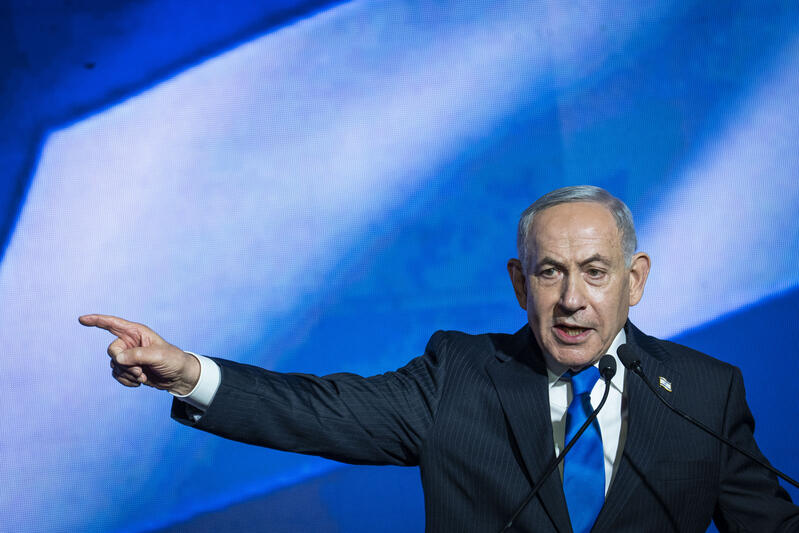
In a strongly worded statement, the Yashar party declared: “The Yashar party with Eisenkot firmly opposes the Likud’s request to extend voting hours at the polling stations.” The party further argued that “no unusual incident has occurred to justify approving this request, which is clearly intended to lay the groundwork for claims challenging the integrity of the election—a continuation of the lies Netanyahu has been spreading since this morning.” In doing so, Eisenkot’s party has not only opposed the extension of voting hours but has also attributed political motives to the Likud and the Prime Minister.

 1+
The controversy began when the Likud announced it had submitted a request to extend voting hours, while simultaneously urging its supporters to head to the polls. Shortly thereafter, the Shas party joined the call, requesting an additional hour of voting. In a statement, Shas explained that the request was made “due to unusually heavy congestion at the polling stations,” with the aim of ensuring that citizens currently waiting in line are not prevented from casting their ballots.
Now, the Otzma Yehudit party, led by Minister Itamar Ben-Gvir, has also joined the demand. An official statement from the party reads: “Otzma Yehudit joins the Likud’s request to extend the voting deadline beyond 10:00 PM, in light of the heavy congestion and unusually long wait times at the polling stations.” This expands the coalition of parties supporting an extension of voting hours, with all three parties citing overcrowding at polling stations as the primary justification for their request.
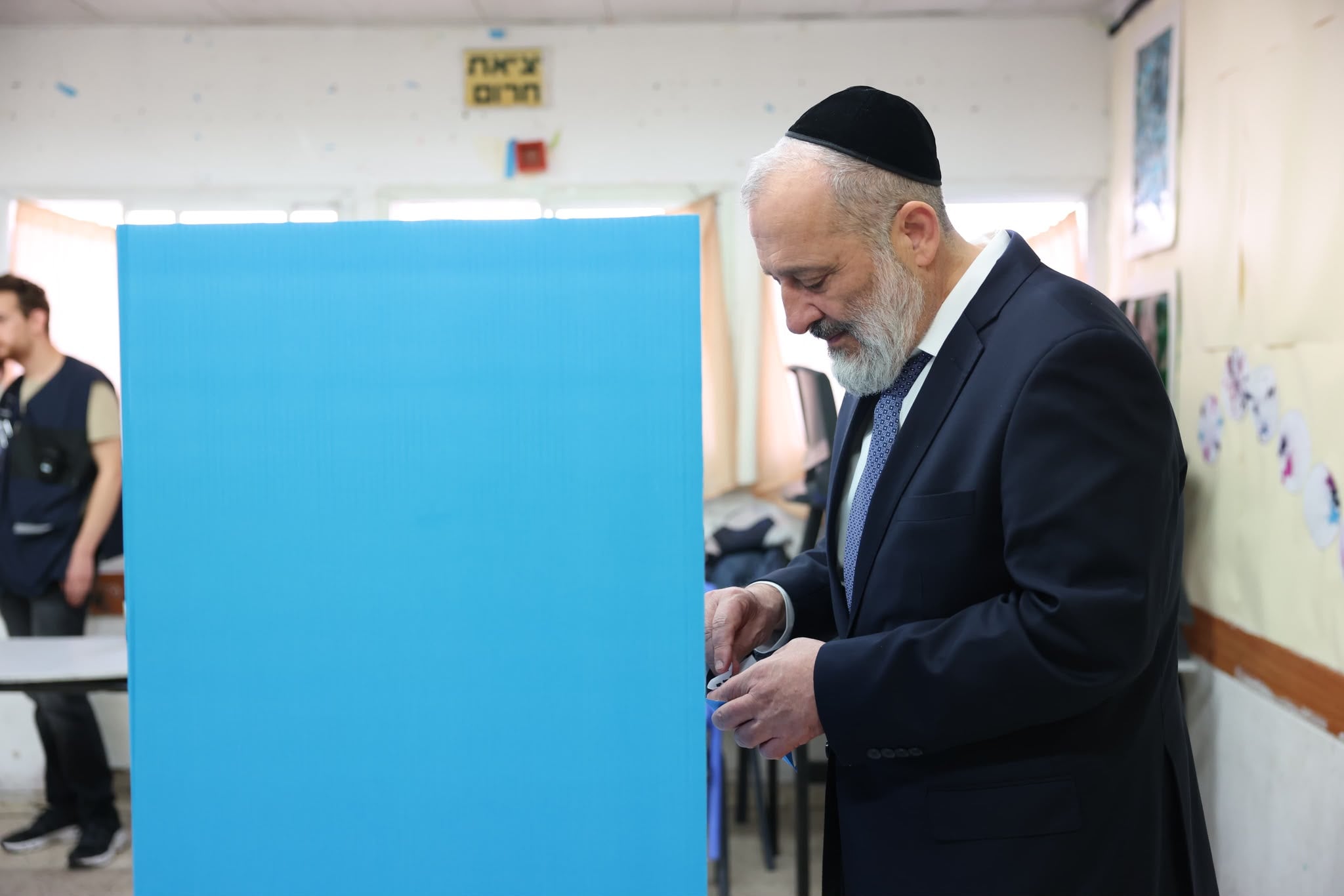
The dispute unfolds against the backdrop of exceptionally high voter turnout throughout the day. According to data from the Central Elections Committee, as of 4:00 PM, 55.7% of eligible voters—amounting to over four million citizens—had cast their ballots. This represents an increase of 8.2 percentage points compared to the same time during the election for the 25th Knesset in 2022, when the turnout rate stood at 47.5%.
Meanwhile, throughout the day, reports emerged of high participation in Arab localities, while the ultra-Orthodox (Haredi) parties expressed concern regarding relatively low turnout among their own constituents. United Torah Judaism chairman, MK Yaakov Asher, warned earlier that “the enthusiasm on the ground is not translating sufficiently into actual votes,” adding: “There is a fire in people’s eyes, and everyone understands the stakes, yet not enough people are actually showing up to vote.” Shas chairman Aryeh Deri also warned of the potential impact these turnout rates could have on the election results. The demand to extend voting hours has brought two conflicting arguments to the center of the dispute: the Likud, Shas, and Otzma Yehudit parties are seeking to extend the voting period, citing reports of heavy congestion, while Eizenkot’s party contends that the request is unjustified and serves a political agenda.
 1+
The decision now rests with the Central Elections Committee, which must determine whether there is sufficient justification to alter the voting hours. While the Likud and its two partners in this demand seek to keep polling stations open past 10:00 PM, Eizenkot’s party strongly opposes the move.