


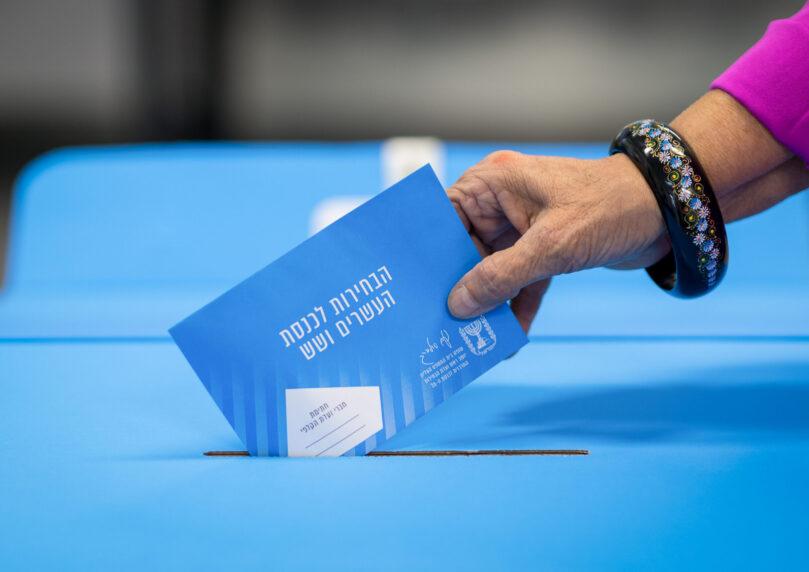

The allegations being investigated in the “ballot box terror” affair raise a question that until recently seemed almost theoretical: can the court cancel Knesset election results and order the public back to the polls?
Seven suspects were arrested on suspicion of vote-buying for Ra’am, after police found envelopes containing tens of thousands of shekels and party ballots in some of their homes. Separately, the Shin Bet is investigating suspected foreign funding and illegal influence on the elections. The allegations have not been proven and no indictments have been filed.

 7+
In Knesset elections, there has never been a case where the entire national election system was canceled following an appeal. In municipal elections, however, courts have already exercised this extraordinary authority. The two most prominent precedents occurred in Beit Shemesh and Nazareth following the 2013 municipal elections.
 7+
The Systematic Operation in Beit Shemesh
Suspicions in Beit Shemesh began after police raided an apartment in the city on election day and found about 160 ID cards, along with wigs, hats, glasses and other disguise materials.
According to evidence presented to the court, the ID cards were collected from people who didn’t intend to vote. They were meant to be handed to other people, who would disguise themselves as the ID holders and vote in their names. Stickers with ballot box numbers were attached to the IDs, directing the impersonators where to go.
The Jerusalem District Court canceled the election results and ordered a new vote. Mayor Moshe Abutbul and others appealed the decision, arguing among other things that the number of suspect votes was smaller than the gap between candidates.
 7+
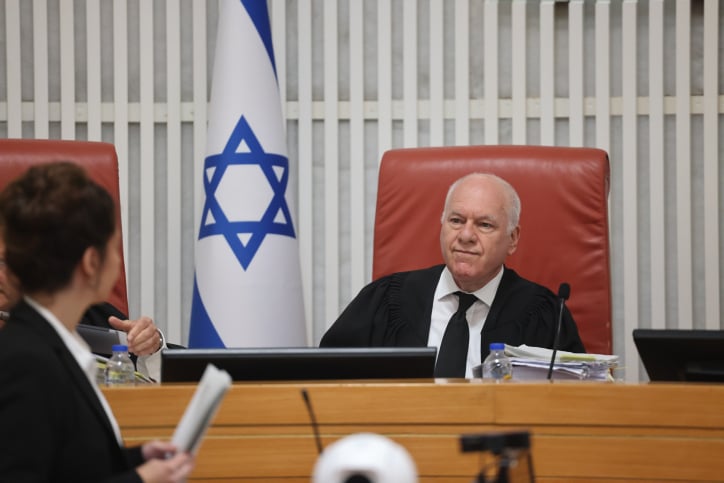
The Supreme Court rejected the appeal. Justice Uzi Fogelman ruled that there was a real possibility the operation affected both the mayoral and city council results. He described the events as “an organized, systematic and wide-ranging scheme of law violations.”
The decision didn’t require proving how many fraudulent votes were actually cast or which candidate received each vote. The infrastructure pointing to broad organization and a real possibility of affecting the outcome was enough.
 7+
In Nazareth, Every Vote Counted
Nazareth didn’t see an operation like the one uncovered in Beit Shemesh. The elections were canceled due to a different combination of circumstances: serious irregularities, disputed votes and a tiny margin between the two leading candidates.
After the original count, Ali Salam was declared the winner over Ramez Jaraisy by just 22 votes. Following legal proceedings and a recount of disqualified ballots, the result flipped—Jaraisy was declared winner by nine votes.
During the hearings, evidence also emerged suggesting 11 people were registered as having voted even though they were in prison or outside Israel that day. The court was careful not to determine that a criminal offense had been committed, clarifying that the ruling doesn’t replace police investigation into suspected voter impersonation.
 7+
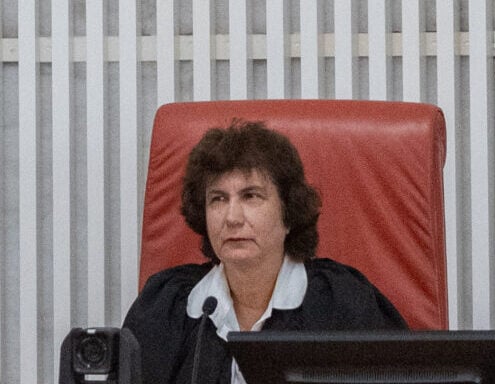
Justice Daphne Barak-Erez wrote that the elections reached the court amid “serious allegations of irregularities” and a margin “thinner than thin.” The Supreme Court ruled that a result hanging on a small number of votes under suspicion couldn’t stand, and ordered new mayoral elections within 30 days.
The two cases present the two tracks that can lead to election cancellation. In Beit Shemesh, infrastructure for systematic organization designed to inject fraudulent votes was found. In Nazareth, no similar scheme was proven, but irregularities were large enough relative to the tiny margin to cast doubt on the entire result.
The test isn’t just the severity of the act. The court examines whether the defect could have affected who won or how seats were distributed. Serious fraud that couldn’t have changed the outcome might lead to criminal investigation, but not necessarily to new elections.
 7+
The Law Allows Canceling Knesset Elections Too
The Knesset Elections Law allows appealing results on grounds that the elections as a whole or at a specific polling station weren’t conducted according to law, that seats were distributed improperly, or that votes for a particular list were obtained illegally.
The key condition is that the alleged defect could have affected election results. Appeals must be filed with the Administrative Affairs Court in Jerusalem within 14 days of official results being published. The court will hear it with a panel of three judges.
 7+
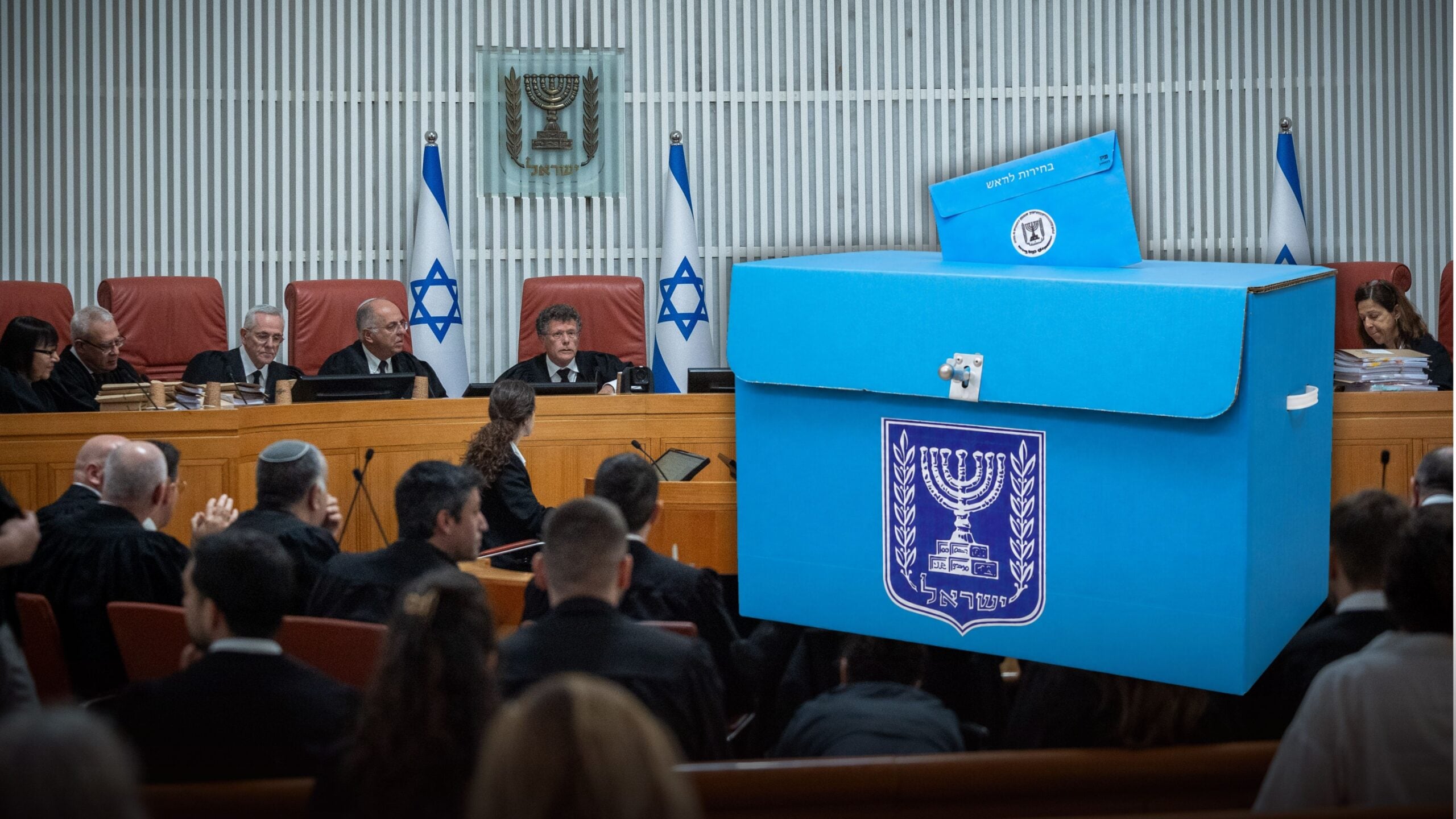
The court can cancel the entire election or voting at a specific polling station, and order them held again. It can also correct vote distribution, change seat allocation, or determine that a certain candidate wasn’t elected and another should take their place.
If the entire election system is canceled, the decision can be appealed to the Supreme Court as of right. The appeal will be heard by at least five justices. Filing the appeal won’t delay the Knesset’s work, and decisions the Knesset makes during the interim period will remain legal.
 7+
Will “Ballot Box Terror” Lead to New Elections?
Legally, the possibility exists. The law gives the court explicit authority to cancel Knesset elections entirely and order a new vote. Practically, this is an exceptionally high bar that has never been applied to a national election.
To reach full cancellation, proving offenses by individual suspects won’t be enough. Evidence would need to show many votes were obtained illegally, and demonstrate their scope could have affected seat distribution or the ability to form a coalition.
If the suspicions turn out to involve a limited number of polling stations, the more reasonable step might be disqualifying those stations, recounting, or correcting results. Only evidence of a broad, organized system with real potential to change election outcomes could put national cancellation on the table.