


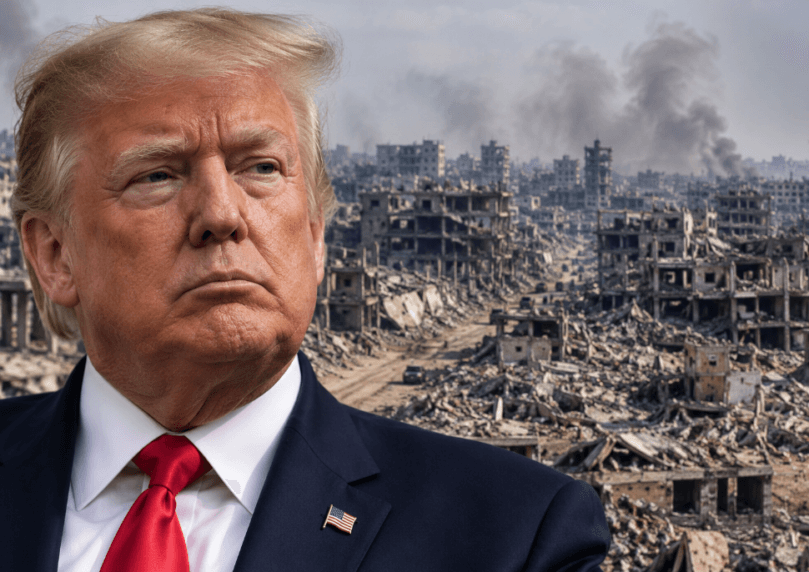

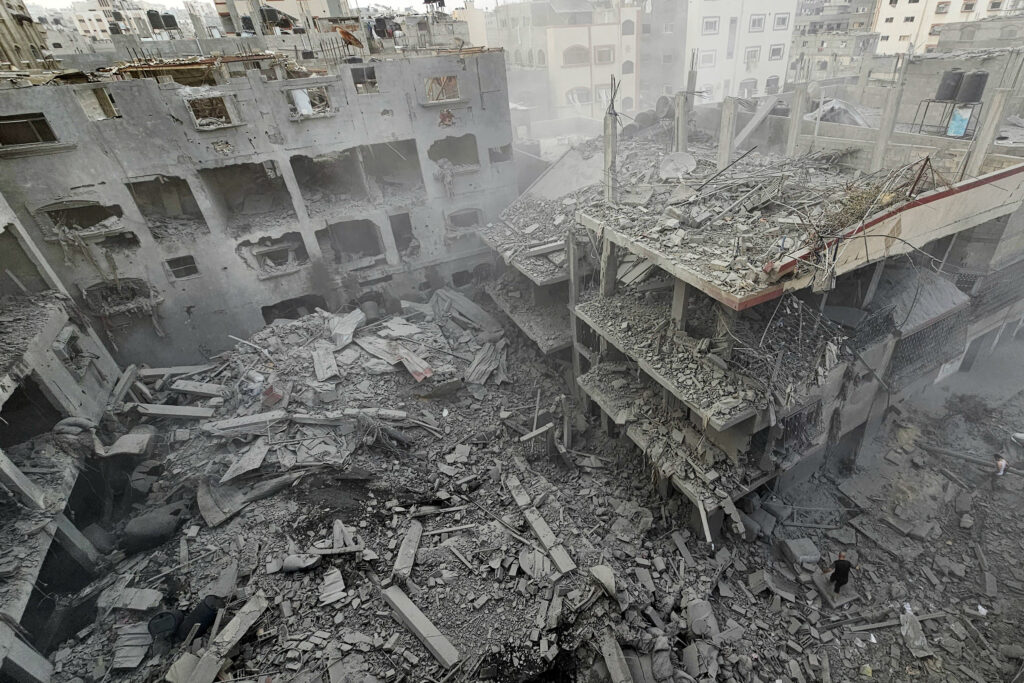
Exactly one year after the Sharm el-Sheikh peace summit, the US State Department issued an official statement Tuesday acknowledging the complicated reality in the Gaza Strip. The Trump administration made clear that rebuilding Gaza is expected to take years and that implementing President Donald Trump’s peace plan faces significant domestic and international challenges.
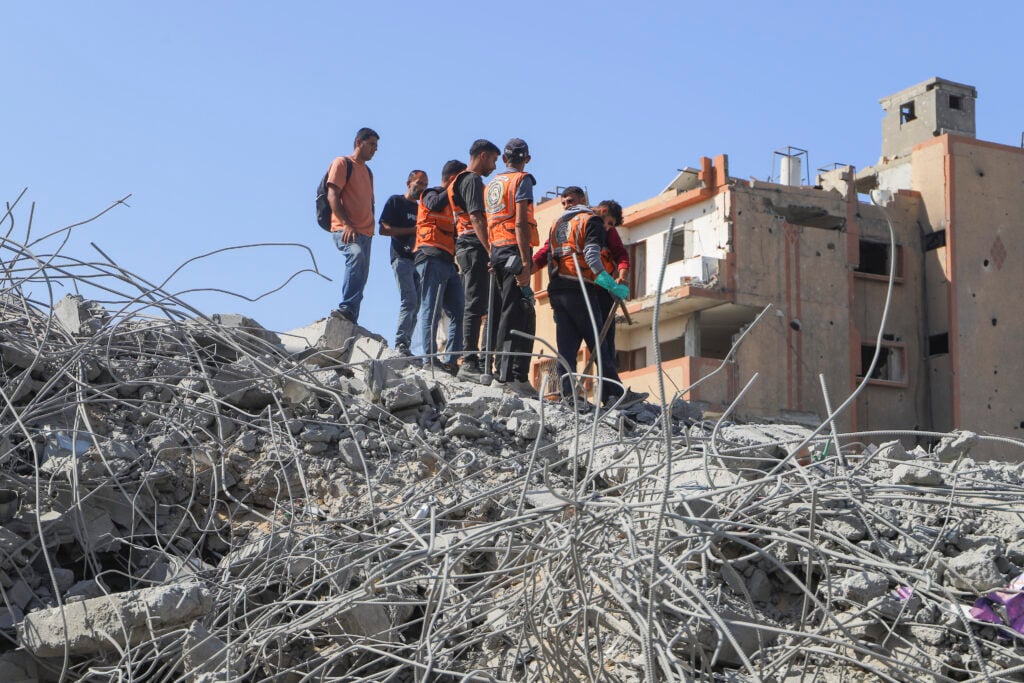
Nevertheless, in a statement issued by State Department spokesperson Tommy Pigott, the administration emphasized that the United States remains determined to achieve the agreement’s central objectives: the complete demilitarization of Gaza, an end to Hamas rule, and genuine, lasting security for Israel. Marking one year since the hostage-release and ceasefire agreement, the State Department sought to temper expectations regarding the timeline for completing the plan.

 4+
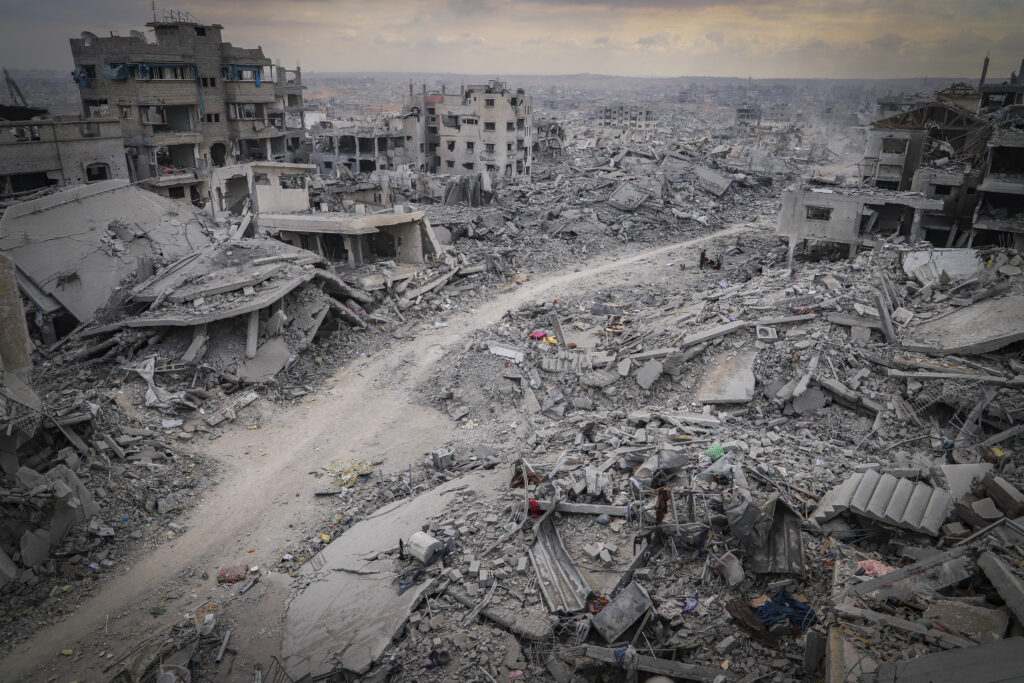
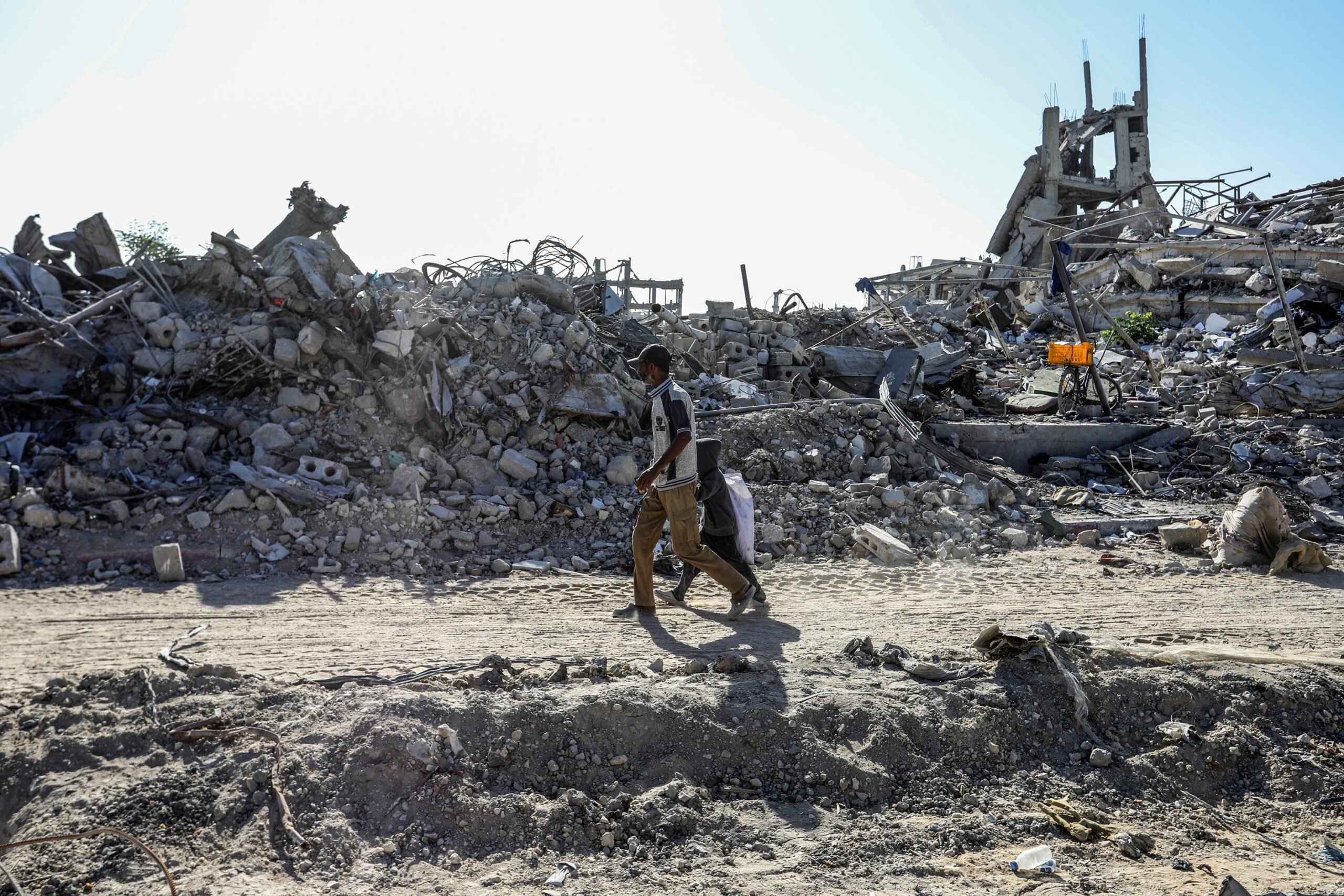
4+The original ceasefire agreement took effect on October 10, 2025, following Israel and Hamas’s acceptance of the first-phase framework presented by President Trump. The achievements of this phase included the release of the remaining 20 living Israeli hostages, alongside the return of the bodies of 28 additional hostages and fallen Israelis. In exchange, Israel released more than 1,950 ‘Palestinian’ prisoners, while the volume of humanitarian assistance permitted to enter Gaza increased significantly. However, while the first phase was implemented, the second phase — intended to fundamentally reshape Gaza’s security, political, and civilian future — has stalled significantly.
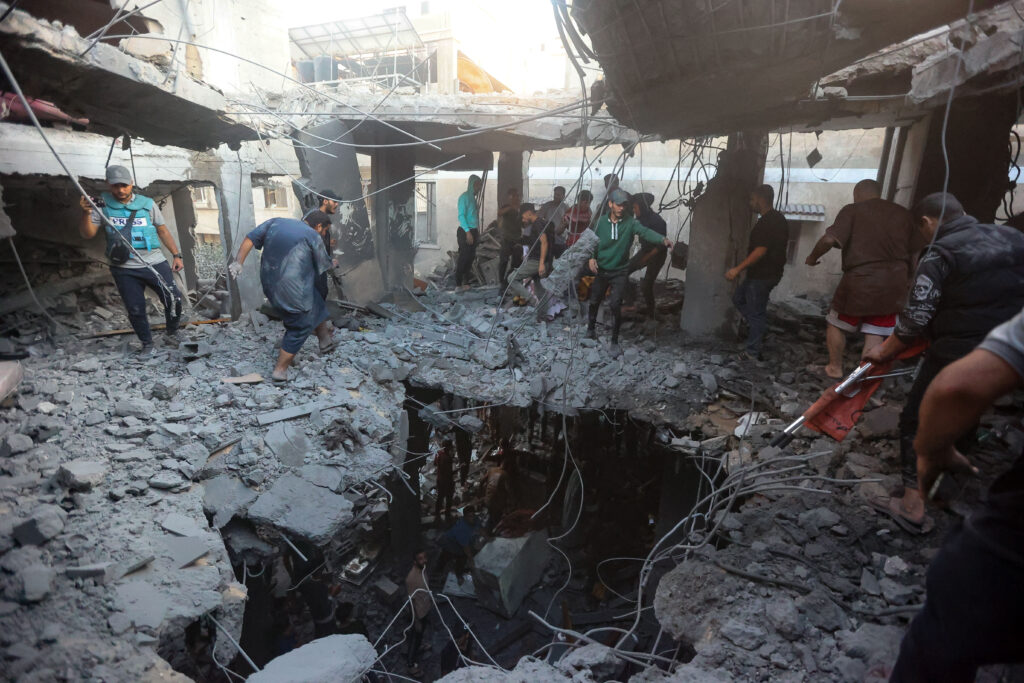
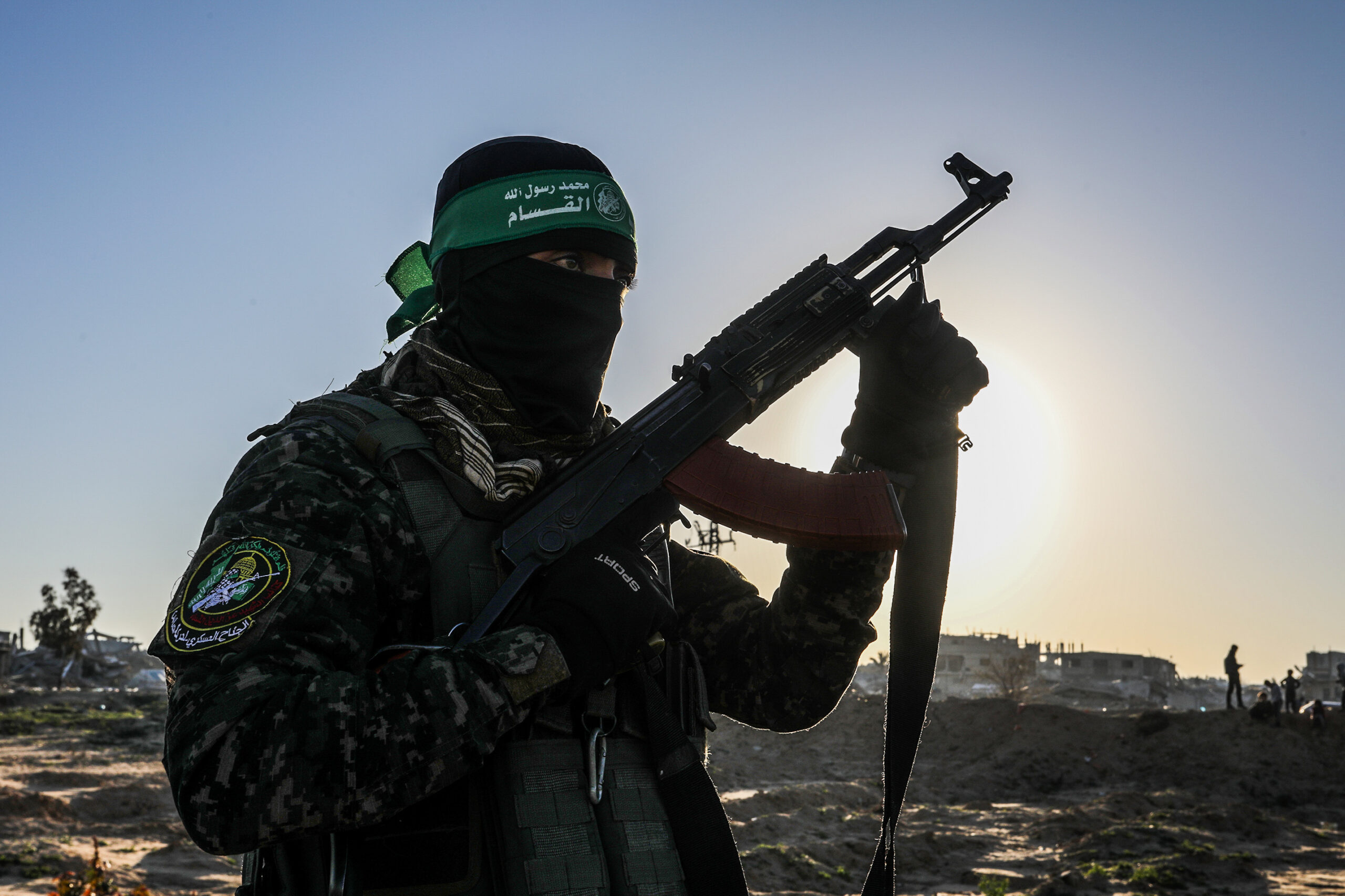
According to a comprehensive review published October 9 by the J Street Policy Center, Hamas has neither been demilitarized nor disarmed and continues to exercise effective control over areas where most of Gaza’s population resides.
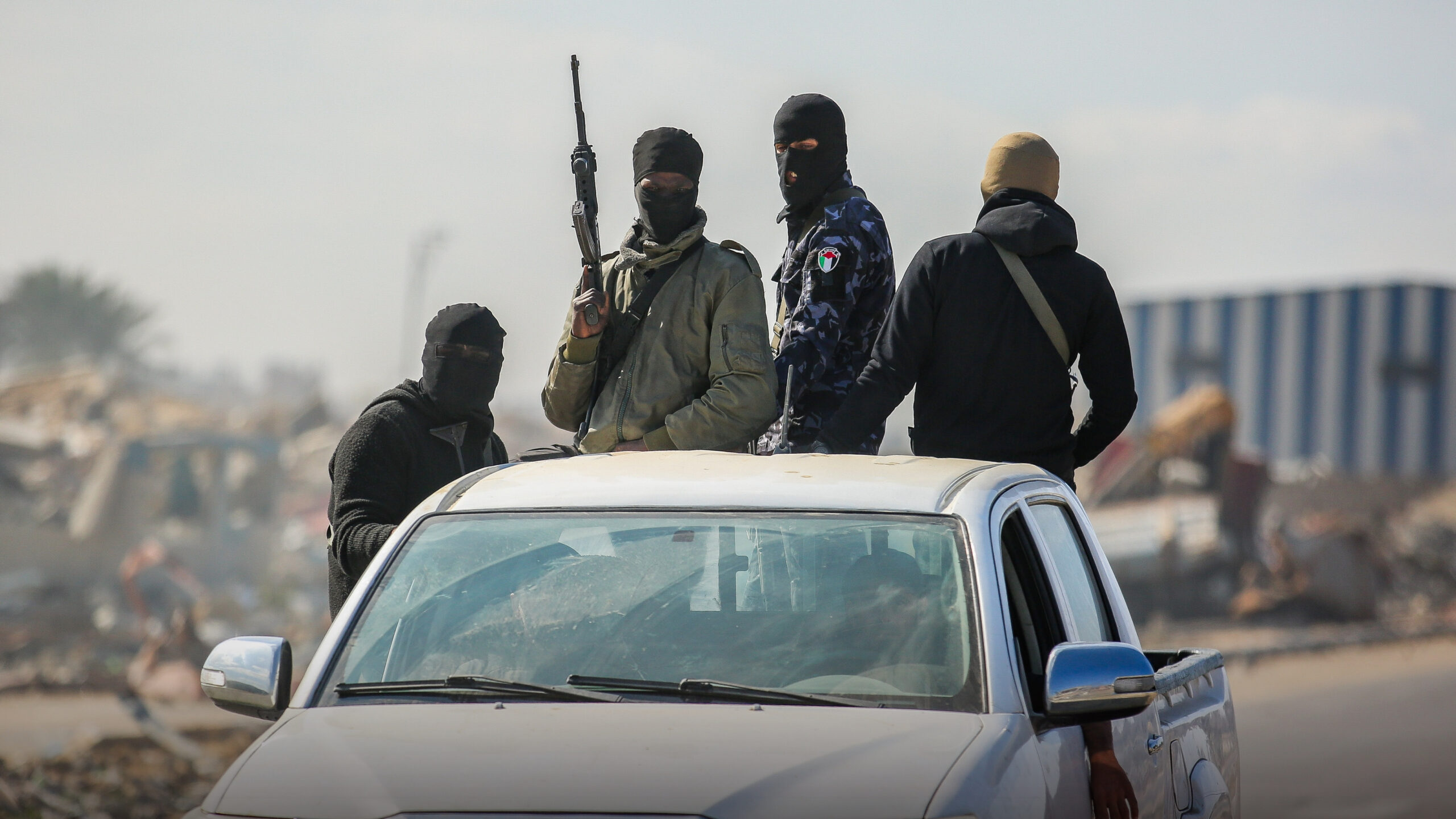
Furthermore, the ‘Palestinian’ technocratic committee intended to administer Gaza and oversee reconstruction is still operating from Cairo rather than from within the territory itself. Meanwhile, the planned international stabilization force has not yet deployed, and the new ‘Palestinian’ police force envisioned under the future arrangement has not been established. These obstacles persist alongside Israel’s continued military presence in Gaza and a complicated humanitarian situation, despite improvements in food supplies.
 4+
4+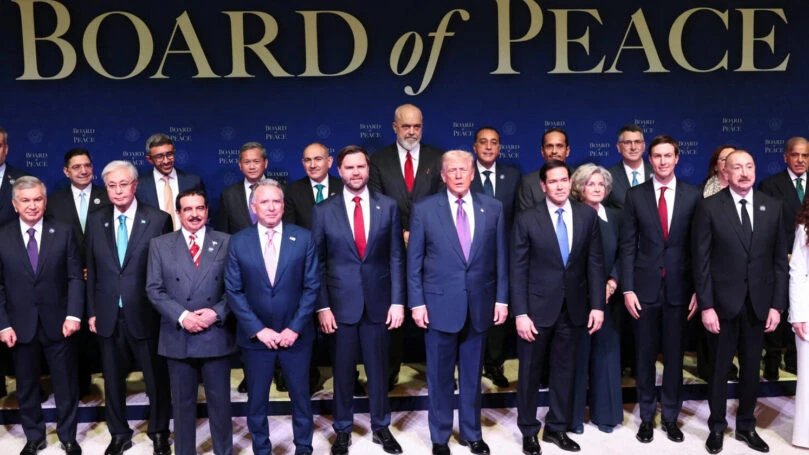
However, the American announcement did not specify the exact amount of funding. More importantly, diplomatic and budgetary progress has yet to translate into an operational deployment of the force inside Gaza. Consequently, the international mechanism intended to provide a security framework during the transitional period is still not fulfilling the role envisioned by the agreement’s architects. The American political framework rests on establishing a ‘Palestinian’ technocratic body responsible for administering everyday civilian services under international supervision.
The National Committee for the Administration of Gaza was designed to assume responsibility for healthcare, education, the economy, water infrastructure, local government, communications, and social services, under the oversight of President Trump’s Board of Peace. However, the fact that the committee continues to operate from Cairo and has not established itself inside Gaza creates a significant disconnect between the planned governing structure and its actual ability to deliver essential services to the local population.
 4+
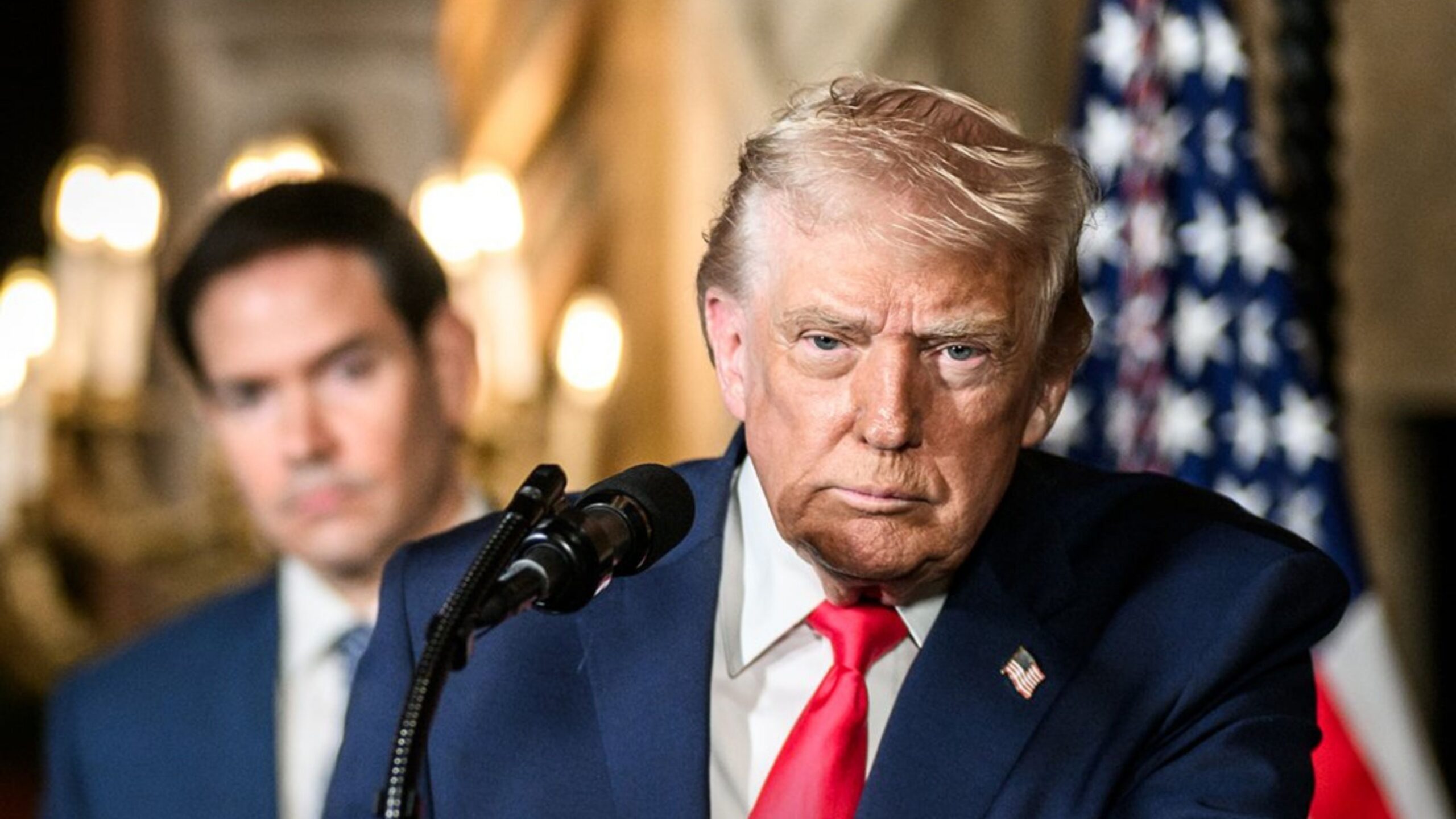
4+The political foundations for these initiatives were laid on October 13, 2025, at the Sharm el-Sheikh peace summit in southern Egypt, jointly led by US President Donald Trump and Egyptian President Abdel Fattah el-Sisi. The summit brought together leaders and senior officials from around the world, including representatives of Jordan, Qatar, Turkey, the United Arab Emirates, France, Germany, and Britain, who expressed broad support for the agreement to end the war, mediated by the United States, Egypt, Qatar, and Turkey. At the time, the leaders pledged to complete the hostage-release framework, expand humanitarian assistance, advance the withdrawal of IDF forces, and establish mechanisms for civilian administration and reconstruction.