


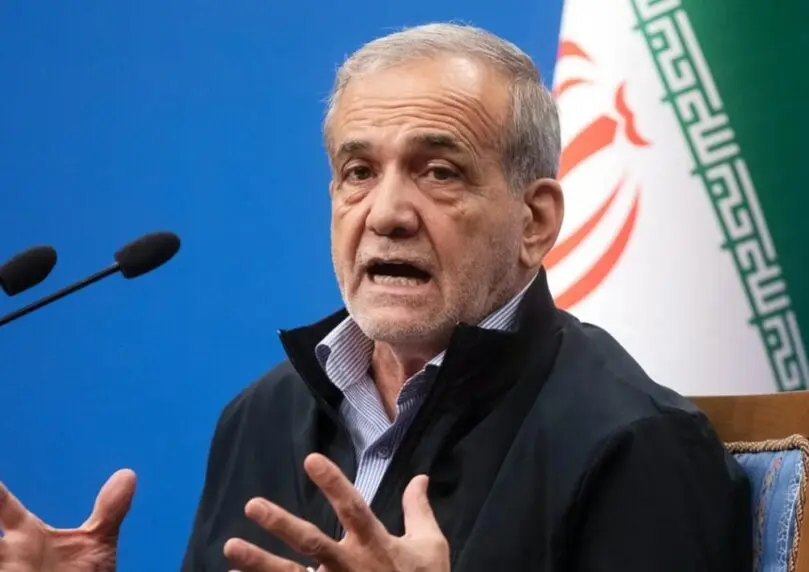
Alongside the security tensions and marathon policy talks surrounding the UN General Assembly in New York, senior members of Iran’s delegation discovered their stay in the United States comes with an unexpected blow to their wallets and lavish lifestyles: the Trump administration is enforcing draconian purchasing restrictions that bar regime officials and their families from buying a long list of luxury goods and vehicles, and even blocks their access to popular wholesale chains like Costco without prior special approval from the State Department.
According to official guidelines published in the Federal Register, Iranian officials subject to the restrictions must obtain advance permission from the State Department before purchasing any “luxury” items priced over $1,000. The detailed list includes luxury watches, designer clothing and silk, furs, designer shoes, handbags and wallets, fountain pens, cosmetics and perfumes, artwork, jewelry, diamonds and precious metals, electronics, musical instruments, and even alcoholic beverages and cigars. For vehicles, a $60,000 threshold was set—any purchase above that is considered a luxury item requiring approval.
One of the most unusual provisions doesn’t target elite brands but wholesale shopping chains. The rules require individual approval even before joining customer clubs at giant chains like Costco, Sam’s Club, and BJ’s Wholesale Club, and demand advance permission for any purchase there, regardless of the item’s price. This restriction aims to prevent a phenomenon documented in the past, where Iranian officials exploited their trips to New York to buy wholesale quantities of discounted Western products that are unavailable or extremely expensive in Iran.
State Department spokesman Tommy Viguerie explained the motive behind the move: “While Iranian citizens groan under repression, water and electricity shortages, and galloping inflation, we will not allow the Iranian regime’s elites to exploit the UN General Assembly for ostentatious shopping sprees for luxury goods.” The administration also sent an unusual warning to businesses and retailers across New York not to help circumvent these restrictions.
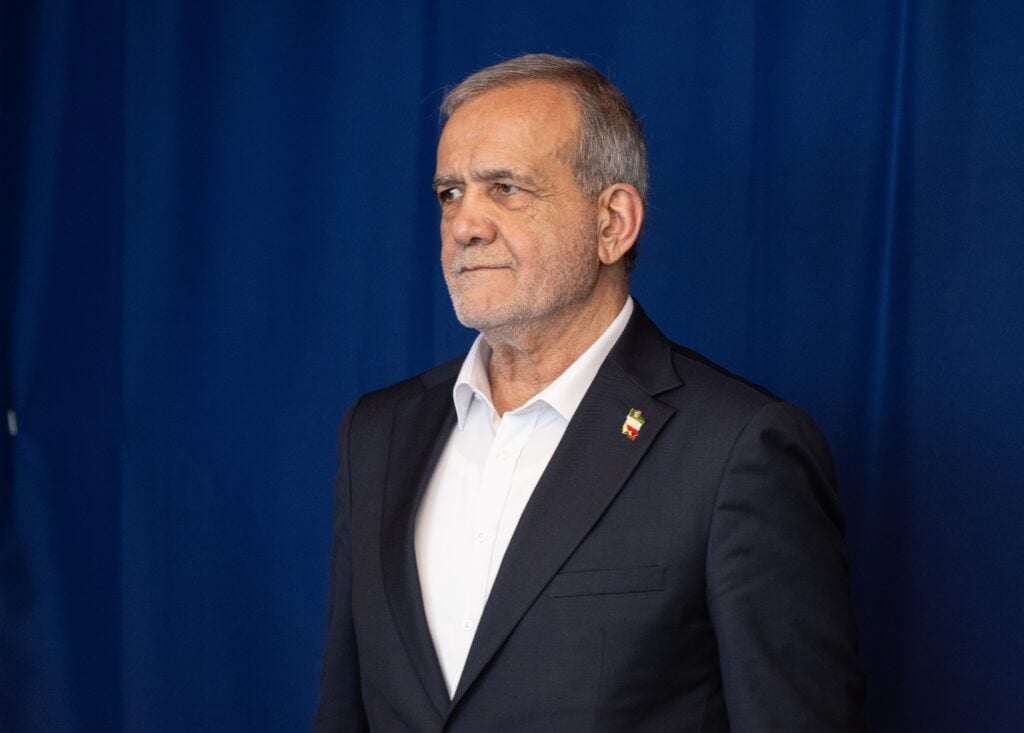
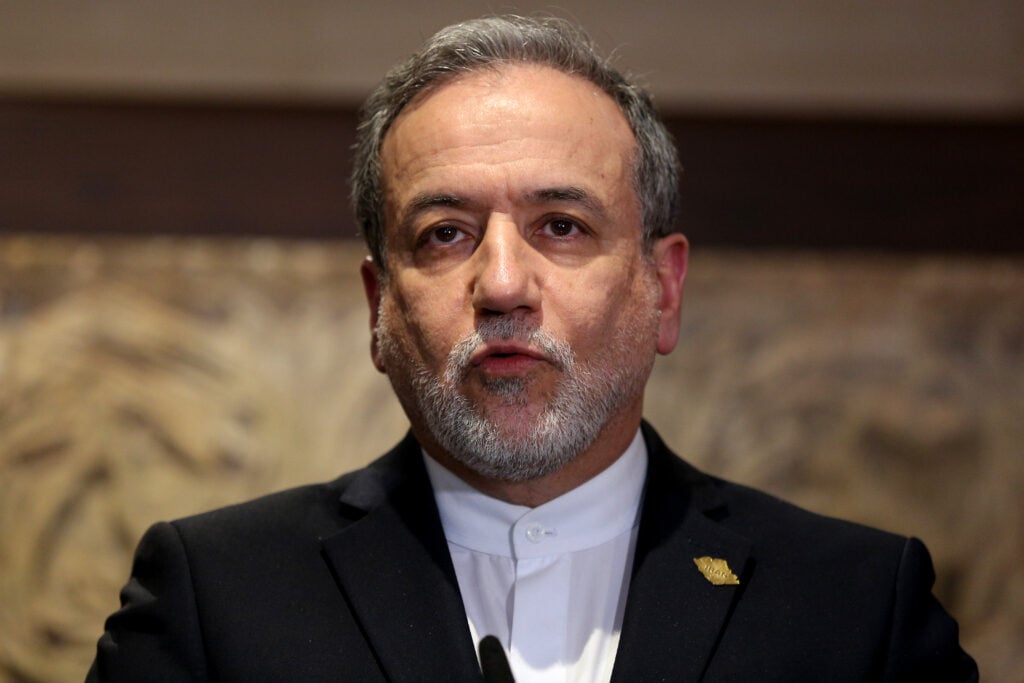
While the U.S. is obligated as the host country of UN headquarters to allow entry to foreign state representatives, it’s using its authority under the Foreign Missions Act to define commercial benefits and consumer clubs as privileges subject to restriction. The current delegation, led by President Masoud Pezeshkian and Foreign Minister Abbas Araghchi, has been reduced in size, but the administration continues to tighten oversight of its movements and assets.
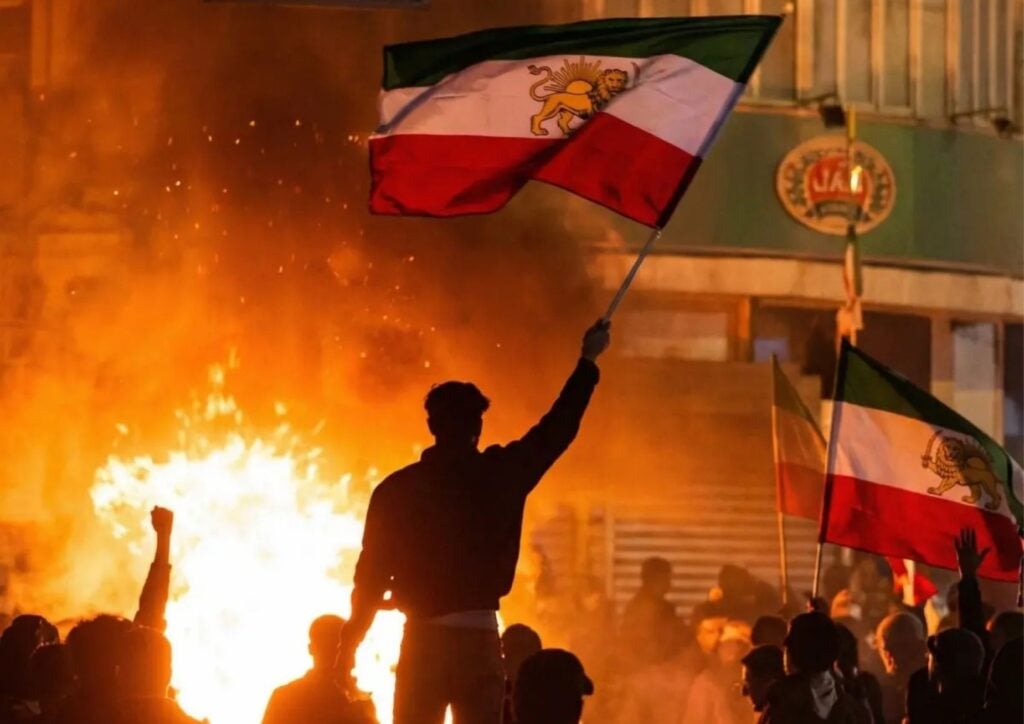
The move carries heavy psychological and symbolic weight within the Trump administration’s “maximum pressure” campaign. By exposing regime officials’ indulgence and blocking their access to American luxury goods, Washington is sharpening the class divide between Tehran’s leadership and the Iranian public struggling with an unprecedented economic crisis. Alongside intense diplomatic contacts, the Americans are making clear they won’t allow regime officials to enjoy the fruits of the West as long as a comprehensive deal isn’t on the table.