


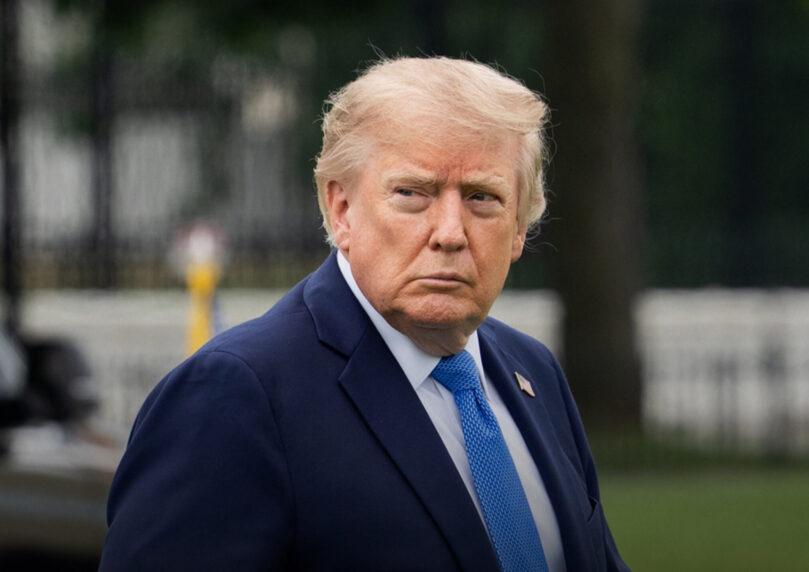

The Trump administration is advancing an ambitious $10 billion plan to reshape the Middle East’s energy infrastructure, rebuilding facilities damaged during seven months of conflict with Iran while developing alternative transportation routes designed to reduce the region’s dependence on the Strait of Hormuz.

 5+
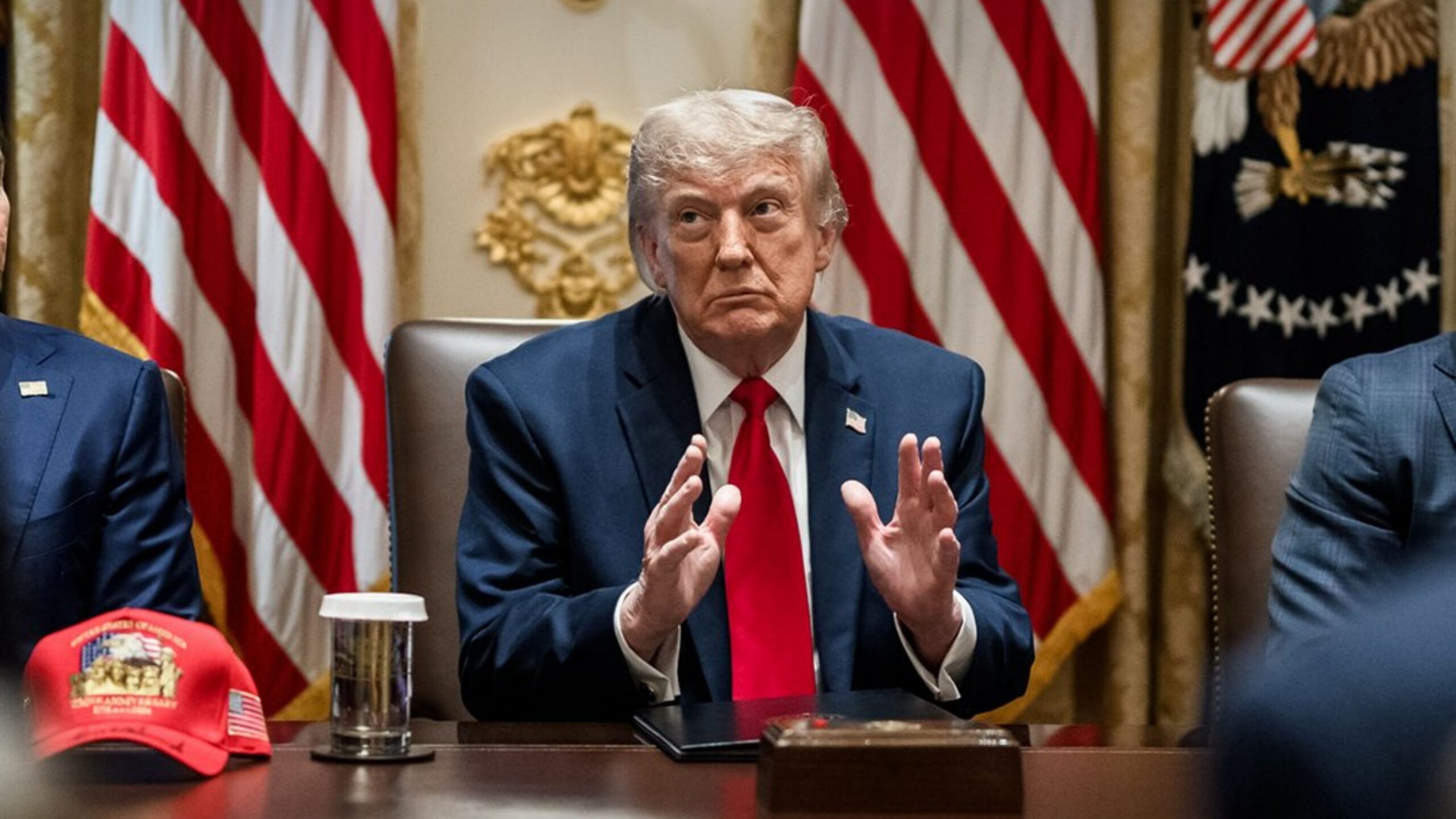
5+According to documents reported Monday by The Wall Street Journal, Washington is proposing a $5 billion U.S. investment to launch a special fund called the Partnership for Allied Trust and Construction (PACT). The administration is seeking another $5 billion collectively from eight regional partners: Saudi Arabia, the United Arab Emirates, Qatar, Kuwait, Bahrain, Oman, Iraq and Jordan. The initiative follows extensive damage to Middle Eastern energy infrastructure during the conflict, including Iranian missile and drone attacks on refineries and other facilities.
 5+
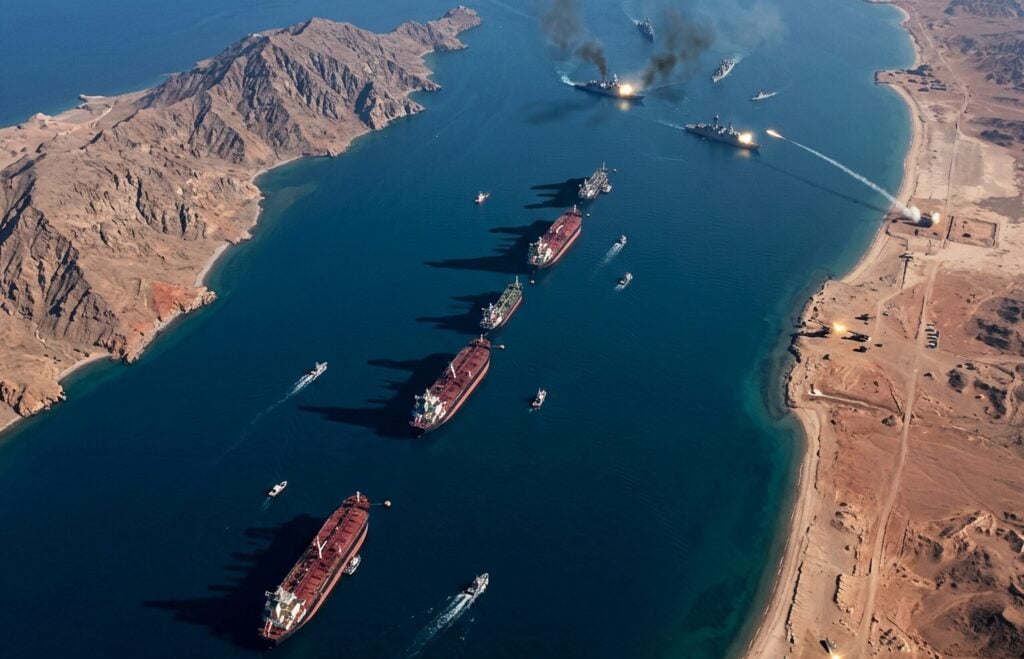
5+The fund would be overseen by the U.S. International Development Finance Corporation, with Washington seeking to rebuild damaged infrastructure while strengthening alternative routes for oil and gas that do not rely as heavily on the vulnerable Strait of Hormuz. The strategic stakes extend far beyond repairing what was destroyed. The Strait of Hormuz has long been one of the world’s most important energy chokepoints, leaving international markets vulnerable whenever shipping through the narrow waterway is threatened or disrupted.
 5+
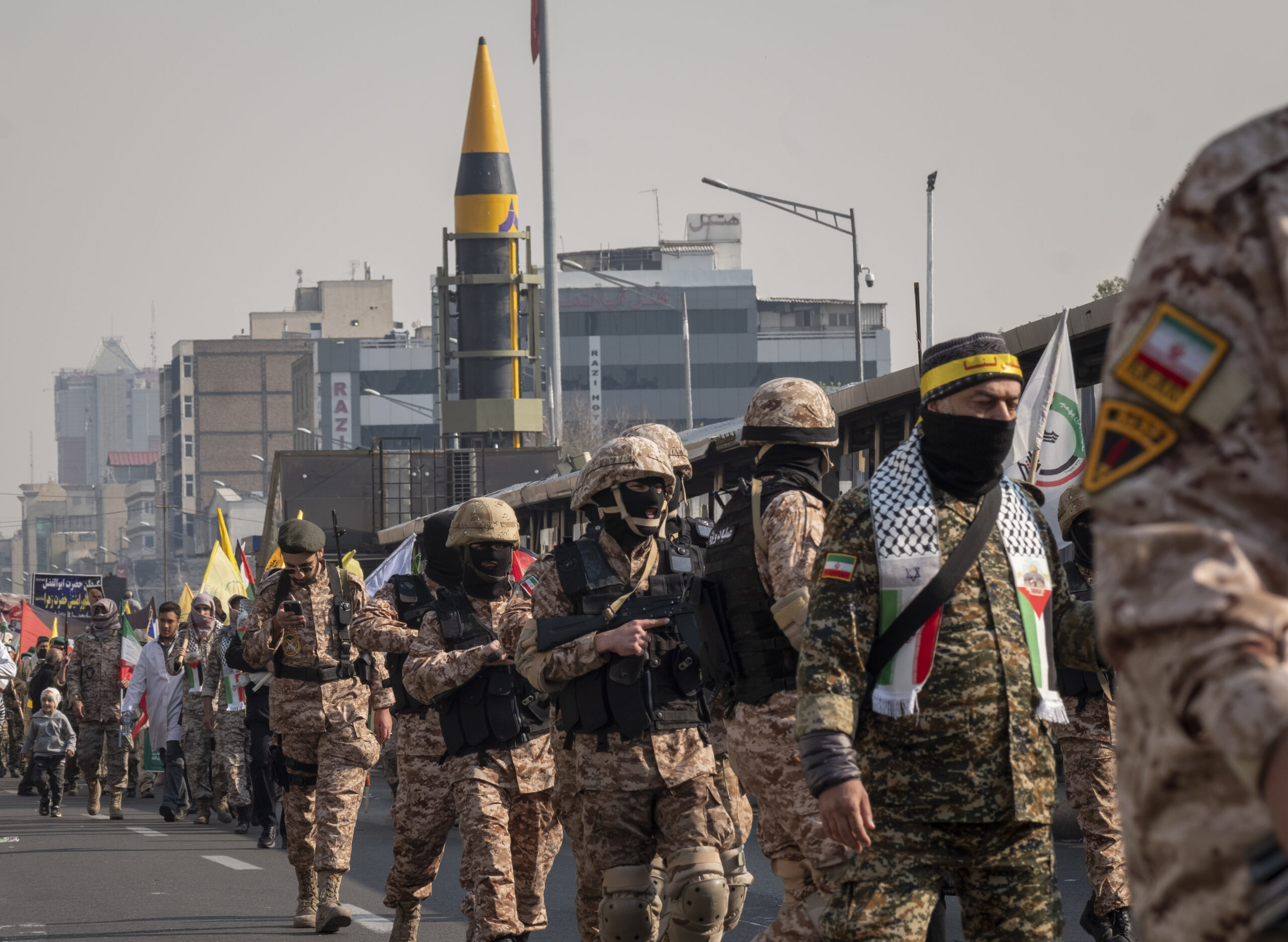
5+But Gulf states are viewing the plan with heavy skepticism and warning of a dangerous trap. Security and energy experts in the region caution that as long as there’s no political agreement to restrain Tehran, investing billions in laying new pipelines and terminals could go down the drain within minutes. Bilal Saab, a senior director at TRENDS US institute, described the initiative as “a strategy full of risks,” emphasizing that without real protection against Iran’s missile and drone systems, the new infrastructure will simply become the next targets of the Revolutionary Guards.
 5+
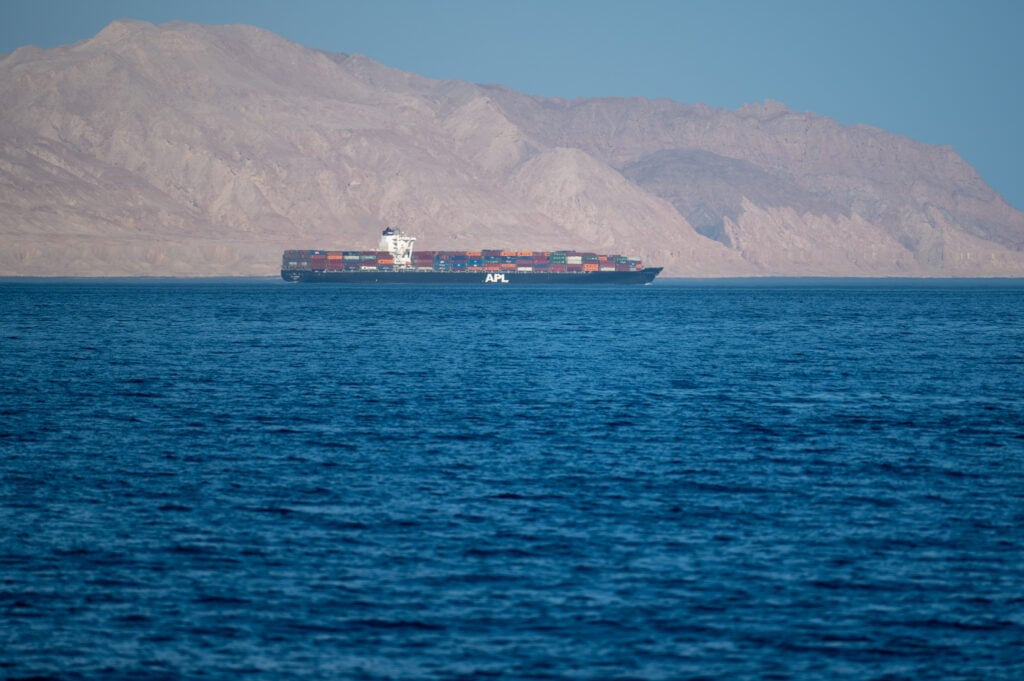
5+The region’s current vulnerability has already proven itself on the ground: drone attacks that disabled the Saudi bypass oil pipeline earlier this month forced Riyadh to resume pumping massive quantities of oil precisely through the threatened Strait of Hormuz, causing shipping costs to spike and creating bottlenecks in the tanker fleet. Meanwhile, the Houthi terror proxy in Yemen continues to strike Red Sea shipping lanes, and even claimed responsibility for an attack on a jet fuel facility near Riyadh airport. Beyond the military threat, security researcher Omar Karim from the University of Birmingham warns that routing oil through land corridors of neighboring countries could create new political dependencies and complicate the already tense relations between Gulf states and Iraq and Jordan.
 5+
5+The Strait of Hormuz has historically served as the world’s most sensitive strategic transport artery, through which about a fifth of all global oil flows, with the constant Iranian threat to close it serving as a primary economic blackmail weapon against the West. The damage to Saudi and Emirati facilities over the years, which reached its peak in the current conflict, has demonstrated that a single disruption to this sea route can spike global inflation and collapse financial markets.
 5+
5+Past attempts to bypass the strait using land pipelines to ports on the Red Sea and Arabian Sea have run into severe capacity constraints and precision missile threats. The American PACT plan is trying to create a comprehensive, multinational solution to this problem, but it’s putting Gulf states in front of a historic dilemma: whether to invest billions of dollars in complex projects under Iranian missile sights, or tie their economic future to complex political deals with Tehran and Washington.