


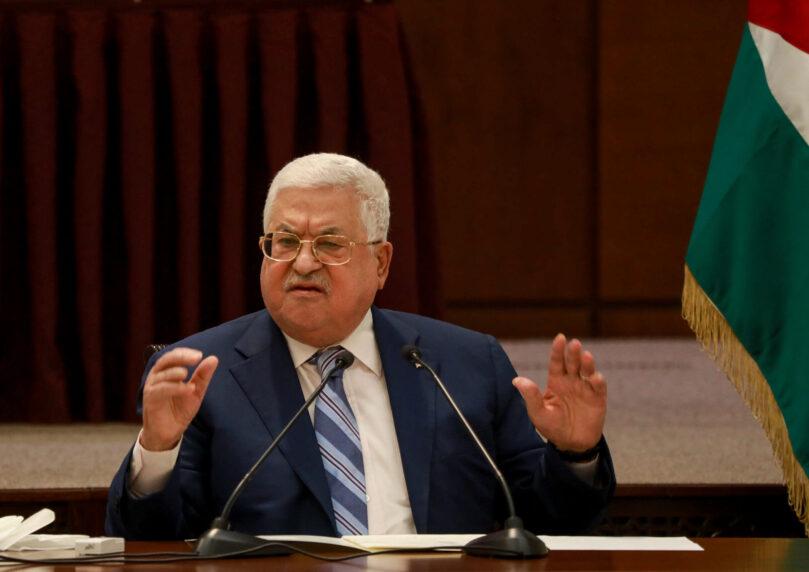

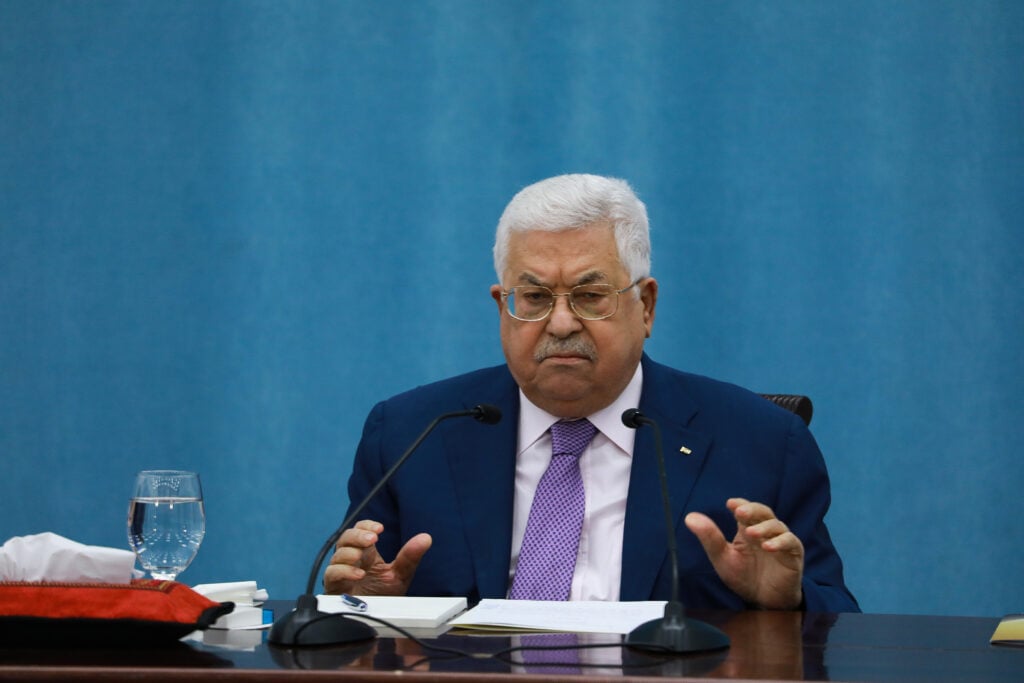
The United States announced overnight Wednesday that it will extend visa sanctions imposed on senior ‘Palestinian’ Authority officials and PLO members, just days before world leaders convene at the UN General Assembly in New York. The move continues a policy Washington adopted last year, when it refused to grant a visa to PA Chairman Mahmoud Abbas and prevented him from attending the assembly in person.

 3+
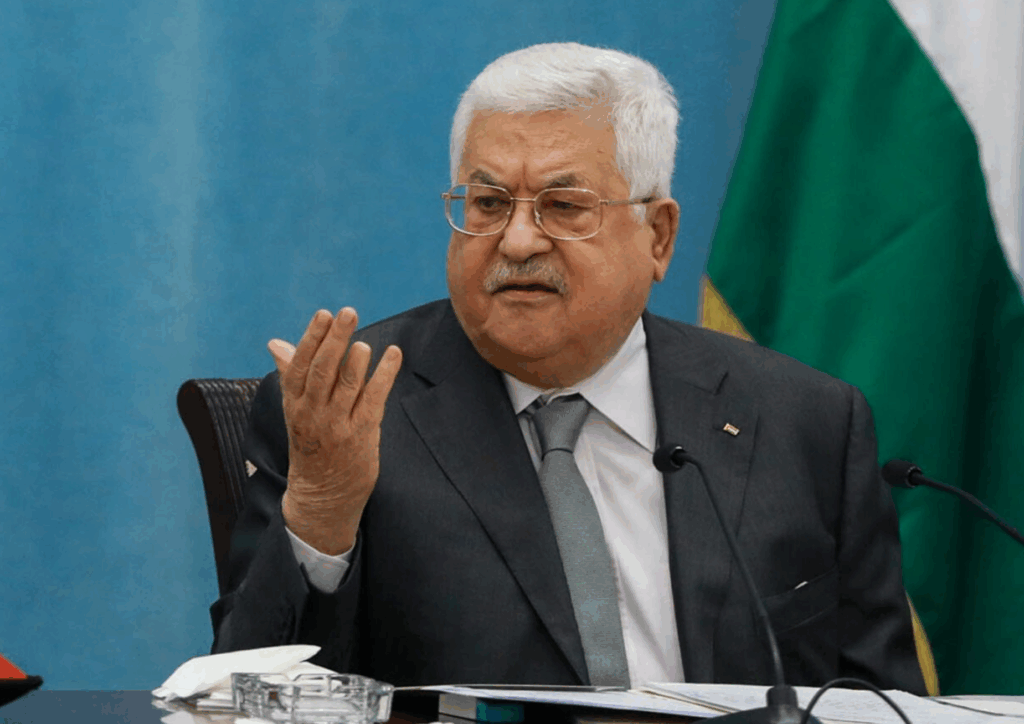
3+The State Department said it notified Congress that the PLO and PA again failed to meet commitments set out in U.S. legislation governing relations with them. Washington decided to extend the sanctions blocking entry visas for PLO members and PA officials.
The American statement detailed a series of accusations against the ‘Palestinian’ leadership. The State Department charged the PA and PLO with promoting and leading initiatives in international organizations that it says contradict previous commitments, and with attempting to “internationalize” the Israeli-Arab conflict through activity at the International Criminal Court in The Hague and the International Court of Justice.
 3+
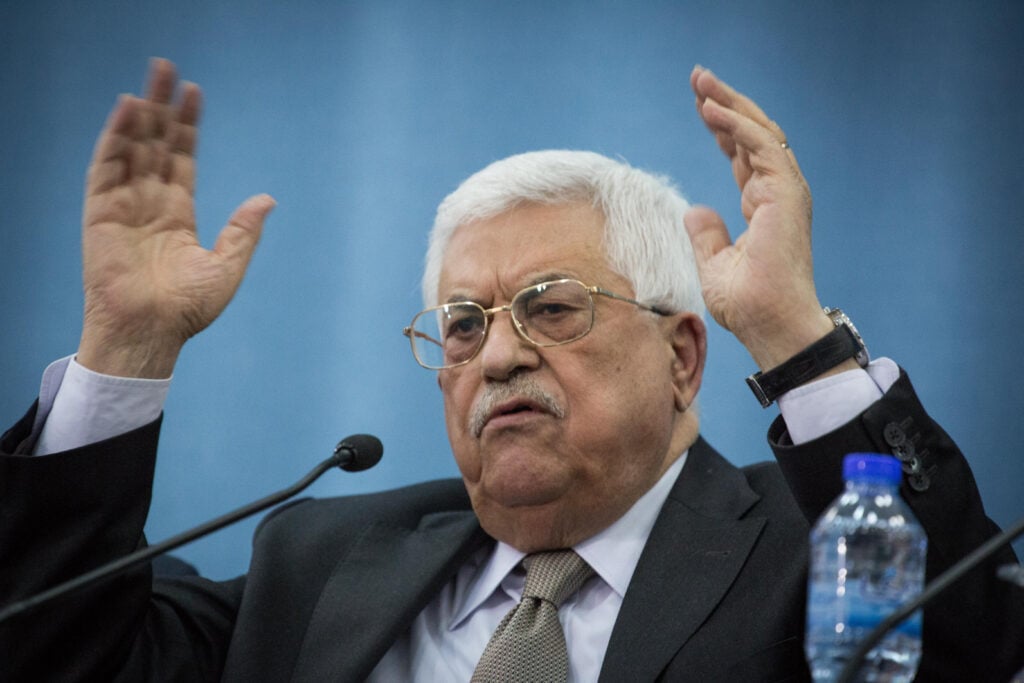
3+Washington also pointed to ‘Palestinian’ efforts to advance unilateral recognition of a ‘Palestinian’ state instead of settling through negotiations. The State Department further stated that payments to terrorists continue and that there is glorification of terrorist acts and their perpetrators in public statements and textbooks. The PA, for its part, argues that decades of American-mediated negotiations have not brought an end to the conflict or the establishment of an independent ‘Palestinian’ state.
The State Department said that, following what it defines as a failure to implement reforms and actions that harm peace prospects, the United States “will extend the visa sanctions on PLO members and PA officials.” It added that from the administration’s perspective, imposing consequences on the PA and PLO for what it defines as glorification of terrorism is consistent with U.S. national interests.
 3+
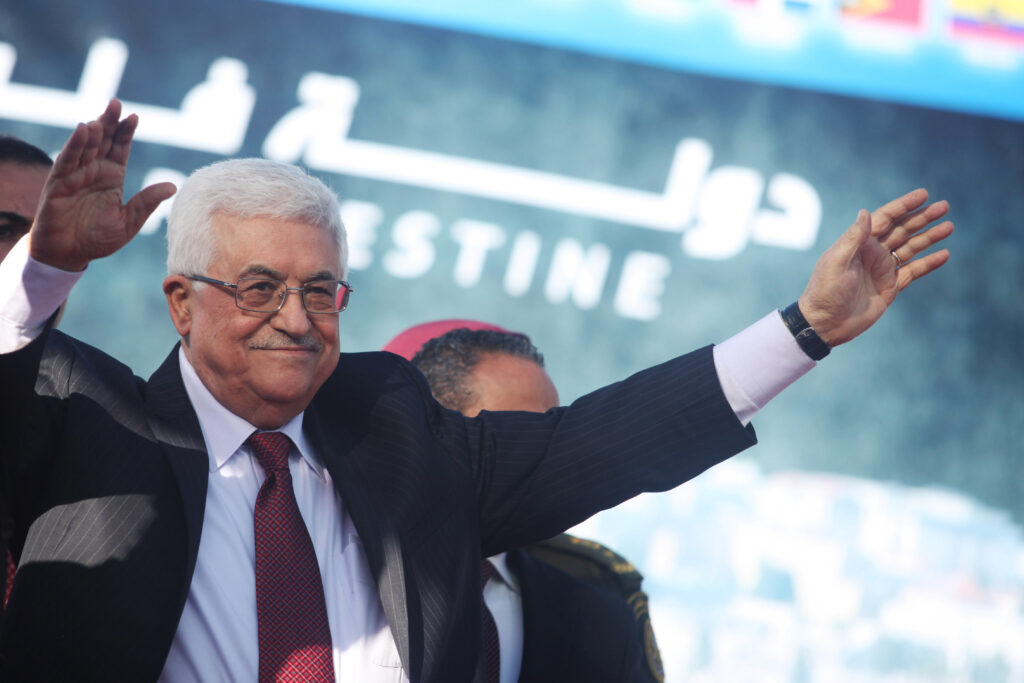
3+The current decision continues a line Washington took ahead of last year’s UN General Assembly. Then the United States refused to grant entry visas to several ‘Palestinians’, including Abbas, preventing his arrival in New York for the world leaders’ gathering. He ultimately delivered his remarks via video.
A similar scenario may unfold this year. According to Reuters, the 193-member General Assembly is expected to vote today on allowing Abbas to deliver a recorded statement at next week’s annual gathering.
 3+
3+The visa issue has legal and diplomatic dimensions as well. Under the 1947 UN Headquarters Agreement, the United States, which hosts the organization’s headquarters in New York, is generally required to allow foreign representatives to attend UN proceedings. However, Washington argues it may refuse to grant visas on grounds of security, extremism, and foreign policy considerations. Alongside the restrictions, the State Department clarified that it is keeping in place the standing exception for personnel of the PLO observer mission at the UN. In other words, the sanctions do not constitute a blanket ban on the activity of the permanent ‘Palestinian cause’ in New York.
Meanwhile, Prime Minister Benjamin Netanyahu is expected to travel to New York and address the UN General Assembly. His speech will take place amid political and security tensions in the region, and at a time when the ‘Palestinian cause’ is expected to occupy a central place in the assembly’s deliberations.