


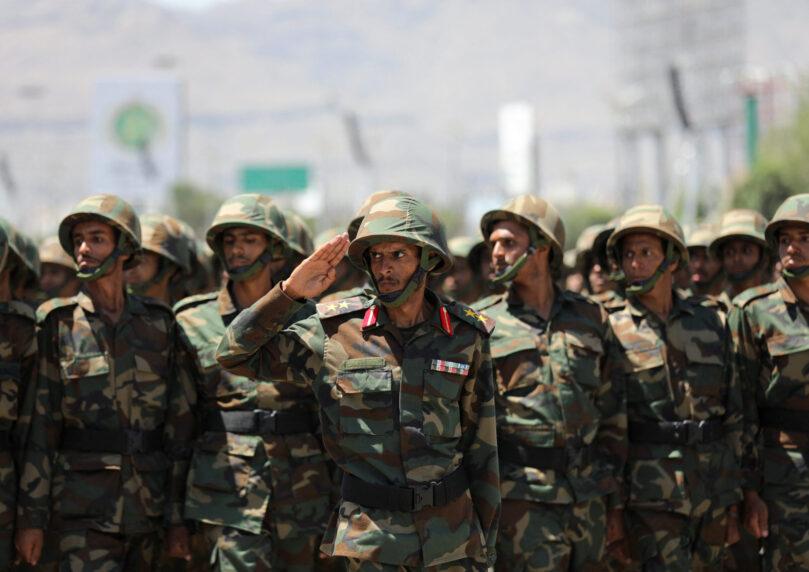

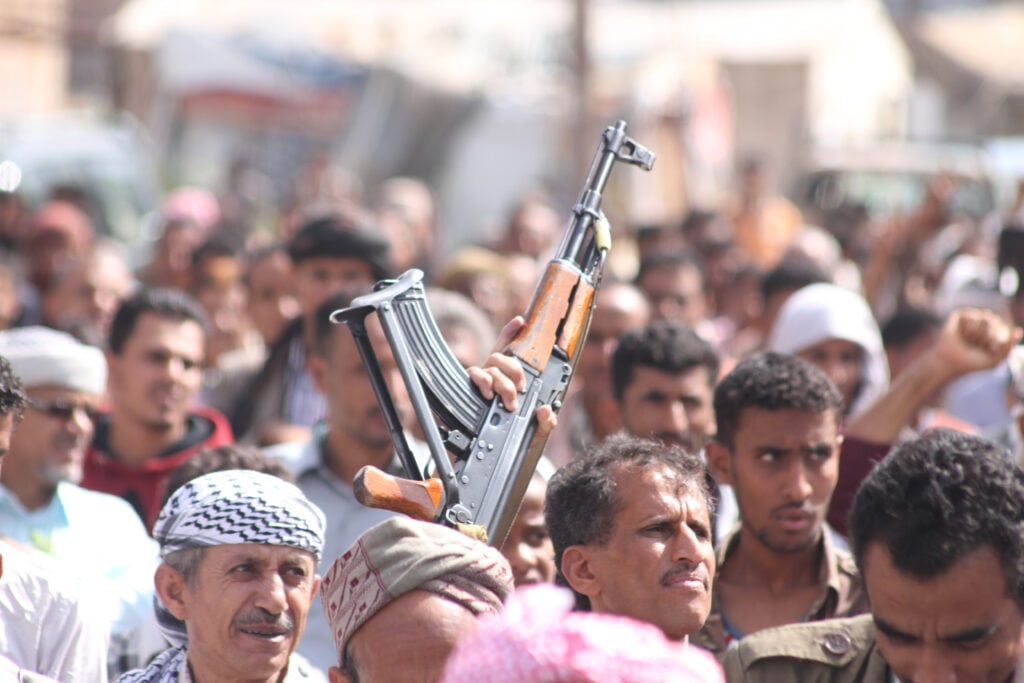
Iranian-backed Houthi rebels operating in Yemen scored a win that’s alarming the world: they seized Perim Island, a small piece of land sitting in a critical location. The island sits inside a narrow strait through which countless cargo ships loaded with goods and oil pass on their way from Asia to Europe. After about a month of fierce fighting against the Yemeni army that killed more than 1,500 soldiers, the rebels managed to get their hands on this observation point. Now they can monitor shipping up close—but the move puts them in far greater military danger.

 2+
2+On the surface, whoever controls this island holds the “cork” of the Red Sea and can disrupt international trade. But according to U.S. military experts who spoke with Fox News, control of the territory could prove to be a deadly trap. The island is completely barren, with no trees to hide under and no freshwater sources. Instead of spreading out across a wide area, the rebels concentrated large forces in one small spot exposed to view. A former senior U.S. Navy officer described it as willingly entering a “kill zone,” since in the event of an air strike they have no way to defend themselves or escape.
Despite the militant declarations and the territorial gain, behind the scenes it appears the Houthi rebels understood exactly how vulnerable a position they put themselves in. Immediately after seizing the island, rebel representatives rushed to send urgent, direct messages to the United States aimed at preventing a crushing response.
 2+
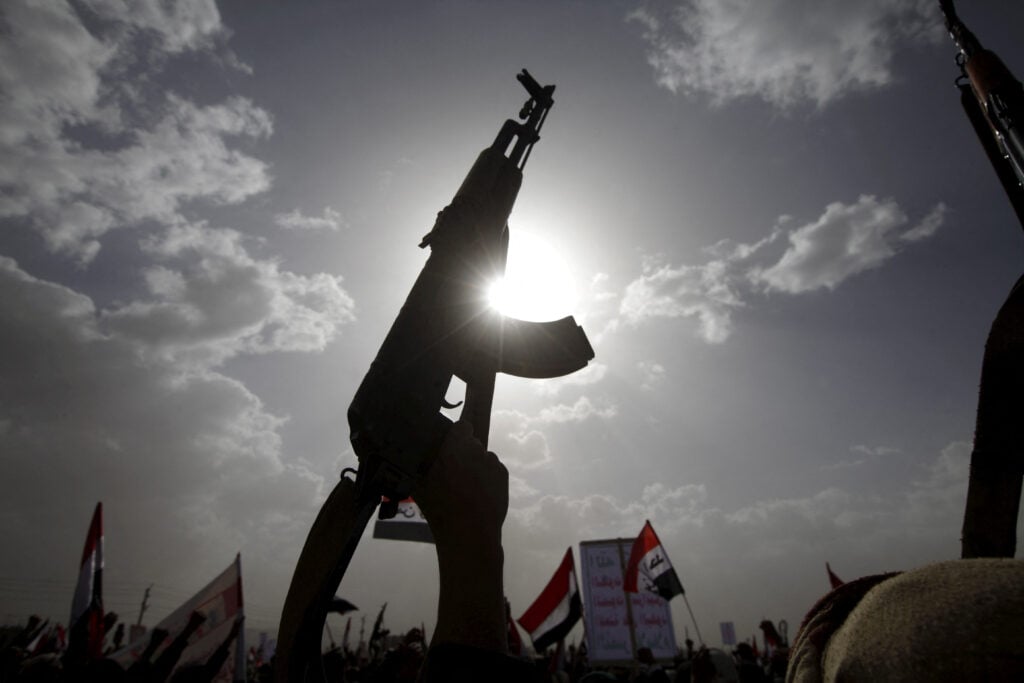
2+President Donald Trump himself revealed this when he told reporters: “The Houthis reached out to us, and they don’t want to fight us. They made it clear to us that they’re not interested in confrontation and don’t want us coming after them.” This is a clear attempt by the rebels to prevent a strike order that would destroy their forces on the exposed rock, while Saudi Arabia is pressing the Americans to exploit the situation and wipe out their foothold there.
On the island, there’s an airstrip that was built there previously. However, the Houthis don’t have advanced fighter jets, so the runway doesn’t give them real air power. Meanwhile, just a short distance away in Djibouti in the Horn of Africa, a large American military base operates, equipped with heavy combat assets and fighter jets. The short distance allows the Americans to strike the island with tremendous speed and precision, if only the decision is made in Washington.
 2+
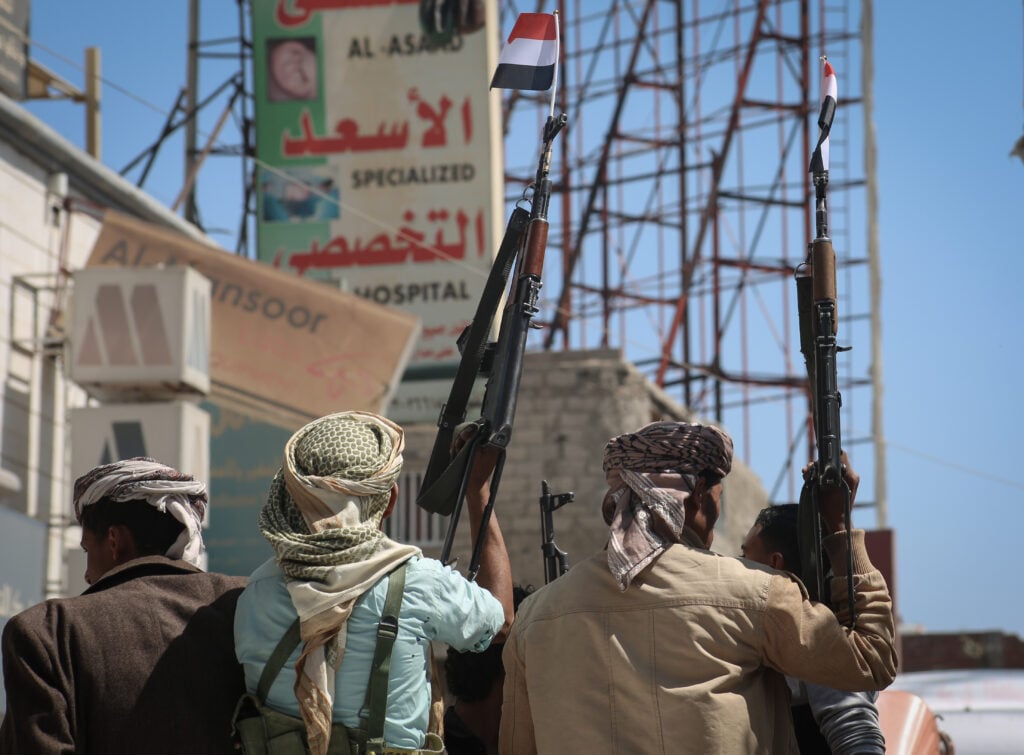
2+The tense situation led to urgent talks between regional leaders. Saudi Arabia’s leader spoke directly with President Trump and urged him to order the U.S. military to bomb the rebels on the island. Despite the Saudi pressure, the American administration is choosing for now not to intervene directly in the fighting. President Trump even told reporters that the rebels themselves sent panicked messages saying they’re not interested in fighting the United States, out of a clear understanding that confrontation with a superpower would lead to the destruction of their forces.
The one directing and funding these moves is Iran, which supplies the Houthis with weapons and military training on the ground. Tehran’s goal is clear: to seize control points over global trade routes to apply economic pressure on Western countries. Control of Perim Island gives it another bargaining chip, but it also puts its fighters in the crosshairs. The coming days will determine whether this move will serve the rebels for further threats or become an easy target for elimination by military forces far stronger than them.