



The wave of bomb threats targeting European aviation continued today (Thursday), after an Aer Lingus passenger flight from Dublin, Ireland, to Rome was diverted to an emergency landing at a French Air Force base in Évreux, Normandy, following a specific bomb threat.

 8+
According to the Associated Press, the plane landed safely, and all 156 passengers and six crew members are safe. The French Prime Minister’s office confirmed that authorities are monitoring the incident in real time, while military bomb disposal teams began a thorough inspection of the aircraft. Meanwhile, dramatic reports emerged of additional threats against other European flights, part of a series of similar incidents in recent days that have put security forces across the continent on high alert.
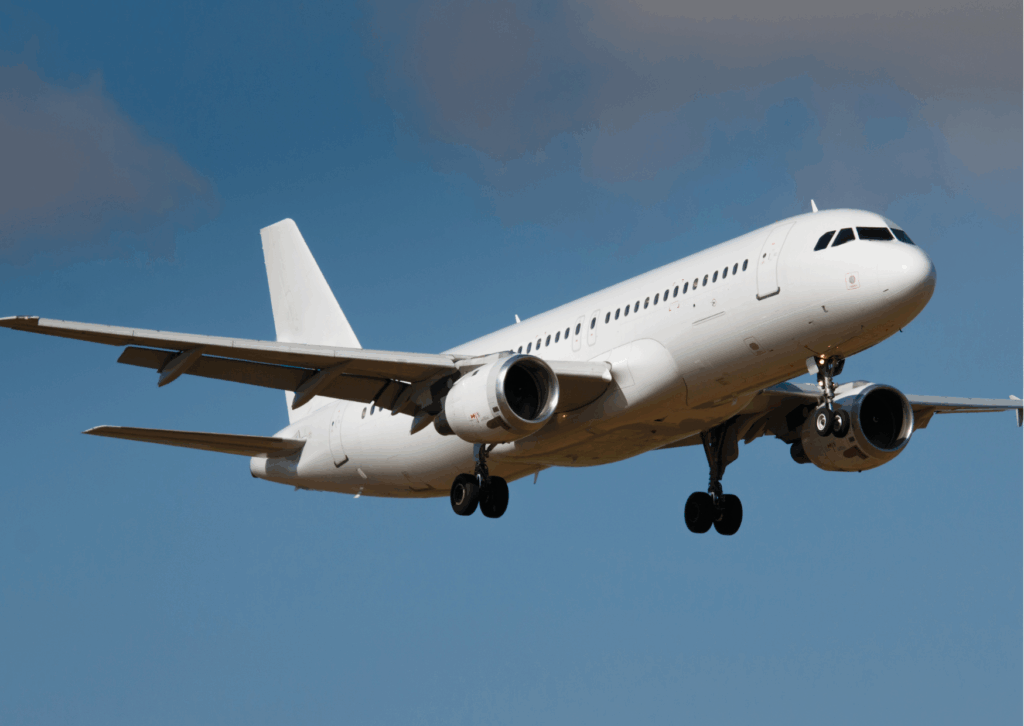
The unusual and alarming incident involved Aer Lingus flight EI402, operated by an Airbus A320 en route from Dublin Airport to Rome. According to flight tracking data, the plane was approaching Paris airspace when it suddenly changed course sharply. Instead of continuing to its original destination in Italy, it made several circles in the air and headed urgently toward the military base in Évreux in Normandy.
 8+
The aircraft landed safely, and all passengers and crew were quickly evacuated to a secure location. French military bomb disposal experts were called to the scene to inspect the cargo hold and passenger cabin and rule out the presence of explosives.
The office of French Prime Minister Sébastien Lecornu officially confirmed the emergency landing at the military base and said all relevant authorities are continuously monitoring the incident. According to French media reports, an advanced Rafale fighter jet escorted the civilian passenger plane during its tense approach to landing at the base.
 8+
Simultaneously with the tense incident in France, Bulgaria’s Interior Ministry confirmed that serious bomb threats were received against three separate passenger planes heading to the capital, Sofia. After the threats, authorities immediately activated special security protocols and launched comprehensive searches of the aircraft.
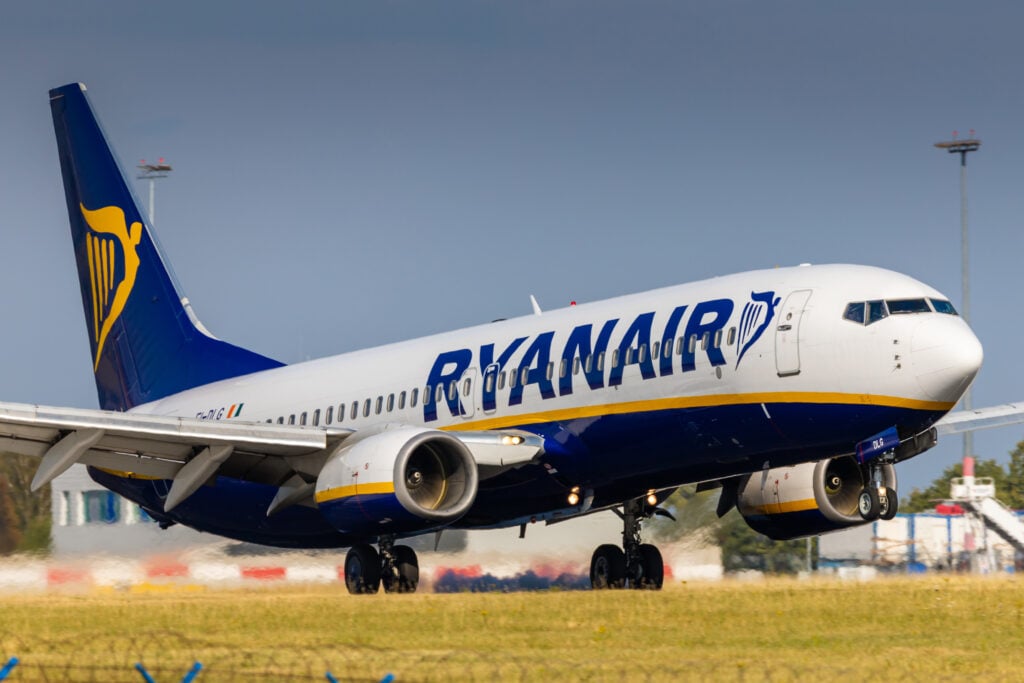
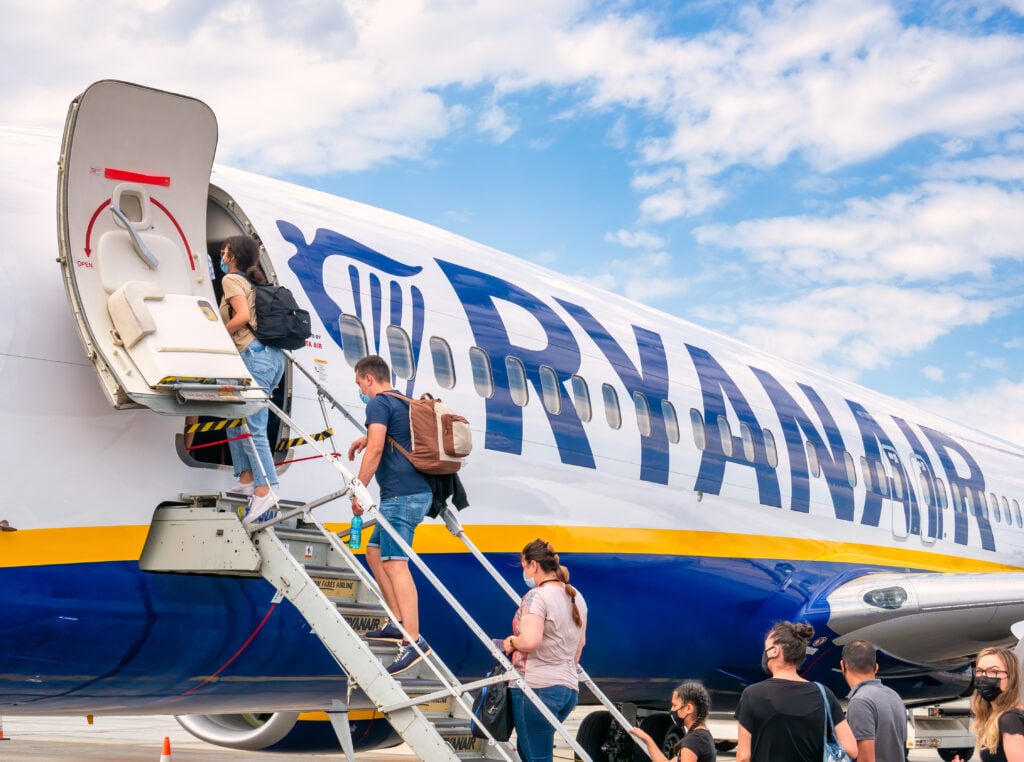
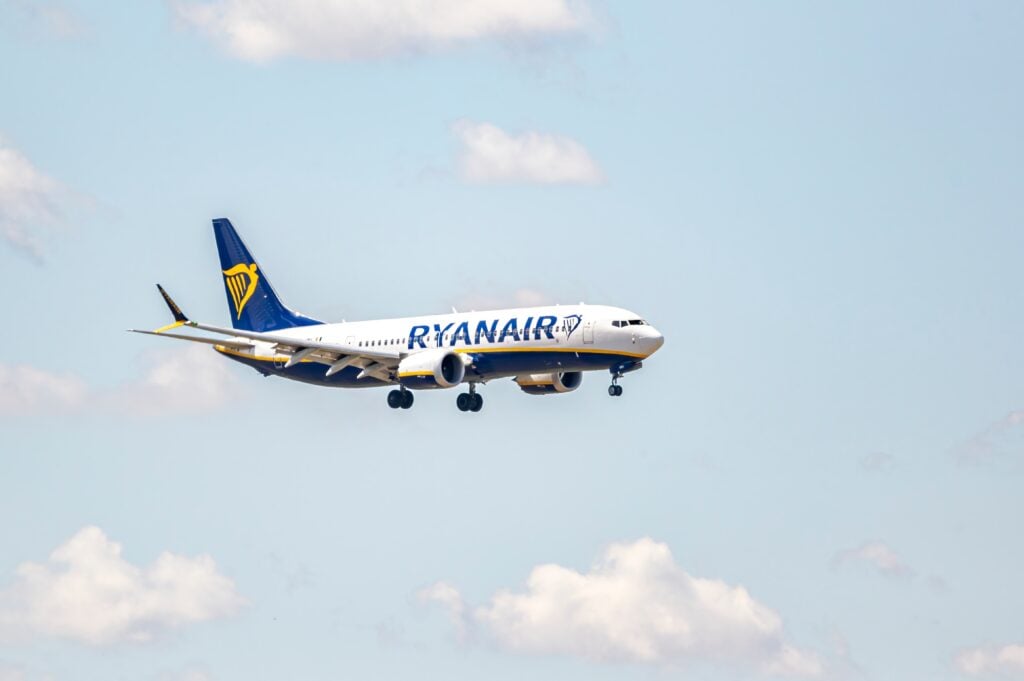
According to Bulgarian media reports, the threats involved three flights operated by low-cost carrier Ryanair, departing from London, Copenhagen, and Madrid. The two planes arriving from Copenhagen and Madrid landed at Vassil Levski Airport in Sofia, where they immediately underwent strict security checks. The third plane, which departed from London Stansted, was diverted to an alternate landing in Plovdiv, Bulgaria’s second-largest city.
 8+
Bulgarian news agency BGNES reported that, as of the official announcement, no information had been received about the discovery of suspicious objects or the existence of a real threat on any of the planes. Authorities worked simultaneously to locate the source of the threats and investigate whether they were a series of hoaxes.
The four unusual incidents recorded today join an unprecedented wave of hoax threats and warnings against passenger flights across Europe in recent days. On Tuesday alone, at least seven different planes were urgently inspected following specific bomb threats. Countries that activated emergency protocols include Poland, Spain, Italy, and Bulgaria.
 8+
In Warsaw, a LOT Polish Airlines flight from London Heathrow was forced to divert from its planned landing and arrive at Modlin Airport. Passengers were immediately evacuated from the plane, which was inspected by special security forces, but ultimately no explosives were found. Another flight, operated by Scandinavian Airlines (SAS) from Copenhagen to Warsaw, landed at Chopin Airport and underwent a series of thorough inspections after receiving a similar threat.
In Spain, authorities activated strict emergency protocols after an explicit threat against a Ryanair flight from Manchester to Murcia. The plane landed safely, and after a comprehensive search of passengers, crew, and luggage, authorities announced that no explosives were found.
 8+
The murky wave also hit Italian skies, where one of the most prominent incidents in the current wave of threats occurred on Tuesday: two advanced Eurofighter jets were urgently scrambled to escort a Ryanair flight from Dublin to Rome following a serious bomb threat on board. The plane landed safely at Fiumicino Airport, and after security agencies thoroughly inspected the aircraft, passengers, and luggage, they found no explosives.
Another Ryanair flight, this time from Lisbon to Rome, also underwent strict security checks following a parallel threat, but in this case too, no dangerous or suspicious objects were found.
 8+
The day before, on Monday, a Wizz Air flight from London to Sofia was forced to divert and land in Budapest after a bomb threat was received mid-flight. The Hungarian Air Force responded by scrambling Gripen fighter jets to escort the plane until it landed safely. In this incident too, it ultimately turned out to be a hoax threat with no explosives.
The accumulation of threats and unusual incidents in such a short time raises serious questions and deep concern among security and aviation officials across Europe, particularly because the threats were sent to different countries and affected a wide range of airlines. According to international news agency reports, authorities are analyzing the data and examining whether the incidents are operationally or otherwise coordinated. Still, no official determination has been published indicating an organized terror operation.
 8+
Aviation security experts raised several possible explanations for the phenomenon, including a single actor or group of pranksters behind the multiple threats, copycats seeking to exploit the media buzz surrounding previous incidents, or a deliberate and sophisticated attempt to disrupt civilian aviation operations across the continent.
A study by security consulting firm Osprey Flight Solutions noted that the fact that there is no clear central target in terms of country, specific airline, or flight route may suggest that the ultimate goal of those sending the threats is to sow panic and create widespread disruptions in aviation infrastructure, rather than necessarily targeting a specific company.
 8+
The current wave of threats has already forced authorities to deploy special security forces, scramble fighter jets, make sudden changes to flight routes, and invest hours in prolonged security checks at major airports across the continent. In Bulgaria, police investigations continue to locate the source of the phone and online threats. In France, special bomb disposal teams continue to search the aircraft that landed at the military base in Normandy.