


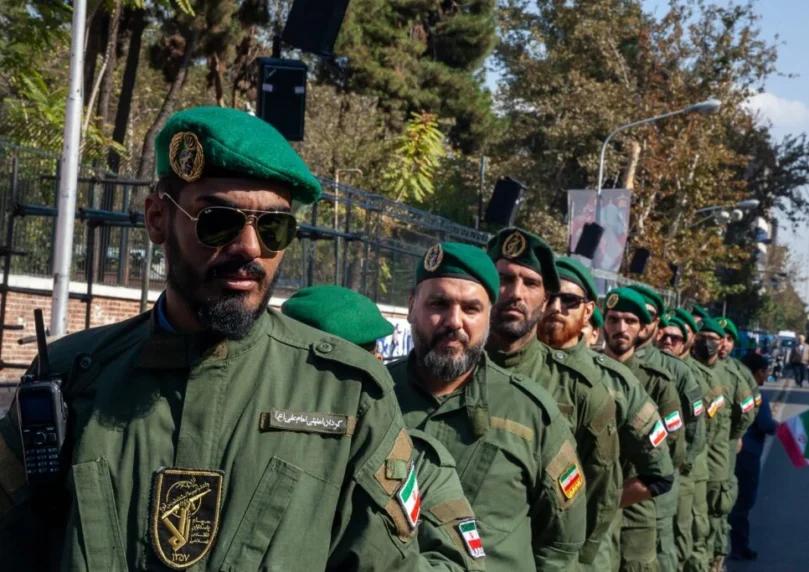

Iran’s Islamic Revolutionary Guard Corps is reportedly preparing to expand its aggressive maritime operations into some of East Asia’s most important trade routes. According to an investigation published by Iran International today (Tuesday), sources close to the IRGC claim that Unit 4000 of the organization’s intelligence branch has begun planning sabotage operations against commercial, military and private vessels in the Malacca and Bangka straits, as well as at three ports in Indonesia and China.


 5+
5+According to the report, the operation is being led by Rahman Moghadam, commander of Unit 4000. Israeli media previously reported that Moghadam was killed in Israeli strikes on March 4, 2026. A day after those reports, two Iranian drones were launched toward Azerbaijan’s Nakhchivan region. CNN reported that the attack was retaliation for Moghadam’s killing in a strike the IRGC believed Israel had carried out from the territory of Iran’s northern neighbor.
Now, however, sources claim that Moghadam survived the strike and remains in command of the unit’s operations. Moghadam previously served as deputy coordinator for information security at Iran’s Defense Ministry before taking command of Unit 4000, which the investigation describes as the special operations arm of IRGC intelligence. According to the report, the unit conducts assassinations and sabotage operations against regime opponents and Israeli targets outside Iran.
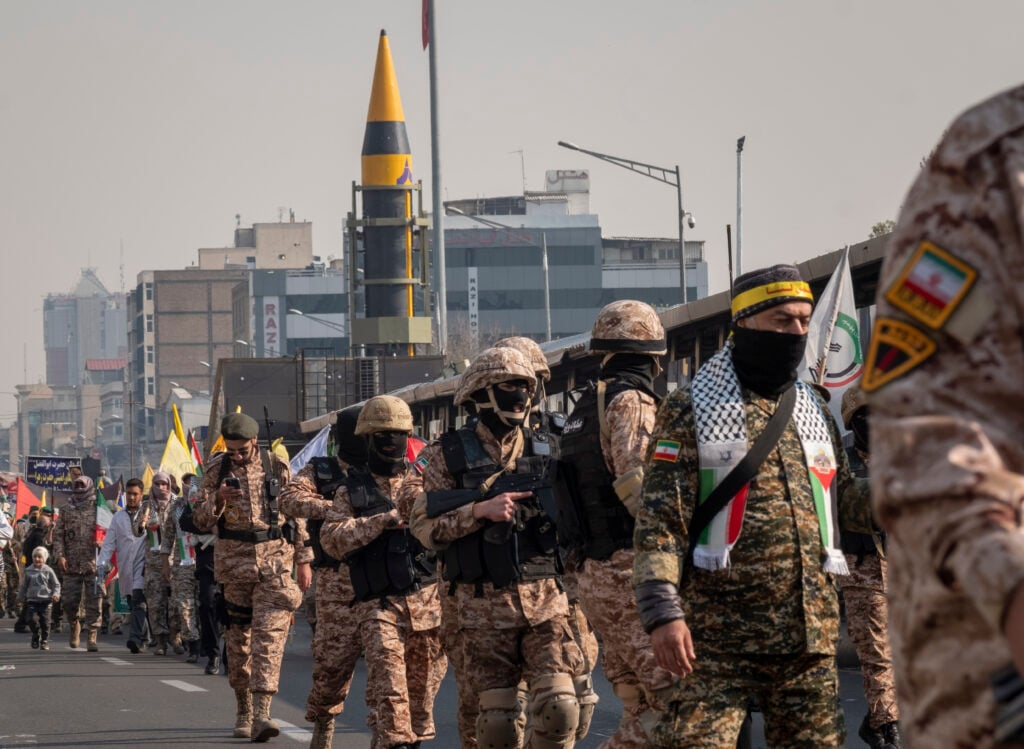 5+
5+The alleged operation is not focused on a single location. Two sources said potential targets include ships traveling through the Malacca and Bangka straits, Indonesia’s Tanjung Priok port and two major Chinese ports—Ningbo-Zhoushan and Shanghai. The choice of the Strait of Malacca is particularly significant. It is the shortest maritime route connecting Middle Eastern energy exporters with East Asian markets. During the first half of 2025, approximately 23.2 million barrels of oil passed through the strait every day—roughly 29% of global seaborne oil trade.
According to the investigation, disrupting Malacca while simultaneously restricting traffic through the Strait of Hormuz could put pressure on two critical energy arteries connecting the Middle East with Asia, forcing ships onto longer routes and increasing transportation costs.
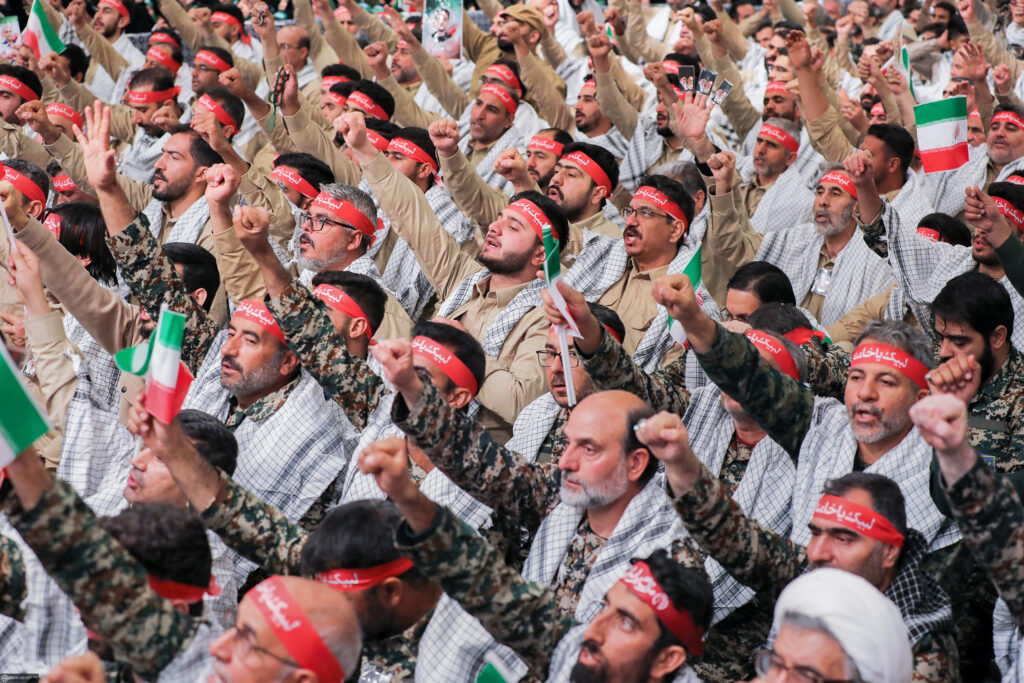 5+
5+The Bangka Strait, located between Sumatra and Indonesia’s Bangka Island, is smaller and less significant globally but remains part of the regional shipping network. It provides the shortest route between the Sunda Strait and Singapore, meaning disruption there could further restrict alternative shipping routes in the region.
The reported plan comes as Tehran is already applying pressure to other maritime routes. According to the report, Iran has closed the Strait of Hormuz since the outbreak of the 40-day war, while the Tehran-backed Houthis have disrupted shipping through the Bab el-Mandeb. Around two months ago, Mohsen Rezaei warned that if the war and maritime blockade continued, Iran would expand the confrontation into the Indian Ocean and Mediterranean Sea. Quds Force commander Esmail Qaani said during the same period that the so-called “Axis of Resistance” had additional maritime targets beyond Hormuz and Bab el-Mandeb
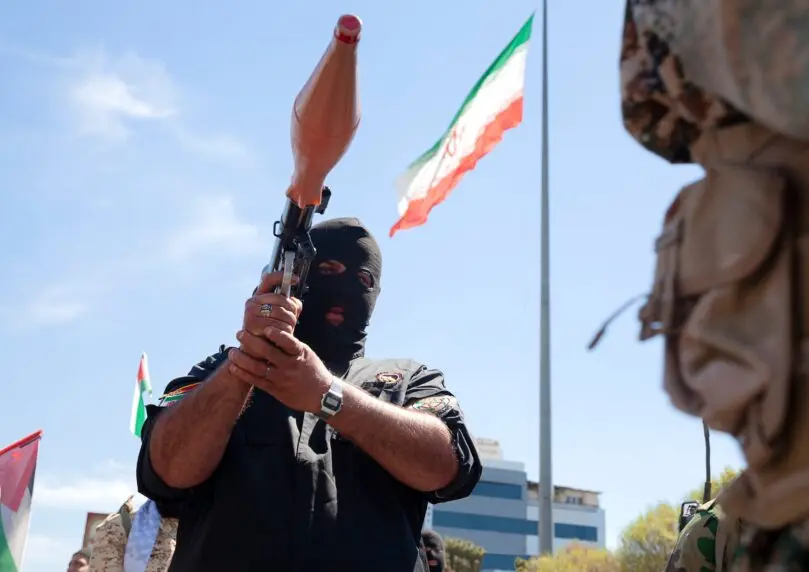
A central part of the investigation focuses on how the IRGC allegedly built its operational infrastructure in East Asia. According to the sources, the IRGC sought to recruit non-Iranian nationals, allowing Tehran to deny responsibility if a sabotage operation were uncovered. After recruitment, the operatives were allegedly brought to Iran for training before being sent back to the region.
In Thailand, the investigation points to Syed Momen Sakiticha, a senior member of the local Shiite community. According to the report, he traveled to Iran approximately two years ago and met Hamas representatives in Tehran as part of negotiations over the release of 31 Thai hostages held in Gaza. He is also described as close to Suleiman Hosseini, a Thai-born cleric who previously studied alongside Hassan Nasrallah at a religious seminary in Qom.
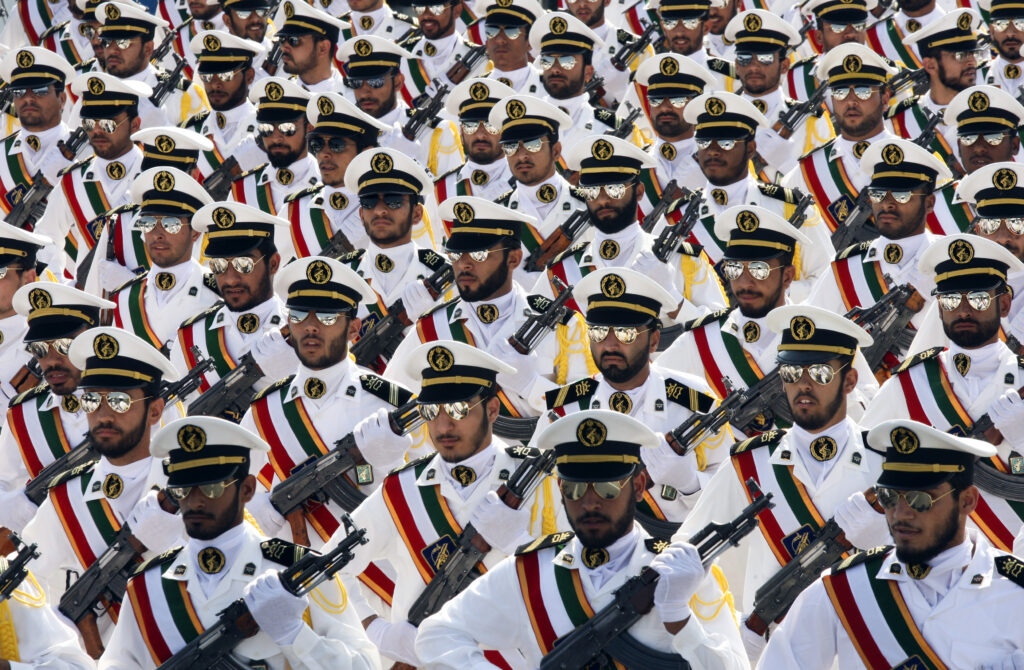 5+
5+Hosseini heads the Al-Mahdi Foundation in Thailand and serves as imam of the Ruhollah Mosque in Nakhon Si Thammarat. According to the investigation, he cooperates with Al-Mustafa International University in Qom, an institution sanctioned by the United States in 2020 over alleged links to Quds Force operations and assistance with recruitment.
According to the two sources, the main center of activity is in Indonesia. Two additional clerics are named there: Syed Zuhair Yahya, who heads the country’s Ahl al-Bayt organization, and Abdullah Saqaf, who heads a religious seminary in Bogor and also leads an Ahl al-Bayt youth organization. According to the report, Saqaf regularly travels to Tehran and Qom.
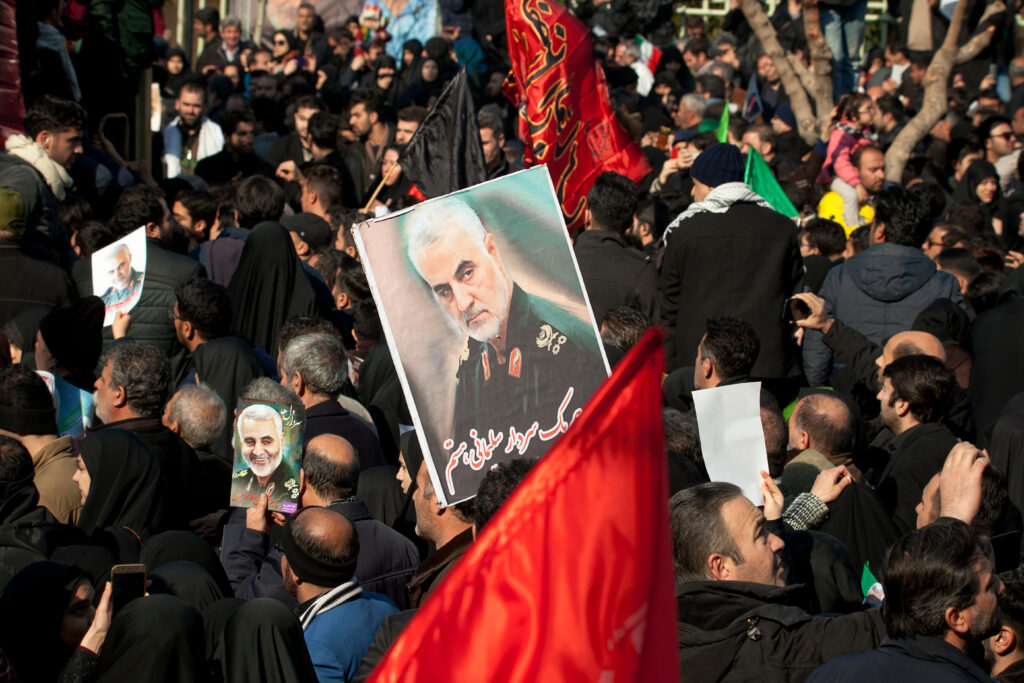 5+
5+The sources claim the two Indonesians, together with Sakiticha in Thailand, presented potential recruits to Unit 4000. Mohsen Aghazadeh and Vahid Yekeh-Dehqan were subsequently placed in charge of recruiting and training them. According to the investigation, Yekeh-Dehqan is the brother of Ali Yekeh-Dehqan, a senior Iranian intelligence officer known as “Doctor.” The report further claims that six members of a network connected to him were arrested in Turkey seven months ago on suspicion of spying on Incirlik Air Base and attempting to smuggle a drone into Cyprus.
Iran International says it identified three individuals allegedly recruited for the maritime operation The first, Pando Yudahwinata, is described by the investigation as an official Hezbollah member who entered Iran’s security apparatus after arriving in Tehran. According to the source, he was responsible for an attempted suicide bombing against the Israeli Embassy in Bangkok 32 years ago and has also been linked to attacks in Sri Lanka.
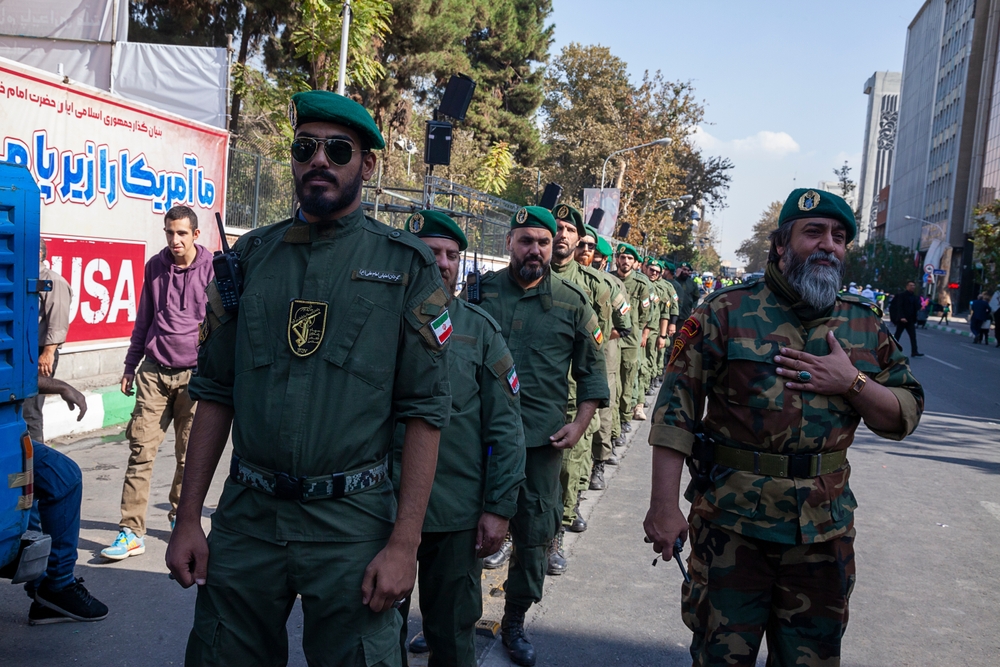 5+
5+Two additional Indonesian nationals—Ardianta Mutuha and Mohammad Hussein—are also named. According to the investigation, all three traveled to Tehran and underwent training intended to prepare them for covert operations at East Asian ports and waterways. If the reported plan is ultimately carried out, its impact could extend far beyond an attack on a single vessel.
A significant portion of the oil passing through Hormuz continues toward Asian markets, with Malacca serving as a critical link farther along the route. Simultaneous sabotage operations in Malacca, Bangka and ports in China and Indonesia—combined with disruptions in Hormuz and Bab el-Mandeb—could dramatically expand Iranian pressure onto the trade routes connecting the Middle East and East Asia.