


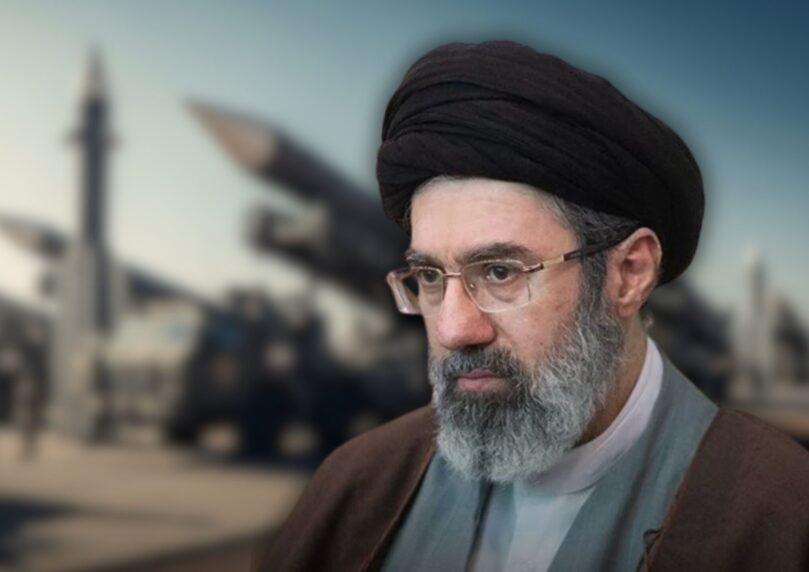

Iran is working to tighten its ties with Russia and China in an attempt to reduce the impact of economic pressure from the United States. The move takes on added significance after President Donald Trump announced Wednesday a major escalation of the economic campaign against Tehran and threatened to target countries, companies, and financial institutions that help it. Meanwhile, reports indicate the Iran-Russia relationship goes beyond economic aid: Moscow is supplying Tehran with ammunition, drone components, and explosives, Fox News reported Thursday.
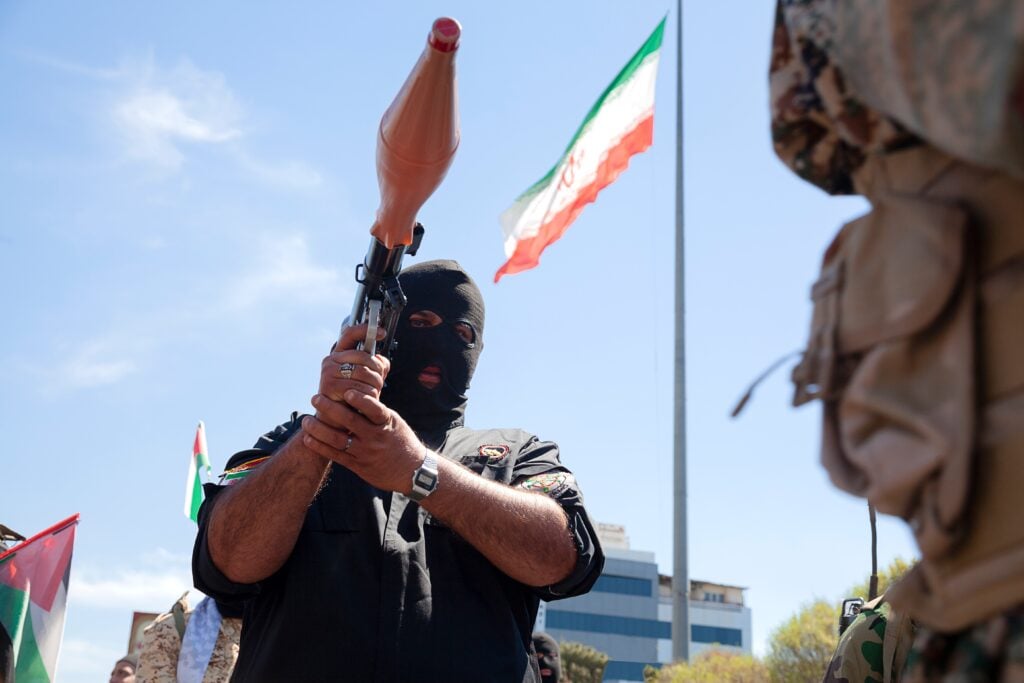
The growing American pressure on Iran is pushing Tehran closer to the two powers capable of providing it room to maneuver against Washington—Russia and China. According to regional security experts quoted by Fox News, Iran is trying to build an economic and political network that will allow it to cope with American sanctions and reduce its dependence on Western-controlled financial systems.
The move comes as Trump intensifies the pressure. The U.S. president announced what he called “the most crushing economic operation ever taken against any country,” making clear the goal is to deepen Iran’s isolation. “This will be economic warfare and isolation on an unprecedented scale,” Trump wrote on Truth Social.

The American threat isn’t directed only at Tehran. Trump announced that countries and businesses that continue to provide Iran with economic assistance could also pay a price. The administration is trying to make it harder for Tehran to find alternative ways to circumvent sanctions.
One of the main tools Iran seeks to use is BRICS—an international framework that includes Brazil, Russia, India, China, and South Africa, among others, which additional countries have joined in recent years. Iran has also joined the Shanghai Cooperation Organization, a political, economic, and security framework in which Russia and China play central roles.

Central Bank of Iran Governor Abdolnaser Hemmati even announced that his country is expected to soon join the “New Development Bank” established by BRICS nations. According to him, “The most important result of cooperation between BRICS member countries is the establishment of the New Development Bank, and our country will soon become a member of this bank.” However, the bank itself told Reuters it cannot confirm Iran’s membership at this stage.
Behnam Ben Taleblu, a senior fellow in the Iran program at the Foundation for Defense of Democracies, explained that the rapprochement with Russia and China is part of the Iranian regime’s attempt to adapt to the new reality. “The Islamic Republic is seeking to survive, but to survive it needs to adapt,” he said. “It needs to adapt not only to American and Israeli military pressure, but also to American political and economic pressure.” According to him, there’s no doubt Tehran is trying to deepen its integration with Russia and China as much as possible—two countries that have themselves dealt with pressure and sanctions from the United States.
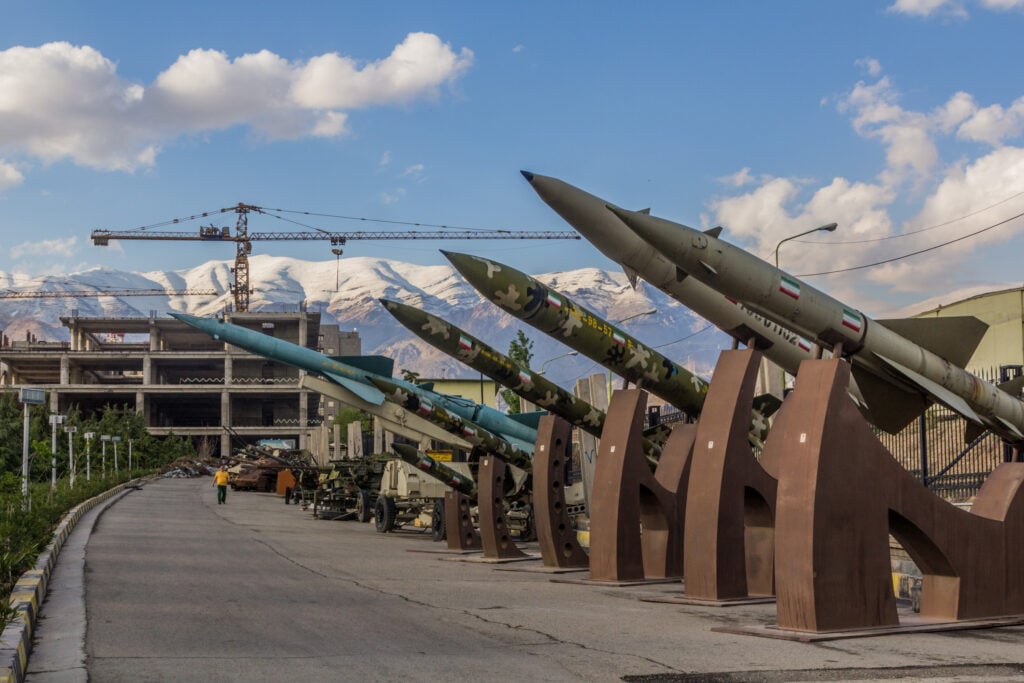
The relationship with Moscow is also taking on significant military dimensions. NBC News reported this week, based on a European government document verified by a Western source, that Russia is sending Iran ammunition, drone components, and TNT via shipping routes in the Caspian Sea. The shipments provide Tehran with equipment that could help it rebuild its military capabilities. The Caspian Sea also provides Russia and Iran with a direct route between them, far from shipping lanes where Western countries have greater operational capability.
Ben Taleblu explained that even limited Russian assistance could be significant for Tehran: “Even a limited flow of technology and military aid from Russia to the Islamic Republic helps it fight to survive, adapt, and live another day to struggle against the American order in the region.”
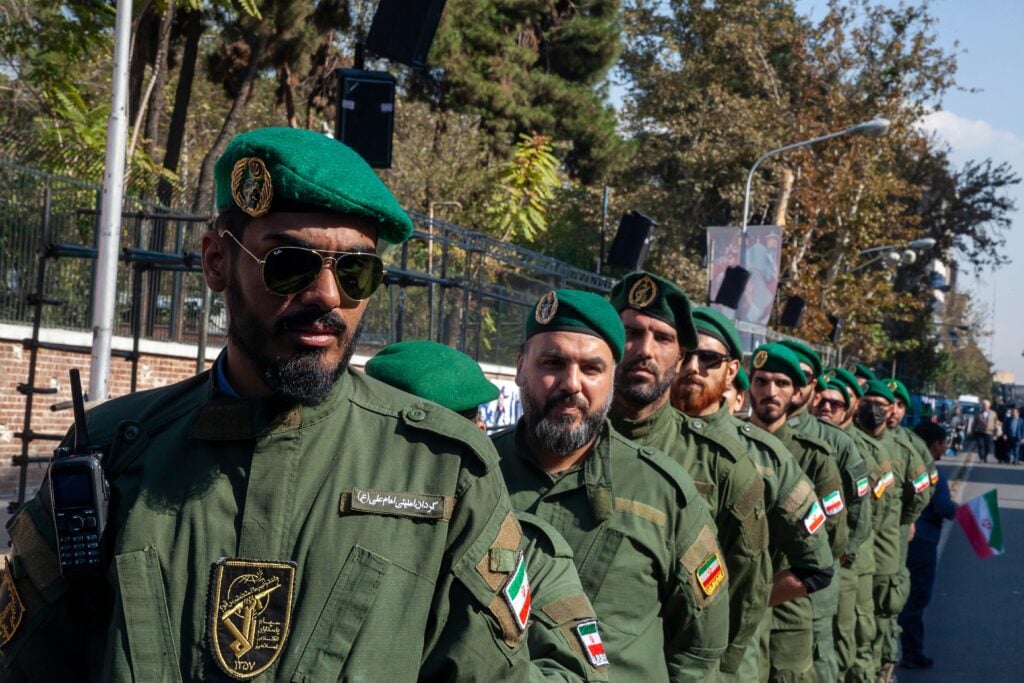
Alongside Russia, China also plays a central role in Iran’s ability to cope with economic isolation. Relations between the countries allow Tehran to maintain contact with one of the world’s largest economies, while Washington tries to make it difficult for countries and companies to conduct business with it.
The Iranian goal is broader than point assistance. According to Ben Taleblu, Tehran is trying to integrate more formally into the economic systems that Russia and China are promoting—systems seeking to reduce dependence on the dollar and the financial system in which the U.S. has significant influence. “The Islamic Republic is seeking to integrate more formally into the economic orders led by Russia and China, which seek to undermine the American dollar to the same extent they seek to undermine American power and influence,” he said.
According to the expert, even if Iran doesn’t achieve all the economic goals it seeks through BRICS, the very support it receives from Russia and China at a time when the U.S. is increasing pressure on it is significant. “Even if what the Islamic Republic wants from BRICS countries, and especially from Russia and China, doesn’t materialize—that doesn’t mean political, economic, and military support for this regime at a critical moment isn’t happening.”