


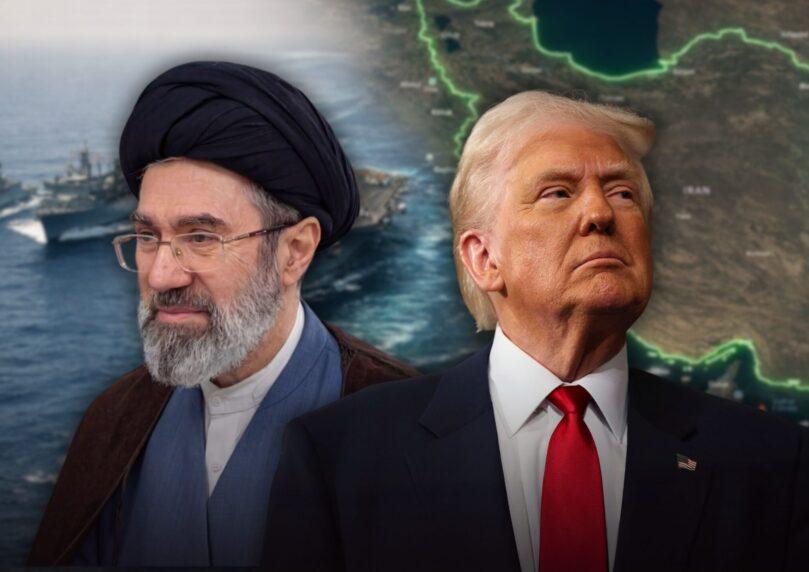

The U.S. campaign against Iran may not be officially over, but there’s no doubt it has one clear winner. With precise and careful moves, the president of the United States has ended the story with Iran—and taken away the terror regime’s last card. This is how Trump managed to rise above all the issues and win the confrontation.
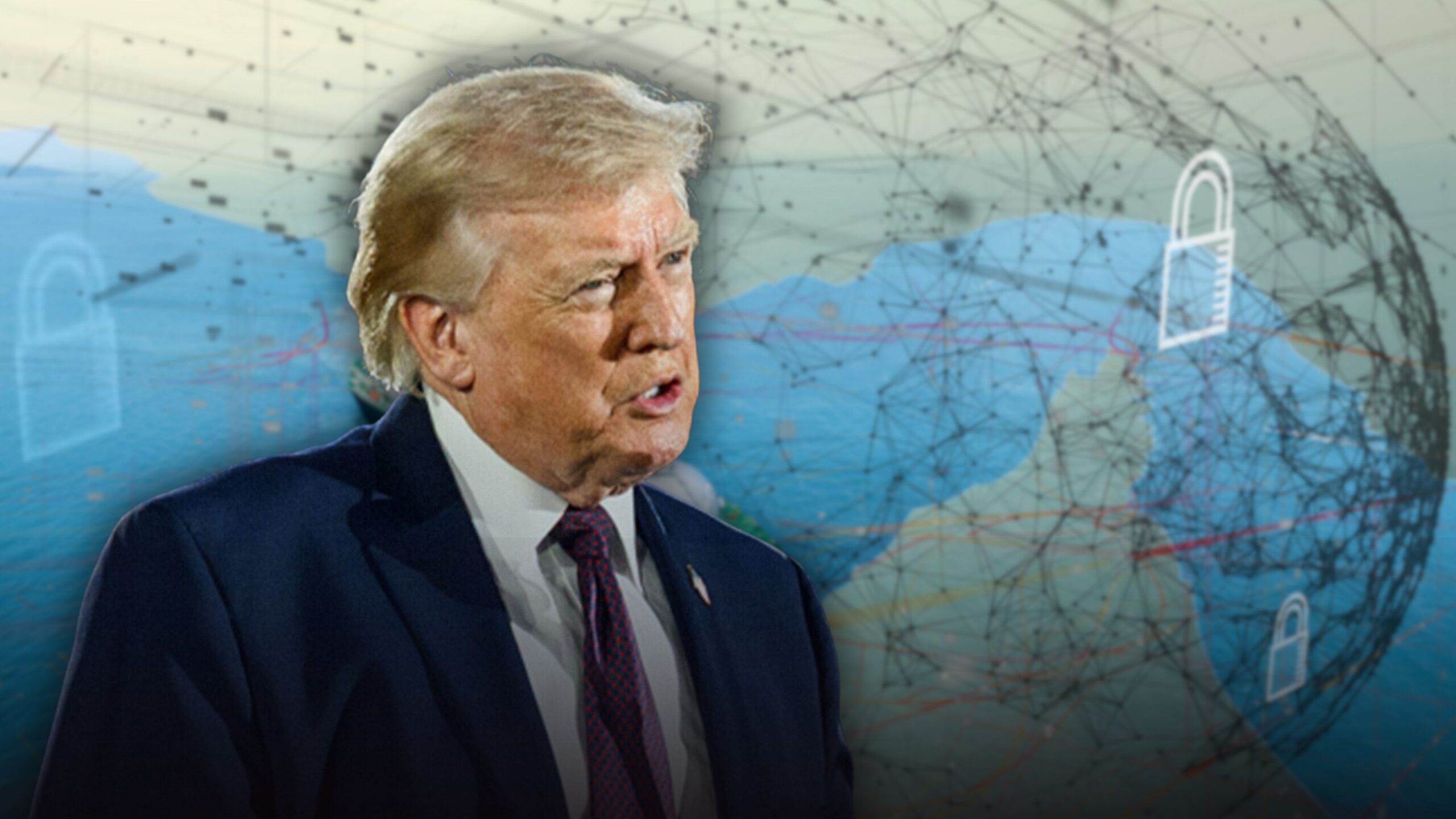
Last evening (Tuesday), it’s fair to say—Trump beat Iran in the battle over Hormuz. In a dramatic post the president published, he said the threat of naval mines has been completely neutralized, taking away the terror regime’s last card—the ability to threaten one of the world’s most important energy chokepoints.

 1+
1+The numbers behind this statement tell the story. Every day, 15 million barrels flow out of Hormuz and alternative routes. Meanwhile, Venezuela, now a Trump ally, supplies nearly 2 million barrels a day. As a result, and together with reduced Chinese dependence on Iranian or Middle Eastern oil—the number of barrels Trump controls is nearly 20 million a day—identical to the average export from Hormuz before the war. The barrel export comparison translates to prices too: Brent crude stands at just $90 a barrel, American crude at $85—far from the dire predictions.
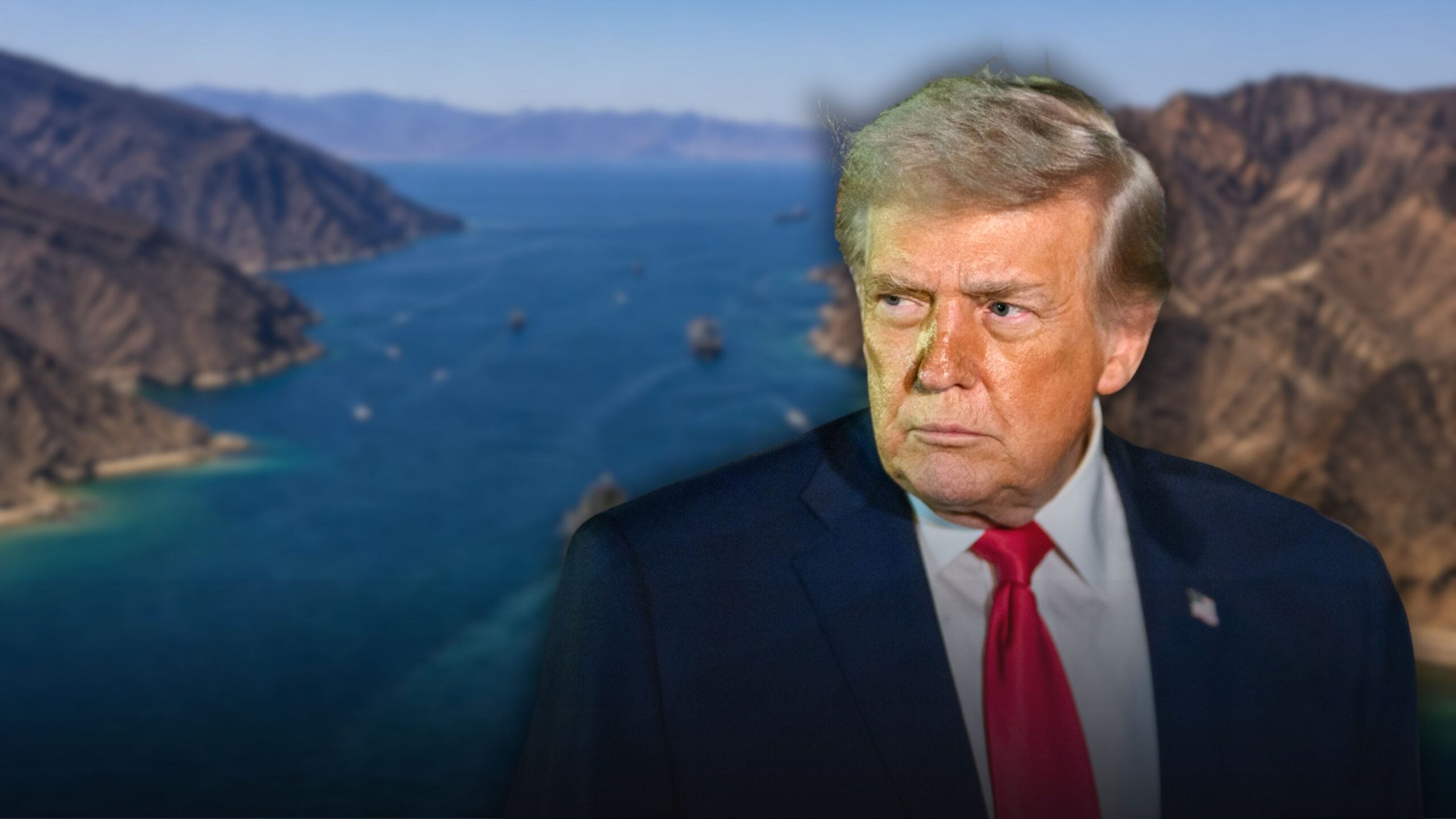
What Trump is doing to Iran today recalls something that happened 165 years ago, in the Civil War. In an operation called the Anaconda Plan, named after the Latin American snake, the Northern army blocked all the rivers and seaports of the South. Slowly, the snake tightened its stranglehold around the enemy’s neck, and that’s exactly what’s happening to Iran today.
 1+
1+Every day, Trump chokes Iran a little more. There’s a blockade, there’s inflation, they’re isolated from the world. No navy or air force, no ability to rebuild half a century’s investment in their military capabilities. America and Israel can strike Iran at any point, at any time they want. Even Hormuz is losing its importance as the vision of exporting oil through the Red Sea and also through Haifa Port becomes more tangible. So every day that passes, Iran becomes poorer and weaker—and that’s a fact that rises above every issue, Hormuz or even the midterm elections.