


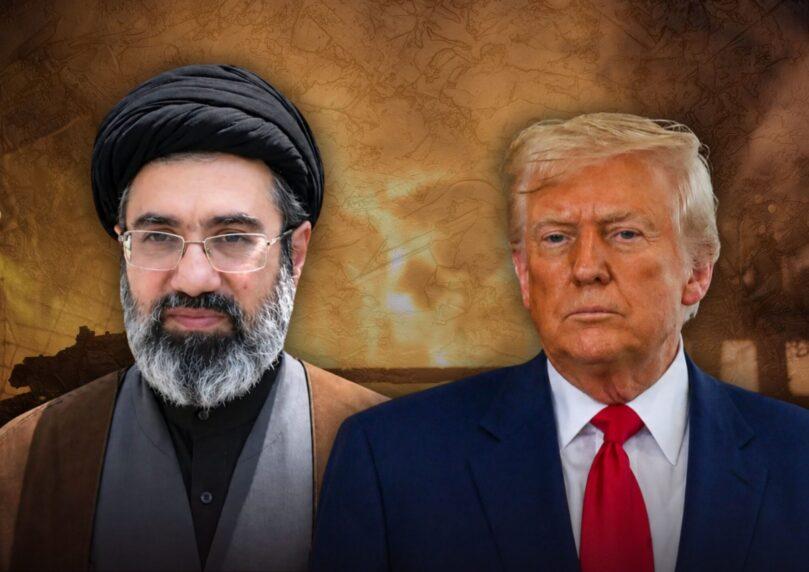

The 60-day deadline set under understandings between the U.S. and Iran is set to expire Monday, with the two sides failing to reach an agreement aimed at ending the war and advancing on the nuclear issue. Instead, the confrontation is changing shape: American strikes in Iran have decreased, but the dispute over the Strait of Hormuz continues, sanctions have returned, and the sides are essentially preparing for a prolonged economic struggle with no clear end in sight, the New York Times reported.

 3+
3+The war between the U.S. and Iran is at a new juncture. On one hand, no American strikes against targets in Iran have been publicly reported since late July. On the other hand, the attempt to reach a deal to end the confrontation has nearly stalled. In June, the sides reached understandings that were supposed to pave the way for a broader agreement within 60 days. The goal was to move toward ending the war, address Iran’s nuclear program, and restore free passage through the Strait of Hormuz. But the deadline is approaching—and the hoped-for agreement hasn’t materialized. One of the main reasons is a dispute over who needs to make the first move. Iran is demanding that the U.S. first fulfill promises made under the understandings, including releasing Iranian funds frozen in other countries. The U.S. is demanding that Iran first open the Strait of Hormuz and allow ships to pass through it freely.
 3+
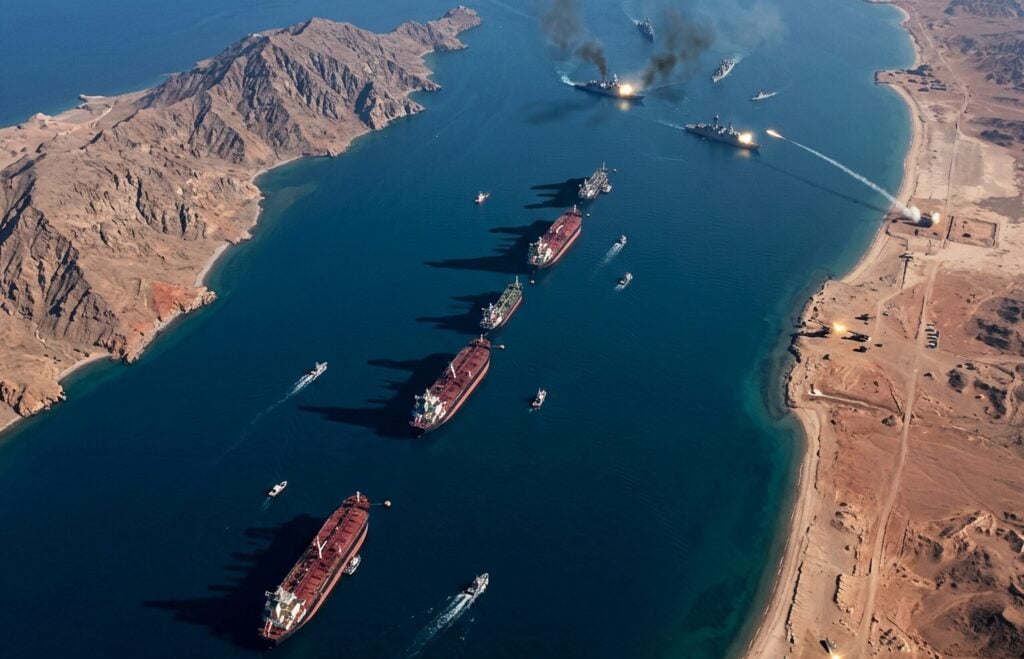
3+Ali Vaez, an Iran expert at the International Crisis Group, explained: “Neither side is really ready to complete a deal. Both think that within days or weeks the other side will be more desperate to reach an agreement, so they’ll be able to extract more from it. That’s why we’re locked in this war of attrition again.” In July, Iran resumed firing at ships traveling in lanes outside its territorial waters in the Strait of Hormuz. The U.S. responded with strikes in southern Iran, creating another cycle of attacks and responses. Over the weekend, an attack on a vessel belonging to the United Arab Emirates’ state oil company was also reported. The company did not say who was responsible for the attack.
 3+
3+Now it appears the Americans are trying to increase pressure on Iran through the economy. The U.S. has reinstated sanctions on Iranian oil and the naval blockade that were temporarily suspended following the June understandings. The idea is simple: hurt Iran’s revenues and force it to come to the negotiating table from a weaker position. This isn’t a new strategy. The U.S. has tried for years to isolate Iran economically in hopes that pressure would force it to give up some of its demands and nuclear ambitions. Trump also tried to use economic pressure during his first term. Now the administration is largely returning to the same approach. But it’s unclear if it will work. Iran’s economy is already in bad shape, but some experts believe additional pressure could actually cause Tehran to escalate the confrontation instead of compromising.
 3+
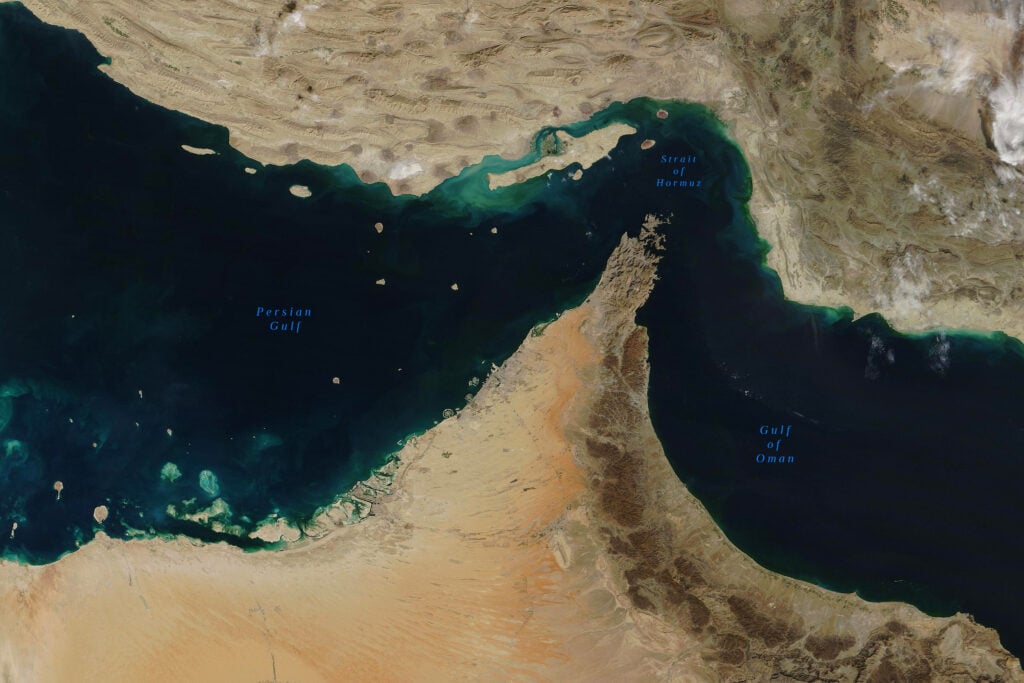
3+One of the major goals of the June understandings was to reach a deal that would also address Iran’s nuclear program. But according to the report, there have been no signs since then that the U.S. and Iran have held meaningful talks on the issue that could lead to an agreement acceptable to both sides. Iranian Foreign Minister Abbas Araghchi even said Iran has not yet decided whether to return to talks with the U.S. According to him, the 60-day framework is no longer relevant because the understandings it was based on are essentially not being implemented. “We didn’t have a ceasefire that now needs to be extended,” Araghchi said. “We had an end to the war, which has now taken on a new status.” Meanwhile, Trump floated an especially unusual proposal over the weekend. During an event in New York, he said he would soon declare the Strait of Hormuz “territory of the United States.” It’s unclear how practical the proposal is. An American takeover of the strait could require a large and prolonged U.S. military presence in the region. The White House did not respond to questions about whether there is an actual plan to carry out the move. In response, Iranian Deputy Foreign Minister Kazem Gharibabadi wrote: “Accept reality once and for all. So far, you have suffered major strategic defeats. The Strait of Hormuz was Iranian, it is Iranian, and it will remain Iranian.”