


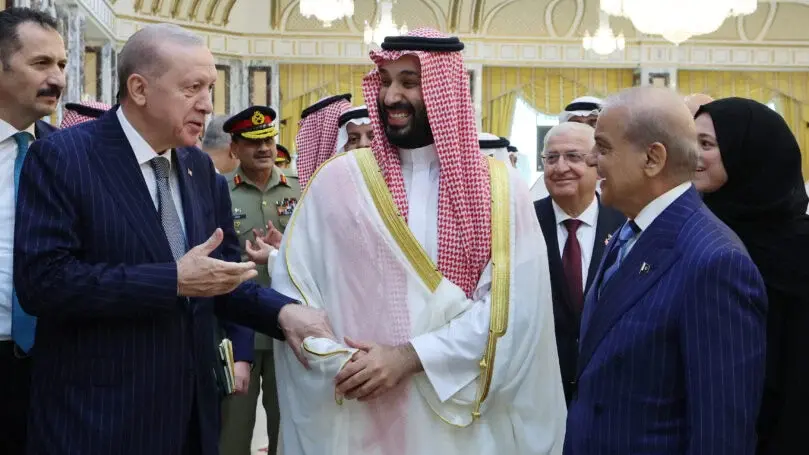

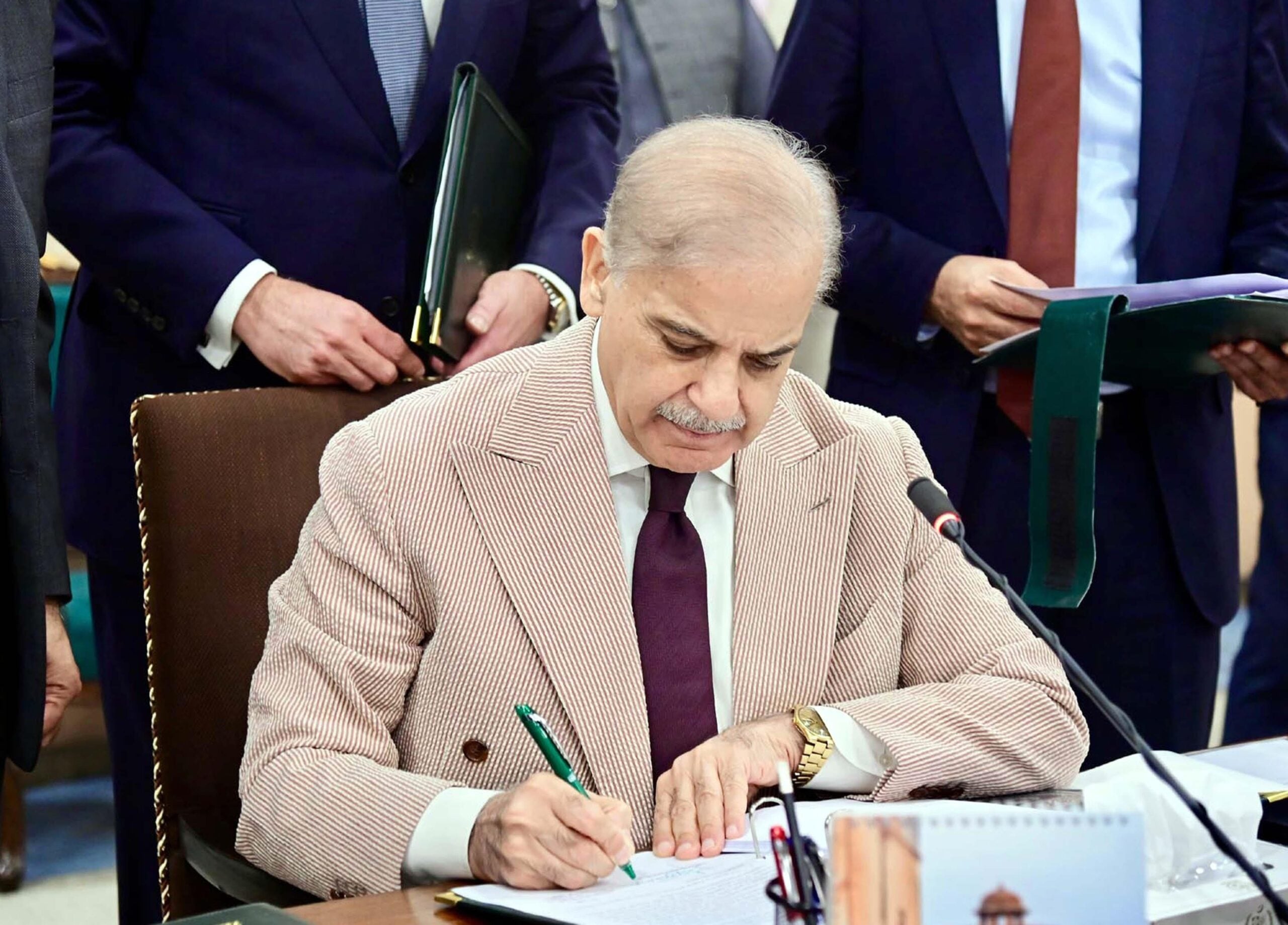
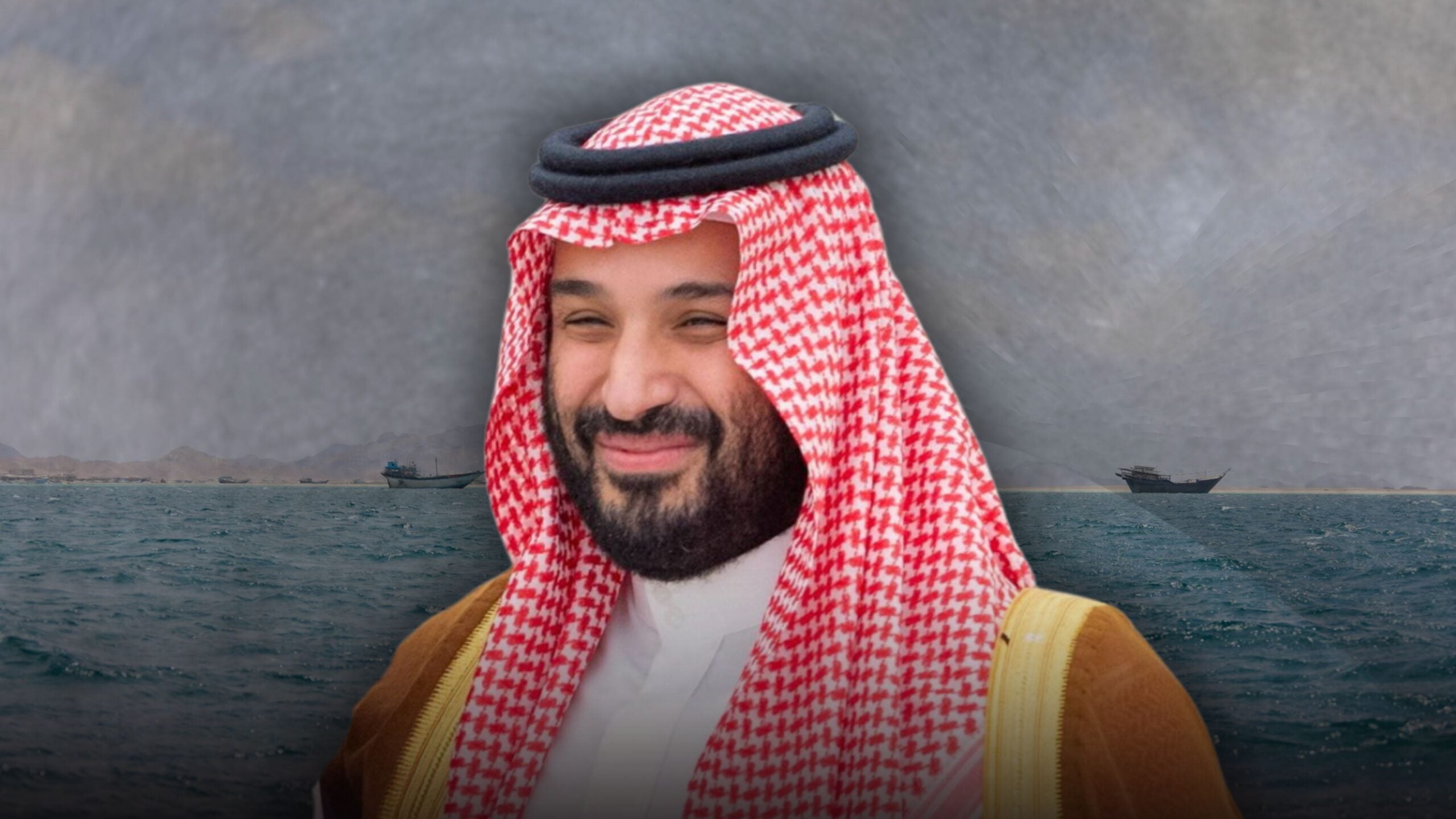
On August 7, 2026, the “Mecca Agreement for Mutual Defense” was signed in Mecca between Saudi Arabia, Turkey, and Pakistan. The agreement was signed by Saudi Crown Prince and Prime Minister Mohammed bin Salman, Turkish President Recep Tayyip Erdoğan, and Pakistani Prime Minister Shahbaz Sharif. The agreement explicitly states that any armed attack on one of the three countries will be considered an attack on all of them. The agreement also addresses the development of security cooperation across all areas: training, exchange of expertise, defense industries, and readiness.
First of all, before we talk about the agreement, it should be noted that this agreement is intended solely to protect Saudi Arabia from Iran, the Houthis, and Iraqi militias. It is a sectarian agreement between Sunni countries against Shiite or heretical elements. This is the purpose for which it was born. However, the Arab media distorts the facts and spreads illusions to their public. They claim that the agreement is intended to strengthen joint deterrence against any aggression against the Gulf states. Arab commentators believe that the presence of Pakistan (a nuclear state) and Turkey (a NATO member with an advanced defense industry) strengthens the joint deterrence.
Experience – will such agreements succeed in protecting Saudi Arabia?
Qatar has had a defense agreement with Turkey for years, including a Turkish military base on its soil. When they really needed help, when Israel bombed the Qatari capital Doha or when the Iranians fired missiles at Qatar, we didn’t exactly see Ankara sending brigades or going to war against Israel or Iran! Moreover, Saudi Arabia has had a full mutual defense agreement with Pakistan since September 2025 (“any aggression against one will be considered aggression against both”). When Iran fired missiles and drones at Saudi oil facilities and the military, Pakistan sent merely a few planes and soldiers just for show. The ties and relations between Pakistan and Iran are excellent and have not been damaged.
Now, after the bilateral agreements have already proven their worth (mainly as a public relations tool), the three of them come and announce a trilateral alliance. Why? Because when two are not enough to truly protect, three are needed to feel more confident in statements than in actions. If we listen to the three new partners, they emphasize that the agreement is not directed against any country, does not create a military or sectarian front (Sunnis against Shiites), and is not related to an arms race or nuclear ambitions, and does not cancel existing agreements. It is based on historical ties, Islamic camaraderie and shared strategic interests, and is aimed at building independent and sustainable defense capabilities. However, the truth is completely different, as the agreement is directed against Iran and the Houthis, as we mentioned above, and it is indeed portrayed as a Sunni Islamic NATO against Iran and the Shiite axis.
What do the Arabs think?
The Arabs define the agreement as extremely important because they claim it will lead to security and stability in the region, while supporting a safer environment that serves the peoples and promotes development. They say it does not raise tensions between countries and does not come at the expense of Saudi Arabia’s strategic relations with the Gulf states, the Arab world or the international community.
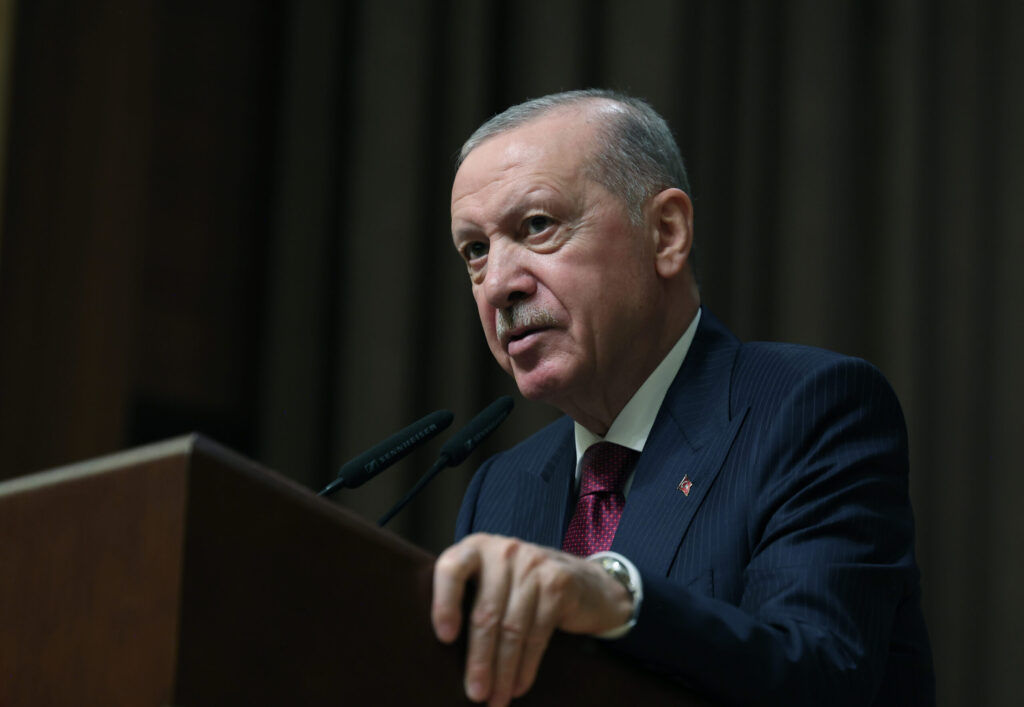
Turkish President Erdoğan called the agreement a historic step based on the principle of collective deterrence. He noted that it is open to the accession of additional countries that aspire to peace, prosperity and stability, and that it reaffirms the right to self-defense. Arab media has covered the agreement. Most commentators have spoken positively about it. They see the agreement as a contribution to the balance of power in the region, strengthening security and stability, and protecting energy and trade routes. The prevailing argument is that the countries of the region know more than anyone about their security. Another argument has been made that this agreement is the result of long-term strategic calculations and not a momentary response to a crisis. Everyone agrees that the agreement strengthens deterrence and raises the price of aggression if one of the countries is attacked. In other words, it creates collective deterrence.

And what do the Iranians say?
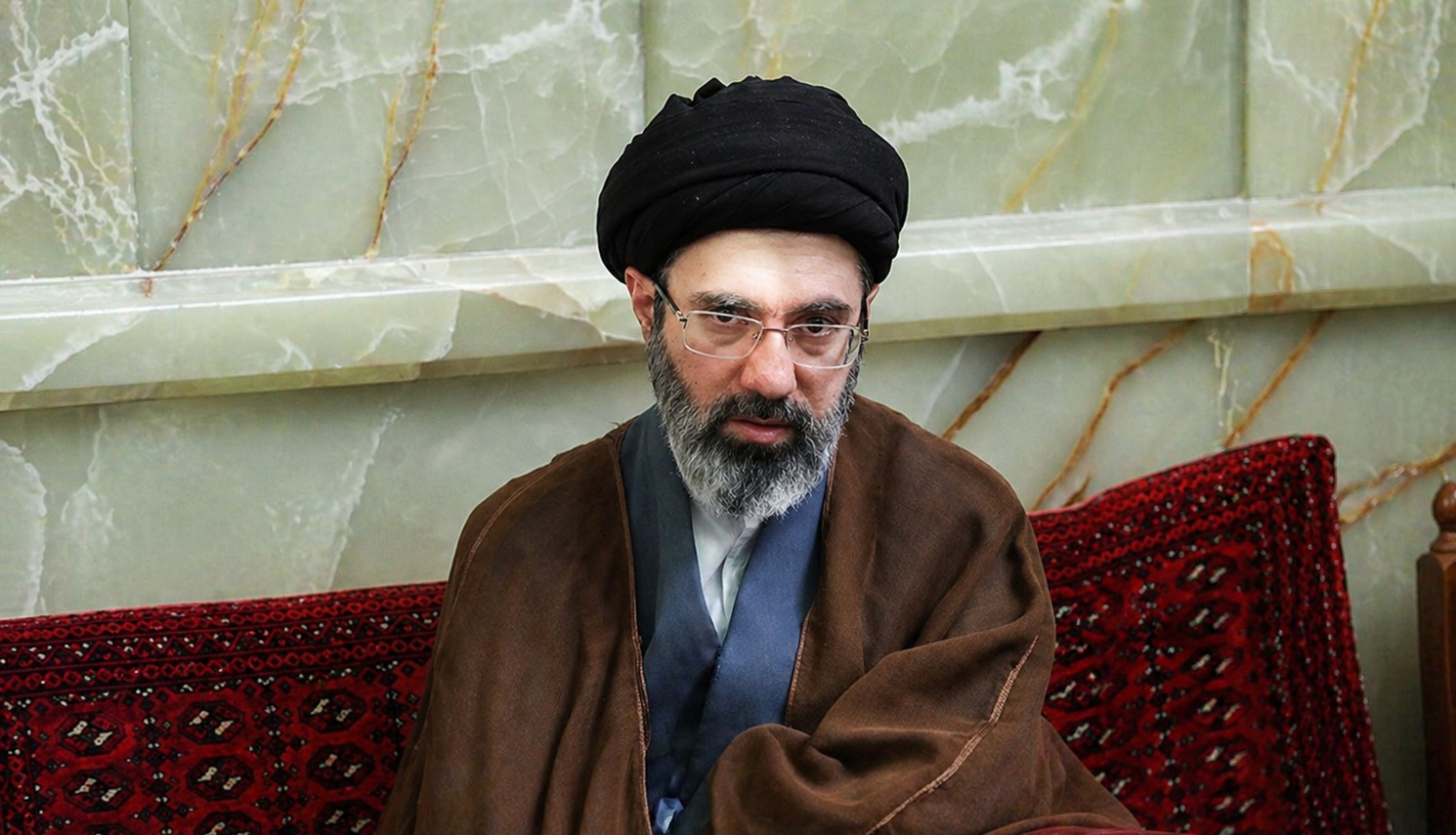
The Iranians know very well that this agreement is aimed against them and their allies in the region; even if they don’t say it, they certainly believe that the agreement is a Sunni-Shiite sectarian agreement. However, there has not yet been a detailed official statement from the ‘Supreme Leader’ or on his behalf, but the general tone from Tehran is one of disdain for its effectiveness and criticism of Saudi dependence on external alliances instead of a change in regional policy. The reactions come against the backdrop of ongoing tensions around the Strait of Hormuz, attacks by the Houthis on Saudi ships in particular, and tension in the Gulf in general, including in Yemen.
For example, Iranian MP Ebrahim Rezaei, a member of the National Security and Foreign Policy Committee in the Majlis, published a harsh response on X: he called the agreement “an agreement on paper” that will not bring security to Saudi Arabia, just as “years of unilateral dependence on the Americans” did not bring it security. He called on the Saudis to “correct their policies so they don’t have to beg for security from others.” This is the most prominent and direct response from a senior parliamentary official.
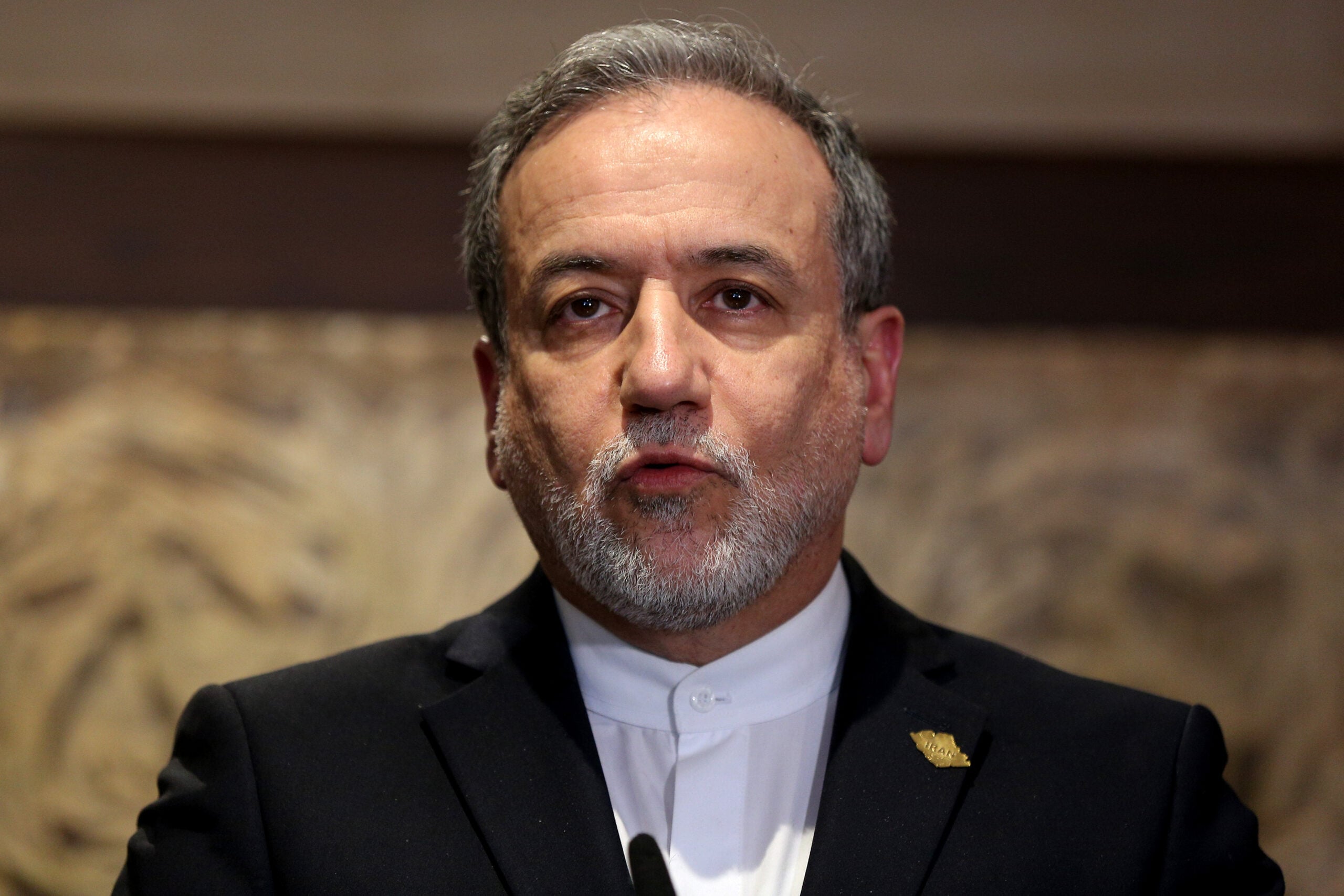
Foreign Minister Abbas Araghchi responded to the agreement by emphasizing the strength of the Iranian army against “the most powerful army in the world” (the United States), and called for Muslim unity and self-reliance: “When Muslims stand together, we can face any challenge from malicious foreigners… It is time to rely only on ourselves and embrace true brotherhood.” The response presents Muslim unity as positive in principle, but emphasizes independence and resistance to external (Western) influences, rather than direct support for the specific agreement.
In conclusion, the first test of this agreement will be when the Houthis or Iraqi militias or even the Iranians attack Saudi Arabia, whether with missiles or UAVs. Will the Turks and Pakistanis respond militarily against the attacker as written in the agreement? Or is this just lip service? The assessment is that there will be no response, only condemnations in the media.
In any case, the agreement is perceived by the Arab public primarily as a defense agreement that strengthens the security independence of the three countries and increases deterrence in a turbulent region. The Arabs emphasize its contribution to stability and development, and to building a regional security framework based on cooperation between major Muslim countries, without presenting itself as a direct threat to other parties. However, the Iranians are making fun of it and see it as a sectarian agreement aimed primarily against them. Israel has not yet made an official response, but from experience we have learned that neither Turkey nor Pakistan will enter the war to defend Saudi Arabia. We have learned that it is all just public relations and muscle-building.