


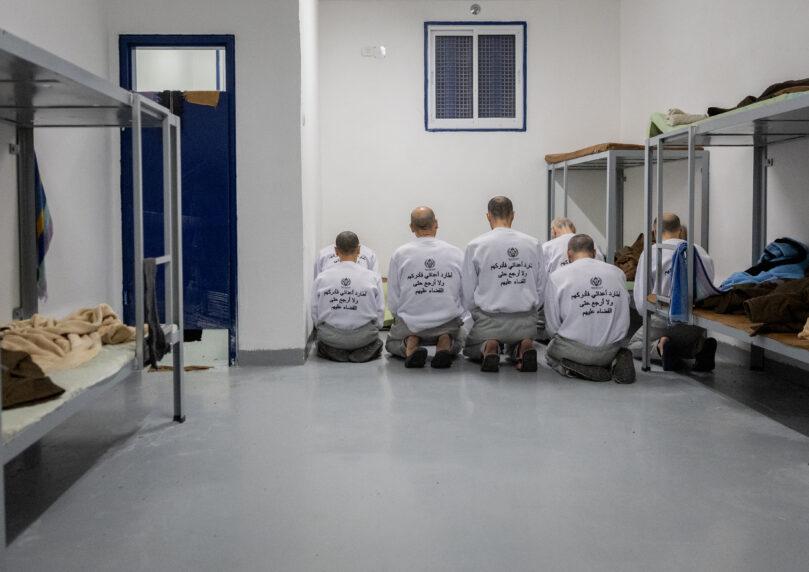

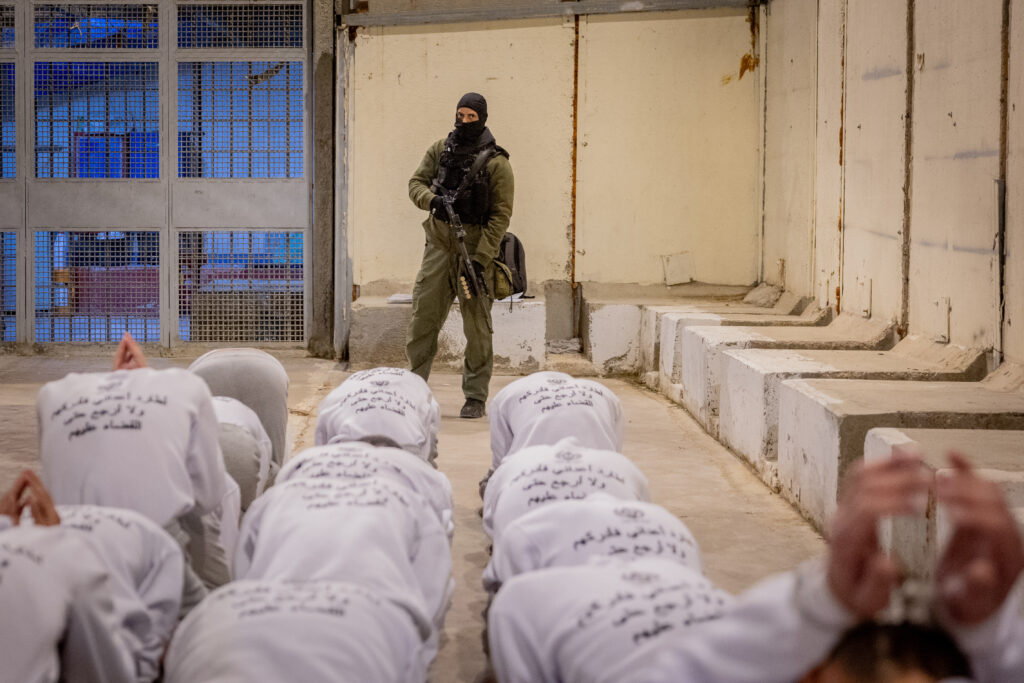
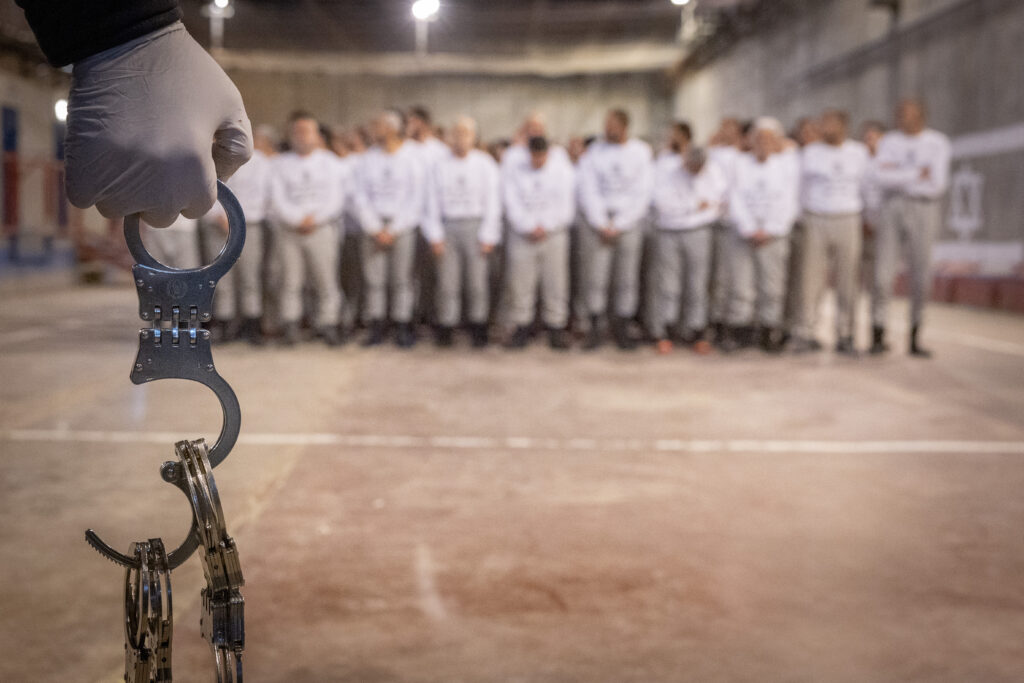
Testimony from a senior Hamas terrorist in Judea and Samaria, interrogated by Israeli security services and published on Channel 14, reveals that breaking up the organizational structure of terrorists in Israeli prisons dealt a devastating strategic blow to the group. His account shows that the reality of terrorists’ lives behind bars has completely changed since the October 7 massacre.

 1+
1+The terror organization has traditionally relied on five main strongholds: Hamas abroad, Hamas in Gaza, Hamas in Judea and Samaria, Hamas inside Israel, and Hamas in Israeli prisons. Details from the interrogation of the prominent prisoner reveal that the moves carried out by National Security Minister Itamar Ben-Gvir and Israel Prison Service Commissioner Kobi Yakobi—chief among them breaking up the mechanism that divided prisoners by organizational affiliation—inflicted one of the harshest strategic blows Hamas has suffered since its founding.
The senior operative described in his interrogation the reality that prevailed in prisons before the massacre. According to him, for many years Hamas ran its operations behind bars almost without restriction. The decisions of Hamas leadership in prison had power that didn’t fall short of, and perhaps exceeded, that of leadership outside prison, with this stronghold serving as a center of gravity linking the organization’s various branches.
 1+
1+From Terror Incubator to Total Collapse
According to the terrorist, many young terrorists aspired to enter Hamas strongholds in prisons to gain experience and reputation. They used their time in detention to recruit new operatives, advance military activity outside prison, build economic and organizational infrastructure, and no less importantly—to study Israel’s security systems up close.
All this changed after what happened, when the organizational division was dismantled and prisoners from different terror organizations were “mixed” within the prison wings. According to the senior operative, Hamas no longer controls the prisons and doesn’t maintain organized activity; it struggles to the point of being unable to recruit operatives, with the organization’s prisoners now occupied with their personal survival and the status of the all-powerful “spokesman” in prison having vanished.
These findings prove that Hamas took a severe blow not only in the field, but also behind bars. According to the senior terrorist, “If Israel reverses this revolution in prison management—it would be nothing less than a strategic mistake.”