Category: Israel

  • Herzog warns UK: Sanctions are a ‘grave error’

    Herzog warns UK: Sanctions are a ‘grave error’

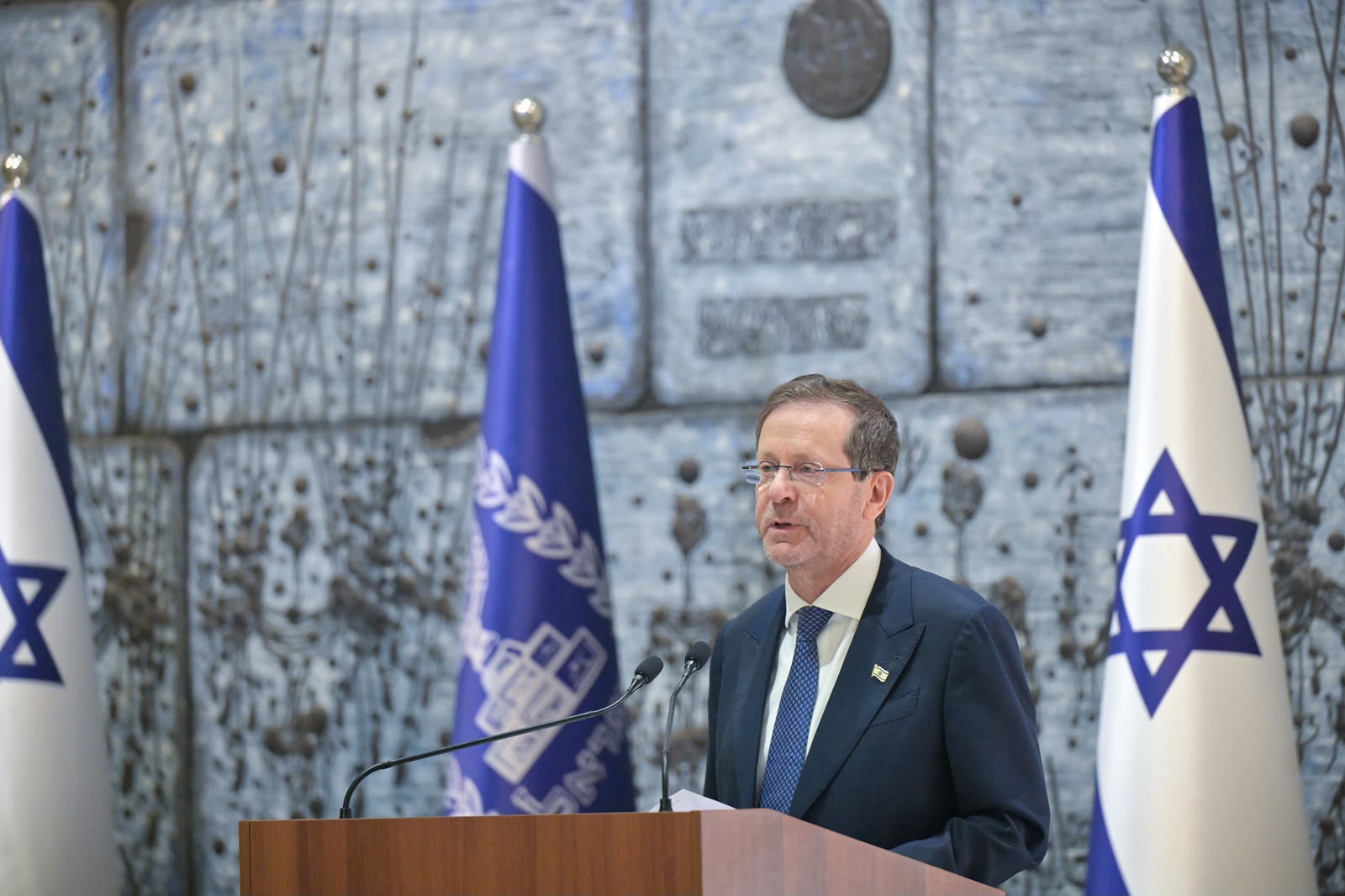
    President Isaac Herzog addressed deliberations in the United Kingdom and additional countries regarding potential commercial sanctions against Israel on Tuesday, cautioning that such a step would amount to a “grave error in judgment” and blatant meddling in Israel’s democratic elections.

    Photo: Yonatan Sindel, Flash90

    Herzog referred to reports indicating Britain could impose trade sanctions later in the day on Jewish communities and enterprises in Israel, warning that other nations might follow suit. “If this happens, and other nations join, I believe it will prove to be a grave error in judgment and a choice to stand on the wrong side of history,” he stated.

    The president emphasized that any punitive international economic measures would carry immediate domestic political ramifications for Israel. “In the current context, this would constitute blatant interference in the democratic elections of a sovereign nation. And it will serve no one,” Herzog cautioned.

    President Herzog visiting Mount Hebron, archive | Photo: Haim Zach, GPO

    Herzog underscored that commercial boycotts would also backfire locally: “It will also directly harm the ‘Palestinians’ by depriving them of businesses and employment opportunities. Ultimately, it will undermine the interests and national security of free nations.”

    Calling on foreign capitals to step back from punitive economic measures, the president urged an immediate shift toward constructive engagement: “Sanctions are not the solution. Dialogue is. I say to all foreign governments: Stop! Turn away from the dead end of sanctions and boycotts, and move toward constructive dialogue and cooperation.”

  • Arab World Hopes Netanyahu Loses—Who Do They Want Instead?

    Arab World Hopes Netanyahu Loses—Who Do They Want Instead?

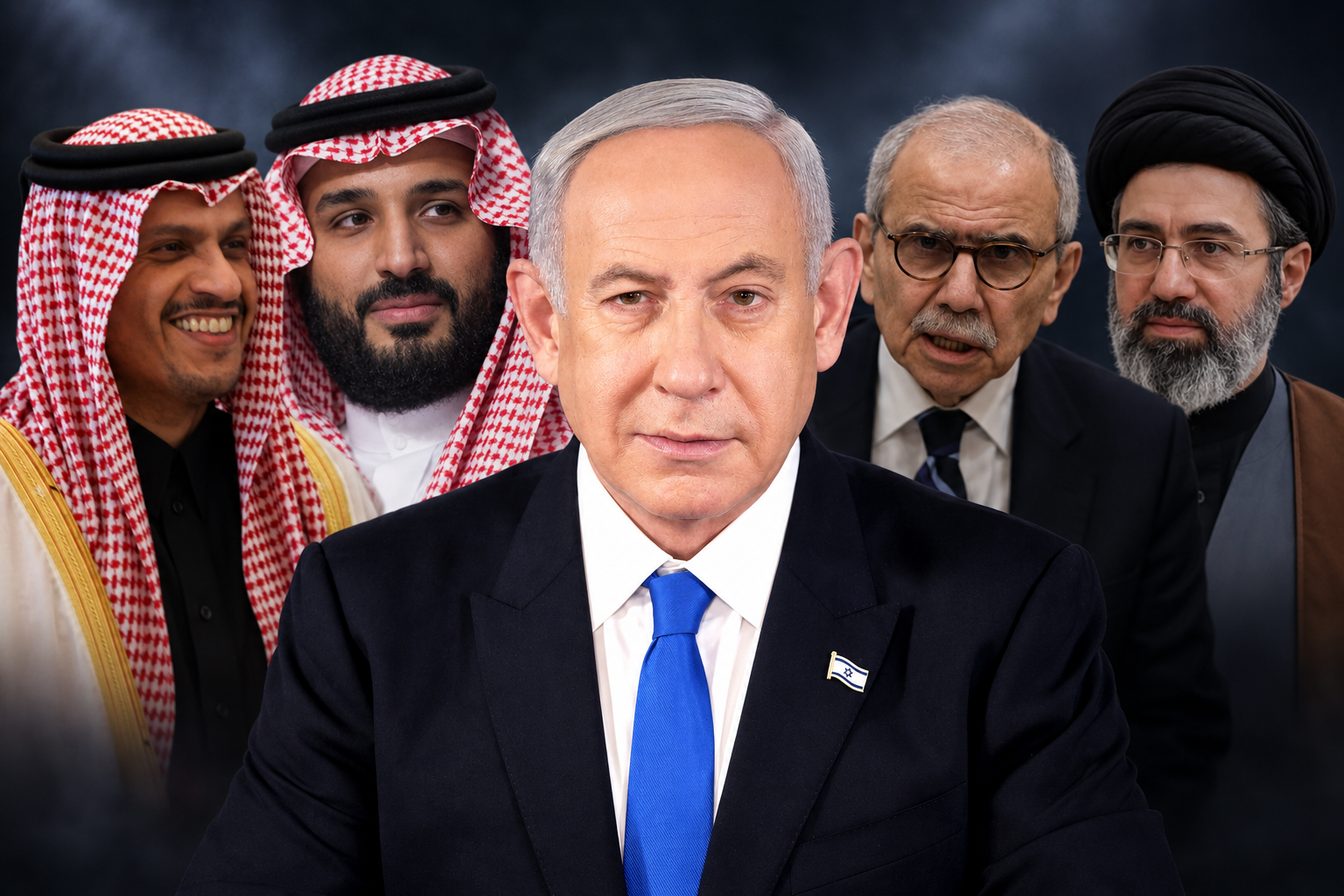
    As the October 27 Knesset elections approach, interest across the Arab world in the prospect of Prime Minister Benjamin Netanyahu losing power is steadily intensifying. A review of commentaries and analytical pieces published across Arab media outlets in recent days highlights a clear narrative: Netanyahu is consistently portrayed as fighting an uphill battle for his political survival, while several prominent articles meet the possibility of his replacement with unconcealed optimism.

    Illustration | Photo: Shutterstock

    One of the most striking examples appeared Monday on Al Jazeera.“In an analytical column, Netanyahu’s Trump is expecting Netanyahu’s defeat,” author Amr Hashem Rabie—deputy director of the Al-Ahram Center for Political and Strategic Studies—argued that hopes for an Israeli political shakeup extend into the U.S. administration as well. According to Rabie, lingering friction between Netanyahu and U.S. President Donald Trump over Gaza and Lebanon makes a prime ministerial change an appealing scenario for Washington.

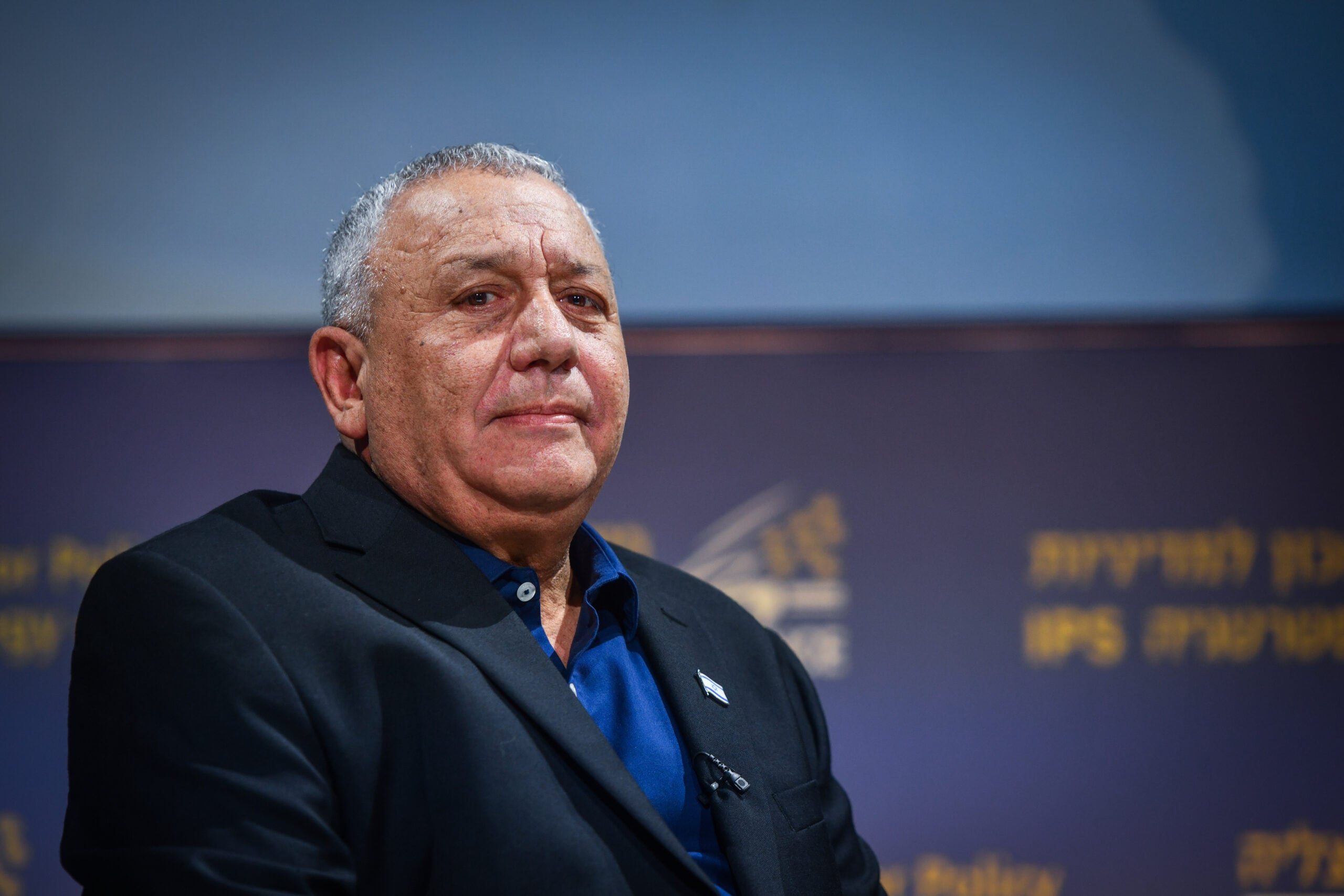
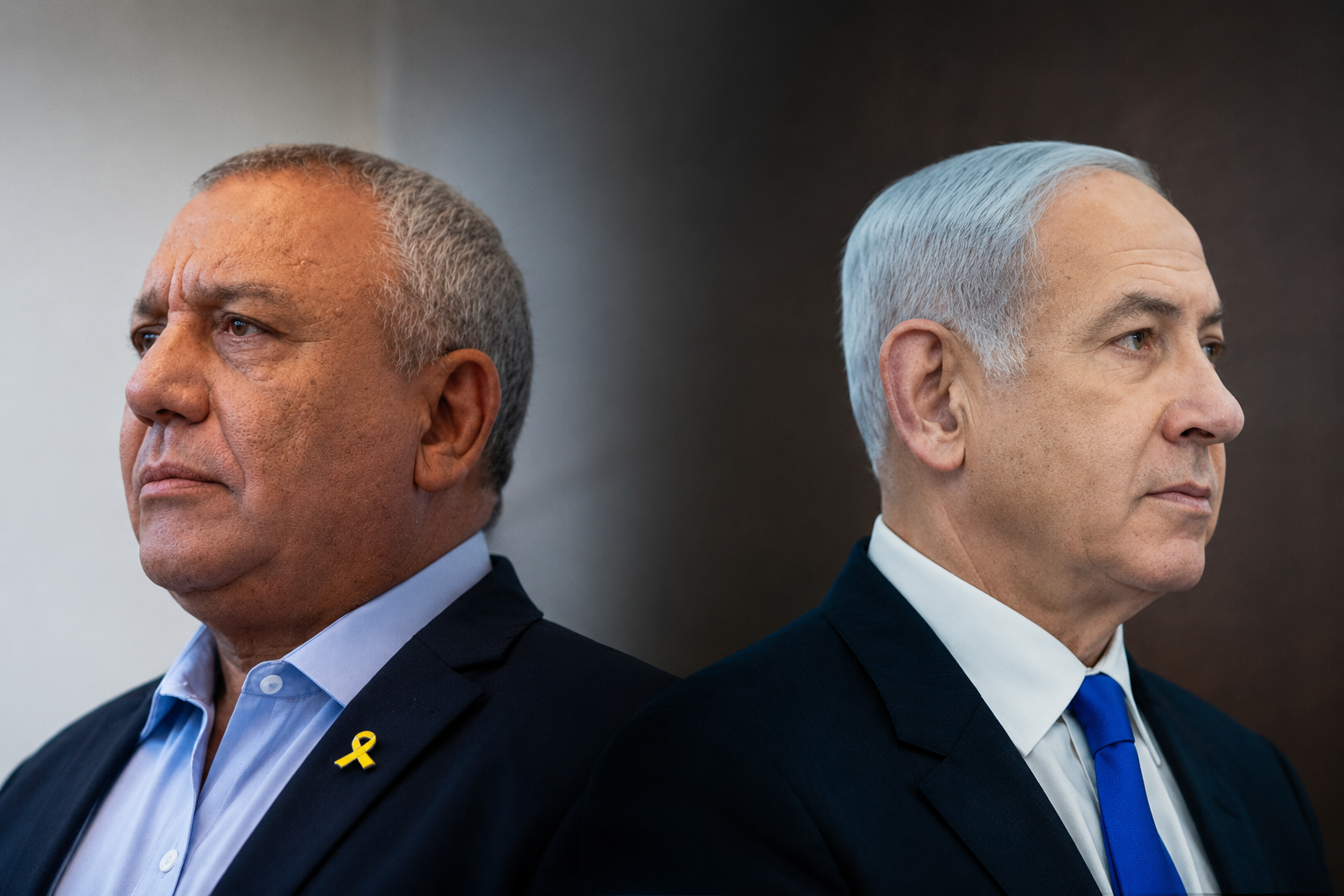
    Toward the conclusion of the piece, the argument becomes even more explicit. The author singles out Yashar party chairman Gadi Eisenkot as the preferable alternative, claiming an Eisenkot presidency would better serve Trump’s objectives. Rabie frames Eisenkot’s momentum in public opinion polls alongside divisions across right-wing Netanyahu’s tangible threat to Netanyahu’s ability to assemble the next governing coalition.

    “Netanyahu” Has Reached the End of His Road”

    A day earlier, London-based pan-Arab daily Al-Araby and Al Jazeera ran an analysis headlined “Netanyahu –The Crisis of Israeli Politics,” similarly framing the race as a referendum on the prime minister’s prolonged tenure.

    Prime Minister Benjamin Netanyahu | Photo: Chaim Goldberg, Flash90

    The author conceded that broader Israeli society has shifted to the right and acknowledged that Eisenkot does not necessarily champion an ideology opposed to the prime minister’s. Rather, the article argues, the central question is who will execute that policy. Eisenkot is portrayed as arguing that Ne”anyahu has effectively “expired” and is no longer capable of executing the required security and state policies properly.

    The column describes Eisenkot as “Netanyahu’s most formidable rival,” defining the electoral battlefield not as a clash between the traditional right and left, but rather as a contest between competing variations of the Israeli right. Netanyahu, by contrast, is characterized as fiercely clinging to his seat, seeking to weaponize questions of responsibility for the October 7 massacre as a centerpiece of his campaign.

    Is the Arab World Already Preparing for the Day After?

    The regional focus extends beyond opinion columns into diplomatic reporting. Over the weekend, Arab media outlets reported that senior officials from several Arab states established discreet communication channels with figures close to Eisenkot, as part of preliminary contingency planning should he replace Netanyahu following the vote.

    Gadi Eisenkot | Photo: Avshalom Shoshani, Flash90

    The coverage framed these”maneuvers straightforwardly as “preparations”s for the post-Netanyahu phase, reporting that the outreach is designed to build forward-looking diplomatic bridges with the figure viewed across capitals as the leading contender to take the helm.

    “Netanya”u Wants to Crown Himself a Hero”

    In another piece by Al-Araby Al-Jadeed, Israel’s overarching defense issue is linked directly to Netanyahu’s domestic fight for political survival. The writer argued that Ne”anyahu is seeking to achieve a “decisive victory” over the Palestinians ahead of election day in an effort to overcome domestic political crises and market himself to the Israeli public as the nation’s leader who subdued the nation’s adversaries.

    Edited using AI, Photo: Flash90

    However, that analysis also underscored a notable caveat shared by several regional observers: not everyone in the Arab world believes that swapping Netanyahu for Eisenkot would translate into meaningful shifts regarding Palestinian policy. Several commentators stressed that Israeli society as a whole has mNetanyahu’sard, cautioning that Netanyahu’s principal rivals are unlikely to enact foundational shifts in core defense or diplomatic strategy.

  • UK Expected to Announce Israel Sanctions Dubbed “Reset”

    UK Expected to Announce Israel Sanctions Dubbed “Reset”

    Britain is expected to announce sanctions today against “companies and individuals” connected to Jews living in the land of Israel, specifically in Israel’s heartland, Judea and Samaria, according to multiple UK reports. The move comes after years of rhetorical condemnations from London, which previously considered broader economic sanctions, including suspending a trade partnership agreement that grants tariff exemptions, an option examined by the British Business Department but ultimately shelved, and now appears to be moving to targeted action.

    At the center of the emerging plan: sanctions against construction companies and specific individuals, plus a declaration that certain imports from Israel are illegal. While the full package hasn’t been published, the decision represents a strategic shift in London after prolonged deliberations, marking a transition to actually imposing punitive measures on Israel.

    The stage was set in a harsh message last month from British Foreign Secretary Ed Miliband, who attacked Jews living in Israel and claimed they harm and threaten ‘Palestinian’ security. That evening Miliband made a colonialist statement, saying Britain strongly opposes construction in Israel’s E1 area and elsewhere, demanded Israel’s government halt the construction of new Jewish communities inside the Jewish state, and warned his country won’t sit on the sidelines—it will take countermeasures and targeted sanctions against those participating in the expansion to prevent “the destruction of the two-state solution.”

    Responding to Miliband’s statements, Foreign Minister Gideon Sa’ar rejected his remarks outright and called them “condescending.” Sa’ar emphasized that the Jewish people have the right to live throughout the Land of Israel, just as Britons have the right to live in London, and noted that over a century ago the Balfour Declaration officially recognized the Jewish people’s historic right to reestablish their national home in the Land of Israel.

    The foreign minister attacked British policy and called it “absurd,” pointing out that Britain itself still controls colonial territories thousands of miles from its shores, so it has no place lecturing the Jewish people about living in their homeland. Sa’ar added that British policy that blames only Israel fuels antisemitism in the kingdom, and concluded that Israel won’t be a “passive victim” and will respond to the regrettable decision to damage relations between the countries.

  • SAS Returns to Israel After Suspending Flights

    SAS Returns to Israel After Suspending Flights

    After a temporary suspension of operations, Scandinavian Airlines (SAS) is returning to Israel, this time with more frequent flights. The carrier, one of Northern Europe’s largest airlines, will reinstate its direct service between Tel Aviv and Copenhagen.

    SAS
    SAS | Credit: Shutterstock

    Beginning October 26, SAS will resume operations at Ben Gurion Airport. Under its winter schedule, the airline will operate four weekly flights on the route—flying on Mondays, Wednesdays, Fridays, and Saturday nights. Airbus A320neo aircraft will operate the service, offering two cabin classes: Economy and Business.

    The return comes one year after the airline originally relaunched the route on October 26, 2025, following a hiatus of more than a decade without direct flights between Tel Aviv and Copenhagen. At the time, SAS operated three weekly flights before suspending regional operations due to security developments across the Middle East. With its return, SAS is increasing capacity beyond its previous schedule. For Israeli travelers, the route adds a direct option to Denmark, with seamless connections throughout Northern Europe via SAS’s Copenhagen hub.

    The passenger experience is also getting a notable upgrade. SAS recently completed outfitting its Airbus A320 fleet with high-speed Starlink satellite Wi-Fi, expected to be available on flights to and from Tel Aviv, allowing gate-to-gate broadband connectivity subject to individual aircraft scheduling and route availability.

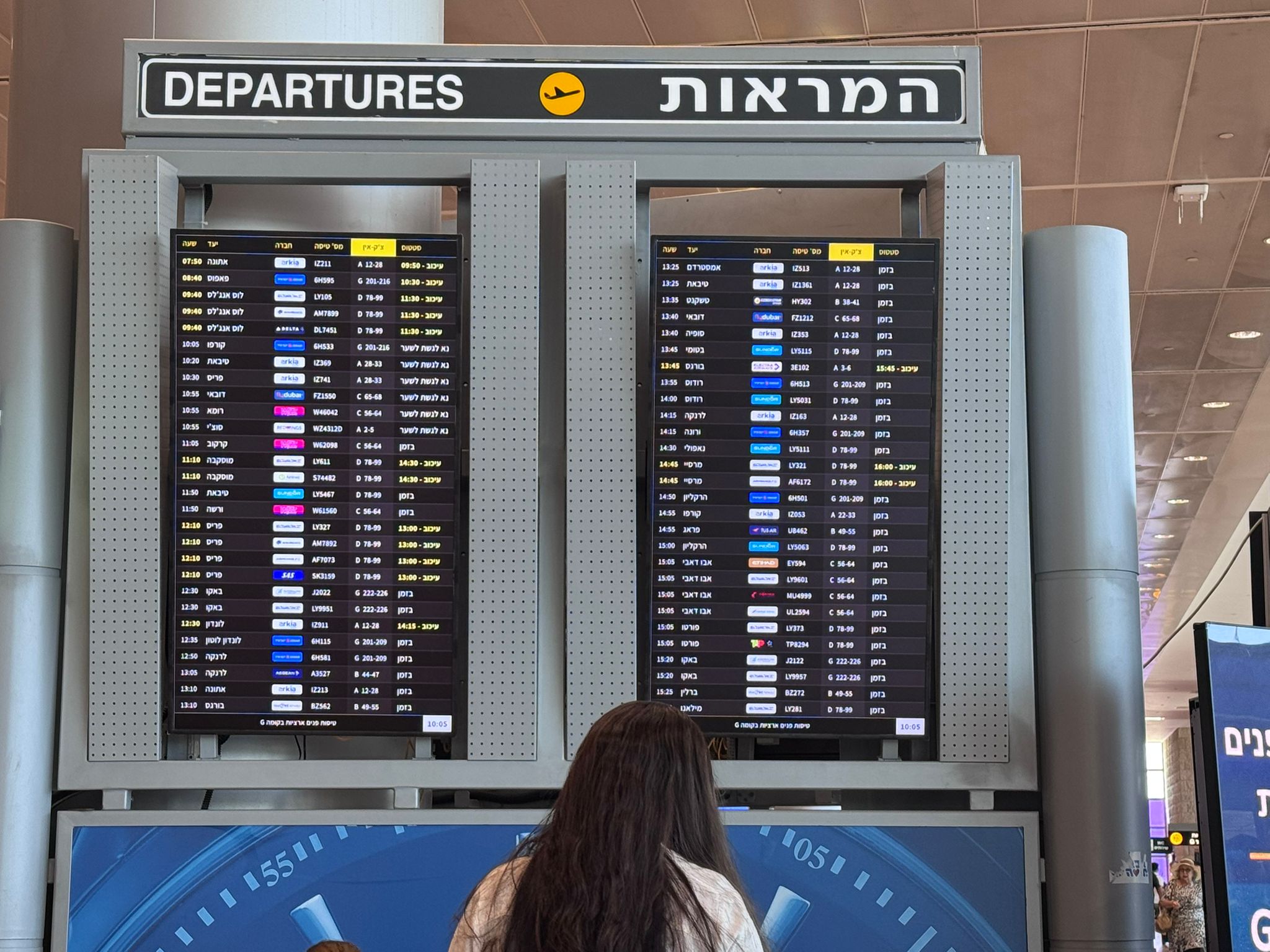
    Ben Gurion Airport | Photo: Aloni Mor, Channel 14 News

    SAS’s return reflects a broader trend of foreign carriers gradually resuming service to Israel, following widespread flight cancellations and schedule cutbacks prompted by the security situation. The development marks another positive step toward stabilizing foreign airline operations at Ben Gurion Airport.

  • Israelis Flee Abroad While Foreign Tourists Stay Away

    Israelis Flee Abroad While Foreign Tourists Stay Away

    Foreign tourists have yet to return to Israel in pre-crisis numbers, deepening the stark disparity between the millions of Israelis traveling abroad and the subdued trickle of visitors arriving from overseas. August data published Sunday by the Central Bureau of Statistics (CBS) underscores the persistent headwinds facing the inbound hospitality sector: even during the peak summer corridor, incoming visitor figures remained notably depressed.

    Photo: Canva

    Israel registered 117,600 visitor entries in August, down from 119,600 in August 2025. Most were tourists staying at least one night, while a smaller share were day visitors—including cruise ship passengers making brief shore excursions.

    The contraction is even more pronounced across the year-to-date figures. Between January and August, Israel recorded 668,200 incoming entries, compared to 827,500 during the corresponding period last year. Despite increased flight operations throughout the summer, inbound tourism remains substantially below prior-year levels.

    The United States remains the primary source market for visitors entering Israel, followed by France, the United Kingdom, and Russia. The breakdown highlights the sector’s heavy reliance on the American market, particularly while broader international travel demand remains suppressed.

    Hotel, illustration | Photo: Canva

    Nevertheless, underlying data points toward an initial recovery trend. Over recent months, air arrivals have gained noticeable momentum. According to CBS seasonally adjusted metrics, the monthly average of tourist arrivals by air between June and August climbed significantly compared to the preceding three-month stretch, reflecting the gradual return of direct foreign routes.

    Yet that modest rebound has been largely overshadowed by the sheer volume of Israelis leaving the country. August saw 1.41 million outbound departures by Israeli citizens, pushing the total for the first eight months of the year past 6 million. The disparity is unmistakable: while Israelis have rapidly resumed international leisure routines, inbound tourism has struggled to match that pace.

    Flight departure patterns highlight this local rebound. Between June and August, an average of 790,300 Israelis flew abroad each month, more than double the monthly average of 331,400 recorded in the prior three months.

    Hotel, illustration | Photo: Canva

    The report also detailed figures for expatriate Israelis returning for home visits. Of the 1.41 million departures recorded in August, the CBS categorized 70,600 as visits by Israeli expatriates. Starting in June, the CBS revised its statistical methodology for this demographic and retroactively adjusted historical data to enable accurate year-over-year comparisons.

    Photo: Shutterstock

    The overall takeaway from August points to an uneven travel landscape: while incoming tourism shows initial signs of life via expanding air routes, total numbers remain subdued, even as Israeli outbound travel charges ahead toward pre-war routines.

  • Netanyahu Offers Channel 14 Anchor Reserved Spot on Likud

    Netanyahu Offers Channel 14 Anchor Reserved Spot on Likud

    Prime Minister Benjamin Netanyahu recently approached Channel 14 News presenter and commentator Yaara Zered, offering her a reserved candidate slot on the Likud Knesset slate, Channel 14 reported for the first time on Monday evening. Zered turned down the proposal, deciding not to enter the political arena at this stage. The outreach came as Netanyahu accelerates efforts to finalize candidates for Likud’s reserved positions, with decisions on several slots still unresolved.

    Netanyahu | photo: Flash90

    Since Sunday evening, the prime minister has conducted intensive rounds of consultations regarding the party’s reserved slots. The discussions ran into the early morning hours and resumed Monday as potential names were floated and reviewed. Amid ongoing deliberations, a press conference Netanyahu had scheduled at the Orient Hotel in Jerusalem to unveil the candidates was pushed back to Tuesday afternoon, with organizers noting the event could be canceled entirely depending on progress.

    Adding pressure to the timeline, the Likud Party’s internal tribunal intervened Monday evening, issuing an ultimatum instructing Netanyahu to publish the finalized list of reserved candidates by 9:00 PM. If the names are not submitted by the deadline, party rules could trigger a secret ballot vote within the Likud Secretariat—raising the stakes for Netanyahu to conclude deliberations immediately.

    Commentator and presenter Yaara Zered | Credit: Studio Thomas Tomer Shalom

    Earlier Monday, reports confirmed that alongside attorney David Peter, Netanyahu extended an offer for a reserved spot to Yiska Bina, head of the Movement for Governability and Democracy. Tapping Bina addresses two strategic priorities for the Likud leadership: featuring a prominent public advocate aligned with judicial reform and securing female representation in a leading position on the party’s parliamentary ticket.

  • Channel 14 Poll: 51% Say Winter Made a Mistake Running Solo

    Channel 14 Poll: 51% Say Winter Made a Mistake Running Solo

    A Channel 14 poll conducted by NEXT DATA and released on Monday—just ahead of the final submission deadline for Knesset candidate slates—examined key political questions gripping the electorate alongside parliamentary seat projections, led by former IDF brigadier general Ofer Winter’s decision to mount an independent campaign.

    Ofer Winter | Photo: Chaim Goldberg, Flash90

    Asked whether Winter made the right or wrong call by running independently, 51% of respondents answered that he was mistaken, compared to 31% who believed he made the right decision. Another 18% said they had no opinion. The sentiment aligns with the survey’s seat projections, where Winter’s “Amcha Yisrael” party garnered 3% of the overall vote, leaving it below the 3.25% electoral threshold.

    The survey also gauged voter volatility leading into election day, asking participants how final their voting intention is at this juncture. A decisive 77% responded that their decision is completely finalized, while 22% indicated they remain undecided. Just 1% stated they had no opinion. The data suggests that despite recent high-profile mergers and political realignments heading into the slate-closing deadline, the vast majority of voters have already locked in their ballots.

    עופר וינטר |
    Photo: Chaim Goldberg, Flash90

    In a separate question posed exclusively to coalition voters regarding responsibility for the failure to form a unified right-wing bloc, 65% pinned the blame for irresponsible conduct on Ofer Winter. Otzma Yehudit chairman Itamar Ben Gvir trailed far behind in second place with 14%, followed by Prime Minister Benjamin Netanyahu at 8% and Religious Zionism chairman Bezalel Smotrich at 2%, with 11% expressing no opinion.

    Ben Gvir | Photo: Yonatan Sindel, Flash90

    Coalition voters were also queried on which professional background they would prefer to see prioritized for Prime Minister Netanyahu’s reserved appointments on the Likud Knesset slate. The legal sector led preferences with 32%, followed by economics and business at 25% and defense/security backgrounds at 19%. Additionally, 11% preferred a reserved spot designated for a female candidate, 7% favored an IDF reservist representative, and 6% had no opinion.

    NEXT DATA conducted the poll today, September 7, 2026, with participation from 1,057 adults from the general population. Data analysis: Shlomo Filber.

  • Thousands gather for Selichot at Cave of the Patriarchs

    Thousands gather for Selichot at Cave of the Patriarchs

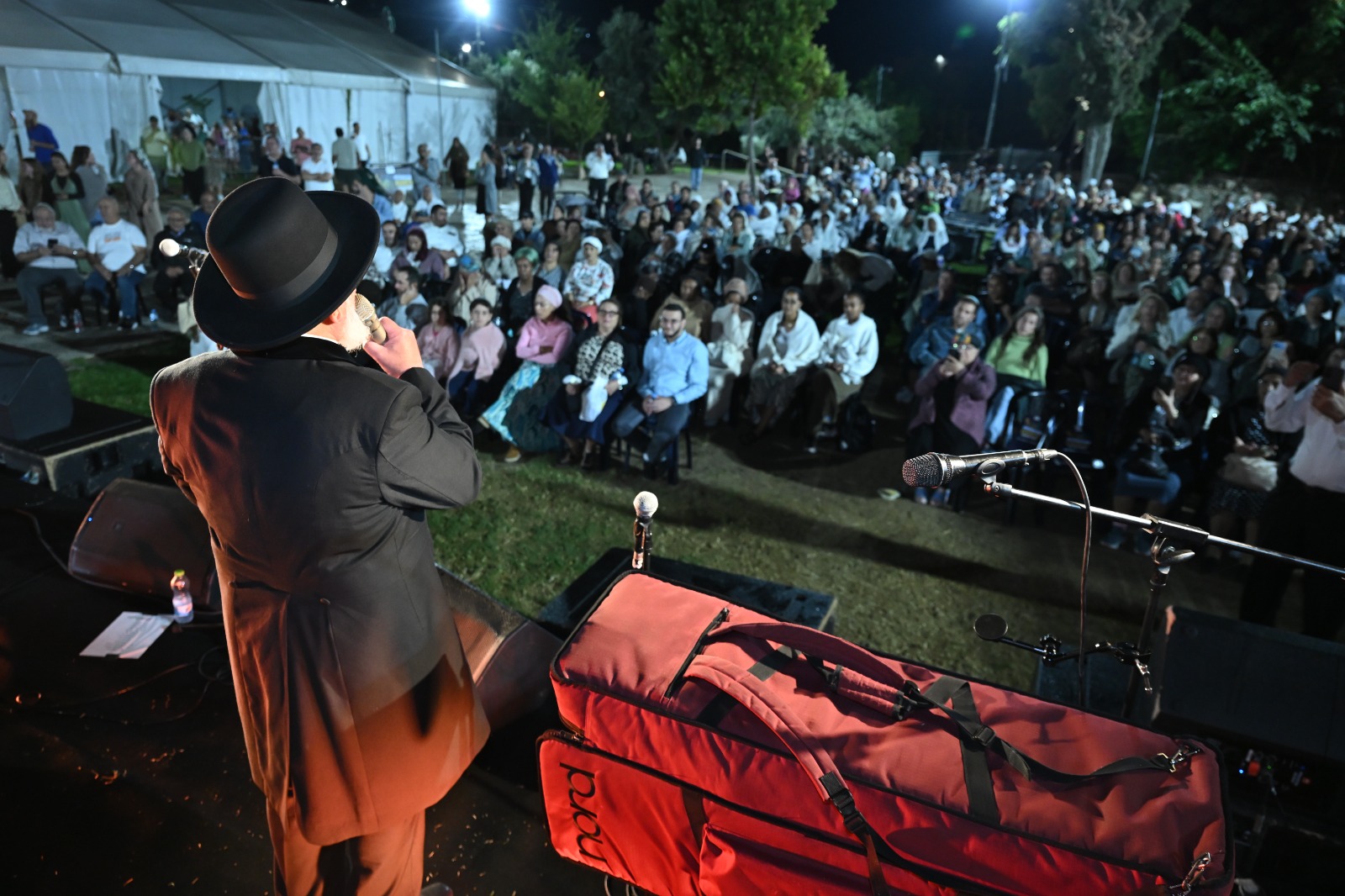
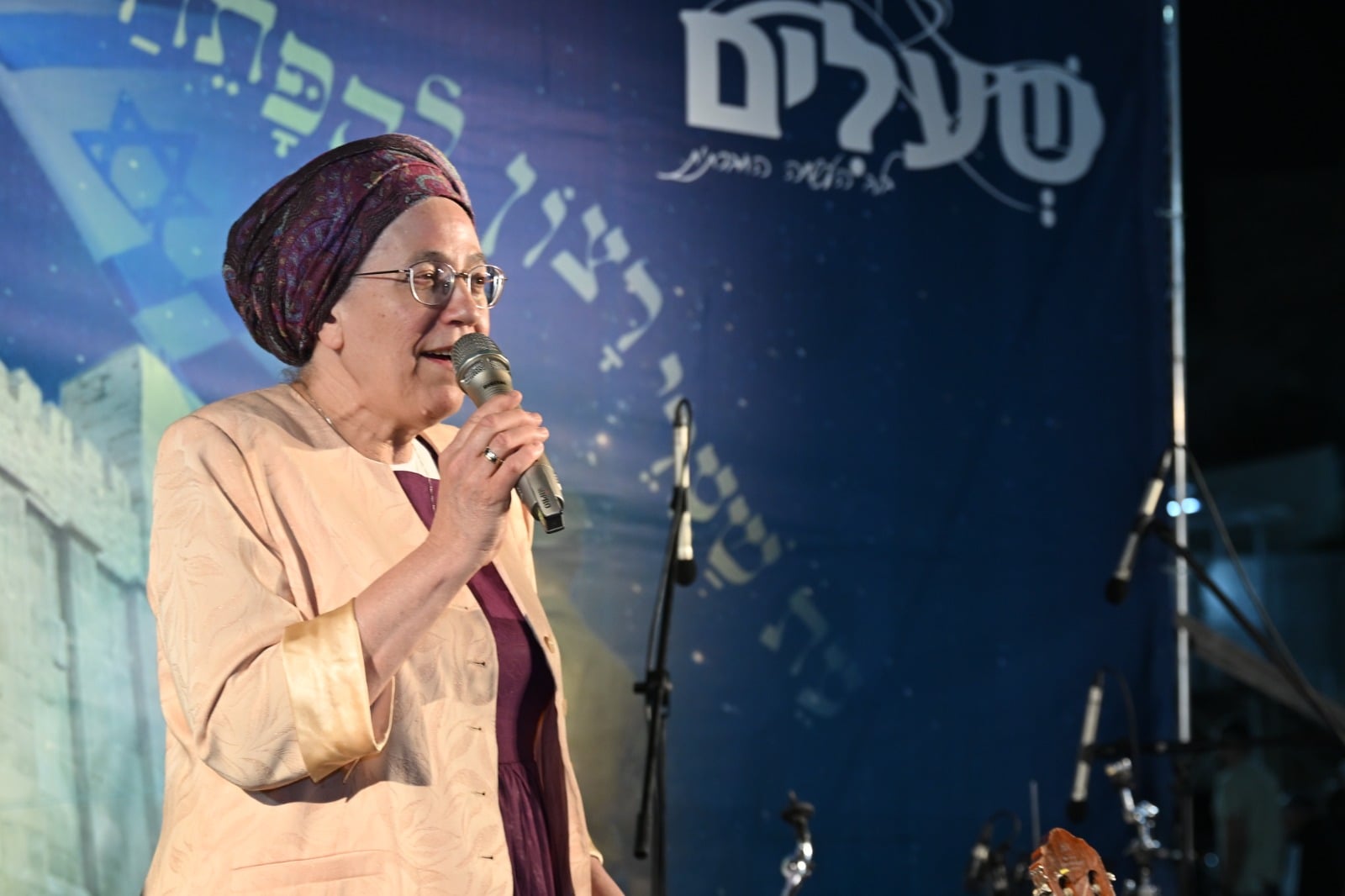
    Thousands of worshipers took part in a major Selichot service on Thursday night at the Cave of the Patriarchs in Hebron, joined by Ashkenazi Chief Rabbi of Israel Kalman Ber and  Minister Orit Strook.

    Photo: Nachshon Philipson

    The “Sha’alim” network of Torah community seeds (Garinim Torani’im) organized the gathering. During the event, Chief Rabbi Ber delivered an address focused on strengthening ties to the Jewish people’s foundational roots and the profound significance of assembling specifically in the City of the Patriarchs.

    In his remarks, Rabbi Ber invoked King David, whose initial reign began in Hebron, emphasizing that the path toward shaping the nation’s future runs directly through reconnection to the biblical Patriarchs, Matriarchs, and historical heritage.

    Photo: Nachshon Philipson

    “The merit of our ancestors is not merely historical lineage, but a spiritual genetic imprint embedded in every single Jew,” Rabbi Ber said. “Outwardly, a Jew may seem enveloped in a shell that appears distant or detached, but a little warmth, closeness, and love are all it takes to reveal the holy root from which they originate. The inner Jewish essence is never lost.”

    Touching on recent national crises, the Chief Rabbi added: “Even through severe trials, we have witnessed how the inner Jewish spark bursts forth in moments of peril, when even those who seemed estranged cried out from the depths of their hearts, ‘Shema Yisrael.’ In our High Holiday prayers, we appeal to the Almighty and declare that the shell is merely external, while in our innermost will, we are all the children of our ancestors and we all belong to You.”

    Orit Strook | Photo: Nachshon Philipson

    Minister Orit Strook, a decades-long resident of Hebron, also addressed the assembly, speaking on the vital imperative of dedicated public service on behalf of the People of Israel and the Land of Israel.

  • Netanyahu Ignores Likud Court Deadline on Reserved Slots

    Netanyahu Ignores Likud Court Deadline on Reserved Slots

    Against the backdrop of a looming deadline imposed by the Likud Party’s High Court over reserved slate positions, Prime Minister and Likud Chairman Benjamin Netanyahu clarified Monday evening that he has no intention of releasing the list of names according to the court’s timetable.

    Israeli Prime Minister Benjamin Netanyahu | Photo: Chaim Goldberg/Flash90

    Netanyahu emphasized that he does not bow to ultimatums of any kind, saying his sole priority is the party’s best interests and ensuring the highest-caliber appointments for Likud’s electoral ticket. Sources close to the prime minister said that since he has already been granted the official authority to select the reserved spots, the exact timing of the announcement is secondary, and decisions will be made with measured, professional discretion.

    The statement follows a directive issued earlier Monday by Likud’s internal high court, which set a firm 9:00 PM deadline for Netanyahu to deliver a formal proposal to the Likud Secretariat. Under the ruling, if the cutoff is not met, the party’s legal counsel would have to justify why the delay should not be interpreted as implied consent to hold a secret ballot among secretariat members.

  • Behind the Scenes with Border Police Undercover Unit

    Behind the Scenes with Border Police Undercover Unit

    Over several months, we were granted rare access to embed alongside the fighters of the Border Police’s Judea and Samaria Division, operating deep inside hostile territory during high-stakes raids targeting terrorist infrastructure. In the opening chapter of this series, we joined the tactical units entering Ramallah, where forces struck a major Hamas terror cell running large-scale weapons procurement and terror-financing pipelines.

    Photo: Police Spokesperson’s Unit

    From the inside, we observed how these operations unfold long before the dynamic breach of a target compound: starting with fine-grained intelligence gathering and target identification, moving through clandestine operational routes under the radar, and culminating in the critical seconds when assault teams breach the perimeter and secure high-value suspects within minutes.

    Yet behind the overt tactical entries of Border Police tactical teams operate operatives who remain almost entirely unseen. These fighters blend seamlessly into the local environment, moving through the very alleys where targets congregate and quietly gathering the precise operational intelligence needed to close the loop at the decisive moment.

    Photo: Police Spokesperson’s Unit

    Now, we lift the curtain on the clandestine operations of the Judea and Samaria Border Police. These undercover combatants infiltrate deep behind enemy lines—often moving among crowds where no one suspects their true identities—and shadow the target until they shut down every possible escape route.

    Over months of documenting the unit, we captured the full operational cycle on camera: from the initial mission briefing and deep covert assimilation in the field, to the tense hours of surveillance, and finally to the sudden breach, assault, and apprehension.

    Undercover forces (Mista’arvim) | Photo: Israel Police Spokesperson’s Unit

    This is the rarely seen frontline in the counter-terrorism campaign: grueling hours of reconnaissance, patience, and meticulous planning that ultimately culminate in seconds of decisive kinetic action.