Category: Israel

  • UK Sanctions Spark Fears of Rising Threat to British Jews

    UK Sanctions Spark Fears of Rising Threat to British Jews

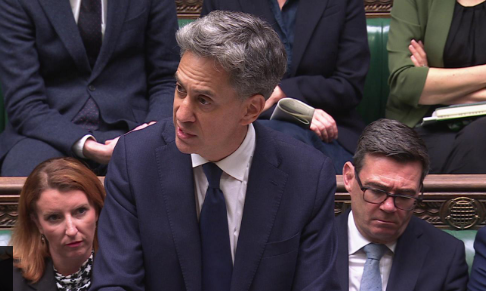
    British Foreign Secretary Ed Miliband has dismissed warnings from UK Chief Rabbi Sir Ephraim Mirvis that British Jews will be placed at heightened risk following the United Kingdom’s announcement of commercial trade sanctions targeting Jewish communities in Judea and Samaria. Miliband, identifying himself as a “proud British Jew,” stated he disagreed with Rabbi Mirvis, who characterized the decision as a “truly dark day” that would embolden extremist violence.
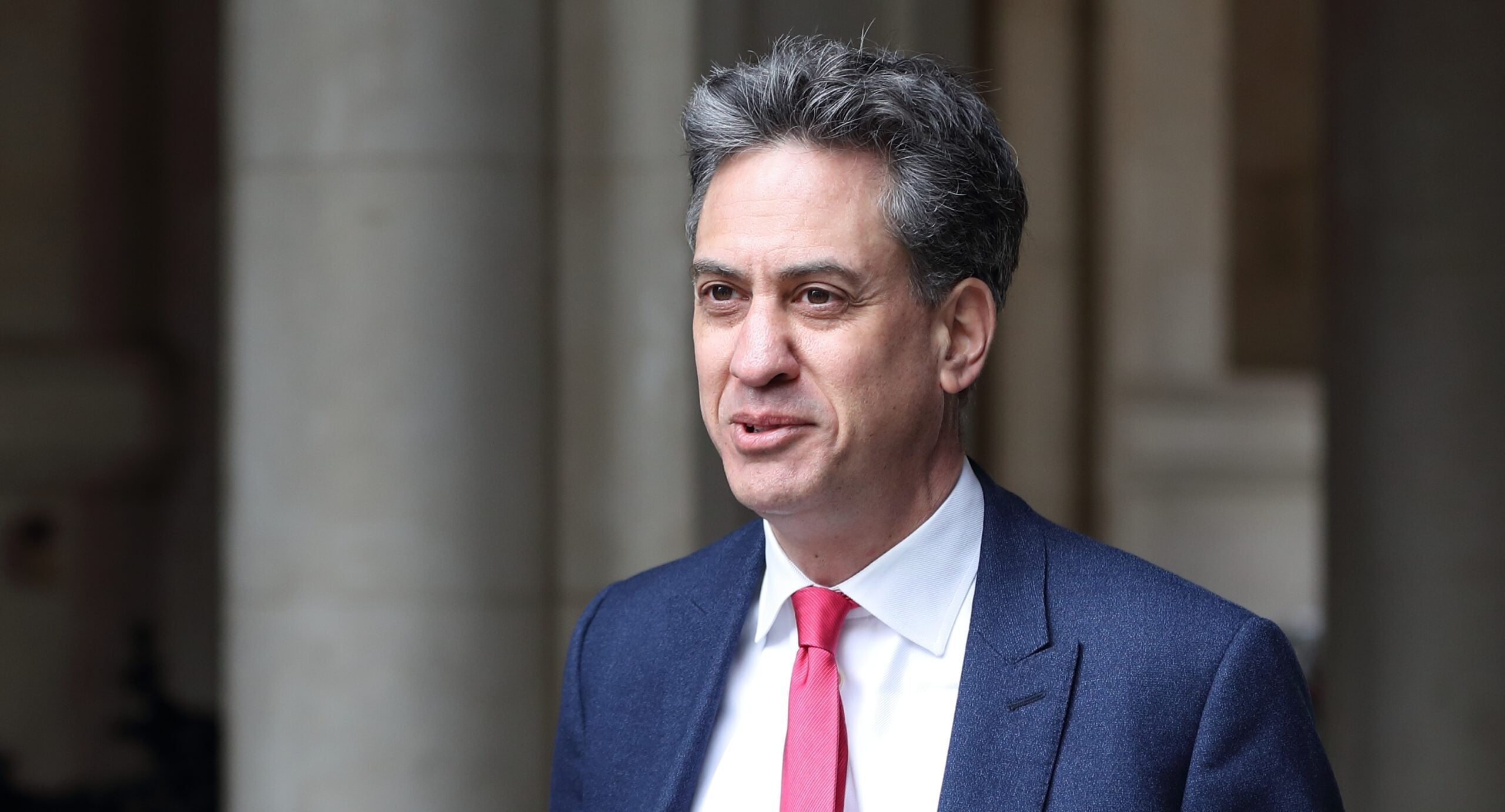
    Ed Miliband, British Foreign Secretary | Photo: Shutterstock

    Rabbi Mirvis argued: “Gesture politics of this kind fuels an increasingly hostile discourse toward Israel, and the cumulative impact of such punitive policies is to further empower those, at home and abroad, who weaponize hatred against Jews.” In response, Miliband claimed: “We all need to do more to fight antisemitism, but I believe we can do so while standing up for British values.”

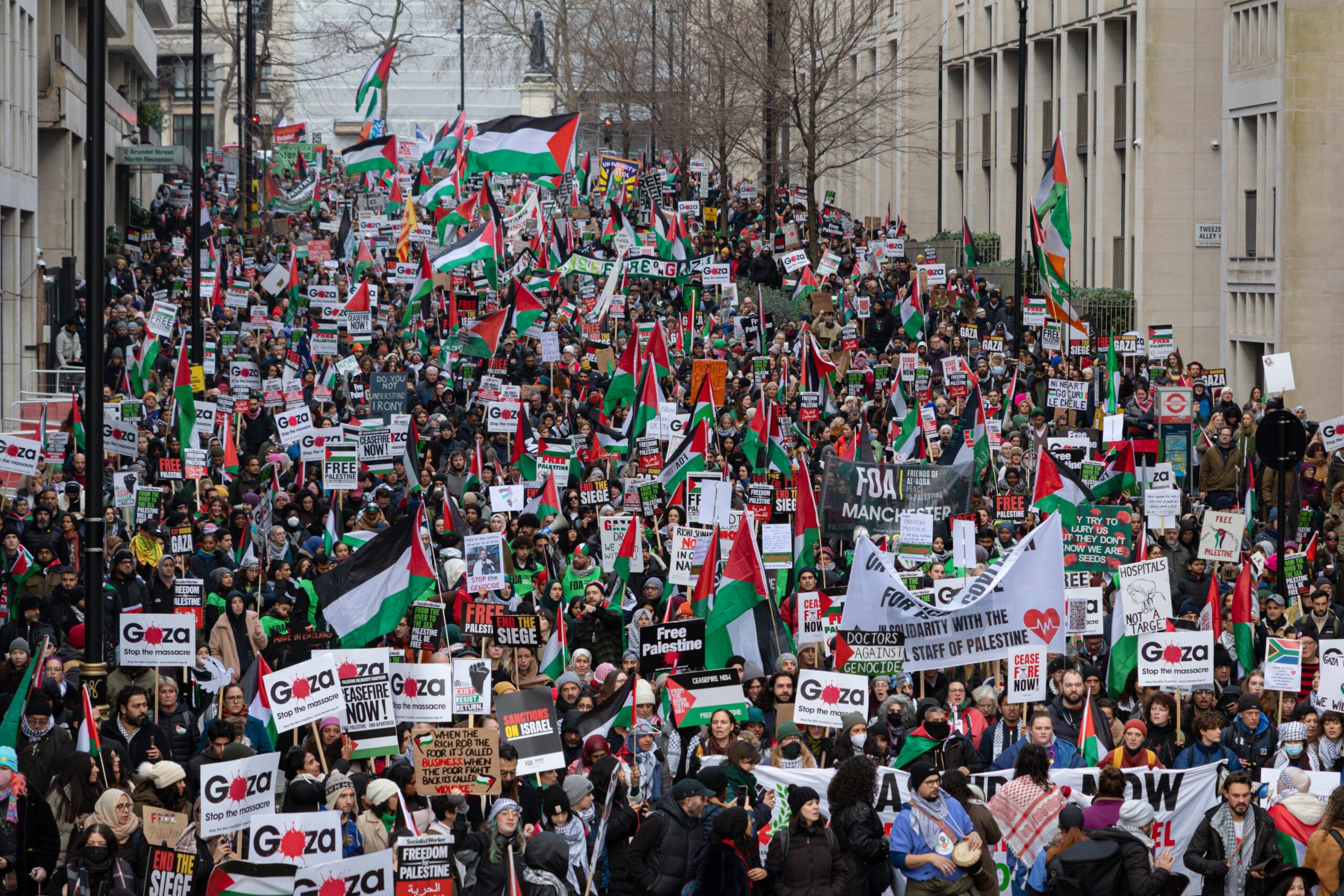
    The embargo on commercial trade with Jewish communities in Judea and Samaria comes amid an alarming escalation of antisemitic incidents across the United Kingdom. The Community Security Trust (CST), which coordinates security protection for the UK Jewish community, recorded 1,926 anti-Jewish hate incidents during the first half of 2026—a 21% surge compared to the corresponding timeframe in 2025.
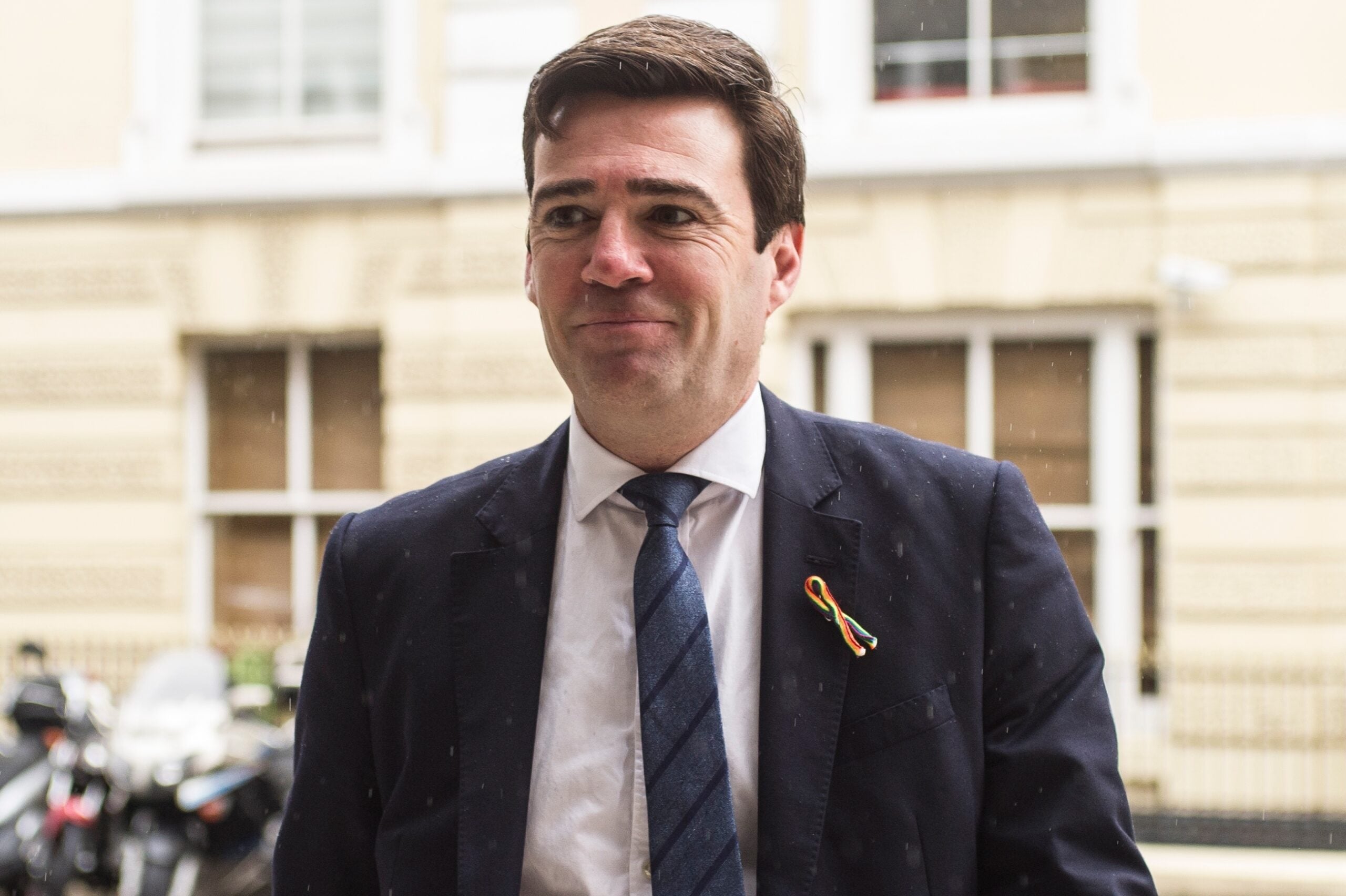
    Andy Burnham, British Prime Minister | Photo: Shutterstock

    British Prime Minister Andy Burnham defended his cabinet’s directive, telling lawmakers: “Britain needs to stand up for decency against injustice. Where people are driven from their homes… we will always stand with the vulnerable.” The “Palestinian” Authority openly celebrated London’s decision, branding it “an important step toward confronting Israel’s colonial system and its violations against the Palestinian people.”

    The decision sparked deep apprehension and fractured reactions within the Anglo-Jewish leadership. Alongside the Chief Rabbi’s stark warning, the Jewish Leadership Council (JLC) cautioned that the punitive mechanism “risks becoming a de facto boycott of Israel,” accusing Miliband of “capitulating to pressure from the most extreme factions in British society.” The Board of Deputies of British Jews likewise raised immediate alarms regarding communal security.
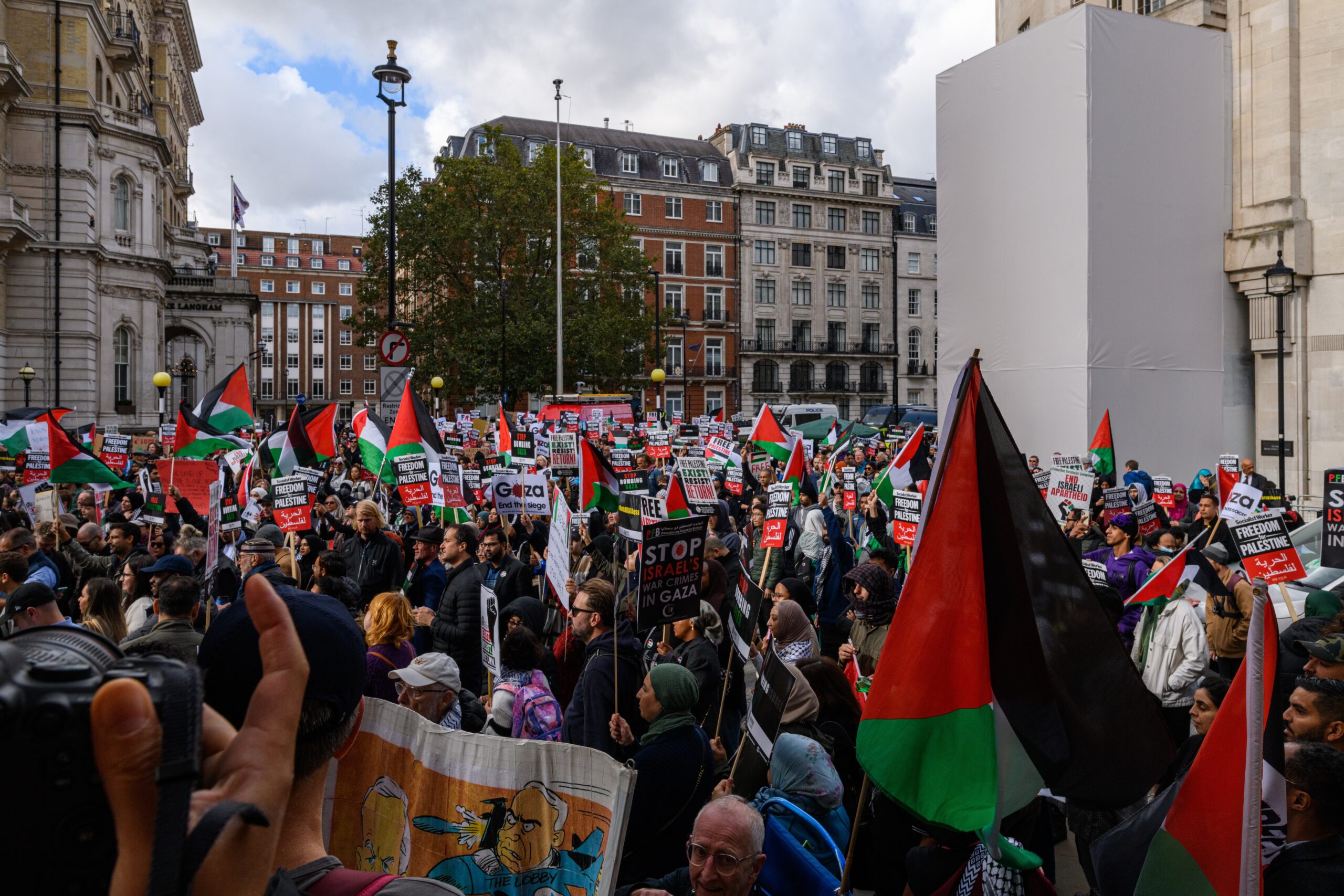
    Anti-Israel protests, archive | Photo: Shutterstock

    Conversely, the fringe group Na’amod, which describes itself as a movement of British Jews campaigning against the “Israeli occupation,” welcomed the measures: “There is no single Jewish stance on Israel. We reject the claim that the British government’s actions will fuel antisemitism.” Similarly, the Movement for Reform Judaism commented that while “the vulnerability of British Jews must not be ignored,” measures targeting Jewish communities in Judea and Samaria “are not equivalent to an assault on Jews.”

    The sanctions ignited an immediate diplomatic showdown with Jerusalem. In response, Israel shuttered the British Consulate in eastern Jerusalem and barred entry to 11 British MPs and one activist. Diaspora Affairs Minister Amichai Chikli further recommended that the Population and Immigration Authority ban entry to a roster of British-linked organizations and figures, including Oxfam, Save the Children, and Islamic Relief Worldwide.
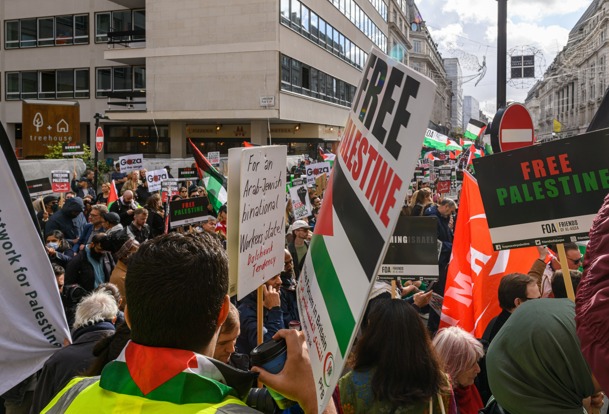
    Antisemitism in London, archive | Photo: Shutterstock

    Addressing Parliament, Miliband argued that a “new approach” was precipitated by Israel’s advancement of the E1 master plan—a development project he alleged would divide Judea and Samaria and sever it from eastern Jerusalem. Miliband further alleged that the UK recognizes “ethnic cleansing” in parts of Judea and Samaria, accusing “settler terrorists” of displacing “Palestinians” from land while charging that “far too often, the Israeli government has turned a blind eye.”

    The sanctions will penalize corporations and individuals providing construction and financing services to Jewish communities in Judea and Samaria. Additionally, the UK will ban promotional advertising for “illegal” communities. Miliband stated that full administrative rollout could take up to nine months. Canada and France have instituted corresponding bans on goods originating from Jewish communities in the area as part of coordinated maneuvers with allies.


  • Israel Demolishes 35 Illegal ‘Palestinian’ Structures

    Israel Demolishes 35 Illegal ‘Palestinian’ Structures

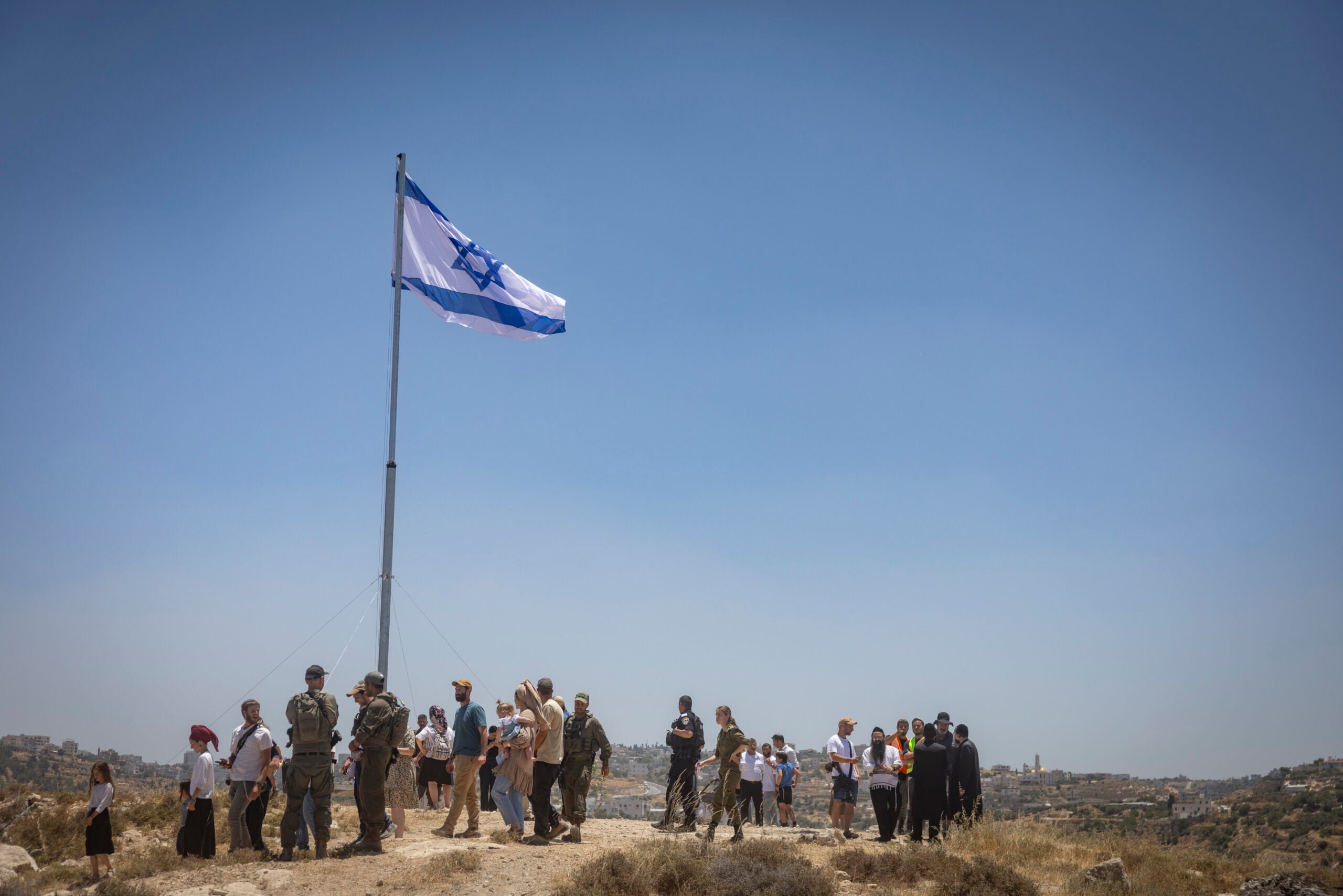
    The Civil Administration’s enforcement unit carried out a large-scale operation Wednesday in northern Samaria, demolishing 35 illegal ‘Palestinian’ structures built along access roads to new Jewish communities in the area.

    Photo: under section 27A

    Alongside the state demolitions, owners voluntarily dismantled an additional 10 large structures and greenhouses spanning roughly 50 dunams (approx. 12.3 acres). The cleared sites included commercial buildings, residences, plant nurseries, agricultural greenhouses, and other permanent structures.

    The enforcement operation was executed as part of the broader implementation of the government’s strategic decision to restore the Israeli presence to northern Samaria. The action focused on eliminating unauthorized building adjacent to key arterial roads servicing new Jewish communities, thereby securing transport corridors and consolidating territorial control across the region.

    Photo: under section 27A

    Finance Minister Bezalel Smotrich stated: “The demolition of illegal structures in northern Samaria is part of the comprehensive policy we are spearheading to dismantle unauthorized construction, establish a meaningful deterrence posture, and protect the Jewish communities of northern Samaria—the security belt of the State of Israel.”

    Smotrich added that the government is advancing a “firm and resolute doctrine” to bolster Jewish communities across the region, and thanked the oversight unit, the Civil Administration, for carrying out the operation.

  • UK Responds to Israeli Countermeasures: “We Expected This”

    UK Responds to Israeli Countermeasures: “We Expected This”

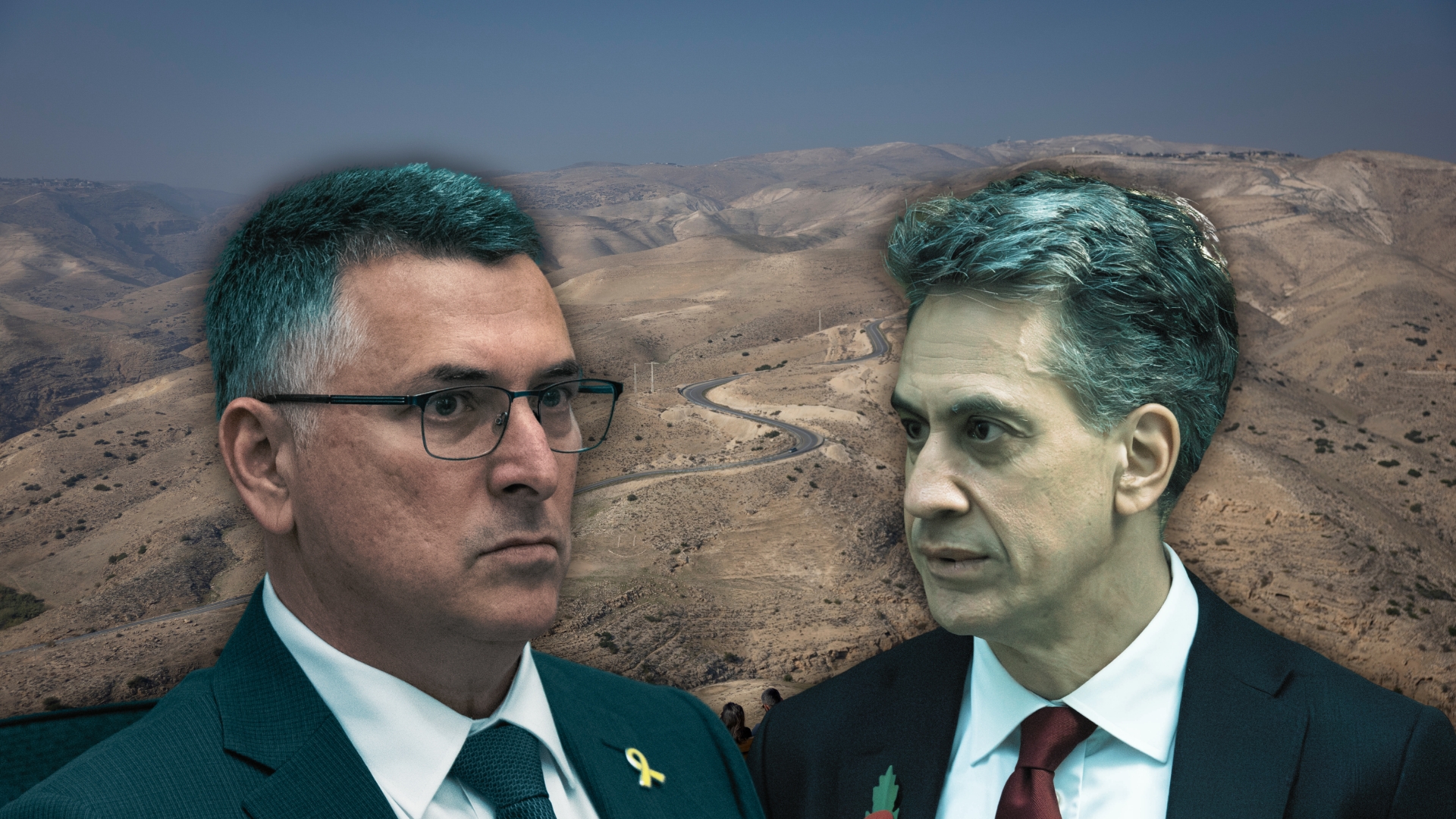
    British Foreign Secretary Ed Miliband responded Wednesday to countermeasures announced by Israeli Foreign Minister Gideon Sa’ar against the UK. The response came after Miliband announced sweeping sanctions targeting Israel.

    Ed Miliband with a representative of the Jewish Party | Photo: Shutterstock

    In an interview with Sky News, Miliband was asked whether Sa’ar’s measures would have significant consequences. “It will be damaging, but we weighed the costs against the benefits,” he said. The British minister added that he would have preferred Israel not to announce countermeasures, but maintained: “I believe what we did is the right thing.”

    The British government sharply escalated its anti-Israel stance, launching an international front against the Jewish state. Miliband announced earlier Wednesday in Parliament a ban on imports and a new sanctions regime targeting companies and individuals providing services to building Jewish communities.

    Chose to respond to Britain. Foreign Minister Saar | Photo: Jonathan Sindel, Flash 90

    In doing so, the British minister equated Judea and Samaria with Iran and Hezbollah—both also subject to UK sanctions. A string of countries joined the move, including France, Canada, Denmark, Finland, Iceland, Ireland, Norway, Poland, Portugal, Spain, and Sweden. The British initiative is thus transforming from a unilateral step into an attempt to build an international front applying economic pressure on Israel.

    In response, Foreign Minister Sa’ar announced: the closure of the British consulate in Jerusalem, the removal of British representatives from the headquarters in Kiryat Gat, the termination of British activity training PA ‘forces’ in Ramallah, and barring entry to Israel of 12 British public officials involved in Jew-hate and anti-Israel activity—who believe Israel shouldn’t exist.

  • IDF investigator slams top brass over Oct. 7 failures

    IDF investigator slams top brass over Oct. 7 failures

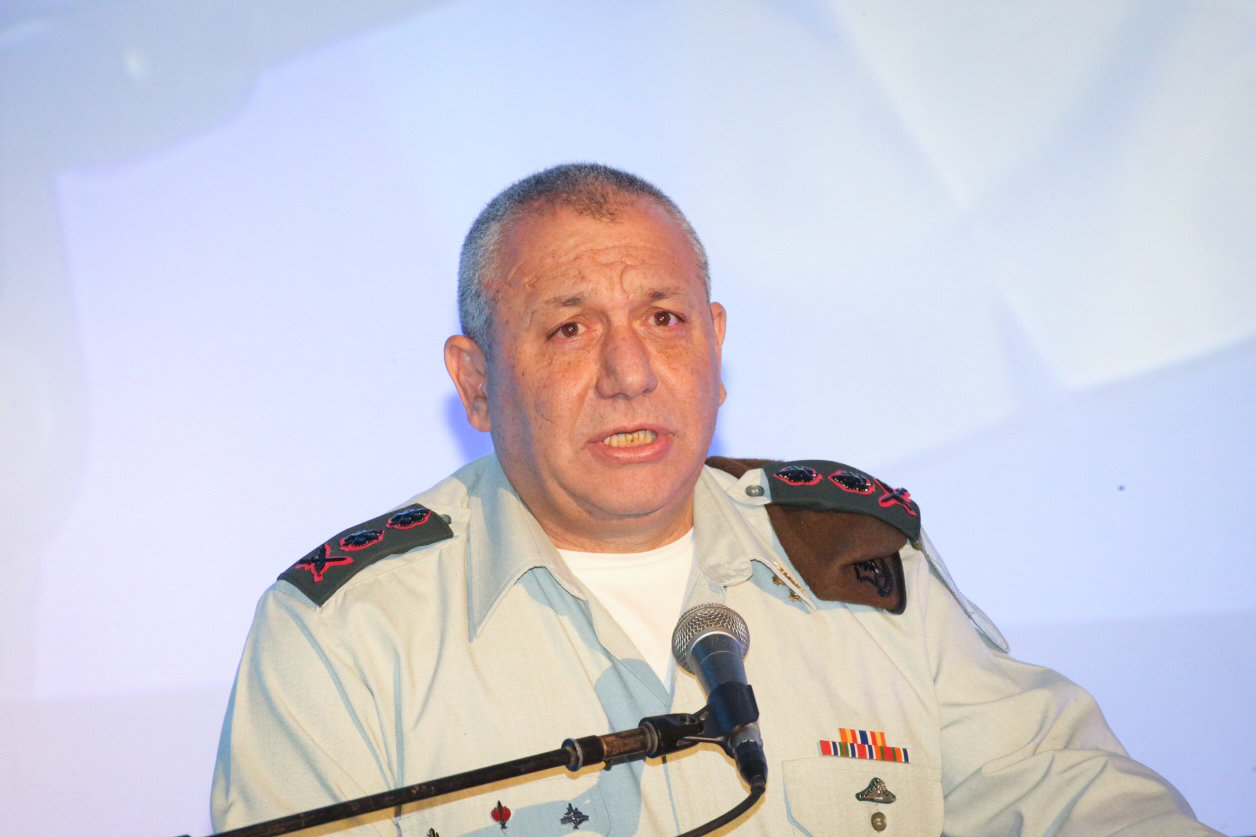
    Against the backdrop of a report in Haaretz alleging that Prime Minister Benjamin Netanyahu received a warning from the President of the United Arab Emirates days before the October 7 massacre, Brig. Gen. (res.) Oren Solomon, who investigated the operational events inside the IDF, launched a fierce counterattack against what he termed an “influence campaign” aimed at deflecting public scrutiny from the responsibility borne by senior military commanders.

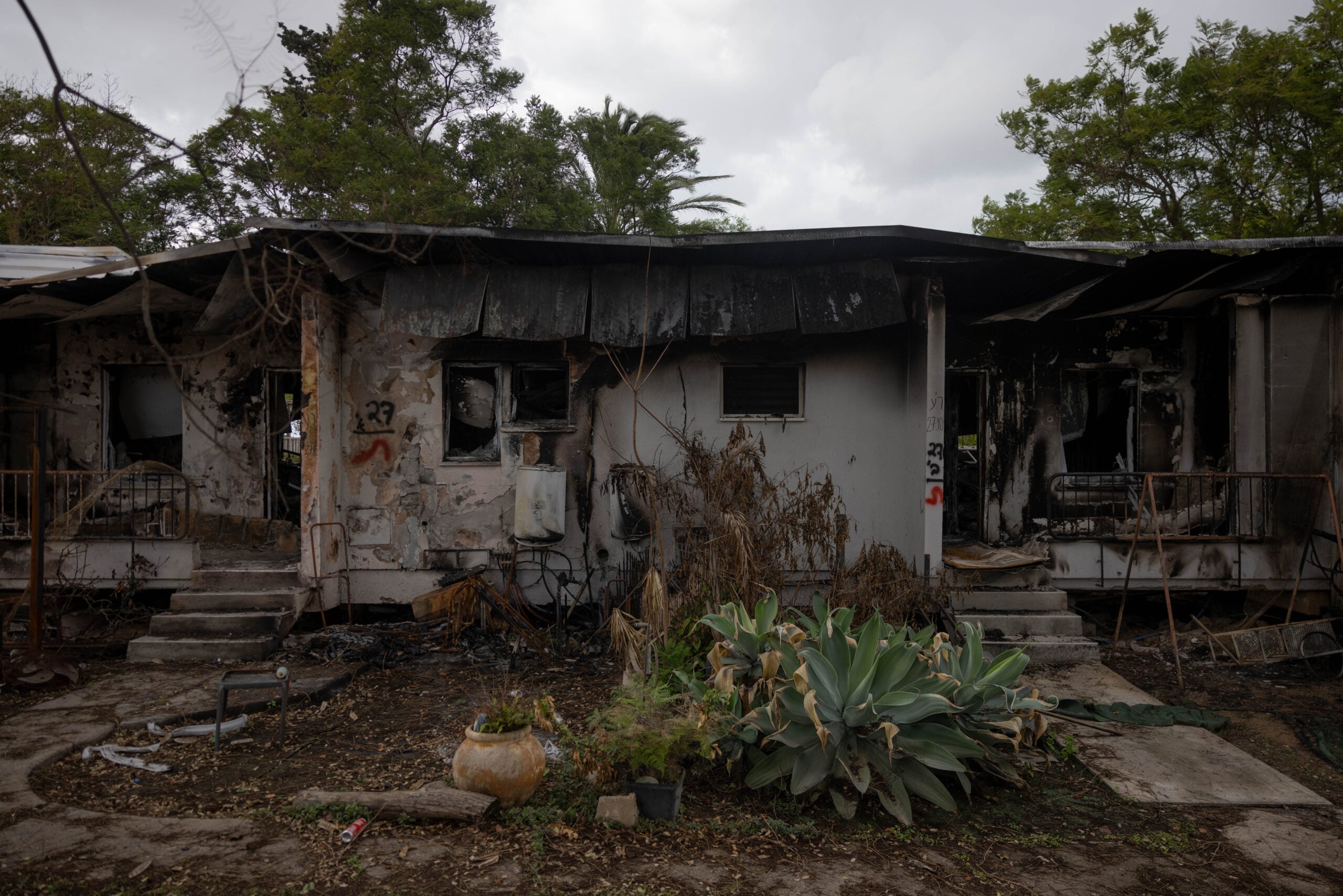
    Destruction in Kibbutz Kissufim after the massacre | Photo: Flash90

    The Prime Minister’s Office categorically denied the report, calling it an “absolute falsehood” and emphasizing that Netanyahu did not speak with the UAE president during that period or receive any warning.

    “We are witnessing an influence campaign orchestrated by the ‘Blue Team’ [the defense establishment],” Solomon asserted. According to him, rather than scrutinizing the performance of the high command during the onslaught, the public debate is intentionally diverted into whether the prime minister spoke with the Chief of Staff on the morning of the massacre: “This immense catastrophe has a name, an address, a military ID number, commanders, and responsible parties.”

    Photo: Flash90

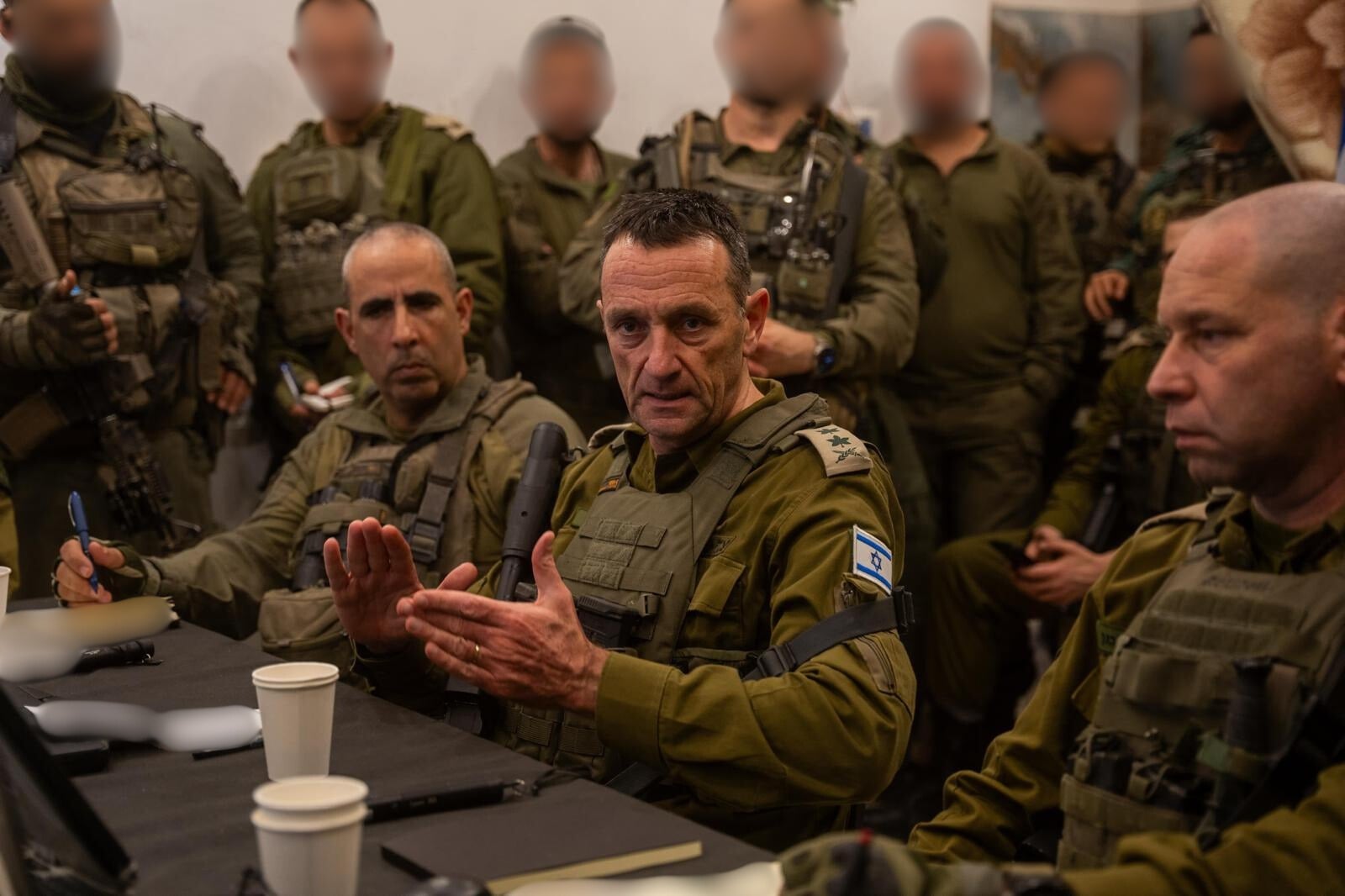
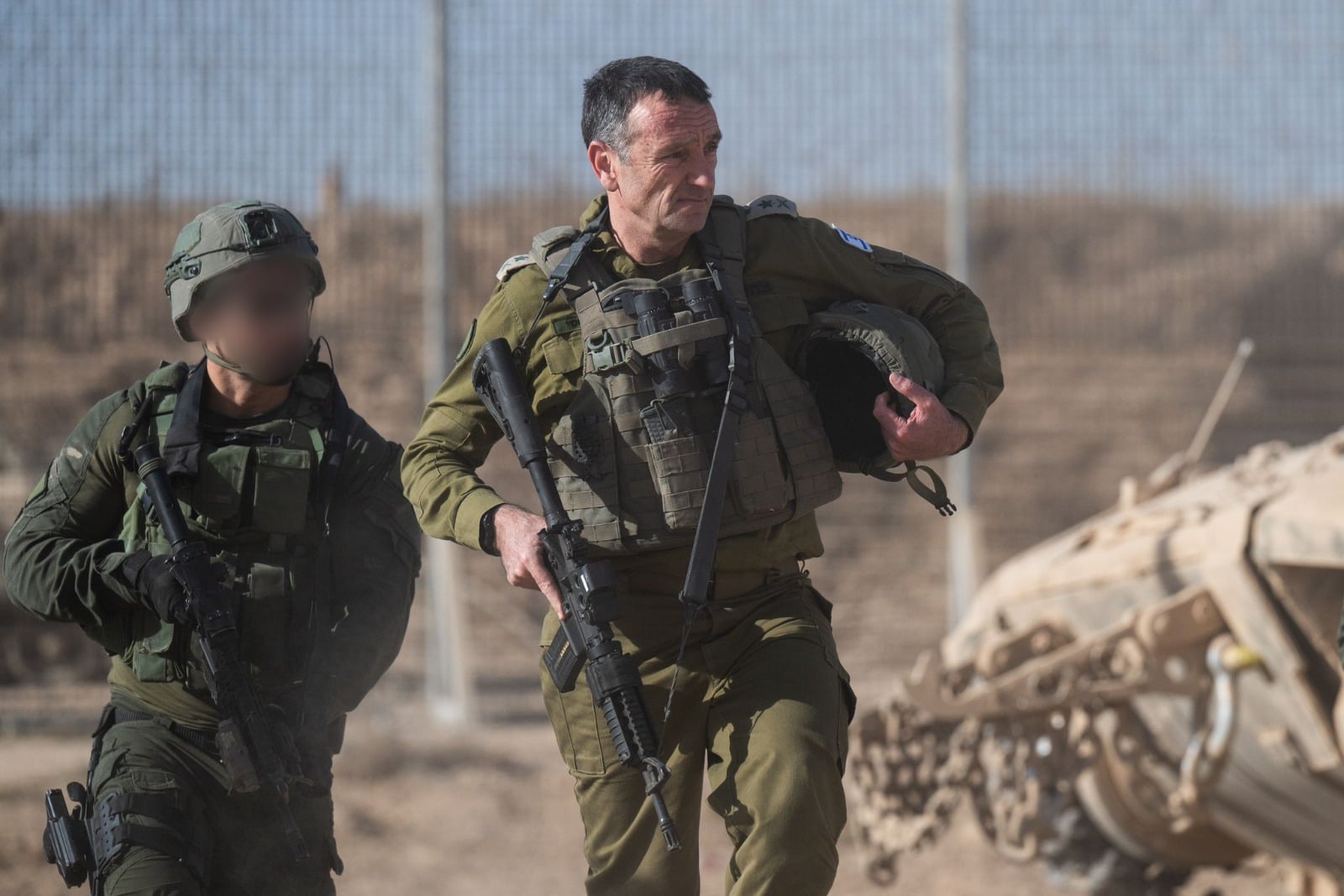
    Solomon said that during his operational probe, he discovered that then-Chief of Staff Lt. Gen. Herzi Halevi did not phone the commander of the Gaza Division once during all of October 7. “I asked the division commander: ‘Tell me, did the Chief of Staff speak with you throughout that entire day?’ He didn’t pick up the phone to him even once,” Solomon recounted.

    According to Solomon, the first conversation between the two occurred only on Saturday night after the Sabbath had ended. Even then, he claimed, Halevi’s opening question ignored the magnitude of the slaughter unfolding across the border communities: “He asked him: ‘What’s happening with Radio Chazak?’—referring to some offensive tunnel. Not a word about the overarching event, not a word about what was happening on the ground.”

    “Oded Basyuk Vanished”

    Solomon leveled equally severe accusations at the Head of the IDF Operations Directorate during the massacre, Maj. Gen. Oded Basyuk. He noted that although Basyuk served as “the military’s number two in force employment,” his name is virtually absent from public discourse regarding the operational failures.

    Photo: Yossi Zamir, Flash90

    “He appears in every General Staff photograph and every cabinet briefing because he is the IDF’s number two in operational planning and force employment—yet he vanished,” Solomon said. According to him, Basyuk likewise failed to communicate with the Gaza Division commander throughout that fateful day.

    Solomon argued that the breakdown in command and control was pervasive, claiming the Head of Southern Command and the regional command headquarters also failed to maintain continuous contact with the Gaza Division in the critical hours: “Did Southern Command headquarters speak by phone with the division headquarters until midday? The answer is no.”

    “90% of the Situation Picture Was in the Systems—The Chief of Staff Didn’t Open Them”

    Solomon recounted that his investigation focused closely on the first six hours of the invasion, starting at 06:29, reviewing operational situational assessments, command decisions, and information flows between headquarters. He described the findings as “not merely shaking—utterly shocking,” illustrating systemic dysfunction across the General Staff, the Operations Directorate, and Southern Command.

    Photo: IDF Spokesperson’s Unit

    He stated that roughly 90% of the operational picture during the first four hours was transmitted in real time across the IDF’s “Massuah” digital command-and-control network. Despite this, he claimed the Chief of Staff never consulted it: “To this day, I have the system screen captures. All you had to do was open them. And what became clear? The Chief of Staff never opened them.”

    Solomon summed up the conduct in scathing terms: “Unprofessionalism, total dysfunction. There are things here that border on criminal negligence.”

    “They Tried to Claim the Division Didn’t Explain—The Investigation Bursts the Bubble”

    Following the massacre, Solomon alleged, figures within the IDF high command sought to manufacture a self-serving narrative suggesting that while the General Staff functioned properly, field echelons failed to communicate the situational picture and repel the terrorists.

    Photo: IDF Spokesperson’s Unit

    “That is precisely what they attempted to lead all along: ‘We operated well; the division didn’t explain the situation to you, ‘ ” he stated. Solomon maintained that the operational data he compiled flatly refutes that claim, proving that a clear situational picture was readily available to the high command—yet went unutilized.

    “That is precisely why my investigation unnerves them,” Solomon concluded. “It bursts the great balloon claiming: ‘We in the General Staff performed as required; from the moment the invasion began, we did everything, and those down below simply failed to stop them.’”

  • Artists boycott Lisbon comedy fest over Jerry Seinfeld

    Artists boycott Lisbon comedy fest over Jerry Seinfeld

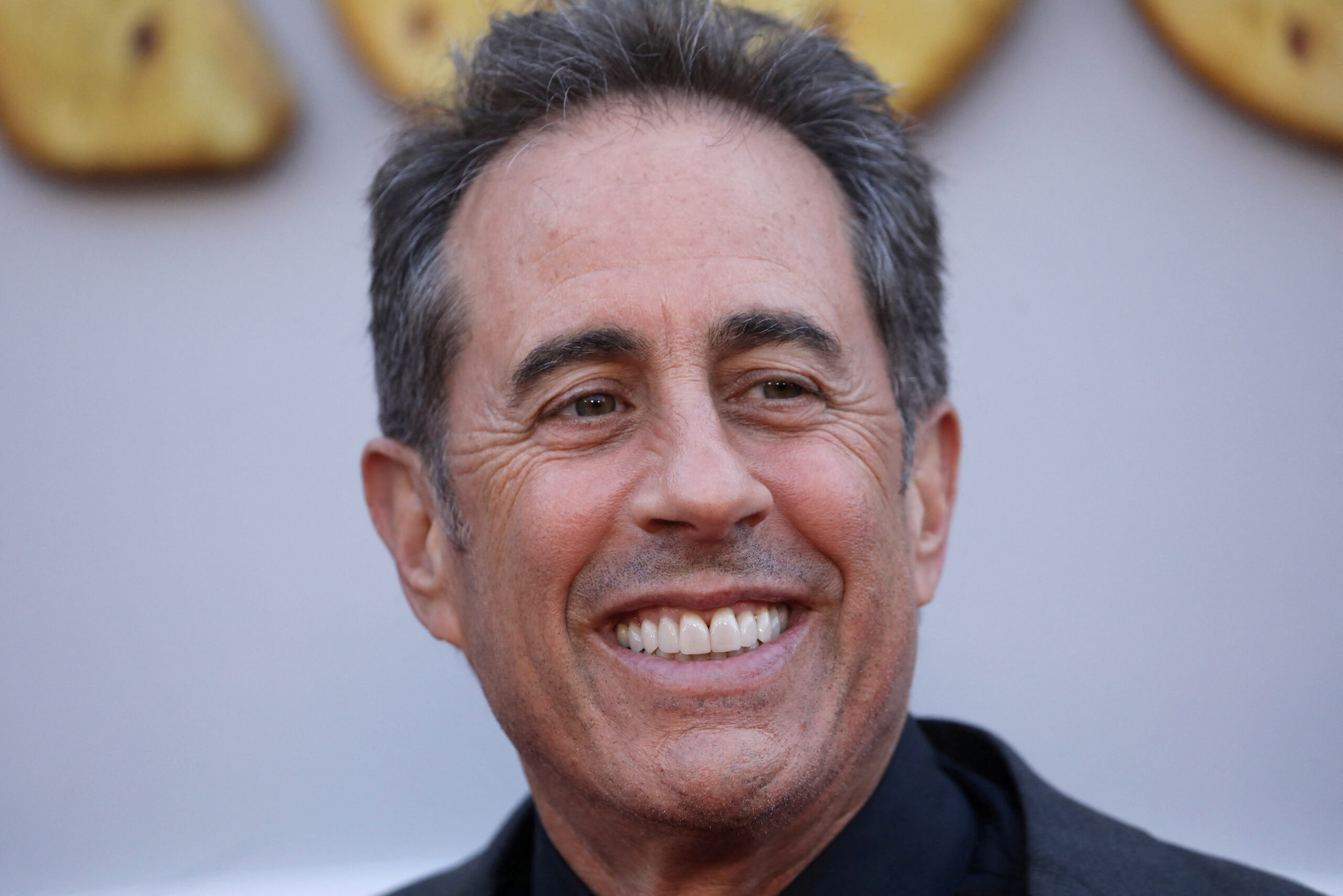
    American comedian Jerry Seinfeld was selected to headline the inaugural Lisbon International Humor Festival, scheduled to take place between October 29 and November 1. However, the announcement of the legendary Jewish-American comic’s participation triggered intense outrage among several local performers slated to appear, leading to a wave of official cancellations.

    Jerry Seinfeld | Photo: Shutterstock

    Portuguese actress and comedian Inês Aires Pereira signaled that her decision to pull her show from the lineup stemmed from “one of the names” who “insistently defends ideas and actions that I consider indefensible”. In a post published across social media, she wrote: “We cannot relativize or normalize a genocide”. While several withdrawing acts refrained from elaborating, others offered vague explanations, writing: “We will celebrate justice, freedom, and joy with you on another occasion”.

    Just last year, Seinfeld faced sharp condemnation from anti-Israel activists following remarks at a Duke University event: “Just say you don’t like Jews. When you say ‘Free ‘Palestine’,’ you’re not admitting what you really think. So actually, compared to the Ku Klux Klan, I’m thinking the Klan is actually a little better here because they can come right out and say, ‘We don’t like Blacks, we don’t like Jews.’ OK, that’s honest.”

    Jerry Seinfeld in performance | Photo: Miriam Alster, Flash90

    Seinfeld has consistently and unapologetically demonstrated public support for Israel amid the ongoing war in Gaza. Just a few months ago, following the NBA Finals, the comedian found himself at the center of a verbal altercation with an antisemitic agitator amid street celebrations outside the arena. As Seinfeld exited the venue and encountered crowds of fans, a passerby noticed the veteran star and sought to ambush him on camera.

    The individual confronted Seinfeld directly, demanding that he publicly recite the political slogan “Free Palestine” to get a viral clip for social media. Seinfeld’s reaction was swift, resolute, and devoid of the evasive rhetoric often favored by Hollywood celebrities. Rather than walking away, the comedian locked eyes and replied coolly, “It doesn’t even exist.” The blunt, immediate response left the activist stunned and spread across social media within minutes.

    The incident is part of a consistent pattern of public, unwavering solidarity displayed by Seinfeld toward the State of Israel since the outbreak of hostilities, which includes solidarity visits to Israel and emotional meetings with families of hostages held in Gaza. While entertainment industry figures often adopt calculated ambiguity on geopolitical matters to protect their careers, Seinfeld has repeatedly shown no hesitation in taking an unapologetic stance, even when targeted in public ambushes.

  • PISA Results Spark Firestorm Over Israeli Education System

    PISA Results Spark Firestorm Over Israeli Education System

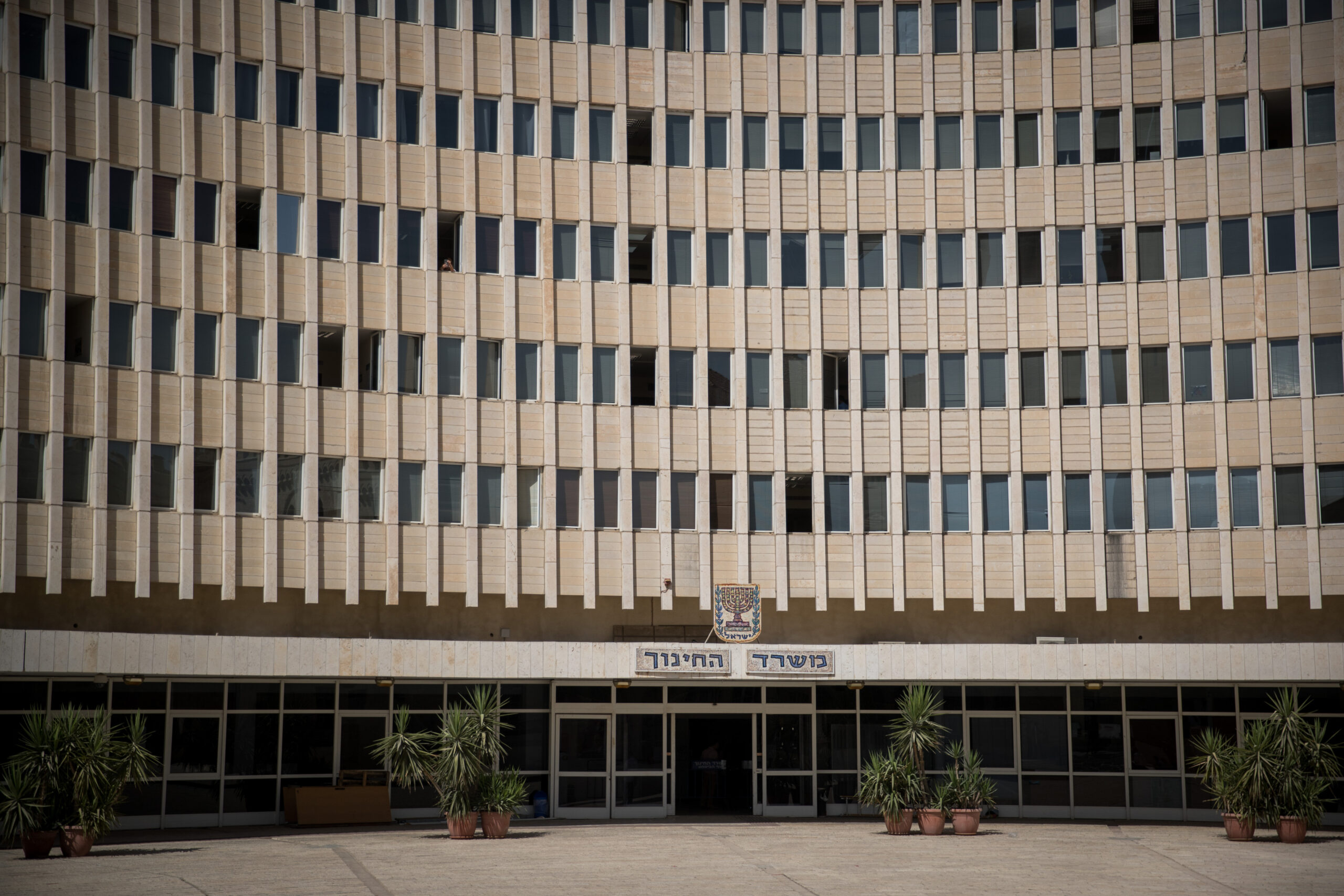
    The release of the latest Program for International Student Assessment (PISA) exam results continues to send shockwaves through Israel’s education landscape, revealing a stark disconnect between Education Minister Yoav Kisch—who champions the data as evidence of institutional grit during wartime—and national student and parent representatives, who warn of an escalating emergency requiring structural overhaul.

    שר החינוך, יואב קיש |
    Education Minister Yoav Kisch | Photo: Yonatan Sindel, Flash90

    Addressing parents and pupils, Education Minister Yoav Kisch maintained that the metrics reflect remarkable endurance under unprecedented national hardship: “These scores teach me one straightforward thing—the Israeli home front and our education system demonstrated extraordinary resilience in a time of war. I am immensely proud of you, our dear students and teaching staff.”

    Kisch criticized media framing of the findings, claiming parts of the press were actively politicizing the data: “I know that certain media outlets are attempting to craft an alternate narrative for obvious political motives. But let’s look at the facts.”

    The Education Minister points to resilience | Photo: Chaim Goldberg, Flash90

    According to the minister, the dataset must be evaluated strictly through the operational backdrop in which the testing occurred: “The exams were administered in March 2025, at the height of the war. Northern residents were displaced from their homes, hostages were still held captive in Gaza, countless parents and educators were serving extended reserve duty tours, consecutive nights of rocket sirens rattled the entire country, and we were effectively living under full-scale wartime conditions.”

    Kisch underscored that despite the extreme turbulence, Israel broadly preserved its international standing compared to its 2018 performance. He pointed to observations by OECD Director for Education and Skills Andreas Schleicher, who noted that the outcomes correspond directly to the severe disruption Israel’s school system experienced and expressed surprise at how well Israel maintained its global baseline relative to peers.

    “The challenges are clear” | Photo: Oren Ben Hakoon, Flash90

    “It is obvious to me that the war impacted performance; the operational challenges are undeniable,” Kisch added, noting that the ministry has already initiated its “Realistic Israel” reform agenda, with gains projected to register in upcoming testing cycles. “Don’t let anyone distort reality. Every single one of you is a hero who accomplished the unbelievable during an extraordinarily demanding period.”

    Conversely, the National Parents Leadership offered a significantly more alarming assessment: “Regrettably, we are not surprised. Over the past six years, Israeli children have endured COVID-19 lockdowns, quarantines, military operations, October 7, and protracted wars—suffering an erosion of academic, social, and emotional continuity that inevitably leaves deep scars.”

    Parent representatives argued that while severe national circumstances contextualize part of the decline, they do not absolve the ministry: “These are not merely disappointing test scores; this is a true siren sounding for the entire education system. The decline in achievement among Israeli students is dramatic, and the reality that nearly one in three students—29%—fails to meet baseline proficiency across reading, mathematics, and science combined should keep every decision-maker awake at night.”

    “Circumstances do not absolve the ministry of responsibility” | Photo: Yonatan Sindel, Flash90

    The parents’ group called for an immediate national plan with dedicated milestones, designated budgets, and firm timetables to close academic gaps: “The PISA exams are not the problem; they are the mirror. Rather than arguing with the mirror, it is time to address what is reflected in it.”

    Illustration | Photo: Shutterstock

    The National Student and Youth Council responded with equal urgency, demanding that educational policy become a central issue in the upcoming Knesset elections: “In the upcoming election, we vote education. The PISA results are our national wake-up call.

    Youth leadership emphasized that the systemic breakdown transcends raw test metrics, citing survey findings that 37% of Israeli students feel school is a waste of time, while only 60% feel their teachers demonstrate active interest in their individual learning: “It is abundantly clear that this crisis extends far beyond subject matter knowledge; it touches our fundamental connection to schooling and learning. The takeaway cannot simply be more material, more tests, and a frantic race after grades.”

    School, illustration | Photo: Canva

    Looking ahead to the national vote, student representatives urged political candidates to present practical policy roadmaps rather than campaign slogans: “The challenge confronting the education system is not merely getting us to know more, but inspiring us to want to succeed and stay engaged within the system.”

  • Ben Gvir and Huckabee meet at U.S. 250th event in Israel

    Ben Gvir and Huckabee meet at U.S. 250th event in Israel

    National Security Minister Itamar Ben Gvir and United States Ambassador to Israel Mike Huckabee attended an official reception on Tuesday evening celebrating the United States Semiquincentennial (250th anniversary of independence), hosted by the U.S. Embassy in Israel.

    Footage from the event showed the two together just months after an extraordinary and highly publicized public dispute, during which the American envoy leveled harsh personal criticism at the National Security Minister’s conduct.

    Ben Gvir | Photo: Yonatan Sindel, Flash90

    The diplomatic spat erupted in May following the arrival in Israel of foreign activists who had taken part in an unauthorized maritime flotilla toward the Gaza Strip. After Ben Gvir released footage showing him personally confronting the intercepted activists, Huckabee issued a scathing public condemnation of the minister.

    While the ambassador criticized the flotilla itself, he spared no words regarding Ben Gvir’s actions. Huckabee claimed at the time that the minister had “betrayed the honor of his people” and branded his conduct “despicable”—an exceptionally sharp rebuke from a sitting United States ambassador toward a senior Israeli cabinet minister.

    Photo: Channel 14 News

    Ben Gvir fired back forcefully at the time, defending his actions. The public exchange drew widespread international and domestic attention, not least because Huckabee has long been regarded as one of the staunchest champions of Israel and the Jewish communities of Judea and Samaria within American political life.

    Now, months after the heated rhetorical clash, the two met on cordial terms at the official gala organized by the U.S. Embassy marking 250 years of American independence.

  • Inside Israel’s Massive Counter-Terror Sweep Near Jerusalem

    Inside Israel’s Massive Counter-Terror Sweep Near Jerusalem

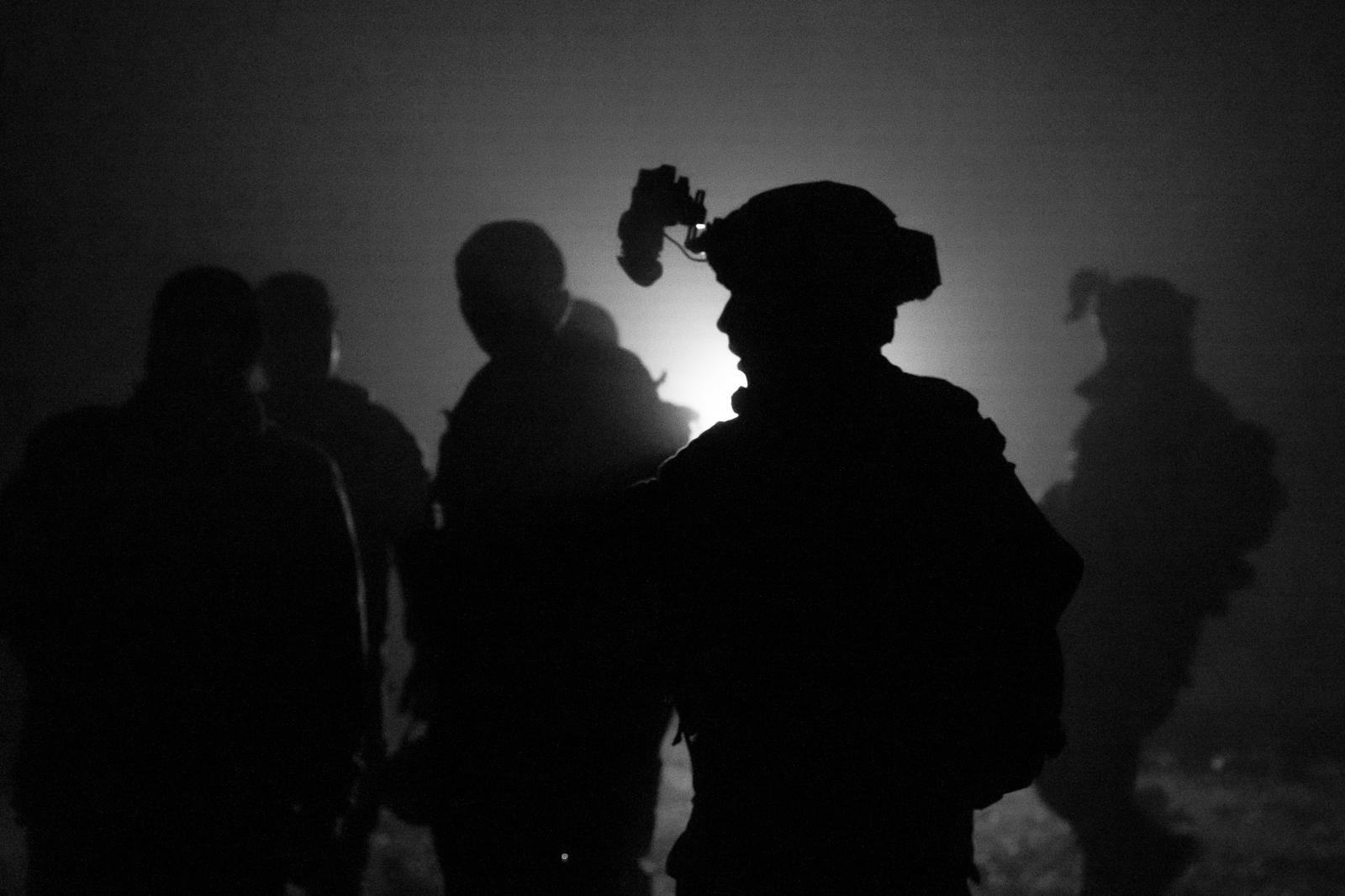
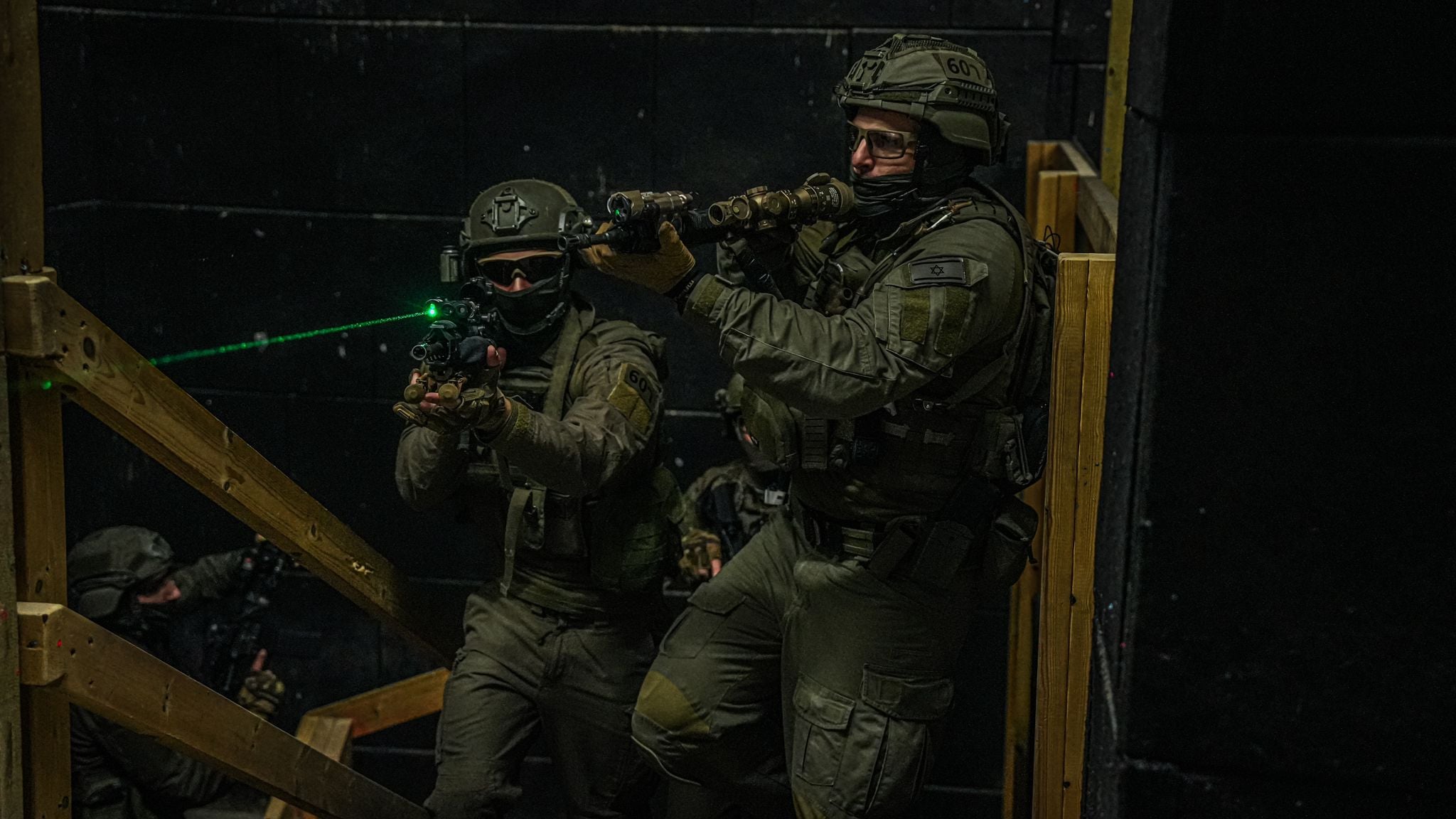
    Exclusive operational footage revealed Tuesday evening showcases tactical operatives from the elite “HaGideonim” undercover unit leading Operation “Combined Punch”—a sweeping offensive aimed at neutralizing active terrorist infrastructure embedded inside Anata and the Shuafat refugee camp, two hostile terror focal points situated minutes from Jerusalem.

    Photo: Police Spokesperson’s Unit

    HaGideonim is not an ordinary military unit; they are the breach-point operatives who infiltrate first—undercover, seamlessly assimilating into the urban surroundings and lying in wait for the operational green light. Once hundreds of Border Police officers and IDF combat soldiers, acting on precise Shin Bet (ISA) intelligence, locked down the outer perimeter, the launch signal was issued, and the unit mobilized into kinetic action.

    A designated list of 117 high-value targets was locked in the crosshairs, the majority identified by the Shin Bet as operatives affiliated with the Hamas terrorist organization. Driving the operation was alarming tactical intelligence pointing to active plots by local terrorists to execute attacks against Israelis during the upcoming High Holidays. The defense establishment resolved not to wait to interdict attacks in transit, opting instead to strike the planners long before execution.

    Photo: IDF Spokesperson’s Unit

    Moving alley by alley, compound by compound, tactical assault teams executed targeted breaches into the homes of wanted suspects, sweeping compounds for concealed weaponry and hunting down terror targets. The joint operation is commanded in unified coordination by the Commander of the Jerusalem Envelope Border Police, Assistant Commissioner Eran Levi, alongside the Commander of the Binyamin Regional Brigade, Col. Anan Fares—Border Police, the IDF, and the Shin Bet acting as a single fist striking both terrorist hubs concurrently.

    The campaign is set to expand across designated targets: at least 117 profiled operatives, dozens of targeted raids, and a single relentless race against time to capture the terrorists before they can strike.

  • Judea, Samaria Leaders Slam UK Sanctions: ‘Mandate Is Over’

    Judea, Samaria Leaders Slam UK Sanctions: ‘Mandate Is Over’

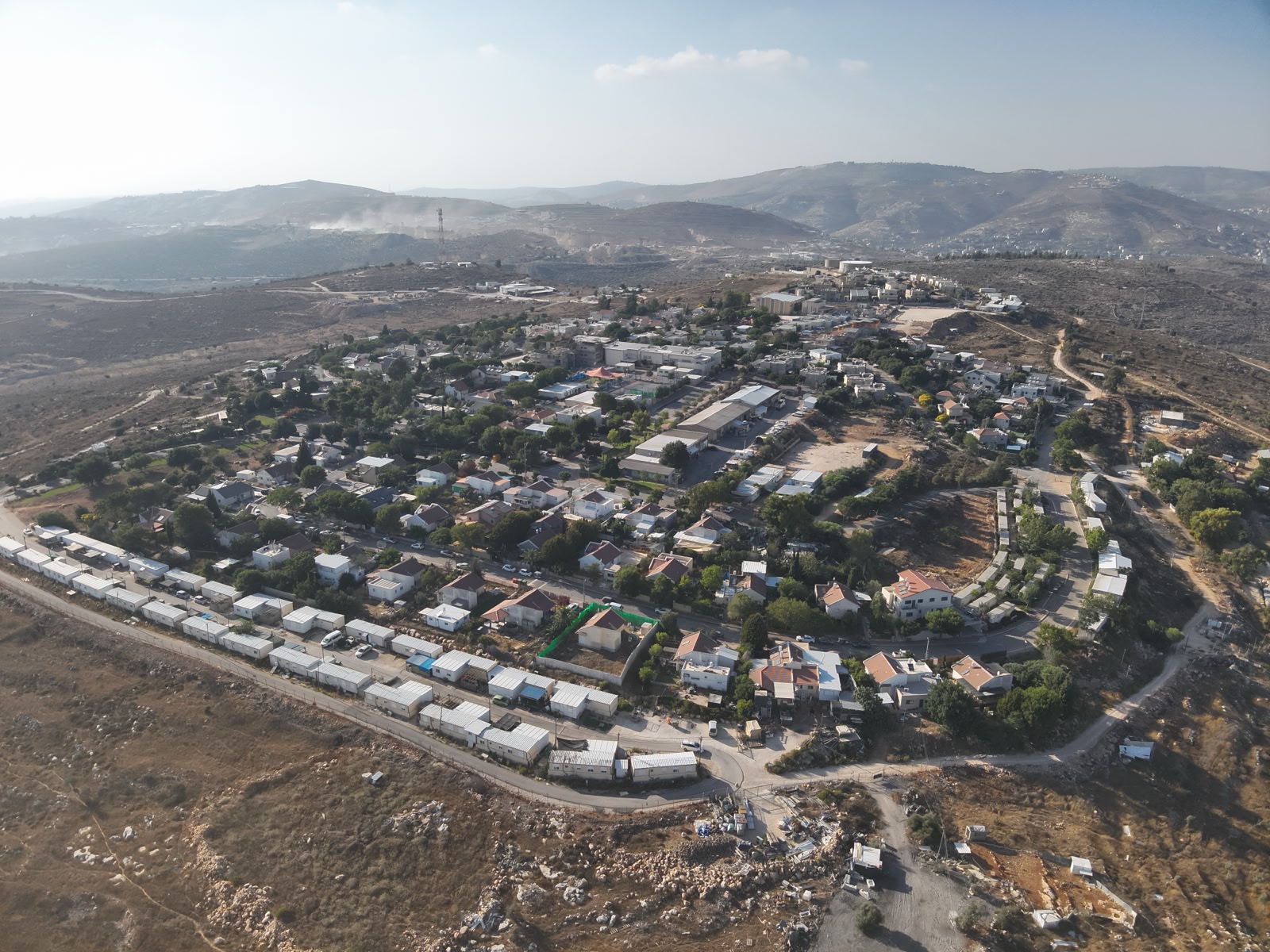
    Outrage erupted Tuesday across Judea and Samaria following Britain’s decision, alongside several other countries, to advance trade restrictions on products from the region. Regavim and local authorities in Judea and Samaria accused the government in London of blatant interference in Israeli sovereignty, calling on the Israeli government to respond with firm measures and further strengthen Jewish communities throughout the area.

    The Settlement | Photo: Haim Goldberg, Flash 90

    Regavim sharply condemned the move, saying that rather than confronting its own internal decline and chaos in its streets, Britain was attempting to interfere in Israeli sovereignty, while reminding London that the days of the White Paper are long over. The organization said Britain’s announcement continues what it described as nearly a century of hostile and antisemitic policy, recalling Britain’s restrictions on Jewish immigration to the Land of Israel on the eve of World War II.

    Regavim also criticized longstanding British funding for ‘Palestinian’ activity in Judea and Samaria and demanded that the Israeli government immediately halt what it described as aggressive foreign interference in the homeland. Efrat Council head Col. (res.) Dovi Shefler said the British Mandate ended in May 1948, but that some in London apparently still have not internalized that fact. He noted that even then, the British government placed obstacles before the Jewish community while Arab terrorism raged.

    British Foreign Secretary Ed Miliband | Screenshot

    Shefler stressed that the residents of Efrat and Judea and Samaria do not need permission from the British government to live, build and develop their homes in their own country. He said boycotts and sanctions would not weaken the communities, but instead serve as another reminder of the importance of continuing to strengthen them. The Efrat Council head called on the Israeli government to respond by urgently passing a decision returning the Solomon’s Pools heritage site to full Israeli control, which he said would correct a historic injustice created by the Oslo Accords.

    Binyamin Regional Council head and Yesha Council chairman Israel Ganz described Britain’s decision as a “disgraceful antisemitic step,” stressing that the days when London could determine where Jews were permitted to live in the Land of Israel were over and would not return. Ganz accused Britain of assembling a coalition of pro-‘Palestinian’ countries to wage an “economic war” against Jews in Binyamin and across Judea and Samaria. He called for any financial damage caused to Israel and its citizens to be deducted and confiscated from funds belonging to the ‘Palestinian’ Authority. Ganz concluded that attempts to harm Jewish communities would fail, declaring that every such move should be met with more construction, more communities and the application of Israeli sovereignty.

  • Winter: IDF Fabricated Data Under Eisenkot to Avoid Gaza Op

    Winter: IDF Fabricated Data Under Eisenkot to Avoid Gaza Op

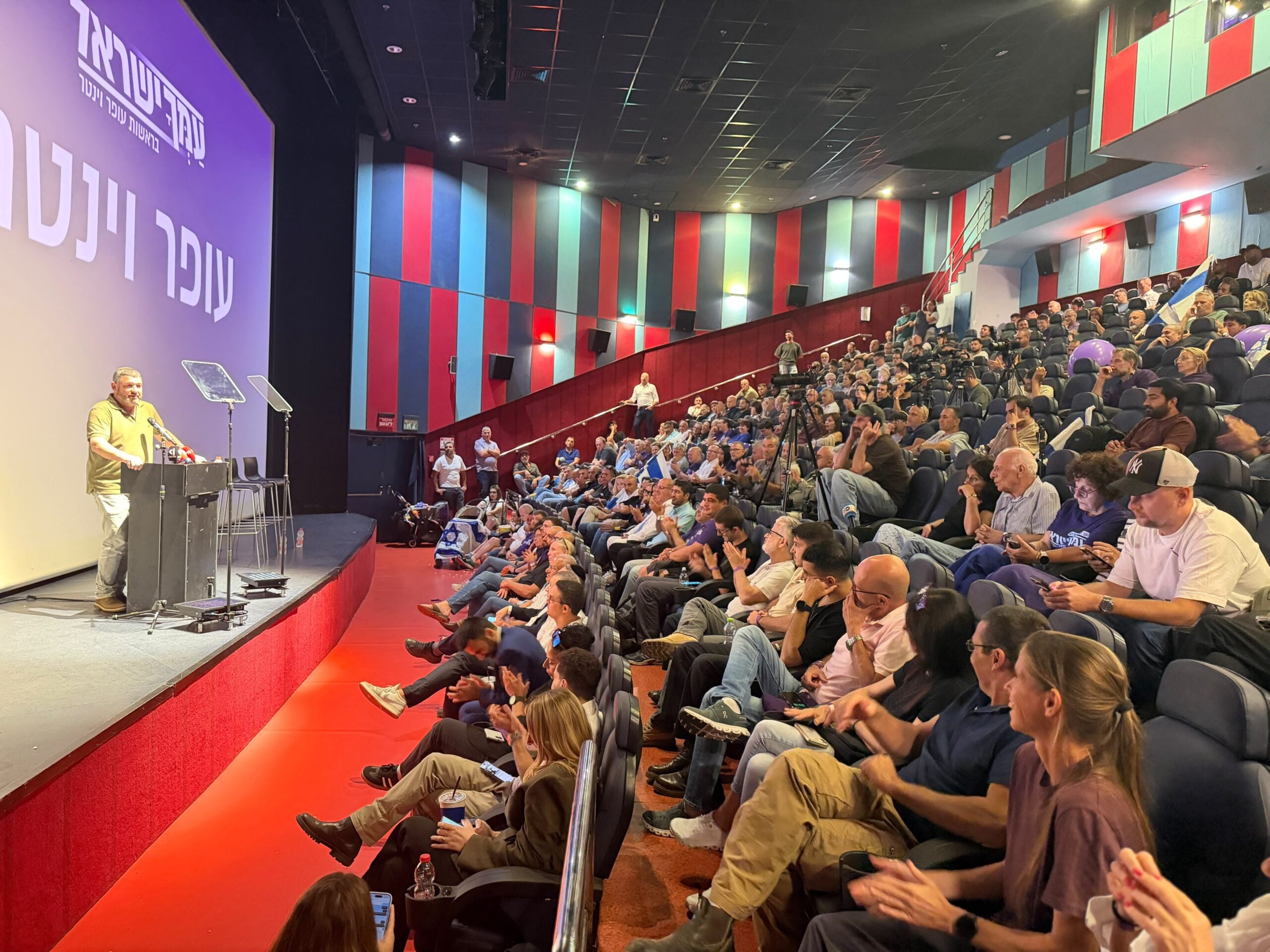
    Amcha Israel party leader Ret. Brigadier General Ofer Winter claimed that during Gadi Eisenkot’s tenure as IDF chief of staff, the military fabricated data to avoid a major operation in Gaza. Speaking at an activists’ conference, Winter accused the security establishment of addiction to false calm and a policy of containment. Israel must shift to decisive military action, he said.

    The Amcha Israel party, led by Ret. Brig. Gen. Ofer Winter, held an activists and supporters conference Tuesday at Cinema City Glilot, with hundreds in attendance. Winter spoke alongside party members Yoseph Haddad and Natalie Shem Tov. During his speech, Winter revealed disturbing details from Eisenkot’s tenure as IDF chief of staff, claiming the security establishment fabricated data and presented false information to political leadership to avoid a large-scale military operation in Gaza.

    Photo: “Amcha Israel”

    Winter referenced Ze’ev Jabotinsky’s essay “The Iron Wall,” which argued that Arabs will never abandon their dream of destroying Israel—not for money or quiet arrangements. The party leader emphasized that the October 7 attacks exposed the heavy price of the conception that took hold in the system over years. Winter then cited an example from October 2018, when he served as military secretary to the defense minister, explaining that when Hamas launched incendiary kites and the cabinet authorized strikes in case of escalation, the IDF spokesman issued a false statement to the press.

    According to Winter, while the IDF spokesperson reported it was the quietest Friday in three months, an evening review of the data showed it was actually the most severe day of that period. He questioned the insanity of lying to political leadership and arranging reality to avoid action, stressing that the top brass became addicted to false calm. Winter concluded that Israel must shift to a policy of decision and initiative instead of containment and rounds, leveraging the army’s strength and leading its fighters to defeat the enemy without empty threats.