Category: Israel

  • Ben-Gvir to Personally Argue for Disqualifying Arab Parties

    Ben-Gvir to Personally Argue for Disqualifying Arab Parties

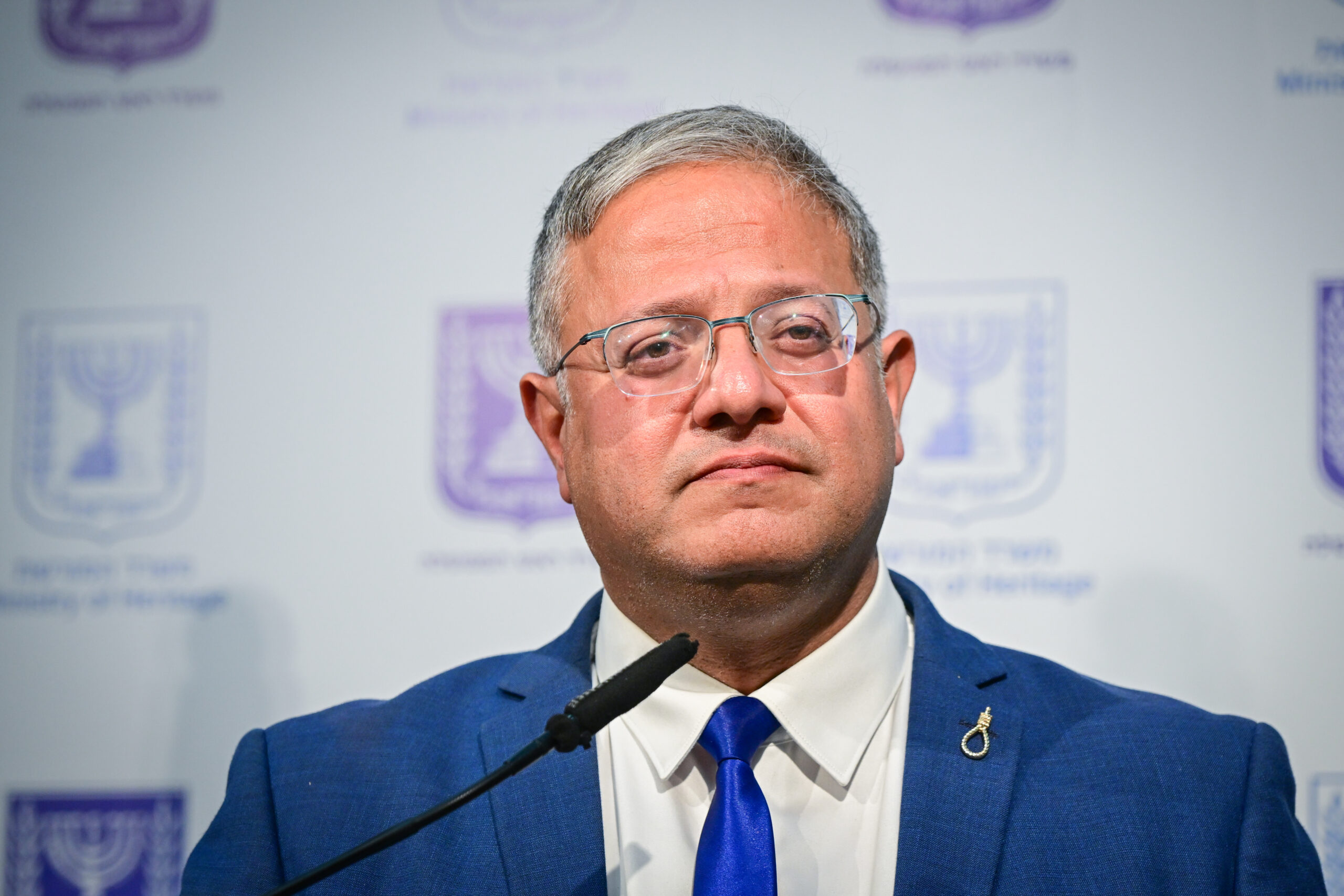
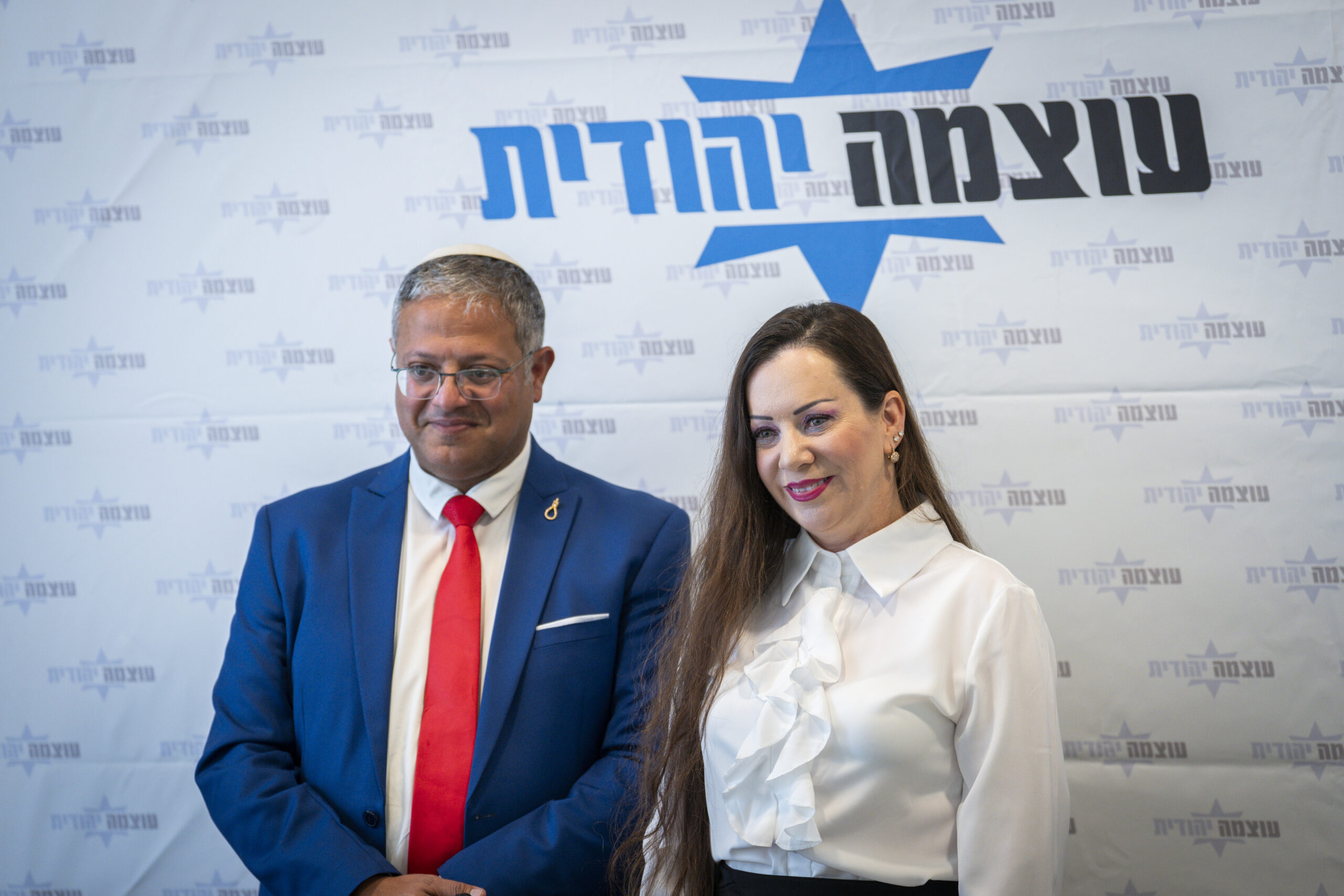
    In a direct confrontation at the Central Elections Committee (CEC), National Security Minister and Otzma Yehudit Chairman Itamar Ben-Gvir, alongside MK Tally Gotliv, will personally lead and represent their party in dramatic hearings seeking to disqualify the Ra’am party slate and Balad Chairman Sami Abu Shehadeh. The legal proceedings open ahead of the elections for the 26th Knesset, following a series of disqualification petitions submitted against Arab parties and candidates under Section 7A of Basic Law: The Knesset.
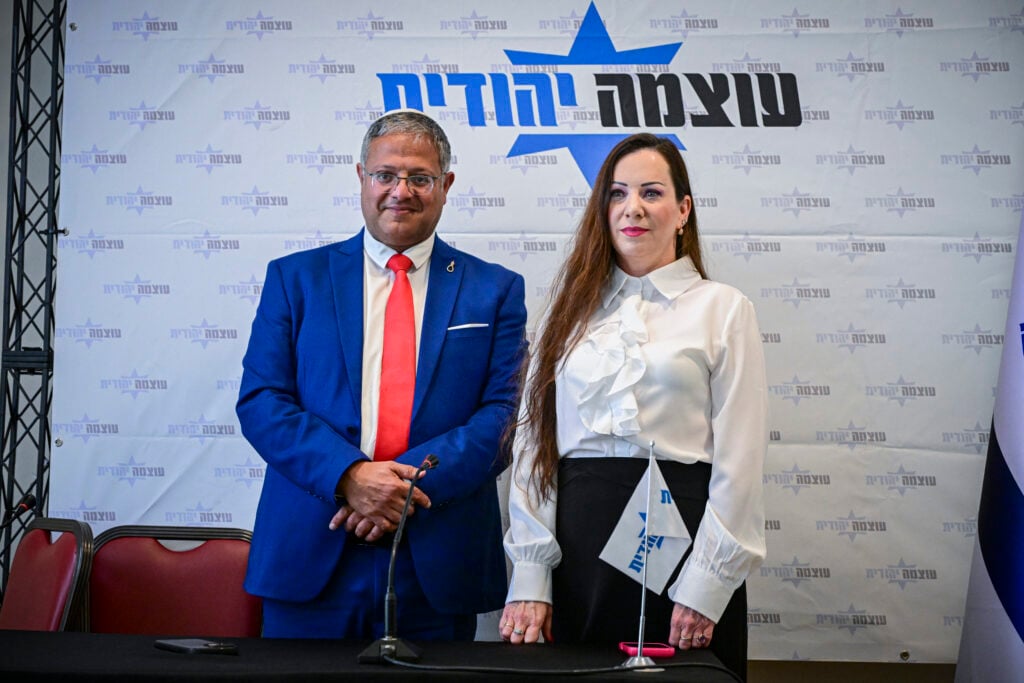
    Photo: Erik Marmor/Flash90

    Otzma Yehudit submitted two distinct petitions to the committee: one against the Ra’am list, and another targeting Abu Shehadeh personally, with Ben-Gvir signed as the primary petitioner. At the center of the petition against Balad’s chairman is an article he published on October 8, 2023—just one day after Hamas’s murderous invasion—which the party argues, alongside additional statements, provides definitive evidence of support for an armed struggle by a terror organization against the State of Israel. The petition further cites Abu Shehadeh’s public backing for convicted security prisoners and political agitation to dismantle the Jewish character of the state.

    Submitting the petition, Ben-Gvir attacked past judicial rulings: “Until now, the Supreme Court has cleared one terror supporter after another who sought to run for the Knesset, contrary to the explicit letter of the law. The time has arrived to enact a systemic and conceptual transformation.” Meanwhile, the petition against Ra’am is one of three separate filings submitted against the faction, alongside parallel requests filed by the Likud party and the “Choosing Life” forum of bereaved families.
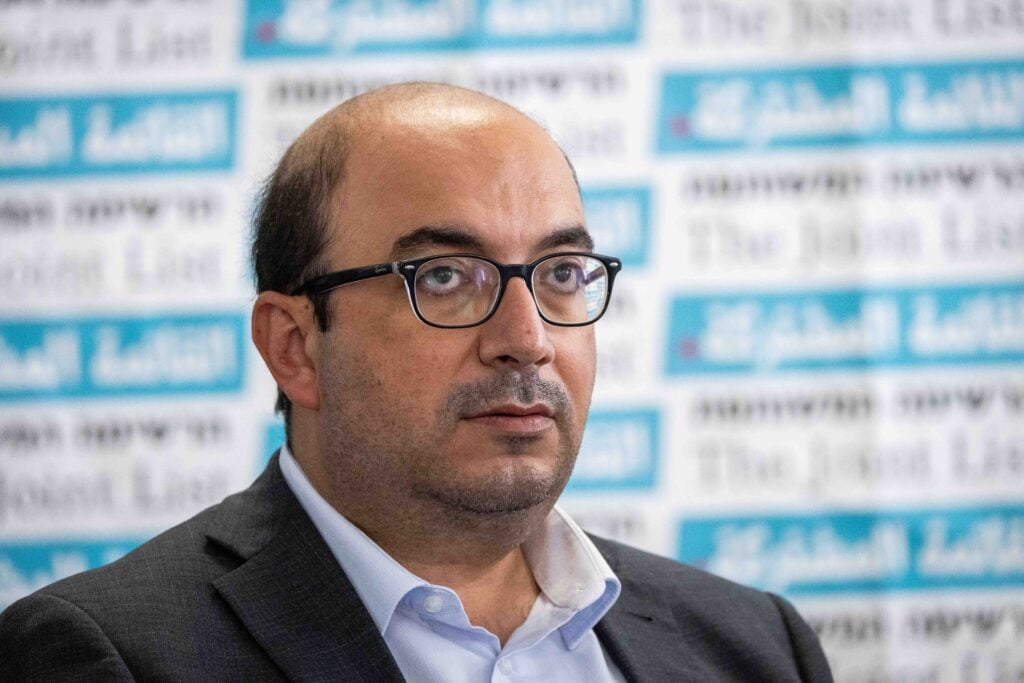
    Balad Chairman Sami Abu Shehadeh | Photo: Yonatan Sindel, Flash90

    Arab candidates and factions rejected the petitions, branding them politically motivated maneuvers. In a legal response submitted by Ra’am through the Adalah legal center, the party argued that the petitions present no verifiable evidence of backing an armed struggle by an enemy state or terror group, asserting that none of the statutory grounds for disqualification apply.

    Abu Shehadeh similarly responded to the committee, describing attempts to link him to violence as baseless. He noted that he publicly condemned harm to civilians following October 7 and called for a diplomatic resolution, maintaining that his platform advocating a “state of all its citizens” has already been reviewed and repeatedly cleared by the Supreme Court.
    Illustration | Photo: Olivier Fitoussi, Flash90

    The hearings will take place in the Central Elections Committee hall, presided over by Supreme Court Justice Noam Sohlberg, in accordance with statutory rules prohibiting disqualification hearings via remote video conferencing. With candidate lists finalized for the 26th Knesset—featuring Otzma Yehudit led by Ben-Gvir with Gotliv in the second slot—the hearings will form a contentious legal and political arena.

    Israeli law establishes three exclusive grounds that permit barring a political list or individual candidate from running for parliament:

    1. Denial of the existence of the State of Israel as a Jewish and democratic state;

    2. Incitement to racism;

    3. Support for an armed struggle waged by an enemy state or terror organization against Israel.

    Over decades of jurisprudence, the Supreme Court has established an exceptionally stringent evidentiary standard for Section 7A, requiring a critical mass of unequivocal, clear, and convincing evidence before curtailing the fundamental democratic right to vote and stand for election. Consequently, the CEC’s impending rulings are expected to mark merely the opening salvo in a protracted legal struggle, as any disqualification or clearance will proceed to the High Court of Justice for final determination ahead of election day.

  • Army Prosecutors Block Full Demolition of Terrorist’s Home

    Army Prosecutors Block Full Demolition of Terrorist’s Home

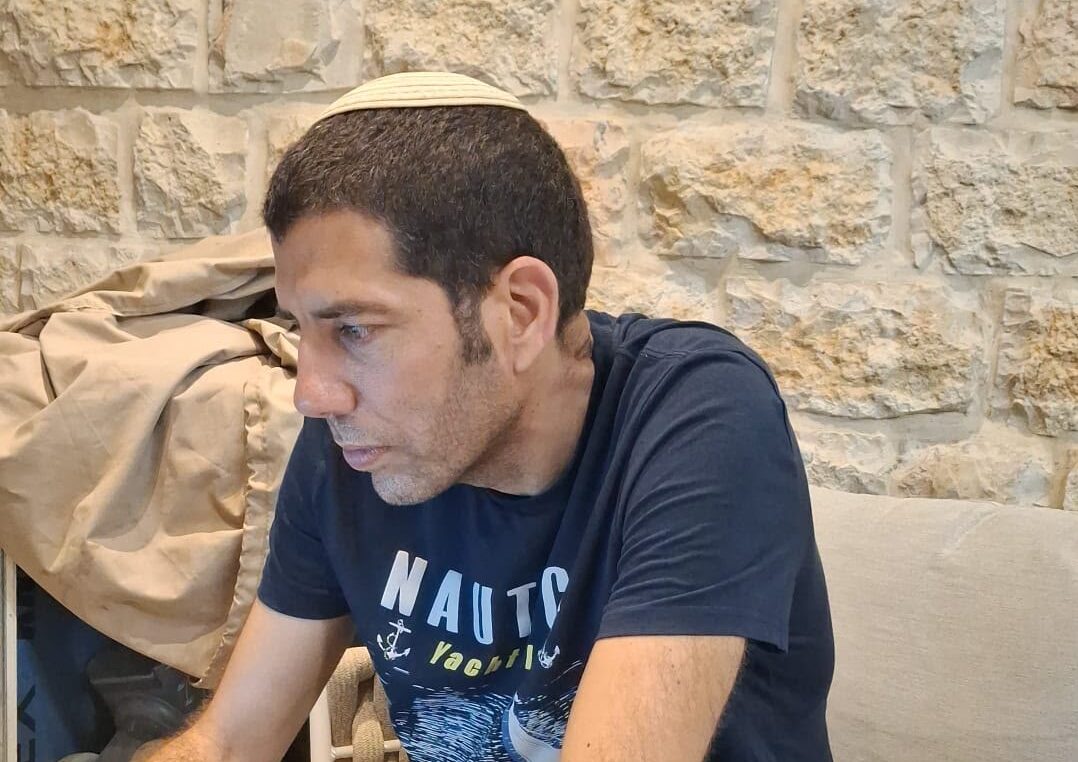
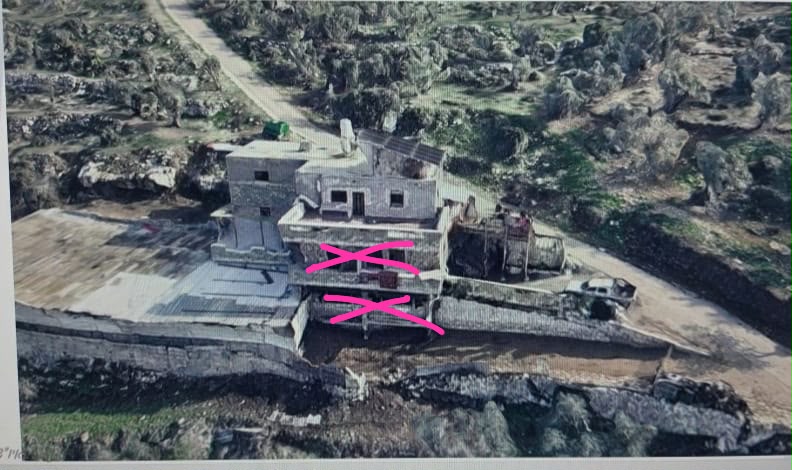
    Amid heavy mourning and anguish following the horrific attack, the family of Yehuda Shmuel Sherman is making a painful appeal to the public and the security establishment. After the IDF notified family members that the demolition of terrorist Duas Hason’s home is planned for after Yom Kippur, they were shocked to learn it won’t be a full demolition of the structure—only a partial operation.

    צילום: המשטרה
    Yehuda Shmuel Sherman | Photo: Private

    According to the army’s notice to the bereaved family, the demolition will be carried out using the “breaching” method—a practice in which only several blocks, doors, and windows are broken through. In practice, this method doesn’t destroy the terrorist’s home and allows for easy and quick renovation of the structure and its return to use within a short time.

    The family is furious at the weak policy of the military justice system and the lack of deterrence against the wave of terror:

    • Severe blow to deterrence: The terrorist, 51 years old and a father, left his spacious home with premeditated intent to massacre a Jew—knowing his home and property would remain intact.
    • Blocking full demolition: The Military Advocate General’s office keeps finding legal excuses preventing the complete razing of the terror structure to its foundation.
    • Security abandonment: Leaving the structure standing projects weakness against Palestinian terror in Judea and Samaria and fails to achieve the deterrence needed to prevent the next attack.

    The funeral of Yehuda Shmuel Sherman | Photo: None

    “This is what you call security abandonment and lack of minimal deterrence,” the Sherman family said in justified pain and rage. “A 51-year-old terrorist, a father who leaves his spacious home with premeditated intent to murder a Jew, and the Military Advocate General’s office finds excuses for why his house should remain standing. The Military Advocate General’s office supports Palestinian terror in Judea and Samaria.”

  • Netanel Shakron Laid to Rest After Sunday Terror Attack

    Netanel Shakron Laid to Rest After Sunday Terror Attack

    Profound grief and agonizing sorrow enveloped the Samaria region on Monday night as hundreds of family members, friends, and residents accompanied Netanel Shakron to his final resting place. Shakron was murdered in a ruthless terror shooting on the eve of Yom Kippur. The funeral procession departed from the central garden square in the community of Alei Zahav toward the local cemetery, where Shakron—a humble man celebrated for acts of charity and a devoted father of six—was laid to rest after his life was cut short by a Hamas terrorist moments after completing traditional pre-holiday immersion prayers.

    Netanel Shakron, R.I.P

    The funeral of Netanel (Nati) Shakron commenced with an emotional scene, as the assembled crowds raised their voices together in soul-stirring melodies and prayers. Traditional piyyutim and supplications echoed through the cemetery, including “Chamol Al Ma’asecha” (Have mercy on Your handiwork), “Sha’arecha Daltecha,” and “Machnisei Rachamim” (Bringers of Mercy). Uniting the crowd before formal eulogies began, the communal singing turned the procession into a moment of grief, deep faith, and farewell.

    The Murder at Ein Raya Spring

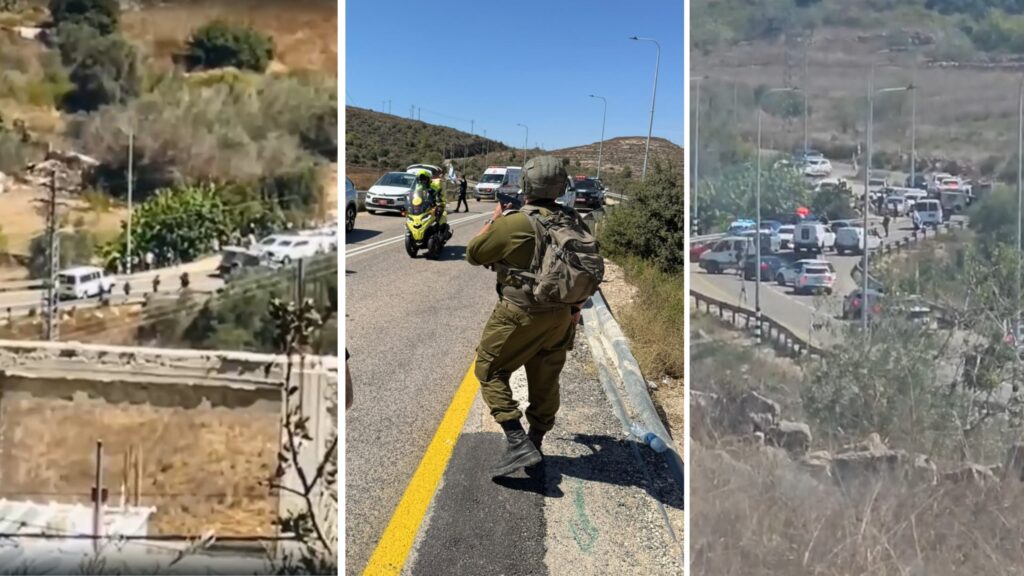
    The fatal attack occurred when Netanel, 48, arrived at the Ein Raya spring near Neveh Tzuf alongside his eldest 16-year-old son to undergo ritual immersion ahead of the Day of Atonement. After completing the immersion and returning to their vehicle, a terrorist opened fire at point-blank range. Netanel suffered fatal gunshot wounds and was killed at the scene, while his son was miraculously uninjured.

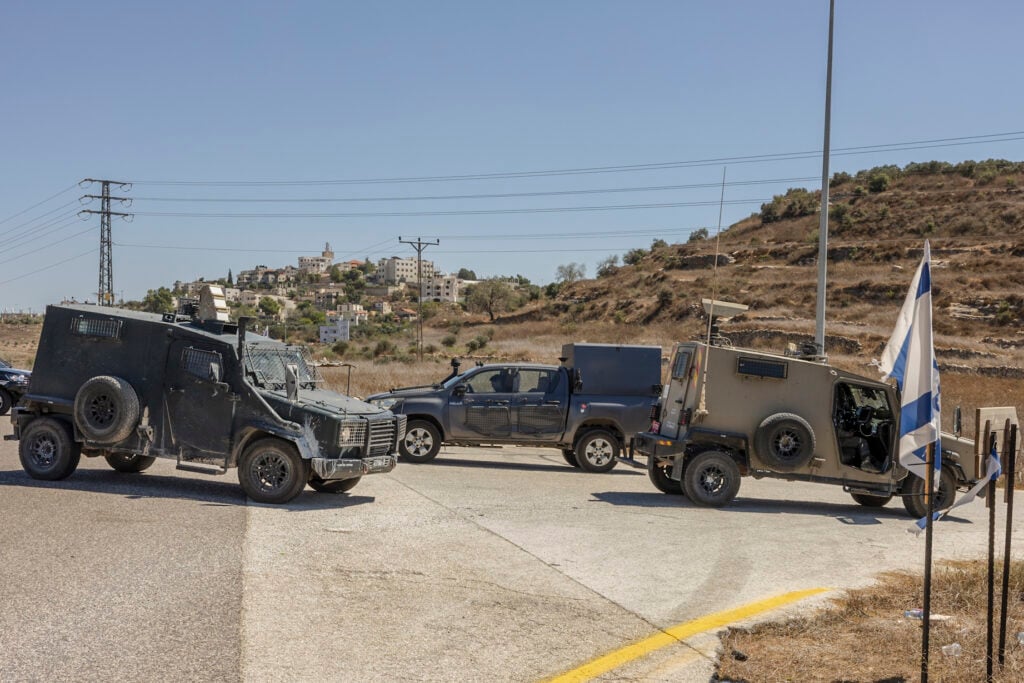
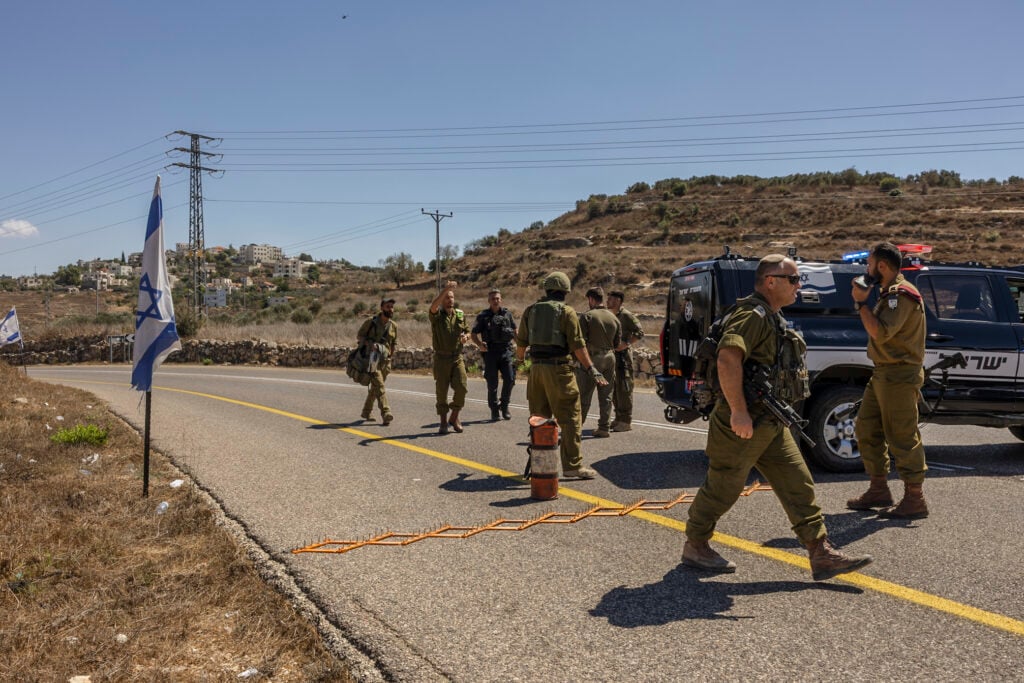
    The scene of the attack | Photo: Hillel Ben Or, Flash90

    The operational investigation revealed that the attack was a premeditated ambush: the terrorist, identified as Qadri Samara, a 37-year-old Hamas operative, had scouted the spring area a day prior. Exploiting the knowledge that many civilian bathers frequent the secluded natural site on the eve of Yom Kippur, he arrived by car and opened fire.

    A wider massacre was prevented by an IDF tracker from the Binyamin Brigade positioned nearby inside an armored vehicle, who returned accurate gunfire and wounded the assailant. The hit forced the shooter to break contact and flee, saving the life of the teenage son sitting in the car. The wounded perpetrator fled to a medical facility in Ramallah, where undercover Duvdevan tactical operators raided the premises, caught him in his bed, and took him into custody. Preliminary assessments indicate the gunman operated as a lone-wolf actor.

    Photo: According to Section 27A, MDA Spokesperson

    Netanel was an IT systems analyst at Hachshara Insurance Company. A member of a founding, veteran family in Alei Zahav, he is survived by his wife Merav—a computer science lecturer specializing in artificial intelligence at Ariel University—and six young orphans, ranging from an 11th-grade high school student to a four-year-old child.

  • Israel Blasts Ireland Coach: ‘No Cure for Stupidity’

    Israel Blasts Ireland Coach: ‘No Cure for Stupidity’

    An unprecedented and vitriolic dispute has erupted on the international soccer stage: the Israel Football Association (IFA) launched a scathing counterattack against the manager of the Republic of Ireland national team, Heimir Hallgrímsson, after he leveled severe incitement against Israel just minutes before the onset of Yom Kippur. Looking ahead to the upcoming Nations League double-header between the two sides, the Irish manager provoked widespread outrage across Israeli sporting leadership by asserting that his players were not merely contesting a sporting fixture against Israel, but were instead “playing against genocide.”

    Image
    Ireland coach Heimir Hallgrímsson | photo: social media

    In a sharp official rebuke, the Israel Football Association issued a direct and biting statement targeting the coach: “We have succeeded in contributing to the world in numerous fields, including an impressive number of Nobel Prizes. Regrettably, we have yet to discover a cure for stupidity, ignorance, and hypocrisy as exhibited by the coach of the Irish national team. We do not play with ignorance, hypocrisy, and stupidity; we play against the one who represents them as coach.”

    The caustic exchange comes ahead of two scheduled Nations League encounters between Israel and Ireland. The first match will take place on September 27 in Debrecen, Hungary, with the second leg slated for October 4 in Bačka Topola, Serbia—following Israel’s campaign opener against Austria. IFA officials emphasized that they will not let the inflammatory remarks go unpunished.
    IFA Chairman Shino Zuares is actively weighing an official disciplinary complaint to UEFA governing bodies regarding the overt injection of political incitement into European soccer competitions. Furthermore, the association is considering completely boycotting and canceling the traditional pre-match formal dinner and official delegation meetings customarily held between federation executives before kickoff.

    Israel national team players | Photo: Israel Football Association

    Tensions between Israel and Ireland across international diplomacy and sports are not unprecedented, but they have now reached a historic boiling point. Irish political and sporting figures have long championed an openly hostile stance toward the State of Israel, including recurring petitions to boycott fixtures, hostile demonstrations by players and supporters, and repeated bids to expel or suspend Israel from international tournaments.

    The Irish manager’s inflammatory statement appears to breach strict UEFA disciplinary regulations, which categorically prohibit political, divisive, and partisan commentary in connection with official matches. Although security concerns already forced both matches to move to neutral venues in Hungary and Serbia, the hostile rhetoric off the pitch ensures the upcoming clashes will transcend ordinary soccer, becoming a fiercely charged, high-stakes duel.

  • IDF Obliterates Hamas Sites After Gaza Ceasefire Violation

    IDF Obliterates Hamas Sites After Gaza Ceasefire Violation

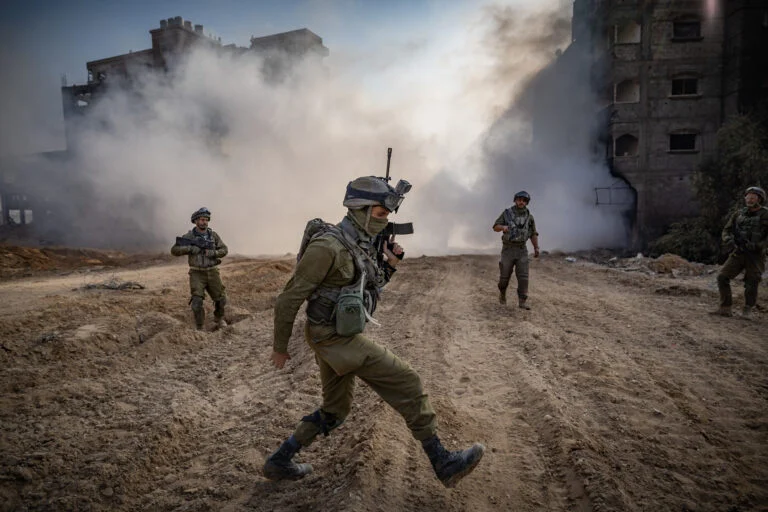
    An IDF engineering vehicle struck an explosive device Monday during routine operations near the Yellow Line in the Gaza Strip. No Israeli soldiers were wounded in the incident, which the IDF described as a “blatant violation” of the ceasefire agreement by the Hamas terrorist organization.

    Photo: IDF Spokesperson

    In response, the IDF struck Hamas terror infrastructure in Gaza that had been used by the organization to advance terrorist attacks against Israeli civilians and IDF soldiers.

    IDF forces under the Southern Command remain deployed in the area in accordance with the agreement and will continue operating to eliminate any immediate threat.

  • IDF Arrests Terrorists Planning Deadly Attack on Yom Kippur

    IDF Arrests Terrorists Planning Deadly Attack on Yom Kippur

    Israeli forces continued counterterrorism operations throughout Yom Kippur, arresting two ‘Palestinian’ terrorists allegedly planning an attack in the immediate future. At the center of the operations, Duvdevan soldiers operating in Qabatiya arrested the two suspects before the planned attack could be carried out.

    Photo: IDF Spokesperson

    Elsewhere, Israeli forces completed the mapping of the home of the terrorist accused of murdering Netanel Shakron near Neveh Tzuf, ahead of its planned demolition. During an operation in the terrorist’s village, forces searched 100 locations, questioned 90 suspects and located a hunting rifle.

    In a separate Duvdevan operation in Beit Ur al-Tahta, soldiers discovered a weapons-production lathe, two improvised Carlo submachine guns and additional weapons. Paratroopers Reconnaissance Unit soldiers also operated in the Menashe sector, questioning suspects, arresting wanted individuals and locating materials intended for the production of explosives. More than 80 suspects were questioned during the operation. The operations continued throughout Yom Kippur as Israeli security forces worked to disrupt terrorist infrastructure and prevent attacks against Israelis.

  • Mideast on the Brink as World Leaders Meet at UNGA

    Mideast on the Brink as World Leaders Meet at UNGA

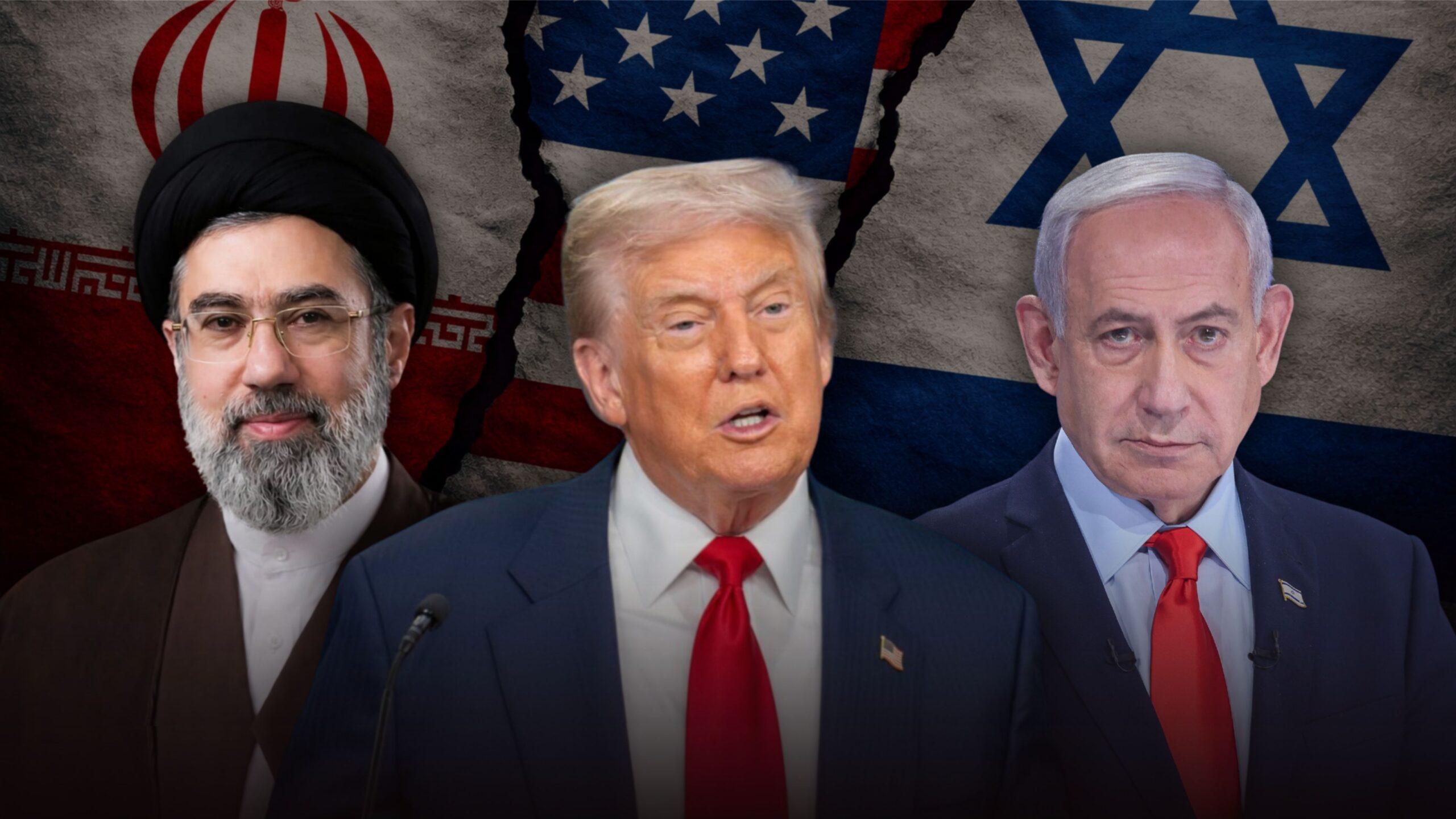
    A dramatic diplomatic marathon commenced in New York with the opening of High-Level Week at the 81st United Nations General Assembly. At the forefront of the global gathering stands the intensifying volatility across the Middle East and the looming prospect of expanded regional escalation involving Iran and its Houthi proxy network.

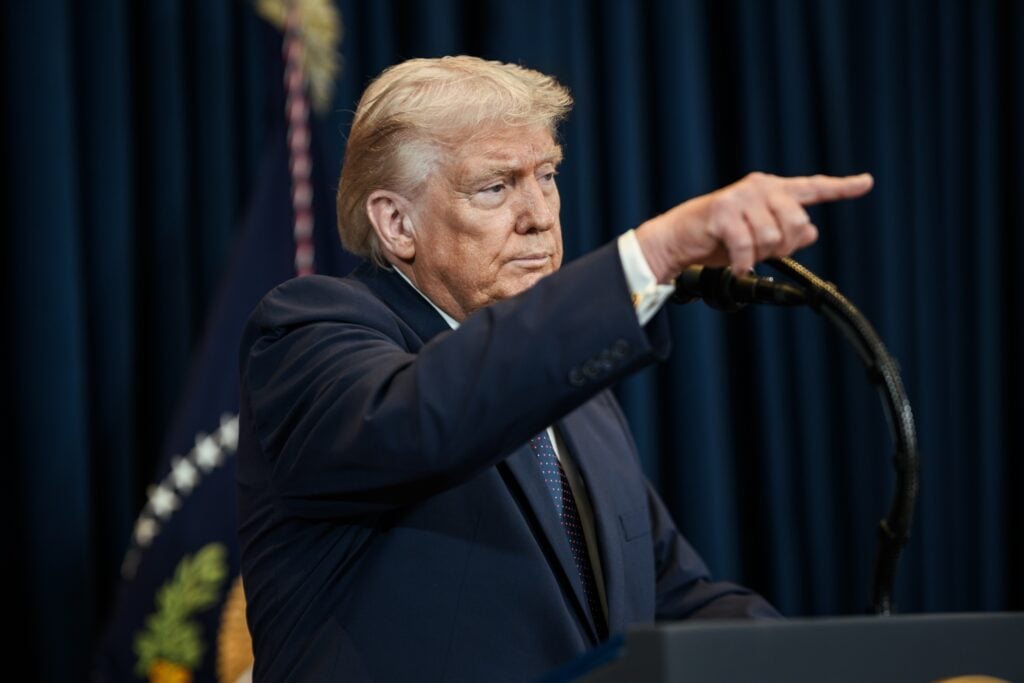
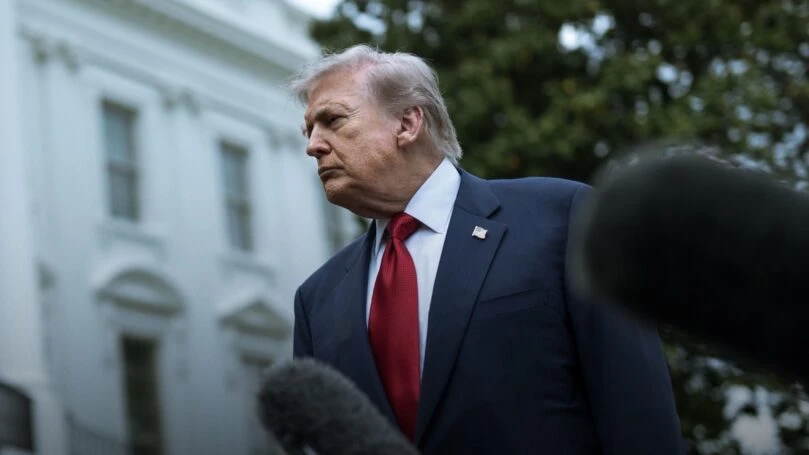
    Donald Trump | Photo: Shutterstock

    On Tuesday, United States President Donald Trump is scheduled to deliver his address before the General Assembly plenary. On the sidelines of the summit, Trump is set to convene a multilateral consultation with the leaders of the six Gulf Cooperation Council nations—Saudi Arabia, the United Arab Emirates, Qatar, Bahrain, Kuwait, and Oman—to deliberate over fast-moving developments surrounding Iran. Trump has signaled that he intends to closely review the strategic posture of regional allies before finalizing subsequent US operational policy regarding Tehran.

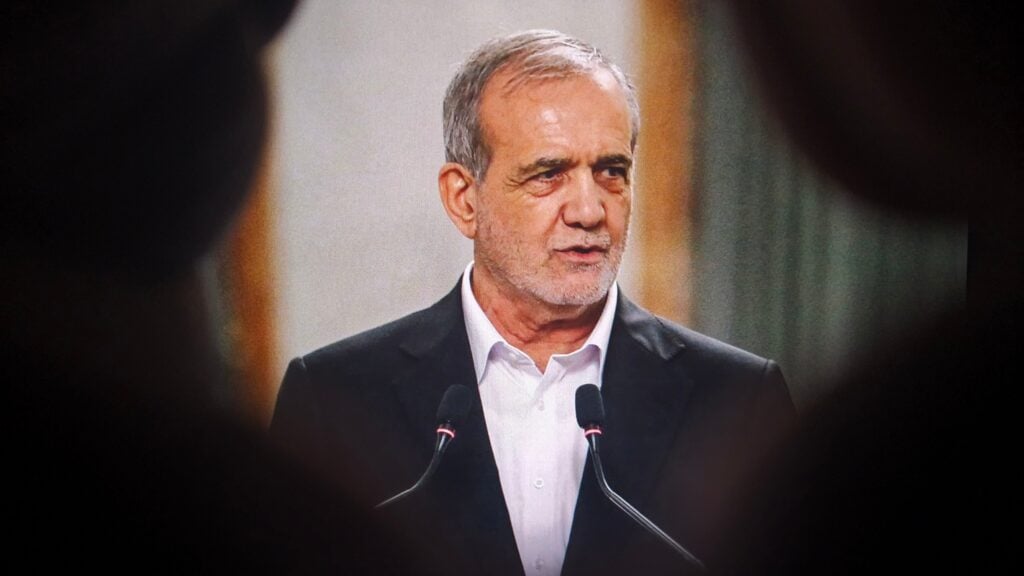
    On Wednesday, Iranian President Masoud Pezeshkian will take the General Assembly rostrum. His appearance comes as tensions between Tehran and Washington reach a critical juncture, directly following warnings from the Islamic Revolutionary Guard Corps (IRGC) threatening an expanded conflict posture should further American strikes materialize.


    Masoud Pezeshkian, President of Iran | Photo: Shutterstock

    That same day, the primary geopolitical focal point will extend to Washington: Chinese President Xi Jinping is scheduled to arrive in the United States for an official state visit extending through Friday, anchored by a high-stakes bilateral summit with President Trump. The bilateral talks are set to center on broader superpower relations, bilateral trade mechanisms, artificial intelligence regulatory standards, and urgent international security challenges.

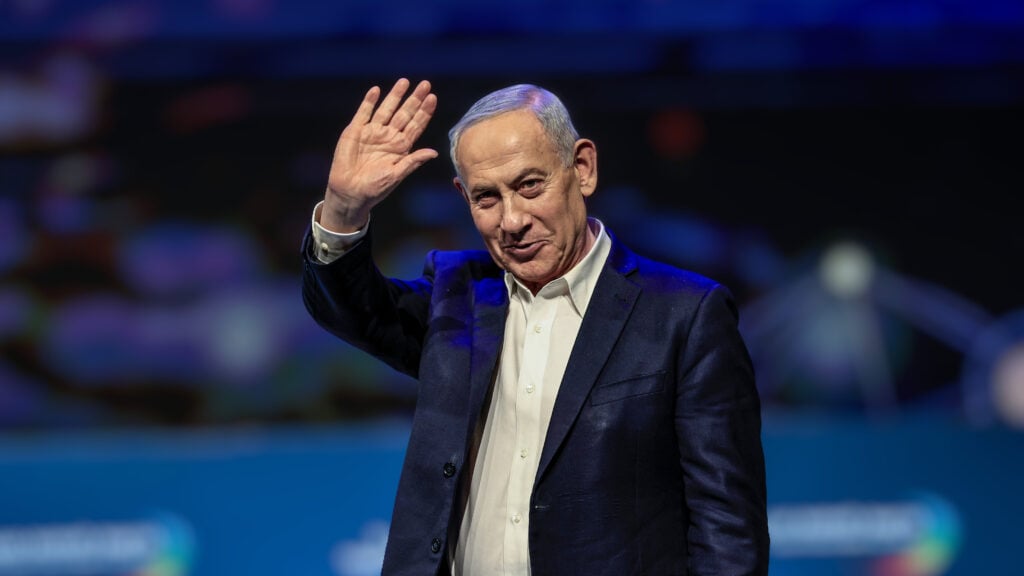
    On Thursday, the diplomatic spotlight shifts to Israel. Prime Minister Benjamin Netanyahu is slated to address the UN General Assembly, with Israel’s ongoing campaign against Iranian aggression and wider regional security dynamics anchoring his condensed diplomatic schedule in New York.

    Netanyahu | Photo: Tsafrir Abayov, Flash90

    The assembly unfolds against the backdrop of two concurrently volatile Middle Eastern flashpoints: escalating rhetoric and the specter of resumed kinetic strikes against Iran, coupled with intensifying Houthi attacks targeting Saudi Arabia and critical international maritime corridors. The proceedings in New York are set to transcend symbolic rhetoric, presenting a dense calendar of executive summits and strategic determinations positioned to steer the trajectory of the regional conflict.

  • Turkey Sends Fighter Jets Over Cyprus in Warning to Israel

    Turkey Sends Fighter Jets Over Cyprus in Warning to Israel

    In a stark military signal across the Eastern Mediterranean, Turkey’s Ministry of National Defense announced on Monday that its air force completed an extensive, large-scale aerial exercise south of the island of Cyprus within international airspace. The drill mobilized multirole fighter jets and support aircraft scrambled from several airbases, unfolding amidst mounting regional tension surrounding the strategic and security alignment between Israel, Greece, and Cyprus.

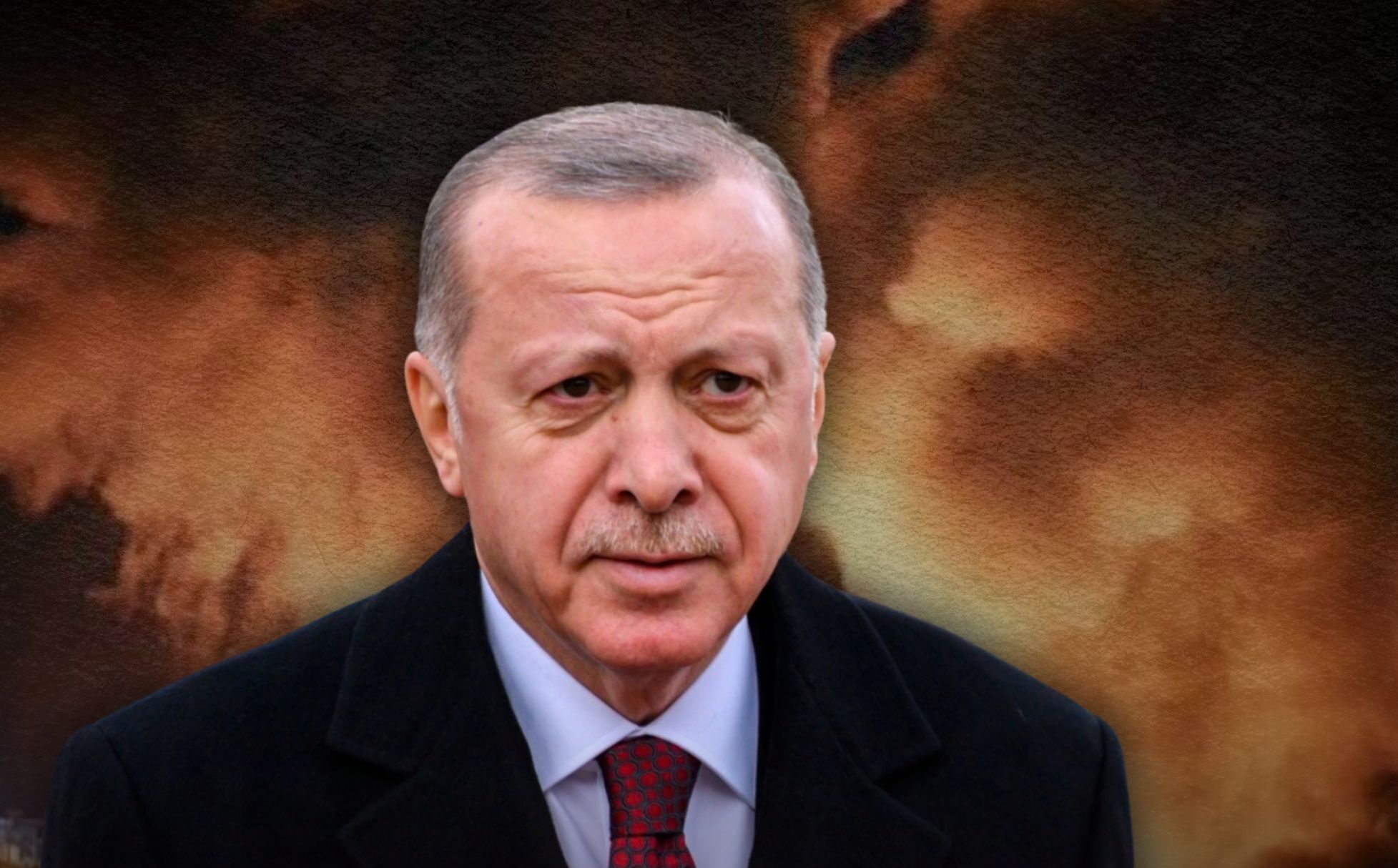
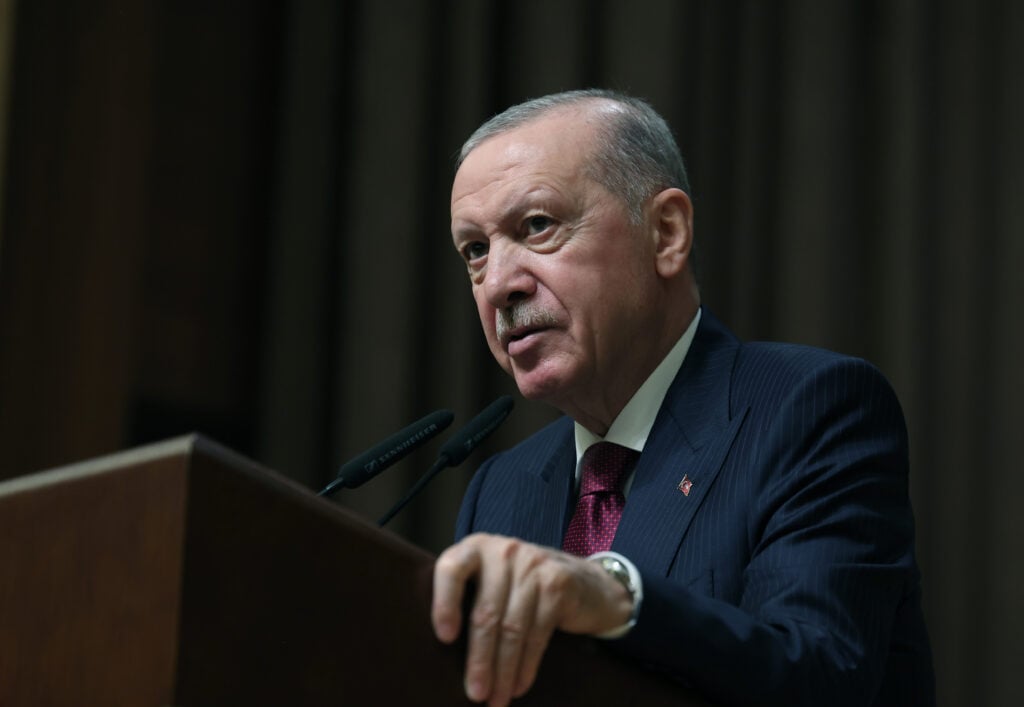
    Turkish President Erdogan | Photo: Reuters

    In an official statement from Ankara, defense officials said the maneuvers concluded successfully as part of routine operational training. Ankara emphasized its resolve to maintain high-readiness operations to safeguard its maritime rights and sovereign interests across the Mediterranean basin. Despite the Turkish defense establishment framing the operation as routine readiness training, regional intelligence and defense establishments view the high-tempo flights off the Cypriot coastline as a direct muscle-flexing gesture against its neighbors’ expanding alliance.

    The timing of the Turkish aerial maneuver follows unprecedented defense transactions bolstering air supremacy and the defensive shield around Turkey’s perimeter. In late August, Israel and Greece finalized the landmark “Achilles Shield” agreement valued at approximately €3 billion. Under the pact, Israel will build a multi-layered, state-of-the-art air defense architecture for Athens incorporating David’s Sling, SPYDER, and BARAK MX missile defense batteries, integrated with command-and-control apparatuses and high-performance radar arrays. Prime Minister Benjamin Netanyahu linked the agreement directly to the trilateral strategic axis the three states have nurtured over the past decade.

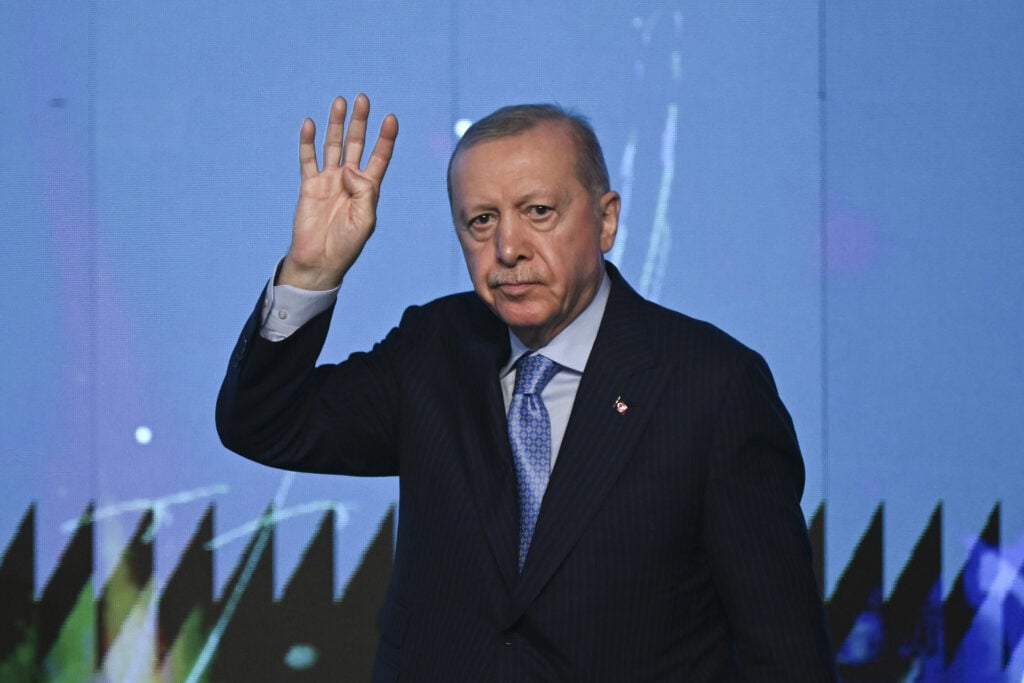
    Recep Tayyip Erdogan, archive | Photo: Reuters

    Meanwhile, the Cypriot National Guard has integrated and begun deploying Israel’s BARAK MX defense system, with plans to officially unveil the batteries during its upcoming military parade on October 1. Regional defense friction deepened earlier this month following statements by Cypriot Defense Minister Vasilis Palmas, who declared that Cyprus, Greece, and Israel face a clear, shared security threat stemming from Turkey’s expansionist foreign policy.

    In recent years, Israel, Greece, and Cyprus have become close strategic partners, pursuing cooperation that extends far beyond standard diplomatic ties. Their alignment encompasses combined military exercises, operational intelligence sharing, offshore energy infrastructure development, and joint security protocols for critical maritime shipping lanes. During their most recent trilateral summit, leaders pledged to substantially deepen joint defense coordination, with a distinct operational focus on maritime protection.

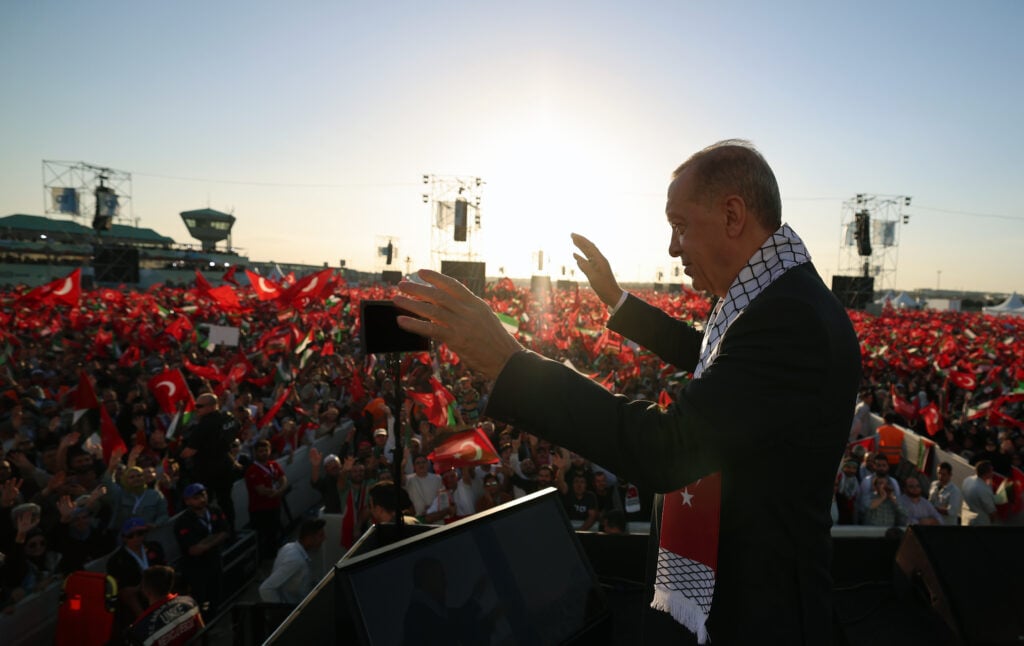
    Erdogan at a rally supporting Gaza in Istanbul | Photo: Reuters

    The Turkish Air Force’s aggressive maneuvers south of Cyprus underscore the vigilance with which President Recep Tayyip Erdogan’s regime tracks the emerging Israeli-Greek-Cypriot defense architecture in its maritime backyard. Although Ankara avoids formally linking its air drills to Israeli defense sales, its projected air presence delivers an explicit warning that Turkey has no intention of ceding its military footprint or operational influence across the Mediterranean waters.

  • Ben-Gvir: PM Not Ruling Out Death Penalty for Terrorist

    Ben-Gvir: PM Not Ruling Out Death Penalty for Terrorist

    Two hours before the onset of Yom Kippur, an exclusive security consultation convened to address the operational situation across Judea and Samaria, during which officials evaluated the unprecedented possibility of invoking the newly enacted death penalty law for terrorists following the deadly Binyamin attack. National Security Minister Itamar Ben-Gvir raised the issue, saying the incident marks the first operational case that satisfies all statutory criteria for seeking capital punishment. Prime Minister Benjamin Netanyahu requested IDF officials’ operational position on practical implementation. The Knesset formally ratified the legislation in its third reading on March 30, 2026, by a 62–48 margin with one abstention.

    The scene of the attack | Photo: Hillel Ben Or, Flash90

    During the closed-door deliberation, Ben-Gvir argued that this marks the first instance since the law took effect where legal conditions permit prosecutors to demand the death penalty. Netanyahu expressed interest in the initiative and asked the IDF representatives in the room to address the practical aspects of enforcing the statute.

    Military representatives responded that, from an operational defense standpoint, nothing impedes pursuing the measure. However, because the Military Advocate General (MAG) did not attend the initial consultation, ministers decided against a premature conclusion and resolved to convene an additional professional session of the restricted security cabinet—with the MAG present—to review the legal mechanisms and evidentiary threshold required to proceed. Following the discussion, Ben-Gvir affirmed that the Prime Minister had not ruled out capital punishment for the perpetrator.

    The scene of the attack | Photo: Hillel Ben Or, Flash90

    The attack occurred hours before Yom Kippur, when a terrorist opened fire at Israeli civilians visiting the Ein Raya spring adjacent to Neveh Tzuf in the Binyamin sector. The gunfire murdered Netanel Shakron, a resident of Alei Zahav and a father of six, who had arrived at the spring with his son. The child was unharmed.

    Following the shooting, the gunman fled on foot. An IDF tracker operating in the vicinity engaged the fleeing assailant with gunfire, wounding him. Closing an intensive tactical manhunt, elite undercover fighters from the Duvdevan unit tracked the wounded terrorist to a hospital in Ramallah, taking him into custody while he was receiving medical treatment. Following the attack, the IDF imposed closures on surrounding villages, dispatched reinforcements, and launched investigative operations targeting the terrorist’s support network.

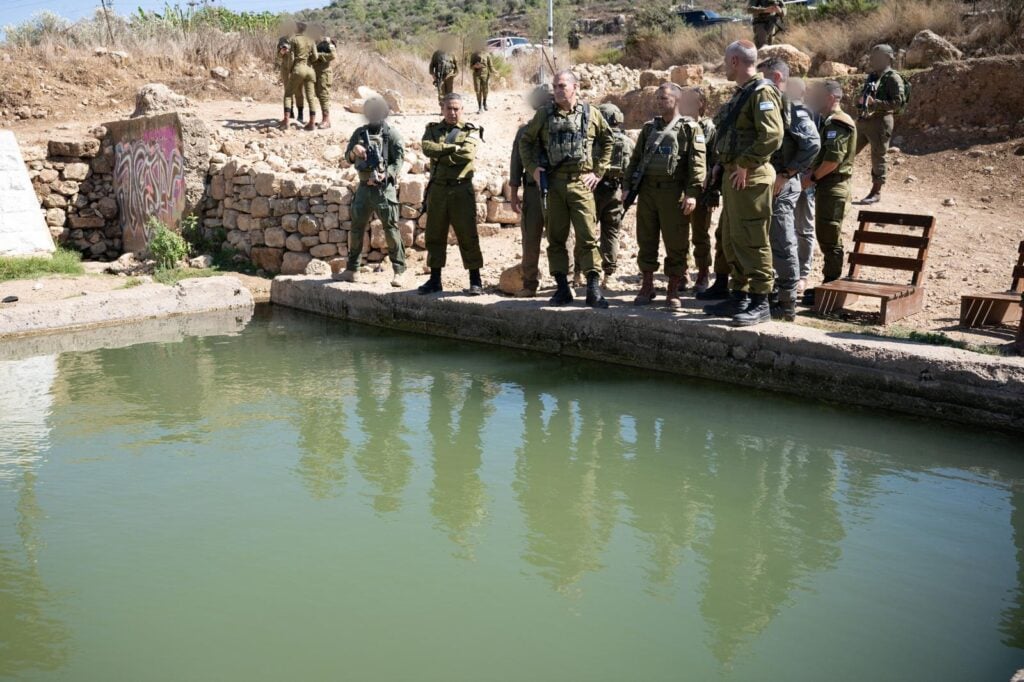
    The Chief of Staff at the scene of the attack | Photo: IDF Spokesperson

    The capital punishment statute for convicted terrorists cleared its final reading in the Knesset plenum on March 30, 2026, in a roll-call vote backed by 62 lawmakers against 48 opposing, with one abstention. Both Prime Minister Netanyahu and Minister Ben-Gvir voted for the measure. The upcoming ministerial deliberation with the Military Advocate General will determine whether the State of Israel formally moves forward with its first capital prosecution under the new statute or pursues alternative military legal routes.

  • Yom Kippur Review: Gunfire in Canada, Gulf Tensions

    Yom Kippur Review: Gunfire in Canada, Gulf Tensions

    As the Yom Kippur holiday concluded, a cascade of critical security, geopolitical, and diplomatic events unfolded across Israel and around the globe. A police officer was wounded in an exchange of gunfire near a Canadian synagogue while worshipers were gathered inside; US President Donald Trump abruptly canceled a planned aerial strike on Houthi targets in Yemen at the final moments; and Washington prepared comprehensive sanctions against the International Criminal Court (ICC) in The Hague. Concurrently, heavy fighting persisted in Yemen, a commercial tanker was struck in the Strait of Hormuz, and global powers prepared for high-stakes diplomatic maneuvering.

    Shootout Outside Ontario Synagogue During Holiday Services

    Gunfire erupted Sunday evening outside the Sons of Jacob Synagogue in Belleville, Ontario, as members of the Jewish community gathered for Yom Kippur services. A responding police officer was wounded by gunfire, and a 29-year-old suspect armed with a rifle was critically wounded. Approximately 25 worshipers inside the sanctuary emerged uninjured. Canadian law enforcement has not yet determined whether the synagogue or the Jewish congregation was the intended target, and the investigation remains ongoing.

    Video: social media

    The synagogue’s President recounted hearing heavy gunfire outside, noting that several rounds penetrated the building’s windows. Following the shooting, police departments across the Greater Toronto Area announced enhanced patrols and security details around regional synagogues and Jewish institutions.

    Planes Were Armed: Trump Aborted Yemen Strike at the Last Minute

    The Trump administration made advanced preparations over the holiday weekend for a targeted air campaign against the Houthis in Yemen. Still, the President opted to halt the operation at the eleventh hour. According to a Reuters report, target lists had already been signed off and munitions loaded onto aircraft when the command to stand down was issued. Reuters noted it could not independently verify every aspect of the account.

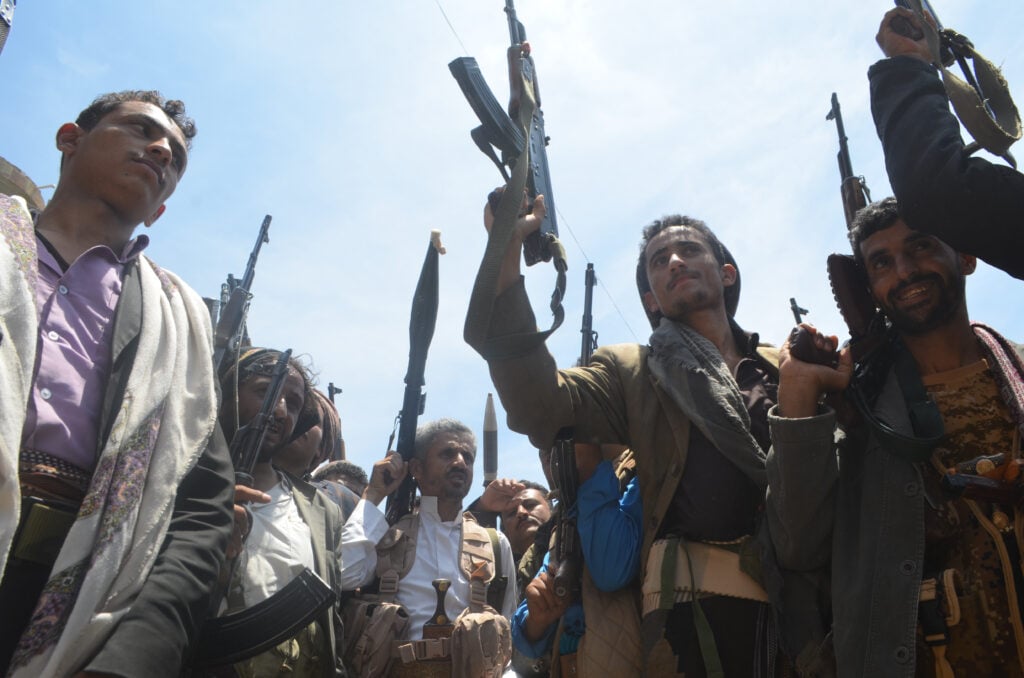
    The Houthis in Yemen | Photo: Shutterstock

    The planned operation followed urgent diplomatic appeals from Saudi Crown Prince Mohammed bin Salman in the wake of rapid Houthi battlefield advances in Yemen. US defense officials confirmed separately that President Trump had actively weighed strike options prepared by US Central Command (CENTCOM), but ultimately decided against opening an additional direct American military front at this time.

    Washington Prepares Sweeping Sanctions Against the ICC

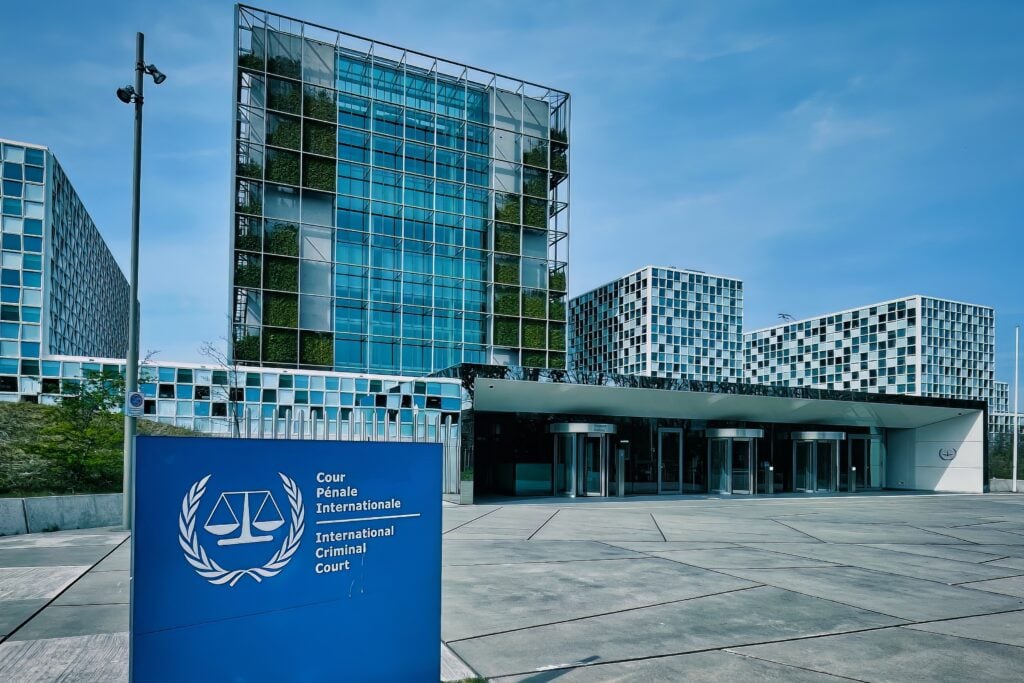
    The Trump administration has finalized plans to impose institutional sanctions targeting the International Criminal Court as an entire entity, rather than restricting individual judges or prosecutors. According to two sources cited by Reuters, an official announcement could be imminent, designed primarily to intensify diplomatic and financial pressure on the tribunal to rescind arrest warrants issued against senior Israeli officials.

    The International Criminal Court in The Hague | Photo: Shutterstock

    If enacted in its drafted framework, the sanctions would prohibit American citizens and commercial entities from providing funds, goods, or technology to the court without specialized US Treasury licenses. The ICC previously cautioned that comprehensive institution-wide sanctions could paralyze core daily operations, ranging from cloud computing and liability insurance to investigator payroll and field missions.

    Houthis Advance as Yemen Conflict Widens

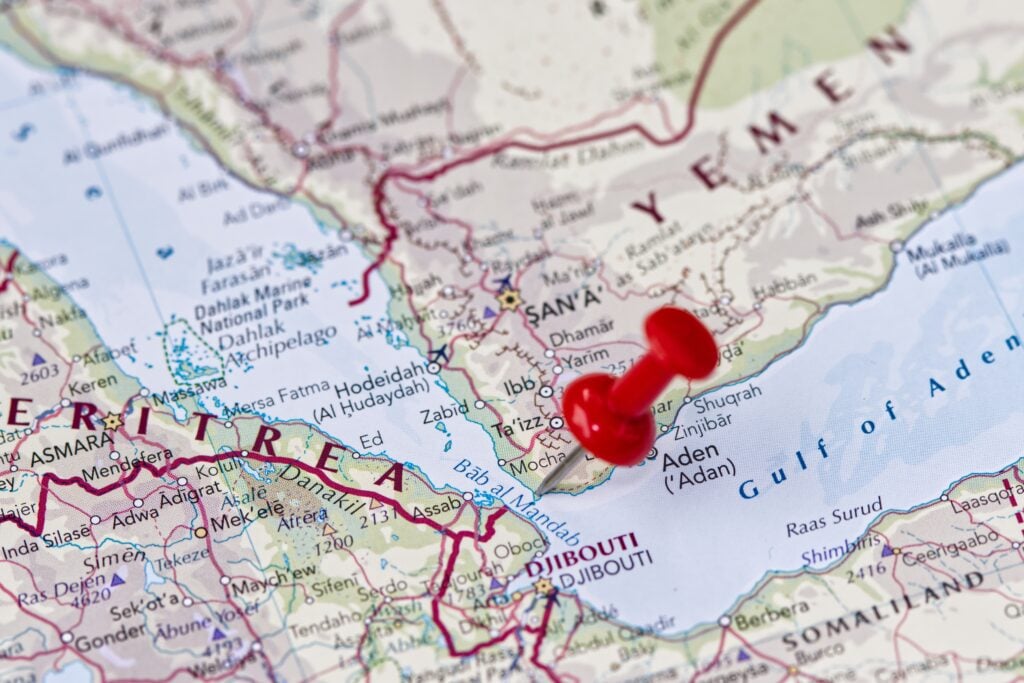
    Capitalizing on the canceled US strike, Houthi forces pressed their offensive to seize key strategic topography across Yemen and consolidate footholds near the Red Sea. According to Reuters, the rebels are attempting to capture mountainous tracts in the Taiz and Lahij governorates, positions critical for cementing control over coastal areas near the Bab el-Mandeb strait.

    The Bab el-Mandeb Strait | Photo: Shutterstock

    The renewed combat operations have extracted a massive toll: United Nations data indicates approximately 130,000 individuals have been newly displaced inside Yemen. The World Health Organization (WHO) reported that between September 13 and 18, at least 164 people were killed and 516 wounded in the fighting.

    Ballistic Missile Fired Toward Riyadh

    Over the weekend, Houthi military spokespeople declared they had launched a ballistic missile targeting the Saudi capital of Riyadh. The strike came amid escalating clashes between Houthi units and Saudi-backed forces across southern Yemen.

    Tanker Struck Entering the Strait of Hormuz

    Maritime security in the Strait of Hormuz faced further disruption over the holiday. According to the British military, a commercial tanker was struck by an “unknown projectile” as it entered the narrow waterway, wounding two crew members. The vessel sustained minor damage and continued transit under its own power.

    Cargo ships in the Strait of Hormuz | Photo: Shutterstock

    IRGC Threatens to ‘Alter the Geography of War’

    Amid mounting regional friction, Iran’s Islamic Revolutionary Guard Corps (IRGC) issued a direct warning, asserting that should the United States escalate military pressure, Tehran will fundamentally alter its operational tactics, target lists, and military weaponry. The threats coincided with escalating diplomatic exchanges at the United Nations General Assembly in New York.

    Crude Oil Prices Ease Despite Tensions

    Despite widespread security volatility across energy corridors, global crude oil benchmarks retreated, briefly dipping below $100 per barrel. The downward movement was driven by a partial rebound in Saudi crude exports and market anticipation of diplomatic negotiations surrounding Iran. Satellite tracking data cited by Reuters revealed that Saudi oil flows through the Strait of Hormuz rose to roughly 2.9 million barrels per day in recent days, up significantly from approximately 700,000 barrels per day in August.

    Cargo ship in the Strait of Hormuz | Photo: Shutterstock

    US and China Prepare for High-Level Summit

    Simultaneously, Chinese President Xi Jinping is scheduled to arrive in the United States for an official state visit between September 23 and 25 at the invitation of President Trump. In preparatory talks, US Treasury Secretary Scott Bessent and Chinese Vice Premier He Lifeng held bilateral sessions on trade relations, artificial intelligence standards, and broader geopolitical issues.