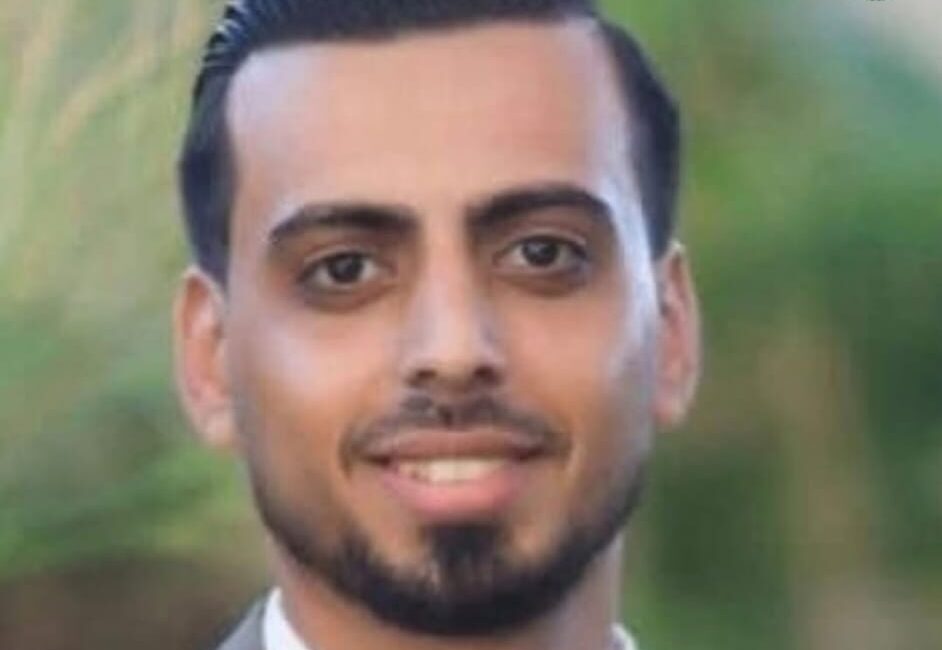
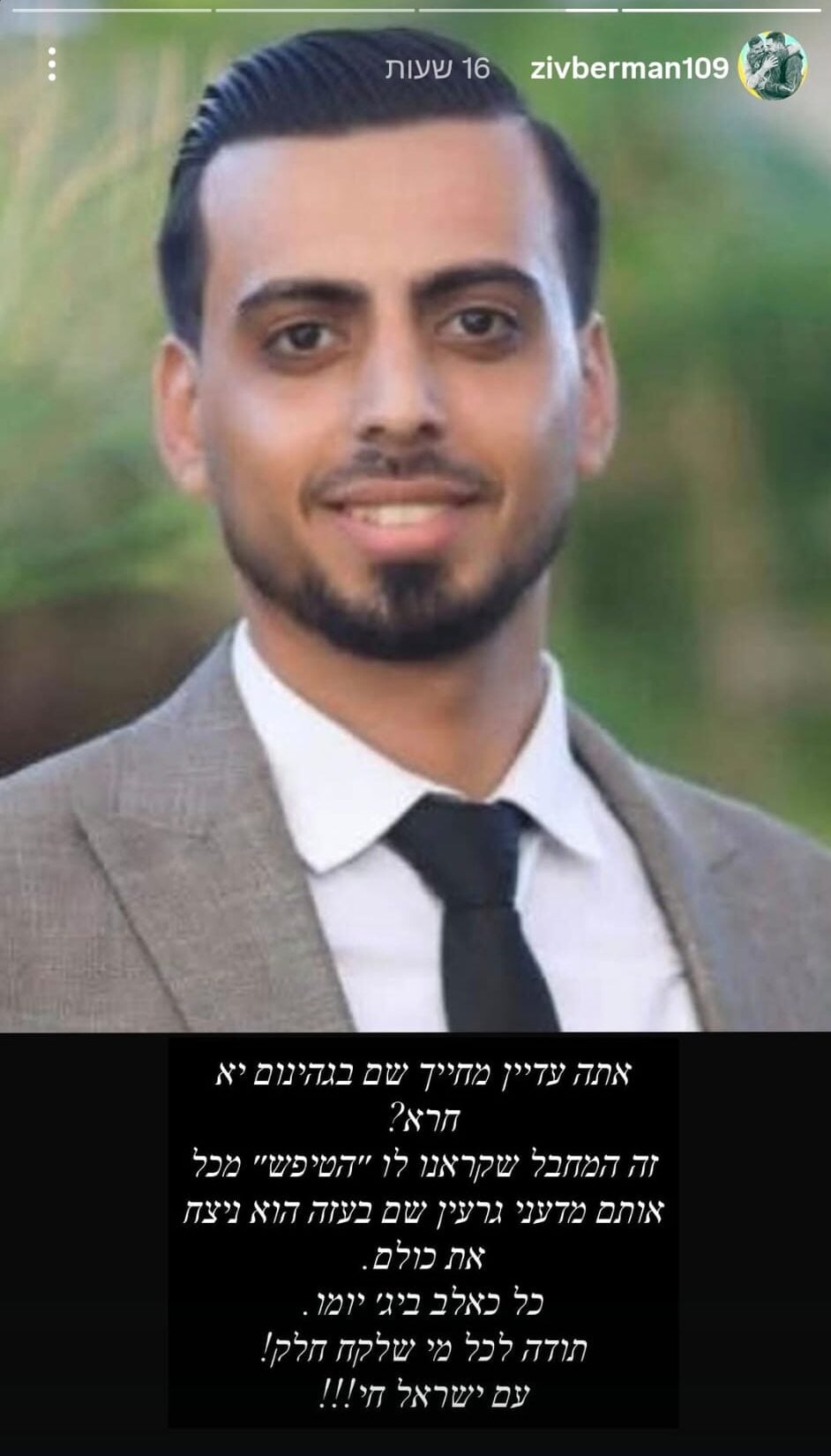
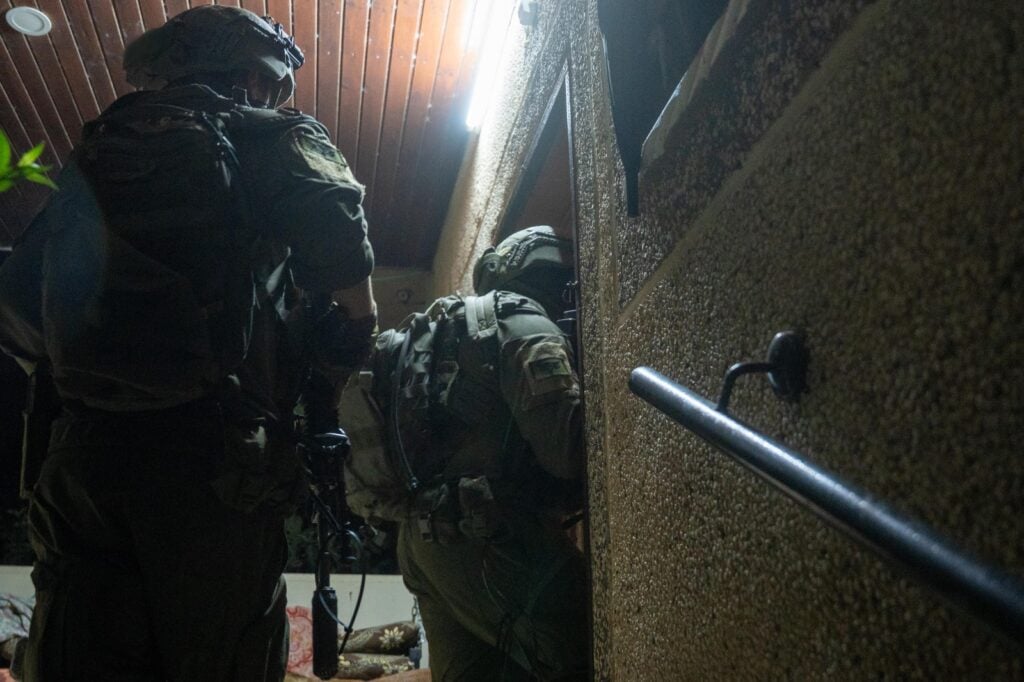
The IDF announced on Thursday that late last week, an IAF targeted airstrike in Gaza City eliminated Mahmoud Abd al-Fattah Awad, a terrorist in Hamas’s military wing who was directly involved in holding seven Israeli hostages captive inside subterranean tunnels: IDF surveillance soldiers Daniella Gilboa, Karina Ariev, and Naama Levy; Doron Steinbrecher and Ziv Berman from Kibbutz Kfar Aza; Omri Miran from Kibbutz Nahal Oz; and Eitan Mor, who was abducted from the Nova music festival.
Photo: Ziv Berman’s Instagram page
Surviving hostage Ziv Berman welcomed news of the elimination on his Instagram account: “Are you still smiling down there in hell? This is the terrorist we nicknamed ‘the idiot.’ Out of all those rocket scientists in Gaza, he beat them all. Every dog has his day. Thank you to everyone who took part! Am Yisrael Chai!” Fellow hostage survivor Eitan Mor shared: “Eliminated. He guarded me underground for nearly half a year, as well as Ziv Berman and Omri Miran.”
While the military did not specify whether all seven hostages were held together simultaneously or at which specific phases of the war, the interlinked names shed light on the tunnel network Hamas used to imprison and rotate different groups of hostages. Several of the female captives—Gilboa, Ariev, and Steinbrecher—were previously documented together in a psychological warfare propaganda video published by the terror group in January 2024. The military made clear that Awad was targeted after continuing in recent weeks to orchestrate terror attacks and reconstitute Hamas operational formations in the Gaza Strip in blatant violation of the ceasefire.
Photo: IDF Spokesperson
Beyond his direct role in guarding and concealing hostages within the tunnel network, the IDF underscored that Awad posed an immediate operational threat. In the recent period, he actively pushed forward terror schemes against security forces and Israeli civilians, directing efforts to rebuild Hamas’s military capabilities despite the truce. “The terrorist worked to rehabilitate the terror organization’s capabilities while systematically violating the agreement, and was eliminated from the air to neutralize the threat,” the IDF Spokesperson stated, emphasizing that Southern Command forces remain determined to act across the Strip against any emerging terror cell.
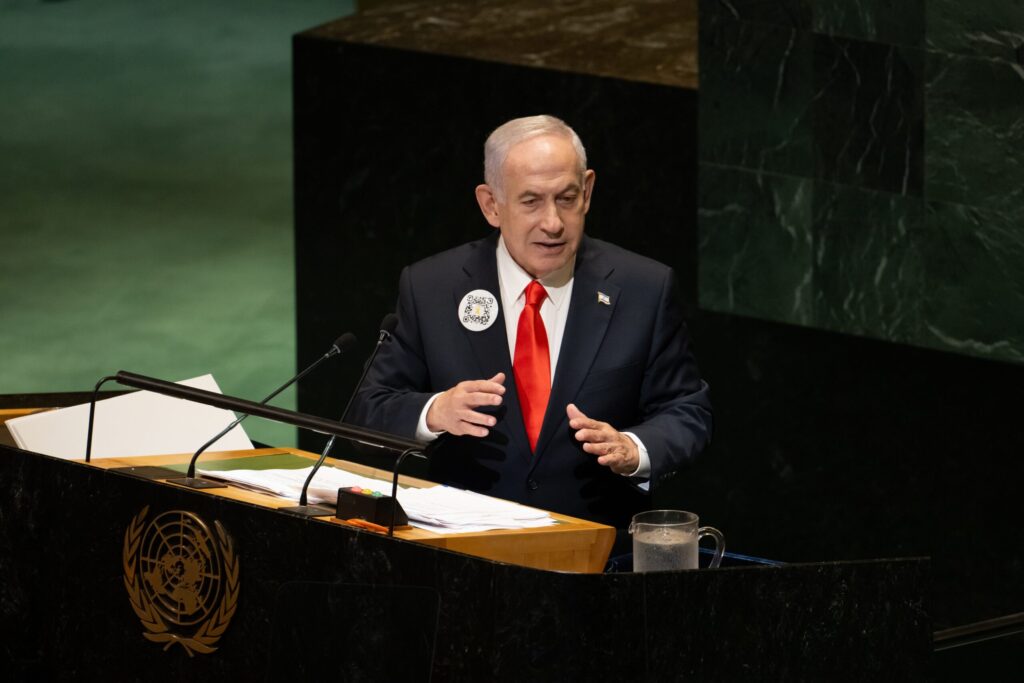
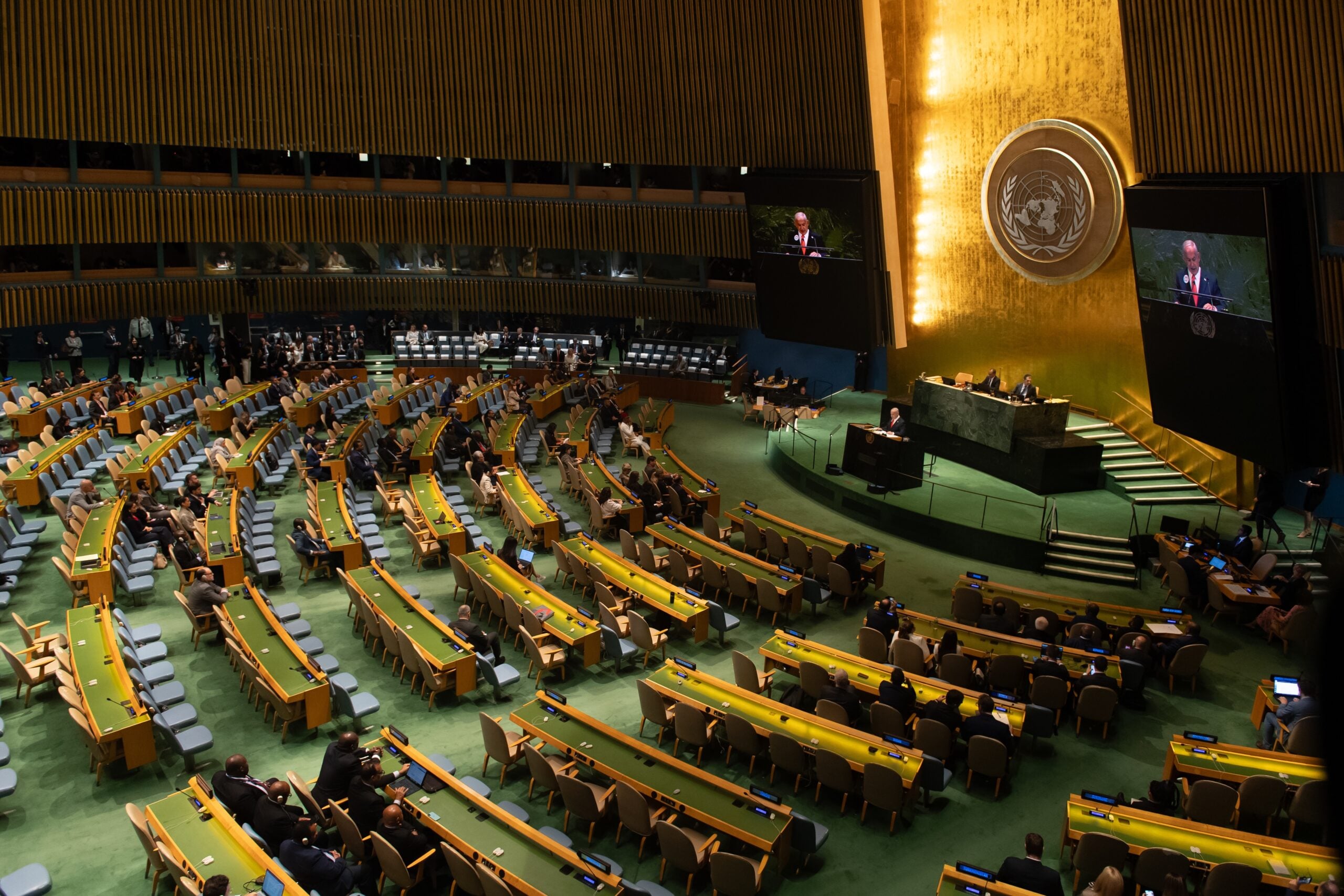
Prime Minister Benjamin Netanyahu will address the United Nations General Assembly on Thursday at 9:00 PM Israel time (2:00 PM EDT).
Archive | Photo: Shutterstock
During his working visit to New York, the Prime Minister is scheduled to hold bilateral meetings with several heads of state and prime ministers. The Prime Minister’s Office noted that numerous additional foreign leaders had formally requested bilateral meetings with Netanyahu; however, because of a tightly packed itinerary and the need to return to Israel before the start of the Sukkot holiday, only a portion of the requests could be accommodated.
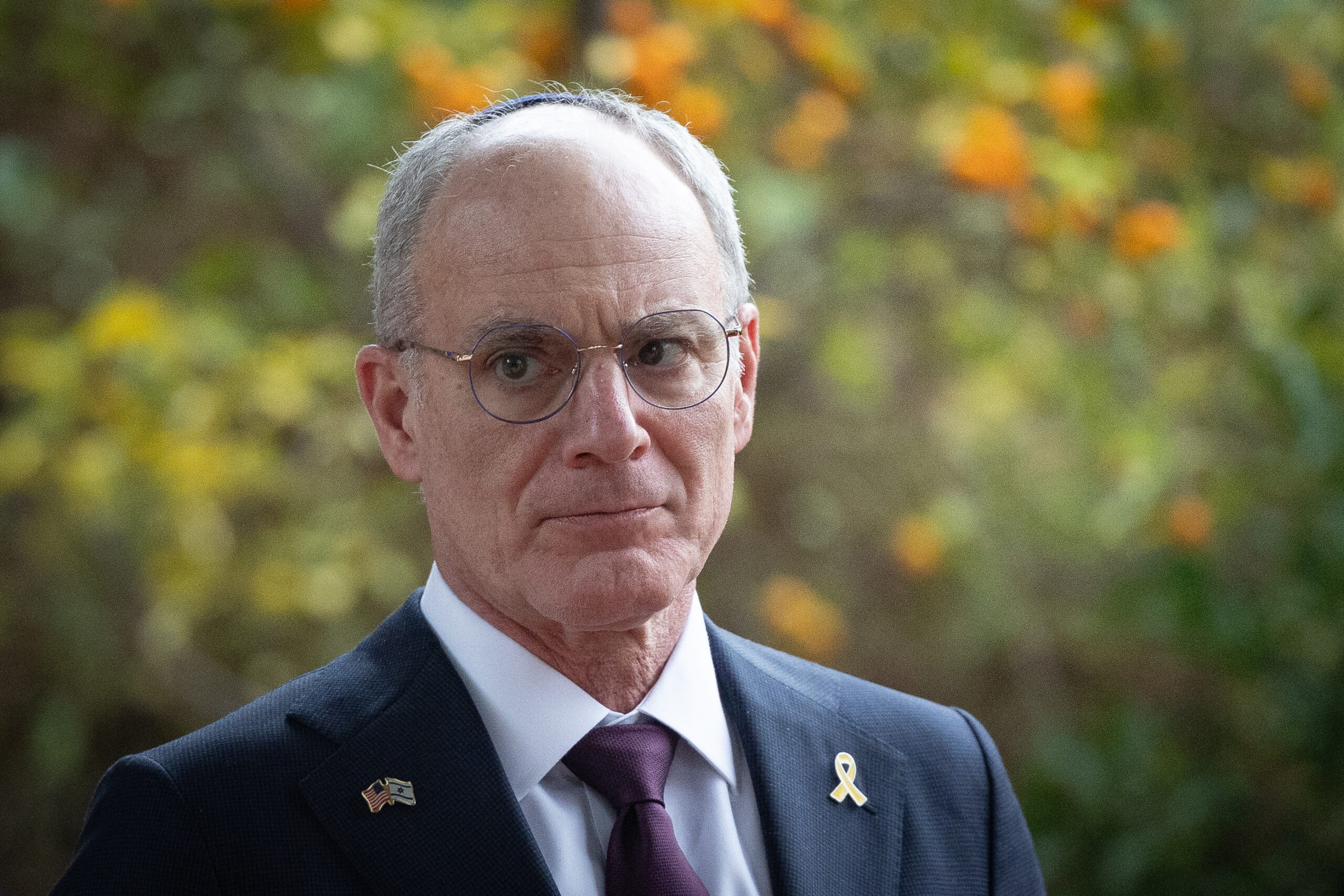
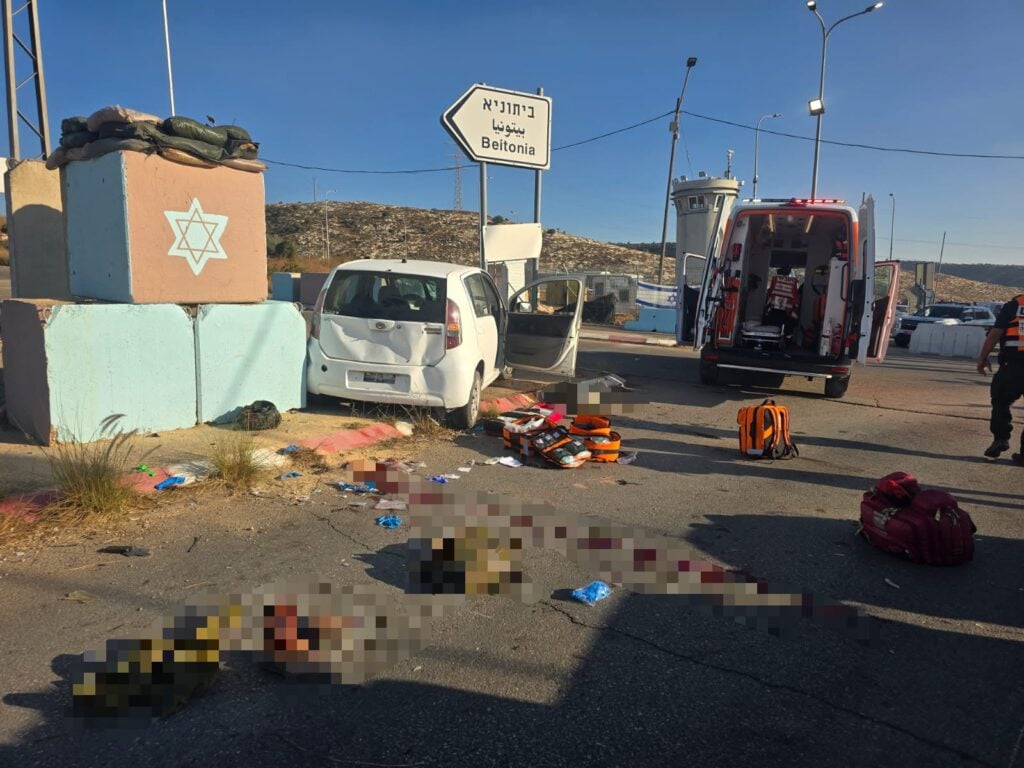
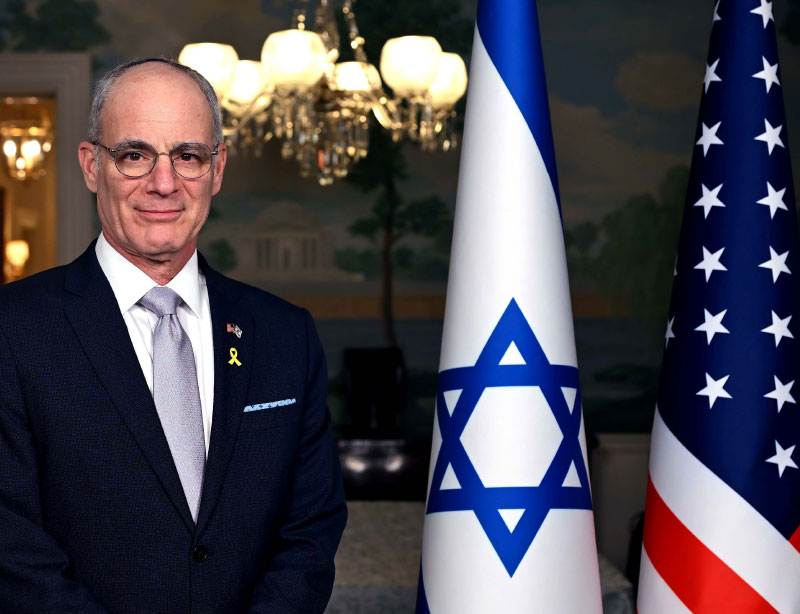
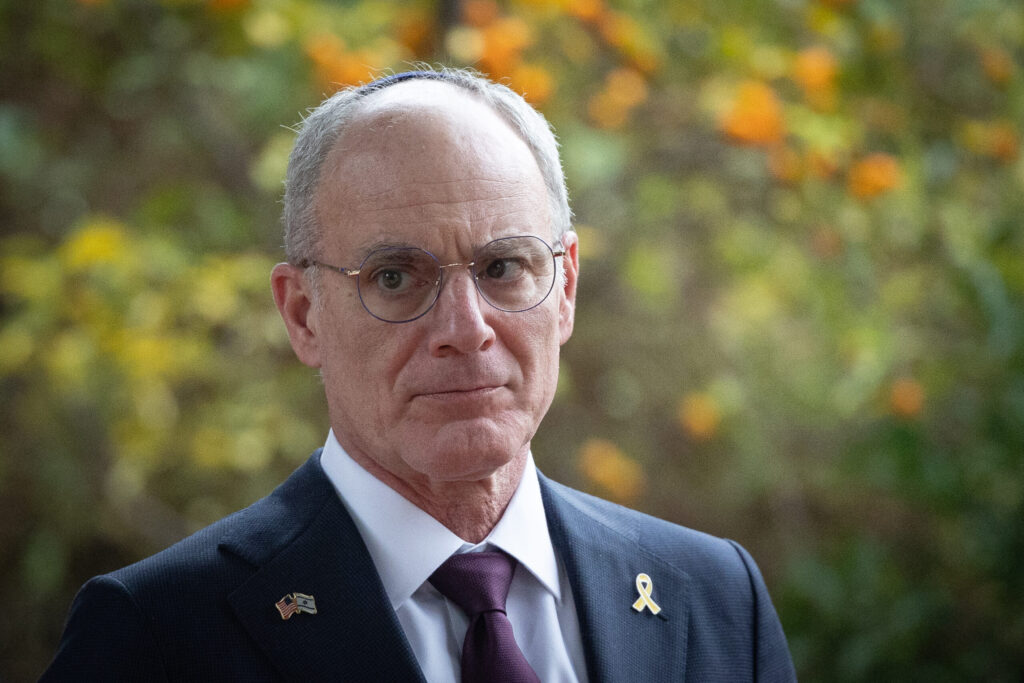
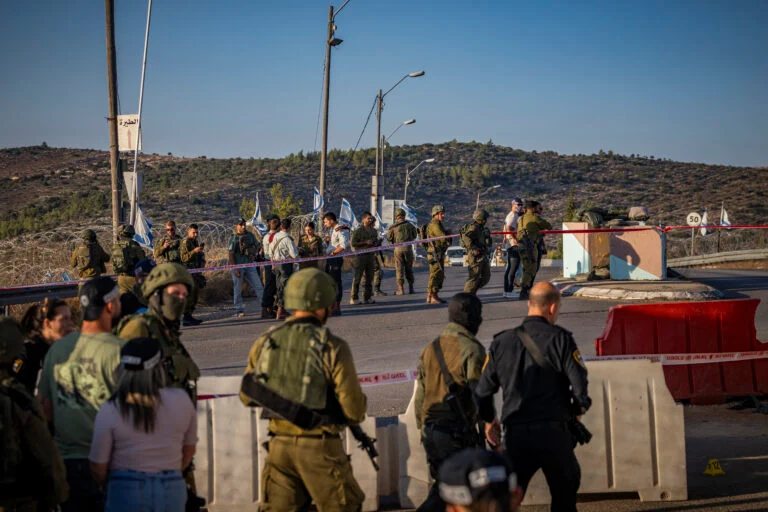
Hours after landing on an emergency flight from the United States, Israeli Ambassador to Washington Dr. Yechiel Leiter arrived Thursday morning outside the Intensive Care Unit at Shaare Zedek Medical Center in Jerusalem. Leiter went straight to the bedside of his son, Neriah Dov ben Chana Leiter, who was critically wounded in Wednesday’s vehicular ramming terror attack at the Bell Checkpoint on Route 443. In an emotional, pain-filled briefing, the ambassador revealed that surgeons succeeded in stabilizing his son overnight, but emphasized that an acute threat to his life remains, calling on the people of Israel to unite in prayer.
Photo courtesy: family
For the Leiter family, this terror attack tears open a wound that never fully healed. Three years ago, the ambassador lost his eldest son, Maj. (res.) Moshe Yedidyah Leiter, a former Shaldag team commander and company commander in the 551st Reserve Brigade, who fell during fierce combat in Beit Hanoun in northern Gaza. “This experience is different from the night I received the dreaded knock on the door,” Leiter said in anguish. “Moshe was killed instantly; there was no possibility to attempt to save his life, and we were not allowed to gather around his bedside. This time, despite the unbearable anxiety and the terror that I would land in Israel without hope, we have a chance to fight for Neriah’s life.”
The scene of the terror attack on Route 443 | Photo: United Hatzalah
The bitter news reached the ambassador in New York immediately after he finished a live broadcast interview on the American network Newsmax. Upon receiving confirmation that his son was the critically wounded reservist, Leiter boarded the first available flight home. Leiter shared that throughout the transatlantic flight, he was flooded with messages of support from across the globe: “Hundreds of synagogues and even Christian churches that I visited sent an outpouring of messages. Millions of people are praying for him. We need a miracle, and the prayers of the people of Israel can help.” The father highlighted his son’s extraordinary dedication: despite losing his brother—which legally exempted him from further military service—Neriah insisted on answering every call-up, completing hundreds of days of reserve duty across multiple active fronts since October 7.
Embracing his son Noam, who stood by his side, the ambassador hailed the present cohort as “the greatest generation the Jewish people has ever known.” Addressing the broader diplomatic and security battle against terror in Judea and Samaria, Leiter condemned international leaders who obscure the truth, referencing the murder of Netanel Shoukroun on the eve of Yom Kippur: “The war here is over the right of Jews to live in this land. The sole objective of terrorism is to uproot us from here, and everything else is empty rhetoric.”
Dr. Yechiel Leiter | Photo: Avi Ohayon
Neriah Dov Leiter continues to receive intensive critical care from leading trauma surgeons and neurospecialists at Shaare Zedek. The family stated that they draw immense strength from the public’s embrace, renewing their plea to the public in Israel and around the world to continue reciting Psalms for the full recovery of Neriah Dov ben Chana
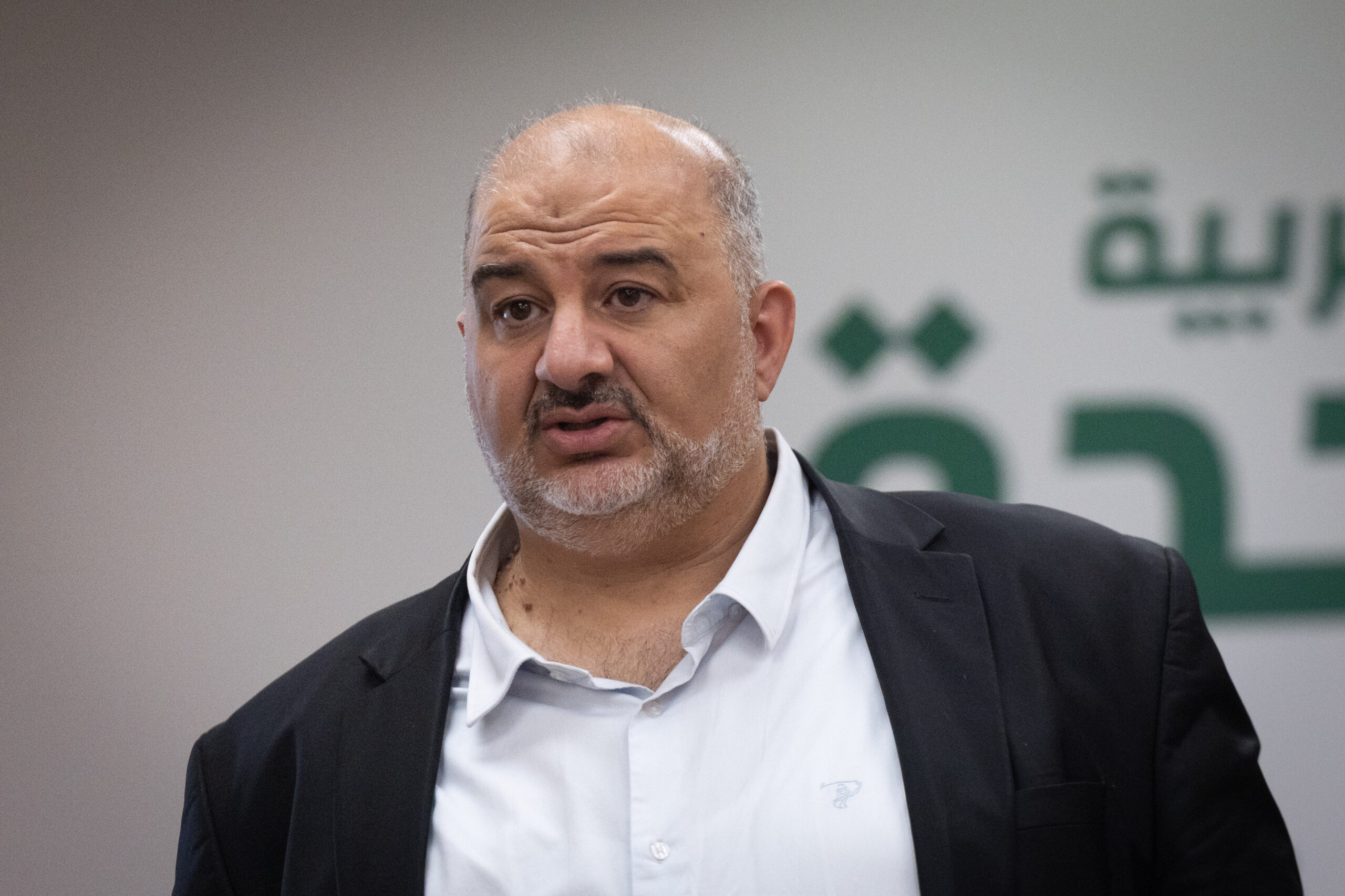
Ra’am chairman Mansour Abbas responded today (Wednesday) for the first time to the Central Elections Committee’s decision to disqualify his party from running in the Knesset elections, claiming the decision was politically motivated and intended to prevent the formation of an alternative government.
Mansour Abbas | Photo: Flash 90
Abbas directed his criticism at Prime Minister Benjamin Netanyahu, saying: “‘Abu Yair,’ who in the last two election campaigns chose not to cooperate with attempts to disqualify Ra’am, hoping to form a government with it, and even personally negotiated with me at Balfour — now understands that the only way for him to prevent the formation of the next ‘change government’ is by disqualifying Ra’am.” The Ra’am chairman went on to attack the Central Elections Committee’s decision itself, calling it a “political, illegitimate and anti-democratic decision.” According to Abbas, the decision was made contrary to the position of the attorney general and is based on “false accusations and fabrications.”
Judge Noam Solberg | Photo: Flash 90
Abbas announced that his party would fight the decision in the High Court of Justice: “We will refute these claims in the High Court, just as we have done in the past.” Abbas also addressed the approach his party seeks to advance in relations between Arabs and Jews. According to him, “Ra’am is advancing a process of partnership and coexistence between Arabs and Jews, and this disqualification should also be viewed against the backdrop of that path.”
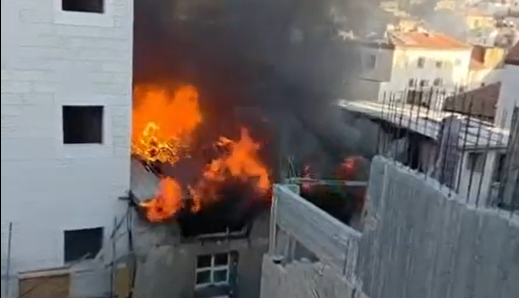
Fire and rescue crews operated on the ground Wednesday to prevent a blaze from spreading to adjacent buildings, penetrating deep into a smoke-filled temporary structure to confirm that no individuals were trapped inside. After confirming there were no casualties, firefighters shifted their focus to salvaging Torah scrolls affected by the fire and completing final suppression operations at the primary ignition points.
Video: Hershy Perlmutter
The incident commander, HaUma Station Commander Deputy Fire Chief Shay Nehemiah, reported: “Firefighters acted with resolve to confront a fully developed fire within the temporary structure and performed rapid primary searches that ruled out any trapped occupants. During the operation, crews rescued several Torah scrolls from inside the flames. At this stage, we are concentrating efforts on final extinguishment, and the incident is nearing full containment.”
Fire and Rescue Service arson investigators are scheduled to launch an inquiry into the circumstances surrounding the outbreak of the fire once complete operational control is established at the scene.
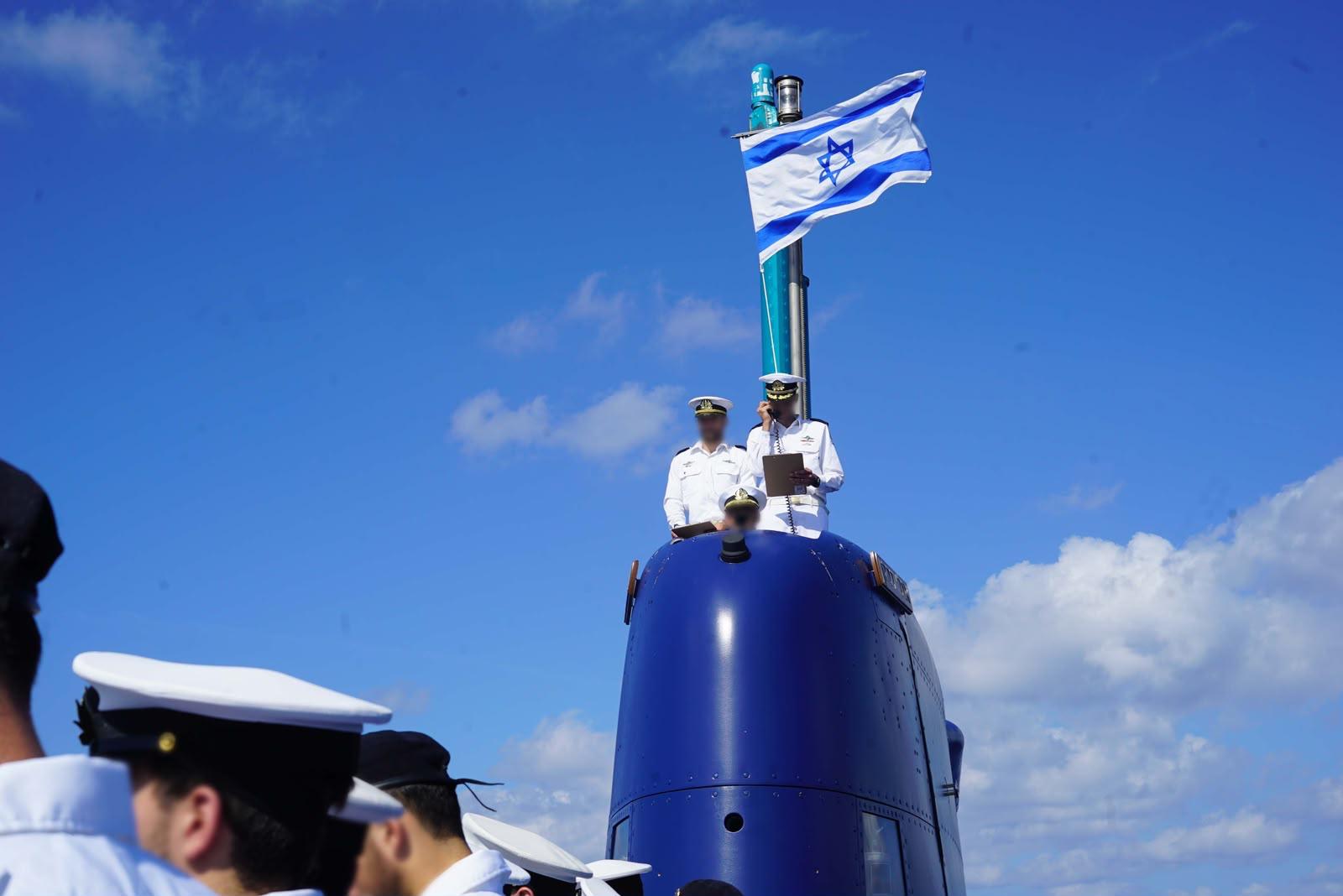
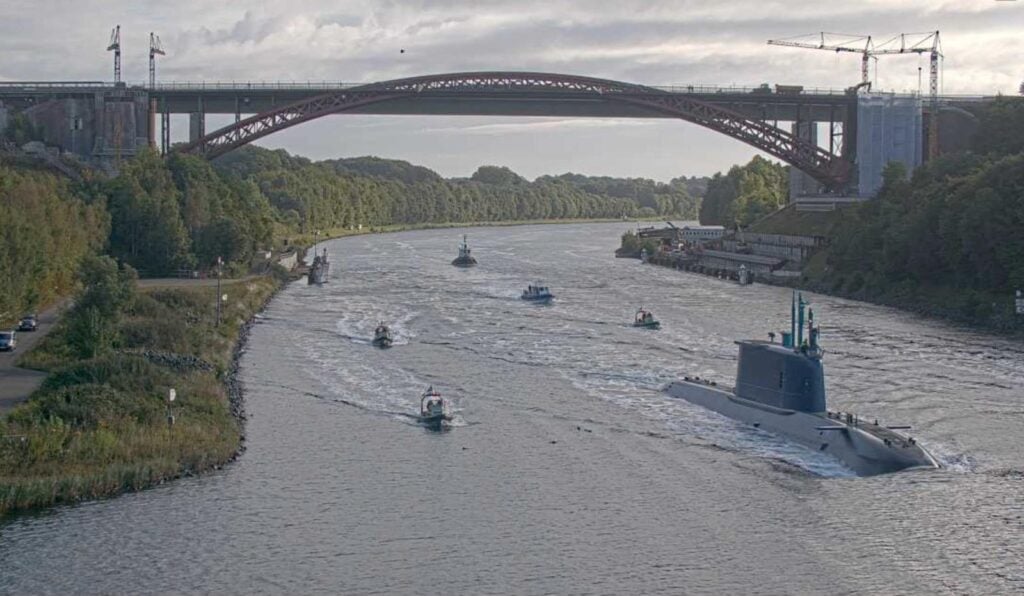
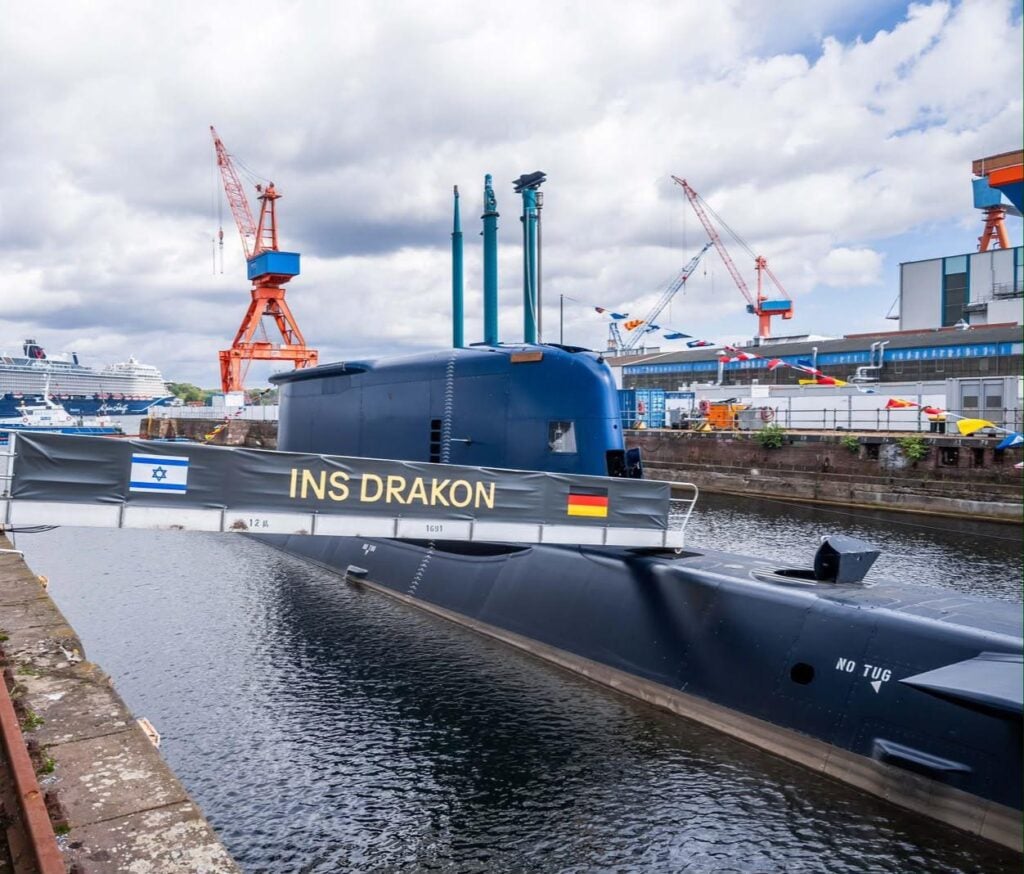
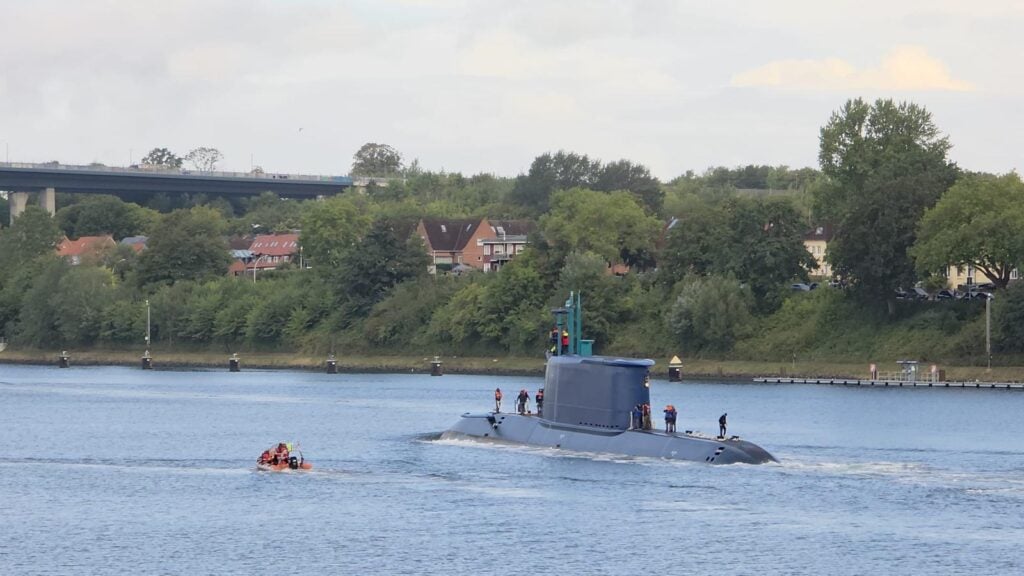
Marking a major strategic upgrade for the Israeli Navy and the IDF’s strike capabilities, the military’s newest submarine, INS Drakon, has arrived in Israel after more than 12 years of planning and construction and a month-long sea voyage from Germany. The vessel, the sixth submarine in the Israeli fleet and the third and final installment of the Dolphin AIP (Air-Independent Propulsion) class, is approximately 30% larger than legacy Dolphin submarines. It gives Israel prolonged submerged endurance, unprecedented operational range, and maximum stealth across distant and sensitive theaters.
INS Drakon submarine | Photo: IDF Spokesperson
INS Drakon stretches over 70 meters long; when surfaced, less than one-fifth of its hull is visible above water. The vessel’s technological masterpiece is its AIP propulsion system, which uses hydrogen fuel cells and liquid oxygen to generate power and recharge onboard batteries while submerged.
INS Drakon submarine | Photo: IDF Spokesperson
This propulsion system enables the submarine to operate in deep waters for extended periods without snorkeling or surfacing for air, maximizing the operational concealment essential for intelligence-gathering missions, harbor chokepoint control, and the neutralization of hostile surface vessels.
INS Drakon submarine | Photo: IDF Spokesperson
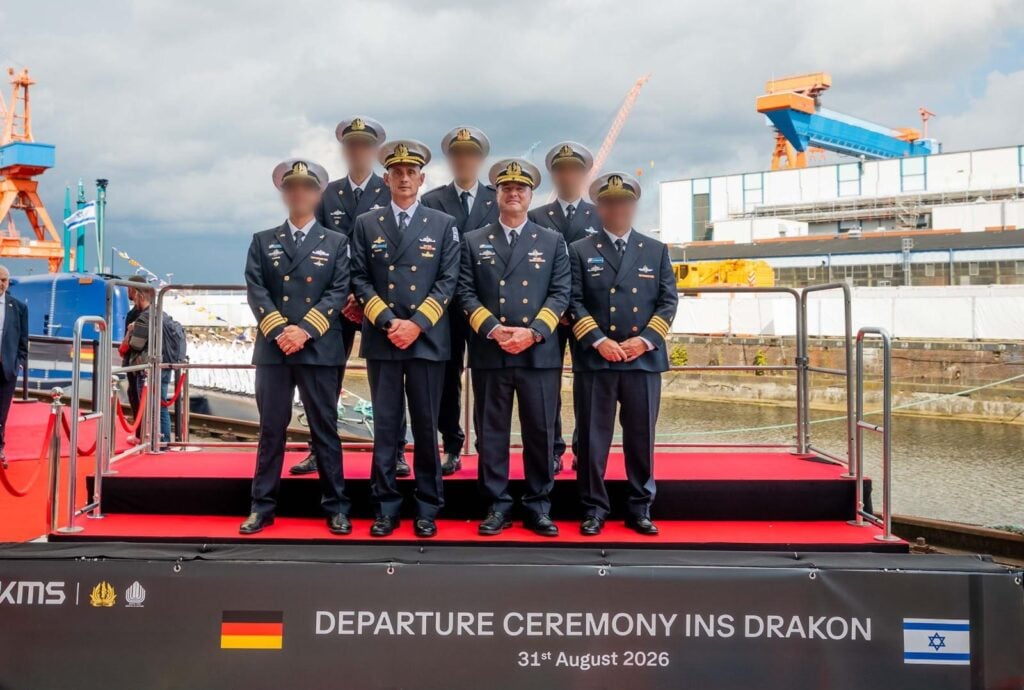
The submarine’s complex maritime voyage spanned about 4,000 nautical miles (around 8,000 kilometers) over a month. Departing from the ThyssenKrupp Marine Systems (TKMS) shipyards in Kiel, Germany—where the Israeli ensign was hoisted earlier this month—the route crossed the Atlantic Ocean, traversed the Strait of Gibraltar, and continued through the Mediterranean Sea. The multi-billion-shekel program was directed over more than a decade by a dedicated Israeli naval mission stationed in Germany for nearly 20 years, bringing together IDF naval officers, engineers, and personnel from the elite Shayetet 7 submarine flotilla alongside the German Ministry of Defense and the German Navy.
INS Drakon submarine | Photo: IDF Spokesperson
IDF Chief of Staff Lt. Gen. Eyal Zamir addressed the submarine’s deployment as it transited the Mediterranean: “At this very moment, INS Drakon, the sixth submarine of the State of Israel, is making its way home. It symbolizes, more than anything, the profound transformation the Navy has undergone into a powerful strategic arm capable of reaching every destination across the Middle East and beyond.” Zamir emphasized that the submarine’s induction is part of a broader force build-up that will in the future include new Reshef-class missile corvettes, designed to expand sustained firepower and sea-control capabilities.
INS Drakon submarine | Photo: IDF Spokesperson
The Israel Navy’s submarine force remains one of the military’s most semilitary’sd sensitive operational branches, with the overwhelming majority of its missions classified. Flotilla submariners operate for weeks at a time, completely cut off from the outside world, managing complex weapons and sensor suites in contested maritime environments.
INS Drakon submarine | Photo: IDF Spokesperson
While the delivery of INS Drakon concludes the Dolphin-II AIP procurement program, production in Germany is already advancing on the fleet’s next iteration- the Dakar class—slated to replace the Navy’s oldest Dolphin-II submarines in the coming decade. Integrating INS Drakon into active service gives Israel renewed strategic depth: the ability to reach farther, stay submerged much longer, and operate deep behind enemy lines without leaving a trace.
As part of the uncompromising offensive waged by Israeli security forces against terror infrastructure and severe crime, a significant operational achievement was recorded on Wednesday. In a high-quality integrated operation conducted by the Judea and Samaria Central Investigation Unit (YAMAR) and the Jordan Border Unit, in close cooperation with Central Command, MATILAN tactical border fighters, and the 417th Regional Brigade, a targeted initiative codenamed Operation “Moadim LeSimcha” was launched.
The primary objective of the operation was to strike directly at the pockets of arms traffickers and weapons smugglers through the seizure and legal forfeiture of vehicles allegedly acquired with funds generated from cross-border weapons trafficking and illicit arms sales.
Photo credit: none
Key operational achievements:
Striking Prime Crime Drivers: Tactical teams raided multiple operational targets, seizing six vehicles tied to six prominent figures well known to the security establishment in the field of illicit arms trafficking.
Immediate Forfeiture Process: All seized vehicles were transferred directly into civil forfeiture proceedings, designed to strip criminal rings of assets acquired through illicit proceeds.
Choking Financial Infrastructure: The raids were executed as part of an integrated institutional strategy to dismantle the economic foundation of arms trafficking networks, complementing ongoing field interdictions and intelligence-led investigations.
Photo credit: none
Commander of the Jordan Border Unit, Chief Superintendent Nir Seroussi, stated: “The Jordan Border Unit operates as an integral component of a coordinated apparatus alongside partner security agencies, tasked with dismantling the infrastructure of weapons smuggling and trafficking across the eastern frontier—from detecting and intercepting active smuggling runs to degrading the supply lines and financiers that facilitate them. Alongside ongoing operational and intelligence efforts, we are expanding economic enforcement tools to locate, seize, and forfeit assets suspected of being acquired through criminal capital. The message is unmistakable: we will not allow criminal elements to profit from their operations, and we will strike every link in the chain that facilitates and funds weapons trafficking.”
Before he departed for the United Nations General Assembly in New York, Prime Minister Benjamin Netanyahu arrived Wednesday evening at Shaare Zedek Medical Center in Jerusalem to visit the family of Neriah Leiter, who was critically wounded in the terror attack earlier in the day.
Israel’s Ambassador to the US Yechiel Leiter | Photo: Jonathan Sindel, Flash90
Leiter, an IDF reservist and the son of Israel’s Ambassador to the United States, Yechiel Leiter, was severely injured when a terrorist rammed a vehicle into him at the Route 443 Bell Checkpoint near Beit Horon.
The attack on Highway 443 | Photo: United Hatzalah
Following the hospital visit, Prime Minister Netanyahu called upon the public to unite in prayer for his full and speedy recovery: Neriah Dov ben Chana
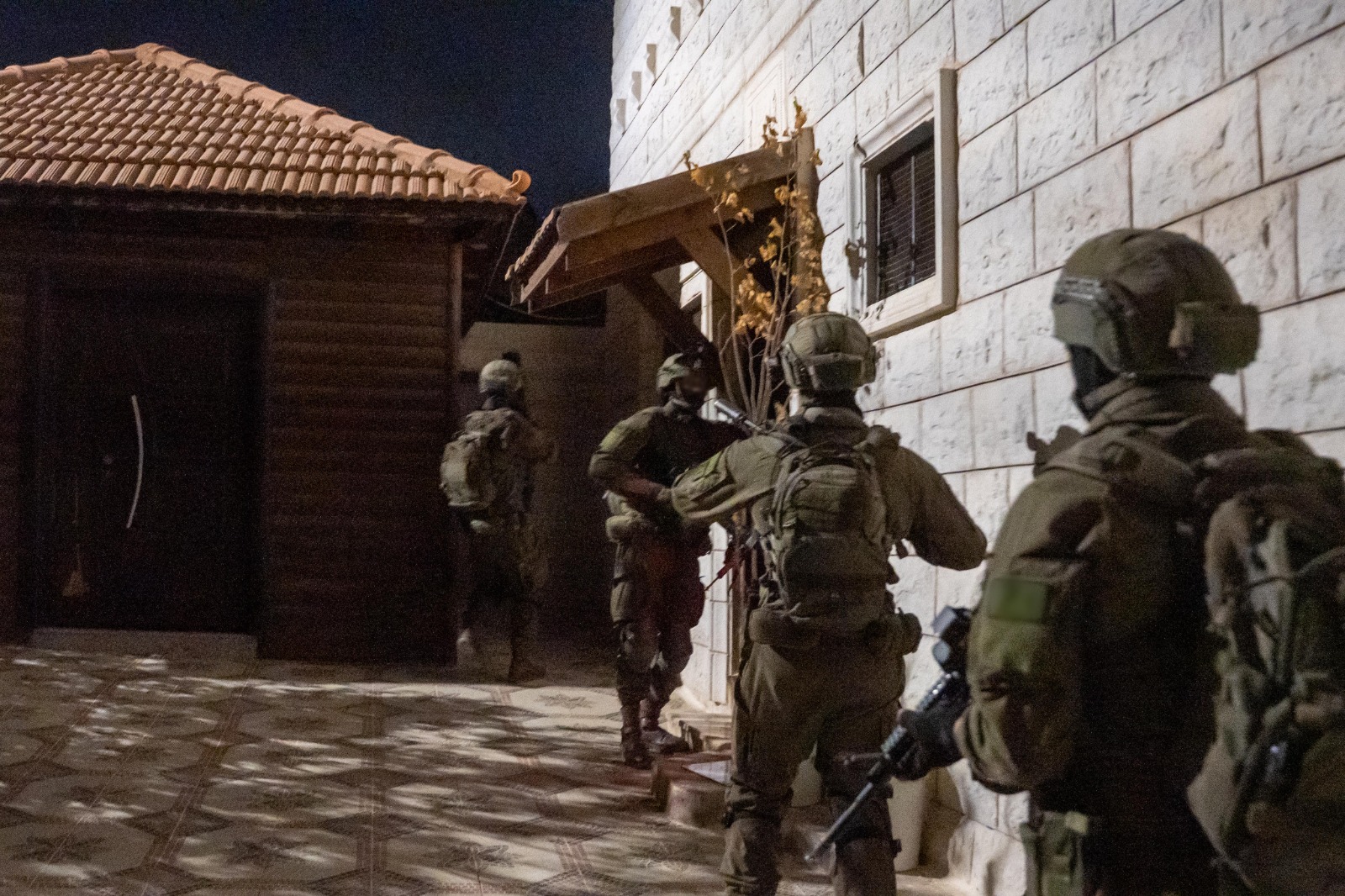
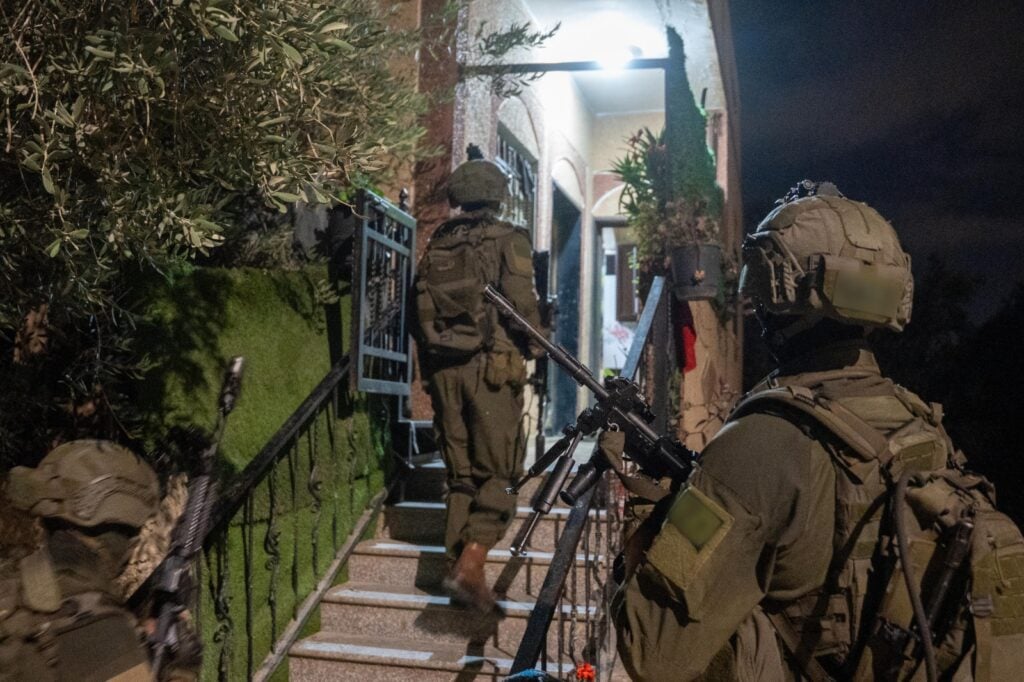
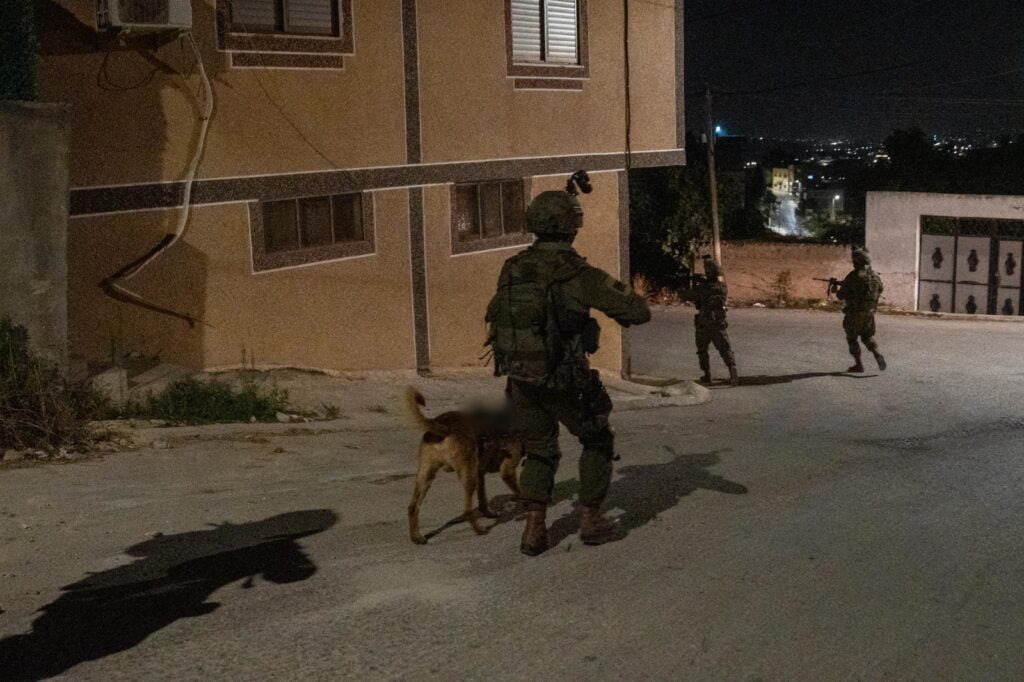
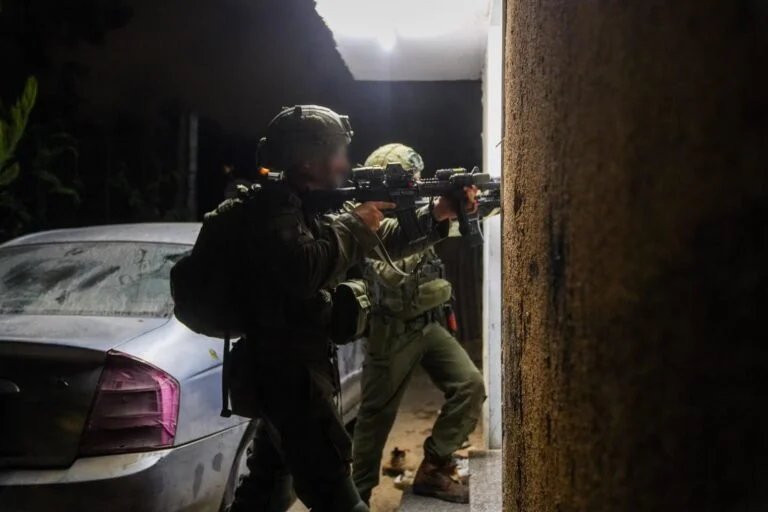
Nahal Brigade troops have been conducting intensive operations across Judea and Samaria in recent months, operating under the regional brigades of Judea, Menashe, Ephraim, and Samaria. According to official figures released by the IDF, the operational activity produced significant results on the ground, including searches of over 1,200 sites, exposure of a bomb-making lab, interrogation of approximately 930 suspects, arrest of around 230 wanted individuals, and seizure of dozens of weapons and ammunition, the IDF Spokesperson announced Wednesday.
Photo: IDF Spokesperson
As part of the ongoing operations, Nahal fighters raided multiple terror hubs across the sector. In one of the sites, forces uncovered a bomb-making lab used to manufacture explosives—a central infrastructure intended to carry out attacks against civilians and security forces. Alongside exposing the lab, approximately 930 suspects in terrorist activity were interrogated in the field, and around 230 wanted individuals were arrested and transferred for further investigation by security agencies.
Photo: IDF Spokesperson
Parallel to the arrests, the fighters recorded achievements in weapons seizures. During the searches, forces located and confiscated more than 100 different combat means, including M16 assault rifles, submachine guns, pistols, numerous magazines, and large quantities of ammunition. The IDF clarified following the release of the figures: “IDF forces will continue to act decisively to thwart terror and maintain security in the Judea and Samaria sector.” The figures summarize activity that continued in recent months across four different sectors in Judea and Samaria.
Photo: IDF Spokesperson
Just days before releasing the figures, the IDF revealed that the Nahal Brigade arrived for the mission in the sector after a period of about two months during which its fighters operated in southern Lebanon. The transition required the forces, according to the IDF, to shift from maneuvering in enemy territory to a reality of continuous presence, defense missions, and rapid response to developing incidents.
One of the prominent operations in which brigade fighters participated took place in early September in the Samaria sector. As part of an operation in the villages of Qabalan, Azzun, Aqraba, and Yatma, IDF and Border Police forces operated under Shin Bet direction to thwart terror.
Photo: IDF Spokesperson
During the activity in Aqraba, forces arrived to interrogate a terrorist who according to the IDF was affiliated with a terror organization. Upon their arrival, he threw a Molotov cocktail and an improvised explosive device at them, with no casualties. The forces implemented a “pressure cooker” procedure on the building where he was hiding, and Nahal reconnaissance fighters killed him after breaking into the location, when according to the IDF statement he was holding a knife with which he intended to harm the forces.
In that same operation, four additional wanted individuals were arrested. According to the IDF, three of them were engaged in weapons trafficking and one was planning to carry out an attack in the immediate timeframe. Forces interrogated approximately 60 wanted individuals during searches of approximately 70 sites in the villages and located ammunition, a mortar shell, and additional military equipment.
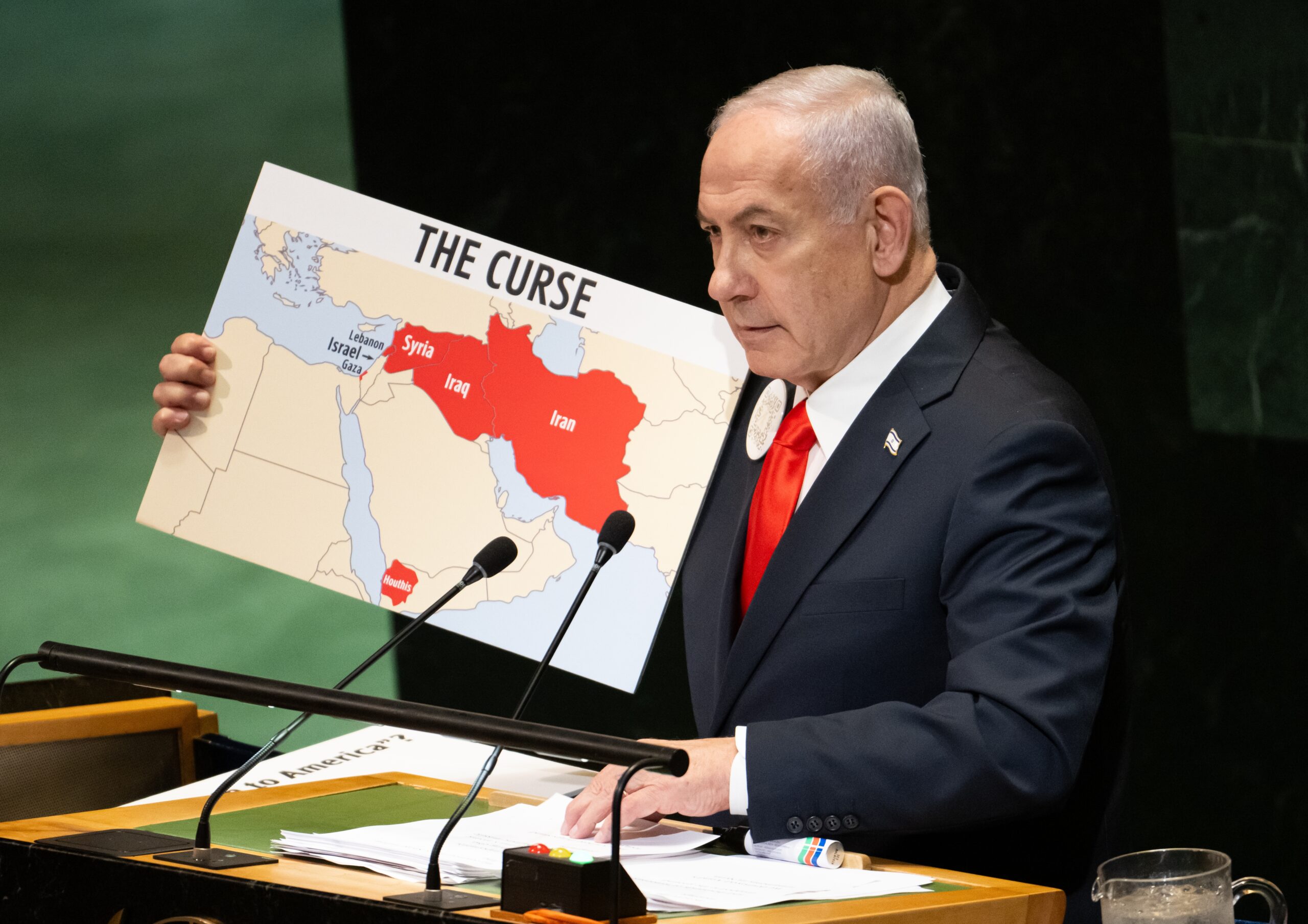
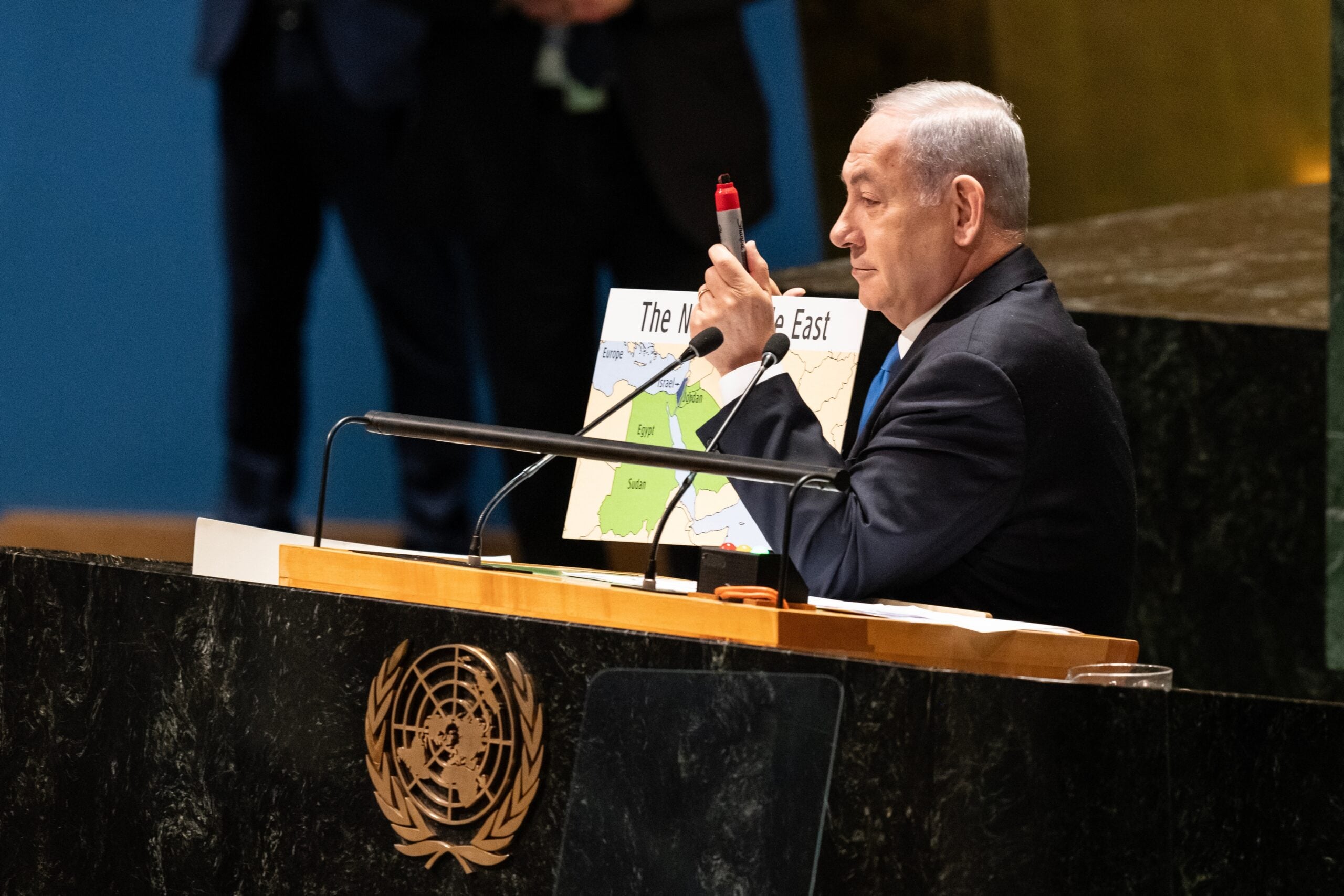
When Prime Minister Benjamin Netanyahu ascends the podium at the United Nations General Assembly, international attention is never directed solely at the speech itself. Over the years, the visual props, cartographic diagrams, and theatrical gestures he brings have become an inseparable part of his address—and often, they are what remains etched in collective memory long after the diplomatic delegations disperse.
Prime Minister Netanyahu on the UN stage | Photo: Shutterstock
An illustrated bomb, a red marker, strategic maps, aerial reconnaissance photos, an extended silence, and even a smartphone-scannable QR code: over decades, Netanyahu has reshaped the rostrum in New York from a rigid diplomatic podium into a high-impact visual theater where intricate national security doctrines are distilled into a single indelible image.
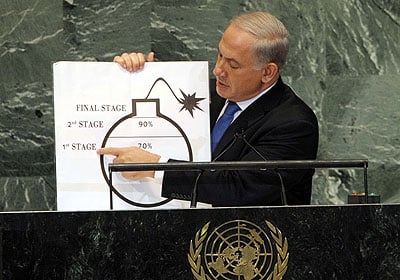
One of his most defining moments occurred in September 2012. Addressing the gathering on Iran’s burgeoning nuclear program, Netanyahu pulled out a cartoon diagram of a bomb and drew a literal line across it with a thick red marker to designate the “red line” the civilized world must enforce against Tehran. Within hours, that photograph became an iconic international symbol of Israel’s crusade against Iranian nuclear breakout, sparking global media headlines.
Netanyahu with the illustrated bomb diagram | Photo: GPO
Three years later, addressing the assembly in the shadow of the JCPOA Iran nuclear deal, Netanyahu arrived without a large placard and instead orchestrated a fundamentally different visual moment. After charging that the global community met Iranian threats to annihilate Israel with “deafening silence,” he halted his address. He stood motionless, staring down the delegates in total silence for 44 seconds.
In 2018, the physical displays returned. Pointing to the clandestine Iranian nuclear archive daringly exfiltrated to Israel by the Mossad, Netanyahu unveiled classified satellite photographs and maps on the UN stage, exposing what he identified as a “secret atomic warehouse” in Tehran and revealing its precise street coordinates to the world.
Netanyahu’s silence at the UN | Photo: Shutterstock
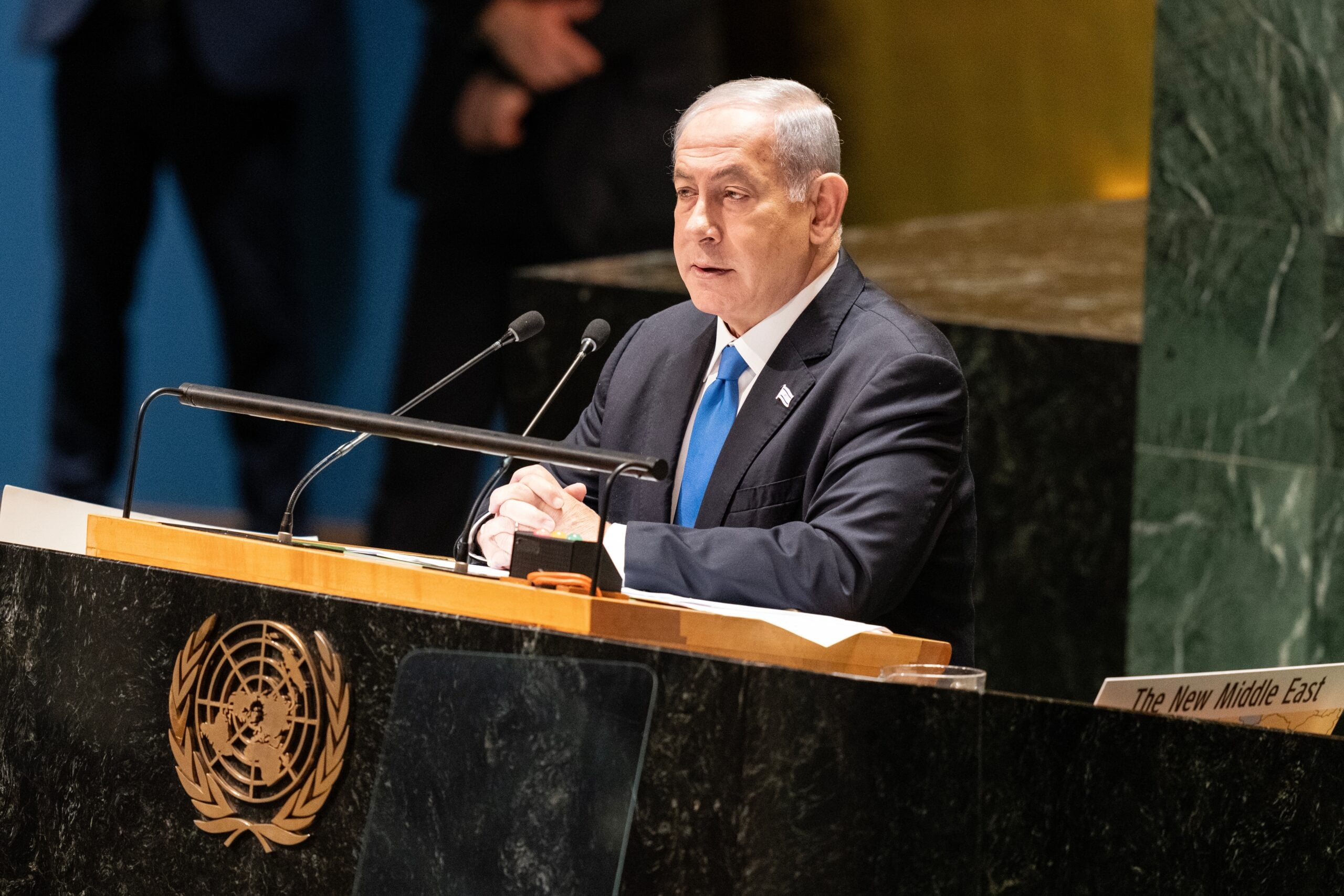
In September 2023, the red marker reappeared—this time conveying an entirely different message. Netanyahu presented a map depicting what he termed “The New Middle East,” highlighting a transformative corridor linking India through Arab partner nations and Israel into Europe. Departing from the dark security warnings of prior years, the visual sought to project a hopeful regional vision of economic connectivity and normalization.
One year later, delivering his address amid a multi-front war, Netanyahu brought two distinct maps labeled “The Bles”ing” “nd “The Curse”—one illustrating prospective regional integration, the other visualizing the arc of Iranian-backed proxy aggression. During that speech, he issued a stern warning that Israel’s arm reaches everywhere in the Middle East. That day carried unprecedented drama off-stage: mere hours after stepping away from the podium, Israeli fighter jets struck Hezbollah’s central underground headquarters in Beirut’s Dahiya district, eliminating secretary-general Hassan Nasrallah on an order authorized by Netanyahu from his New York hotel.
Netanyahu and the red marker | Photo: Shutterstock
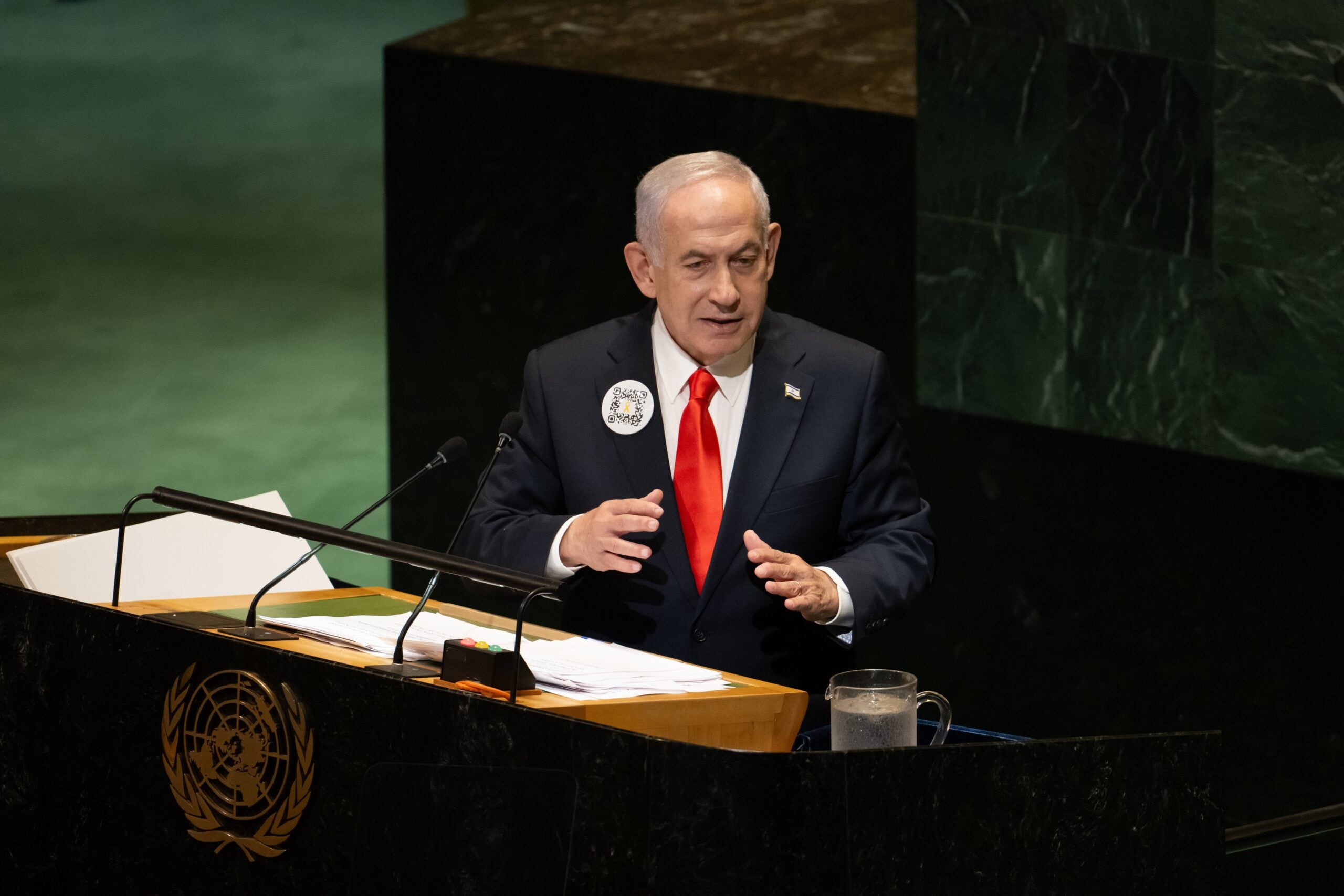
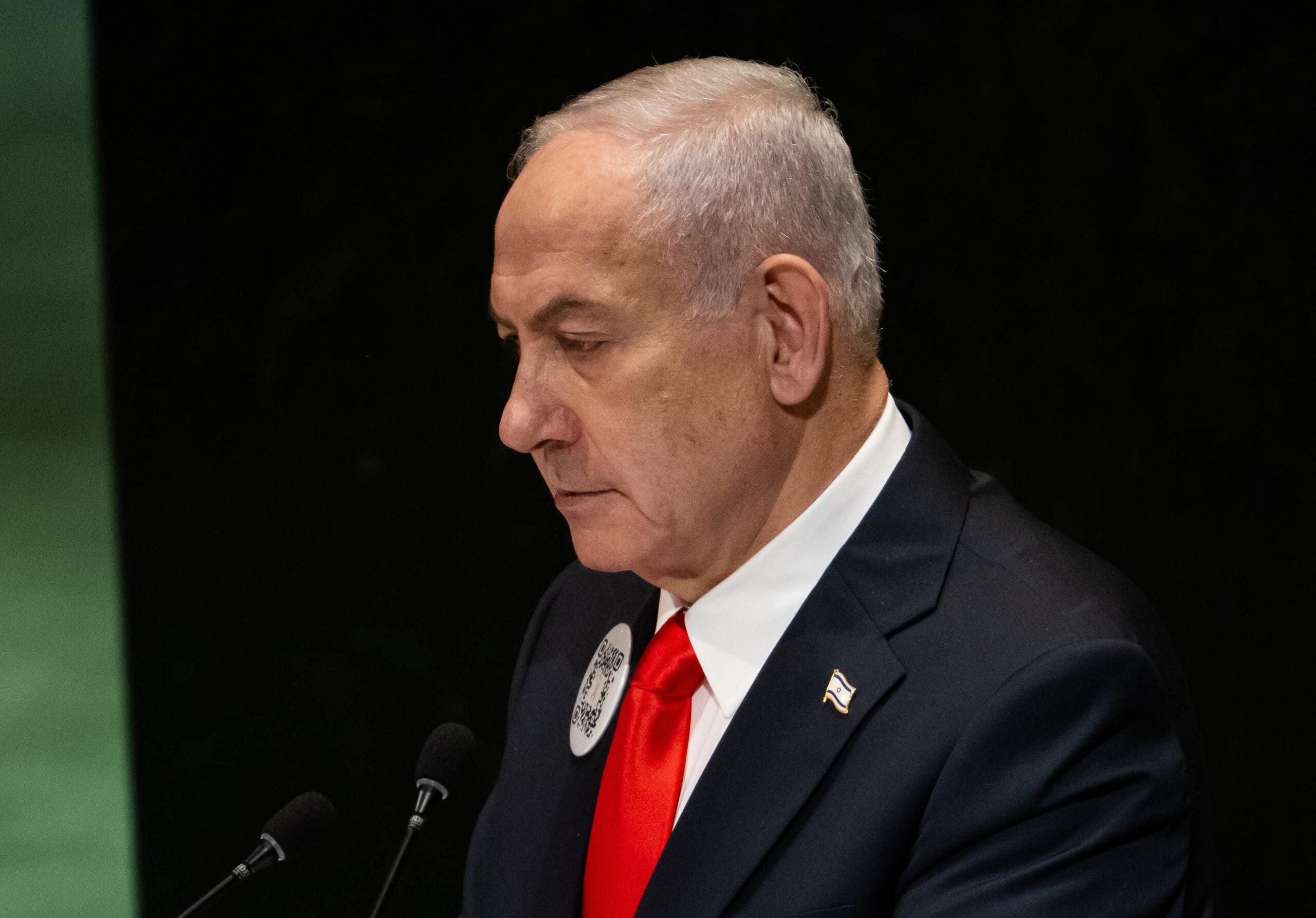
In 2025, the visual prop shrank to fit neatly on his suit lapel. Netanyahu wore a large, prominent QR code on his chest, calling on diplomats in the plenary to raise their smartphones and scan it live. The link routed directly to authenticated archives documenting the atrocities of October 7, an intentional move to thrust Israeli victims back into the center of international discourse.
Netanyahu with the QR code on his lapel | Photo: Shutterstock
Netanyahu did not invent theatrical props at the United Nations. Historic figures have waved documents, unrolled treaties, and brandished books to turn addresses into political theater. Yet with Netanyahu, visual demonstrations became a recurring tactical doctrine: distill a multi-layered diplomatic, intelligence, or security dilemma into an elemental graphic and forge a picture that sears into global memory.
The bomb was drawn to warn, the silence held to convict, the maps unrolled to illustrate strategic alternatives, and the QR code displayed to memorialize.
What will the Prime Minister pull out at the UN this time? | Photo: Shutterstock
As Netanyahu returns to the UN General Assembly podium, having openly promised that his upcoming speech will deliver fr”sh “surpri” es,” the enduring question remains: what visual ace will he pull from his sleeve this time—and will it forge the next defining image of the world stage?