Category: Israel

  • Netanyahu to Show Trump Fresh Intel on Iran Nuclear Sites

    Netanyahu to Show Trump Fresh Intel on Iran Nuclear Sites

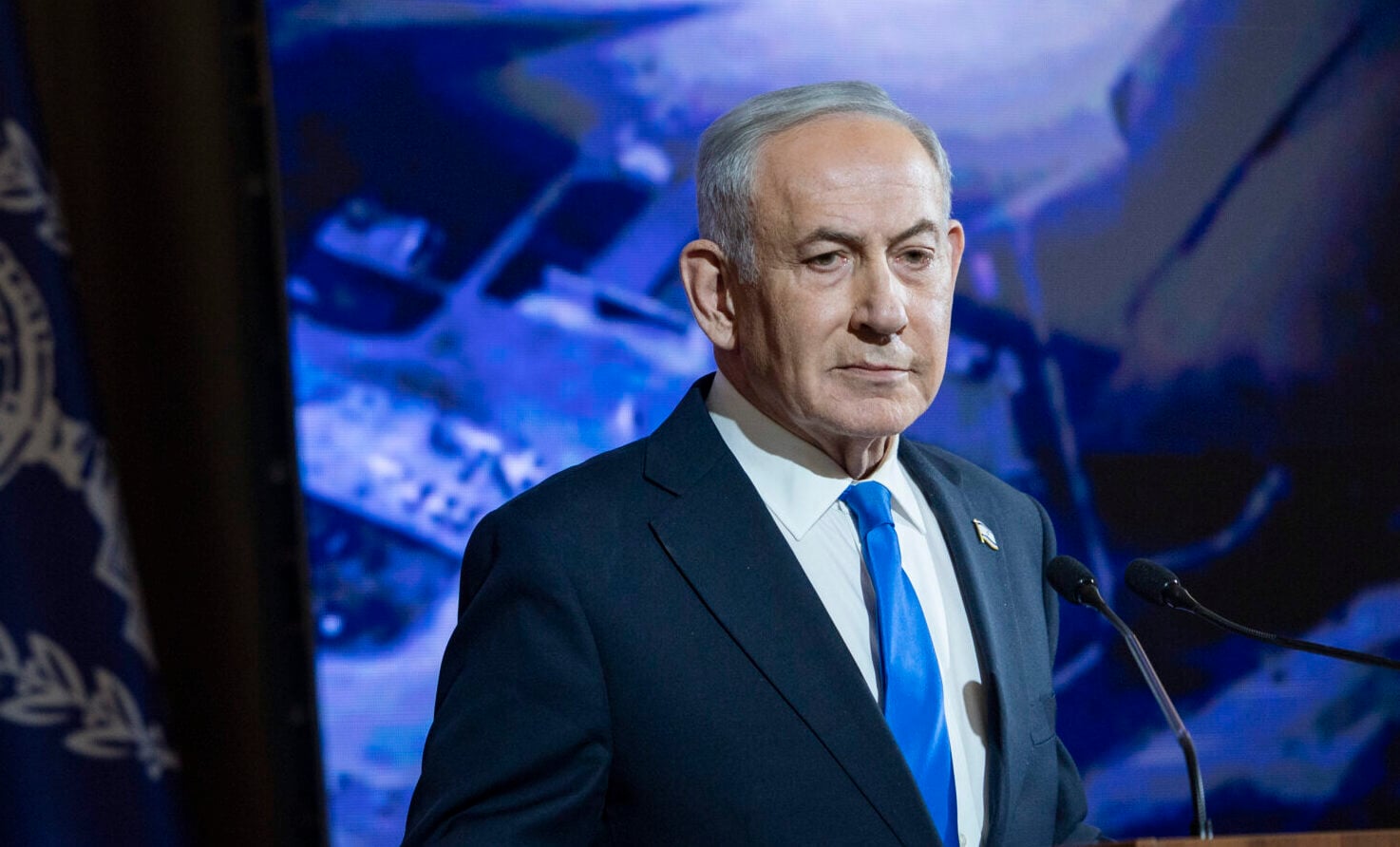
    Sagiv Asulin, a former senior Mossad official, addressed the upcoming meeting between Prime Minister Benjamin Netanyahu and President Donald Trump in Washington at Channel 14’s security conference today (Tuesday). Asulin dismissed reports of disagreements between the leaders and predicted Netanyahu will present dramatic intelligence about Iran’s nuclear program.

    Trump and Netanyahu archive | Photo: Hadas Parush, Flash90

    Asulin rejected claims of diverging interests between the countries: “We need to learn from past experience. Time after time we see before the prime minister’s trips to President Trump, statements almost everywhere that there are very big disagreements, and time after time, lo and behold, we’re proven wrong.” He stressed that coordination is higher than reported: “These two—the president of the United States and the prime minister of Israel—are coordinated far, far more than it appears.”

    Asulin predicted Netanyahu arrived at the meeting with fresh intelligence on Iran’s nuclear facilities: “The prime minister is going to reveal to President Trump updated intelligence on everything related to Mount ‘Pickaxe’ regarding nuclear infrastructure. From what I understand, this may involve both the transfer of relevant equipment that will be buried deep underground even more than the Fordow site. And it’s also possible that it even involves enriched uranium that some say has been transferred there.” According to him, such information could lead to necessary military action.
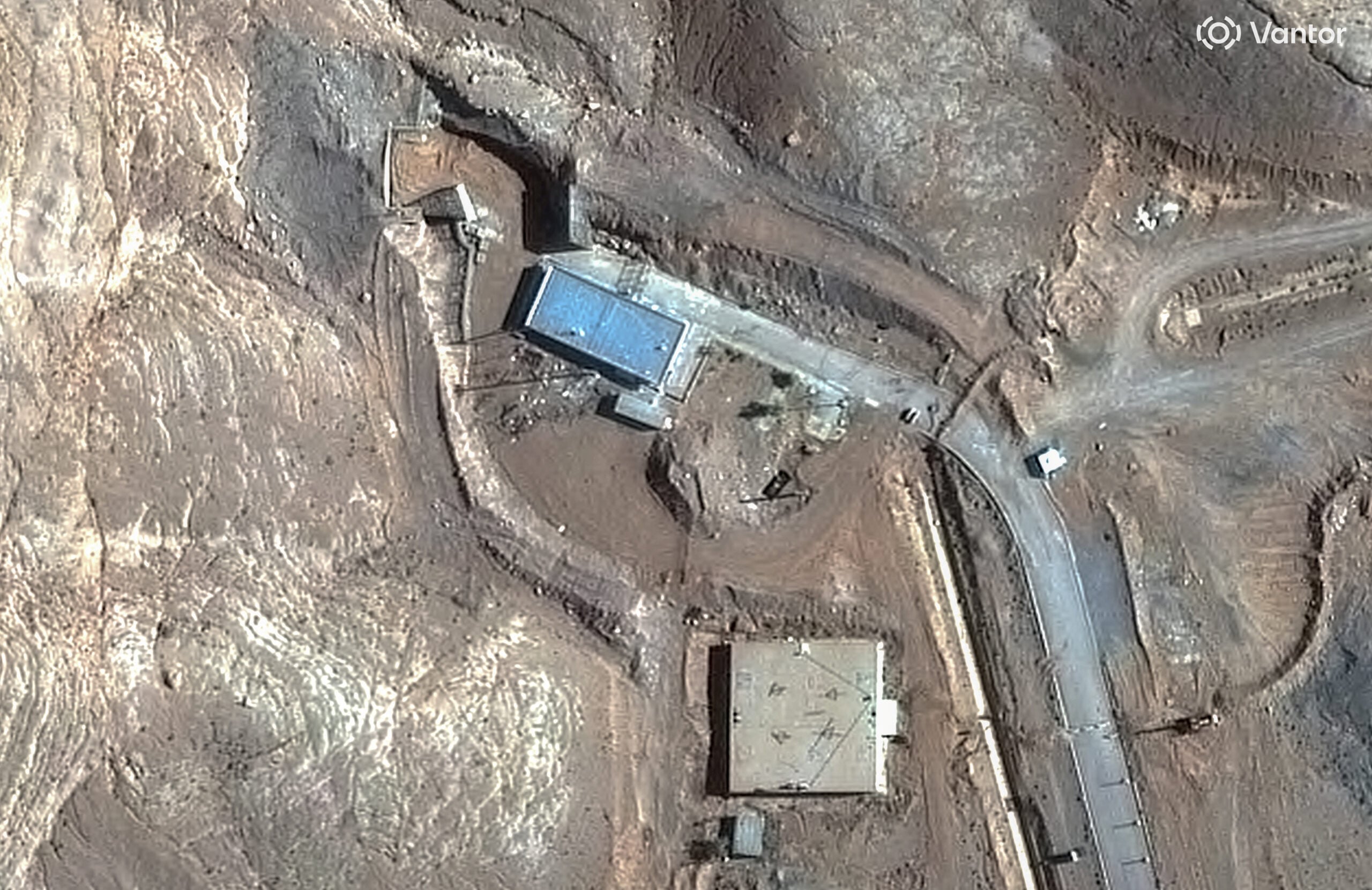
    Tunnel complex at the Isfahan nuclear site | Photo: Reuters

    According to Asulin, joint operational cooperation between the countries is a done deal: “The integrated American-Israeli activity is only a matter of time. It’s a matter of operational opportunity, and everything we’re seeing now and will see in the near future is deception, it’s a campaign, a global campaign to create alliances.” He added that at the right moment, action will be taken with “a very high element of surprise.”

    Despite President Trump’s constraints ahead of the midterm elections in November, Asulin believes the Iranians are forcing the administration’s hand: “The Iranians time after time are pushing him into a corner and not even allowing him to make it to November.”
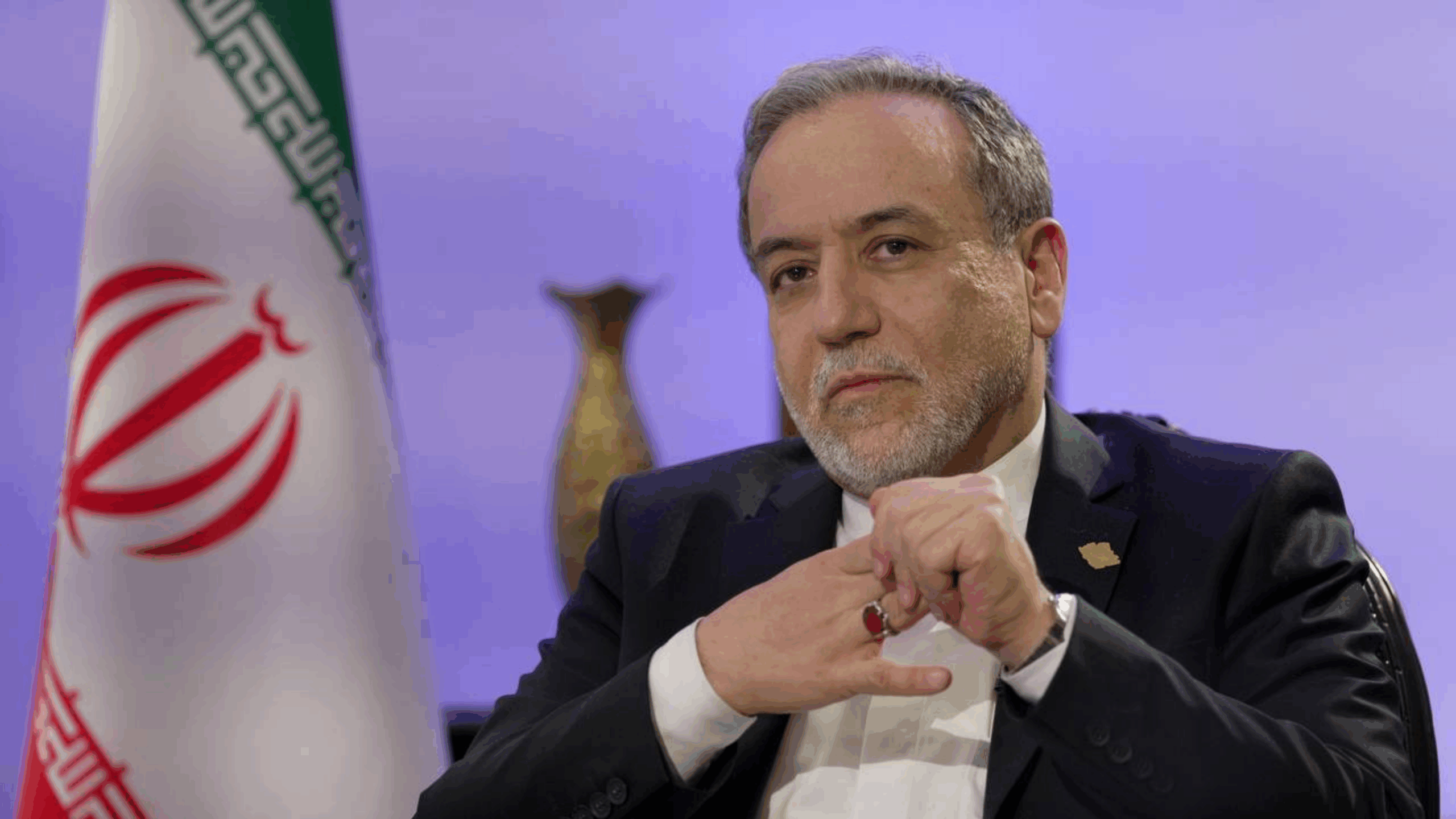
    Abbas Araghchi, Foreign Minister of Iran | Photo: Reuters

    He concluded his remarks with the importance of a preemptive strike: “We’re talking about Israel’s survival, Israel’s security. If we have an opportunity to strike our enemy, we need to do it, and I think we’re heading toward another such event.”
  • Ex-PM Office Official: Where Is the War with Iran Headed?

    Ex-PM Office Official: Where Is the War with Iran Headed?

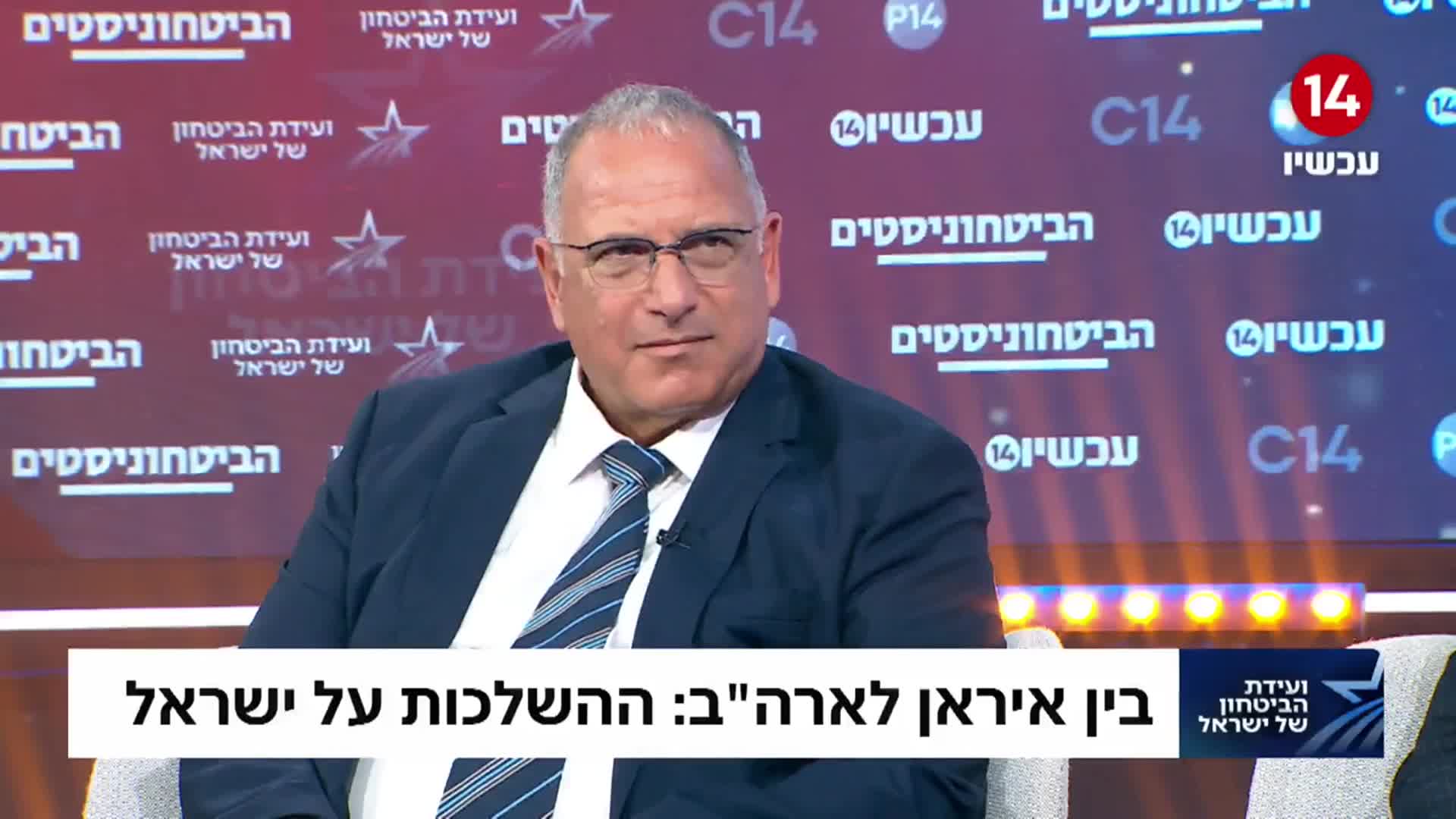
    Lt. Col. (res.) Ofer Malka, a former senior official in the Prime Minister’s Office, addressed Channel 14’s Security Conference today (Tuesday) about the achievements and lessons from Israel’s last two rounds against Iran, and answered the burning question: where is the current war headed?

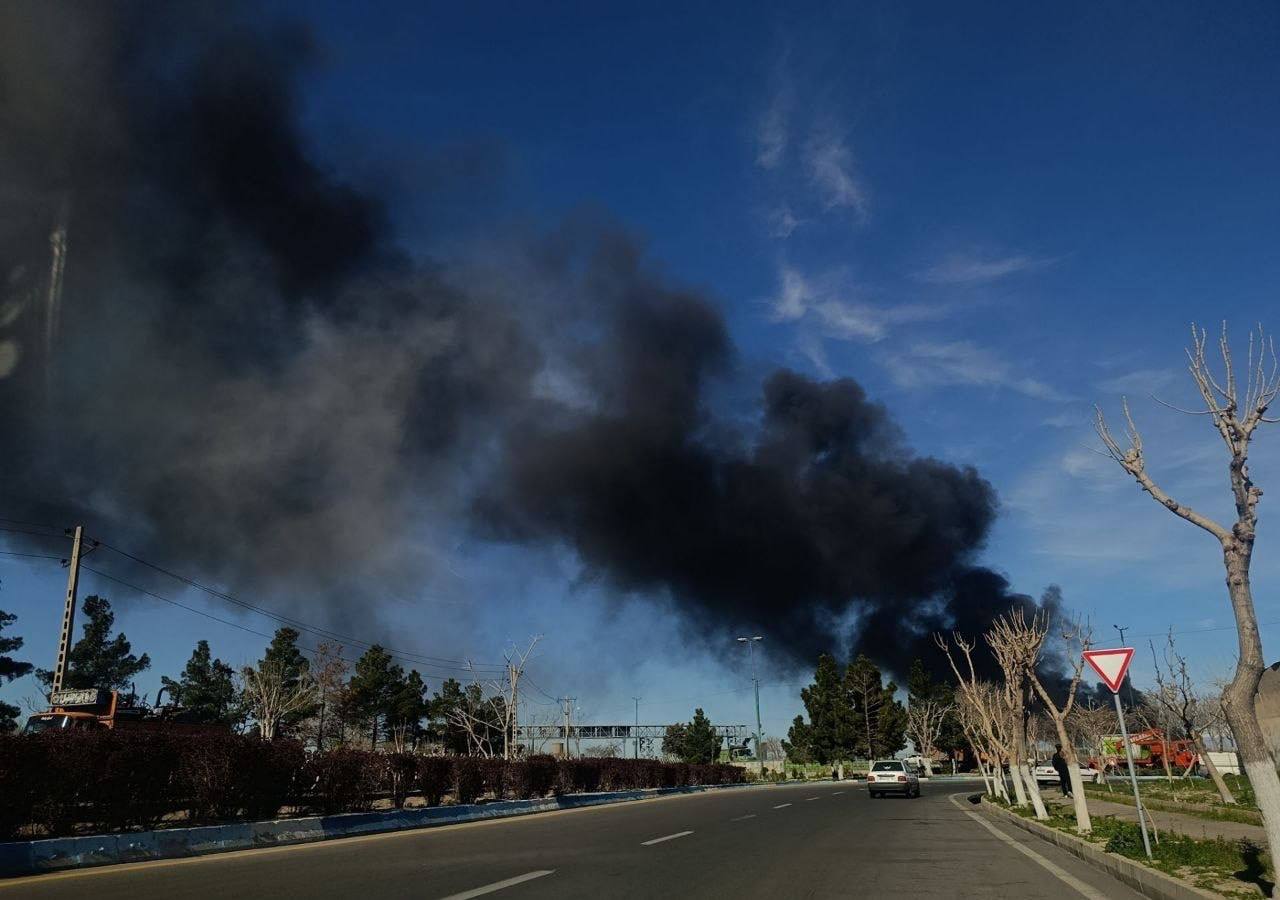
    IDF strikes in Iran, archive | Photo: Arab networks

    According to him, Israel’s security reality has fundamentally changed. While the dominant concept used to be “the campaign between wars” characterized by covert activity under the radar, today we’re in an era of “war between wars”—continuous attrition warfare with “peaks” of high-intensity combat.

    Malka explained that this situation primarily serves the Iranians, since it unites the Iranian public against an external enemy, and is expected to continue until an agreement is reached—though it’s currently unclear whether it will only cover freedom of navigation in the Strait of Hormuz or also address nuclear and ballistic missile components.

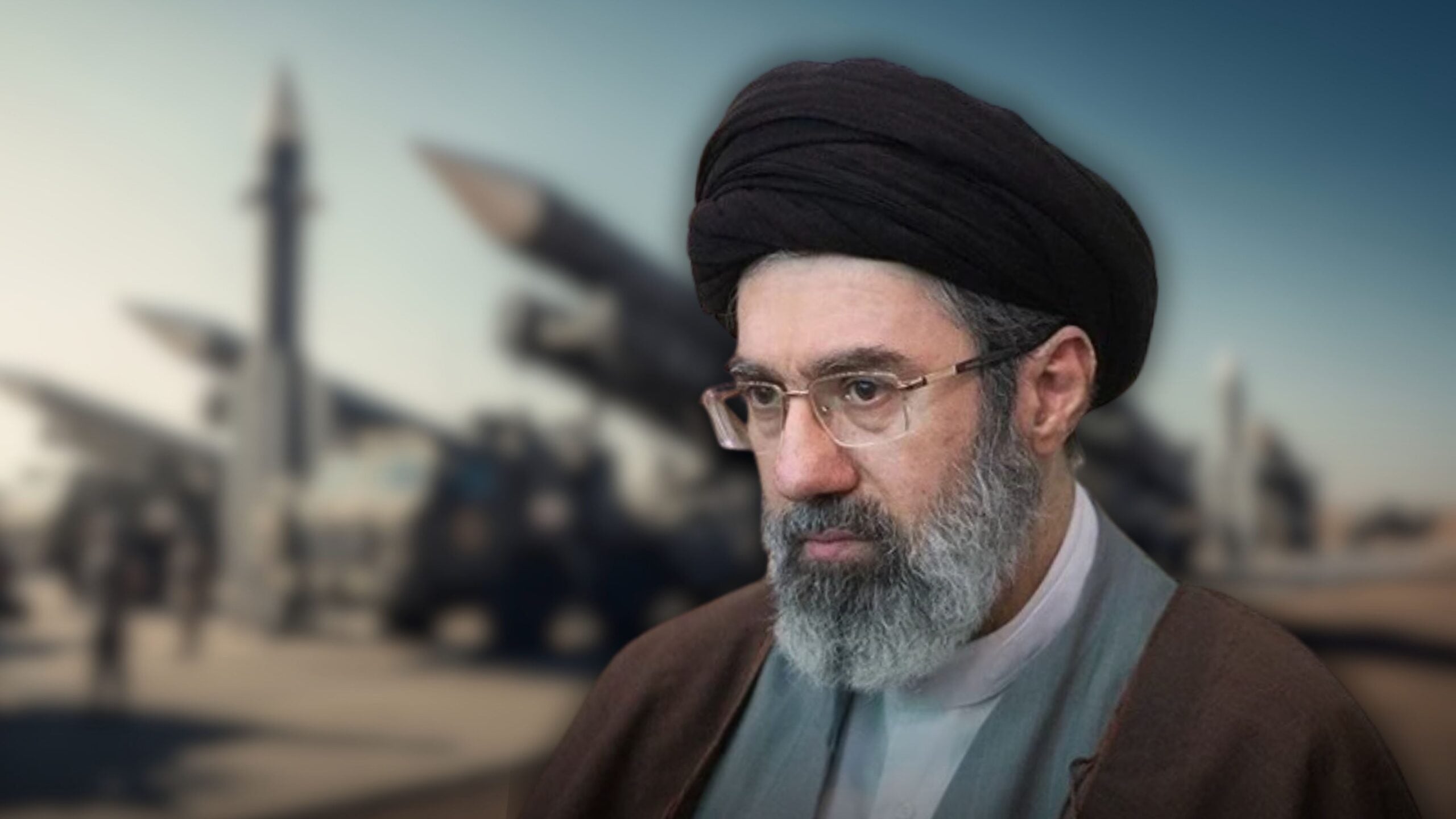
    Photo: Tasnim News Agency, photo edited in accordance with CC BY 4.0 license, Shutterstock

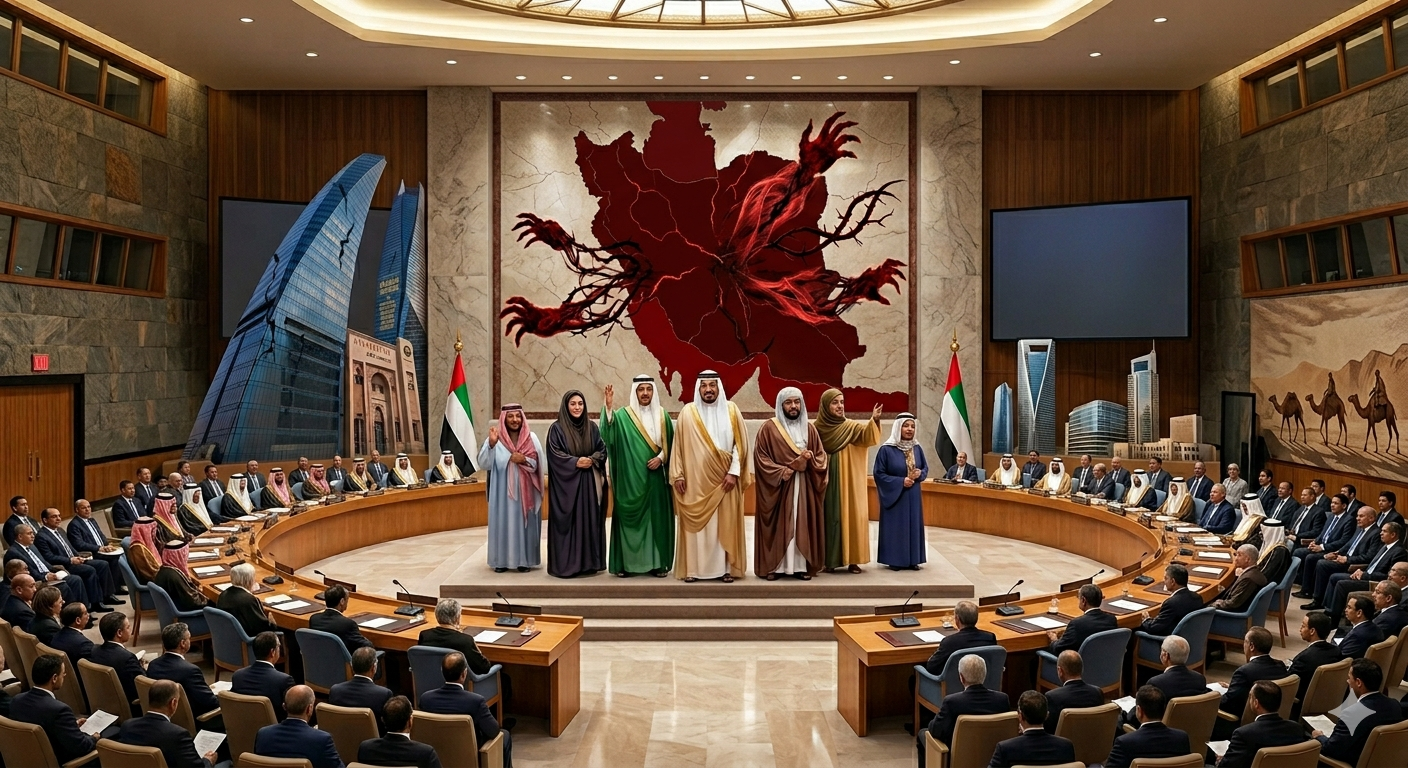
    On the regional level, Malka called for leveraging the campaign against Iran to shift the paradigm in relations with Gulf states: “I think there are several interesting things here that we need to take and learn from—the first thing is that Iran has attacked all the Gulf states and the countries around it. I think this is an opportunity to expand the Abraham Accords beyond economic cooperation agreements to a strong military alliance as well, and there’s no reason why the countries that were attacked shouldn’t wage all-out war and not just let the United States attack on their behalf.”

    He also proposed establishing a regional alliance, a kind of “Middle Eastern NATO,” that would unite Israel with the Sunni states—including Saudi Arabia, Kuwait, and Bahrain—against the shared Shiite enemy. Malka emphasized that such an alliance is especially critical given that American interests don’t always align with those of its regional allies.

    Credit: AI

    Another key point Malka raised concerns defense industry independence and the armaments issue. According to him, Israel must ensure independent production capability to avoid dependence on the goodwill of foreign governments that might halt supplies at critical moments. Finally, Malka suggested reexamining the IDF’s strategic priorities: investment in precision missile systems versus continued massive investment in the air force.

    According to him, while the air force requires enormous logistics, complex refueling, and risks pilots’ lives, missile systems offer precise, cheaper, and easier-to-operate strikes that achieve impressive strategic results, as seen in recent attacks in the Gulf region.

  • Minister Katz: US Has Iran Interests Beyond Israel’s

    Minister Katz: US Has Iran Interests Beyond Israel’s

    Defense Minister Israel Katz addressed the Washington meeting between U.S. President Donald Trump and Prime Minister Benjamin Netanyahu today (Tuesday) during an interview with Noam Amir at Channel 14’s Security Conference, clarifying that “the U.S. has interests in Iran that extend beyond those of Israel.”

    Defence Minister Israel Katz | Photo by: Avshalom Sassoni/Flash90

    Katz described Israel’s major achievements against Iran: “The arrogant empire that threatened to destroy Israel has collapsed,” while emphasizing: “We stated in the clearest possible way: if they fire at Israel, we will strike back with full force. We are prepared to hit Iran independently.”

    Katz also revealed that Israel wants to strike energy targets in Iran, but the United States has not approved the operation. “We very much want to attack Iran’s energy targets—the U.S. is not currently approving it,” Katz said in the interview.

    The defense minister’s remarks make clear that striking Iranian energy infrastructure remains on the table for Israel, but for now the required American authorization has not been granted.

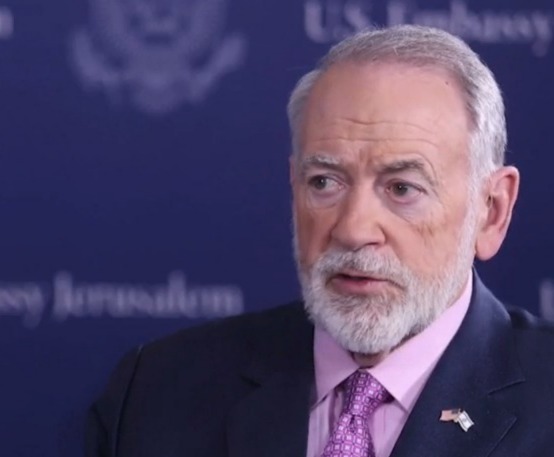
  • U.S. Embassy Extends Travel Ban Over Security Fears

    U.S. Embassy Extends Travel Ban Over Security Fears

    The U.S. Embassy in Jerusalem has extended travel restrictions for American government personnel and their families Judea and Samaria Bank, “heightened security concerns” and increased volatility in Judea and Samaria.

    The restrictions, which bar personal travel by all U.S. government employees and family members into the region, will remain in effect through Wednesday.

  • What the Dardik Case Really Says About Government Policy

    What the Dardik Case Really Says About Government Policy

    Those trying to turn the Tal Yinon Dardik case into a symbol of “persecution against Jewish residents of Judea and Samaria” are ignoring one basic fact: the person who canceled administrative detention orders against Judea and Samaria citizens is Defense Minister Israel Katz.

    Not only did he decide to end the policy, but he also canceled orders that were already in effect—despite fierce opposition from Attorney General Gali Baharav-Miara and despite a media assault that continues to this day. This is a significant decision, because administrative detention is one of the most extreme and exceptional tools the state has: deprivation of liberty without indictment, based on classified intelligence material, a tool originally intended for fighting terror. That’s why the decision to stop using it against Judea and Samaria citizens was a dramatic policy shift.

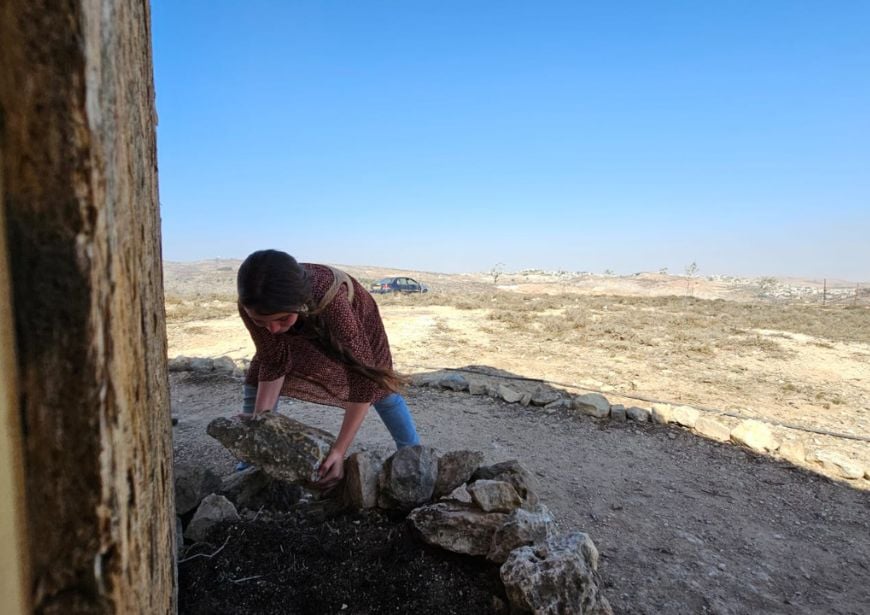
    Givat Or Ahuvya | Photo: Naomi Rachelis

    Today the policy is clear. Administrative detention orders are used only against those suspected of terrorist activity against the State of Israel—whether smuggling drones from the Negev or suspected connections to terror in the Galilee. For a normal citizen suspected of a crime, the proper path is police investigation, evidence, indictment, and court.

    היועצת המשפטית לממשלה גלי בהרב מיארה |
    Photo: Yonatan Sindel, Flash 90

    But here’s where the big confusion comes in. Canceling administrative detention didn’t cancel all security powers. In exceptional cases, when there’s intelligence information that can’t be disclosed, the law still allows the commander of Central Command to issue a residential restriction order, based on Shin Bet recommendations. This is a completely different tool from administrative detention, an entirely different authority, more limited, designed to deal with a specific security risk.

    In Tal Yanon Dardik’s case, according to authorized sources, he repeatedly violated the restriction order issued against him—six times, and was therefore arrested by police and remains in custody by decision of the district court. At the same time, he was offered alternatives: to be released immediately and move to a residence outside Area B, and was even offered the option of an electronic bracelet that would allow him broader freedom of movement, subject to monitoring. He rejected both offers outright.

    Tal Yinon Dardik and His Family | Photo: Courtesy of the Family


    From here the debate is no longer just personal. It’s political. Dardik wants to change the government’s policy regarding towns in Area B. The cabinet, led by Prime Minister Benjamin Netanyahu, unanimously decided not to allow Jewish communities in Area B, for policy and communities considerations. Anyone who believes the policy is wrong—say so openly. Argue with the government. But don’t turn Dardik into a tool in a different political battle.

    The treatment of the Shin Bet under David Zini also requires some proportion. You can criticize. You can disagree. That’s an integral part of democracy. But turning the entire organization into a punching bag is a serious mistake.

    Photo by Chaim Goldberg/Flash90

    The Shin Bet is currently dealing with Iranian assassination attempts against senior state officials, with Arab terror in Judea and Samaria, with terror organization attempts among Israeli Arabs, and also with violent phenomena by an extremist handful that harms, first and foremost, the Jewish Communities in Judea and Samaria enterprise itself. The damage isn’t theoretical—it’s also reflected in international sanctions imposed on amazing bodies identified with the Jewish Communities enterprise like “Nahala,” “Im Tirtzu” and others.

    Meanwhile, while public debate revolves around one case, the government is advancing the largest Jewish Communities in Judea and Samaria revolution Israel has known: 104 new communities have already been approved, and soon another decision is expected to recognize about 160 farms. This is a broad-scale move led by Defense Minister Katz and Finance Minister Smotrich, backed by the prime minister.

    Prime Minister Netanyahu | Photo: Chaim Goldberg, Flash 90

    You can argue about the policy. That’s legitimate. But you can’t ignore what’s happening on the ground: on one hand, cancellation of administrative detention against residents of Judea and Samaria, unprecedented advancement of Jewish Communities in Judea and Samaria, and preference for regular criminal proceedings over exceptional tools; and on the other hand, an attempt to paint a completely opposite reality.

    Anyone who really wants to strengthen the communities needs to look at the big picture—and not let one storm, however large, erase the unprecedented moves happening on the ground.

  • Administrative Detainee Tal Yinon Dardik Hospitalized

    Administrative Detainee Tal Yinon Dardik Hospitalized

    Under the instruction of the Israel Prison Service Commissioner and Central District Commander Shlomi Sagi, administrative detainee Tal Yinon Dardik was transferred today (Monday) for medical treatment at Hadassah Mount Scopus Hospital. Minister Ben Gvir backed the decision.

    Support demonstration outside the Russian Compound | Credit: None

    Dardik, a resident of a farm in Binyamin and a father of four, has been on a hunger strike for nearly a month—after he was arrested under the claim that he violated an administrative order. Dardik’s hunger strike is his response and protest against that order which was issued, according to him, against the law. Throughout his protest, the settler has suffered from recurring fainting spells alongside a deterioration in his medical condition.

    As a reminder, widespread public support for Dardik was recorded across Israel: among the support demonstrations, hundreds of people participated in reading the Book of Lamentations last week outside the Russian Compound detention facility in Jerusalem—where the settlement activist is being held.

  • Israeli Mayor Faces Death Threats, Security Upgraded

    Israeli Mayor Faces Death Threats, Security Upgraded

    Givat Ze’ev Mayor Yossi Asraf has been facing incitement and death threats in recent days. Some of those involved have been questioned, and one suspect was arrested and brought before a court. Following a security assessment, police raised the threat level for the mayor to level 4 and increased security around him.

    Threatening Message to Yossi Asraf | No credit

    The Givat Ze’ev municipality said in a statement: “We view the incitement and intimidation attempts with great severity. These threats are not only directed at the mayor personally, but constitute an attack on all municipal employees and public officials who are faithfully carrying out their work. The Givat Ze’ev municipality will continue to work for the residents and maintain public order without fear.”

    Mayor Yossi Asraf responded: “I thank the Israel Police for their swift and uncompromising handling. Since taking office, we have been leading deep processes and necessary reforms in the city to restore order, fix years of distortions, and protect the public coffers. It’s only natural that various elements who were used to operating without interference and have now lost their centers of power and influence are trying to spread fear and disrupt public work.”

    Photo: Flash 90

    Asraf continued: “Nothing and no threat will harm our tremendous excitement, our momentum of action, and the historic progress in Givat Ze’ev’s transition from a local council to a city. I will continue to work for you and ensure that Givat Ze’ev remains a good and safe place to live.”

  • Israelis Buy Less at Supermarkets as Cost of Living Bites

    Israelis Buy Less at Supermarkets as Cost of Living Bites

    Israelis continue to feel the impact of the high cost of living, and it’s showing up in their shopping carts. Data from StorNext reveals that the second quarter of the year saw a decline in the volume of consumer goods purchased, with many shoppers cutting back and watching their spending more carefully.

    קניות בסופר | צילום: שאטרסטוק
    Grocery Shopping, Illustration | Photo: Shutterstock

    According to the data, financial sales in the consumer goods market fell 1.5% compared to the same quarter last year. But after accounting for price increases, the picture becomes even clearer: real sales volume, which reflects the actual quantity of products purchased, dropped 3.6%.

    The decline was felt across nearly all consumer categories, led by food. Despite food prices rising about 2.4% compared to the same period last year, real purchasing volume in the category fell 3.8%. That means consumers aren’t just paying more for some products—they’re also leaving the supermarket with fewer items in their carts.

    Industry insiders explain that consumers have become more price-sensitive, spending more time comparing prices, hunting for deals, and switching to cheaper brands or private labels. At the same time, retail chains are trying to counter falling demand by expanding discount promotions—and not just on food. In recent months, some chains have launched promotions on electronics, smartphones, and even vehicles, in an attempt to increase foot traffic and boost basket size.

    מדד אמון הצרכנות |
    Illustration | Photo: Shutterstock

    Despite the drop in the quantity of products sold, total financial sales in the first half of the year actually rose, reaching about ₪32.6 billion—up 4.7% compared to the same period last year. According to StorNext, the increase is mainly explained by price hikes, along with the impact of the holiday period and changes in consumption patterns against the backdrop of the war.

    Photo: Canva

    Industry analysts estimate that as long as the cost of living continues to weigh on households, consumers will keep managing their shopping carefully, focusing on promotions and looking for ways to cut their grocery bills. Globally, major food companies are already preparing for the possibility of weakening demand and advancing efficiency programs to deal with the shift in consumer habits.

  • 10th National Conservatism Conference Coming to Israel

    10th National Conservatism Conference Coming to Israel

    Between October 6-8, 2026, the National Conservatism Conference (NATCON) will take place at Binyenei Ha’uma in Jerusalem—an international gathering bringing together key figures from the conservative movement worldwide. The organizers aim to present an ideological alternative to liberalism and strengthen ties between nationalist camps across Western nations.

    The National Conservatism Conference is landing in Israel for the first time and will host hundreds of participants from around the world. Ofir Haivry, one of the organization’s founders, explained the ideological background of the event in an interview with Yaakov Bardugo: “So let’s start with the term and then we’ll talk about the conference. National conservatism is a term for something that developed, let’s say, in the last 30 years. Back during the Cold War there was an alliance against communism. When the Cold War ended, the struggle between conservatism and liberalism began to rise. Conservatives are people who don’t accept the ways of liberalism—and in Israel there are more of them than in the West.”

    Ofir Haivry

    According to Haivry, the gap between the worldviews runs deep: “The question is what is liberalism. What’s accepted as liberalism is a view that says ‘the individual person is the beginning and end of everything.’ The conservative view says there are rules that are more important than the individual—not under all conditions and not everywhere, but they exist—they’re not fantasy. Liberalism as an ideology sees only the individual.”

    He emphasized that Israel is particularly fertile ground for this approach: “Israeli society is a very national society. The ability to volunteer for things and so on—it’s very exceptional compared to Europe and America. So we, a group of Israelis, together with people from Europe and America, started a movement called national conservatism, ‘National Conservative.’ Until now we’ve held a series of major conferences around the world, and this year will be the first time the conference comes to Israel.”

    Yoram Hazoni

    Regarding the composition of participants, Haivry noted: “The conference is mostly non-Israelis. That is, 90% of those coming, or 85%, are not Israelis. My partner Yoram Hazony and I established an organization called the Edmund Burke Foundation, together with people in Europe and America who agree. Among the people who came to our conferences was, for example, a beginning writer named J.D. Vance—today Vice President of the United States.”

    When asked about Vance’s relationship with Israel, Haivry clarified that there’s been a shift in approach among American conservatives: “Vance, like very many Americans today, looks at the world and at Israel much more in terms of interests. He’s not against Israel, let’s say fundamentally—broadly speaking he says Israel is from the field of the good guys, but I’m for American interests.”

    National conservatism emphasizes the importance of nation-states, culture, and tradition. In contrast to global liberalism, national conservatives argue that the nation is the foundation for social cohesion and that every country has the right to define its future without external dictates. The Jerusalem conference seeks to position the Israeli model—as a society that has clung to its nationalism despite challenges—as a model to emulate for other Western nations.

  • Knesset Legal Advisor Refuses Freeze on IDF Probe Law

    Knesset Legal Advisor Refuses Freeze on IDF Probe Law

    The Knesset’s legal advisor asked Israel’s High Court of Justice on Monday to reject a petition demanding a freeze on the controversial law overhauling the IDF’s investigative unit for soldiers—known by its Hebrew acronym Mach”ash—arguing that the law won’t actually take effect for another eight months.

    In her response to the petition, Sagit Afik argued that during the interim period, only preparatory steps will be taken, including establishing an appointments committee, selecting a director, and approving a budget. Therefore, she wrote, there’s no irreversible harm that would justify an injunction halting implementation at this stage.

    Photo: Chaim Goldberg, Flash 90

    The legal wrangling over the petition is part of a broader wave of challenges to legislation the coalition rushed through in the Knesset’s final week before recess. Afik’s opinion, submitted Monday morning, pushes back against petitioners’ demands for an interim order freezing the law.

    According to Afik’s position as reflected in the legal opinion, the justices should refrain from issuing an interim order delaying the law’s implementation. Her central argument: the law doesn’t take effect immediately anyway—it has an eight-month preparation period built in.

    Photo by Yonatan Sindel/Flash90

    The response argues that the preparation period is designed to allow the establishment of Mach”ash in its new format, including selecting members of the appointments committee, choosing the unit’s director and commissioner, and approving the department’s budget. According to Afik, these provisions “prepare the ground for making the necessary arrangements for Mach”ash to begin operating in its new format on the effective date.”

    Archive | Photo, Archive: Yonatan Sindel, Flash 90

    The Knesset’s legal advisor emphasized that no immediate change in the unit’s operations is expected at this stage, and that actions taken during the transition period are preparatory only. The response states that if the petition is ultimately accepted, it will be possible to halt the steps taken under the law, and that the tenure of officials selected will be subject to the outcome of the legal proceedings.

    On the other hand, according to the opinion, granting an interim order could damage the ability to complete preparations on schedule. Afik argued that if the order is granted and the petition is later rejected, “the preparation period the legislature set for establishing Mach”ash in its new format will be significantly shortened,” in a way that could make it difficult to complete appointments, budgeting, and necessary preparations before the law takes effect.

    High Court Judges in Hearing, Archive | Photo: Yonatan Sindel, Flash 90

    The response further argues that the harms the petitioners pointed to are not certain and irreversible damages, but rather are based on future scenarios. According to the filing, “the petitioners’ claims regarding expected harms are speculative,” and don’t justify freezing a law the Knesset enacted before the petition has even been decided on its merits.

    In conclusion, the Knesset’s legal advisor asked the court to reject the request for an interim order and allow preparations for implementing the law to continue during the eight months set before it takes effect. The response did not take a position at this stage on the petition’s chances of success itself—the argument focused on the balance of convenience and the absence of irreversible harm during the transition period.