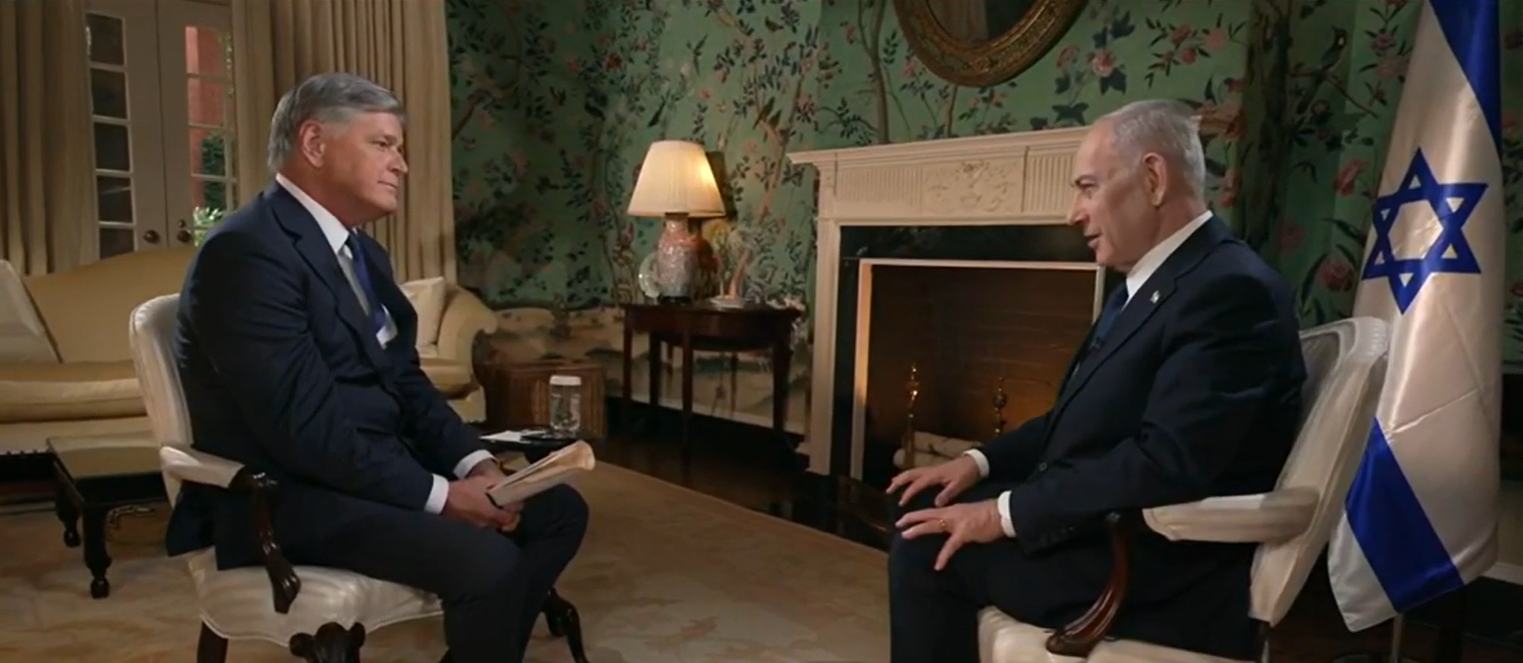
Prime Minister Benjamin Netanyahu told Fox News on Wednesday he’s not worried about the possibility of being arrested in certain countries following the International Criminal Court’s arrest warrant—because Israel has special forces that can handle such situations.
During the interview, Netanyahu was asked about the “threat” from New York City Mayor Zohran Mamdani to arrest him if he comes to the city. While Mamdani’s threat isn’t tangible or feasible, the prime minister could theoretically be arrested in another country that’s a member of the International Criminal Court. Still, Netanyahu said such a scenario doesn’t trouble him—for situations like these, Israel has special forces, units he himself served in.
Netanyahu added during the interview that he intends to come to New York despite the empty threats from the local mayor. The prime minister will attend the UN General Assembly this coming September to “tell the truth in front of this hate-spreading elected official.” He added: “Mamdani is inciting New York residents against the city’s Jews—what era are we in, the 1930s?”
During the interview, Netanyahu also said “the big lie is about the ICC, the so-called International Criminal Court, which is a corrupt and evil organization. It had a prosecutor who issued an arrest warrant against me and our former defense minister as war criminals, supposedly for starvation, starving Gaza residents—when we brought in a million tons of food for them!”
Karim Khan, former ICC prosecutor | Photo: Shutterstock
That same prosecutor who previously accused Netanyahu and Gallant of war crimes, Karim Khan, was removed this past weekend by the organization’s member states after being accused of repeated sexual harassment of an employee who worked with him.
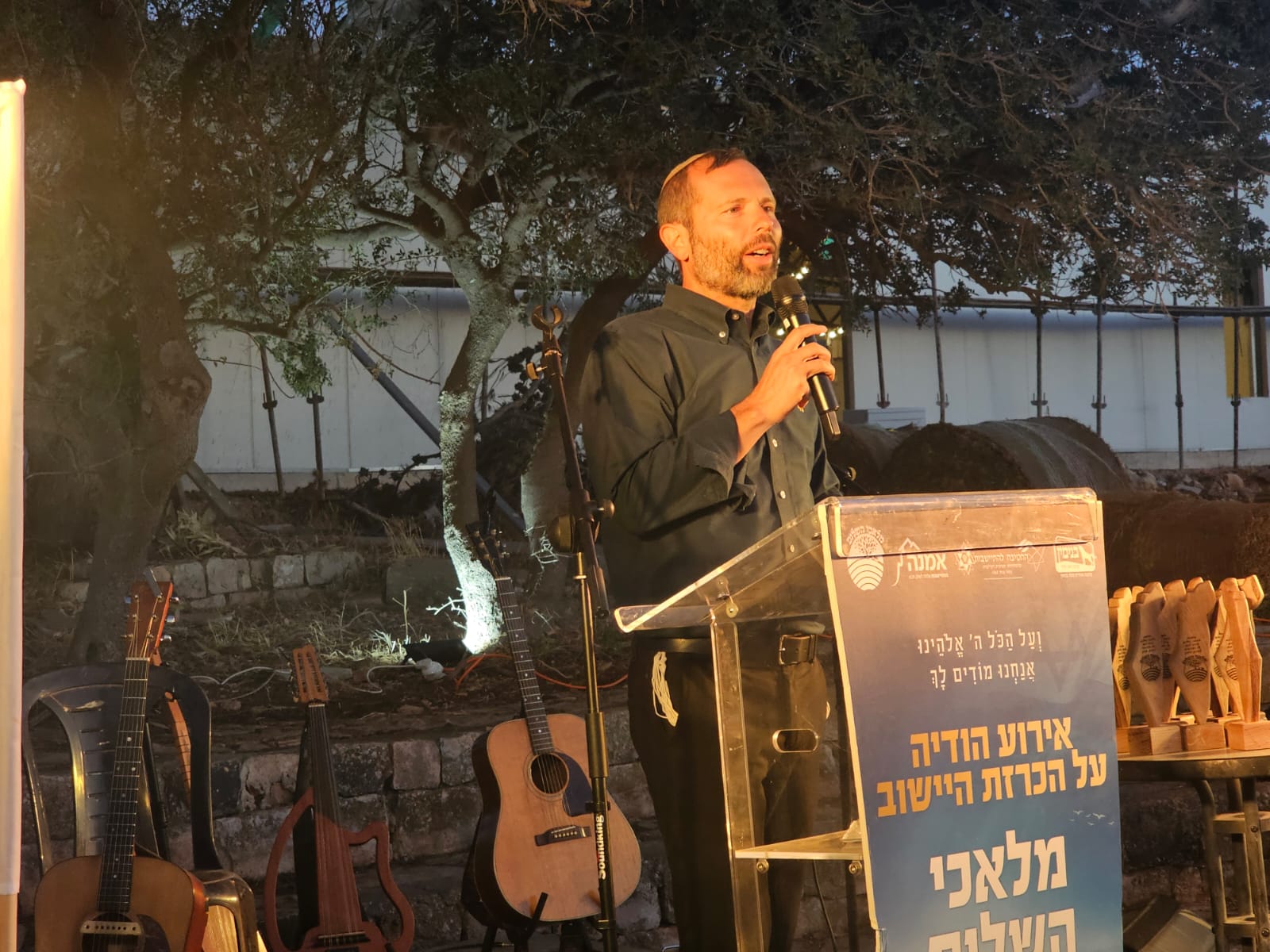
Residents of Malachei HaShalom in the Benjamin region marked the completion of the Jewish community’s legalization and its official recognition as a fully authorized community, 11 years after first establishing it. A ceremony held Tuesday brought together the founding families—the Rosenfelds and Har Melech families—along with government ministers, Knesset members, and residents.
Photo: Binyamin Regional Council Spokesperson’s Office
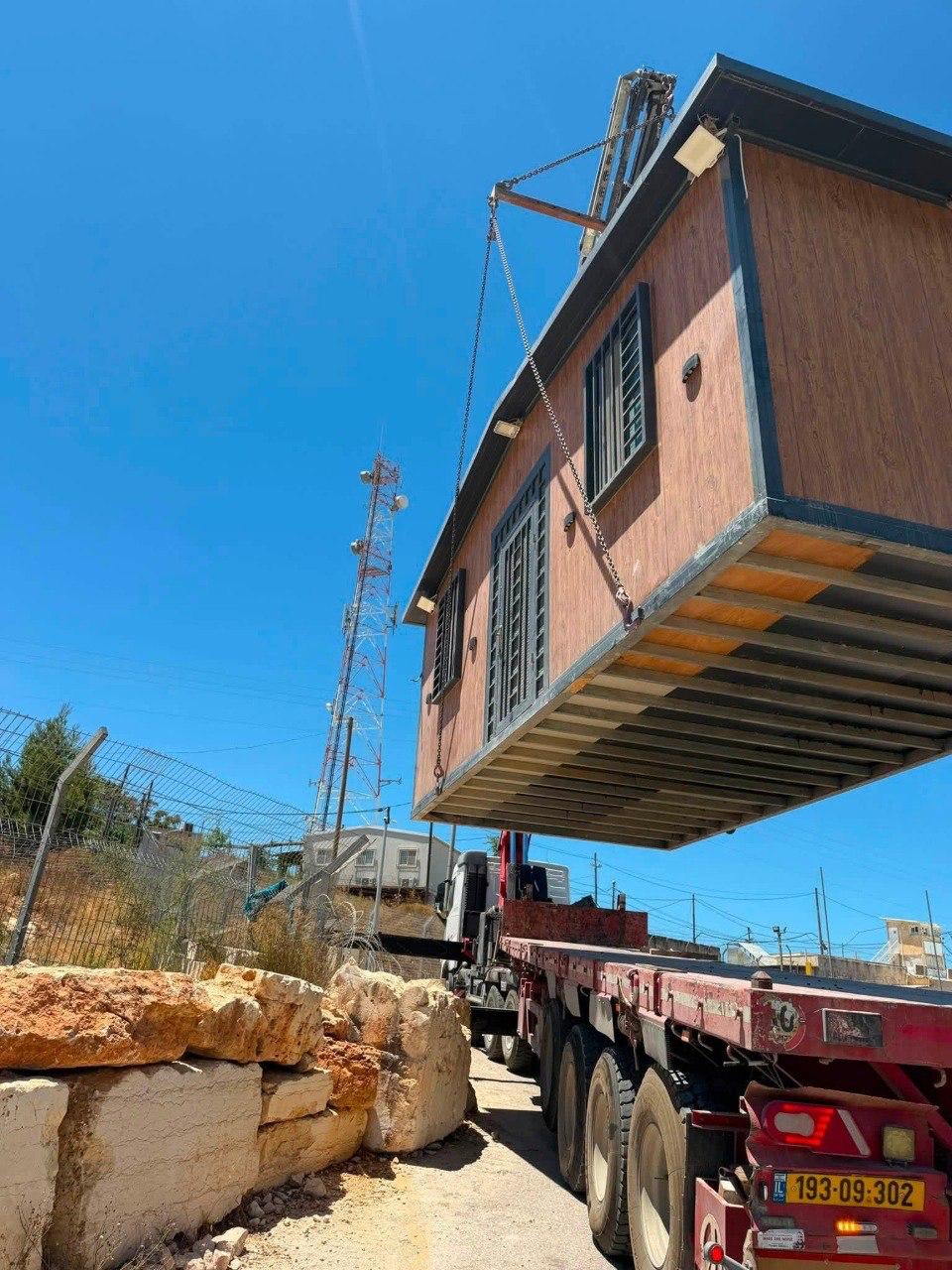
Malachei HaShalom now has about 40 families and serves as a community center for farms in the area. The town is named after Malachi Rosenfeld and Shalom (Shuli) Har Melech, who were murdered in terror attacks in the region. It was established in 2015, one day after Malachi Rosenfeld’s murder, when a group of pioneers moved to the site and set up a farm.
The outpost was built on the grounds of the Mevo Shilo Nahal community, founded in 1976. In 2023, the government officially recognized the town, and after completing all stages of the legalization process, residents and community leadership marked the completion this week.
Photo: Binyamin Regional Council Spokesperson’s Office
Benjamin Regional Council head and Yesha Council chairman Israel Gantz said at the event: “For me, this day is not just another community legalization ceremony. This is a day of historic justice. I can look the families and friends in the eyes and say, we didn’t stop and we won’t stop.”
Gantz added: “We will continue to build, continue to plant, continue to inhabit, and in their name and memory we will continue their journey.” He thanked the Har Melech, Rosenfeld, and Achimeir families and other families who attended the event, as well as Jewish communities Minister Orit Strock, Finance Minister Bezalel Smotrich, and those who helped advance the town’s legalization.
Photo: Binyamin Regional Council Spokesperson’s Office
Jewish communities and National Missions Minister Orit Strock said: “Malachei HaShalom is an example and symbol of love of the land that overcomes all obstacles.” The Benjamin Council said that alongside Malachei HaShalom, new Jewish communities are expected to be established in the coming years, including Kanfei Shachar and Metzukei Eretz, as part of expanding the town bloc along the Alon Road and strengthening Jewish communities in eastern Benjamin.
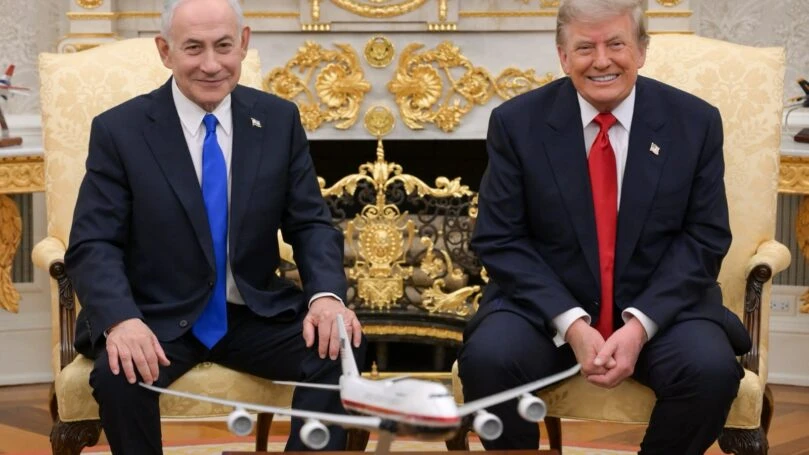
A senior diplomatic official briefed reporters in the United States today (Wednesday), summarizing the meeting between Prime Minister Benjamin Netanyahu and President Donald Trump. The official clarified that the atmosphere was excellent, describing it as akin to that of “a married couple who have known each other for many years,” characterized by direct, candid conversation seasoned with humor.
Netanyahu and Trump | Photo: Maayan Toaf, GPO
The official firmly rejected rumors regarding difficulties in coordinating the meeting, stating that “reports claiming the Prime Minister had to beg for the visit are simply a fabrication. Period. There were no preconditions for the visit.” According to the official, the bulk of the meeting was devoted to the Iranian issue, featuring genuine consultation and an exchange of ideas regarding the three options facing the President: a deal, continued blockade, or the renewal and escalation of military action.
The official emphasized that the Iranian regime today is far weaker than in the past, fears economic collapse in light of inflation approaching 100%, and shows signs of deterrence against a direct strike on Israel. Referring specifically to the facility at “Har HaMachosh” [Fordo], the official noted that “there are centrifuges there, but no enrichment is taking place,” adding that Israel has a solid grasp regarding the enriched material at various levels.
Prime Minister Netanyahu. Photo: Chaim Goldberg, Flash90
During the meeting, Netanyahu presented President Trump with a map of Syria, demonstrating that the IDF holds a tiny percentage of the territory compared to the Turkish presence, yet within that same area it holds back Iran, ISIS, and Al-Qaeda. Netanyahu clarified that Israel will remain there as long as the threat persists. Additionally, the issue of relations with Erdogan was raised, with the Prime Minister clarifying to Trump that the Turkish president aims to revive the Ottoman Empire and speaks openly about the destruction of Israel.
On the subject of defense assistance, the Prime Minister presented a new strategic line aimed at achieving armament and financial independence: “The intention is to reduce defense aid to Israel to zero and transition to a model of partnership and joint projects funded fifty-fifty.” The process is expected to take about ten years, with the goal of ending reliance on the favors of Congress and achieving independence in aircraft as well.
Netanyahu at the White House | Photo: Reuters
The diplomatic official revealed disturbing details regarding Iranian threats, noting that Tehran is speaking about the physical elimination of the Prime Minister and other senior officials. In this context, it was revealed that the Americans located a cell in Miami acting on behalf of Iran that planned to assassinate Yair Netanyahu, which was the reason for his departure from the area. Additionally, President Trump expressed outrage over the continuation of Netanyahu’s trial in Israel. Regarding the domestic arena, the official addressed the Likud campaign video about Eizenkot, noting that the Prime Minister believes bereavement should not be used in a campaign, but fiercely criticized the media, which he said is not equally outraged by calls for the murder of the Prime Minister and his family.
On the international front, the official noted a high correlation between the activity of Qatar, China, and Russia on social media and the decline in support for Israel and the United States, through manipulations designed to harm the Israeli-American axis. Despite this, it was stressed that Israel has many friends, particularly among right-wing governments worldwide as well as in Arab countries maintaining close ties behind the scenes.
Netanyahu and Trump meeting at the White House | Photo: Maayan Toaf, GPO
Regarding Judea and Samaria, it was reported that operational plans are ready for aggressive action in additional refugee camps, though a decision on their implementation has not yet been made. In conclusion, the official noted that the level of coordination between the IDF and the U.S. military is unprecedented: “There has been no war, since World War II, with such coordination between militaries.”
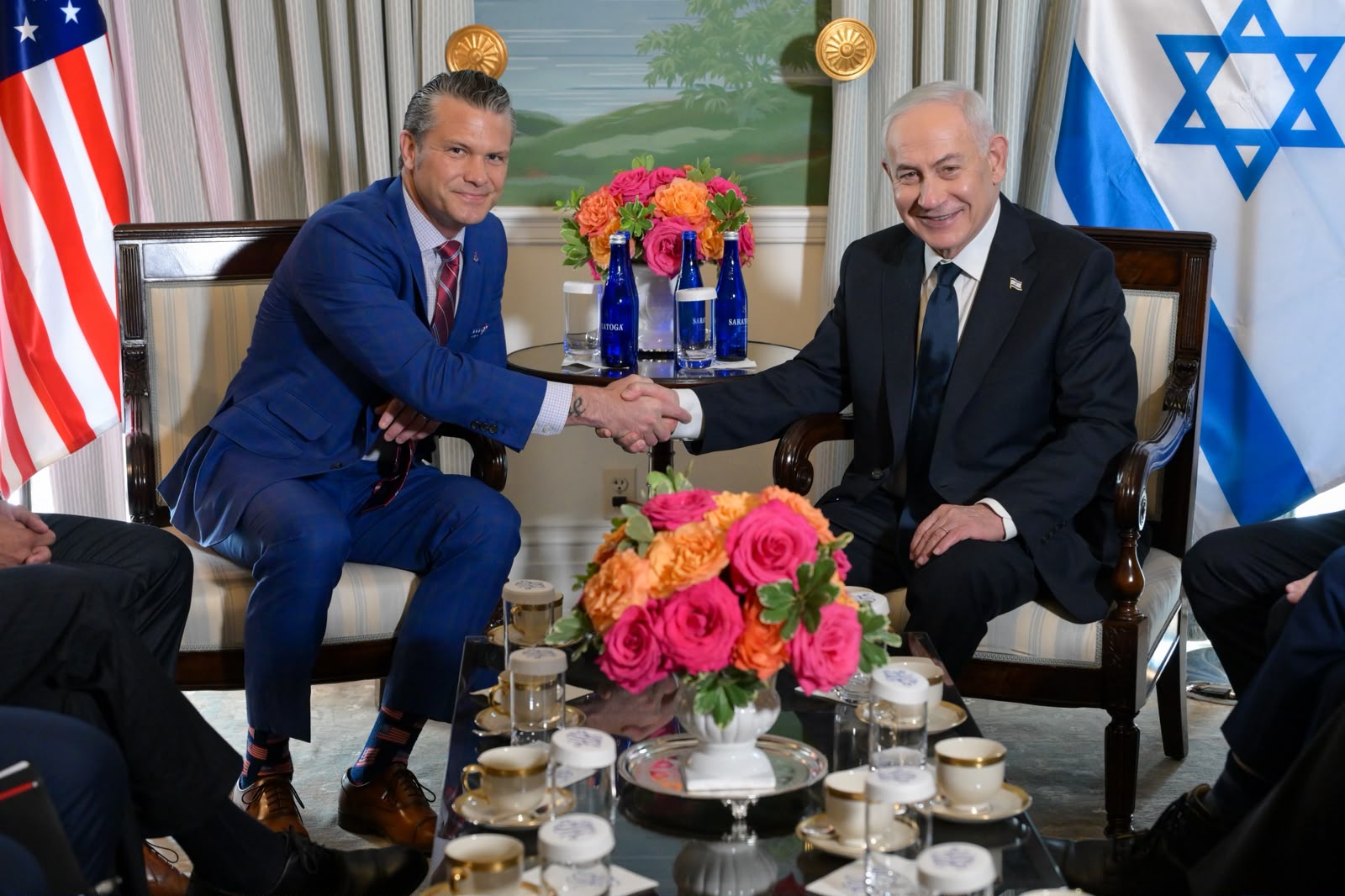
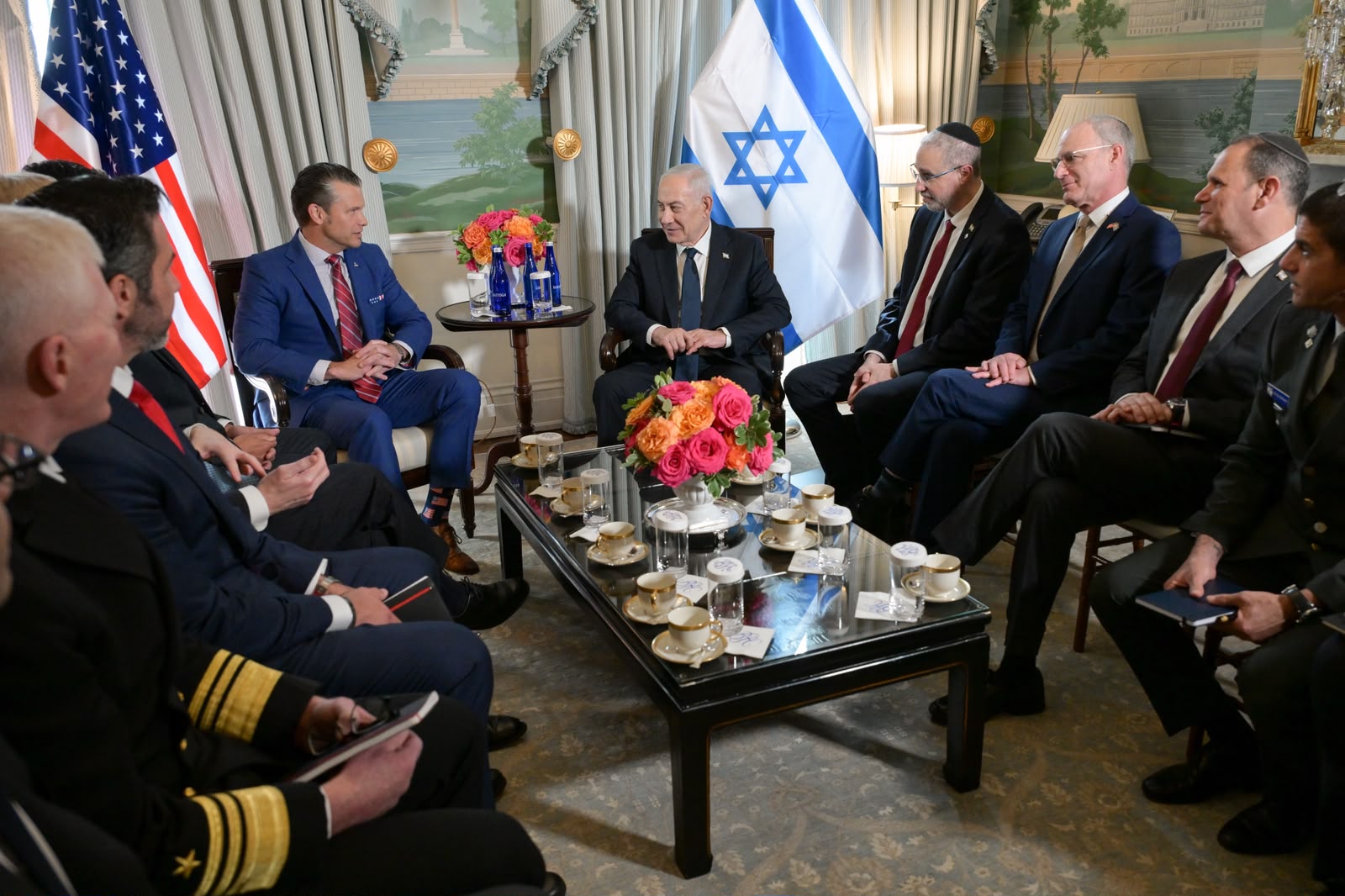
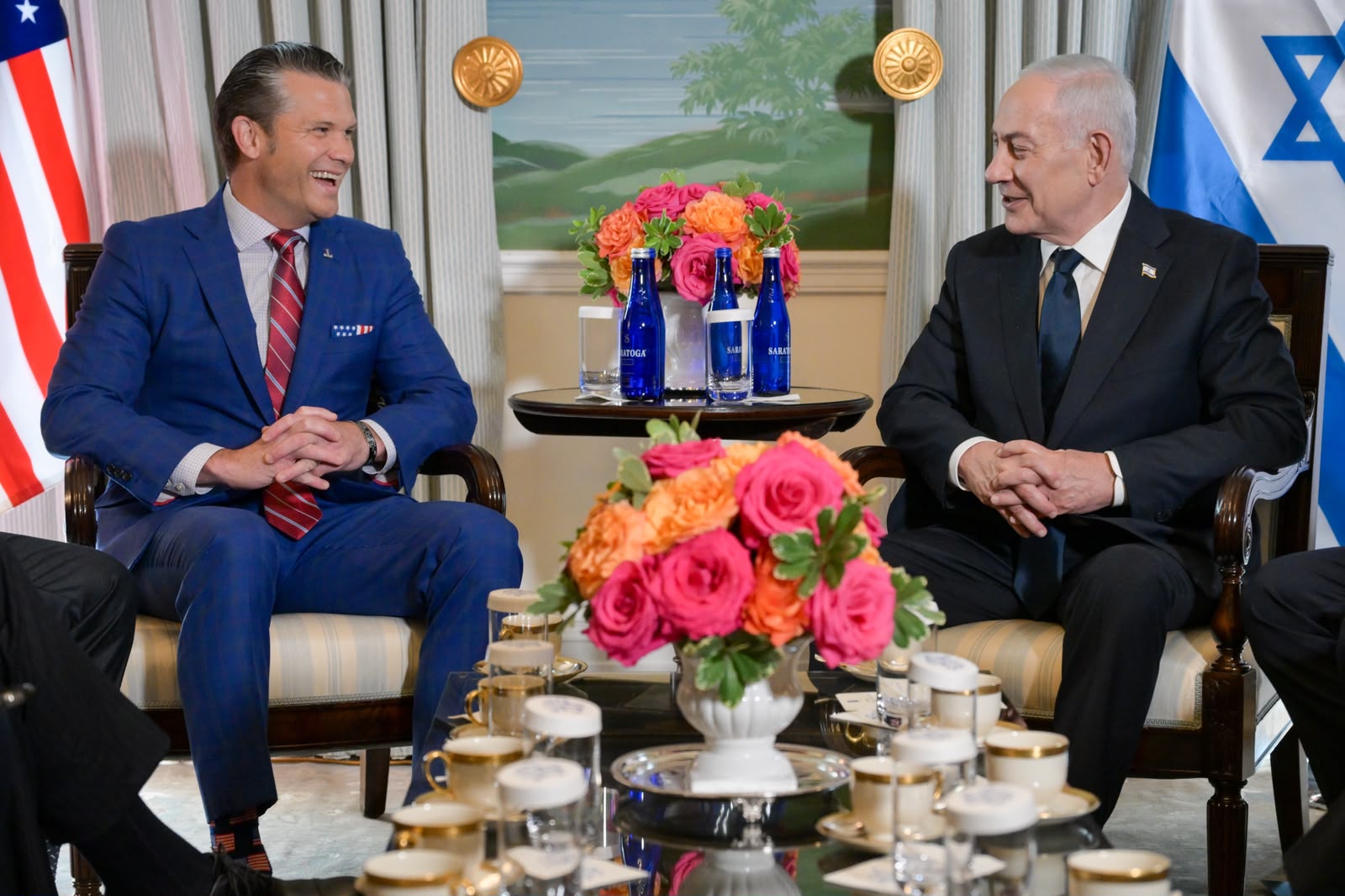
Prime Minister Netanyahu is continuing his series of meetings during his trip to the U.S. and is currently conferring with U.S. Secretary of Defense Pete Hegseth. The two are holding their meeting at the President’s official guest house, Blair House, the same venue where he also met with Vice President JD Vance.
Photo: Maayan Toaf / GPO
The central meeting of his current trip to Washington was, of course, held by the Prime Minister with U.S. President Donald Trump. Following the meeting, the President later shared that the meeting with the Prime Minister at the White House “was very good,” emphasizing: “We discussed many important issues.”
Photo: Maayan Toaf / GPO
The Prime Minister also expressed satisfaction after the meeting between the two: “I have just concluded an excellent meeting with President Trump. When I say excellent, it is not mere lip service. A conversation of full partnership, with mutual support, and with an understanding of the shared goal to ensure that Iran does not obtain nuclear weapons, as well as other objectives.”
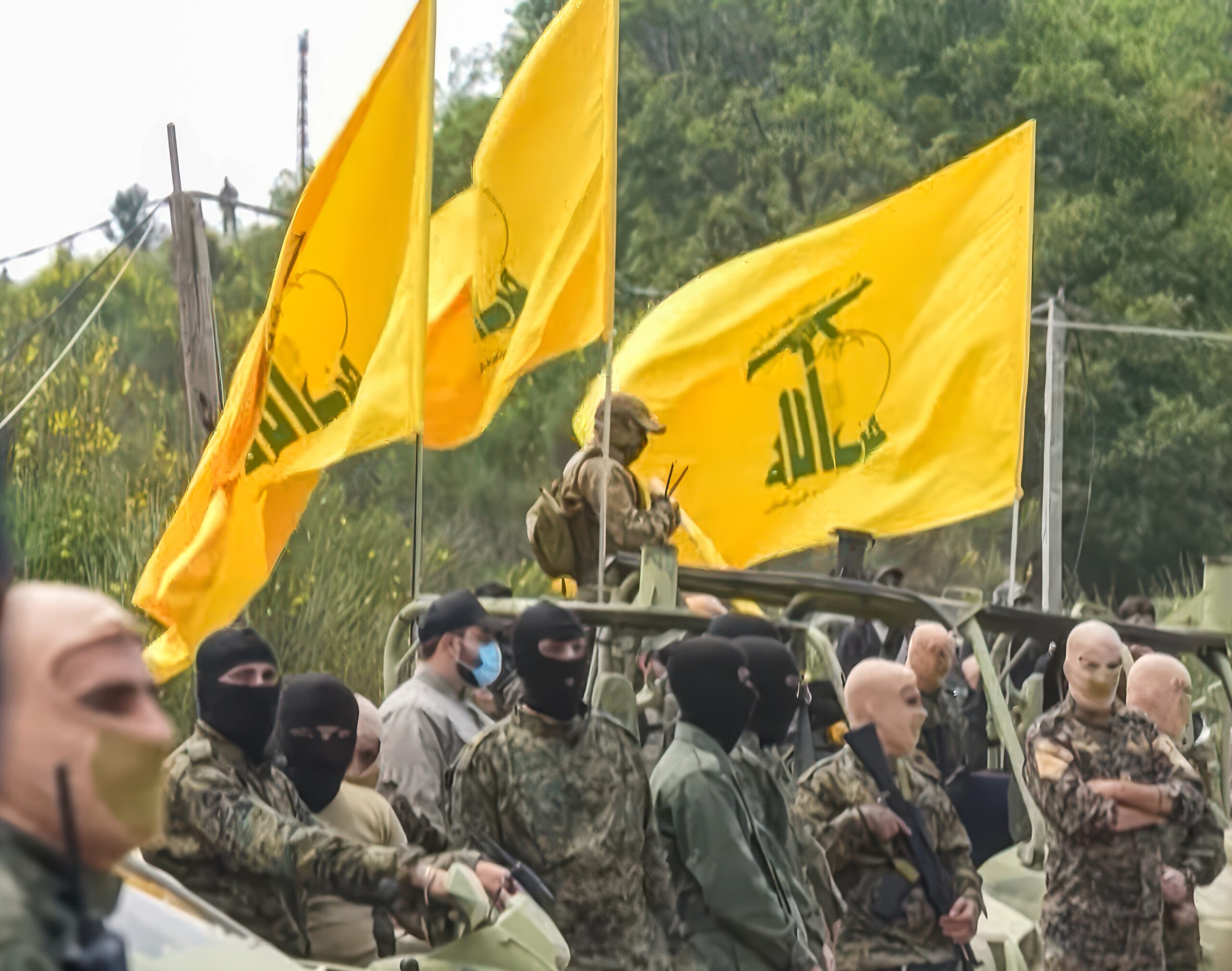
Our diplomatic correspondent Sraya Harush addressed today (Wednesday) in Channel 14’s open studio the aggression recorded last night by the terror organization Hezbollah: “Recently, they’ve been using drones mainly for photography and intelligence gathering. Last night, their drone hit an IDF engineering vehicle, and the military defined this as a serious violation of the ceasefire. In other words: the IDF is signaling that it will have to respond.”
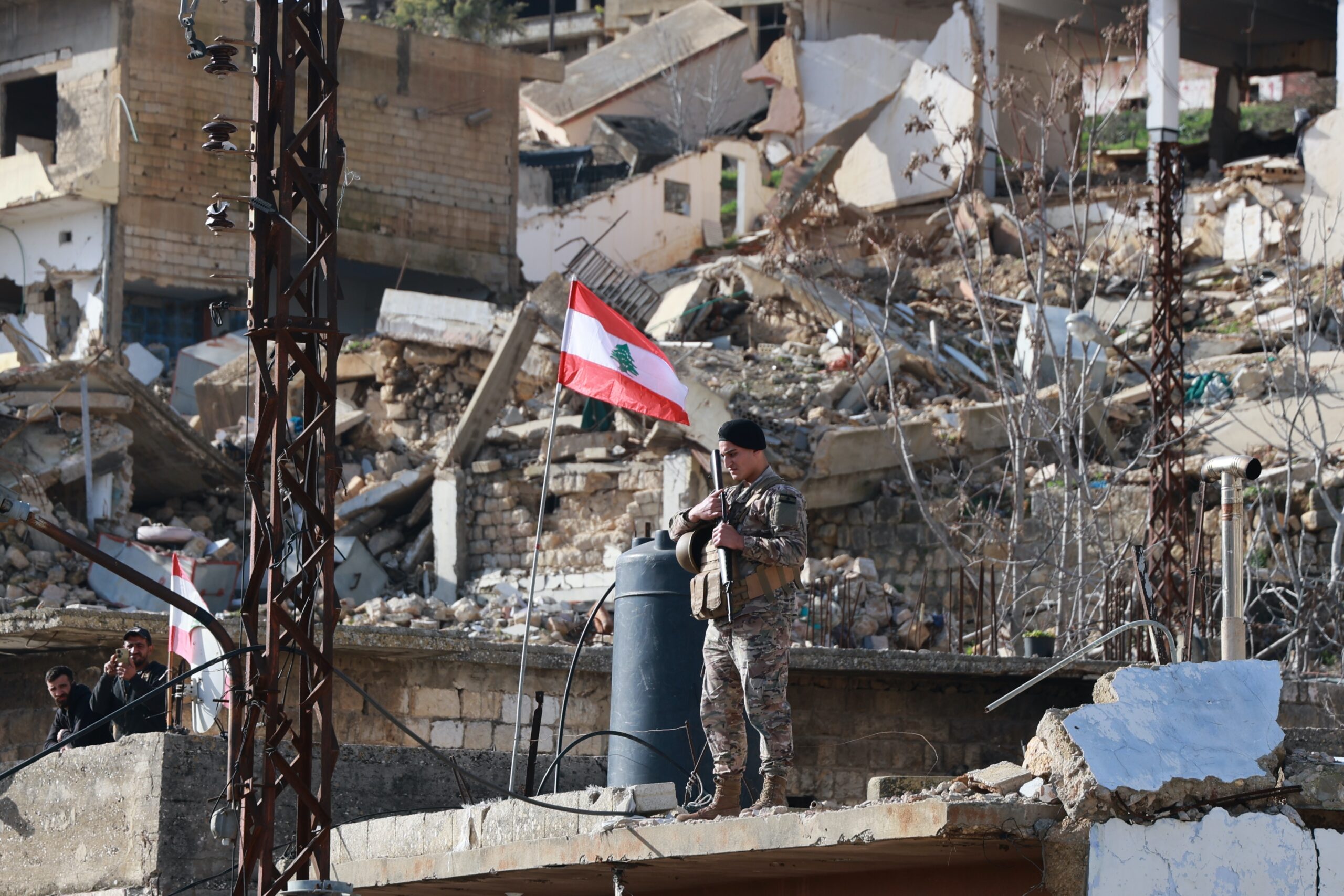
Lebanese soldier | Photo: Shutterstock
Harush added on the need to sharpen the equation with the terror organization: “There’s no escaping it, the days are over when you could whitewash words and say it was a false identification and so on. This is black and white. I don’t think, by the way, that this surprises anyone on the Israeli or American side.”
Israel is currently in a trap, especially against the backdrop of Prime Minister Netanyahu’s trip to the U.S., Sraya explained: “We saw last week the president of Lebanon arrive to Trump at the White House, receive a warm embrace and tailwind. It’s clear the Americans want to see the pilot in southern Lebanon succeed and not collapse after a week, after forces have already been deployed in the field. And so Israel finds itself in a problem: on one hand, we must respond to Hezbollah for the hit on the engineering vehicle, and on the other hand, American pressure is pushing to contain the incident and preserve the pilot in which American forces are also involved.”
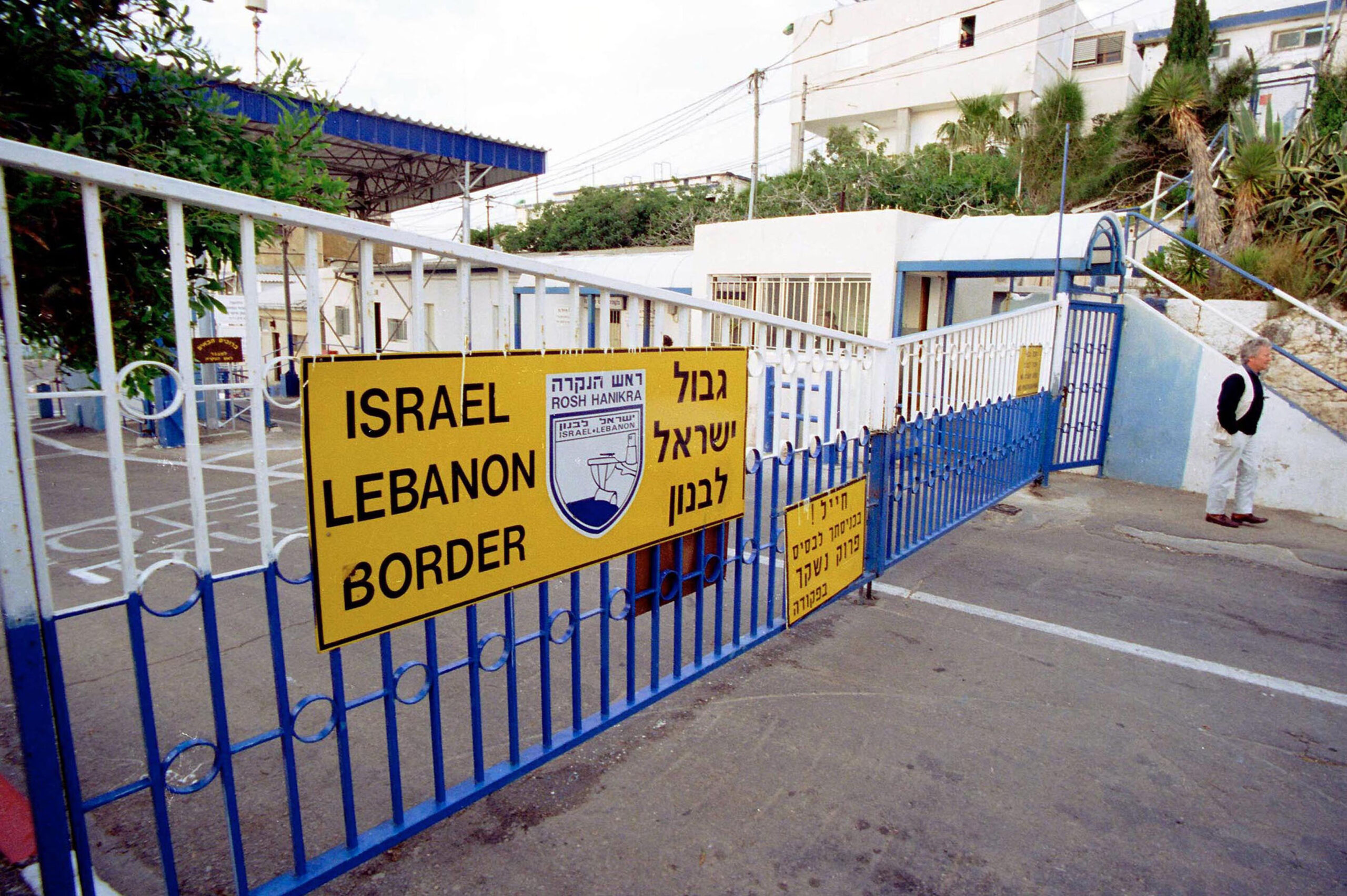
The Israeli-Lebanese border | Photo: Shutterstock
On the other hand, Sraya presented another way to understand the incident: “Beyond the possibility that it’s Iran pushing Hezbollah to escalate, it’s possible the terror organization has its own reasons for the move: against the backdrop of the possibility of renewed massive action against Iran, Hezbollah understands that if Israel joins in, it will exploit the opportunity to strike the terror organization as well, being an Iranian proxy. Another reason behind the desire to escalate is the organization’s understanding that the memorandum of understanding between the U.S. and Iran ‘died’ as President Trump put it. Hezbollah is exploiting the opportunity to return to the equation, restore its influence, and apply efforts that will bring about the collapse of the pilot that threatens its standing. If there’s a major campaign now—the Lebanese army will retreat and Hezbollah will enter in its place and that will be the end of the pilot.”
As a reminder, last week a new security pilot launched in southern Lebanon, in which the Lebanese army deployed at several points from which the IDF withdrew, with the goal of preventing Hezbollah’s return to the area, with its success potentially influencing its expansion to additional areas along the border. Simultaneously and in accordance with the agreement with the state of Lebanon, the IDF maintains freedom of action in areas where the pilot doesn’t apply, and our forces operate in them to clear terror infrastructure and enemy forces.
Diaspora Affairs and Combating Antisemitism Minister Amichai Chikli warned Tuesday at Channel 14’s security conference that Israel’s most significant threat now comes from Syria, driven largely by Turkish funding.
“The main problem right now is Syria, with its Turkish financing,” Chikli said.
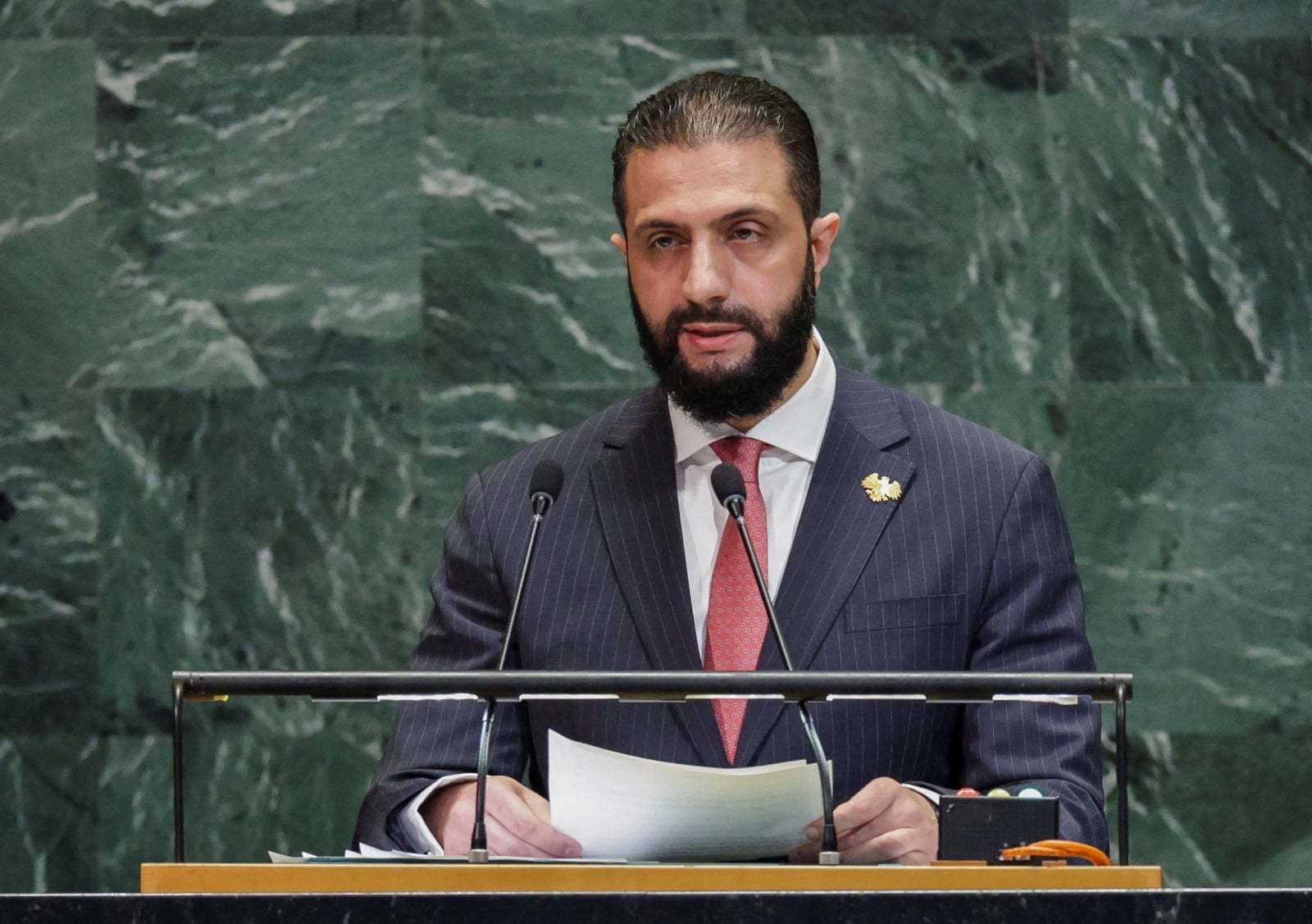
Syrian President Abu Mohammad al-Julani | Photo: Reuters
Chikli emphasized that “the achievement in Lebanon is unprecedented. Hezbollah is in crisis both operationally and politically, and we will not withdraw from there until the complete dismantling of the terror organization.” On Turkey, he added: “It is gradually inheriting Iran’s role—the next target is Israel.”
Earlier in the day at the conference, Defense Minister Israel Katz issued a direct warning to Turkish President Recep Tayyip Erdoğan: “The Muslim Brotherhood axis could be very dangerous. We are responsible for protecting our interests, and I suggest Erdoğan not mess with us.”
The U.S.-brokered pilot program designed to implement the late-June ceasefire framework in northern Israel and regulate relations with Lebanon is advancing at an exceptionally slow and complex pace. Under the agreement, troop withdrawal is contingent on the controlled disarmament of Hezbollah, but while the terror organization refuses to give up its weapons, implementation of the first zone in the village of Zawtar al-Gharbiyeh last week exposed the massive operational complexity involved in the slow return of residents to destroyed homes and ongoing friction on the ground, Reuters reported Wednesday.
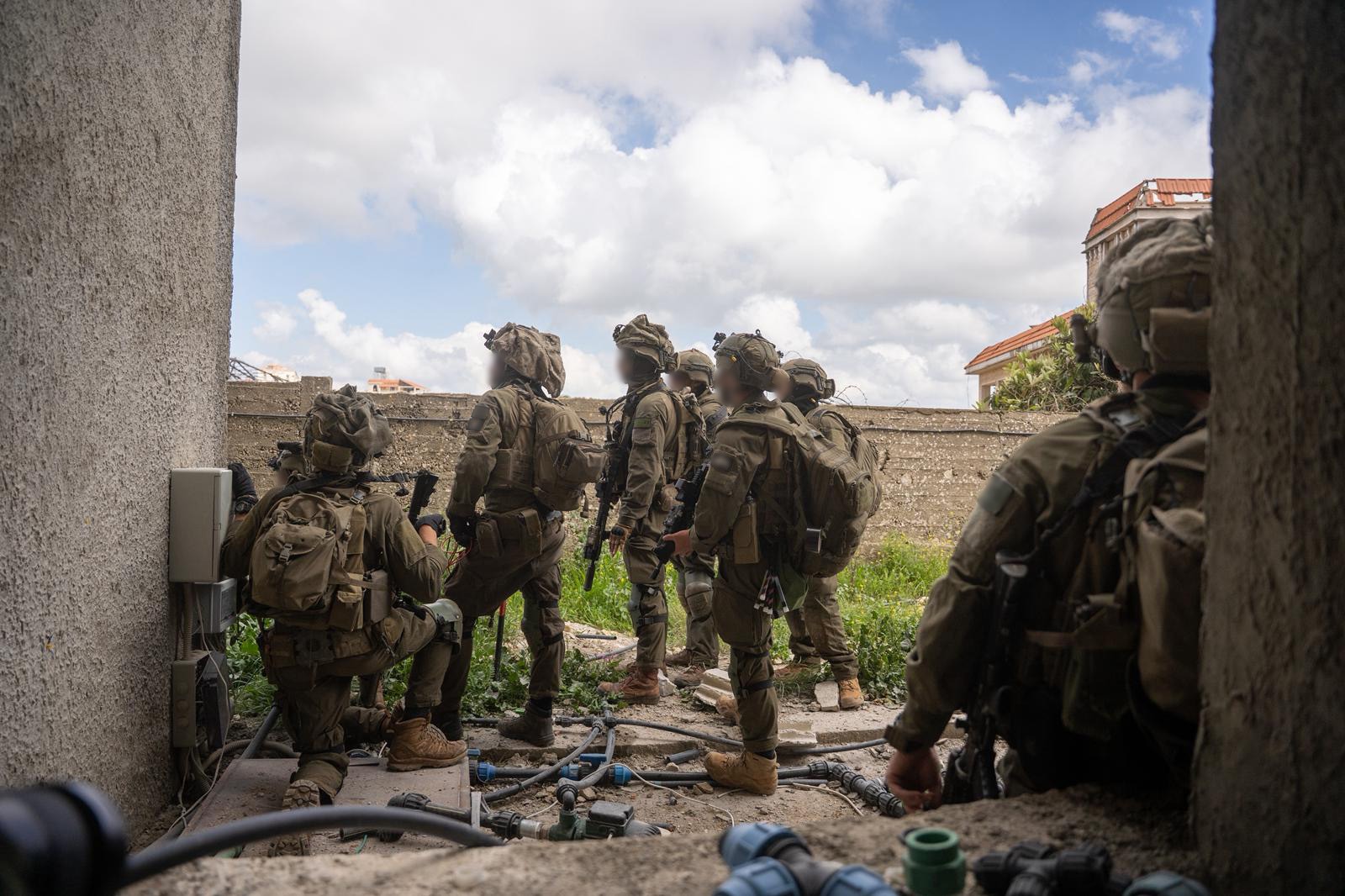
Givati Brigade forces operating in Lebanon, archive | Photo: IDF Spokesperson’s Unit
Tension on the ground was immediately apparent after Lebanese army troops deployed in Zawtar al-Gharbiyeh as forces withdrew, when IDF units remaining hundreds of meters away in a nearby village opened warning fire after detecting unusual movement toward them.
According to a senior Lebanese military official who spoke with Reuters, weeks of complex U.S.-mediated contacts and full days of military activity were required to establish the first pilot zone in a single village. The complicated move illustrates the great difficulty in implementing a framework contingent on the controlled disarmament of a terror organization that is not an official party to the agreement and which has issued explicit threats of internal civil war if the state attempts to forcibly disarm it.
Givati Brigade forces operating in Lebanon, archive | Photo: IDF Spokesperson’s Unit
While Lebanon plans to propose next week dividing the occupied area into two large sectors that would include dozens of towns—instead of withdrawing village by village—military sources in Lebanon and the international arena estimate that completing the full withdrawal process will take more than a year. The delay stems from a system of complex security challenges, chief among them control of strategic sites like the Ali Taher ridge, where Hezbollah is suspected of operating command centers and weapons storage facilities, as well as the absence of a verified monitoring mechanism or third party to enforce the agreement.
Despite the ceasefire reached last month, IDF forces remain deployed in a series of strategic towns north and east of Zawtar, including the Beaufort fortress situated on a commanding ridge, and have made clear they will remain in the sector as long as necessary to ensure the threat is removed. Experts note that the agreement signed on June 26 does not include predefined timetables for withdrawal or demilitarization, and warn that any attempt to forcibly disarm Hezbollah carries a real risk of igniting a bloody internal conflict in Lebanon.
Givati Brigade forces operating in Lebanon, archive | Photo: IDF Spokesperson’s Unit
Earlier Wednesday, the IDF confirmed that overnight, Hezbollah launched an explosive drone at IDF engineering equipment in the Ali Taher ridge area. There were no casualties to Israeli forces. This constitutes a blatant violation of the Lebanon ceasefire agreement by Hezbollah. The IDF stated: “IDF forces continue to operate in the ridge area and will not allow terrorists in the area to advance and execute terror attacks against IDF forces.”
Earlier this month, the United States announced that the first pilot zones in southern Lebanon had begun operating in the villages of Farun, Sarifa, and Zawtar al-Gharbiyeh. According to the State Department announcement, the activity is being carried out in accordance with the trilateral framework between Israel, Lebanon and the United States, and under the supervision of the Military Coordination Group for Lebanon.
Archive | Photo: IDF Spokesperson’s Unit
The announcement stated this was a “milestone” born from the round of talks held last week in Rome between Israeli and Lebanese delegations, with American mediation. The U.S. noted it would continue working closely with both sides to complete implementation of the agreements and bring the process to a successful conclusion.
The pilot zones represent the first stage in implementing the trilateral framework signed last month. Under the agreement, the Lebanese army is supposed to assume full security responsibility in designated areas after verifying the dismantling of infrastructure belonging to armed organizations not subordinate to the state. Simultaneously, the process is designed to enable gradual withdrawal of IDF forces from areas in southern Lebanon, in accordance with meeting the established security conditions.
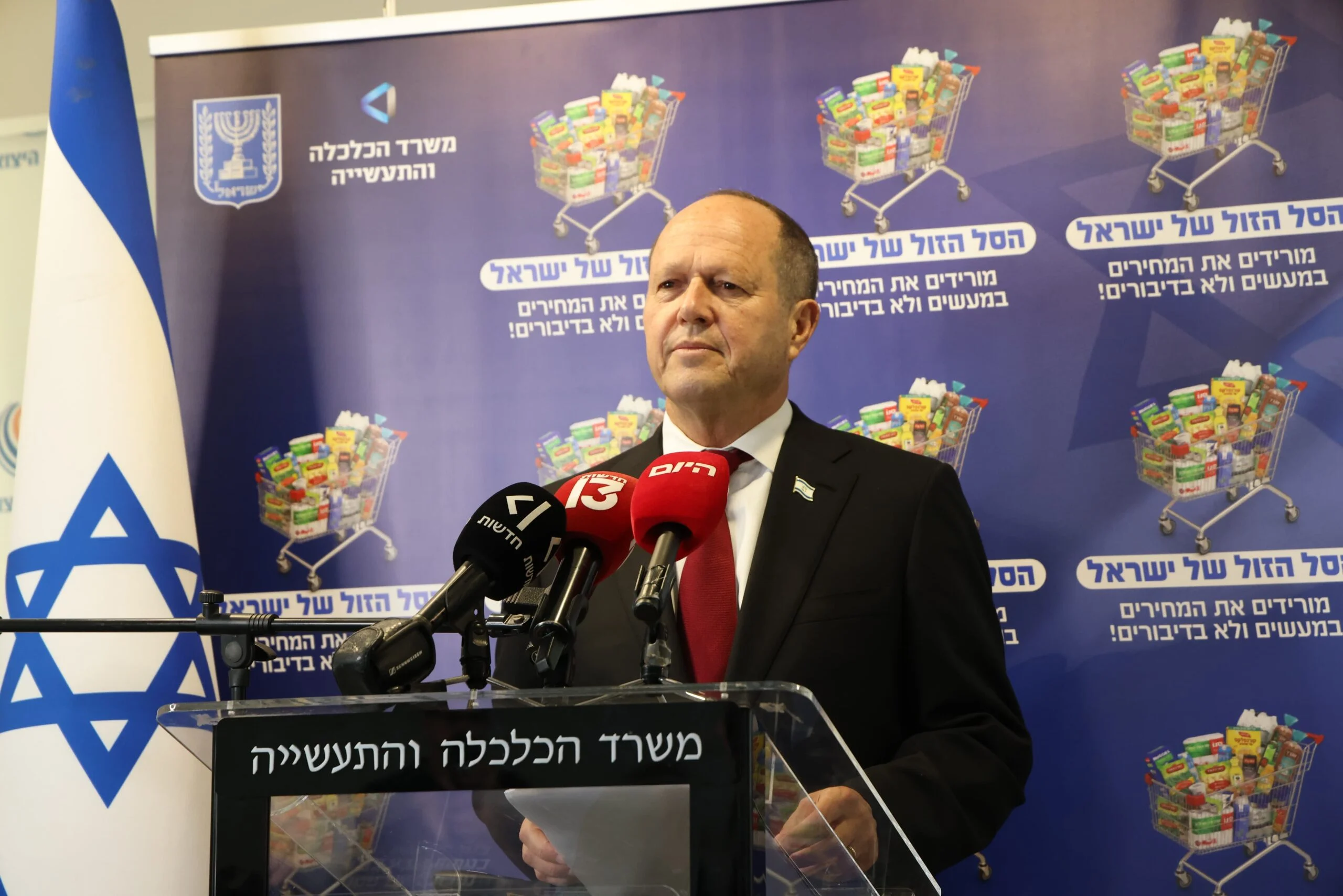
The Economy and Industry Ministry announced a new grant program for businesses adopting artificial intelligence and digital technologies. Under the program, with a total budget of 9 million shekels (~$2.5 million), the government will cover 35% of approved investment costs, up to a ceiling of 350,000 shekels (~$96,000) per business.
The program targets businesses in commerce, services, and industry with annual revenues up to 100 million shekels (~$27.5 million). Its goal is to encourage investment in computing, automation, digital systems, and AI tools to boost productivity, improve efficiency, and strengthen business competitiveness.
Photo: Shutterstock
Eligible investments include implementing ERP and CRM systems, inventory management systems, procurement and supply chain platforms, integrating AI tools and advanced technologies, and automation and control systems in production.
The ministry noted that studies by the ministry and the Central Bureau of Statistics show relatively low use of digital tools among Israeli businesses, particularly in commerce, non-tech services, and traditional manufacturing. In hospitality, food, and retail sectors, adoption of advanced business technologies falls below the European Union average.
Photo: Shutterstock
According to the ministry, a survey by the Small and Medium Business Agency on AI usage found that many business owners want to implement AI tools but first need to upgrade their computing systems and digital infrastructure.
Economy and Industry Minister MK Nir Barkat said: “Productivity is the growth engine of the Israeli economy, and the way to increase it is through embedding innovation in every business and every factory.” He said the grant program is designed to help small and mid-sized businesses adopt advanced technologies and remove investment barriers.
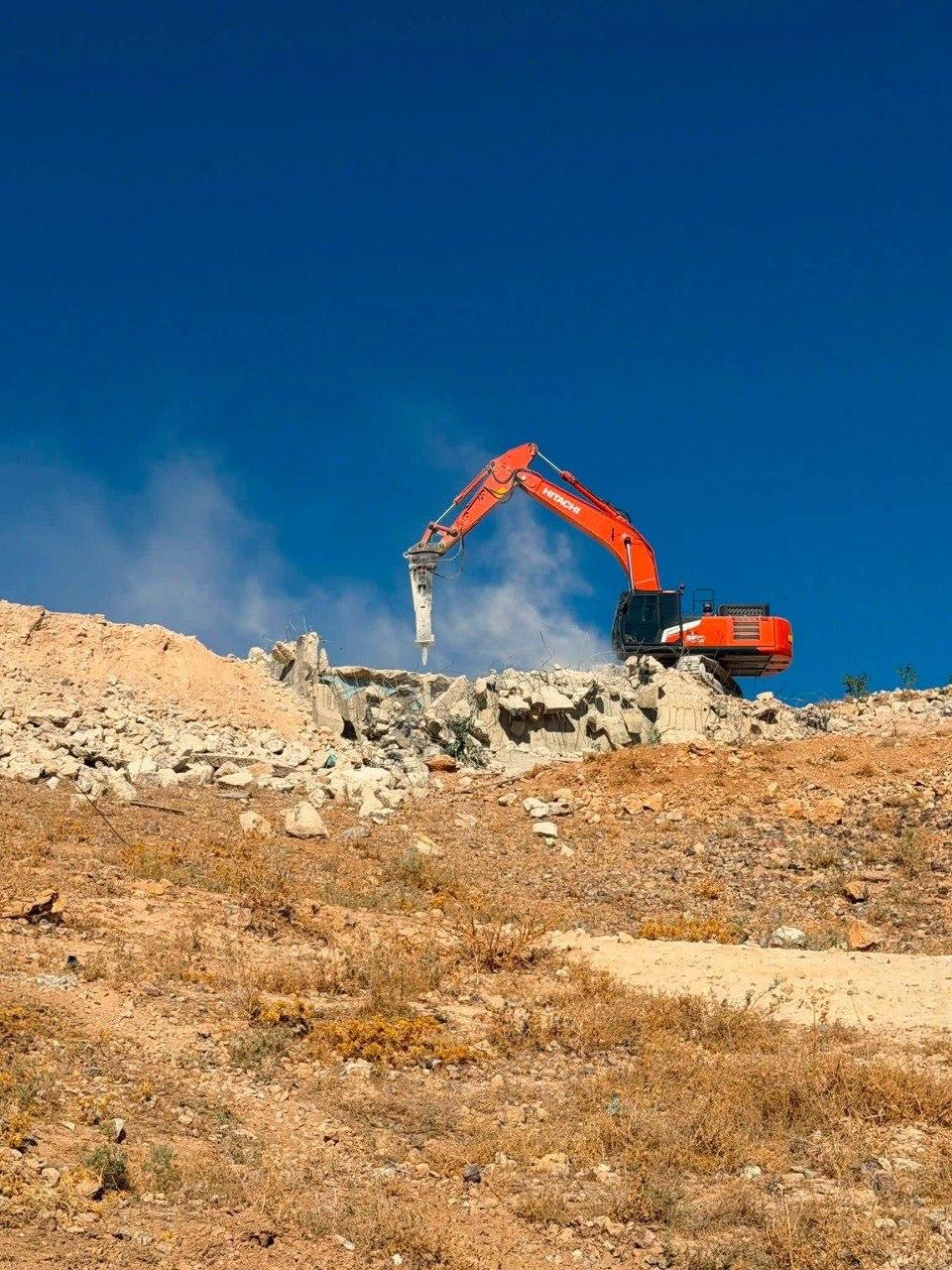
IDF forces, the Civil Administration’s inspection unit, and the Settlement Division carried out a focused enforcement operation in the Judean Desert yesterday. During the operation, several illegal ‘Palestinian’ buildings erected within the boundaries of the agreed-upon reserve were demolished.
The joint activity by security and enforcement forces comes as part of an effort to implement the law on the ground, crack down on illegal construction, and protect public lands and open spaces in Judea and Samaria.
Demolitions removing illegally built ‘Palestinian’ structures in Judea has become even more important following the recent wave of terrorist attacks in Samaria. Enforcing building laws and maintaining security control over strategically sensitive areas are essential to preventing future attacks, protecting nearby Israeli communities, and reinforcing Israel’s ability to respond to ongoing security threats.
Photo: Gush Etzion Spokesperson
“This Is Just the Beginning”
Gush Etzion Regional Council head Yaron Rosenthal praised the operation and thanked those involved: “I commend the IDF forces, the Civil Administration’s inspection unit, the Settlement Division headed by Minister Bezalel Smotrich, and the council’s land department for their determined activity and enforcement of the law.”
Rosenthal made clear this is the first step in a broader campaign and stressed the need for continued enforcement: “This is an important step, but it’s just the beginning. We must continue with consistent enforcement against all illegal construction in the agreed-upon reserve. We will keep working to ensure residents of eastern Gush Etzion and hikers in the Judean Desert have a safe, open, and protected space.”
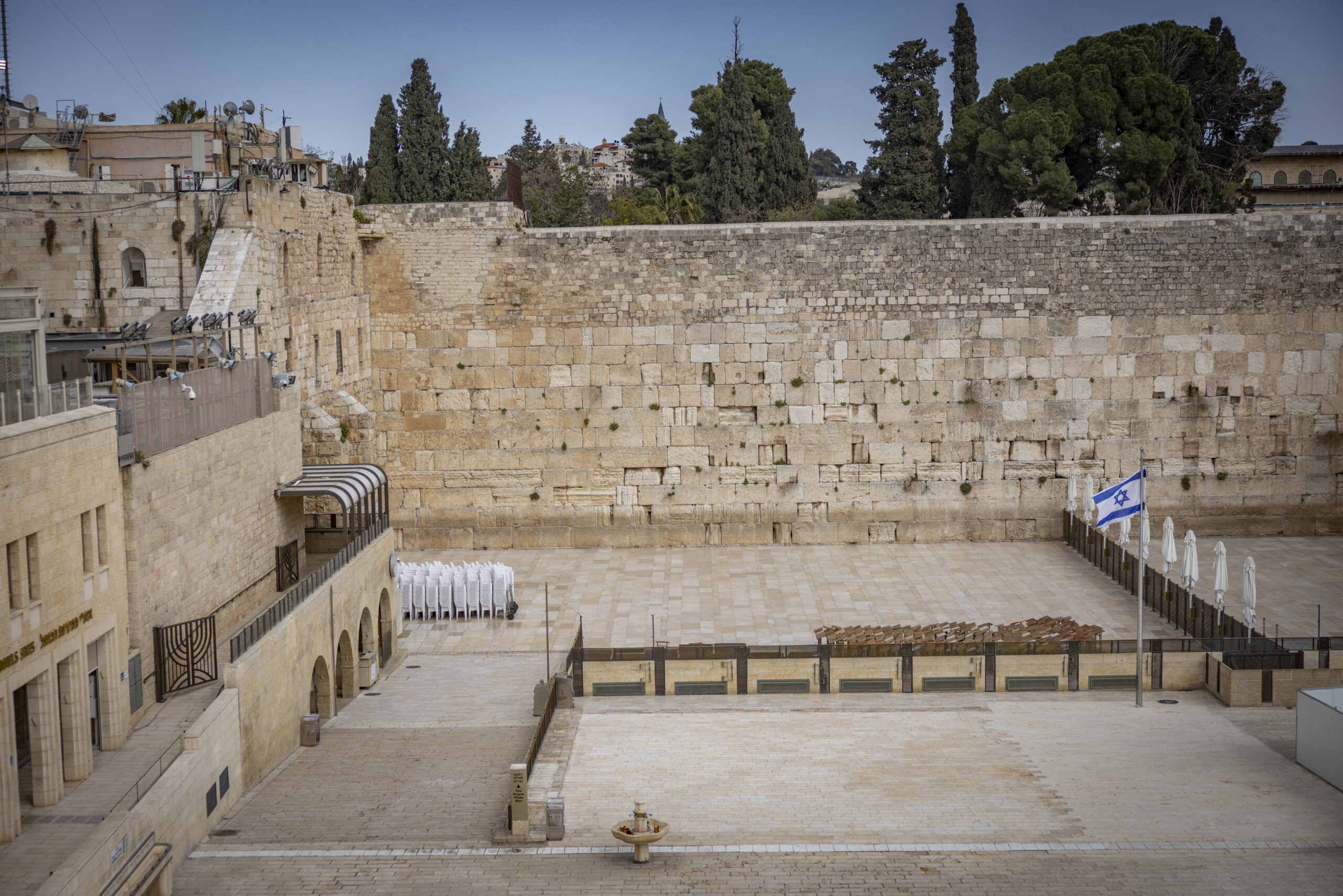
The rabbi of the Western Wall and Holy Sites is demanding the Israel Museum transfer an ancient stone on display to the Western Wall Heritage Foundation. The stone is one of four ancient stones that definitively belong to the Wall, which were scattered as exhibits across various institutions in Jerusalem including the Knesset and the President’s Residence. On the eve of the Tisha B’Av fast, the president approved transferring the stone from the President’s Residence, returning the third of the four stones to the Wall.
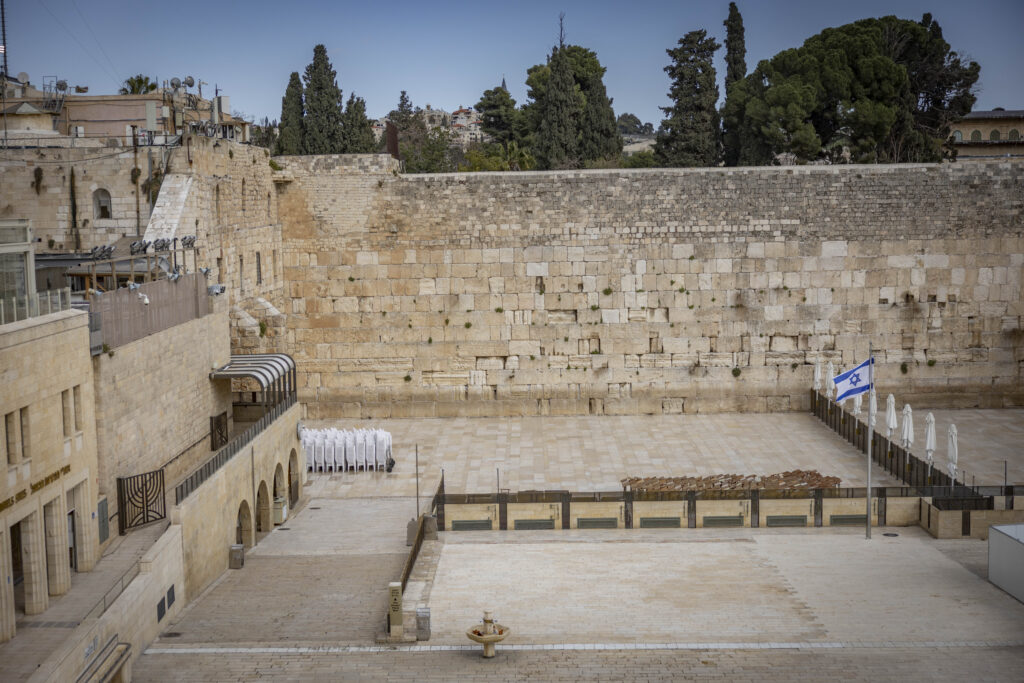
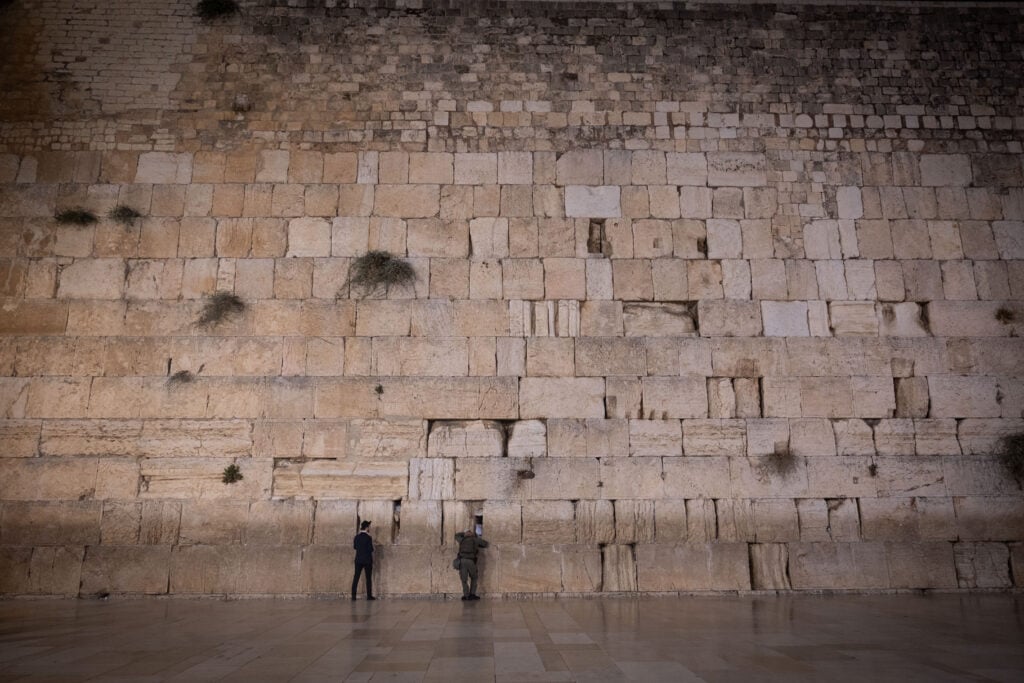
The Western Wall | Photo: The Western Wall Heritage Foundation
The stone displayed at the museum is particularly special because it bears the inscription “To the Trumpeting Place,” marking the spot during the Second Temple period where trumpets were sounded to announce the arrival of the Sabbath and festivals, as described in the writings of Josephus.
While the stones displayed for decades at the Knesset and President’s Residence have already been returned to their place, this one remains at the museum—despite official requests, demands, and decisive halakhic rulings by Israel’s Chief Rabbis and the Western Wall rabbi calling for its immediate return.
Photo: Haim Goldberg/Flash90
In recent years, historic decisions were made to return Western Wall stones held outside its walls to their natural environment, including the Wall stone displayed at the President’s Residence, which was recently returned to its place in the garden adjacent to the Western Wall in a moving ceremony on the eve of Tisha B’Av.
The Israel Museum displays one of the fallen Wall stones discovered at the southwestern foot of the Temple Mount—a stone that stood at the southern corner of the Western Wall. It has an internal niche and an ancient Hebrew inscription from the Herodian period: “To the Trumpeting Place to…”
Photo: Jonathan Sindel, Flash 90
The halakhic position and Chief Rabbinate: For decades, Israel’s Chief Rabbis and the Western Wall rabbi, Rabbi Shmuel Rabinowitz, have demanded the stones be returned to their place. In an official letter sent to the museum’s management, it was noted that the Wall stones originate from the “site of the Temple,” and that 55 years ago the leading rabbis of the generation and Sephardic Chief Rabbi Yitzhak Nissim ruled that it is improper to display holy stones outside their original location, quoting from the Book of Lamentations: “How is the gold become dim! How is the most fine gold changed! The stones of the sanctuary are poured out at the head of every street.”
Photo: Jonathan Sindel, Flash 90
The Israel Antiquities Authority clarified that the legality of the stone’s transfer to the museum in the past is entirely unclear, and that the director of the Jerusalem district at the Authority submitted an unequivocal request to return the stone to its place alongside the Wall stones.
Those involved in the matter emphasize that returning the stone bearing the historic inscription is not just a technical matter, but a profound symbol of connection, preservation of the site’s sanctity, and historic correction in accordance with halakhic requirements and Israel’s heritage. To date, despite repeated requests from the Western Wall rabbi and the Antiquities Authority, the Israel Museum has chosen to continue holding this stone of supreme importance, contrary to the shared position of religious and archaeological authorities in Israel.